Although habitat heterogeneity is known to enhance local species diversity, the effects of management-driven structural heterogeneity on understorey plant communities across spatial scales remain poorly understood, despite their crucial role for forest biodiversity and ecosystem functioning. To analyse how forest understorey plant communities respond to an enhancement of structural heterogeneity in managed forests, we established 11 experimental sites consisting of two paired forest landscapes, an untreated homogenous control and a treatment district (ESBC, Enhancement of Structural Beta-Complexity). In treatment districts, structural heterogeneity was enhanced through different combinations of local patch-scale manipulations of light and deadwood features, leading to greater between-patch heterogeneity at the landscape scale. We performed a meta-analysis across these 11 sites using a Hill-Chao number and sample coverage standardisation framework. Gamma diversity increased across taxonomic, functional and phylogenetic facets in structurally heterogeneous forests (ESBC districts) via higher alpha diversity. This effect was positively associated with heterogeneity in light availability between forest patches, but not with their mean light availability. In contrast, we found no evidence supporting that species turnover among patches (i.e. beta diversity) significantly contributes on average to the observed increase in gamma diversity. However, both the direction and magnitude of beta diversity responses varied substantially among study sites. On average, structurally heterogeneous forests supported higher species richness for both open and closed forest habitat species. Synthesis and applications. Our findings highlight the benefits of enhancing structural heterogeneity for understorey plant diversity in managed forest landscapes. Specifically, management strategies that create a spatial mosaic of interventions, such as combining single-tree removal with gap felling, can increase the variety of light niches among forest patches, thereby supporting the conservation of a wide range of understorey plant species, including forest specialists.
Predators are generally classified into two types based on feeding strategies: dietary specialists and generalists. Specialist predators exhibit prey-handling behaviors adapted to specific prey types. In snakes, earthworm-feeding has evolved independently multiple times, resulting in the presence of both specialists and generalists among earthworm-eating species. Nevertheless, studies on prey-handling behavior of earthworm-feeding snakes remain limited. We compared prey-handling behavior of two colubrid snakes, an earthworm-feeding specialist, the Ryukyu green snake (Ptyas semicarinata) and a generalist, the Japanese keelback snake (Hebius vibakari), by feeding them earthworms. Ptyas semicarinata swallowed earthworms with minimal lateral jaw movements and exhibited significantly shorter prey-handling time than H. vibakari. The swallowing behavior of P. semicarinata partially differed from typical jaw-walking and is likely an adaptation to earthworm prey. The movements of the earthworms appeared to facilitate ingestion in P. semicarinata. Future studies employing CT imaging and functional analyses of cranial morphology may help elucidate the mechanisms underlying this rapid swallowing behavior.
Several animals advertise their escape performance toward potential predators and convey their unprofitability as prey by exhibiting pursuit-deterrent displays. Foot shakes, which are exhibited by lizards in response to potential predators, are considered as a pursuit-deterrent signal. This pursuit-deterrent signal is thought to be either perception advertisement, indicating the detection of a predator, or quality advertisement, informing the individual's condition. However, it remains unclear what foot shakes advertise to predators. To address this, we conducted a field experiment using the Japanese grass lizard Takydromus tachydromoides, which is known to perform foot shakes. To simulate a predator, we approached the lizards, and measured our distance from the lizards when first spotted (starting distance) as well as the distance between the lizards and us when they fled (flight initiation distance). We also recorded the presence or absence of foot shakes and their distance from us when they initiated the display (display distance). Tested lizards were captured whenever possible and snout-vent length (SVL), sex and body temperature (Tb) were recorded. In 151 approaches, 43 lizards exhibited foot shakes. Approximately half of the lizards displayed foot shakes with display distance between 1 m and 2 m, but none at closer distance. These results align with those observed in foot shakes of other lizards, which are considered as a pursuit-deterrent signal, and are consistent with pursuit-deterrent theory. SVL and Tb had a positive correlation with the probability of foot shakes, and males performed foot shakes more frequently than females. Because SVL and Tb are well known to influence the escape performance of lizards, and sex potentially influences the performance, our results suggest that foot shakes of T. tachydromoides advertises the quality of the lizard rather than the perception of predators.
Several species of natricine snakes sequester bufadienolides from toads, store them in their nuchal glands, and reutilize them for their defense. This study aimed to examine the presence and morphological features of nuchal glands of natricine snakes distributed in Indonesia, containing several lineages of this group. When the presence of the glands was confirmed, the gland fluids were analyzed to identify their chemical components. Secretions from the parotoid glands of several species of toads in Indonesia were also analyzed. Morphological examination of the glands was conducted by observing the presence or absence of structures and recording the spatial pattern of the glands. The glandular fluids of three snake species and four toad species were extracted and analyzed by liquid chromatography/mass spectrometry (LC/MS). Nuchal glands or organs similar to the glands were found on the head or neck region of preserved or freshly dead specimens of Rhabdophis subminiatus, R. flaviceps, R. rhodomelas, and Rhabdophis spp. of Sulawesi, although such a gland was not found in the other genera of natricine snakes. These Rhabdophis species have different spatial patterns of glands, and particularly Rhabdophis spp. of Sulawesi showed an unusual novel gland form in the temporal and occipital regions of the head, possibly comparable to the nuchal glands. Bufadienolides of the bufogenin and bufotoxin types were identified from all toad gland fluids. In contrast, the glandular fluids of snakes, R. subminiatus, R. flaviceps, and Rhabdophis spp. of Sulawesi store only bufogenin-type bufadienolides. Bufadienolide profiles of snakes and toads indicate that the toxin composition is highly diverse among species. The results suggest that snakes would be able to chemically convert dietary bufadienolides from toads and reutilize some bufadienolides readily. This study demonstrated that the form and location of "nuchal glands" in a snake's body are more diverse than previously recognized.
Despite widespread concern over global biodiversity change 1,2, the gains and losses at local plant communities remain contentious 3–5, primarily due to the lack of integrative, large-scale analyses across different habitats and multiple facets of plant diversity. Here, we analysed 55,975 vegetation time series across Europe to quantify the general and habitat-specific trends in taxonomic, functional, and phylogenetic plant diversity, alongside changes in Red List species and European species pools. We found that, over the last 100 years, plant communities have gained 0.15 species year-1, accompanied by increases in Faith’s phylogenetic diversity and decreases in functional trait evenness. Local diversity trends were strongest in disturbed wetland and disturbed forest communities and varied substantially by habitat type, habitat-change trajectory (classified as stable, successional, or disturbed), and the year of the last observation in a time series – which collectively explained 2–24% of the observed variation. Species pool richness increased most in disturbed grassland and in successional sparsely-vegetated and man-made habitats but was otherwise stable. By accounting for the ecological context and the multiple facets of plant diversity, our findings provide a more nuanced understanding that is necessary to reconcile some of the conflicting narratives of local biodiversity change.
.-Mamushis (Gloydius blomhoffii) are widespread and common venomous snakes in Japan. Generally, G. blomhoffii are considered a nocturnal species, but some literature suggests that these snakes may be active also during daytime. We conducted radiotelemetric surveys in a mountainous forest in Kyoto to clarify the seasonal and diurnal activities of G. blomhoffii. We defined snake body exposure (visible or hiding) as an index of snake activity. We recorded a total of 295 fixes (187 during daytime and 108 at night) for nine snakes from 2020 to 2021. Time of day did not affect snake body exposure. Environment, season, and air temperature influenced body exposure tendency. Monitored snakes were usually visible when in forest habitats, whereas they were frequently hiding under shelters in riverside habitats. Mean home range size of G. blomhoffii was 1.03 ha and was relatively small compared to other snake species. Mean daily displacement was higher in August and September and lower in other months. We conclude that G. blomhoffii are a cathemeral species, active both during daytime and at night, and vary their activity and movement depending on season, temperature, and environment. The different tendencies of body exposure between forest and riverside habitats likely reflect a strategy to avoid predators and/or overheating. Unlike previous visual-based anecdotal information, use of radiotelemetry enabled us to reveal the true activity patterns of G. blomhoffii without biases related to searching ability.
Dietary specialists consume specific prey items, and they are often morphologically and behaviorally specialized to feed efficiently on those prey animals. Among specialist snakes, consumption of terrestrial arthropods is relatively rare. Because most terrestrial arthropods possess hardened sclerites and appendages, it is possible that snakes that feed on arthropods would show specialized prey-handling behavior. In this study, we describe prey-handling behavior of a snake feeding on terrestrial arthropods, which hitherto has not been well documented. We focused on Rhabdophis chiwen, which mainly feeds on earthworms, but also consumes lampyrine firefly larvae, sequestering cardiotonic steroids from them in its defensive organs, called nucho-dorsal glands. When feeding on earthworms, snakes showed size-dependent selection of swallowing direction, but this tendency was not observed when feeding on firefly larvae. Manipulation of firefly larvae did not seem to be efficient, probably because they possess sclerites and appendages such as legs that impede smooth handling. Although fireflies are an essential food for R. chiwen as a toxin source, our results showed that the snake is not adept at handling firefly larvae compared to earthworms, implying that dietary specialization does not necessarily accompany behavioral specialization. We discuss possible reasons for this inconsistency.
We have committed to ambitious targets under the Global Biodiversity Framework, but projected climate change makes the achievement of many of these targets extremely difficult and will effectively require a significant rethinking in how to achieve multiple targets. In this Opinion, we have chosen to focus on selected targets, considering how their achievement is likely to be compromised by climate change but also what the possibility of real response options might be. We focus on restoration (Target 2), spatial planning and integration (Targets 1, 2, 3 and 10), sustainable use and sustainable benefits to people (Targets 5, 9 and 10) and, finally, equity and social justice (Targets 13, 20-23 and Goal C). Now more than ever, the window for effective action on climate change and biodiversity is closing, requiring rapid and, most importantly, collective action.
La compréhension des impacts du réchauffement climatique anthropique sur la végétation terrestre nécessite une compréhension de base de la façon dont les voies directes et indirectes – médiées par la biodiversité – du changement climatique impactent le fonctionnement des écosystèmes. La décomposition et la minéralisation de la litière végétale sont des éléments clés du cycle mondial du carbone et représentent des incertitudes majeures dans la relation climat-biodiversité.
Abstract The Izu Island Archipelago, a chain of volcanic islands off the coast of Japan, near Tokyo, provides opportunities to examine body size evolution in snakes related to their diets. Elaphe quadrivirgata, the most widespread and abundant snake of the Izu Islands, preys mainly on the lizard Plestiodon latiscutatus. However, on Tadanae Island, E. quadrivirgata is gigantic—not because of rapid juvenile growth, but rather because of pronged, continuous, and enhanced growth throughout adulthood through feeding on the eggs and chicks of sea birds. Large body size in addition to evolutionary modifications of the trophic apparatus and allometry of gape size enables the consumption of large bird eggs. The terrestrial, insular food web is ultimately tied to rich marine food webs via enhanced prey availability of seabirds, wherein complex species interactions among small pelagic fishes, seabirds, and large carnivorous fishes have occurred in relation to long-term dynamics of physical and biological oceanographic processes.
The nuchal glands are organs of chemical defense embedded under the skin of several species of Rhabdophis and contain toxins sequestered from consumed prey. Rhabdophis subminiatus possesses nuchal glands, but not much information is available on its toxin source and prey preference, particularly based on its chemosensory response. We hypothesized that the response of R. subminiatus toward toads would be higher than other potential prey because the snake needs to sequester toxins contained in toad skin. We also examined the snake preference toward several bufonid species to test a hypothesis that the preference toward Duttaphrynus melanostictus is higher than other toad species due to its high availability in the habitat of the snake. To test the hypotheses, we conducted chemical response tests and compared the tongue-flick attack score (TFAS) of the snake toward prey chemical stimuli. The first experiment used only one toad species (D. melanostictus) and various potential prey animals for the source of chemical stimuli. The second experiment used chemical stimuli from several species of frogs and toads. In the first experiment, snakes showed the highest response toward D. melanostictus. However, in the second experiment, snakes showed the highest response toward a toad, Ingerophrynus biporcatus, followed by D. melanostictus, and a lower response toward another toad, Phrynoidis asper. These results indicate that the snake has a high preference toward toads, but its preference varies among toad species. Taken together, this study suggests that R. subminiatus discriminates different potential prey chemical cues and probably consumes toads to sequester their toxins.
Snakes are traditionally considered to be the least social among non-avian reptiles. Therefore, social behaviours that are not related to mating have rarely been studied in wild snakes. Nonetheless, in two species of snakes, Lycodon semicarinatus and Oligodon formosanus, intraspecific interactions unrelated to mating have been reported among individuals that forage on sea turtles and cluster around sea turtle nests. In this study, we conducted a field survey on L. semicarinatus on a sandy beach on Okinawa Island for four years by route census and fixed videography to quantify interactions between individuals that occurred at sea turtle nests. Snakes repelled conspecifics from the nest by using a ritual combat dance. Whether the snakes attacked the conspecific depended on the opponent at the nest. Some snakes waited for the conspecific to leave the nest. This decisionmaking may be based on individual recognition by chemical cues, because the snakes exhibited frequent tongue-flicking toward the occupant before contacting. Their tongue-flicking duration was significantly longer when the subsequent response was attacking than when it was fleeing. These intraspecific interactions imply the occurrence of territoriality and suggest the possible occurrence of a dominance hierarchy in L. semicarinatus. A comparison of L. semicarinatus with a previous study on O. formosanus revealed that they express different social interactions, although the two species use a similar feeding environment. Oligodon formosanus removes conspecifics from the nest by simply biting, but L. semicarinatus competed for the priority to access the nest by combat dance, and its decision-making whether to challenge the combat dance changed flexibly depending on the opponent. In addition, several L. semicarinatus that did not challenge the combat dance waited for hours near the opponent that were foraging on the nest. Lycodon semicarinatus exhibited behaviours to avoid encounter and fights with conspecific individuals. Although there are differences in the social level between the two snake species, the exploitation of a food resource that contains large numbers of prey in one place, such as sea turtle nests, may be an ecological factor that favours the evolutionary development of social behaviours in solitary snakes.
Understanding how environmental factors affect the performance of predators can provide profound insights into predator–prey interactions from evolutionary and ecological perspectives and the global distributional patterns of each taxon. Almost all venomous predators are ectotherms, with muscle contraction properties depending on temperature. For predators having venom transportation systems driven by muscle contraction, temperature may have quite large effects on envenomation performance for prey subjugation. Here, we used videography and enzyme-linked immunosorbent assay to examine thermal effects on envenomation kinematics and venom expenditure in predatory strikes of a venomous snake, the Mamushi Gloydius blomhoffii , to its main rodent prey at various body temperatures under both field and laboratory experimental conditions. Unexpectedly, we found that the thermal effects on envenomation performance are limited over nearly the entire ecologically relevant range of temperature (from 13.2°C to 26.2°C). Although temperature statistically significantly affected the mass of venom injected under field conditions, temperature explained only a minor proportion of the variation in venom expenditure. These findings suggest that the Mamushi is able to maintain prey subjugation performance across a wide range of temperatures, which is highly advantageous for ectothermic predators. Further studies should examine the underlying mechanisms of the limited thermal effects and their ubiquity across venomous predators.
Selecting ambush sites where prey abundance is high is vital for the foraging success of sit-and-wait predators. Ideal ambush sites, however, could vary due to different prey characteristics and intra-specific competition. We examined whether different life stages of a sit-and-wait predator, Trimeresurus stejnegeri, select different ambush sites, based on the observations of ambush sites of juvenile and adult snakes in three water habitats (lentic, lotic, and temporary pools) in Taiwan throughout the year. Snake stomach contents were compared between life stages in each habitat. Correlations between the monthly number of snakes observed and that of each frog species were analyzed for each habitat. Adult snakes mainly used lentic water as ambush sites and rarely used temporary pools, whereas juvenile snakes used all three habitats with a similar frequency. No clear ontogenetic diet shift was found from juveniles to adults. A high percentage of snakes from lentic water habitats had stomachs containing prey, suggesting this habitat is a better site for foraging by both juveniles and adults. Overall, our study highlights that habitat use and behavior of each prey animal and intraspecific competition as well as prey abundance should be taken into consideration when we investigate the factors that affect ambush site selection by predators.
Understanding the impacts of changing climate and disturbance regimes on forest ecosystems is greatly aided by the use of process-based models. Such models simulate processes based on first principles of ecology, which requires parameterization. Parameterization is an important step in model development and application, defining the characteristics of trees and their responses to the environment, i.e., their traits. For species-specific models, parameterization is usually done at the level of individual species. Parameterization is indispensable for accurately modeling demographic processes, including growth, mortality, and regeneration of trees, along with their intra- and inter-specific interactions. As it is time-demanding to compile the parameters required to simulate forest ecosystems in complex models, simulations are often restricted to the most common tree species, genera, or plant-functional types. Yet, as tree species composition might change in the future, it is important to account for a broad range of species and their individual responses to drivers of change explicitly in simulations. Thus, species-specific parameterization is a critical task for making accurate projections about future forest trajectories, yet species parameters often remain poorly documented in simulation studies.We compiled and harmonized all existing tree species parameters available for the individual-based forest landscape and disturbance model (iLand). Since its first publication in 2012, iLand has been applied in 50 peer-reviewed publications across three continents throughout the Northern Hemisphere (i.e., Europe, North America, and Asia). The model operates at individual-tree level and simulates ecosystem processes at multiple spatial scales, making it a capable process-based model for studying forest change. However, the extensive number of processes and their interactions as well as the wide range of spatio-temporal scales considered in iLand require intensive parameterization, with tree species characterized by 66 unique parameters in the model. The database presented here includes parameters for 150 temperate and boreal tree species and provenances (i.e., regional variations). Excluding missing values, the database includes a total of 9,249 individual parameter entries. In addition, we provide parameters for the individual susceptibility of tree species to wind disturbance (five parameters) for a subset of 104 tree species and provenances (498 parameter entries). To guide further model parameterization efforts, we provide an estimate of uncertainty for each species based on how thoroughly simulations with the respective parameters were evaluated against independent data.Our dataset aids the future parameterization and application of iLand, and sets a new standard in documenting parameters used in process-based forest simulations. This dataset will support model application in previously unstudied areas and can facilitate the investigation of new tree species being introduced to well-studied systems (e.g., simulating assisted migration in the context of rapid climate change). Given that many process-based models rely on similar underlying processes our harmonized parameter set will be of relevance beyond the iLand community. Our work could catalyze further research into improving the parameterization of process-based forest models, increasing the robustness of projections of climate change impacts and adaptation strategies.
Objective: To clarify the short and long-term postoperative outcomes and surgical indications for patients accompanied by hepatocellular carcinoma with tumor thrombus (TT) in the inferior vena cava (IVC) or right atrium (RA). Background: These patients are known to have an extremely poor prognosis; however, the postoperative outcomes have not been fully verified because of the rarity of this disease. Methods: We contacted 211 specialized centers in Japan and collected data on liver resection for hepatocellular carcinoma with TT in the IVC or RA from centers with experience performing surgery for such patients. The patient characteristics, operative procedures, and surgical outcomes were then analyzed. Results: A total of 119 patients from 23 institutions were enrolled; 49 patients had TT in the IVC below the diaphragm (type I), 42 had TT in the IVC above the diaphragm (type II), and 28 had TT entering the RA (type III). The severity and frequency of postoperative complications did not differ among the 3 groups. There was one surgery-related death in the type III group. The median survival times were 2.47 years in the type I group, 1.77 years in the type II group, and 1.02 years in the type III group. Multivariate analysis identified an indocyanine green retention rate at 15 minutes >15% and ≥3 tumors as prognostic factors affecting survival, whereas the use of cardiopulmonary bypass and ≥3 tumors were risk factors for recurrence. Conclusions: As the postoperative prognosis of patients with type I or type II disease and of patients with no risk factors is relatively good, surgery should be considered for these patient populations.
 Toshimi Kaido合作论文数Division of Hepato-Biliary-Pancreatic and Transplant Surgery, Graduate School of Medicine, Kyoto University49
 Shinji Uemoto (上本伸二)合作论文数Executive Office, Shiga University of Medical Science48
 Alan H. Savitzky合作论文数Department of Biological Sciences, Old Dominion University33
 Kohei Ogawa合作论文数26
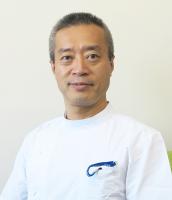 Yasuhiro Fujimoto (藤本康弘)合作论文数Nagoya University22Yasuhiro Ogura合作论文数21
 Deborah A. Hutchinson合作论文数Department of Biological Sciences, Old Dominion University20
 Etsuro Hatano合作论文数Department of Surgery, Kyoto University20
 Taku Iida合作论文数Department of Surgery, University of Florida College of Medicine19
 Shintaro Yagi (八木真太郎)合作论文数Institute of Medical, Pharmaceutical and Health Sciences, Faculty of Medicine, Kanazawa University;School of Medicine, College of Medical, Pharmaceutical and Health Sciences, Kanazawa University;Department of Hapato-Biliary-Pancreatic Surgery and Transplantation/Pediatric Surgery, Kanazawa University16Hideaki Okajima合作论文数16
 Atsushi Yoshizawa (吉澤篤)合作论文数Department of Frontier Materials Chemistry, Hirosaki University15
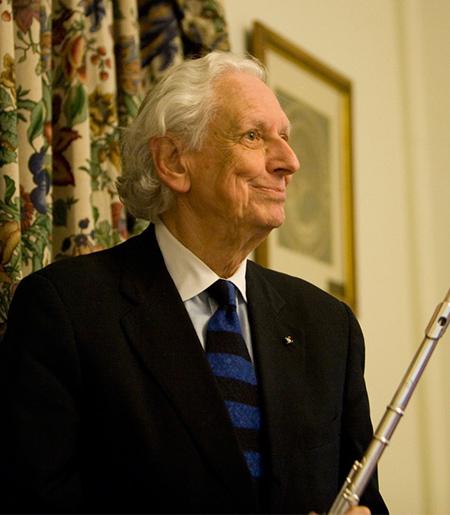 Jerrold Meinwald合作论文数Department of Chemistry and Chemical Biology, The College of Arts & Sciences, Cornell University14
 Frank C. Schroeder合作论文数Department of Chemistry & Chemical Biology, College of Arts & Sciences, Cornell University;Boyce Thompson Institute;Holoclara13Takashi Osono (大園享司)合作论文数Department of Environmental Systems Science, Faculty of Science and Engineering, Doshisha University13Gordon M. Burghardt合作论文数13Koichiro Hata合作论文数12Masaki Uchida合作论文数11
 Masami Hasegawa合作论文数Institute of Statistical Mathematics;School of Life Sciences, Fudan University10
 Keita Nishizawa合作论文数Research Center for Advanced Science and Technology, the University of Tokyo9
 Hirohiko Takeuchi合作论文数9Masaki Mizumoto合作论文数9Teppei Jono合作论文数Lab Ryukyu Isl Biogeog, Univ Ryukyus8Kitagawa Ryo合作论文数8Naoki Mori合作论文数8
 Hiroshi Takeda合作论文数8
 Hiroto Egawa合作论文数7
 Hidetoshi Ota (太田英利)合作论文数Institute of Natural and Environmental Sciences, University of Hyogo7Masayuki Imamura合作论文数First Department of Surgery, Faculty of Medicine, Kyoto University7Tadahiro Uemura合作论文数7
 Shota Masumoto合作论文数6Takato Inoue合作论文数6Ahmed W A Hammad合作论文数School of Built Environment, Faculty of Arts, Design & Architecture, The University of New South Wales6Hamaguchi Yuhei合作论文数6Takashi Ito合作论文数6Isami Ikeuchi合作论文数6Shigeki Arii合作论文数Department of Hepato-Biliary-Pancreatic Surgery, Tokyo Medical and Dental University6Kojiro Taura合作论文数Department of Medicine, University of California, San Diego6Satoru Seo (瀬尾智)合作论文数Kochi University6
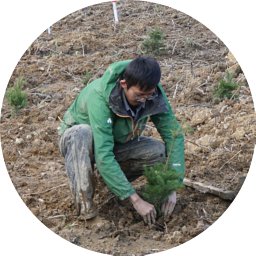 Yuta Kobayashi合作论文数Graduate School of Environment and Information Sciences, Yokohama National University5Guangxiang Zhu合作论文数5
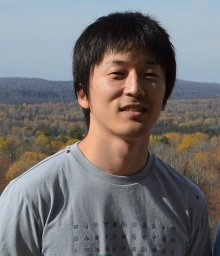 Shinichi Tatsumi合作论文数Hokkaido Res Ctr, Forestry & Forest Prod Res Inst5
 Shinya Okumura合作论文数5
 Shunsuke Matsuoka合作论文数5
 Hironori Haga (羽賀博典)合作论文数Department of Diagnostic Pathology, Kyoto University5Tsutomu Hikida合作论文数5
 Yezhong Tang (唐业忠)合作论文数Chengdu Institute of Biology, Chinese Academy of Sciences5
 Herilala Randriamahazo合作论文数5




