Abstract Introduction: The CD40-CD40L pathway is crucial for activating antigen-presenting cells and initiating tumor-specific T cell responses across various malignancies. However, prior agonistic anti-CD40 antibodies have encountered limited clinical success and significant toxicity. Our previous studies demonstrate that interactions between the antibody Fc domain and the inhibitory Fc-gamma receptor FcγRIIB are critical for efficient CD40 multimerization and enhanced antitumor activity. To optimize this interaction, we developed 2141-V11, a novel anti-CD40 antibody Fc-engineered to increase binding affinity for FcγRIIB, resulting in effective antitumor activity in both in vivo and in a recent first-in-human phase I trial (NCT04059588). Non-muscle invasive bladder cancer (NMIBC) is the most common presentation of bladder cancer, with a high risk of recurrence and progression despite optimal surgical interventions and standard therapies. Bacillus Calmette-Guerin (BCG) intravesical treatment has been the standard of care for NMIBC over the last five decades. However, 75% of patients ultimately become unresponsive to this therapy, leaving limited curative options aside from complete radical cystectomy. Using several preclinical bladder cancer models, including BCG-unresponsive disease, we found that intravesical administration of 2141-V11 induces durable anti-tumor immunity without systemic toxicity. Based on these findings, we initiated a Phase I study of intravesical 2141-V11 for the treatment of BCG-unresponsive NMIBC. Methods: This is an investigator-initiated Phase I, open-label, dose-escalation study to evaluate the safety and tolerability of intravesical 2141-V11 in patients with BCG-unresponsive NMIBC (N=25) who are ineligible for or decline radical cystectomy (NCT05126472). Following complete transurethral resection, intravesical 2141-V11 is administered once weekly for three doses, with re-treatment eligibility at week 13 and 25, based on disease status determined by on-treatment biopsies. The study follows an MCRM dose escalation design with five dose levels (0.7, 2.0, 7.0, 21.0 and 70.0 mg). Primary endpoints include safety and dose tolerability to determine maximal tolerated dose (MTD) and/or recommended phase 2 dose (RP2D). Secondary endpoints involve pharmacokinetic profiling and preliminary evaluation of clinical activity. Exploratory objectives include investigation of biological markers of drug activity in pre- and post-treatment tissue biopsies and urine biospecimens. As of the data cutoff on 12/20/23, 80% of the planned patients (n=20) have been enrolled, with no dose-limiting toxicities observed. Accrual completion is expected by the first quarter of 2024, with ongoing analysis of urine immune profiling, cytokine analysis, as well as single-cell spatial phenotyping in pre- and post-treatment samples. Citation Format: Juan C. Osorio, Muneeb Alam, Jeffrey Wong, David Knorr, Lucas Blanchard, Juan C. Angulo-Lozano, Karissa Whiting, Venkatraman E. Seshan, Timothy F. Donahue, Eugene K. Cha, Alvin C. Goh, Robert Smith, Guido Dalbagni, Christian Hernandez, Melissa McCarter, Eugene J. Pietzak, Jonathan E. Rosenberg, Jeffrey V. Ravetch, Bernard H. Bochner. Phase I study of intravesical Fc-optimized anti-CD40 agonist antibody 2141-V11 for non-muscle invasive bladder cancer (NMIBC) unresponsive to Bacillus Calmette-Guerin (BCG) therapy [abstract]. In: Proceedings of the American Association for Cancer Research Annual Meeting 2024; Part 2 (Late-Breaking, Clinical Trial, and Invited Abstracts); 2024 Apr 5-10; San Diego, CA. Philadelphia (PA): AACR; Cancer Res 2024;84(7_Suppl):Abstract nr CT086.
You have accessJournal of UrologyBladder Cancer: Basic Research & Pathophysiology II (PD14)1 May 2024PD14-07 ERCC2 ALTERATIONS ARE ASSOCIATED WITH ENHANCED SENSITIVITY TO INTRAVESICAL BACILLUS CALMETTE-GUÉRIN IN HIGH-GRADE NON-MUSCLE INVASIVE BLADDER CANCER Muneeb Alam, Jacob E. Tallman, Florestan Koll, Neeta D'Souza, Timothy Donahue, Alvin Goh, Judy Sarungbam, Michael Berger, Nikolaus Schultz, Gopa Iyer, David B. Solit, Bernard H. Bochner, Hikmat Al-Ahmadie, and Eugene J. Pietzak Muneeb AlamMuneeb Alam , Jacob E. TallmanJacob E. Tallman , Florestan KollFlorestan Koll , Neeta D'SouzaNeeta D'Souza , Timothy DonahueTimothy Donahue , Alvin GohAlvin Goh , Judy SarungbamJudy Sarungbam , Michael BergerMichael Berger , Nikolaus SchultzNikolaus Schultz , Gopa IyerGopa Iyer , David B. SolitDavid B. Solit , Bernard H. BochnerBernard H. Bochner , Hikmat Al-AhmadieHikmat Al-Ahmadie , and Eugene J. PietzakEugene J. Pietzak View All Author Informationhttps://doi.org/10.1097/01.JU.0001009472.76470.8c.07AboutPDF ToolsAdd to favoritesDownload CitationsTrack CitationsPermissionsReprints ShareFacebookLinked InTwitterEmail Abstract INTRODUCTION AND OBJECTIVE: ERCC2 is a nucleotide excision repair gene that is frequently mutated in bladder cancer. It is hypothesized that alterations in ERCC2 will lead to increased tumor mutational burden (TMB) and neoantigen load, which will sensitize bladder tumors to immunogenic therapies such as Bacillus Calmette-Guérin (BCG). The purpose of this study is to evaluate the association between ERCC2 alteration status and outcomes following intravesical BCG in high-grade non-muscle invasive bladder cancer (NMIBC). METHODS: Patients diagnosed with high-grade NMIBC who underwent targeted exome sequencing with a 505 gene panel were identified. Patients receiving at least five induction doses of intravesical BCG were selected, and pretreatment tumors with available sequencing data were included in the analysis. Specimens were excluded if no somatic mutations were present (n=13). Tumor mutational burden was compared between ERCC2-altered (-alt) and ERCC2-wild type (-wt) tumors using the Wilcoxon rank-sum test. Survival analysis was performed with the Kaplan-Meier method using the log-rank test to determine recurrence-free (RFS) and progression-free survival (PFS) based on molecular features. RESULTS: A total of 267 patients were identified for analysis. Median age was 70.1 years (IQR 62.3, 76.6) and 72 (27.0%) patients were female. The cohort included 31 (11.6%) Tis, 112 (41.9%) Ta, and 124 (46.4%) T1 tumors with a carcinoma in situ component present in 93 (34.8%) samples. Median follow-up was 34.2 months (IQR 19.9, 62.5). ERCC2 alterations were noted in 55 (20.6%) patients, the majority of which had N238S missense mutations (72.7%). ERCC2-alt tumors had an increased median TMB compared to ERCC2-wt tumors (27.2 vs. 7.9 mut/mB, p<0.001). ERCC2 alterations were associated with improved RFS (HR 0.52, p=0.019) after BCG. TMB ≥10 mut/mB was also associated with improved RFS (HR 0.55, p=0.004), and this effect was pronounced in the ERCC2-alt cohort (HR 0.29, p=0.046). ERCC2 alterations were associated with improved PFS, but this was not statistically significant (HR 0.30, p=0.084). CONCLUSIONS: Alterations in the DNA damage repair gene ERCC2 are associated with genomic instability and enhanced sensitivity to intravesical BCG. These findings warrant prospective validation to clarify the role of ERCC2 as a biomarker of response to BCG. Source of Funding: The Sidney Kimmel Center for Prostate and Urologic Cancers at MSKCC, NIH/NCI Cancer Center Support Grant (P30CA008748), NIH/NCI R01/R37CA276946, Marie-Josée and Henry R. Kravis Center for Molecular Oncology, NCI Specialized Programs of Research Excellence (SPORE) in Bladder Cancer (P50CA221745), Cycle for Survival, Bladder Cancer Advocacy Network Young Investigator Award, Ruth L. Kirschstein T32 National Research Service Award © 2024 by American Urological Association Education and Research, Inc.FiguresReferencesRelatedDetails Volume 211Issue 5SMay 2024Page: e356 Advertisement Copyright & Permissions© 2024 by American Urological Association Education and Research, Inc.Metrics Author Information Muneeb Alam More articles by this author Jacob E. Tallman More articles by this author Florestan Koll More articles by this author Neeta D'Souza More articles by this author Timothy Donahue More articles by this author Alvin Goh More articles by this author Judy Sarungbam More articles by this author Michael Berger More articles by this author Nikolaus Schultz More articles by this author Gopa Iyer More articles by this author David B. Solit More articles by this author Bernard H. Bochner More articles by this author Hikmat Al-Ahmadie More articles by this author Eugene J. Pietzak More articles by this author Expand All Advertisement PDF downloadLoading ...
You have accessJournal of UrologyBladder Cancer: Non-invasive I (MP16)1 May 2024MP16-17 PHASE I STUDY OF INTRAVESICAL FC-OPTIMIZED ANTI-CD40 AGONIST ANTIBODY 2141-V11 FOR NON-MUSCLE INVASIVE BLADDER CANCER (NMIBC) UNRESPONSIVE TO BACILLUS CALMETTE-GUERIN (BCG) Bernard H. Bochner, Muneeb Alam, Juan C. Osorio, Jeffrey L. Wong, David Knorr, Lucas Blanchard, Juan Angulo-Lozano, Karissa Whiting, Venkatraman E. Seshan, Timothy Donahue, Eugene Cha, Alvin Goh, Robert Smith, Guido Dalbagni, Christian Hernandez, Melissa McCarter, Eugene J. Pietzak, Jonathan E. Rosenberg, and Jeffrey V. Ravetch Bernard H. BochnerBernard H. Bochner , Muneeb AlamMuneeb Alam , Juan C. OsorioJuan C. Osorio , Jeffrey L. WongJeffrey L. Wong , David KnorrDavid Knorr , Lucas BlanchardLucas Blanchard , Juan Angulo-LozanoJuan Angulo-Lozano , Karissa WhitingKarissa Whiting , Venkatraman E. SeshanVenkatraman E. Seshan , Timothy DonahueTimothy Donahue , Eugene ChaEugene Cha , Alvin GohAlvin Goh , Robert SmithRobert Smith , Guido DalbagniGuido Dalbagni , Christian HernandezChristian Hernandez , Melissa McCarterMelissa McCarter , Eugene J. PietzakEugene J. Pietzak , Jonathan E. RosenbergJonathan E. Rosenberg , and Jeffrey V. RavetchJeffrey V. Ravetch View All Author Informationhttps://doi.org/10.1097/01.JU.0001008640.01272.9d.17AboutPDF ToolsAdd to favoritesDownload CitationsTrack CitationsPermissionsReprints ShareFacebookLinked InTwitterEmail Abstract INTRODUCTION AND OBJECTIVE: 2141-V11 is a novel anti-CD40 antibody developed by our group with enhanced binding to FcγRIIB resulting in effective tumor-specific T-cell responses in vivo. In preclinical bladder cancer models, including BCG-unresponsive disease, intravesical 2141-V11 results in durable anti-tumor immunity without systemic toxicity. Based on these findings, we initiated a first in human Phase I/II study of intravesical 2141-V11 for the treatment of BCG-unresponsive NMIBC. METHODS: This is an investigator-initiated Phase I, open-label, dose-escalation study to evaluate the safety and tolerability of intravesical 2141-V11 in patients with BCG-unresponsive NMIBC who are ineligible for or decline radical cystectomy (NCT05126472) (N=25). Following complete transurethral resection, intravesical 2141-V11 is administered once weekly for 3 doses with retreatment eligibility at week 13 and 25, depending on disease state. Dose escalation follows an MCRM design (Figure 1). Primary endpoints are safety and dose tolerability to determine maximal tolerated dose (MTD) and/or recommended Phase II dose. Secondary endpoints include pharmacokinetics and preliminary evaluation of clinical activity. Exploratory aims include investigation of biological markers of drug activity in tissue and urine. RESULTS: A total of 18 patients were enrolled by the data cutoff 11/2/23. Patients included had carcinoma in situ (CIS) with or without Ta/T1 (N=12) or Ta/T1 without CIS (N=6). Eight patients had a prior history of T1 disease. Patients received a mean of 12.7 doses of prior BCG. Intravesical 2141-V11 was well tolerated (no grade ≥3 events) with no dose-limiting toxicities up to the highest tested dose of 70 mg. MTD was not reached. Complete responses were observed at 3 and 6 months with final therapeutic analysis pending completion of follow up. Post-treatment urine studies reveal increased neutrophils/neutrophil-related cytokines, particularly in responders. Single-cell spatial phenotyping is ongoing. CONCLUSIONS: Intravesical 2141-V11 is well tolerated up to 70 mg with minimal local side effects and no evidence of systemic toxicity. Completion of accrual and biological correlatives will reveal on-target activity and early efficacy data. Download PPT Source of Funding: None © 2024 by American Urological Association Education and Research, Inc.FiguresReferencesRelatedDetails Volume 211Issue 5SMay 2024Page: e247 Advertisement Copyright & Permissions© 2024 by American Urological Association Education and Research, Inc.Metrics Author Information Bernard H. Bochner More articles by this author Muneeb Alam More articles by this author Juan C. Osorio More articles by this author Jeffrey L. Wong More articles by this author David Knorr More articles by this author Lucas Blanchard More articles by this author Juan Angulo-Lozano More articles by this author Karissa Whiting More articles by this author Venkatraman E. Seshan More articles by this author Timothy Donahue More articles by this author Eugene Cha More articles by this author Alvin Goh More articles by this author Robert Smith More articles by this author Guido Dalbagni More articles by this author Christian Hernandez More articles by this author Melissa McCarter More articles by this author Eugene J. Pietzak More articles by this author Jonathan E. Rosenberg More articles by this author Jeffrey V. Ravetch More articles by this author Expand All Advertisement PDF downloadLoading ...
You have accessJournal of UrologyBladder Cancer: Upper Tract Transitional Cell Carcinoma III (PD41)1 May 2024PD41-02 IMPACT OF KMT2 GENE ALTERATIONS ON SURVIVAL OUTCOMES IN UPPER TRACT UROTHELIAL CARCINOMA Muneeb Alam, Andrew B. Katims, Jacob E. Tallman, Wesley Yip, Eugene J. Pietzak, Hikmat Al-Ahmadie, Bernard H. Bochner, Kwanghee Kim, David B. Solit, and Jonathan A. Coleman Muneeb AlamMuneeb Alam , Andrew B. KatimsAndrew B. Katims , Jacob E. TallmanJacob E. Tallman , Wesley YipWesley Yip , Eugene J. PietzakEugene J. Pietzak , Hikmat Al-AhmadieHikmat Al-Ahmadie , Bernard H. BochnerBernard H. Bochner , Kwanghee KimKwanghee Kim , David B. SolitDavid B. Solit , and Jonathan A. ColemanJonathan A. Coleman View All Author Informationhttps://doi.org/10.1097/01.JU.0001008568.76803.f1.02AboutPDF ToolsAdd to favoritesDownload CitationsTrack CitationsPermissionsReprints ShareFacebookLinked InTwitterEmail Abstract INTRODUCTION AND OBJECTIVE: The histone-lysine N-methyltransferase family encompasses proteins that impart epigenetic modifications through lysine methylation of histone H3. These proteins are encoded by the KMT2 family of genes, which are frequently altered in upper tract urothelial carcinoma (UTUC). The purpose of this study is to evaluate the association between KMT2 alterations and outcomes in UTUC. METHODS: Patients diagnosed with UTUC who underwent targeted exome sequencing of up to 505 genes were identified. Patients whose sequencing was performed on a co-occurring bladder tumor were excluded. Tumor mutational burden (TMB) was determined based on the rate of non-synonymous mutations (mut/mB) and compared between groups using the Wilcoxon rank-sum and one-way ANOVA tests. Gene enrichment was evaluated using the false discovery method with q<0.05 considered statistically significant. Survival analysis was performed with the Kaplan-Meier method using the log-rank test to evaluate metastasis-free (MFS) and overall survival (OS) starting at the date of diagnosis. RESULTS: A total of 285 patients were identified for analysis. Median age was 67.5 years (IQR 60.8, 73.7) and 112 (39.3%) patients were female. Median follow-up was 37.9 months (IQR 21.8, 60.5). Definitive surgery was performed in 252 patients, and final pathology demonstrated pT0 (2.4%), pTis (1.6%), pTa (16.3%), pT1 (12.7%), pT2 (11.1%), pT3/4 (35.1%), and pTanyN1-3 (19.8%) disease. Metastatic disease occurred in 52.2% of the cohort. KMT2 alterations included KMT2A (9%), KMT2B (14%), KMT2C (18%), and KMT2D (43%). Median TMB was higher in patients with at least one KMT2 alteration (10.5 vs. 5.9 mut/mB, p<0.001) and was highest for those with alterations in KMT2A (28.1 mut/mB) (Figure 1A). Alterations in KMT2C were associated with superior MFS (HR 0.37, 95% CI 0.25-0.56) and OS (HR 0.51, 95% CI 0.31-0.85). KMT2C-altered tumors were enriched in FGFR3 alterations (60.4% vs. 34.5%, q=0.13), and KMT2C/FGFR3 co-altered tumors demonstrated superior MFS compared to both FGFR3 (HR 0.15, p<0.01) and KMT2C alteration alone (HR 0.17, p<0.01) (Figure 1B). CONCLUSIONS: UTUC demonstrates a high frequency of KMT2 gene alterations, which are associated with increased TMB and metastasis. Further evaluation is warranted to better understand the association between KMT2C and outcomes in UTUC. Download PPT Source of Funding: Ruth L. Kirschstein T32 National Research Service Award © 2024 by American Urological Association Education and Research, Inc.FiguresReferencesRelatedDetails Volume 211Issue 5SMay 2024Page: e886 Advertisement Copyright & Permissions© 2024 by American Urological Association Education and Research, Inc.Metrics Author Information Muneeb Alam More articles by this author Andrew B. Katims More articles by this author Jacob E. Tallman More articles by this author Wesley Yip More articles by this author Eugene J. Pietzak More articles by this author Hikmat Al-Ahmadie More articles by this author Bernard H. Bochner More articles by this author Kwanghee Kim More articles by this author David B. Solit More articles by this author Jonathan A. Coleman More articles by this author Expand All Advertisement PDF downloadLoading ...
You have accessJournal of UrologyHealth Services Research: Practice Patterns, Quality of Life and Shared Decision Making III (MP23)1 Sep 2021MP23-07 PATIENT PREFERENCE REGARDING CHAPERONE USE IN THE OUTPATIENT UROLOGY CLINIC Muneeb Alam, Moben Mirza, Jeffrey Thompson, and Casey Kowalik Muneeb AlamMuneeb Alam More articles by this author , Moben MirzaMoben Mirza More articles by this author , Jeffrey ThompsonJeffrey Thompson More articles by this author , and Casey KowalikCasey Kowalik More articles by this author View All Author Informationhttps://doi.org/10.1097/JU.0000000000002014.07AboutPDF ToolsAdd to favoritesDownload CitationsTrack CitationsPermissionsReprints ShareFacebookLinked InTwitterEmail Abstract INTRODUCTION AND OBJECTIVE: Chaperones are often employed during sensitive patient encounters and have been assumed to be mutually beneficial to the patient and provider. Although guidelines exist within other specialties, the use of chaperones within Urology has not been standardized. The aim of this study is to better understand patient preferences regarding the use of chaperones and to characterize patient factors affecting these preferences. METHODS: Following institutional review board approval, a questionnaire designed to evaluate patient demographics and preferences regarding the use of chaperones was distributed electronically through the ResearchMatch platform as well as to patients presenting to an outpatient Urology clinic. Descriptive statistics were used to assess patient demographics, clinical experiences, and preferences. Multiple regression analysis was used to determine patient factors associated with preference for having a chaperone. RESULTS: A total of 913 individuals completed the survey, of which 838 (91.8%) had seen a physician within the past year. A majority of responders were female (71.5%). Of the total, 183 (20%) had previously seen a Urologist, and 49 (26.7%) of these patients reported chaperone use during their visit. Chaperone use was most commonly employed during Primary Care (48.6%) and Ob/Gyn (52.2%) encounters. Over half (52.9%) of patients reported that they would not want a chaperone present during any part of a health care visit. Although rectal and genital/pelvic exams were considered “sensitive” by 76.3% and 85% of patients, respectively, only 25.4% and 15.7% of patients desired a chaperone during these encounters. Reasons for not wanting a chaperone included trust with the provider (80%), comfort with exams (70.4%), and embarrassment/discomfort with having a chaperone present (33%). Male responders were less likely to report a preference for a chaperone (OR 0.28, CI 0.19-0.39) or consider provider gender as a major factor in desiring a chaperone (OR 0.28, CI 0.09-0.66). CONCLUSIONS: Patient preference regarding the use of a chaperone is influenced by gender. For exams commonly performed in the field of Urology, a majority of patients would not prefer a chaperone be present. These data suggest that a mandate for chaperone use in all patient exams would not align with patient preference. Source of Funding: University of Kansas Department of Urology Research Fund © 2021 by American Urological Association Education and Research, Inc.FiguresReferencesRelatedDetails Volume 206Issue Supplement 3September 2021Page: e403-e403 Advertisement Copyright & Permissions© 2021 by American Urological Association Education and Research, Inc.MetricsAuthor Information Muneeb Alam More articles by this author Moben Mirza More articles by this author Jeffrey Thompson More articles by this author Casey Kowalik More articles by this author Expand All Advertisement Loading ...
 Bernard H. Bochner合作论文数Department of Surgery, Memorial Sloan Kettering Cancer Center;Department of Urology, Weill Medical College, Cornell University5
 Timothy Donahue合作论文数Department of Molecular and Medical Pharmacology, University of California, Los Angeles4
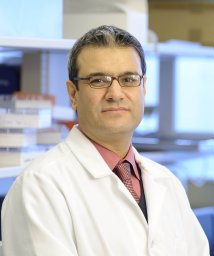 Hikmat A. Al-Ahmadie合作论文数Memorial Sloan Kettering Cancer Center4
 Pietzak Eugene J合作论文数Department of Surgery, Hospital of the University of Pennsylvania4Tallman Jacob E合作论文数Cornell University4Alvin C. Goh合作论文数Scott Department of Urology, Baylor College of Medicine4
 David B. Solit合作论文数Marie-Josée and Henry R. Kravis Center for Molecular Oncology, Memorial Sloan Kettering Cancer Center;Sloan Kettering Institute, Memorial Sloan Kettering Cancer Center4
 Jeffrey V. Ravetch合作论文数Leonard Wagner Laboratory of Molecular Genetics and Immunology, The Rockefeller University;Cooperative Center for Human Immunology, The Rockefeller University2Neeta D'Souza合作论文数2Melissa McCarter合作论文数2Christian Hernandez合作论文数2
 Lucas Blanchard合作论文数2
 Florestan Koll合作论文数2Karissa Whiting合作论文数Department of Epidemiology and Biostatistics, Memorial Sloan Kettering Cancer Center2Andrew Katims合作论文数Department of Urology, Icahn School of Medicine at Mount Sinai2Robert Smith合作论文数2Wesley Yip合作论文数2
 Nikolaus Schultz合作论文数Department of Biostatistics and Epidemiology, Memorial Sloan Kettering Cancer Center;Center for Molecular Oncology, Memorial Sloan Kettering Cancer Center2
 Guido Dalbagni合作论文数Memorial Sloan Kettering Cancer Center2
 Venkatraman E. Seshan合作论文数Memorial Sloan-Kettering Cancer Center2
 Judy Sarungbam合作论文数2Kwanghee Kim合作论文数Department of Surgery, Memorial Sloan Kettering Cancer Center2
 Michael F. Berger合作论文数Department of Pathology, Memorial Sloan Kettering Cancer Center2Gopa Iyer合作论文数Human Oncology and Pathogenesis Program, Memorial Sloan-Kettering Cancer Center;Department of Medicine, Memorial Sloan-Kettering Cancer Center;Weill Medical College, Cornell University;Weill Medical College, Cornell University2
 Juan C. Osorio合作论文数Department of Medicine, Harvard Medical School2
 David Knorr合作论文数Department of Medicine, University of Minnesota2
 Jonathan E. Rosenberg合作论文数Division of Solid Tumor Oncology, Memorial Sloan Kettering Cancer Center;Joan & Sanford I. Weill Medical College, Cornell University2
 Eugene K. Cha合作论文数Memorial Sloan Kettering Cancer Center2
 Jonathan A. Coleman合作论文数Urology Service, Department of Surgery, Memorial Sloan Kettering Cancer Center2Jeffrey L. Wong合作论文数1Bernard Bochner合作论文数1
 Juan Carlos Angulo-Lozano合作论文数Laboratory of Molecular Genetics and Immunology, Rockefeller University1Mirza Moben合作论文数1
 Casey G Kowalik合作论文数1
 Jeffrey A. Thompson合作论文数Department of Computer Science, University of Southern Maine1




