BACKGROUND/OBJECTIVES:Triple-negative breast cancer (TNBC) is an aggressive breast cancer subtype characterized by substantial biological heterogeneity and variable clinical outcomes. Reliable prognostic tools are needed to improve risk stratification following neoadjuvant chemotherapy (NACT). This study aimed to evaluate the association of the Clinical-Pathologic Stage, Estrogen/Grade (CPS-EG) score with pathological complete response (pCR) and survival outcomes in patients with locally advanced TNBC treated with NACT. METHODS:In this multicenter retrospective cohort study, 690 patients with locally advanced TNBC treated with NACT between 2010 and 2024 at 25 oncology centers were included. Patients were categorized according to CPS-EG score (≤3 vs. >3). Associations between CPS-EG score, clinicopathological characteristics, pCR, disease-free survival (DFS), and overall survival (OS) were analyzed. Survival outcomes were evaluated using Kaplan-Meier and Cox regression analyses. RESULTS:Patients with a CPS-EG score > 3 had significantly lower pCR rates and higher recurrence rates compared with those with a CPS-EG score ≤ 3 (p < 0.001 for both). Five-year OS rates were 83.7% and 54.1% in the CPS-EG ≤ 3 and > 3 groups, respectively, while the corresponding five-year DFS rates were 76.4% and 51.9% (p < 0.001 for both). In the multivariable analysis, CPS-EG > 3 remained independently associated with worse OS (HR 1.46, 95% CI 1.08-1.98, p = 0.015) and DFS (HR 1.73, 95% CI 1.26-2.38, p < 0.001). CONCLUSIONS:A higher CPS-EG score is associated with a lower likelihood of achieving pCR and poorer long-term survival outcomes in patients with locally advanced TNBC treated with NACT. The CPS-EG score represents a simple and readily available tool that may support risk stratification and clinical decision-making in routine practice.
Background:Breast cancer is the most common malignancy among women, and despite therapeutic advances, many still present with locally advanced disease. Identifying simple prognostic tools to predict outcomes after neoadjuvant therapy remains a challenge. The neoadjuvant rectal (NAR) score, systemic immune-inflammation index (SII), and prognostic nutritional index (PNI) have shown prognostic value in various malignancies. In this study, we evaluated their prognostic significance in patients with locally advanced breast cancer (LABC). Methods:We retrospectively analyzed 187 female LABC patients treated with anthracycline- and taxane-based neoadjuvant chemotherapy between 2011 and 2020. HER2-positive patients also receive anti-HER2 therapy. The NAR score was calculated using the Valentini formula, and the SII and PNI were determined before (bNAT) and after (aNAT) the neoadjuvant treatment. Receiver operating characteristic (ROC) analysis defined the cut-off values for NAR (28.35), SII (bNAT: 656; aNAT: 687), and PNI (bNAT: 42.5; aNAT: 40.5). Associations with clinicopathological variables, disease-free survival (DFS), and overall survival (OS) were analyzed using the chi-square, Mann-Whitney U, and Kaplan-Meier tests. Results:Of all patients, 62% had low NAR scores (≤ 28.35) and 38% had high scores (> 28.35). High NAR scores correlated with advanced stage, lymphovascular invasion, lower pathological complete response (pCR), and higher mortality (p <0.01). Post-treatment, the SII increased (p = 0.012), while the PNI decreased (p = 0.001). Low PNI (aNAT <40.5) was associated with higher mortality (p = 0.027) and axillary nodal positivity (p = 0.033). The median follow-up period was 46 months. Conclusion:High NAR and low post-treatment PNI were associated with a poor prognosis in patients with LABC. These accessible parameters may complement the existing prognostic models; however, prospective validation in larger cohorts is warranted and the retrospective design and single-center nature of the study should be considered when interpreting results.
Objectives: Radical cystectomy following neoadjuvant chemotherapy is the standard treatment for Muscle-Invasive Bladder Cancer (MIBC). However, definitive chemoradiotherapy may represent a viable alternative in patients who are medically inoperable or decline surgery. This study aimed to compare the clinical outcomes of patients with stage II–III MIBC treated with neoadjuvant chemotherapy followed by either Radical cystectomy or CRT, the latter performed without maximal transurethral resection of bladder tumor (TURBT). Methods: This retrospective study included 63 patients with stage II–III MIBC treated between December 2014 and March 2025 at two tertiary referral centers in Türkiye. All patients received neoadjuvant chemotherapy (NAC) prior to either surgery (n=39) or Chemoradiotherapy (CRT) (n=24). Clinicopathological, laboratory, and survival data were analyzed. Overall Survival (OS) and Event-Free Survival (EFS) were assessed using the Kaplan–Meier method and compared with the log-rank test. Cox regression was used to identify independent prognostic factors. Results: The median age was 64 years, and 88.9% of patients were male. Comorbidities were more frequent in the CRT group (79.2% vs. 59%), though the difference was not statistically significant (P=0.099). Median OS was 46.5 months in the surgery group and 31.6 months in the CRT group (P=0.407), while median EFS was 30.1 and 21.0 months, respectively (P=0.375). Distant metastasis was the most common recurrence pattern (36.5%). Multivariate analysis identified comorbidity (Hazard ratio [HR] = 0.37, 95% CI: 0.17–0.80, P=0.012) and hemoglobin <12 g/dL (HR =0.53, 95% CI: 0.25–0.94, P=0.048) as independent predictors of poor survival. Conclusions: NAC followed by either surgery or CRT provides comparable long-term disease control in patients with stage II–III MIBC. Although RC remains the gold standard for operable patients, CRT offers an effective curative-intent option for those unfit for surgery—even in the absence of maximal TURBT. Comorbidity and anemia were significant adverse prognostic factors, emphasizing the importance of individualized treatment selection in this patient population.
Background: Pathogenic BRCA1 and BRCA2 mutations confer a homologous recombination deficiency that underlies PARP inhibitor sensitivity. While BRCA1 mutation carriers more frequently develop triple-negative breast cancer (TNBC) and BRCA2 carriers hormone receptor-positive (HR+) disease, whether the specific protein domain harboring a pathogenic somatic mutation differs systematically between breast cancer subtypes remains uncertain. Apparent domain enrichment in earlier unfiltered analyses may be confounded by missense variants of uncertain significance (VUSs), which lack clinical actionability. Methods: We assembled three independent breast cancer cohorts via cBioPortal: TCGA-BRCA (brca_tcga_pub2015), METABRIC (brca_metabric), and MSK-CHORD (msk_chord_2024). All somatic BRCA1/2 mutations were mapped to UniProt-annotated functional domains and to Rebbeck-defined breast/ovarian cancer cluster regions (BCCR/OCCR). Per ENIGMA/ACMG guidance, pathogenic mutations (nonsense, frameshift, and canonical splice site) were analyzed inferentially, while missense and in-frame variants-predominantly VUSs-were only reported descriptively. Fisher's exact tests with Benjamini-Hochberg FDR correction were applied across domain × subtype contingencies. Cohort heterogeneity was assessed via Cochran's Q and I2 statistics; pooled effect estimates were computed using inverse-variance fixed-effects meta-analysis. Results: A total of 394 somatic BRCA1/2 mutations were identified across the three cohorts (BRCA1 n = 166; BRCA2 n = 228), of which 147 (37.3%) met pathogenic criteria. Among 131 pathogenic mutations in HR+/HER2- or TNBC subtypes, 84 (64.1%) occurred in HR+/HER2- disease and 47 (35.9%) in TNBC. Domain-level distributions did not differ significantly between subtypes for any BRCA1 domain (BRCT: TNBC 20.0% vs. HR+ 18.8%, OR = 1.08, 95% CI 0.31-3.78, and FDR-adjusted p = 1.00) or BRCA2 domain (DBD: TNBC 17.6% vs. HR+ 30.8%, OR = 0.48, and FDR-adjusted p = 1.00). Cluster-region analyses (nine Rebbeck BCCR/OCCRs) similarly showed no significant enrichment. Post hoc power analysis indicated that the study could only reliably detect large effects (OR ≥ ~3.0 for the principal BRCT contrast), and formal equivalence testing (TOST) demonstrated equivalence within a prespecified ±20% margin for BRCA1 BRCT (TOST p = 0.031). Heterogeneity across cohorts was minimal (Cochran's Q = 0.62, I2 = 0.0%). Descriptive analyses of VUSs suggested the apparent enrichment of BRCA1 BRCT-localized missense variants in TNBC (31.8% vs. 17.9% in HR+), but this signal did not extend to pathogenic mutations. Conclusions: Within the statistical power available, our three-cohort analysis shows no evidence of large subtype-specific enrichment of pathogenic BRCA1/2 somatic mutations across protein domains or cluster regions; small to moderate effects cannot be excluded. Notably, the majority (64%) of pathogenic mutations occurred in HR+/HER2- disease, underscoring that BRCA1/2 testing should not be deprioritized in non-TNBC subtypes. The apparent BRCT enrichment observed in earlier unfiltered analyses appears to be driven by VUSs rather than pathogenic variants, highlighting the methodological necessity of pathogenicity filtering for clinically actionable inference. These findings provide cohort-scale supportive evidence for emerging clinical guidelines that recommend broader BRCA1/2 testing across breast cancer subtypes.
Aim: The most effective management approach for non–small cell lung cancer (NSCLC) patients presenting with mediastinal (N2) lymph node involvement has not yet been clearly established. This study compared clinical outcomes between neoadjuvant chemotherapy followed by surgical resection (NACTx-Surgery) and definitive concurrent chemoradiation (CRT) in patients with N2 disease.Methods: In this retrospective cohort analysis, we evaluated 61 individuals diagnosed with N2 stage NSCLC who received treatment at two high level tertiary care institutions. Thirty one patients received NACTx-surgery, and 30 patients received definitive CRT. Overall survival (OS), event free survival (EFS), and prognostic factors were compared using Kaplan-Meier analysis and Cox proportional hazards modeling.Results: The NACTx-surgery group achieved significantly superior median OS (37.9 months vs. 26.8 months; p=0.031) compared with the CRT group. EFS showed a trend toward improvement with NACTx-surgery (median 21.4 months vs. 13.9 months; p=0.052). TNM stage emerged as an independent predictor of EFS in multivariable analysis (HR 0.48; p=0.03). Recurrence occurred in 54.8% of NACTx-surgery patients and 70.0% of CRT patients.Conclusions: For appropriately selected patients with resectable N2 NSCLC, multimodal NACTx-surgery approaches achieved superior survival outcomes compared with definitive CRT. These findings support aggressive pursuit of resectability assessment and multimodal therapeutic planning. Future prospective randomized trials comparing contemporary NACTx-surgery with modern CRT plus consolidation immunotherapy are needed.
We aimed to investigate the prognostic value of the Hemoglobin-Albumin-Lymphocyte-Platelet (HALP) Score in early-stage colon cancer. A total of 335 patients diagnosed with stage II-III colon cancer between January 2010 and May 2023 were included in this retrospective study. Demographic and clinicopathological characteristics of the patients were recorded, and the HALP score was calculated for each patient. The optimal cut-off value for the HALP score was 25.1 (AUC: 0.62) in ROC analysis. The patients with HALP scores (≤ 25.1) were defined as the “low-HALP group” and those (> 25.1) as the “high-HALP group”. They were compared for clinicopathological characteristics and survival outcomes. Median follow-up was 67 months. 5-year disease-free survival (DFS) and overall survival (OS) rates were 68.7
Triple-negative breast cancer (TNBC) is an aggressive subtype with limited treatment options and poor prognosis. Effective prognostic tools are essential to guide risk-adapted strategies following neoadjuvant chemotherapy (NACT). In this multicenter retrospective study, we evaluated 690 patients with locally advanced TNBC treated between 2010 and 2023 across 25 oncology centers. Patients were stratified into CPS-EG risk groups: low (0–1), intermediate (2–3), and high (≥4). The CPS-EG score was strongly associated with pathological complete response (pCR), recurrence, disease-free survival (DFS), and overall survival (OS). Five-year DFS rates were 80.6%, 53.2%, and 31.5% in the low-, intermediate-, and high-risk groups, respectively, while OS rates were 76.7%, 53.2%, and 48.8% (p<0.001). Multivariate analysis confirmed CPS-EG as an independent predictor of both DFS and OS after adjusting for clinicopathological factors. These findings highlight the CPS-EG score as a simple, cost-effective, and widely applicable prognostic tool that may improve post-NACT risk stratification and support treatment decisions, especially in resource-limited oncology settings.
Objective:Cancer-related fatigue (CRF) is highly prevalent among breast cancer survivors. This study aimed to identify CRF subgroups in breast cancer survivors using latent profile analysis (LPA) and to examine the effects of rumination on CRF through anxiety, depression, and fear of cancer recurrence. Method:A total of 201 women diagnosed with early-stage breast cancer completed standardized assessments of fear of cancer recurrence, rumination, anxiety, depression, and cancer-related fatigue. Latent profile analysis was conducted to identify distinct CRF profiles, and differences in psychological variables across groups were examined. Mediation analyses were performed using the PROCESS macro with bootstrapping (5,000 samples) to test indirect effects. Results:LPA identified three distinct profiles: low (50.2%), moderate (37.3%), and high (12.4%). The model demonstrated excellent classification quality (entropy=0.80; average posterior probabilities=0.89-0.93). Participants in the high-CRF group reported significantly higher levels of rumination, anxiety, depression, and fear of recurrence than those in the other two groups (all p<0.001, η2=0.10-0.30). Multinomial regression analysis showed that depression, anxiety, and fear of cancer recurrence significantly predicted membership in the high-CRF group. Mediation analyses indicated that rumination predicted CRF indirectly through depression (b=0.07, 95% confidence interval (CI) [0.01, 0.15]), anxiety (b=0.20, 95% CI [0.05, 0.34]), and fear of recurrence (b=0.17, 95% CI [0.04, 0.30]), jointly accounting for 32.6% of the total effect. Conclusion:The findings suggest that fear of recurrence, anxiety, and depression may increase vulnerability to CRF. The results also underscore the importance of targeting transdiagnostic processes such as rumination in psychological interventions for breast cancer survivors.
The present study aimed to investigate proline-rich protein 11 (PRR11) expression and to exploratorily assess its prognostic relevance in early estrogen receptor (ER)+/HER2-low breast cancer. Data of 124 patients with early ER+/HER2-low breast cancer were evaluated retrospectively. PRR11 expression was analyzed in tumor tissues and reported as the median fold change relative to the cohort median. PRR11 expression was comparatively analyzed in subgroups according to ER percentages in 10% intervals and HER2-low status: CerbB2 immunohistochemistry (IHC) +1 (n=66) and +2 (n=58). PRR11 expression analysis was also performed in the residual tumors of patients who received neoadjuvant chemotherapy (NAC; n=14) and patients without pathological complete response (pCR; n=11). The median PRR11 expression fold change was 0.31 in the ER (1-10%) subgroup, 0.50 in the ER (20-30%) subgroup, 1.19 in the ER (40-50%) subgroup, 1.23 in the ER (70-80%) subgroup, 1.41 in the ER (80-90%) subgroup and 1.55 in the ER (>90%) subgroup. The median fold change in PRR11 expression was 1.717 in the CerbB2 IHC 1+ subgroup and 0.999 in the CerbB2 IHC 2+ subgroup. PRR11 expression was decreased in 4 patients (36%) and increased in 7 patients (64%) after NAC. Kaplan-Meier survival analysis stratified by PRR11 expression did not indicate a statistically significant difference in 5-year disease-free survival (DFS) or overall survival between the high- and low-PRR11 expression groups. Receiver operating characteristic analysis of DFS yielded an area under the curve of 0.409 (optimal cut-off, 0.18; sensitivity, 100%; specificity, 15.3%), indicating no meaningful discriminatory value. There was a positive association between PRR11 expression and the ER positivity rate. Higher PRR11 levels in residual tumors of non-pCR patients represented a preliminary, hypothesis-generating observation regarding the potential predictive value of PRR11 in patients receiving NAC. Randomized clinical trials are needed in this area.
This study aims to evaluate the effectiveness and real-world applicability of total neoadjuvant therapy (TNT) in patients with locally advanced rectal cancer (LARC), focusing on pathological complete response (pCR) and disease-free survival (DFS) across different chemotherapy regimens. In this multicenter retrospective study, patients treated between January 2019 and January 2023, 437 patients with locally advanced rectal cancer who underwent total neoadjuvant therapy followed by surgery were analyzed. Standard fluoropyrimidine-based chemotherapy regimens (CAPOX, FOLFOX, or FOLFIRINOX) were used according to institutional practice, and long-course chemoradiotherapy constituted the predominant radiotherapy approach. Patients were grouped based on chemotherapy sequencing as induction, consolidation, or sandwich regimens. Outcomes were evaluated using multivariable logistic regression for pathological complete response and Kaplan–Meier analysis with Cox proportional-hazards modeling for disease-free survival. The median follow-up duration was 66 months. The overall pCR rate was 26.3
PURPOSE:This study aimed to investigate the survival outcomes of adjuvant trastuzumab emtansine (T-DM1) in patients with early-stage HER2-positive breast cancer and the recurrence patterns in those who experienced recurrence. METHODS:This multicenter, retrospective study included 121 patients with early-stage HER2-positive breast cancer who underwent surgery following neoadjuvant chemotherapy and anti-HER2 therapy and received adjuvant T-DM1 for residual disease. Recurrence within the first 12 months of adjuvant T-DM1 was defined as ``early recurrence,'' while recurrence after 12 months (> 12 months) was defined as ``late recurrence.' ' RESULTS:With a median follow-up of 36 months, recurrence occurred in 23 patients (median time: 11 months). Twenty-two had distant metastases-most commonly lung (n = 14) and CNS (n = 6)-and one had local recurrence. The recurrent subgroup had higher Ki67, tumor grade, and HR-negativity rate (P = .015, P = .034, and P = .014, respectively). Among recurrences, 12 were early (≤ 12 months) and 11 were late recurrence (> 12 months). Patients with early recurrence were significantly younger (P = .007) and had a numerically higher median Ki67 (40% vs. 30%, P = .062). DFS rates at 12, 24, and 36 months were 93.3%, 75.2%, and 62.8%, respectively; OS rates were 100%, 98.3%, and 93.1%. CONCLUSIONS:Younger patients with HR-negative, high-grade, high Ki67 tumors had significantly higher rates of recurrence. Defining patient subpopulations through biomarker identification is crucial for tailoring escalation and de-escalation strategies, thereby enabling more effective treatments and improved long-term survival. The mechanisms of T-DM1 resistance require investigation through larger trials and molecular profiling.
Sacituzumab govitecan (SG) is an antibody-drug conjugate approved for metastatic or unresectable locally advanced triple-negative breast cancer (mTNBC) after at least two prior systemic therapies, yet real-world evidence remains limited. We conducted a retrospective, multicenter study including 285 patients with unresectable locally advanced or metastatic TNBC treated with SG across 52 oncology centers in Turkey. Median progression-free and overall survival were 5.4 months (95% confidence interval [CI], 4.6-6.2) and 12.2 months (95% CI, 10.5-13.9), respectively, with a 12-month overall survival rate of 49.2%. The objective response rate and disease control rate in evaluable patients were 36.8% and 63.9%. Grades 3-4 adverse events, mainly neutropenia, occurred in 44.2% of patients. Dose reductions were needed in 20% of cases; no treatment-related deaths were reported. Our large real-world cohort reinforces the effectiveness and manageable safety profile of SG, mirroring pivotal trials, and highlights its value as a therapeutic option in diverse and heavily pretreated mTNBC populations.
BACKGROUND/AIM:Cholangiocarcinoma (CCA) is the second most frequently occurring primary malignant tumor of the liver, characterized by poor survival due to late diagnosis and limited treatment options. The albumin-bilirubin (ALBI) and platelet-ALBI (PALBI) scores, which reflect liver function and inflammation, have emerged as potential prognostic markers in hepatocellular carcinoma (HCC). Their prognostic significance in CCA, however, remains less established. PATIENTS AND METHODS:A retrospective analysis was conducted on 184 patients diagnosed with CCA between 2007 and 2024. The study evaluated the relationship between tumor location, ALBI/PALBI grades, and overall survival (OS). Patients were categorized into three groups based on their ALBI and PALBI scores, and survival outcomes were analyzed. RESULTS:Tumor location significantly impacted OS. The median OS (mOS) was 18 months for distal CCA, 13 months for perihilar CCA, and 7 months for intrahepatic CCA (p<0.001). When stratified by ALBI grade, mOS was 17 months for Grade 1, 8 months for Grade 2, and 2 months for Grade 3 (p=0.001). Similarly, for PALBI grade, mOS was 13 months for Grade A1, 11 months for Grade A2, and 8 months for Grade A3 (p=0.037). Among the variables included in the multivariate analysis, only the ALBI grade retained its significance as an independent prognostic factor for overall survival. CONCLUSION:ALBI and PALBI grades serve as effective prognostic indicators in CCA, with lower grades associated with enhanced survival rates. Notably, ALBI grade was found to be an independent predictor of OS, presenting a cost-efficient biomarker that may support clinical decision-making by providing crucial prognostic information insights.
Aim: Hormone receptor (HR)-positive, human epidermal growth factor 2 (HER2)-negative breast cancer which represents the most common subgroup of metastatic breast cancer (MBC). Recently, further subclassification for HER2-negative tumors has emerged as HER2-low. There is limited knowledge regarding the effect of HER2-low expression on outcomes of patients with HR-positive and HER2-negative MBC treated with CDK 4/6 inhibitors plus hormonal therapy. Therefore, we evaluated survival parameters according to HER2-low status for this patient group in this study. Material and Methods: As the Turkish Oncology Group (TOG) Project, retrospectively collected data from 423 patients with HR-positive/HER2-negative MBC treated with ribociclib and palbociclib plus letrozole therapy was assessed. Included patients had metastatic first-line therapy and endocrine-sensitive disease. Survival outcomes were compared between HER2-negative and HER2-low patient groups. Conclusion: HER2-low status had no statistically significant impact on survival in patients treated with palbociclib or ribociclib plus letrozole.
Recently, increased awareness of early diagnosis and treatment options has led to an increase in the number of breast cancer survivors. Psychosocial interventions to increase the quality of life in this group are gaining importance. One of the most common psychological problems in breast cancer survivors is fear of cancer recurrence (FCR). It is essential to elucidate the mechanisms of FCR. Aims: This study aimed to examine the mediating effect of intrusive rumination on the relationship between illness uncertainty and FCR in breast cancer survivors. The study was designed to be cross-sectional, and 204 breast cancer survivors were included. Participants were given the Mishel Uncertainty in Illness Scale-Community form (MUIS-C), the severity subscale of the Fear of Cancer Recurrence Inventory, and the Event-Related Rumination Inventory-intrusive rumination subscale. Correlation analyses were conducted, and the structural equation method evaluated the mediation effect. Most participants (74
Introduction: The impact of locoregional treatment (LRT) on survival in de novo bone-only metastatic breast cancer (dnBOMBC) is controversial. This study aims to assess the effect of LRT on survival, utilizing international, prospectively acquired data in this cohort of patients. Materials and Methods: Patients with dnBOMBC were divided into two groups: those receiving systemic therapy only (ST) and those undergoing LRT. Further, patients who received LRT were divided into two subgroups: those who received ST after LRT (LRT+ST group) and those who received ST prior to LRT (ST+LRT group). Factors associated with disease progression, including solitary or multiple bone metastases, were analyzed. Results: There was a total of 744 patients with dnBOMBC treated at each of the participating institutions between 2014 and 2022, with 372 (50%) participants in each arm. Median follow-up was 48 months (32–66, 25–75%). Patients in the LRT group were significantly younger than the ST group [50 (42, 60) vs. 55 (44, 66), p = 0.0001]. There were no significant differences in grade, HER2 status, triple-negative status, receipt of hormonal therapy, or intervention to metastatic sites. During follow-up, 58% (n = 217) of patients in the ST group and 32% (n = 120) of patients in the LRT group died (p < 0.001). Local progression was observed in 20% of the patients in the ST group, whereas 9% progressed in the LRT group (p = 0.0001). Systemic progression occurred more in the ST group; 66% (n = 244) compared to 41% (n = 152) of patients in the LRT group (p < 0.001). The hazard of death was 64% lower in the LRT group than in the ST group (HR: 0.36, 95% CI: 0.29–0.45, p < 0.0001). The burden of metastatic disease differed significantly between the two groups, with a higher rate of solitary bone metastases in the LRT group compared to the ST group (50% vs. 24%, p < 0.001). However, the LRT group had better overall survival (OS) for both solitary (HR: 0.38, 95% Cl: 0.26–0.55) and multiple (HR: 0.38, 95% Cl: 0.29–0.51) bone metastasis patients. Within the LRT group, survival rates were similar whether the breast surgery was performed before or after ST. Multivariate Cox analysis showed that LRT and ER/PR positivity significantly decrease the hazard of death (p < 0.05). Conclusions: Analysis of this large multi-institutional patient cohort provides further evidence that LRT is associated with longer OS and lower locoregional recurrence rates in patients with dnBOMBC. In breast cancer patients with bone-only metastases at presentation, the decision for LRT should be made through a multidisciplinary approach with consideration of surgical therapy at the primary tumor.
BACKGROUND:Real-world (RW) data provide valuable information about the effectiveness and safety of treatment modalities in the general population that is not limited by selection criteria in clinical studies. The aim of this study was to evaluate the effectiveness of palbociclib or ribociclib plus fulvestrant in hormone receptor-positive and human epidermal factor 2-negative metastatic breast cancer (HR+/HER2-MBC). MATERIALS AND METHODS:We conducted a multicenter, retrospective cohort study that included 522 patients with HR+/HER2-MBC treated with ribociclib or palbociclib in combination with fulvestrant. RESULTS:Median real-world progression-free survival (mPFS) was 12.9 months (95% CI, 11.16-14.65) for the entire cohort, and no statistically significant difference was present between the palbociclib and ribociclib groups (P = .70). Real-world median overall survival (mOS) was estimated to be 43.3 months (95% CI, 20-66.6) for the palbociclib group and 48.5 months (95% CI, NA-NA) for the ribociclib group and similar between the 2 groups (P = .56). When evaluated for the entire group, there was a significant difference in mPFS between patients with primary and secondary endocrine resistance (8.6 and 13.5 months, P = .002), and this difference was more pronounced in the palbociclib arm (6.6 and 14.4 months, P = .006) than in the ribociclib arm (11.6 and 13.3 months, P = .064). CONCLUSION:Although the 3 CDK4/6 inhibitors did not seem to differ significantly from each other in terms of effectiveness in a real-world context, they may vary depending primarily on the specific characteristics of the patient population being treated.
Background: Mismatch repair-deficient (dMMR)/microsatellite instability-high (MSI-H) colorectal tumors constitute 5% of metastatic colorectal cancer(mCRC). Immunotherapy is a new standard, but it is difficult to provide for all patients. 5-Flurouracil-based treatment with anti-EGFRs (cetuximab and panitumumab) in RAS/BRAF-wild or anti-VEGF (bevacizumab) is used in mCRC. Data is limited for the efficacy of anti-VEGF or anti-EGFRs in dMMR/MSI-H mCRC due to the small number of cases in the colorectal cancer population in trials. Aims: To evaluate prognostic factors in dMMR/MSI-H mCRC and compare progression-free survival time of patients receiving anti-VEGF and anti-EGFR combined with first-line 5FU-based therapy. Methods: Patients with metastatic dMMR/MSI-H colorectal cancer diagnosed between January 2015 and January 2023 were included in this cohort study. Progression-free survival times of patients treated with first-line therapy were compared. Prognostic factors associated with overall survival were investigated. Results: A total of 132 patients were included. Mutation rates were 35.6% (n:47) for RAS and 12.1% (n: 16) for BRAF (. Median progression-free survival (PFS) was 10.9 (95% CI: 9.2–12.6) months. Median overall survival (OS) was 44 months (95% CI: 26.23–63.03). 82 (62.1%) patients had primary tumor resection (PTR), 26 (19.7%) had PTR and metastasectomy. A total of 17 (12.8%) de novo mCRC patients had maximal cytoreductive surgery (MCS). A total of 14 (10.6%) patients had subsequent immunotherapy (IO). In multivariate analysis, RAS/BRAF mutation status, MCS, and subsequent IO are defined as prognostic factors for OS (p < 0.01, p: 0.022, and p: 0.005, respectively). No statistically significant difference (PFS, OS) was found in patients receiving first-line anti-VEGF or anti-EGFR therapy. Conclusions: dMMR/MSI-H mCRC is an entity with different tumor biology. We consider that dMMR/MSI-H mCRC patients with BRAF wild, MCS and subsequent IO have better outcomes with 1st line 5FU-based treatment with anti-VEGF/anti-EGFRs.
BACKGROUND/AIM:This study investigated the prognostic impact of human epidermal growth factor-2 receptor (HER2) status on the survival of patients with metastatic triple-negative breast cancer (TNBC). PATIENTS AND METHODS:This multicenter, retrospective study included 168 patients diagnosed with recurrent or de novometastatic TNBC between April 2013 and September 2024. Patients were categorized into two groups: HER2-negative (n=121, 72%) and HER2-low (n=47, 28%). Clinicopathological features and survival outcomes were compared between groups. RESULTS:The median follow-up was 44 months [95% confidence interval (CI)=35.7-52.2]. All patients received systemic chemotherapy as part of their first-line treatment. The median progression-free survival (PFS) in all patients was 9 months (95%CI=7.7-10.3 months). The median overall survival (OS) in all patients was 22 months (95%CI=17.4-26.5 months). Higher Ki67 value at diagnosis was a significant poor prognostic factor for median OS (29 months vs. 15 months, p<0.001). HER2-negative patients had significantly worse median OS than HER2-low patients (19 months vs. 33 months, p=0.026). In multivariate analysis, the HER2-low group had significantly longer median OS than the HER2-negative group [hazard ratio=0.64 (95%CI=0.42-0.98), p=0.040]. CONCLUSION:HER2-low expression was associated with significantly improved survival compared with HER2-negative status in metastatic TNBC. These findings highlight HER2 status as a potential prognostic factor, particularly relevant in settings with limited access to novel therapies such as immunotherapy or antibody-drug conjugates.
Aim: To investigate proline-rich protein 11 (PRR11) transcription levels and its prognostic effect in early-stage (non-metastatic) bladder cancer. Materials and Methods: Thirty-one patients diagnosed with early-stage (non-metastatic) bladder cancer were included in the study. The patients\' tumor tissues at diagnosis were obtained from the pathology laboratory, PRR11 transcription levels were analyzed, and "median fold change" values for PRR11 transcription levels were obtained. According to the median PRR11 transcription level determined in these values, the patients were divided into two groups (n=16 and n=15). The demographic and clinicopathological characteristics of the patients were examined, and the survival outcomes of the two groups were compared. Results: The determined median PRR11 transcription level was 1.386 (range: 0.135- 2.016). In the patient group with a median PRR11 transcription level ≤1.381 (n=16), median disease-free survival (mDFS) was 19 months (95% CI: 2.1-48.4 months); in the group with >1.381 (n=15), mDFS was 11 months (95% CI: 7.5-14.4 months). In the group with ≤1.381, median overall survival (mOS) was 27 months (95% CI: 4.1-58.3 months), and in the group with >1.381, mOS was 14 months (95% CI: 8.1-19.8 months). Conclusion: Our study found a negative correlation between PRR11 transcription level and survival outcomes in early-stage bladder cancer. PRR11 transcription level may be a prognostic marker in early-stage bladder cancer patients. More comprehensive, prospective, and randomized controlled trials are needed.
 Nurullah Zengin合作论文数Department of Medical Oncology, Ankara Numune Education and Research Hospital41Oznur Bal合作论文数31
 Doğan Uncu合作论文数Dahi̇li̇ Tip Bi̇li̇mleri̇ Bölümü, Ankara şehi̇r Sağlik Uygulama Ve Araştirma Merkezi̇, Sağlik Bi̇li̇mleri̇ üni̇versi̇tesi̇26
 Yakup Ergun合作论文数Batman Training and Research Hospital23Lutfi Dogan合作论文数Department of General Surgery, Ankara Oncology Education and Research Hospital22Erdem Gökmen Umut合作论文数21
 Nuriye Yıldırım Ozdemir合作论文数Medical Oncology, Gazi University School of Medicine20
 Semra Paydas合作论文数19Yusuf Acikgoz合作论文数18Nuri Karadurmus合作论文数18Teoman Şakalar合作论文数17
 Ozan Yazici合作论文数Department of Medical Oncology, Faculty of Medicine, Gazi University17
 Mehmet Ali Nahit Sendur合作论文数Faculty of Medicine, Ankara Yıldırım Beyazıt University16
 Fikri Icli合作论文数16
 Nebi Serkan Demirci合作论文数Dept Med Oncol, Cerrahpasa Sch Med15
 Cengiz Karacin合作论文数Div Med Oncol, Dr Abdurrahman Yurtaslan Ankara Oncol Res & Train14
 Abdullah Sakin合作论文数Dept Med Oncol, Prof Doctor Cemil Tascioglu City Hosp14
 Ilhan Hacıbekiroglu合作论文数Faculty of Medicine, Trakya University14Gungor Utkan合作论文数14
 Yakup Bozkaya合作论文数13
 Bulent Yalcin合作论文数Department of Medical Oncology, School of Medicine, Ankara University13
 Serdar Ozbas合作论文数13Berna Oksuzoglu合作论文数12Gokhan Ucar合作论文数12
 Kazim Senol合作论文数Department of Surgery, Ankara Numune Training and Research Hospital12Elif Sahin合作论文数11
 Hasan Karanlik合作论文数11Kos F Tugba合作论文数11
 Alkan Ali合作论文数Department of Medical Oncology, Ankara University School of Medicine11
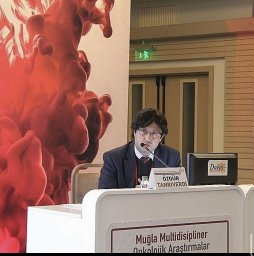 Ozgur Tanriverdi合作论文数Mugla Universtesi Egitim ve Arastirma Hastanesi, Mugla Sıtkı Kocman University11
 Ahmet Demirkazik合作论文数Department of Internal Medicine, University of Ankara11Niyazi Karaman合作论文数11
 Birol Yildiz合作论文数11
 Ahmet Dag合作论文数School of Medicine, Mersin University11Hakan Akbulut合作论文数10Seda Kahraman合作论文数Dept Med Oncol, Ankara Yildirim Beyazit Univ10Algin Efnan合作论文数Department of Medical Oncology, Ankara Numune Education and Research Hospital10Atilla Soran合作论文数10Gul Basaran合作论文数10Mustafa Seyyar合作论文数9
 Ismail Erturk合作论文数Department of Medical Oncology, Gülhane Training and Research Hospital9Didem Can Trabulus合作论文数9
 Vahit Ozmen合作论文数Department of Surgery, Faculty of Medicine, Istanbul University9Eren Tülay合作论文数9Devrim Cabuk合作论文数9Umut Demirci合作论文数9
 Mustafa Tükenmez合作论文数Istanbul Medical Faculty, Istanbul University9Cihan Uras合作论文数9
 Levent Yeniay合作论文数School of Medicine, Ege University9




