Striatin-interacting phosphatases and kinases (STRIPAKs) are evolutionarily conserved supramolecular complexes, which have been implicated in the Hippo signaling pathway. Yet the topological structure and dynamic assembly of STRIPAK complexes remain elusive. Here, we report the overall architecture and substructures of a Hippo kinase- containing STRIPAK complex. PP2Aa/c-bound STRN3 directly contacts the Hippo kinase MST2 and also controls the loading of MST2 via two "arms" in a phosphorylation-dependent manner, one arm being STRIP1 and the other SIKE1-SLMAP. A decreased cell density triggered the dissociation of the STRIP1 arm from STRIPAK, reflecting the dynamic assembly of the complex upon sensing upstream signals. Crystallographic studies defined at atomic resolution the interface between STRN3 and SIKE1, and that between SIKE1 and SLMAP. Disrupting the complex assembly abrogated the regulatory effect of STRIPAK towards Hippo signaling. Collectively, our study revealed a "two-arm" assembly of STRIPAK with context-dependent dynamics, offering a framework for further studies on Hippo signaling and biological processes involving MST kinases.
The mammalian STE20-like protein kinase 1 (MST1)-MOB kinase activator 1 (MOB1) complex has been shown to suppress the oncogenic activity of Yes-associated protein (YAP) in the mammalian Hippo pathway, which is involved in the development of multiple tumors, including pancreatic cancer (PC). However, it remains unclear whether other MST-MOB complexes are also involved in regulating Hippo-YAP signaling and have potential roles in PC. Here, we report that mammalian STE20-like kinase 4 (MST4), a distantly related ortholog of the MST1 kinase, forms a complex with MOB4 in a phosphorylation-dependent manner. We found that the overall structure of the MST4-MOB4 complex resembles that of the MST1-MOB1 complex, even though the two complexes exhibited opposite biological functions in PC. In contrast to the tumor-suppressor effect of the MST1-MOB1 complex, the MST4-MOB4 complex promoted growth and migration of PANC-1 cells. Moreover, expression levels of MST4 and MOB4 were elevated in PC and were positively correlated with each other, whereas MST1 expression was down-regulated. Because of divergent evolution of key interface residues, MST4 and MOB4 could disrupt assembly of the MST1-MOB1 complex through alternative pairing and thereby increased YAP activity. Collectively, these findings identify the MST4-MOB4 complex as a noncanonical regulator of the Hippo-YAP pathway with an oncogenic role in PC. Our findings highlight that although MST-MOB complexes display some structural conservation, they functionally diverged during their evolution.
Threonine aldolases (TAs) catalyze the interconversion of threonine and glycine plus acetaldehyde in a pyridoxal phosphate-dependent manner. This class of enzymes complements the primary glycine biosynthetic pathway catalyzed by serine hydroxymethyltransferase (SHMT), and was shown to be necessary for yeast glycine auxotrophy. Because the reverse reaction of TA involves carbon–carbon bond formation, resulting in a β-hydroxyl-α-amino acid with two adjacent chiral centers, TAs are of high interests in synthetic chemistry and bioengineering studies. Here, we report systematic phylogenetic analysis of TAs. Our results demonstrated that l-TAs and d-TAs that are specific for l- and d-threonine, respectively, are two phylogenetically unique families, and both enzymes are different from their closely related enzymes SHMTs and bacterial alanine racemases (ARs). Interestingly, l-TAs can be further grouped into two evolutionarily distinct families, which share low sequence similarity with each other but likely possess the same structural fold, suggesting a convergent evolution of these enzymes. The first l-TA family contains enzymes of both prokaryotic and eukaryotic origins, and is related to fungal ARs, whereas the second contains only prokaryotic l-TAs. Furthermore, we show that horizontal gene transfer may occur frequently during the evolution of both l-TA families. Our results indicate the complex, dynamic, and convergent evolution process of TAs and suggest an updated classification scheme for l-TAs.
Nonstructural carbohydrates (NSC) and nitrogen metabolism strongly influence growth and development in plants. The biosynthesis of cellulose and lignin (structural carbohydrates, SC) depends largely on the supply of NSC. We desire to examine which hypothesis, carbon limitation or growth limitation, best fits the alpine plant response between NSC, SC, carbon (C), nitrogen (N) and altitude. We compared the foliar concentrations of carbohydrates, C and N between the leaves of Picea crassifolia (lower-elevation tree-line species) and Sabina przewalskii (high-elevation tree-line species) in their response to changing elevation. Our site was located in the mid-northern area of Qilian Mountains, China. We found that foliar soluble sugar (SG) concentrations were significantly higher in P. crassifolia than in S. przewalskii at the 2,700-3,400 m level. Foliar NSC levels in P. crassifolia increased at the 2,700-3,100 m level, indicating that growth was limited gradually resulting in a surplus of NSC (to conform to GLH), subsequently decreasing at the 3,100-3,400 m level, the assimilation declined leading to C deficit (to conform to CLH). SC (SC metabolism disorders at 3,100-3,400 m), C, N and starch were significantly lower in P. crassifolia than in S. przewalskii. Conversely, foliar SG concentration shows a fall-rise trend with increasing elevation for S. przewalskii. SC concentration in S. przewalskii leaves decreased with an increase of elevation and has a significantly positive correlation to N concentration marking the assimilation of plants. Therefore, the high-elevation tree-line species (S. przewalskii) utilize or store more foliar SG leading to a decrease of SG concentration for survival and growth/regrowth in an adverse environment, higher total C, N, SC, starch contents and lower NSC level. Also, their change trends along the elevational gradient in leaves of S. przewalskii indicate better assimilation strategies for SG use under environmental stress compared to P. crassifolia. This indicates that foliar C metabolism along the elevation follows the principle of the growth-limitation hypothesis (GLH) or carbon limitation hypothesis (CLH), which depends on the acclimation of different alpine life-forms to the environment.
This work reports the (13)C-assisted metabolic flux analysis of Haladaptatus paucihalophilus, a halophilic archaeon possessing an intriguing osmoadaption mechanism. We showed that the carbon flow is through the oxidative tricarboxylic acid (TCA) cycle whereas the reductive TCA cycle is not operative in H. paucihalophilus. In addition, both threonine and the citramalate pathways contribute to isoleucine biosynthesis, whereas lysine is synthesized through the diaminopimelate pathway and not through the α-aminoadipate pathway. Unexpected, the labeling patterns of glycine from the cells grown on [1-(13)C]pyruvate and [2-(13)C]pyruvate suggest that, unlike all the organisms investigated so far, in which glycine is produced exclusively from the serine hydroxymethyltransferase (SHMT) pathway, glycine biosynthesis in H. paucihalophilus involves different pathways including SHMT, threonine aldolase (TA) and the reverse reaction of glycine cleavage system (GCS), demonstrating for the first time that other pathways instead of SHMT can also make a significant contribution to the cellular glycine pool. Transcriptional analysis confirmed that both TA and GCS genes were transcribed in H. paucihalophilus, and the transcriptional level is independent of salt concentrations in the culture media. This study expands our understanding of amino acid biosynthesis and provides valuable insights into the metabolism of halophilic archaea.
This paper tries to put forward corresponding suggestions and countermeasures through analyzing the cur-rent shortcomings in the educating process of the present vocational education alliance.Those suggestions and coun-termeasures are as follows,speeding up the foundation of vocational education alliance,actively exploring better op-eration models and innovating operational mechanism,improving management regulations,deepening the coopera-tion between colleges and enterprises,constructing a better connection platform for production,learning and teach-ing,and building a better communication channel for mutual learning and reference.
Purpose:In room kilovoltage x‐ray (kV) imaging provides higher contrast than Megavoltage (MV) imaging with faster acquisition time compared with on‐board cone‐beam computed tomography (CBCT), thus improving patient setup accuracy and efficiency. In this study we evaluated the clinical feasibility of utilizing kV imaging for whole breast radiation patient setup.Methods:For six breast cancer patients with whole breast treatment plans using two opposed tangential fields, MV‐based patient setup was conducted by aligning patient markers with in room lasers and MV portal images. Beam‐eye viewed kV images were acquired using Varian OBI system after the set up process. In house software was developed to transfer MLC blocks information overlaying onto kV images to demonstrate the field shape for verification. KV‐based patient digital shift was derived by performing rigid registration between kV image and the digitally reconstructed radiography (DRR) to align the bony structure. This digital shift between kV‐based and MV‐based setup was defined as setup deviation.Results:Six sets of kV images were acquired for breast patients. The mean setup deviation was 2.3mm, 2.2mm and 1.8mm for anterior‐posterior, superior‐inferior and left‐right direction respectively. The average setup deviation magnitude was 4.3±1.7mm for six patients. Patient with large breast had a larger setup deviation (4.4–6.2mm). There was no strong correlation between MV‐based shift and setup deviation.Conclusion:A preliminary clinical workflow for kV‐based whole breast radiation setup was established and tested. We observed setup deviation of the magnitude below than 5mm. With the benefit of providing higher contrast and MLC block overlaid on the images for treatment field verification, it is feasible to use kV imaging for breast patient setup.
Bacterial diversity in petrochemical sludge was characterized and the 11 488 sequences were obtained from the samples by 454 pyrosequencing. The richest biodiversity of the bacteria (235 genera) occurred in petrochemical sludge at a threshold of 97% sequence similarity, i.e. 28.39% Parvularcula, 14.43% Bacillus and 28.99% other nine genera (each 1.5%?10.0% of the 235 genera respectively) which intended to be the dominant bacterial communities based on mass fraction of the 235 genera. The 16S rRNA gene identification of the dominant bacterial communities was implemented in the 11 genera, suggesting these bacteria were of 22 species when the dominant bacterial communities were isolated, cultured and purified in the medium repeatedly. Phylogenetic trees of the 22 species were established according to the 16S rRNA gene sequence homological comparison. The dominant bacterial communities were able to depend on industrial pollutants for their livelihood and could actively decompose the pollutants in petrochemical sewage and sludge. The 22 species will be precious resources of bioremediation for petrochemical sewage.
学风建设水平如何,直接影响学校的改革与发展,影响学校的教育教学质量,对高校,特别是职业院校来说,建设良好的学风,是构建和谐校园的重要举措.以兰州石化职业技术学院学风建设的实践为例,探索职业院校学风建设的有效方法和途径.
行业集群协同指的是以专业化分工和协作为基础的大量相关机构、行业企业及其支撑体的行业聚集,代表了一种新的经济组织形式。这种行业集聚形成紧密联系的网络通过资源共享、信息交流和有效协作,能够加快促进校企深度融合,发挥行业优势,构建产学研有机结合新平台,推动行业或区域经济的发展。
ABSTRACT Streptomyces violaceusniger strain SPC6 is a halotolerant streptomycete isolated from the Linze desert in China. The strain has a very high growth rate and a short life cycle for a streptomycete. For surface-grown cultures, the period from spore germination to formation of colonies with mature spore chains is only 2 days at 37°C. Additionally, the strain is remarkably resistant to osmotic, heat, and UV stress compared with other streptomycetes. Analysis of the draft genome sequence indicates that the strain has the smallest reported genome (6.4 Mb) of any streptomycete. The availability of this genome sequence allows us to investigate the genetic basis of adaptation for growth in an extremely arid environment.
A strain, designated as BDP01, was isolated from the sludge of Lanzhou Sewage Disposal Plant. It utilized naphthalene and anthracene as the sole carbon sources for its growth. Based on the morphological characterizations and alignment analysis of the 16S rDNA sequence, BDP01 was identified as Pseudomonas aeruginosa. The growth curve of the strain was in logarithmic phase within 48 h, in stationary phase after 48 h to 72 h, and in decline phase after 72 h, in LB liquid medium. The strain grew well in inorganic salt liquid medium containing 100 mg · L-1 naphthalene or 50 mg · L-1 anthracene. The optimal growth temperature was 30 ℃ and the optimal growth pH value was 7~8, a neutral or alkalescent condition. The strain had a strong ability to biodegrade polycyclic aromatic hydrocarbon. In the present experiment, when the inoculum concentration of the strain was 1%, the degradation rates of naphthalene and anthracene were 89.64% and 77.21%, respectively, after cultured for 15 days. Furthermore, catechol 2, 3-dioxygenase gene sequence of the strain was detected using the PCR method and agarose gel electrophoresis. The gene sequencing and alignment analysis showed that catechol 2, 3-dioxygenase gene sequence of the strain had 92% similarity with the closest C23O gene sequence in the NCBI. With catechol as the substrate, the activity of catechol 2, 3-dioxygenase in the strain cellysis solution was 13.10~540.86 U at 20~65 ℃ reactive temperature.
The nature of microbial communities and their relation to enzyme activities in desert soils is a neglected area of investigation. To address this, the bacterial diversity and distribution and soil physico-chemical factors were investigated in the soil crust, the soil beneath the crust and rhizosphere soil at the southeast edge of the Tengger Desert, using the denaturing gradient gel electrophoresis of 16S rRNA genes amplified by the polymerase chain reaction. Phylogenetic analysis of the sequenced DGGE bands revealed a great diversity of bacteria. The Proteobacteria, consisting of the alpha, beta, and gamma subdivisions, were clearly the dominant group at all depths and in rhizosphere soil. Analysis of the enzyme activities indicated that the rhizosphere soil of Caragana korshinskii exhibited the highest protease and polyphenol oxidase activities, and in the soil crust there were increased activities of catalase, urease, dehydrogenase and sucrase. The bacterial community abundance closely correlated with soil enzyme activities in different soils. The presence of Cyanobacteria correlated with significant increases in protease, catalase and sucrase in the soil crust, and increased urease in the rhizosphere soil of Artemisia ordosica. The occurrence of Acidobacteria was associated with significant increases in urease, dehydrogenase, and sucrase in the rhizosphere soil of C. korshinski. The presence of gamma-Proteobacteria correlated with a significant increase in polyphenol oxidase in the rhizosphere soil of A. ordosica. The study indicated a close relationship between the soil bacterial community and soil enzymes, suggesting the necessity of further investigations into bacterial function in this desert ecosystem.
The variations in the soil culturable bacterial communities and biochemical parameters of early successional soils from a receding glacier in the Tanggula Mountain were investigated. We examined low organic carbon (C) and nitrogen (N) contents and enzymatic activity, correlated with fewer bacterial groups and numbers in the glacier forefield soils. The soil pH values decreased, but the soil water content, organic C and total N significantly increased, along the chronosequence. The soil C/N ratio decreased in the early development soils and increased in the late development soils and it did not correlate with the soil age since deglaciation. The activities of soil urease, sucrase, protease, polyphenol oxidase, catalase, and dehydrogenase increased along the chronosequence. The numbers of culturable bacteria in the soils increased as cultured at 25°C while decreased at 4°C from younger soils to older soils. Total numbers of culturable bacteria in the soils cultured at 25°C were significantly positively correlated to the soil total N, organic C, and soil water content, as well as the activities of soil urease, sucrase, dehydrogenase, catalase, and polyphenol oxidase. We have obtained 224 isolates from the glacier forefield soils. The isolates were clustered into 28 groups by amplified ribosomal DNA restriction analysis (ARDRA). Among them, 27 groups and 25 groups were obtained from the soils at 25°C and at 4°C incubation temperatures, respectively. These groups are affiliated with 18 genera that belong to six taxa, viz, Actinobacteria, Gammaproteobacteria, Bacteroidetes, Firmicutes, Alphaproteobacteria, and Betaproteobacteria. The dominant taxa were Actinobacteria, Gammaproteobacteria, and Bacteroidetes in all the samples. The abundance and the diversity of the genera isolated at 25°C incubation temperature were greater than that at 4°C.
Foliar carbon isotope discrimination (Δ) is widely used as an integrator of physiological plant responses to environmental change. However, the relationship between foliar Δ and mineral nutrient accumulation is still not well‐known. The foliar Δ, K, Ca, Mg, Si and ash contents of S. przewalskii Kom. (SP) and S. chinensis (Lin.) Ant. (SC), two over‐winter trees distributed on high altitude plateaux and lower altitude plains, respectively, were measured at monthly intervals over two years under the same growing conditions to examine the genetic and seasonal variation in foliar nutrient concentrations in relation to foliar Δ. The foliar Δ, Mg, K and ash contents were markedly lower in SP than in SC, and the foliar Si content was significantly higher in SP than SC, while the differences in Ca contents between the two Sabina trees were not significant. There was higher foliar Δ in winter than in summer for both Sabina trees. Close negative correlations of foliar Δ with K and Mg content, and significant positive correlations between foliar Δ and Si contents, were observed in SP but not in SC. Thus, higher water‐use efficiency of SP than of SC is related to higher Si and lower Mg and K contents that have positive effects on the reduction of transpiration rates or stomatal conductances. The results obtained by the present study will advance the understanding of the adaptive strategies of mineral nutrition and water use in harsh environments. Copyright © 2011 John Wiley & Sons, Ltd.
Plant cell wall mainly consists of cellulose,hemi-cellulose,pectic substances,lignin,and proteins.It has a number of functions,including maintain cell stability,transport materials,and protect cell against environmental stresses.When the plant life cycle is affected by various environmental signals,cell wall properties will have great change,and cell wall components content and structure will be also changed,which is supposed to be the causes of the changes in cell wall mechanical properties.These changes can be considered as the responses of plants to environmental stress.This paper summarized the research advances in the changes of cell wall polysaccharides and proteins content and structure and related enzyme activities,and the responses and relevant mechanisms of small molecules secreted to cell spaces under abiotic environmental stresses,such as water deficit,low temperature stress,heavy metals stress,and UV-B radiation.In considering of the recent researches at gene,genomic,and proteomics levels,the future research directions in this area were also discussed.
Two strains,named lsd03,lsd05 respectively,were isolated from the activated sludge of Lanzhou Petrochemical Sewage Disposal Plant.They had the ability to utilize phenol as the sole carbon and energy sources.With the step-by-step domesticating method,they could grow well in the culture medium by using 1000 mg/L phenol as sole carbon source.lsd03,lsd05 contained the specific bands of phenol hydroxylase gene fragment,which were detected by PCR and agarose gel electrophoresis,thus confirming the genetic basis of a degradation of phenol in the genetic level.They were considered to belong to Pseudomonas by morphological characterization and alignment analysis of the 16S rDNA sequence.The growth characteristics of lsd03 and lsd05 were studied by turbidity assay and the results showed that the time for both to reach the logarithmic period was 24 h and both were able to grow well at a concentration of 1 000 mg/L phenol.The best culture temperature for lsd03 is 30~35℃and the best culture pH environment is neutral and acidic;the best culture temperature for lsd05 is 20~35℃and the best culture pH environment is neutral and alkaline.
Seasonal changes of δ~(13)C values were examined in the needles of Sabina przewalskii and Sabina chinensis, aimed to probe into their relationships with freezing tolerance. The results showed that the δ~(13)C values in needles of the two species declined with monthly average temperature decreasing and maintained a relatively lower value during the whole winter. It indicated that the two species consumed more self substances in order to adapt to low temperature. As a result, the δ~(13)C values decreased. The δ~(13)C values of S. przewalskii were significantly higher than those of S. chinensis, it suggested that S. chinensis must consume more self substances than S. przewalskii under low-temperature stress. S. przewalskii showed a more prevailing strategy than S. chinensis in order to develop the tolerance to freezing. Furthermore, strong significant linear relationships were observed between δ~(13)C value and monthly average temperature, between δ~(13)C value and Pro content, and between δ~(13)C value and RWC in needles of S. przewalskii and S. chinensis. These results suggested that the δ13C values in the needles can be used as another index to evaluate freezing tolerance of Sabina.
The biomasses,rate of NO release and respiration activity were analyzed and determined in the roots of maize seedlings and it was found that radiation of UV-B markedly inhibited the rate of NO-release and respiration activity in roots and increased the biomasses of roots,while NO was able to stimulate the respiration dependent on cytochrome pathway so as to increase the total respiration in roots.The mechanisms were probably due to the improvement of phytoglubin synergy with NO in relation to oxygen supply and detoxification under hypoxia of root tissue,including the elimination and conversion of reactive oxygen species.
Chlorophyll fluorescence parameters of Sabina przewalskii Kom.and Sabina chinensis(Lin.) Ant.that distributed in different altitude regions were tested for evaluating their differences and seasonal variation patterns at the same growing circumstance.The results indicated,there were similar patterns of seasonal variation in chlorophyll fluorescence parameters between two Sabina trees,the low temperature in winter resulted in a significant decreases in the maximum efficiency of PSⅡ photochemistry(F_v/F_m),the efficiency of excitation capture by open reaction centers(F'_v/F'_m),photochemical quenching coefficient(qP),non-photochemical quenching coefficient(qN),effective quantum yield(Yield)and photosynthetically active radiation(PAR) in both S.przewalskii and S.chinensis,however,these parameters all increased and returned to normal levels as air temperature rose.Compared with those in S.chinensis,there were significantly higher F_v/F_m,F'_v/F'_m,qP,qN and Yield in S.przewalskii.These results suggested a better capacity for PSⅡ photochemistry in S.przewalskii.might account for its greater regulation capacity for low temperature than S. chinensu,and at the same time it implied that the cold-resistance ability and seasonal variation of photosynthetic characteristics Call effectively be estimated by chlomphyll fluorescence technology.
 Lizhe An (安黎哲)合作论文数Beijing Forestry University41
 Tuo Chen (陈拓)合作论文数State Key Laboratory of Intelligent Construction and Healthy Operation and Maintenance of Deep Underground Engineering, China University of Mining and Technology36
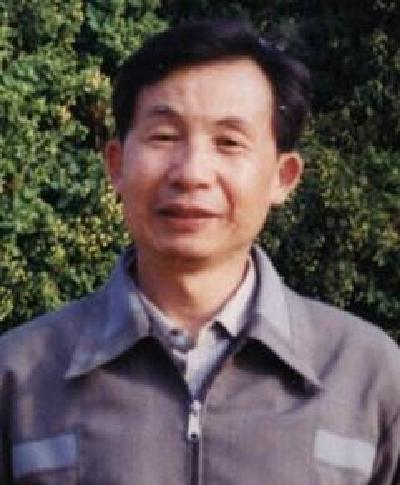 Xunling Wang (王勋陵)合作论文数School of Marxism Lanzhou University17
 Shijian Xu (徐世健)合作论文数School of Life Sciences, Lanzhou University13Guangxiu Liu (刘光琇)合作论文数12Youfu Zhang合作论文数12
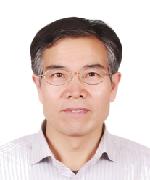 Huyuan Feng (冯虎元)合作论文数School of Marxism Lanzhou University9YinPing Chen (陈印平)合作论文数5
 Wei Zhang (张威)合作论文数Northwest Institute of Eco-Environment and Resources, Chinese Academy of Sciences;University of Chinese Academy of Sciences4
 Zhiguang Zhao (赵志光)合作论文数School of Life Sciences, Lanzhou University4Xiukun Wu合作论文数3QiLiang Jian (简启亮)合作论文数3HongGuan Tang (汤红官)合作论文数3Yuan Du (杜媛)合作论文数3Lei Chen (陈蕾)合作论文数3Jianhui Wang合作论文数Pathology Faculty, Yale School of Medicine, Yale University3
 Tao Chen (陈涛)合作论文数National Space Science Center, Chinese Academy of Sciences3
 Jianfeng Chang (常建锋)合作论文数School of Life Sciences and Technology, Tongji University3Yanhong Liu合作论文数3
 Longying Wen (文陇英)合作论文数School of Life Science, Leshan Normal University3Xian-guang Du (杜宪光)合作论文数2Ziyang Gao (高子洋)合作论文数2Jiu-chang HUANG (黄久常)合作论文数2Bang-xi WANG (王邦锡)合作论文数2Xu Qi合作论文数2Wen-lian Zhao (赵文廉)合作论文数2Yehua Li合作论文数2Xuan Yang合作论文数2LIU Yan-hong (刘艳红)合作论文数2HuiJuan Pei (裴惠娟)合作论文数2
 Cuixia Di (狄翠霞)合作论文数中国科学院近代物理研究所;中国科学院大学2
 Zhaocai Zhou (周兆才)合作论文数School of Life Sciences, Fudan University2
 Hui Zhang合作论文数2
 Zhang Wei合作论文数2
 Shi Jiao (焦石)合作论文数School of Life Sciences, Fudan University2
 Wei Ding (丁伟)合作论文数School of Life Sciences and Biotechnology, Shanghai Jiao Tong University2
 Zhenghu Duan (段争虎)合作论文数Northwest Institute of Eco-Environment and Resources, Chinese Academy of Sciences;University of Chinese Academy of Sciences2Yunfeng Cheng (程韵枫)合作论文数Zhongshan Hospital, Fudan University2
 Guodong Cheng (程国栋)合作论文数Northwest Institute of Eco-Environment and Resources, Chinese Academy of Sciences;University of Chinese Academy of Sciences2Rubao Zhou (周茹宝)合作论文数2
 Qi Zhang (张琪)合作论文数Department of Chemistry, Fudan University2Jiaqiang Cheng (程佳强)合作论文数2Ximing Chen合作论文数2
 Jian Ma (马坚)合作论文数Department of Computational Biology, School of Computer Science, Carnegie Mellon University2
 Min Chen合作论文数2Weiya Qiang (强维亚)合作论文数School of Life Sciences, Lanzhou University2Renqing Peng (彭仁清)合作论文数2
 Shi-Weng Li (李师翁)合作论文数2
 Gaosen Zhang合作论文数2




