Supersonic and diffusive radiation flow is an important test problem for the radiative transfer models used in radiation-hydrodynamics computer codes owing to solutions being accessible via analytic and numeric methods. We present experimental results with which we compare these solutions by studying supersonic and diffusive flow in the laboratory. We present results of higher-accuracy experiments than previously possible studying radiation flow through up to 7 high-temperature mean free paths of low-density, chlorine-doped polystyrene foam and silicon dioxide aerogel contained by an Au tube. Measurements of the heat front position and absolute measurements of the x-ray emission arrival at the end of the tube are used to test numerical and analytical models. We find excellent absolute agreement with simulations provided that the opacity and the equation of state are adjusted within expected uncertainties; analytical models provide a good phenomenological match to measurements but are not in quantitative agreement due to their limited scope.
Cylindrical implosion experiments at the University of Rochester laser facility, OMEGA, were performed to study radiation hydrodynamics and compressible turbulence in convergent geometry. Laser beams were used to directly drive a cylinder with either a gold (AU) or dichloropolystyrene (C6H8CL2) marker layer placed between a solid CH ablator and a foam cushion. When the cylinder is imploded the Richtmyer-Meshkov instability and convergence cause the marker layer to increase in thickness. Marker thickness measurements were made by x-ray backlighting along the cylinder axis. Experimental results of the effect of surface roughness will be presented. Computational results with an AMR code are in good agreement with the experimental results from targets with the roughest surface. Computational results suggest that marker layer "end effects" and bowing increase the effective thickness of the marker layer at lower levels of roughness.
 Brower, D.L.合作论文数17
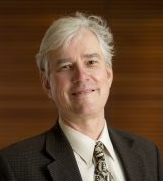 John Sarff合作论文数Department of Physics, University of Wisconsin-Madison15
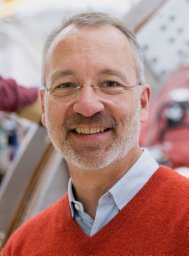 Cary B Forest合作论文数Department of Physics;University of Wisconsin-Madison;Department of Physics, University of Wisconsin-Madison14
 J. K. Anderson合作论文数13
 Steven H Batha合作论文数Los Alamos National Laboratory13Glenn R. Magelssen合作论文数13
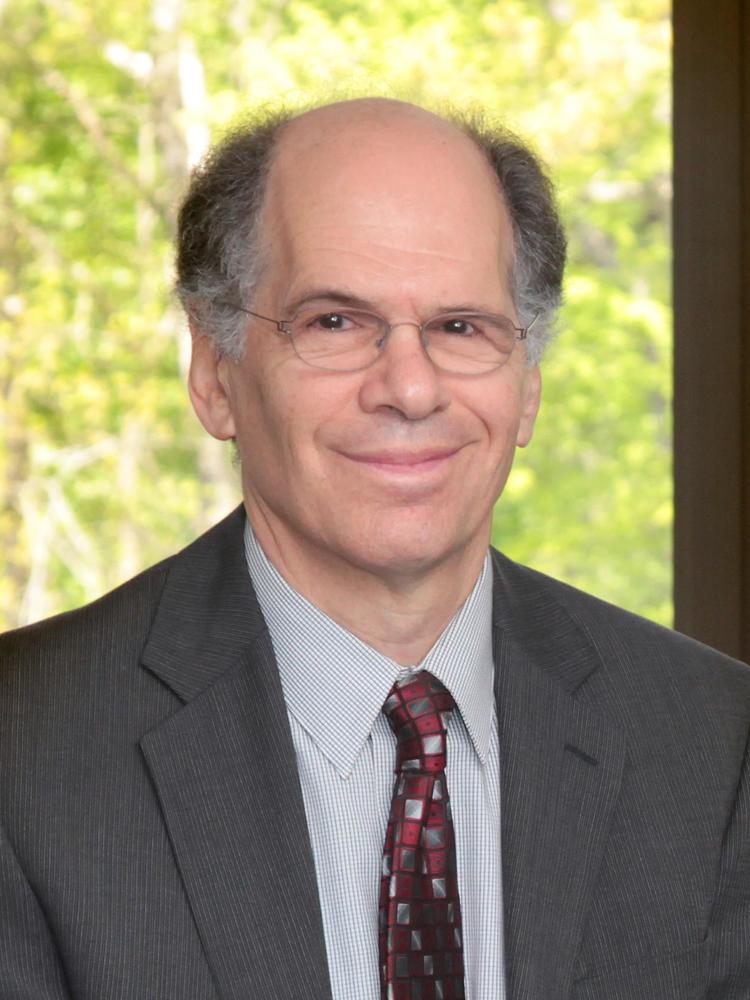 Stewart Prager合作论文数Princeton University12B. E. Chapman合作论文数12
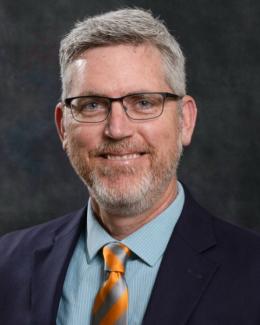 Theodore Biewer合作论文数Oak Ridge National Laboratory;Bredesen Center, University of Tennessee11
 Stephen Rothman合作论文数10D. J. Holly合作论文数9kenneth w parker合作论文数8yunjiang jiang合作论文数8James R. Fincke合作论文数8
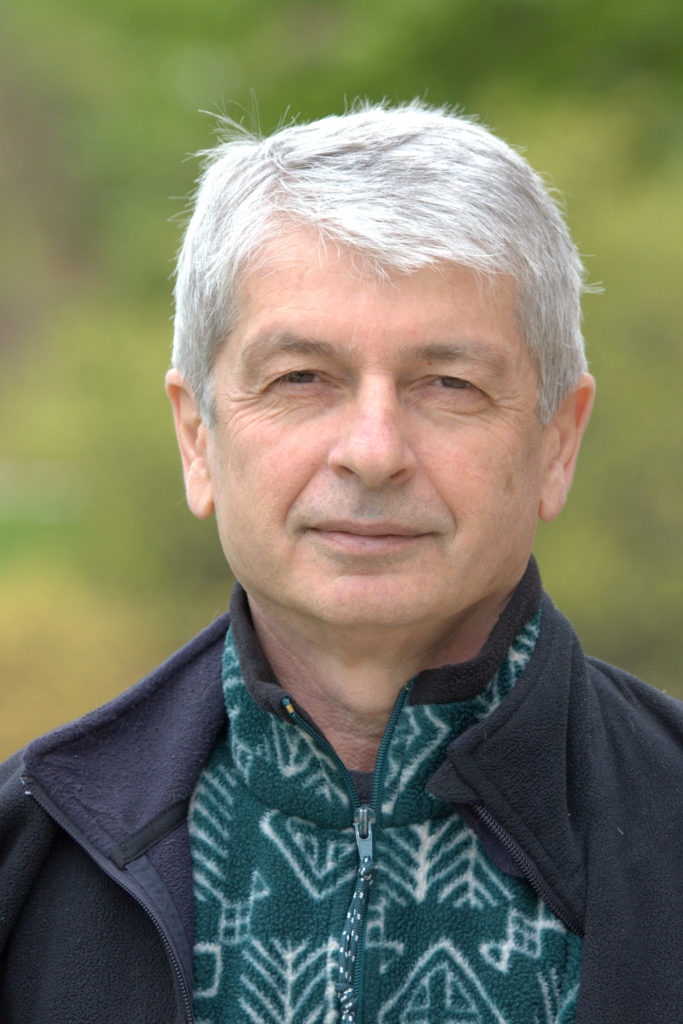 Gennady Fiksel合作论文数Department of Nuclear Engineering and Radiological Sciences, College of Engineering, University of Michigan;Center for Ultrafast Optical Science, College of Engineering, University of Michigan7Norman D. Delamater合作论文数7Matthew M. Balkey合作论文数7Daniel J Den Hartog合作论文数Department of Physics, University of Wisconsin-Madison;Wisconsin Plasma Physics Laboratory, University of Wisconsin-Madison7daniel j den hartog合作论文数6robert michael hueckstaedt合作论文数6c s chiang合作论文数6a k hansen合作论文数5brett edward chapman合作论文数5Paul William Fontana合作论文数Physics Department, Seattle University5
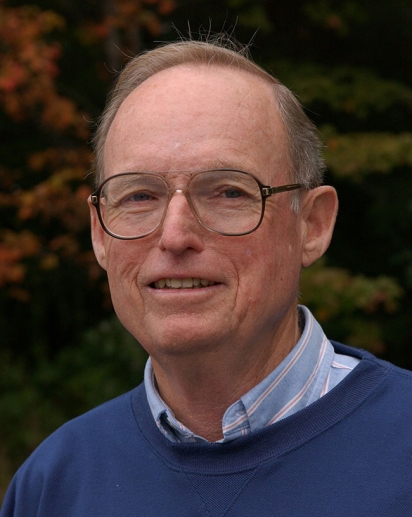 Richard Holmes合作论文数Department of Biological Sciences, Dartmouth College5
 Jose Martin Taccetti合作论文数5
 M. R. Stoneking合作论文数Lawrence University5a michael dunne合作论文数4sonja castillo合作论文数4SC PRAGER合作论文数4Paul Keiter合作论文数Michigan Institute for Research in Astrophysics, College of Literature, Science, and the Arts, University of Michigan-Ann Arbor4Horsfield C J合作论文数4D. Craig合作论文数4
 Prabal Chattopadhyay合作论文数Department of Dental Surgery, AFMC4
 Cris W. Barnes合作论文数Physics Division, Los Alamos National Laboratory;UHV3D;Tri-M Millennial Music Makers Productions4John M. Scott合作论文数4Darren Craig合作论文数3
 Neal A. Crocker合作论文数Department of Physics and Astronomy, University of California, Los Angeles3J. C. Reardon合作论文数2a m dunne合作论文数2longhui zeng合作论文数2Yi Jiang (易江)合作论文数2
 Derek Schmidt合作论文数Los Alamos National Laboratory2
 Stefan Gerhardt合作论文数Princeton Plasma Physics Laboratory2
 David L Youngs合作论文数University of Strathclyde2N. E. Elliott合作论文数2David L. Tubbs合作论文数2
 Stewart C Prager合作论文数Princeton University;Department of Physics, University of Wisconsin2D Holly合作论文数2




