University faculty experience many emotions that have implications for their research success; however, previous studies on research-related emotions in faculty have consistently employed self-report measures with limited validity, reliability, and scope. The current study aimed to validate the Research Emotions Questionnaire (REQ) among STEM faculty, examine potential differences in emotions by demographic and job-related factors, and test a hypothesized model of emotions as predictors of faculty research success based on Pekrun's control-value theory (CVT). An online survey was completed by 611 STEM faculty from 10 research-intensive US universities, with the data showing the REQ to be valid and reliable. Women reported more anxiety and disappointment, underrepresented minorities reported more anxiety, and full professors reported more enjoyment and pride, as well as less anxiety and disappointment, compared to junior colleagues. Structural equation modeling results showed perceived control and value appraisals significantly predicted research emotions and, in turn, self-reported research success. Negative binomial regressions revealed enjoyment, boredom, disappointment, and frustration as significant predictors of bibliometric counts of publications and citations. The REQ is an improved tool for understanding faculty research emotions, with implications for developing targeted emotional regulation programs to enhance faculty well-being, success, and job satisfaction, particularly for underrepresented groups.
Existing research underscores the importance of both social-environmental factors (e.g., social support) and psychological factors (e.g., motivation) as buffers against attrition, low performance, and psychological maladjustment in science, technology, engineering, and math (STEM) degree programs. Female STEM students in particular contend with additional academic challenges that can hamper their motivation and performance. This study investigated the relations between social support (personal vs. academic) and well-being, persistence, and academic outcomes as mediated by self-determined motivation and moderated by gender. Structural equation modelling with 221 STEM undergraduates showed significant indirect paths between personal support and STEM career intentions via autonomous motivation. Multigroup analyses further showed male STEM students to benefit more from both personal and academic supports, as well as from greater autonomous motivation, with the academic risks of controlled motivation observed primarily for female STEM students. Implications for motivationally supportive teaching practices in STEM degree programs are discussed.
The research presented in this paper examined the relationships between academic procrastination and learning-specific emotions, and how these variables predict one another over time among undergraduate ( n = 354) and graduate students ( n = 816). Beyond findings showing expected valences of relations between procrastination and positive emotions (enjoyment, hope, and pride) and negative emotions (anger, anxiety, shame, hopelessness, boredom, and guilt), autoregressive cross-lagged panel analyses showed various directional relations between procrastination and emotions over time. More precisely, specific emotions were found to influence procrastination (e.g., undergraduates: anxiety; graduate students: hope), procrastination was found to influence specific emotions (e.g., undergraduates: guilt; graduate students: boredom), and bidirectional relations between procrastination and learning-related emotions were also observed (e.g., graduate students: enjoyment, anxiety, and guilt). Implications for future research on academic procrastination and remedial procrastination interventions for students are discussed.
Abstract Doctoral students often struggle with depression, anxiety, loneliness, and physical concerns, that are directly associated with their programs. Supporting doctoral students’ well-being becomes critical during a global pandemic, when students become further isolated, uncertain, and struggle academically. The present study examined students’ top challenges and coping strategies during the COVID-19 crisis, as well as gender differences in academic progress and well-being. Students’ top challenges included: inability to see family/friends, being home-bound, blurring of work/family time, isolation, and inability to access campus. Students’ top coping strategies included: seeking social support, working, exercising, watching television, and creating a comfortable routine. The COVID-19 outbreak has disrupted female students’ research progress more than males’, and female doctoral students reported feeling anxious, upset, and irritable when engaging in academic work, while males felt enthusiastic. Finally, general anxiety and stress was higher in females than males during the COVID-19 outbreak. Theoretical and practical implications are discussed.
As the immuno-oncology field continues the rapid growth witnessed over the past decade, optimising patient outcomes requires an evolution in the current response-assessment guidelines for phase 2 and 3 immunotherapy clinical trials and clinical care. Additionally, investigational tools-including image analysis of standard-of-care scans (such as CT, magnetic resonance, and PET) with analytics, such as radiomics, functional magnetic resonance agents, and novel molecular-imaging PET agents-offer promising advancements for assessment of immunotherapy. To document current challenges and opportunities and identify next steps in immunotherapy diagnostic imaging, the National Cancer Institute Clinical Imaging Steering Committee convened a meeting with diverse representation among imaging experts and oncologists to generate a comprehensive review of the state of the field.
In contrast to teachers' positive emotions, such as enjoyment and enthusiasm, teachers' negative emotions and the regulation of negative emotions have received limited empirical attention. As the most commonly experienced negative emotion in teachers, anger has to date demonstrated mixed effects on teacher development. On the one hand, habitual experiences of anger (i.e., trait anger) exhaust teachers' cognitive resources and impair pedagogical effectiveness, leading to poor student engagement. On the other hand, strategically expressing, faking, or hiding anger in daily, dynamic interactions with students can help teachers achieve instructional goals, foster student concentration, and facilitate student engagement. The current study adopted an intensive daily diary design to investigate the double-edged effects of teachers' anger. Multilevel structural equation modeling of data from 4,140 daily diary entries provided by 655 practicing Canadian teachers confirmed our hypotheses. Trait anger in teachers was found to impair teacher-perceived student engagement. Daily genuine expression of anger corresponded with greater teacher-perceived student engagement; daily faking anger impaired perceived student engagement, and daily hiding anger showed mixed results. Moreover, teachers tended to hide anger over time, and were reluctant to express anger, genuine or otherwise, in front of their students. Finally, genuine expression and hiding of anger had only a temporary positive association with teacher-perceived student engagement, with student rapport being optimal for promoting sustained observed student engagement.
How are university faculty members in STEM disciplines motivated to conduct research, and how does motivation predict their success? The current study assessed how multiple types of self-determined motivation predict research productivity in a sample of 651 faculty from 10 US institutions. Using structural equation modeling, the basic psychological needs of autonomy and competence predicted autonomous motivation (enjoyment, value) that, in turn, was the strongest predictor of self-reported research productivity. Using negative binomial regression, autonomous motivation was the strongest predictor of faculty publications and citations, with a one-standard deviation increase in autonomous motivation (approximately a half response option on a 1-5 Likert scale) corresponding to an 11.63% increase in publications and a 22.57% increase in citations over a three-year period. Occupational and social-environmental background variables (e.g., research percentage on contract, career age, balance, collegiality), as well as controlled motivation (guilt, rewards), had comparatively limited predictive effects. These results are of relevance to higher education institutions aiming to support scholarly productivity in STEM faculty in identifying specific beneficial and detrimental aspects of faculty motivation that contribute to measurable gains in research activity.
This article contributes to understanding the phenomenon of online harassment of scholars with a focus on examining the effectiveness of support for coping with online harassment. We collected data from 182 participants of an online survey examining scholars' experiences with online harassment. Bronfenbrenner's ecological model was used to examine the relationship between coping and support. We found that scholars used numerous engagement and disengagement coping strategies, and that the effectiveness of support for such strategies varied across genders. These findings have implications for practice and research, especially as they relate to equity and safety for scholars operating in online spaces.
Research indicates that teachers use coping strategies regularly to manage stress and negative emotions. However, previous studies have primarily adopted a variable-centered approach that examines the effects of specific coping strategies and does not address how teachers use different combinations of coping strategies. The present study used a person-centered, latent profile analytical approach to explore varied coping strategies among Canadian practicing teachers (N = 947) in relation to positive and negative emotions, job satisfaction, burnout, and quitting intentions. Results demonstrated three main coping profiles characterized by different combinations of problem-focused and emotion-focused coping strategies. Whereas adaptive copers (high problem-solving and seeking social support, low disengagement) represented the most adaptive profile, problem-avoidant copers (low problem-solving and support seeking, high problem avoidance) and social-withdrawal copers (high disengagement and social withdrawal) demonstrated poorer outcomes.
Positive teacher-student relationships are recognized as critical social resources for promoting dyadic well-being and adaptive instruction. However, there is scarce research on the relationship between teachers’ motivation for connecting with students and teachers’ psychological adjustment. To explore the relationship, this study applied the job demands-resources model to investigate how teachers’ social goal orientations corresponded with their well-being, job satisfaction, and school commitment, with burnout and work engagement as mediating variables. Whereas teachers’ social mastery-approach goals (attempting to improve student relationship-building competencies) were expected to serve as beneficial psychological resources, their social work-avoidance goals (putting minimum effort into student relationships) were hypothesized to function as would detrimental occupational demands. Findings from mediational structural equation modeling of questionnaire responses from Canadian K-12 teachers ( N = 154) showed teachers with stronger social mastery-approach goals to be more engaged and, in turn, report greater well-being, job satisfaction, and school commitment. In contrast, teachers with stronger social work-avoidance goals reported less work engagement that was further associated with lower well-being and job satisfaction, as well as greater burnout and, in turn, poorer job satisfaction. Implications concerning teachers’ interpersonal appraisals and psychological health initiatives were discussed.
In response to limited research exploring teachers' motivational orientations underlying their efforts to develop meaningful relationships with students, the present longitudinal study with Canadian practicing teachers (N = 497) investigated the effects of teachers' social goals on perceived classroom engagement as mediated by their selfefficacy beliefs across six months. Cross-lagged analyses showed teachers' social goals at Time 1 to predict their self-efficacy (for student engagement) and their students' classroom engagement (emotional) at Time 2. The longitudinal structural equation model showed teachers' self-efficacy for engaging students to most strongly mediate the effects of their social goals on students' classroom engagement. Implications for teacher training and professional development are discussed.
Whereas developing meaningful connections with students has long been documented as critical for promoting classroom engagement, teachers’ differing motives for building relationships with students remain underexplored. This study examined teachers’ social achievement goals from a multidimensional perspective in relation to teachers’ self-efficacy, teacher–student relationships, and perceived classroom engagement. Results from practicing K–12 teachers (N = 154) from across Canada showed three distinct goal orientations including social mastery-approach, social mastery-avoidance, and social ability goals (combining social ability-approach and social ability-avoidance goals). Teachers who aimed to develop better social skills with students (social mastery-approach goals) reported higher self-efficacy, better relationships with students, and greater classroom engagement. In contrast, social goal orientations focused on not losing connections with students (social mastery-avoidance goals) or being well-liked (social ability goals) did not correspond with self-efficacy or classroom outcomes. Implications concerning integrative pedagogies and growth mind-sets pertaining to relationship building were discussed.
In an effort to identify critical antecedents of mental health challenges in graduate education, recent research has examined graduate students’ self-efficacy beliefs as a motivational antecedent of their productivity, persistence, and well-being. Whereas graduate students’ self-efficacy concerning their scholarly writing activities has received increasing research attention in regards to psychological health, the well-being implications of graduate students’ self-efficacy for academic reading remains underexplored. The present study assessed both writing and reading self-efficacy in an international sample of graduate students (N = 851) in relation to critical well-being indicators including exhaustion, engagement, quitting intentions, program satisfaction, and imposter syndrome. Hierarchical linear regressions revealed writing self-efficacy to be a strong predictor across well-being outcomes, with a significant two-way interaction highlighting the combined benefits of writing and reading self-efficacy for imposter syndrome in graduate students. The present findings are novel in highlighting the well-being implications of both writing and reading self-efficacy for graduate students and support the expansion of graduate education programs aimed at promoting writing competencies to also address reading-related issues.
There to date exists limited research on how emotion regulation shapes students’ emotional experiences and academic development in higher education. The purpose of this study was to address this gap by examining how students in STEM (Science, Technology, Engineering, Math) degree programs ( N = 174) use emotion regulation strategies related to their achievement emotions, approaches to learning, and exam performance. Data was collected across four phases pertaining to a required STEM course at the beginning of the semester, while studying for a midterm exam, and within 48 h following the exam. Results suggested that while emotion regulation while studying did not predict students’ emotions more than control and value appraisals, their emotion regulation specific to the exam predicted their emotions above and beyond control and value appraisals. Findings also showed cognitive reappraisal to correspond with more positive emotions, less negative emotions, more complex approaches to learning, and better exam performance. Conversely, suppression was associated with poorer exam performance. Results additionally showed that associations between cognitive reappraisal and emotions were stronger during exams than while studying. Overall, these findings indicate that how post-secondary students choose to regulate their emotions in STEM degree programs has important implications for how they feel, learn, and perform.
361 Background: Assessment of tumor response in extrapancreatic NETs with metastases can be very challenging. Previous studies suggest a high degree of discordance between local and central imaging reviews, which has implications for clinical practice and trial design. Methods: Serial images archived from a randomized phase II trial (A021202) of pazopanib vs placebo in progressive non-pancreatic NETs were evaluated by central review, with real-time review conducted at the time of locally interpreted progressive disease (PD). The primary endpoint of the trial was progression-free survival (PFS) by central review. Discordances between central (Alliance Imaging Core Laboratory) and local (investigator-reported) reviews were assessed. Scan-level and pt-level results across both treatment arms were evaluated. Kappa tests were used to test concordance based on source of review. Results: 151 pts had a total of 724 scans with response adjudication by both local and central RECIST review. Discordance was observed in both directions. Overall, 20% of scans (143/724) had discordant classifications. The most common discordances were: stable disease (SD) on local vs. PD on central review (82/143=57%), and PD on local vs. SD on central review (32/143=22%). On a pt level, 78 of 151 pts (52%) had discordant reviews; 8 had >1 type of discordance. Overall, 30% of pts (N=45) had a determination of PD on central review, but SD or better on local review, potentially resulting in excessive exposure to therapy. In contrast, 20% (N=30) were classified as PD on local read but SD or better on real-time central review (which did not necessarily translate into an abbreviated course of treatment). Cohen’s kappa statistics revealed only moderate concordance between local and central reviewers both at the scan (K=0.48, 95% CI: 0.42 – 0.55) and pt (K=0.41, 95% CI: 0.32 – 0.5) levels, with no significant influence by treatment arm, primary tumor site, tumor functionality, histology, differentiation or primary disease spread. Conclusions: Discordance was observed in both directions, where 30% of pts were potentially kept on study drug too long (based on central read), and 20% would have been taken off study treatment early for local PD were it not for real-time central review. Although this bidirectional discordance did not affect the overall findings of the PFS outcome between arms in the trial, these analyses highlight the high prevalence of discordance, the potential to negatively influence treatment duration in both directions, and the need for more straightforward methods of assessing treatment response in carcinoid. Support: U10CA180821, U10CA180882, U24CA196171; NETRF Investigator Award; https://acknowledgments.alliancefound.org Clinical trial information: NCT01841736.
Despite existing studies on teachers’ emotional labour having been primarily correlational in nature, most researchers to date have assumed teachers’ emotional labour to predict well-being outcomes (e.g. job satisfaction, burnout). Moreover, although it is commonly understood that teachers strategically manipulate their expressions of emotions (e.g. intentional displays of anger or disappointment) as effective classroom management strategies, the predictive relationship between their emotional labour and student engagement lacks empirical investigation. The present short-term longitudinal study addresses these research gaps by evaluating the directionality of relationships between teachers’ emotional labour, psychological well-being, and perceived student engagement in 1,086 Canadian practicing teachers. Structural equation modelling analyses showed both teachers’ well-being and perceived student engagement to directly predict their use of emotional labour strategies rather than vice versa. Further theoretical and pedagogical development implications are discussed.
OBJECTIVE:Melanoma is the most lethal of skin cancers; however, survival rates are excellent if the tumor is detected early. Clinical practice guidelines for melanoma follow-up care recommend regular skin self-examination (SSE) for individuals at high risk for melanoma. The current analyses tested whether self-efficacy for SSE and intention to perform SSE mediate the relationship between physician support for SSE and SSE behavior among a sample of melanoma patients. METHODS:We ran a serial mediation model on a cross-sectional sample of melanoma patients (n = 154) drawn from an observational study with longitudinal follow-up. RESULTS:Self-efficacy and intention to perform SSE sequentially mediated the relationship between physician support and SSE behaviors (β = .31, t(152) = 3.61, p < .001 without mediators versus β = .11, t(150) = 1.50, p = .14 with mediators), as supported by a significant total indirect effect (β = .21, [95 % CI = .08-.35]). CONCLUSION:Self-efficacy for SSE and intention to perform SSE together explain the link between perceived physician support for SSE and the practice of SSE. PRACTICE IMPLICATIONS:Physician communication about the importance of SSE plays an important role in encouraging patient adherence to SSE recommendations and, thus, supporting early detection efforts.
 Michael V Knopp合作论文数88
 Zhang Jun合作论文数Department of Radiology and Wright Center of Innovation in Biomedical Imaging, Ohio State University59
 Thomas Goetz合作论文数University of Munich43
 Stephen P Povoski合作论文数Division of Surgical Oncology, Department of Surgery, The Ohio State University;Comprehensive Cancer Center, The Ohio State University41Edward W. Martin合作论文数34Douglas A Murrey合作论文数26
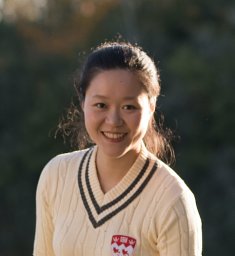 Hui Wang合作论文数Dept Special Educ & Counselling, Educ Univ Hong Kong22
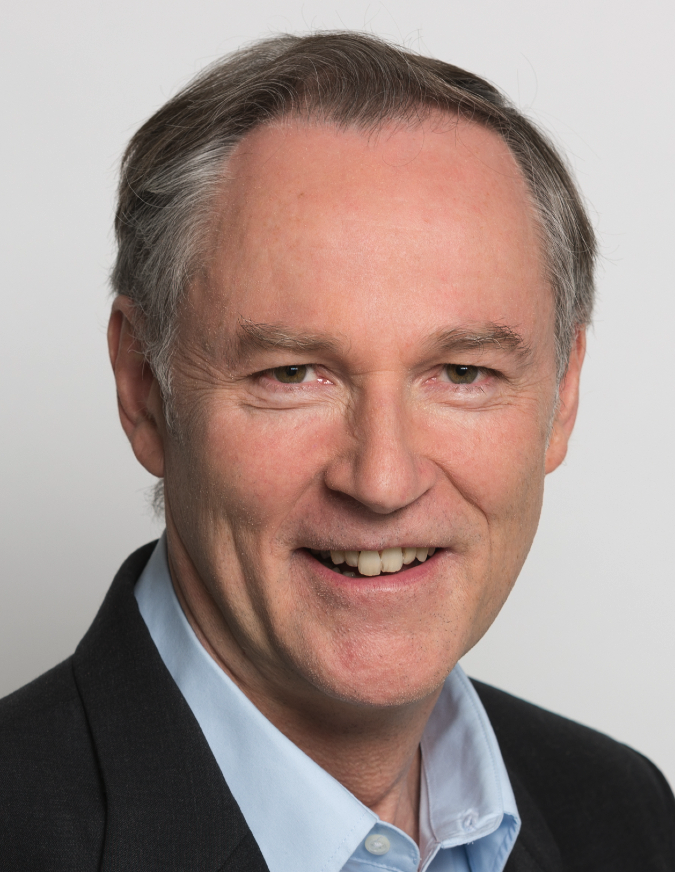 Reinhard Pekrun合作论文数Department of Psychology, University of Essex;Australian Catholic University22
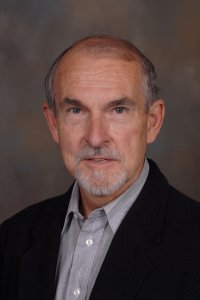 Raymond P. Perry合作论文数Department of Psychology, University of Manitoba19
 Anne Frenzel合作论文数Department of Psychology, Faculty of Psychology and Educational Sciences, Ludwig-Maximilians-Universitat Munchen17Katherine Binzel合作论文数15
 Chadwick Lewis Wright合作论文数15
 Anna Sverdlik合作论文数Lab Rech Comportement Social, Univ Quebec Montreal13
 Sonia Rahimi合作论文数Lab Rech Comportement Social, Univ Quebec Montreal12
 Judith G Chipperfield合作论文数University of Manitoba12
 Madeleine Bieg合作论文数11
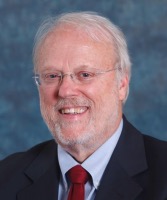 D. Allan Butterfield合作论文数Department of Chemistry, College of Arts & Sciences, University of Kentucky;Sanders-Brown Center on Aging, University of Kentucky;Tracy Farmer Institute for Sustainability and the Environment11
 Robert Stupnisky合作论文数University of Manitoba11Ulrike Nett合作论文数10Ruthig Joelle C合作论文数Department of Psychology, University of North Dakota9
 Michael R Grever合作论文数Comprehensive Cancer Center, Ohio State University9John M. Carney合作论文数9Eamonn E. Bahnson合作论文数9
 Susan Geyer合作论文数Manager, Central processing9CM MOJZISIK合作论文数9Michelle I Knopp合作论文数8
 Steffen Sammet合作论文数Committee on Medical Physics, The University of Chicago7trevor teetor合作论文数6David Poon合作论文数6Veena Nagar合作论文数6Mona Natwa合作论文数6
 Rebecca Maymon合作论文数McGill Univ6Xiaoli Liu合作论文数6
 Alenoush Saroyan合作论文数Department of Educational and Counselling Psychology, Faculty of Education, McGill University6
 Annett Körner合作论文数Department of Educational and Counselling Psychology, Faculty of Education, McGill University6
 Lawrence H. Schwartz合作论文数Department of Radiology, Memorial Sloan-Kettering Cancer Center;Department of Radiology, Columbia University in the City of New York;Columbia MR Research Center, Columbia University in the City of New York6
 Mark Bloomston合作论文数6
 Bhuvaneswari Ramaswamy合作论文数Richard J. Solove Research Institute, The Ohio State University6
 Heiko Schöder合作论文数Memorial Sloan Kettering Cancer Center6Aldo N. Serafini合作论文数6kyle hubbard合作论文数5
 So Yeon Lee合作论文数5Robert Wesolowski合作论文数5
 Chiung-Fang Chang合作论文数Department of Educational and Counselling Psychology, McGill University5
 Eileen O'Reilly合作论文数David M Rubenstein Ctr Pancreat Canc, MSK5
 Kristie Blum合作论文数Winship Cancer Institute, Emory University;Department of Hematology and Medical Oncology, School of Medicine, Emory University5
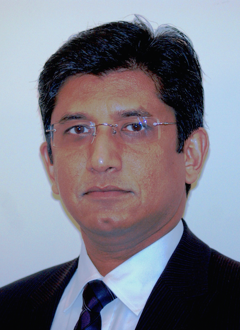 Amit Agrawal合作论文数Cambridge Breast Unit, Cambridge University Hospitals NHS Foundation Trust5
 Maryam Lustberg合作论文数School of Medicine, Yale University;Cancer Center, Yale University;Center for Breast Cancer, Smilow Cancer Hospital5
 David H. Ilson合作论文数Weill Cornell Medical College;Memorial Sloan Kettering Cancer Center5




