Reduced nitric oxide (NO) availability is associated with the development of atherosclerosis. Upregulation of endothelial nitric oxide synthase (eNOS) activity is pursued as a strategy for the prevention of cardiovascular diseases. The polyphenol hydroxytyrosol (HT) which is present in olive oil and red wine, is regarded to be partly responsible for the beneficial effects associated with olive oil consumption and has shown antiatherogenic activity in vitro and in vivo. To elucidate the underlying molecular mechanisms, we investigated possible effects of HT on the endothelial nitric oxide synthase (eNOS). We used human endothelial cells (EA.hy926) and examined eNOS on three different levels, addressing eNOS promoter transactivation, eNOS enzyme activity and nitric oxide availability. Cells were treated with a broad range of HT concentrations (from 10nM to 100μM) and for different incubation times (15min to 24h). HT did not exert significant positive effects on eNOS in any of our assay systems. Neither did we find evidence for a possible synergism between the red wine polyphenol resveratrol and HT. We conclude that a direct modulation of eNOS is unlikely to account for the antiatherogenic properties of HT under non-inflammatory conditions.
Resveratrol (3,4',5-trihydroxystilbene, RV) exerts remarkable cytostatic and cytotoxic effects against a multitude of human cancer cell lines. Since the introduction of additional hydroxyl groups was supposed to increase the biological activity of RV, we have synthesized a number of polyhydroxylated stilbene analogues as potential antitumor agents. In this study, the activity of 3,3',4,4',5,5'-hexahydroxystilbene (M8) was investigated in HL-60 human promyelocytic leukemia cells. Employing a growth inhibition assay, incubation with M8 and RV resulted in IC50 values of 6.25 and 12 microM, respectively. Using a specific Hoechst/propidium iodide double staining method, we found that M8 was able to induce apoptosis in concentrations significantly lower than those of RV. In addition, M8 arrested cells in the S phase and totally depleted cells in the G2-M phase of the cell cycle (143% and 0% of control after treatment with 12.5 microM M8, respectively). We therefore believe that this promising agent deserves further preclinical and in vivo testing.
The polyphenol resveratrol (3,4′,5-trihydroxy-stilbene, 3,4′,5-THS, RES) is anticancer agent. Besides glucuronidation and sulfation, RES is hydroxylated by CYP1B1 to form 3,3′,4′,5-HS and 3,4,4′,5-HS a metabolites with higher anticancer and antioxidant properties. It was hypothesized that RES analogues (RA) possessing more then 3 phenolic groups may act stronger against cancer cells than RES. In order to investigate a possible SAR between pro/antioxidant properties and cytotoxicity, the following RA with at least 2 phenolic groups in neighborhood: 3,3′,4′,5-HS, 3,4,4′,5-HS, 4,4′,5,5′-HS, 3,3′,4,5,5′-HS, 3,3′,4,4′,5,5′-HS and without such a structure: RES and 3,3′,5,5′-HS, were synthesized. Previously we have shown that the cytotoxiciy of RA may correlate with the formation of antioxidant-derived prooxidants when at least 2 hydroxyl groups are present in neighboring positions forming prooxidative semiquinones. Presently we have tested this hypothesis in cell culture using ZR-75-1 and MDA-MB-231 breast cancer cells. Conclusion semiquinone forming RA act stronger than RES against breast cancer cells mainly via necrotic way, while RES and 3,3′,5,5′-HS worked as apoptose inducing agents. The high level of expression of sulfotransferases mRNA did not change anticancer potential of RA which form semiquinones, but protected cells against RES and 3,3′,5,5′-HS. MM thanks EC for M. Curie Reintegration Grant
Novel 1,2-disubstituted imidazoles were synthesized and tested for COX-1 and COX-2 inhibition. A substituted phenyl cycle in position 1 and an alicyclic tertiary alcohol in position 2 gave COX-1-selective compounds with potency and selectivity depending on the different substituents.
Resveratrol (trans-3,4',5-trihydroxystilbene), a naturally occurring hydroxystilbene, is considered an essential antioxidative constituent of red wine possessing chemopreventive properties. However, resveratrol and even more its metabolite piceatannol were reported to have also cytostatic activities. In order to find out whether this is related to antioxidative properties of those compounds, we synthesized five other polyhydroxylated resveratrol analogues and studied structure-activity relationships between pro-/antioxidant properties and cytotoxicity. Radical scavenging experiments with O(2)(*-) (5,5-dimethyl-1-pyrroline-N-oxide/electron spin resonance (DMPO/ESR)) and 2,2-diphenyl-1-picrylhydrazyl (DPPH) (photometry) revealed that 3,3',4',5-tetrahydroxystilbene (IC(50): 2.69microM; k(9): 443000M(-1)s(-1)), 3,4,4',5-tetrahydroxystilbene (IC(50): 41.5microM; k(9): 882000M(-1)s(-1)) and 3,3',4,4',5,5'-hexahydroxystilbene (IC(50): 5.02microM), exerted a more than 6600-fold higher antiradical activity than resveratrol and its two other analogues. Furthermore, in HL-60 leukemic cells hydroxystilbenes with ortho-hydroxyl groups exhibited a more than three-fold higher cytostatic activity compared to hydroxystilbenes with other substitution patterns. Oxidation of ortho-hydroxystilbenes in a microsomal model system resulted in the existence of ortho-semiquinones, which were observed by ESR spectroscopy. Further experiments revealed that these intermediates undergo redox-cycling thereby consuming additional oxygen and forming cytotoxic oxygen radicals. In contrast to compounds with other substitution patterns hydroxystilbenes with one or two resorcinol groups (compounds 1 and 3) did not show an additional oxygen consumption or semiquinone formation. These findings suggest that the increased cytotoxicity of ortho-hydroxystilbenes is related to the presence of ortho-semiquinones formed during metabolism or autoxidation.
Tangeretin and nobiletin are citrus flavonoids that are among the most effective at inhibiting cancer cell growth in vitro and in vivo. The antiproliferative activity of tangeretin and nobiletin was investigated in human breast cancer cell lines MDA-MB-435 and MCF-7 and human colon cancer line HT-29. Both flavonoids inhibited proliferation in a dose- and time-dependent manner, and blocked cell cycle progression at G1 in all three cell lines. At concentrations that resulted in significant inhibition of proliferation and cell cycle arrest, neither flavonoid induced apoptosis or cell death in any of the tumor cell lines. To test the ability of arrested cells to recover, cells that were incubated with tangeretin and nobiletin for 4 days were then cultured in flavonoid-free medium for an additional 4 days. Cells resumed proliferation similar to untreated control within a day of flavonoid removal. Cell cycle distribution was similar to that of control within 4 days of flavonoid removal. These data indicate that, in these cell lines at concentrations that inhibit proliferation up to 80% over 4 days, tangeretin and nobiletin are cytostatic and significantly suppress proliferation by cell cycle arrest without apoptosis. Such an agent could be expected to spare normal tissues from toxic side effects. Thus, tangeretin and nobiletin could be effective cytostatic anticancer agents. Inhibition of proliferation of human cancers without inducing cell death may be advantageous in treating tumors as it would restrict proliferation in a manner less likely to induce cytotoxicity and death in normal, non-tumor tissues.
A facile, catalyst-free synthesis of diethyl thienylphosphonates under mild conditions without solvent is described. The desired products were obtained, via a Michaelis-Arbuzov-type rearrangement, from various activated thienyl halides by reacting with triethyl phosphite.
Resveratrol (3,5,4'-trihydroxy-trans-stilbene) is found in grapes and various medical plants. Among cytotoxic, antifungal, antibacterial cardioprotective activity resveratrol also demonstrates non-selective cyclooxygenase-1 (COX-1) and cyclooxygenase-2 (COX-2) inhibition. In order to find more selective COX-2 inhibitors a series of methoxylated and hydroxylated resveratrol derivatives were synthesized and evaluated for their ability to inhibit both enzymes using in vitro inhibition assays for COX-1 and COX-2 by measuring PGE(2) production. Hydroxylated but not methoxylated resveratrol derivatives showed a high rate of inhibition. The most potent resveratrol compounds were 3,3',4',5-tetra-trans-hydroxystilbene (COX-1: IC50 = 4.713, COX-2: IC50 = 0.0113 muM, selectivity index = 417.08) and 3,3',4,4',5,5'-hexa-hydroxy-trans-stilbene (COX-1: IC50 = 0.748, COX-2: IC50 = 0.00104muM, selectivity index = 719.23). Their selectivity index was in part higher than celecoxib, a selective COX-2 inhibitor already established on the market (COX-1: IC50 = 19.026, COX-2: IC50 = 0.03482 muM, selectivity index = 546.41). Effect of structural parameters on COX-2 inhibition was evaluated by quantitative structure-activity relationship (QSAR) analysis and a high correlation was found with the topological surface area TPSA (r = 0.93). Docking studies on both COX-1 and COX-2 protein structures also revealed that hydroxylated but not methoxylated resveratrol analogues are able to bind to the previously identified binding sites of the enzymes. Hydroxylated resveratrol analogues therefore represent a novel class of highly selective COX-2 inhibitors and promising candidates for in vivo studies. (C) 2004 Elsevier Ltd. All rights reserved.
A facile synthesis of the imidazo[1,5-d]thieno[2,3-b][1,4]thiazine ring system is described. Reaction of 6-benzyl-2,3-dihydro-1H-thieno[2,3-b][1,4]thiazine-2-one (1) with potassium tert-butoxide and diethylchlorophosphate gave intermediate 2 which resulted in the disired ring system after adding the corresponding isocyanides and potassium tert-butoxide.
 T. Erker合作论文数14
 Marek Murias合作论文数Faculty of Life Sciences, University of Vienna8
 Thomas Szekeres合作论文数7
 Walter Jager合作论文数University of Vienna6P Saiko合作论文数4Hans Nohl合作论文数4
 Lars Gille合作论文数4Z Horvath合作论文数3
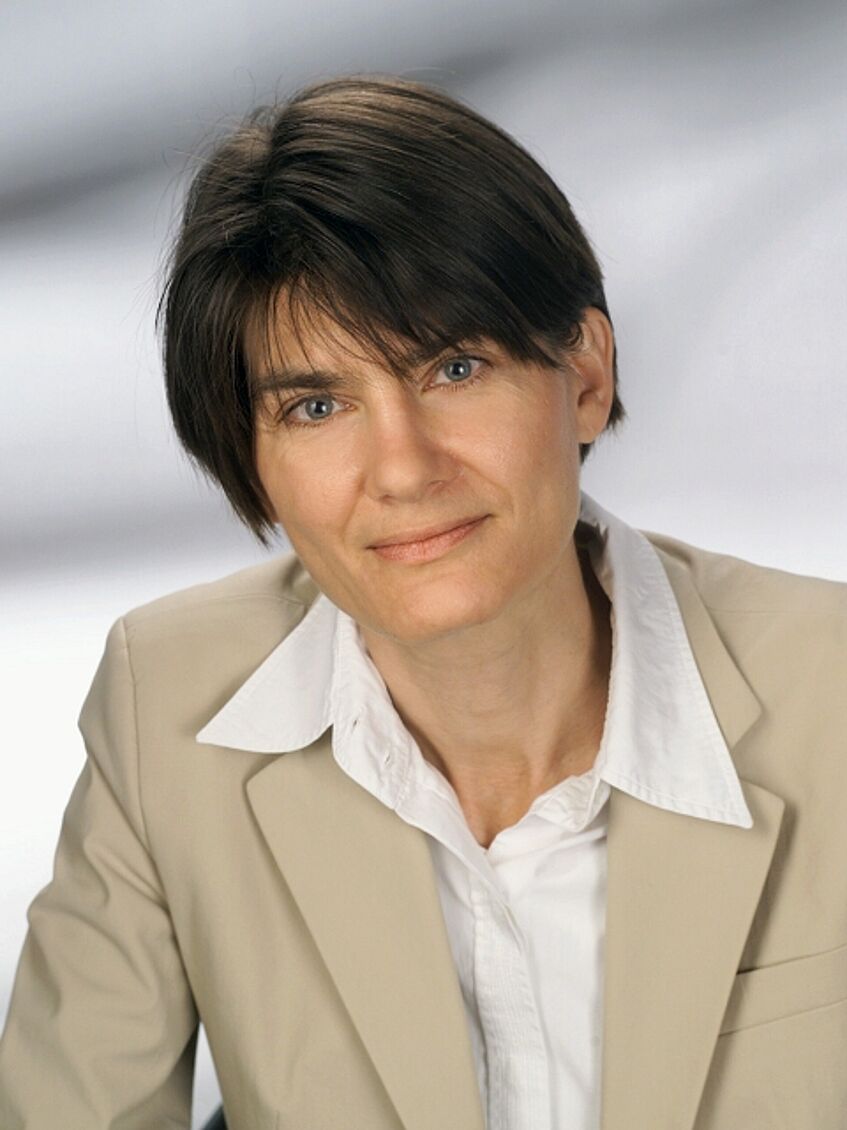 Verena M. Dirsch合作论文数Division of Pharmacognosy, Department of Pharmaceutical Sciences, Faculty of Life Sciences, University of Vienna3V. Besche合作论文数2U. Foerstermann合作论文数2J. Art合作论文数2F. Bauer合作论文数2A. Pautz合作论文数2
 Oliver Werz合作论文数Jena Center for Soft Matters, Friedrich-Schiller-Universität Jena;Institut für Pharmazie, Fakultät für Biowissenschaften, Friedrich-Schiller-Universität Jena2Matthias Bros合作论文数2
 Hartmut Kleinert合作论文数Department of Pharmacology, Johannes Gutenberg University2
 Walter Jaeger合作论文数2Monika Fritzer‐Szekeres合作论文数Clinical Department of Medical and Chemical Laboratory Diagnostics, Medical University of Vienna2Christoph Illmer合作论文数1CA Schmitt合作论文数1
 Franziska Bollmann合作论文数1Joanna Piesik合作论文数1C-Y Chen合作论文数1J. Henke合作论文数1Heiss Elke H合作论文数1
 Daniel Siuda合作论文数1
 Gerhard Ecker合作论文数Department of Pharmaceutical Sciences, Division of Pharmaceutical Chemistry, University of Vienna1Sibylle Madlener合作论文数Institute of Clinical Pathology, Medical University of Vienna1Jadwiga Jodynis-Liebert合作论文数1Karin Pleban合作论文数1Bea Kuen-Krismer合作论文数1




