Mechanically dissociated brain cells of 14 and 18-day-old mouse embryos and of mouse neonates were cultured for 3 weeks. Neurons, oligodendrocytes and astrocytes were identified at the 7th, 14th and 21st day in vitro by staining the cultures using the indirect immunoperoxidase technique with antisera directed against neuron specific enolase, galactocerebroside, myelin basic protein and glial fibrillary acidic protein. The number of neurons and oligodendrocytes was higher in embryonic cultures than in neonate cultures. The expression of some antigens was also different in the two types of culture. Our results indicate that the development of brain cells in mechanically dissociated brain cell cultures depends on the age of the animal at the time of plating.
There are lots of child development books on the market. But how do readers -- especially parents -- find practical answers they can trust? A Good Start in provides just that. We all want to do the we can for our children. Nature has equipped us with an instinct to protect and nurture. Unfortunately, we have not been provided with universal rules of parenting. So we look to experts to fill that void. But there's just so much information out there -- and it often looks like half of it appears to be filled with contradictory advice while the other half is mired in scientific jargon that most parents have trouble deciphering. This is especially true of the data on the intricate workings of the developing brain. It's a daunting task to figure out just what a parent should do. The key is to listen carefully to what science is telling us. Finally, we have sensible guides to interpret the information in straightforward and practical ways. Dr. Norbert Herschkowitz, a Swiss pediatrician and neuroscientist, and his wife, Elinore Chapman Herschkowitz, an American educator, have teamed up to write this warm, friendly book to guide parents through the formative years of their child's life. With a specific focus on the brain, we follow the path of early childhood development from gestation to birth to six years old. Each chapter deals with a particular phase of development. We begin with Life in the Womb -- What Are You Doing In There? and Newborn -- Here I am! As parents add candles to the birthday cake, new chapters prepare them for what lies ahead. Best of all, each chapter is accompanied by a section called, To Think About... These sections address practical topics like good night rituals, testing limits, coping with conflict, reading books together, the value of piano lessons, evaluating day care options, and encouraging why questions. Although there are scores of books that deal with early childhood development, few -- if any -- so artfully combine solid, reliable science with logical, clear-cut information and advice. Parents need no longer worry about missing special windows of learning opportunity. They don't have to deal with lingering doubts about the right way or the best way to bring up their child. They won't be left with that niggling feeling that they just didn't do something essential. With science -- and the Herschkowitz's -- by their side, the process of bringing up baby just got a whole lot easier.
This article presents selected psychological competences that emerge in children during the first 2 years, together with correlated structural, biochemical and physiological changes in the brain. Major behavioral events of the 1st year are the disappearance of the neonatal reflexes, the improvement of recognition and working memory and the appearance of the universal fears of strangers and of separation from the caretaker. These behaviors are correlated in time with changes in the brain that allow the increased ability of the cortex to inhibit brainstem reflexes, with processes in the prefrontal cortex and hippocampus that facilitate the formation, storage and retrieval of memories, and with strengthened connections between the cortex and limbic system. Behavioral events of the 2nd year include the explosion of language and the emergence of self-awareness, both of which depend on the capacity for inference. The emergence of these capabilities is correlated with the intensified connectivity of the two hemispheres, the maturation of the prefrontal cortex and cortical-subcortical network.
In an animal model of hyperphenylalaninemia PHE was measurable by MRS in the brain in vivo. Blood and brain concentrations were not correlated (Avison et al 1990, Pediatr Res). We measured brain PHE in 4 early treated adult PKU patients (type I) during an oral load with l-PHE using localized MRS (1.5 T, standard head or surface coil, double echo localisation sequence, TE 20 ms). The PHE peak was identified at 7.4 ppm. in all patients calculating difference spectra (baseline spectra of 8 healthy subjects). PHE quantification was accomplished using the unsuppressed water signal as internal standard (Kreis et al 1993, J Magn Reson B). Blood PHE steaply increased from 981 (696 -1158) uMol/l preload to maximum within 2 h after load. After 5 h (1713 (1423-1913) uMol/l) PHE was stable, after 20 h (1581 (1440 - 1653) uMol/l PHE levels slowly decreased. Increase of brain PHE (preload 230 (80 - 340 uMol/l) was much slower and less steap and continued from 5 h (290 (260 - 330) uMol/l) to 20 h (340 (240 - 490 uMol) postload. Individual blood/brain ratios varied from 2.73 - 5.43. Using MRS to measure PHE in the brain (and thus in the affected compartment) and its dynamics of influx through the blood-brain barrier it should become possible to determine the interindividually different risk in developing brain damage on a more valid basis.(Grant DFG PH96/3-1).
Several allelic mutations at the arylsulfatase A (ASA) locus cause substantial deficiencies of this lysosomal enzyme. Depending on the genetically determined degree of the deficiency, the clinical outcome may be very different-either metachromatic leukodystrophy (MLD), a lethal lysosomal storage disorder affecting the nervous system, or, more frequently, the so-called pseudodeficiency (PD), which has no apparent clinical consequence. Because of compound heterozygosity for MLD and PD, 1/1,000 individuals in the population have low residual enzyme activities, which are intermediate between those of MLD patients and those of PD homozygous normal individuals. In order to assess whether PD/MLD compound heterozygotes bear a health risk, we examined clinically and biochemically 16 individuals with this genotype. Of these subjects, two had neurological symptoms and two showed lesions, without clinical symptoms, in magnetic resonance imaging of the brain. None of these symptoms was progressive, nor did they resemble those of MLD. Nerve conduction velocities were normal in these probands, and they secreted only low amounts of sulfatide in the urine. We conclude that the observed neurological symptoms are unrelated to the ASA genotype and that PD/MLD compound heterozygotes are not at an increased risk for developing progressive nervous system diseases.
We designed a longitudinal study to investigate brain maturation in preterm infants, using the Assessment of Preterm Infant's Behavior(APIB), MRI(GW;M), MRS(NAA/Cho), Dubowitz scale(D) for neurologic assessment and brainstem auditory evoked potentials(BAEP:V). Age-dependent maturational changes are presented in the first six patients, studied at a mean gestational age(GA) of 32.7±1.4 weeks and again at due date(mean GA:40.1±1.3w). Conclusion: First results indicate, that grey-while matter differentiation and myelination in MRI clearly discriminates maturational stages in brain development followed by MRS, behavioral studies assessed in autonomic-, motoric organization, self-regulation and examiner facilitation, neurologic assessment and BAEP.
Prediction, measurement, and monitoring of neurotoxicity of antibacterial agents are extremely difficult. We studied the effects of antibiotics on growth and differentiation in dissociated rat brain cell cultures. Drugs were added from 7 to 14 days in cultures (DIC) in order to attain concentrations representing 10 and 2 times the levels reached by intraventricular antibiotic administration. At DIC 14, 21 and 24 the following evaluations were performed and compared to controls: content of protein and DNA reflecting cell growth, two enzymes of brain cell differentiation and staining for oligodendrocytes and astrocytes. No effects showed penicillin G, amoxicillin, sulbactam, aztreonam and chloramphenicol. Only marginal and always reversible influences produced ceftriaxone, vancomycin and ciprofloxacin. Clear inhibition of both cell growth and cell differentiation with only partial or absent regeneration was induced by cefepime, ceftazidime, cefotaxime, cefuroxime, imipenem, temafloxacin and amikacin. These results are in accordance with other in vitro experiments (bone marrow cells, fibroblasts) and also with clinical findings. We conclude that the sensible use of this model on the cellular level can predict potential neurotoxicity of antimicrobial agents.
Bei einem fast 3 Jahre alten Jungen (Alain) müßte eine progredientes neurometabolisches Leiden vermutet werden, nachdem er uns wegen des Verlusts der freien Gehfähigkeit vorgestellt worden war. Bis zu diesem Zeitpunkt war seine motorische Entwicklung im Sinne einer Zerebralparese (CP) nach neonataler Streptokokken-B-Sepsis mit pulmonaler Hypertonie und Langzeitbeatmung verzögert, aber nie regredient gewesen (Abb. 1). Im Rahmen der Familienabklärung untersuchten wir auch seinen 18 Monate alten Bruder André, dessen Entwicklung bis zu 1 Jahr normal gewesen war, der jetzt aber erst an einer Hand geführt gehen konnte. Die biochemischen Untersuchungen bestätigten leider bei beiden Knaben die klinisch vermutete Diagnose einer spätinfantilen metachromatischen Leukodystrophie (MLD).
The advantage of the sucrose gradient isolation procedure resides in the large number of cells yielded. This chapter discusses the experiment in which procedure for the bulk isolation of mouse oligodendrocytes by gradient centrifugations was used. In this experiment, when mouse oligodendrocytes were isolated by the sucrose gradient centrifugation technique, the following layers were obtained. At the end of the first gradient centrifugation, myelin floated over the 0.9 M sucrose, an oligodendrocyte-enriched mixed cell population formed a ring at the 1.55 M sucrose interface, and erythrocytes were pelleted. At the end of the second gradient centrifugation, isolated oligodendrocytes formed a ring at the 1.75 M sucrose interface. The viability of these cells varied between 38 and 60% by the Trypan blue exclusion test, and dropped to 25% after 16 hours of cultivation. The yield of isolated oligodendrocytes was 21.1 × 10⁶ cells per gram of fresh brain tissue. The increased number of cells obtained versus that found by other investigators may be explained by the introduction of trituration step in this procedure.
Gaucher disease, the most prevalent lysosomal storage disease, is a group of autosomal recessively inherited disorders characterized by the accumulation of glucosylceramide in lysosomes of the cells of the reticuloendothelial system. This sphingolipidosis is caused by the hereditary deficiency of the membran associated lysosomal enzyme β-glucosylceramidase which catalyses the hydrolysis of the glycosphingolipid glucosylceramide to glucose and ceramide (1). On the basis of the absence or presence and severity of the clinical manifestations of the central nervous system involvement, three main types have been distinguished, namely: type 1- the adult or non-neuronopathic form; type 2- the infantile or acute neuronopathic form; and type 3- the juvenile or subacute neuronopathic form. It was type 1 disorder that Philippe Gaucher originally described in 1882. This type is the most common form in the world and has an increased incidence in the Ashkenazi Jewish population. Hepatosplenomegaly, bone disease and the absence of neuronopathic manifestations are characteristic. Type 2 Gaucher disease is a rare, panethnic acute neuronopathic disorder characterized by hepatosplenomegaly, failure to thrive and progressive psychomotor degeneration usually resulting in death by 2 years of age. Type 3 Gaucher disease occurs primarily in Swedish individuals of the most northern province Norbotten and is characterized by the juvenile onset of variable neuronopathic manifestations. It is obvious today that each of the three types comprises several variants due to different allelic mutations.
Oligodendrocytes were isolated from mixed glial cultures of neonatal mouse forebrain and further grown in serum-free hormone supplemented culture medium. Cell populations were identified by indirect immunofluorescence using a range of specific antibodies, revealing a predominantly immature population of oligodendrocytes, the majority expressing the myelin glycolipids galactocerebroside and sulfatide on their plasma membrane. Astroglial contamination was found to be minimal. Simultaneous autoradiography and immunofluorescence demonstrated the presence of a transport system for the major inhibitory neurotransmitter GABA in the oligodendrocytes. The transport system was found to be energy, sodium and temperature dependent. Kinetic analysis revealed a high affinity system, with a Km of 6.27 microM and Vmax of 0.714 nmol/min/mg protein, which is comparable to that found previously for CNS neurons and astrocytes.
In a previous paper we have presented a double ligand enzyme linked immunosorbent assay (ELISA) technique suitable for the detection of human antibodies to different brain antigens. In the present study, we have applied this technique to the analysis of 100 neurologically affected patients with regard to both a list of clinical parameters and the presence in their sera of nervous tissue specific antibodies, in an attempt to highlight the meaning of such antibodies in different neurologic disorder. We show that the presence of these antibodies cannot be used for elucidation of pathogenesis or for diagnostic purposes, but can be used as a prognostic index.
The effect of fructose on liver metabolism in patients with hereditary fructose intolerance (HFI) and in heterozygotes for HFI was studied by 31P magnetic resonance spectroscopy (31P-MRS). In patients with HFI (n = 5) ingestion of small amounts of fructose was followed by an increase in sugar phosphates and decrease in inorganic phosphate (Pi) in the liver that could be detected by 31P-MRS. 31P-MRS could be used to diagnose fructose intolerance and to monitor the patients' compliance with a fructose-restricted diet. In heterozygotes (n = 8) 50 g fructose given orally led to accumulation of sugar phosphates and depletion of Pi in the liver. Fructose also induced a larger increase in plasma urate in heterozygotes than in control subjects. The effect of fructose on liver Pi and plasma urate was most pronounced in heterozygotes with gout (n = 3). Heterozygosity for HFI may predispose to hyperuricaemia.
Seeds of Strophanthus species are known as a source of rapid-acting cardenolides. These water-soluble glycosides are listed as the sole critical constituents of this raw herbal drug. A non-standard cardioprotective medication with ouabain-containing oral remedies has become popular in Europe as a result of the withdrawal of corresponding registered drugs from the market. However, the bioequivalence of pure ouabain solutions, tinctures, and home-made extracts from Strophanthus seeds is unknown. Thus, this study aimed to update the information on the composition of Strophanthus seeds used for this purpose. The distribution of two main saponins and about 90 previously unreported compounds, tentatively identified as saponins in eleven Strophanthus species, was systematically evaluated by ultra-high-performance liquid chromatography mass spectrometry (UHPLC-MS) and -MS/MS. Seeds of S. gratus were selected to isolate the dominant unreported triterpenoids, bidesmosides of echinocystic and oleanolic acid. Their structures were established by HRMS, MS/MS, as well as by NMR techniques. The total saponin content, estimated by UHPLC-MS, was up to 1%. The detected saponins could influence the peroral bioavailability of hardly absorbable Strophanthus cardenolides and exhibit their own activity. This finding may be relevant when Strophanthus preparations (containing both saponins and cardiac glycosides) are used, particularly when homemade preparations are administered.
 Ulrich N. Wiesmann合作论文数7Liane Bologa合作论文数6R Burri合作论文数4Christiane Legrand合作论文数3Linda L. Bambrick合作论文数3Françoise Landon合作论文数3Jean-Marc Burgunder合作论文数3Marie-Madeleine Portier合作论文数3Nathalie Compagnone合作论文数3C. Steffen合作论文数3Chantal Becourt合作论文数3C Boitard合作论文数3
 Dominique Fellmann合作论文数Laboratoire d'Histologie-Embryologie-Cytogénétique, Centre National de la Recherche Scientifique3François Gros合作论文数3Albert Bischoff合作论文数3Franco Vassella合作论文数3J. Clos合作论文数3Peter E. Braun合作论文数3
 Karima Djabali合作论文数Cytosquelette et Développement;Boulevard de l'Hôpital;Cytosquelette et Développement|Boulevard de l'Hôpital3J M Penzien合作论文数2Hp Siegrist合作论文数2Chris Boesch合作论文数2
 Petra Hüppi合作论文数Department of Pediatrie, Gynecologie and Obstetrique, Faculty of Medicine, Université de Genève2Claude Huc合作论文数2emilio bossi合作论文数1P. Bigler合作论文数1V. Bocchini合作论文数1Joe Zappia合作论文数1P. Straehl合作论文数1
 Richard Reynolds合作论文数1Livia N. Rossi合作论文数1JC BISCONTE合作论文数1H Moser合作论文数1David Ehrlich合作论文数1Fusch, Christoph合作论文数1elinore chapman herschkowitz合作论文数1annemarie aignesberger合作论文数1
 Peter Davies合作论文数1Peter Propping合作论文数1
 Urs B Schaad合作论文数1
 Kim Seung Up合作论文数Department of Internal Medicine, College of Medicine, Yonsei University1Minder Christoph E合作论文数1
 Guy M. McKhann II合作论文数Department of Neurosurgery, Columbia University;Columbia University Irving Medical Center1
 Claus W. Heizmann合作论文数Department of Pediatrics, University of Zürich1R. Massarelli合作论文数1
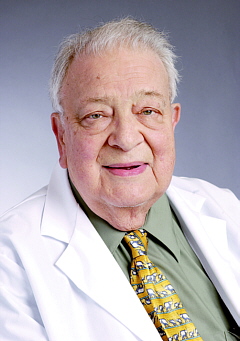 Hugo Moser合作论文数Neurogenetics Research Center, Kennedy Krieger Institute;Johns Hopkins University1Volkmar Gieselmann合作论文数Institute of Biochemistry and Molecular Biology, University of Bonn1
 John Taylor合作论文数Department of Biological Sciences, College of Liberal Arts and Sciences, Wayne State University1




