Equilibrium concepts and the expectation of compensatory density dependence remain fundamental to fisheries science, but stock collapses and an increasing appreciation of environmental factors have raised questions about their real-world applicability. To explore the demographic variability of harvested marine fishes, we have calculated metrics commonly used in conservation biology to describe the demographics for 77 assessed stocks from the North Atlantic and Northeast Pacific Oceans using life-tables. We found that median annual population growth rates ([Formula: see text]) were centered around 1, and surprisingly, they were only slightly higher when the effect of fishing was excluded. For most stocks, as abundance declined, [Formula: see text] tended to increase and become more variable as would be expected from compensatory dynamics. The population growth of several stocks was sustained by a limited number of years with exceptionally high rates. However, the ability of a stock to increase from low abundance appeared largely independent of life history characteristics and exhibited stronger geographical differences among stocks of the same species (notably Atlantic cod). Life history characteristics alone were poor predictors of annual population growth or future recovery potential, whereas regional factors appeared to be more influential. Overall, recovery potential remained relatively high, with simulations indicating that 62 of the stocks would be highly likely to double in size within 20 years in the absence of fishing. Low recovery potential was exclusively observed in stocks with a low median [Formula: see text] and low variability in [Formula: see text]. These results suggest that understanding stock-specific (rather than species-specific) demographic parameters is necessary to promote sustainable management or develop rebuilding plans for collapsed stocks.
Large‐scale biodiversity assessments and conservation applications require integrated and up‐to‐date datasets across regions. In the oceans, monitoring is fragmented, which affects knowledge exchange and usage. Among existing monitoring programs, scientific bottom‐trawl surveys (SBTS) are long‐term, rich, and well‐maintained data sources at the scale of each sampled region, but these data are under‐utilized in biodiversity applications, especially across regions. This is hampered by the lack of an international community and database maintained through time. To address this, we created FISHGLOB, an infrastructure gathering SBTS and experts. In 5 years, we developed an integrated database of SBTS and a consortium gathering more than 100 experts and users. Here, we are sharing the project history, achievements, challenges, and outlooks. In particular, we reflect on the infrastructure‐building social and technical processes which will guide the development of similar infrastructures. The FISHGLOB project takes ocean monitoring one step forward in working as a unified community across disciplines and regions of the world.
Bycatch of depleted and vulnerable species is a pressing conservation issue that undermines the sustainability of fisheries worldwide. Here, we utilised spatiotemporal modelling of fisheries-independent survey data to evaluate the potential for existing and proposed Marine Conservation Areas (MCAs) in Atlantic Canada to reduce bycatch vulnerability for three severely-depleted species—Atlantic cod (Gadus morhua), American plaice (Hippoglossoides platessoides) and White hake (Urophycis tenuis)—commonly caught as bycatch in commercial trawl fisheries on the Scotian Shelf-Bay of Fundy. We overlaid predicted distributions of abundance for these depleted species with those of commercially targeted Haddock (Melanogrammus aeglefinus) and Pollock (Pollachius virens) to identify areas of high-vulnerability. Our analysis showed that a fully implemented MCA network would overlap with an average of 16% of high-vulnerability area for individual species and 20% when combined as a single group, an increase of 9% and 13%, respectively, from existing MCAs. This approach can be used more generally by employing readily available survey data to optimise both fisheries management and biodiversity objectives in marine conservation planning.
Humans have transformed ecosystems through habitat modification, harvesting, species introduction, and climate change. Changes in species distribution and composition are often thought to induce biotic homogenization, defined as a decline in spatial beta diversity through time. However, it is unclear whether homogenization is common in ocean ecosystems and if changes in beta diversity exhibit linear or more complex dynamics. Here, we assessed patterns of homogenization or its converse (differentiation) across more than 175,000 samples of 2,006 demersal fish species from 34 regions spanning six decades and 20% of the planet’s continental shelf area. While ten regions (29%) recorded significant homogenization, eleven (32%) recorded significant differentiation. Non-monotonic temporal fluctuations in beta diversity occurred in 15 regions, highlighting complex dynamics missed by before-and-after snapshots that can drive spurious conclusions about trends in beta diversity. Fishing pressure and temperature helped explain variance in beta diversity across years and regions. However, the strength and direction of these effects differed by region. Here we showed that, despite intense anthropogenic impacts on the oceans, the majority of demersal marine fish communities do not follow the global homogenization paradigm common in other realms.
Climate change is a looming threat to marine life, creating an urgent need to develop climate-informed conservation strategies. The Climate Risk Index for Biodiversity was designed to assess the climate risk for marine species in a manner that supports decision-making. Yet, its regional application remains to be explored. Here, we use it to evaluate climate risk for ~2000 species in the northwest Atlantic Ocean, a marine warming hotspot, to explore its capacity to inform climate-considered fisheries management. Under high emissions, harvested species, especially those with the highest economic value, have a disproportionate risk of projected exposure to hazardous climate conditions but benefit the most from emission mitigation. By mapping critical risk areas for 90 fish stocks, we pinpoint locations likely to require additional intervention, such as in the southern Gulf of St. Lawrence for Atlantic cod. Finally, we demonstrate how evaluating climate risk geographically and understanding how it arises can support short- and long-term fisheries management and conservation objectives under climate change.
Species are already on the move as waters warm. Conservation plans need to take this into account. Species are already on the move as waters warm. Conservation plans need to take this into account.
Phenology metrics quantify the timing of seasonal events; future climate projections of changes to these metrics can be used in long-term ecosystem-based approaches to ocean resource management. Here a set of phenology metrics for ocean waters is presented. These metrics include three common ones: the onset of spring, the length of the growing season, and the onset of stratification. In addition, five novel metrics have been derived, including two that are based on the duration of thermal stress, defined as the amount of time that the future climate spends above the present climate maximum temperature; two that provide pelagic and demersal development indices by measuring the difference in time for a given number of present climate surface or bottom temperature degree days to arrive in the future; and a fifth metric that represents the absolute difference in a scalar quantity between the future and present climates. Spatial maps of the changes in these metrics for the mid-21st century have been derived from a high-resolution simulation of the Northwest Atlantic Ocean. A focus of this study was the application of the metrics to predict changes in ecosystem components in the future. Eight applications are presented for the Northwest Atlantic Ocean shelf region, describing predictions of shifts in the timing of inshore lobster migration; increased mortality, earlier spawning times and increased length-at-age for cod; reduced egg development times for shrimp; thermal stress on herring; and changes in habitat conditions for halibut and snow crab. This set of phenology change metrics serves as a starting point to illustrate the diverse ecosystem-related calculations possible using future climate ocean model output.
Marine heatwaves have been linked to negative ecological effects in recent decades 1 , 2 . If marine heatwaves regularly induce community reorganization and biomass collapses in fishes, the consequences could be catastrophic for ecosystems, fisheries and human communities 3 , 4 . However, the extent to which marine heatwaves have negative impacts on fish biomass or community composition, or even whether their effects can be distinguished from natural and sampling variability, remains unclear. We investigated the effects of 248 sea-bottom heatwaves from 1993 to 2019 on marine fishes by analysing 82,322 hauls (samples) from long-term scientific surveys of continental shelf ecosystems in North America and Europe spanning the subtropics to the Arctic. Here we show that the effects of marine heatwaves on fish biomass were often minimal and could not be distinguished from natural and sampling variability. Furthermore, marine heatwaves were not consistently associated with tropicalization (gain of warm-affiliated species) or deborealization (loss of cold-affiliated species) in these ecosystems. Although steep declines in biomass occasionally occurred after marine heatwaves, these were the exception, not the rule. Against the highly variable backdrop of ocean ecosystems, marine heatwaves have not driven biomass change or community turnover in fish communities that support many of the world’s largest and most productive fisheries.
Drilling down into why the UN Sustainable Development Goals are so hard to achieve, and showing policymakers pathways to follow, will help the planet and save lives. Drilling down into why the UN Sustainable Development Goals are so hard to achieve, and showing policymakers pathways to follow, will help the planet and save lives.
With the influence of climate change on marine systems expanding, climate adaptation will be fundamental for the future of fisheries management. An exponential increase in Atlantic halibut Hippoglossus hippoglossus landings over the past decade has coincided with warming ocean temperatures. Here, we explore how historical changes in abundance have been linked to changing thermal habitat conditions and project trends with a warming climate under different emissions scenarios. From 1990 to 2018, available thermal habitat increased by 11.6 ± 7.35% and growing degree days have increased by 13.5 ± 7.86 °C·days across the region. With warming, the probability of occurrence is projected to increase up to 20.5% in Canada by 2085 under RCP 8.5 for Atlantic halibut. Our results suggest that shifting patterns of halibut distribution and abundance are linked to thermal conditions and that continued warming will likely continue to enhance habitat conditions, leading to increased abundance in the Canadian range. Collectively, these results illustrate the influence of shifting environmental conditions on population dynamics and emphasize the importance of adaptive management practices in a dynamic future climate.
Climate change affects virtually all marine life and is increasingly a dominant concern for fisheries, reinforcing the need to incorporate climate variability and change when managing fish stocks. Canada is expected to experience widespread climate-driven impacts on its fisheries but does not yet have a clear adaptation strategy. Here, we provide an overview of a project we are developing, the Climate Adaptation Framework for Fisheries, to address this need and support climate adaptation in Canadian marine fisheries. The framework seeks to quantitatively and flexibly evaluate species, fishing infrastructure, and the management and operation of fisheries to assess climate vulnerability comprehensively and provide outputs that can support climate adaptation planning across different sectors, agencies, and stakeholders. This new framework should allow future climate scenarios to be evaluated and identify actionable climate vulnerabilities related to the management of fisheries, creating a systematic approach to supporting climate adaptation in Canada’s fisheries.
Climate change is causing fish stocks to shift, upending the social-ecological systems that rely on the historic distributions of these stocks and creating or exacerbating fisheries conflicts. The movements of internationally shared stocks between Exclusive Economic Zones (EEZs) or between EEZs and the high seas are especially concerning because they bring into play a variety of geopolitical factors and equity issues surrounding missing or conflicting regulations of jurisdictional boundary zones. Though many studies have explored the responses to and repercussions of shifting stocks on fisheries management, there is a dearth of interdisciplinary case studies that provide insight into the complexity of conflict formation in shifting transboundary fisheries, and that highlight the initial response stages where inclusion of proactive and cooperative measures can greatly improve a system’s resilience to conflict. Our study helps to fill this gap by drawing on the knowledge of a diverse group of experts to analyze four case studies where transboundary stock shifts, geopolitical or governance tensions, and uncertainty regarding the future of the marine environment collide. Through synthesis of case study findings, we create a causal model of fishery conflict, within which we highlight factors that may heighten or mitigate the risk of conflict over shifting resources such as complex histories of power imbalance, unequal access to resources, or a lack of consistent and transparent data collection. Cooperation and equitable decision-making processes are recognized as vital components of internationally shared stock management which can promote lasting, effective, and conflict-resilient fisheries.
Producers and users contributing to diverse scientific enterprises are often siloed. FISHGLOB is a sociotechnical infrastructure supporting collaboration and data sharing between experts in, and users of, fish bottom trawl surveys, a form of ocean monitoring.
Climate change is impacting virtually all marine life. Adaptation strategies will require a robust understanding of the risks to species and ecosystems and how those propagate to human societies. We develop a unified and spatially explicit index to comprehensively evaluate the climate risks to marine life. Under high emissions (SSP5-8.5), almost 90% of ~25,000 species are at high or critical risk, with species at risk across 85% of their native distributions. One tenth of the ocean contains ecosystems where the aggregated climate risk, endemism and extinction threat of their constituent species are high. Climate change poses the greatest risk for exploited species in low-income countries with a high dependence on fisheries. Mitigating emissions (SSP1-2.6) reduces the risk for virtually all species (98.2%), enhances ecosystem stability and disproportionately benefits food-insecure populations in low-income countries. Our climate risk assessment can help prioritize vulnerable species and ecosystems for climate-adapted marine conservation and fisheries management efforts. The authors develop a climate risk index for marine species under two emission scenarios and find that exploited species in low-income countries have the greatest risk under the high emissions scenario. Mitigating emissions reduces risks, enhances ecosystem stability and benefits low-income countries that depend on fisheries.
Interactions between spatial dynamics and stock structure in marine fishes have largely focused on stocks in decline; stock structure is rarely re-visited for expanding species. Here, the spatial ecology of Atlantic halibut (Hippoglossus hippoglossus L.), managed as four stocks in the Northwest Atlantic, is reviewed. Halibut collapsed under high exploitation in the mid-19th century, but the Canadian fisheries value has increased seven-fold since the early 2000s. Atlantic halibut's thermal habitat has increased due to warming, possibly contributing to its expansion. Genomic evidence differentiates two populations in the four management units, whereas there is non-genetic spatial structure within each of the stock boundaries. There are different core juvenile areas and a diversity of spawning migration patterns influenced by timing, fish size, maturity state, and distance between summer-feeding and over-wintering habitats. From tagging studies, multiple estimates of median distance at recapture (similar to 3-90 km) are much less than the spatial domain of each stock. Growth rates are faster in the warmer south, as predicted by growing degree day. The current perspective of Atlantic halibut spatial structure is that there are two distinct populations, and within each, there are subpopulations composed of multiple migratory contingents. The level of mixing on common spawning grounds both among and within subpopulations is only partly understood.
Climate change and biodiversity loss are twin crises that are driving global marine conservation efforts. However, if unaccounted for, climate change can undermine the efficacy of such efforts. Despite this, integration of climate change adaptation and resilience into spatial marine conservation and management has been limited in Canada and elsewhere. With climate change impacts becoming increasingly severe, now is the time to anticipate and reduce impacts wherever possible. We provide five recommendations for an inclusive, proactive, climate-ready approach for Canada’s growing marine conservation network: (1) integrating climate-resilience as a universal objective of the Canadian Marine Conservation Network, creating and implementing (2) national transdisciplinary working groups with representation from all knowledge holders and (3) necessary tools that integrate climate change into conservation design, (4) defining operational and climate-relevant monitoring and management objectives, and (5) strengthening communication and increasing knowledge exchange around the roles and benefits of protected areas within government and towards the public. Canada’s extensive marine and coastal areas reflect national and international responsibility to engage on this issue. Canada is well positioned to assume a leading role in climate change adaptation for marine conservation and help accelerate progress towards international commitments around mitigating ongoing biodiversity loss and climate change.
Unintended bycatch of depleted or vulnerable marine species is an unsolved conservation issue that undermines the sustainability of fisheries worldwide. In Canada, policy incentives to address bycatch of vulnerable species-at -risk have become more prominent in recent years. Yet bycatch risk has been difficult to quantify and mitigate, in part due to large data gaps in fisheries observation and monitoring. Here we suggest the use of novel modelling frameworks to optimize spatial management strategies for bycatch mitigation. We utilize spatiotemporal modeling of fisheries-independent survey data to predict high-risk regions for three at-risk skates (family Raji-dae) in Atlantic Canada. We use these identified regions to evaluate the relative reduction in bycatch risk that can be expected by closing targeted bycatch-protection zones on the western Scotian Shelf to bottom-trawl fishing, and further examine the relative costs to the fishing industry that such closures may impose. We show that when closures are precisely targeted on high-bycatch risk areas, relative costs to industry are minimal by affected fishing area (1.25 +/- 0.62 % total area) or displaced landings (0.28 +/- 0.14 % by weight of catch). To reduce bycatch risk by 50 % for all three vulnerable skates, less than 10 % of landed catch weight is displaced. These results can be used to reduce bycatch encounters for any endangered, threatened or protected species through spatially targeted conservation measures. We conclude that new approaches to the analysis and mitigation of spatial-temporal bycatch patterns can help to meet regulatory or market-driven requirements for bycatch reduction at low cost.
There has been a proliferation of climate change vulnerability assessments of species, yet possibly due to their limited reproducibility, scalability, and interpretability, their operational use in applied decision-making remains paradoxically low. We use a newly developed Climate Risk Index for Biodiversity to evaluate the climate vulnerability and risk for ∼2,000 species across three ecosystems and 90 fish stocks in the northwest Atlantic Ocean, a documented global warming hotspot. We found that harvested and commercially valuable species were at significantly greater risk of exposure to hazardous climate conditions than non-harvested species, and emissions mitigation disproportionately reduced their projected exposure risk and cumulative climate risk. Of the 90 fish stocks we evaluated, 41% were at high climate risk, but this proportion dropped to 25% under emissions mitigation. Our structured framework demonstrates how climate risk can be operationalized to support short- and long-term fisheries objectives to enhance marine fisheries’ climate readiness and resilience.
The abundance, distribution, and size of marine species are linked to temperature and nutrient regimes and are profoundly affected by humans through exploitation and climate change. Yet little is known about long-term historical links between ocean environmental changes and resource abundance to provide context for current and potential future trends and inform conservation and management. We synthesize >4000 years of climate and marine ecosystem dynamics in a Northwest Atlantic region currently undergoing rapid changes, the Gulf of Maine and Scotian Shelf. This period spans the late Holocene cooling and recent warming and includes both Indigenous and European influence. We compare environmental records from instrumental, sedimentary, coral, and mollusk archives with ecological records from fossils, archaeological, historical, and modern data, and integrate future model projections of environmental and ecosystem changes. This multidisciplinary synthesis provides insight into multiple reference points and shifting baselines of environmental and ecosystem conditions, and projects a near-future departure from natural climate variability in 2028 for the Scotian Shelf and 2034 for the Gulf of Maine. Our work helps advancing integrative end-to-end modeling to improve the predictive capacity of ecosystem forecasts with climate change. Our results can be used to adjust marine conservation strategies and network planning and adapt ecosystem-based management with climate change.
Environmental impacts on fisheries are pervasive, yet methods to account for them in stock assessments and management decisions vary in rigour and quality. The prevalence and efficacy of methods to account for environmental impacts are not well documented, limiting our ability to adequately respond to future environmental and climate changes for adaptive resource management. In Canada, legislation now requires that environmental conditions are considered in the management of fish stocks, yet the current extent of implementation in assessment processes is poorly understood. We assessed the use of climate, oceanographic and ecological considerations in science advisory processes for 178 stock assessments by Fisheries and Oceans Canada. We evaluated whether these considerations were included in conceptual hypotheses about broad-scale mechanisms, quantitative or qualitative analyses, and the development of management advice on current or future stock status. Conceptual hypotheses were included in 46% of assessments; quantitative inclusions occurred in 21% of assessments, while qualitative interpretations appeared in 31% of assessments; and 27% of assessments included climate, oceanographic and/or ecological considerations in the advice. Assessments of salmonids, invertebrates and pelagic taxa more frequently made use of environmental data than those for groundfish and elasmobranchs. Comparing our findings with assessments in other jurisdictions highlighted a gap in Canada's ability to respond to environmental changes and a need to develop integrated management approaches, such as regional ecosystem assessments and approaches that combine modelling and empirical analyses, with socio-economic analysis within interdisciplinary teams.
 Ken Frank合作论文数Department of Biology, Queen's University;Dalhousie University;Ocean Sciences Division, Department of Fisheries & Oceans Canada;Bedford Institute of Oceanography9
 Boris Worm合作论文数Department of Biology, Faculty of Science, Dalhousie University8
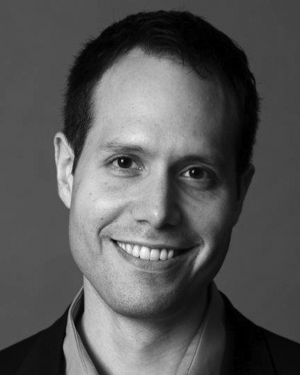 Jonathan A.D. Fisher合作论文数7
 Brian Petrie合作论文数7Cornelia E. den Heyer合作论文数6
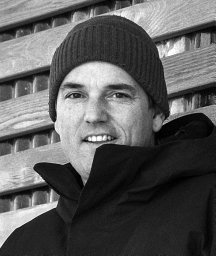 Boyce Daniel G合作论文数Biology Department, Dalhousie University6
 Tittensor Derek P合作论文数Dept Biol, Dalhousie Univ6
 Malin Pinsky合作论文数Division of Physical & Biological Sciences, University of California, Santa Cruz;Department of Ecology & Evolutionary Biology, University of California, Santa Cruz6
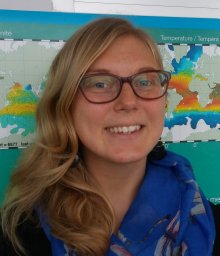 Christine Stortini合作论文数School for Resource and Environmental Studies, Dalhousie University Halifax6David Brickman合作论文数6
 William Claude Leggett (William C. Leggett)合作论文数Department of Biology, Queen's University6
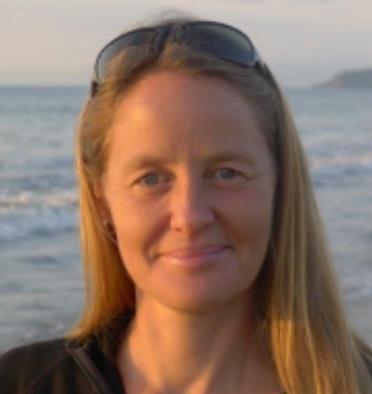 Heike K. Lotze (Heike Lotze)合作论文数Department of Biology, Faculty of Science, Dalhousie University6Kevin Friedland合作论文数Northeast Fisheries Science Center, National Marine Fisheries Service5
 Ryan R.E. Stanley合作论文数Ocean Sciences Centre and Biology Department, Memorial University of Newfoundland5
 Mariano Koen-Alonso合作论文数Northwest Atlantic Fisheries Centre, Fisheries and Oceans Canada5Bastien Merigot合作论文数centre d’océanologie de Marseille, université d’Aix Marseille5
 Alexa Fredston合作论文数Dept Ecol Evolut & Nat Resources, Rutgers State Univ4
 Laurene Pecuchet合作论文数UiT, The Arctic University of Tromsø4
 Juliano Palacios-Abrantes合作论文数The University of British Columbia4
 Aurore A. Maureaud合作论文数Alaska Fisheries Sci Ctr, Habitat & Ecosyst Proc Res Program4
 Frank Kenneth A合作论文数College of Education, Michigan State University4Susanna D. Fuller合作论文数Ecology Action Centre, 2705 Fern Lane, Halifax, Nova Scotia, B3K 4L3 Canada4
 Alida Bundy合作论文数Bedford Institute of Oceanography4Kathryn E. Schleit合作论文数3
 Fabrice Stephenson合作论文数School of Science, University of Waikato3
 Sean Anderson合作论文数Department of Automatic Control and Systems Engineering, Faculty of Engineering, The University of Sheffield3
 Jason S. Link (Jason Link)合作论文数National Marine Fisheries Service, National Oceanic and Atmospheric Administration3
 Arnaud Auber合作论文数Équipe Écotoxicologie et Qualité des Milieux Aquatiques, INRA3
 Edda Johannesen合作论文数3
 N G Yoccoz合作论文数Department of Arctic and Marine Biology, UiT The Arctic University of Norway3Richard O’Driscoll合作论文数3
 Gabriel Reygondeau合作论文数Department of Ecology and Evolutionary Biology Max Planck, Yale Center for Biodiversity Movement and Global Change, Yale University, New Haven, CT, 06501, USA3
 Jon Solmundsson合作论文数Marine Research Institute Skulagata3
 Janet Nye合作论文数Department of Earth, Marine and Environmental Sciences, College of Arts and Sciences, The University of North Carolina at Chapel Hill3
 Kari E. Ellingsen合作论文数NINA, Polarmiljøsenteret3
 Stephanie Henson合作论文数National Oceanography Centre;University of Southampton3Joanna Mills Flemming合作论文数Department of Econometrics;University of Geneva;Department of Econometrics, University of Geneva3
 Jim Thorson合作论文数Habitat and Ecosystem Process Research, Alaska Fisheries Science Center, National Marine Fisheries Service3
 Vincent S. Saba合作论文数College of William and Mary Virginia Institute of Marine Science3
 Torkild Tveraa合作论文数Norwegian Institute for Nature Research, University of Tromsø3Stuart Carson合作论文数2
 Daniela V. Yepsen合作论文数2Zoë J Kitchel合作论文数Ecol & Evolut Grad Program, Rutgers State Univ2
 Isabelle Hurley合作论文数Dept Biol, Dalhousie Univ2
 Isabelle Jubinville合作论文数2
 Karen L Hunter合作论文数2
 Arnault Le Bris合作论文数Marine Inst, Mem Univ Newfoundland2Heino O Fock合作论文数2
 T Kess合作论文数Fisheries & Oceans Canada, Northwest Atlantic Fisheries Ctr, 80 E White Hills Rd, St John, NF A1C 5X1, Canada2




