Female sexual dysfunction (FSD) is a multifactorial condition affecting desire, arousal, orgasm, and satisfaction, with wide-ranging implications for women's physical and emotional well-being. Although prevalent, especially among postmenopausal and postpartum populations, FSD remains under-recognized and undertreated. Pelvic floor muscle training (PFMT) has emerged as a promising, non-invasive therapeutic approach for managing FSD, particularly when associated with pelvic floor disorders such as urinary incontinence, pelvic organ prolapse, and overactive bladder. This narrative review synthesizes anatomical, physiological, clinical, and therapeutic insights into the relationship between pelvic floor function and female sexual health. The pelvic floor's structural complexity-comprising muscular, connective, and neurovascular elements-plays a crucial role in sexual response. Dysfunction of this system can contribute to sexual pain, reduced arousal, and orgasmic disorders. PFMT, involving voluntary muscle contractions, biofeedback, or electrical stimulation, has demonstrated benefits across diverse female populations. Variables such as frequency, intensity, supervision, and duration of PFMT significantly influence its effectiveness. Evidence suggests that PFMT improves sexual function in general populations and is particularly beneficial for postpartum, postmenopausal women, and those with neurological or gynecological issues. Improvements are seen in sexual desire, arousal, lubrication, orgasm, and pain reduction. The mechanisms underlying these effects include enhanced muscle strength, increased genital blood flow, and psychological improvements such as body awareness and reduced anxiety. Despite strong supportive evidence, implementation challenges persist, including adherence difficulties, a lack of standardized protocols, and insufficient professional training. Barriers to adherence include misconceptions, discomfort, lack of motivation, and poor understanding of proper technique. Facilitators include clear guidance, customized approaches, technological tools, and professional supervision. Mobile health applications and patient empowerment strategies show promise in enhancing engagement and outcomes. Future research should focus on long-term efficacy, standard intervention protocols, and the integration of PFMT with other therapies, such as pharmacological treatments. Overall, PFMT represents a low-risk, cost-effective intervention capable of significantly improving quality of life and sexual function in women across the lifespan.
Pelvic floor muscle training (PFMT) has been recommended as the first step of conservative management of stress urinary incontinence (SUI). Several studies have suggested that pelvic floor muscles play an important role in female sexual function. The aim of our study was to evaluate if a significant improvement of muscle strength after pelvic floor training program in females with SUI is associated with a better sexual function of the couple. A retrospective observational study was conducted. The sample consisted of 169 women with SUI, treated with a supervised program of PFMT for 6 months. All females were evaluated at the beginning and the end of the study for incontinence episodes, the number of daily pads, pelvic floor muscle strength and fulfilled Female Sexual Function Index (FSFI) questionnaire. All male partners were evaluated with the Satisfaction Scale of Male Sexual Health Questionnaire (MSHQ) and the Likert visual scale (1 to 5 points). Pelvic floor muscle strength was assessed via vaginal palpation (using the Modified Oxford Scale) and vaginal squeeze pressure using the Peritron perineometer. According to the final continence status after six months of PFMT, women were divided into Group A, 107 women, still presenting incontinence episodes and Group B, 62 women who were dry.
The main objective of this randomized-controlled trial was to evaluate the effects of a nutraceutical compound (NC) and the effects of avanafil on sperm functional assays administered either alone or in combination. Men with oligoasthenospermia (n=217) were treated daily for 90 days with either an NC (45men, Group-A), L-carnitine (44men, Group-B), NC plus avanafil (43men, Group-C) or avanafil (43men, Group-D); another group of 42 oligoasthenospermic men (Group-E) received no treatment. Sperm parameters were performed before and after the end of treatment in each Group A,B,C and D respectively. The same sperm parameters were evaluated in each participant of Group-E before and at the end of the experimental period. Wilcoxon test for paired observations and Chi-square test (Yates’ correction) were employed for statistical analysis to evaluate, within each group, differences in the mean values (prior to and at the end of the experimental period) for each quantitative and qualitative parameter respectively. A probability P<0.05 was considered to be statistically significant. All assays were conducted in a blind fashion.
Αim of the study was to determine the effect of mirabegron, used for overactive bladder (OAB) treatment, on female sexual function.
Recent report have suggested a beneficial effect of sildenafil or vardenafil on semen quality (Curr Pharm Des. 2009;15:3506. Br J Urol Int 2010;106:1181). We evaluated the effect of avanafil administration on embryonic development and the pregnancy rate in a surrogate program. Considering that in a surrogacy parenthood program global legislation requires at least one of the intended parents to provide (in most cases the male partner) his/her own genetic material, it is imperative to discover new pharmaceutical agents to increase semen quality in order to achieve high pregnancy rates in the surrogate women. Twenty two couples (Group A) were selected. The female partner could not produce oocytes of appropriate quality for assisted reproductive technology (ART). Thus donor oocytes were used. Donor oocytes were collected and processed for ooplasmic injections of spermatozoa (ICSI techniques) recovered from the male partner. In the above selected couples all male participants were oligo-astheno-teratospermic and pregnancy was not achieved after transferring the generated blastocysts (using ART techniques) into the surrogate females. Subsequently each male participant received avanafil (25mg x 2 / day; taking into consideration the duration of the half-life of avanafil) for 90 days. Within a month, following the completion of the above 90-day-treatment by each man, all couples participated in a new ART program (new ICSI procedures).
The aim of the present study was to examine the seasonality of hypospadias in Greece in an attempt to elucidate the aetiology. All boys born between 1991-1998, who underwent hypospadias repair at 'Aghia Sophia' Children's Hospital, Athens (n= 542) were analysed. All Greek live-born males during the same period (population at risk; m= 421,175) served as the controls. Seasonality by month of birth was evaluated with specific statistical tools. Meteorological parameters were also analysed. All tests yielded significant results, suggesting a simple harmonic prevalence pattern (highest/lowest: autumn, peak in October/spring, trough in April). Therefore, the first trimester of hypospadiac gestations coincides more frequently with winter. Meteorological parameters varied seasonally (maximal sunlight; air temperature in summer/minimal in winter, maximal rainfall in winter/minimal in summer) and were strongly associated pairwise. Hypospadiac birth prevalence follows a simple harmonic seasonal pattern and is associated with that of cryptorchidism in Greece. The coincidence of the first or third trimester of a potentially genetically influenced gestation with winter could lead to the phenotypic expression of hypospadias or cryptorchidism, respectively. The potential role of a cyclic-varied androgen-production stimulator, such as human chorionic gonadotrophin may be speculated. The seasonality of a common environmental factor acting directly/indirectly may contribute to these patterns, and possibly to the common pathogenesis of these congenital malformations.
 I Miyagawa合作论文数73Dimitrios Giannakis合作论文数52Dimitrios Baltogiannis合作论文数50
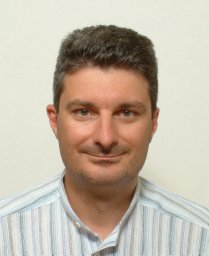 Fotios Dimitriadis合作论文数Faculty of Medicine, Tottori University43Panagiota Tsounapi合作论文数Department of Pathophysiological and Therapeutic Science, Tottori University School of Medicine42A. Takenaka合作论文数38
 Ioannis Georgiou合作论文数Laboratory of Reproductive Genetics, University of Ioannina24Nikolaos Kanakas合作论文数23Yasuhisa Yamamoto合作论文数22
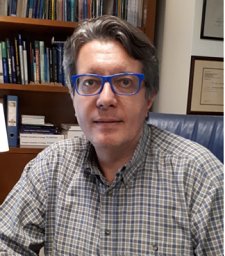 Athanasios Zachariou合作论文数School of Health Sciences, University of Ioannina18
 Dimitris Loutradis合作论文数Medical School, University of Athens18Xenofon Giannakopoulos合作论文数University Hospital Department of Urology, Ioannina University School of Medicine17Y Mio合作论文数14K. Tsoukanelis合作论文数13
 Apostolos Kaponis合作论文数Department of Obstetrics and Gynaecology;Laboratory of Molecular Urology and Genetics;Department of Urology;School of Medicine, Ioannina University;School of Medicine, Ioannina University13Lazaros Leandros合作论文数12
 Athina C. Tsili合作论文数University Hospital of Ioannina Clinical Radiology Leoforos S. Niarchou12
 Charalampos Mamoulakis合作论文数Academic Medical Center, University of Amsterdam12Nikolaos Giotitsas合作论文数12K. Zikopoulos合作论文数12
 E. Vlachopoulou合作论文数11S. Tsambalas合作论文数11Hatzi Elissavet合作论文数10Giannakis I合作论文数10
 N. Pardalidis合作论文数10
 Aris Kaltsas合作论文数Dept Urol, Univ Ioannina9Stavros C Efremidis合作论文数9George Makrydimas合作论文数Department of Obstetrics and Gynecology, University Hospital of Ioannina9C. Tsampoulas合作论文数9Anthoula Chatzikyriakidou合作论文数School of Medicine, Ioannina University9
 Sotirios Skouros合作论文数8
 Maria Filiponi合作论文数8M. Honda合作论文数8Hikita Katsuya合作论文数8N Xita合作论文数7S. Koukos合作论文数6s tsampalas合作论文数6E. Pappas合作论文数6K Charalabopoulos合作论文数Med Sch, Democritus Univ Thrace6Karagiannis A合作论文数6
 Spyros Antypas合作论文数School of Medicine, Democritus University of Thrace6Theodor Stefos合作论文数6A. Silakos合作论文数6Anastasios Sylakos合作论文数6T. Watanabe合作论文数5V Tarlatzis合作论文数5
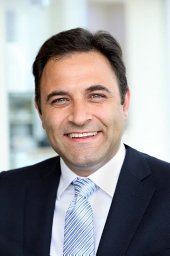 Alexandros Charalabopoulos合作论文数Laiko General Hospital, National and Kapodistrian University of Athens5Michael D Melekos合作论文数5
 Fragiskos Sofras合作论文数Sismanoglion Hospital, University of Athens Medical School5




