Introduction Without guideline-based secondary management, ~10%–20% of stroke patients suffer a recurrent event within 12 months. Access to stroke specialists in rural areas is scarce, which may limit appropriate secondary prevention interventions and potentially explain the worse stroke outcomes shown in rural areas. We developed a hybrid model telestroke clinic (stroke specialist remotely by video and stroke coordinator face-to-face) at four rural hospitals in Australia. The aims were to determine the effect on recurrent cerebrovascular events, patient acceptability and cost for the hybrid clinic compared with previous usual care. We hypothesise that patients assessed through the clinic would have a decreased rate of recurrent cerebrovascular events at 12 months compared with those patients managed through standard pathways.Methods and analysis This is a retrospective, multicentre (four sites) observational service evaluation study, comparing a hybrid telestroke outpatient clinic model of care with standard care.Ethics and dissemination Ethics approval for the hybrid telestroke clinic data was obtained from the Hunter New England Human Research Ethics Committee (2021/ETH00452). Ethics approval for the control population was obtained from the Hunter New England Human Research Ethics Committee (HNEHREC Reference No. 13/02/20/5.06) with further amendment (AU201712‐15).Trial registration number ACTRN12625000447459. Registration date 13/5/2025.
BACKGROUND:Tenecteplase has been previously evaluated in large- and medium-sized vessel occlusion subgroups, but its effectiveness in more distal occlusions, particularly those involving the distal middle cerebral artery branches or the anterior cerebral artery and posterior cerebral artery territories, and across varying ischemic core and perfusion profiles, remains uncertain. METHODS:We performed a secondary analysis of TASTE (Tenecteplase Versus Alteplase for Stroke Thrombolysis Evaluation), a randomized clinical trial comparing tenecteplase and alteplase in patients presenting within 4.5 hours of symptom onset with perfusion imaging-confirmed stroke and evidence of target mismatch (penumbra/core ratio >1.8 and an absolute difference >15 mL). The primary outcome was the modified Rankin Scale (mRS) score of 0 to 1 at 90 days. We compared the effect of tenecteplase versus alteplase in subgroups based on occlusion site (proximal M2, distal M2, M3 and beyond, anterior cerebral artery, and posterior cerebral artery), ischemic core, core growth rate, and penumbra. The treatment effect of tenecteplase and alteplase was compared stratifying by the subgroup of interest, adjusting for age, baseline National Institutes of Health Stroke Scale score, and premorbid mRS score in modified Poisson regression models. RESULTS:Of the 680 patients enrolled, 492 were included in the primary analysis (median age, 73 [interquartile range, 63-82] years; male sex: 306/492 [62%]). Two hundred forty-two (49%) received tenecteplase, and 250 (51%) received alteplase. Tenecteplase was associated with a higher proportion of mRS score of 0 to 1 with distal (M3 and beyond) occlusions (tenecteplase: 62/81 [77%] versus alteplase: 59/93 [63%]; adjusted risk ratio, 1.23 [95% CI, 1.04-1.46]). Numerically higher rates of mRS score of 0 to 1 were observed with distal M2 (tenecteplase: 30/46 [65%] versus alteplase 28/48 [58%]; adjusted risk ratio, 1.14 [95% CI, 0.84-1.54]) and anterior cerebral artery occlusions (tenecteplase: 12/21 [57%] versus alteplase 5/13 [38%]; adjusted risk ratio, 1.46 [95% CI, 0.71-3.00]). No treatment differences were seen for proximal M2 or posterior cerebral artery occlusions (Pinteraction across all occlusion sites: 0.89). Across ischemic core, penumbra, and core growth rate subgroups, no difference in treatment effect was observed. CONCLUSIONS:Patients with distal middle cerebral artery occlusions who are treated with tenecteplase are more likely to achieve an mRS score of 0 to 1 at 90 days than those treated with alteplase. REGISTRATION:URL: https://www.anzctr.org.au; Unique identifier: ACTRN12613000243718.
Objective To assess the prevalence of anxiety and depression 4–6 months poststroke, examine whether demographic factors were associated with response status, and evaluate feasibility outcomes, including acceptability and utility, of a poststroke mood disorder screening programme.Methods This prospective cohort study included patients aged ≥18 years discharged with ischaemic stroke, transient ischaemic attack or intracerebral haemorrhage between October 2022 and February 2024 from a comprehensive stroke centre in New South Wales, Australia. Exclusion criteria were (a) current or recent patient of a multidisciplinary rehabilitation team, (b) receipt of postdischarge mental health services, (c) discharge to a residential aged care facility, (d) end-of-life care or (e) residence outside the health district. Eligible patients were mailed validated mood screening tools. High-scoring patients meeting predefined criteria were referred to a rapid-access psychiatry clinic.Results Of 825 patients identified, 485 were eligible and 236 (49%) responded. Responders were older than non-responders (median 75 vs 71 years, p<0.01), and there was a trend towards fewer males (58% vs 66%, p=0.052). Among responders, 84 (35%) scored above thresholds for anxiety and/or depression. Of these, 18 (21%) were referred to psychiatry; 14 attended, and 10 (71%) received interventions, including initiation of medication and/or referral to psychology.Conclusions Anxiety and depression were highly prevalent after stroke in our population. This pilot poststroke mood disorder screening was feasible, identified one in three responders with symptoms and led to targeted psychiatric interventions in the majority of those reviewed.
BACKGROUND:Accurate diagnosis of lacunar stroke in the acute setting is challenging and often depends on MRI or clinical suspicion. CT perfusion (CTP) has only modest diagnostic accuracy and substantial interobserver variability yet is widely available. Artificial intelligence (AI) based tools may therefore be a valuable decision-support aid to improve the reliability of CTP interpretation. MATERIALS AND METHODS:We conducted a retrospective diagnostic accuracy study comparing a novel automated deep learning model with expert stroke neurologists for the diagnosis of acute lacunar stroke on CTP. Adults presenting to two comprehensive stroke centers in New South Wales, Australia, with a clinical syndrome suspicious for lacunar stroke who underwent standard-of-care CTP and diffusion-weighted MRI (DWI) were included. The reference standard was the presence of a clinically relevant lacunar infarct on DWI. A predetermined 90% of cases were used to train and internally test a convolutional neural network to predict the presence of a DWI lesion, while the remaining 10% formed a held out validation dataset. These held-out cases were interpreted by stroke neurologists, blinded to DWI, and by the trained model. Accuracy metrics, including area under the receiver operating characteristic curve (AUC), sensitivity, and specificity, were calculated for individual neurologists, neurologist consensus, and the AI model. RESULTS:Among 485 eligible patients, 436 (239 lacunar strokes and 197 mimics) were used for model development. The remaining 49 patients (27 lacunar strokes, 22 mimics) comprised the held out validation dataset. Overall clinician accuracy was poor (mean AUC 0.58) with low interobserver agreement (Fleiss κ = 0.22). The best-performing AI model, using cerebral blood flow maps alone, outperformed neurologist consensus (AUC 0.82, p = 0.003). CONCLUSION:In patients with suspected acute lacunar stroke, a deep learning model applied to routinely acquired CTP demonstrated diagnostic accuracy comparable to or better than expert stroke neurologists. These findings support further prospective and external validation and exploration of the model as a decision support tool within acute stroke workflows.
BACKGROUND:Cardiac computed tomography (CT) acquired during the acute stroke imaging protocol is an emerging modality to detect cardiac thrombi. We determined its yield in patients with acute ischemic stroke. METHODS:We performed a 1-stage individual patient data meta-analysis of 4 prospective observational cohorts (AIS of HEARTS [Acute Ischemic Stroke of Heart-Related Embolic Sources Detected on Acute Cardiac CT Scans]), including patients with acute ischemic stroke who underwent ECG-gated or non-ECG-gated cardiac CT between May 2018 and June 2024. We excluded patients with transient ischemic attack or stroke mimics. The primary outcome was the proportion of patients with a thrombus on cardiac CT. Secondary outcomes were additional scan time, radiation dose, comparison with echocardiography, and 90-day outcomes. We performed logistic regression analyses to compare 90-day outcomes between patients with and without thrombus, adjusting for age, sex, history of atrial fibrillation, ischemic heart disease, chronic heart failure, stroke or transient ischemic attack, anticoagulant use, prestroke modified Rankin Scale score, National Institutes of Health Stroke Scale score, large vessel occlusions, and intravenous thrombolysis, as appropriate for each outcome. RESULTS:We included 3919 patients (median age, 74 [interquartile range (IQR), 63-82], 58% male, median National Institutes of Health Stroke Scale score 6 [IQR, 3-12]). Cardiac CT detected a thrombus in 243 (6.2%) patients. Among 1323 patients that underwent both cardiac CT and transthoracic echocardiography, cardiac CT had a higher yield than transthoracic echocardiography (odds ratio, 7.4 [95% CI, 4.0-15.1]; P<0.001). Median additional scan time was 6 minutes (IQR, 5-7) for ECG-gated and 13 seconds (IQR, 12-61) for non-ECG-gated cardiac CT. Median additional radiation dose was 2.9 mSv (IQR, 1.6-4.1). Patients with thrombi had higher 90-day mortality (33% versus 15%, adjusted odds ratio, 1.6 [95% CI, 1.1-2.3]) and worse modified Rankin Scale scores (median modified Rankin Scale score 3 versus 2, adjusted odds ratio, 1.6 [95% CI, 1.2-2.0]), but similar recurrent stroke rates (5% versus 4%, adjusted odds ratio, 1.4 [95% CI, 0.7-2.5]). CONCLUSIONS:Implementing cardiac CT into the acute stroke imaging protocol is feasible, detects thrombi in ≈6% of patients, and has a higher yield than transthoracic echocardiography. Cardiac thrombi were associated with higher mortality, but not higher stroke recurrence. REGISTRATION:URL: https://www.clinicaltrials.gov; Unique identifier: NCT07165093.
The diagnostic yield of CTP for cerebral venous thrombosis (CVT) is uncertain. We aimed to estimate the sensitivity, specificity, predictive values, and area under the curve (AUC) of CTP for CVT diagnosis, hypothesizing that CTP review would increase CVT diagnosis accuracy. This is a retrospective analysis of patients with stroke-like symptoms undergoing brain NCCT, CTA, and CTP at a single center. Patients with a final diagnosis of CVT (8) were analyzed together with a control group (40, 5:1 ratio) by 3 neurologists blinded to the diagnoses. Brain NCCT+/-CTA showed poor sensitivity (37.5%) with high specificity (100%) for CVT diagnosis, which increased to 50% and 100%, respectively, after additional review of all the CTP maps. The discrimination of brain NCCT+/-CTA for CVT was moderate (AUC = 68.8; 95% CI, 50.8-86.7), increasing to AUC = 75 (95% CI, 56.5-93.5) after adding all the CTP maps reviews.
BACKGROUND:Tandem lesions involving internal carotid artery occlusion (ICAO) and distal middle cerebral artery occlusion (MCAO) are rare, and evidence regarding their clinical characteristics, management strategies, and outcomes remains limited. We aimed to describe real-world treatments and clinical outcomes in patients with this condition at a single comprehensive stroke center. METHODS:We reviewed consecutive patients included in our stroke registry between 2009 and 2022 and identified those with ICAO and distal MCAO (M3 or M4 segments). We described the use of thrombolysis, mechanical thrombectomy (MT) and/or carotid revascularization procedures (percutaneous transluminal angioplasty (PTA), carotid artery stenting (CAS), carotid endarterectomy (CEA)). Baseline National Institutes of Health Stroke Scale (NIHSS) scores and 3-month functional outcomes (modified Rankin Scale (mRS)) were descriptively compared between patients who did and did not receive reperfusion and/or revascularization therapies. RESULTS:In 100 acute ischemic stroke patients with ICAO, 28 had tandem lesions with distal MCAO. Of these, 11 (39%) received reperfusion and/or revascularisation therapies: five patients received thrombolysis only, two MT only, one thrombolysis, MT and CAS, one MT and PTA, one thrombolysis and CEA, and one CEA. Treated patients had a higher median baseline NIHSS (9 [5-19] versus 4 [2-8] for non-treated, p < 0.05). No patients had a symptomatic hemorrhagic transformation. At 3 months, there was no significant difference in functional outcomes between the two groups (55% mRS 0-2, treated, 65% in non-treated, p = 0.59). CONCLUSION:In this study, patients with tandem lesions involving ICAO and distal MCAO demonstrated heterogeneous clinical presentations and management strategies.
INTRODUCTION:Left atrial and ventricular dysfunction affect cerebral hemodynamics and are linked to white matter hyperintensities and other small vessel disease markers. Arterial input function dispersal from computed tomography perfusion reflects contrast passage through cerebral circulation and has been associated with cardiac dysfunction. We hypothesized that prolonged arterial input function dispersal is associated with higher small vessel disease burden. PATIENTS AND METHODS:We retrospectively analyzed 369 patients with acute ischemic stroke or transient ischemic attack who underwent computed tomography perfusion and brain magnetic resonance imaging within 7 days of admission. Total small vessel disease score was assessed using a validated score incorporating white matter hyperintensities, lacunes, microbleeds, and enlarged perivascular spaces. Associations with high small vessel disease burden (score 3 or 4) were examined using logistic regression and receiver operating characteristic analysis. RESULTS:Among 369 patients, 115 (31%) had high small vessel disease burden. Each 1-s increase in arterial input function dispersal was independently associated with greater odds of high small vessel disease burden (odds ratio 1.12, 95% confidence interval 1.07-1.17, p < 0.001). The prespecified cutoff of arterial input function >29 s was also associated with high small vessel disease burden (odds ratio 5.13, 95% confidence interval 2.78-9.45, p < 0.001). Receiver operating characteristic analysis suggested an optimal cutoff of 30 s (area under the curve 0.71). DISCUSSION AND CONCLUSION:Arterial input function dispersal was independently associated with total small vessel disease burden, suggesting it may be a useful risk marker for cumulative microvascular injury in addition to indicating cardiac dysfunction.
Stroke is a leading cause of disability and mortality worldwide, with ischaemic stroke the most prevalent type. Statins, used for cholesterol management, have demonstrated benefits in reducing stroke risk and improving outcomes in preclinical studies. However, the impact of pre-stroke statin use on stroke outcomes remain inconsistent. In this study, we aim to evaluate whether pre-stroke statin use is associated with greater volume of salvaged tissue and improved cerebral collateral perfusion. A retrospective analysis was conducted using data from 281 patients presenting with acute ischemic stroke to the John Hunter Hospital between May 2015 and May 2020. Patients were grouped based on pre-stroke statin use, and clinical variables, including infarct volume and collateral perfusion, were assessed. The primary outcome was salvage volume derived from baseline perfusion lesion volume minus infarct volume at follow-up. Collateral perfusion was measured by the hypoperfusion volume defined by delay time (DT)>6 seconds divided by the hypoperfusion volume defined by DT >2 seconds. Patients on statins at admission were significantly older and had more comorbidities. No significant association was found between pre-stroke statin use and salvage volume or collateral perfusion after adjusting for covariates. Larger initial infarct core was a significant predictor of salvage volume due to larger salvageable tissue volume at baseline. These findings indicate that pre-morbid statin use is not associated with larger salvage volume or improved cerebral collateral perfusion. ### Competing Interest Statement The authors have declared no competing interest. ### Clinical Trial Patients provided written informed consent for their clinical, imaging and blood sample data to be used for research. All patients were provided with standard acute stroke unit care. The study received approval from the Hunter New England Local Health District Human Research Ethics Committee (reference 2019/ETH03892). All acquired data was de-identified, stored electronically and password protected. ### Funding Statement KC was supported by funding from the National Health and Medical Research Council Australia (APP2012600) and the Hunter Medical Research Institute and Dalara Early Career Research Fellowship. The study was supported by funding from the NSW Cardiovascular Research Network and the Australian National Health and Medical Research Council (APP1085550). ### Author Declarations I confirm all relevant ethical guidelines have been followed, and any necessary IRB and/or ethics committee approvals have been obtained. Yes The details of the IRB/oversight body that provided approval or exemption for the research described are given below: Patients provided written informed consent for their clinical, imaging and blood sample data to be used for research. All patients were provided with standard acute stroke unit care. The study received approval from the Hunter New England Local Health District Human Research Ethics Committee (reference 2019/ETH03892). All acquired data was de-identified, stored electronically and password protected. I confirm that all necessary patient/participant consent has been obtained and the appropriate institutional forms have been archived, and that any patient/participant/sample identifiers included were not known to anyone (e.g., hospital staff, patients or participants themselves) outside the research group so cannot be used to identify individuals. Yes I understand that all clinical trials and any other prospective interventional studies must be registered with an ICMJE-approved registry, such as ClinicalTrials.gov. I confirm that any such study reported in the manuscript has been registered and the trial registration ID is provided (note: if posting a prospective study registered retrospectively, please provide a statement in the trial ID field explaining why the study was not registered in advance). Yes I have followed all appropriate research reporting guidelines, such as any relevant EQUATOR Network research reporting checklist(s) and other pertinent material, if applicable. Yes The data that support the findings of this study are not openly available due to reasons of sensitivity and are available from the corresponding author upon reasonable request. Data are located in controlled access data storage through Hunter New England Health.
Background The use of telestroke to support patient care beyond geographical boundaries remains underexplored.Methods We report the first international telestroke experience between Papua New Guinea (PNG) and Australia, as well as a review of the existing evidence of telestroke support beyond borders.Results In this case vignette, a PNG physician sought support and a second opinion from an Australian stroke neurologist on the management of a patient presenting with stroke symptoms. Despite the ‘ad hoc’ nature of the process and lack of protocol for such consultation at the time of the review, the patient was successfully treated and had an excellent recovery.Conclusion In our opinion, international telestroke support is currently underused to guide patient care and physician education in low- and middle-income countries.
ABSTRACTHalf of stroke patients experience depression, anxiety, and/or apathy, adversely impacting poststroke recovery. Yet management of these remains suboptimal. To identify the broad spectrum of therapeutic modalities investigated for post‐stroke mood disorders, and their characteristics, administration regimens, and clinical outcomes. A structured, PRISMA‐guided literature review identified studies exploring preventative or treatment options. Seventy‐one identified studies (N = 5748 patients) comprised 62 clinical trials, 4 case reports, and 4 protocols or published abstracts. Most focused on depression; relatively few addressed anxiety and/or apathy. Overall, the efficacy of most treatments remains unclear due to the diversity and small size of studies (mostly pilot studies) precluding comparison. Preventative modalities such as nortriptyline (6 studies) reduced the incidence of depression, noting high rates of effectiveness in smaller studies (92.3%, study N = 48) patients. For the treatment of diagnosed mood disorders (58 studies), conventional pharmacotherapies (e.g., fluoxetine) were most effective, reducing depression, anxiety and/or apathy in up to 95.8% of patients (study N = 60). Physiological interventions (e.g., repetitive Transcranial Magnetic Stimulation, rTMS) variably reduced depression/anxiety severity (in 20.8%–93.3% of patients) whilst complementary therapies (e.g., acupuncture) reduced depression/anxiety severity in 60.0%–92.4% of patients (study N = 60). Combination therapies (e.g., fluoxetine plus acupuncture or rTMS plus Deanixt) significantly reduced depression severity in 93.3% of patients (study N = 60). Within the limited evidence in poststroke mood disorders, conventional pharmacotherapies appear most effective for both prevention and treatment, whilst nonpharmacological strategies and CAMs show potential. No treatment can be fully recommended without more robust trials.
OBJECTIVES:Cerebral venous thrombosis (CVT) has historically had a poor prognosis, but advances in diagnosis and treatment may have improved outcomes. This study evaluated mortality rates, causes of death, and predictors of early and late mortality in CVT using international data. METHODS:In this multicenter cohort study, we analyzed data from adults with CVT enrolled between 1995 and 2021. Mortality within 30 days (early) and between 31 and 365 days (late) was assessed. Cox regression identified predictors of death. RESULTS:Among 1,525 patients (median age 40 years [interquartile range 29-53]; 70% female), early mortality was 3.4% and one-year mortality was 5.6%. The leading cause of early death was intracerebral hemorrhage (ICH) or cerebral herniation (48.1%), followed by cancer (21.2%). Late deaths were mainly due to cancer (38.2%), ICH or herniation (23.5%), infection (17.6%), and unknown causes of death (17.6%). Predictors of early death included coma, cancer, age older than 55, ICH or herniation, and nonparenchymal hemorrhage. Cancer, age older than 55, and absence of female-specific risk factors predicted late death. DISCUSSION:In this large international cohort, early mortality in CVT was low and aligned with findings from previous studies. Cancer was the primary cause of late mortality, highlighting its significant role in long-term outcomes.
In patients with ischaemic stroke, retrograde perfusion of the penumbra by leptomeningeal collateral vessels (LMCs) strongly predicts clinical outcome, suggesting that enhancing LMC flow can offer a novel therapeutic approach. Using in vivo measurements and computational modelling it is shown that LMCs experience elevated fluid shear stress that is significantly higher than that in other blood vessels during ischaemic stroke in rats and humans. We exploit this to selectively enhance flow in LMCs using shear-activated nanoparticle aggregates carrying the vasodilator nitroglycerin (NG-NPAs) that specifically release drug in regions of vessels with high wall shear stress (≥100 dyne cm-2). NG-NPAs significantly increased LMC-mediated penumbral perfusion, decreased infarct volume, and reduced neurological deficit without altering systemic blood pressure in a rat ischaemic stroke model. NG-NPAs also avoided common side effects of systemic nitrate administration, such as systemic hypotension, cerebral vascular steal, cortical vein dilation, or intracranial pressure elevation. Systemic administration of free NG at the maximal tolerated dose, which is ten times higher than the dose of NG used in the NG-NPAs, do not enhance LMC perfusion and dropped blood pressure. Thus, packaging NG within shear-activated NPAs can potentially enable this widely available vasodilator to become a highly effective therapeutic for ischaemic stroke.
Three-quarters of stroke survivors experience fatigue, yet its management remains suboptimal due to uncertainty about therapeutic options and underpinning evidence. Given the diverse causes and varying patient preferences, various strategies—ranging from pharmacological to non-pharmacological treatments—are being explored. A clearer understanding of these options' effectiveness would help prioritize those most suitable for clinical evaluation. Twenty studies involving 1,163 participants were extracted, including 12 randomized clinical trials, 2 non-randomized clinical trials, 1 post hoc follow-up study, and 5 treatment protocols or abstracts for studies. Most treatment options demonstrated significant improvements, reported as changes in fatigue and/or quality-of-life measurement scales (scores) or changes in the proportion of patients reporting an improvement. Variability in outcome measures precluded a comparison of efficacy between treatment options. Specific conventional mono-pharmacotherapies (e.g., modafinil) were shown to be most effective, reducing fatigue in up to 81
BACKGROUND AND OBJECTIVES:Hyperacute cardiac CT has shown greater yield for intracardiac thrombus identification compared with transthoracic echocardiography. However, routine use comes with higher cost and additional contrast and radiation exposure. Pretest identification of patients with low probability of thrombus would enable rationalization of its use. Arterial input function (AIF) curves are generated automatically as part of brain perfusion CT. Time from scan onset to the end of AIF (AIF dispersal) is correlated with left ventricular ejection fraction. We hypothesized that there would be an association between AIF dispersal and (1) presence of intracardiac thrombus and (2) 3-month outcome after ischemic stroke/TIA. METHODS:This is a retrospective analysis of prospectively collected patients with a final diagnosis of ischemic stroke or TIA presenting at 3 comprehensive stroke centers between September 2019 and August 2023. RESULTS:A total of 1,136 patients were included, and the median age was 74 years (interquartile range, IQR [62-81]). The median baseline National Institutes of Health Stroke Scale score was 6 (IQR [3-14]). Intracardiac thrombus was present in 59 patients (5.2%) on hyperacute cardiac CT. The median AIF dispersal was 27 (IQR [22-33]) seconds. Longer AIF dispersal duration was associated with presence of intracardiac thrombus, with an odds ratio (OR) of 1.09 (95% CI 1.05-1.13). AIF dispersal ≥33 seconds was the optimal cutoff point for presence of intracardiac thrombus with a positive association, with OR 6.66 (3.26-13.59). AIF dispersal as a continuous variable was associated with increased risk of poor outcome (modified Rankin Scale scores 5-6) 3 months after stroke in multivariate analysis (OR 1.03 [95% CI 1.00-1.05]). AIF dispersal ≥33 seconds was also associated with worse outcome after stroke in univariate analysis. DISCUSSION:Prolonged AIF dispersal identifies patients with stroke more likely to have (1) an intracardiac thrombus at the time of presentation and (2) poor outcome 3 months after stroke. These novel findings have significant clinical implications.
Good leptomeningeal collateral vessels (LMC) are associated with smaller lesion volume and better patient outcomes from ischaemic stroke, but their architecture varies greatly between individuals. Statins can stimulate angiogenesis and show promise for stimulating cerebral collaterogenesis. Statins could thus improve LMC grade and ensure all patients receive positive outcomes from treatment. This potentially explains why statin treatment is effective given prior to stroke in pre-clinical models, but not prescribed afterwards in clinical trials. LMC-rich C57Bl/6 and LMC-poor BALB/c 12-week-old male mice were randomised to receive daily oral simvastatin (10 mg/kg) or vehicle for 4 weeks. The cerebrovasculature was silicone-perfused, allowing LMC numbers and dimensions to be analysed. Values for tortuosity, vascularity and LMC resistance were calculated. In BALB/c, estimated resistance was lower with simvastatin treatment (vehicle: 0.104 ± 0.09, simvastatin: 0.023 ± 0.02; p = 0.04) and LMC numbers were greater (vehicle: 1.6 ± 1.6, simvastatin: 4.0 ± 3.2; p = 0.04). In C57Bl/6, there was no difference to resistance, but LMCs were smaller in diameter (vehicle: 16.3 ± 1.8 μm, simvastatin: 14.0 ± 1.4 μm, p = 0.008). Statin-treated C57Bl/6 also had more arterial branchpoints (left hemisphere, vehicle: 363.8 ± 55 per cm2, simvastatin: 417.3 ± 58 per cm2, p = 0.007; right, vehicle: 315.1 ± 40 per cm2, simvastatin: 397.5 ± 43 per cm2, p < 0.0001). We have observed signs of collaterogenesis and angiogenesis, providing evidence that statins stimulate growth of LMCs. Greatest benefit was seen in LMC-poor BALB/c, suggesting that patients with poor LMC circulation stand to gain most from LMC-enhancing therapies. Patients receiving statins prior to stroke have likely developed better LMCs, leading to better stroke outcomes. These findings should stimulate investigation of further safe, widely-available LMC-enhancing therapies.
Abstract Background Variation in stroke treatment metrics highlight a need for approaches to improve clinical processes. Training interventions can improve outcomes, but Australian physician trainees do not currently receive formal process-directed stroke training. Virtual reality (VR) stroke workflow training has proven acceptable, usable, useful and feasible in trial contexts, but how to integrate VR training into physician training remains unclear. The current study sought to document stroke staff perceptions of existing training and assess implementation of routine VR training at comprehensive stroke centres, outside of a trial context. Methods Training was delivered to physician trainees via individual sessions or facilitated group workshops depending on the hospital site. VR usage data was captured automatically via Wi-Fi. Survey responses from both trainees and training staff were collected, with statistical comparisons performed for matching questions in pre- and post-training surveys. Themes identified in open-ended survey responses were enumerated and reported. Results Forty-two TACTICS VR training sessions were logged at 2 hospitals between May 2022 and October 2023. Trainees reported receiving low amounts of prior formal stroke training; both trainees and training staff identified unmet needs and barriers to existing training. VR users (n = 30) provided positive feedback on VR hardware, software design, user experience, content, educational value and delivery approach (mean scores 3.9 to 4.7; 1 = strongly disagree, 5 = strongly agree). VR training improved confidence in: knowledge of acute stroke assessment / treatment (post-training vs. pre-training = 4.0±0.7 vs. 2.9±1.0; P < .0001), ability to effectively assess / treat stroke (4.0±0.6 vs. 3.1±1.0; P < .0001), ability to optimally communicate with colleagues (4.1±0.6 vs. 3.3±1.0; P < .001), understanding of workflow practices (4.3±0.6 vs. 3.2±1.2; P < .0001), ability to make improvements (4.1±0.8 vs. 3.0±1.2; P < .0001) and awareness of local stroke management criteria / processes (4.1±0.8 vs. 3.6±1.1; P < .01). Respondents suggested enhancements in funding, access, awareness, training populations and delivery modality to improve training sustainment. Conclusions VR stroke workflow training was perceived by trainees and training staff as feasible, acceptable, usable, useful and positively impacted stroke training. Respondents endorsed future use of VR training to support training at comprehensive stroke centres and identified aspects for improved future integration.
Background Intravenous tenecteplase increases reperfusion in patients with salvageable brain tissue on perfusion imaging and might have advantages over alteplase as a thrombolytic for ischaemic stroke. We aimed to assess the non-inferiority of tenecteplase versus alteplase on clinical outcomes in patients selected by use of perfusion imaging. Methods This international, multicentre, open-label, parallel-group, randomised, clinical non-inferiority trial enrolled patients from 35 hospitals in eight countries. Participants were aged 18 years or older, within 45 h of ischaemic stroke onset or last known well, were not being considered for endovascular thrombectomy, and met target mismatch criteria on brain perfusion imaging. Patients were randomly assigned (1:1) by use of a centralised web server with randomly permuted blocks to intravenous tenecteplase (025 mg/kg) or alteplase (090 mg/kg). The primary outcome was the proportion of patients without disability (modified Rankin Scale 0-1) at 3 months, assessed via masked review in both the intention-to-treat and per-protocol populations. We aimed to recruit 832 participants to yield 90% power (one-sided alpha=0025) to detect a risk difference of 008, with an absolute non-inferiority margin of -003. The trial was registered with the Australian New Zealand Clinical Trials Registry, ACTRN12613000243718, and the European Union Clinical Trials Register, EudraCT Number 2015-002657-36, and it is completed. Findings Recruitment ceased early following the announcement of other trial results showing non-inferiority of tenecteplase versus alteplase. Between March 21, 2014, and Oct 20, 2023, 680 patients were enrolled and randomly assigned to tenecteplase (n=339) and alteplase (n=341), all of whom were included in the intention-to-treat analysis (multiple imputation was used to account for missing primary outcome data for five patients). Protocol violations occurred in 74 participants, thus the per-protocol population comprised 601 people (295 in the tenecteplase group and 306 in the alteplase group). Participants had a median age of 74 years (IQR 63-82), baseline National Institutes of Health Stroke Scale score of 7 (4-11), and 260 (38%) were female. In the intention-to-treat analysis, the primary outcome occurred in 191 (57%) of 335 participants allocated to tenecteplase and 188 (55%) of 340 participants allocated to alteplase (standardised risk difference [SRD]=003 [95% CI -0033 to 010], one-tailed p non-inferiority =0031). In the perprotocol analysis, the primary outcome occurred in 173 (59%) of 295 participants allocated to tenecteplase and 171 (56%) of 306 participants allocated to alteplase (SRD 005 [-002 to 012], one-tailed p non-inferiority =001). Nine (3%) of 337 patients in the tenecteplase group and six (2%) of 340 in the alteplase group had symptomatic intracranial haemorrhage (unadjusted risk difference=001 [95% CI -001 to 003]) and 23 (7%) of 335 and 15 (4%) of 340 died within 90 days of starting treatment (SRD 002 [95% CI -002 to 005]). Interpretation The findings in our study provide further evidence to strengthen the assertion of the non-inferiority of tenecteplase to alteplase, specifically when perfusion imaging has been used to identify reperfusion-eligible stroke patients. Although non-inferiority was achieved in the per-protocol population, it was not reached in the intention-totreat analysis, possibly due to sample size limtations. Nonetheless, large-scale implementation of perfusion CT to assist in patient selection for intravenous thrombolysis in the early time window was shown to be feasible.
 Christopher Levi合作论文数Univ Newcastle, John Hunter Hosp, Dept Neurol, Newcastle, NSW, Australia123
 Andrew Bivard合作论文数69
 Mark Parsons合作论文数South Western Sydney Clinical School, The University of New South Wales;Department of Neurology, Royal Melbourne Hospital65
 García-Esperón C合作论文数Departamento de Neurología, Hospital Universitario Germans Trias i Pujol55
 Heidi Janssen合作论文数Faculty of Health, University of Newcastle and Hunter Medical Research Institute41Miteff Ferdinand合作论文数33
 Mark Woodward合作论文数Professorial Advisory Unit, The George Institute for Global Health;Faculty of Medicine, University of New South Wales, Sydney;Medical Sciences Division, University of Oxford32
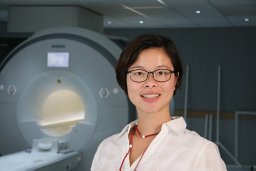 Lin Longting合作论文数Hunter Medical Research Institute, The University of Newcastle31
 Robin Callister合作论文数School of Biomedical Sciences, University of Newcastle31Bernhardt Julie合作论文数28
 Dianne L Marsden合作论文数Hunter Stroke Service, Hunter New England Area Health Service27
 Damian D McLeod合作论文数School of Biomedical Sciences &Pharmacy and the Centre for Brain &Mental Health Research, University of Newcastle;School of Biomedical Sciences & Pharmacy and the Centre for Brain & Mental Health Research, University of Newcastle26
 Daniel Beard合作论文数School of Biomedical Sciences and Pharmacy, University of Newcastle and Hunter Medical Research Institute25
 Rebecca J Hood合作论文数School of Biomedicine, The University of Adelaide23Michael Pollack合作论文数23
 Timothy Kleinig合作论文数Faculty of Health and Medical Sciences, University of Adelaide;Adelaide Medical School, University of Adelaide;Department of Neurology and Stroke, Lyell McEwin Hospital;Stroke Unit, Royal Adelaide Hospital;Flinders Medical Centre23
 Ashlee Dunn合作论文数University of Newcastle;Hunter Medical Research Institute;Hunter Medical Research Institute, University of Newcastle22Pepperall Debbie合作论文数22Lillicrap Thomas P合作论文数21
 Michael Nilsson合作论文数20
 Lucy Murtha合作论文数School of Biomedical Sciences and Pharmacy, University of Newcastle and Hunter Medical Research Institute19K. S. A. Butcher合作论文数18
 Rohan Walker合作论文数School of Biomedical Sciences and Pharmacy, College of Health, Medicine and Wellbeing, University of Newcastle;Center for Advanced Training Systems, University of Newcastle;Hunter Medical Research Institute18
 Chen Chushuang合作论文数The First Affiliated Hospital, Guangzhou Medical University16
 Patrick Mcelduff合作论文数Health Policy Analysis16
 David Howells合作论文数School of Medicine, Faculty of Health, University of Tasmania15
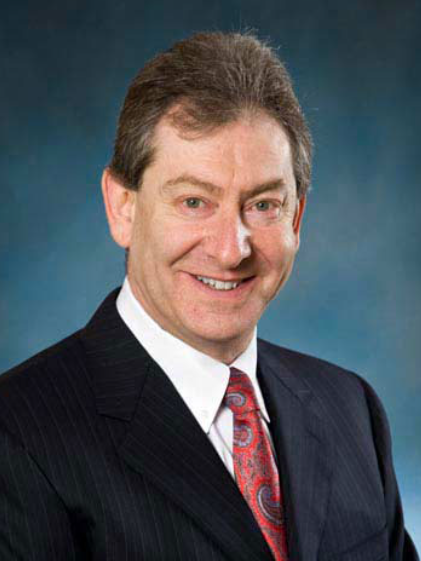 Stephen N. Davis合作论文数Department of Medicine, School of Medicine, University of Maryland;University of Maryland Medical Center14
 Geoffrey Donnan合作论文数Faculty of Medicine, Dentistry and Health Sciences, The University of Melbourne14Billie Bonevski合作论文数Hunter Medical Research Institute, University of Newcastle14
 Bruce Campbell合作论文数Faculty of Medicine, Dentistry and Health Sciences, University of Melbourne;Department of Medicine, Royal Melbourne Hospital, University of Melbourne;Florey Institute of Neuroscience and Mental Health13
 Qiang Dong (董强)合作论文数State Key Laboratory of Medical Neurobiology, Fudan University13
 John Attia合作论文数CReDITSS Unit, School of Medicine and Public Health, College of Health, Medicine and Wellbeing, The University of Newcastle, Australia13
 Coralie English合作论文数University of South Australia13P. Mcelduff合作论文数12
 Xin Cheng (程忻)合作论文数Dept Neurol Huashan Hosp, Fudan Univ12S. Tomari合作论文数11Alexandra M J Denham合作论文数11
 Louise Ada合作论文数Faculty of Medicine and Health, The University of Sydney11
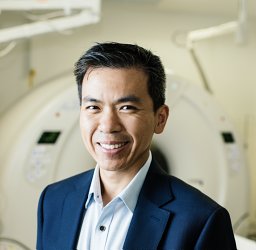 Choi Philip M C合作论文数Hotchkiss Brain Institute, University of Calgary;Foothills Medical Centre, Alberta Health Services;and Box Hill Hospital;Cumming School of Medicine, University of Calgary11
 Hasnain Md Golam合作论文数International Center for Diarrheal Disease Research;Emerging Vaccine, Center for Vaccine Science, Bangladesh.;Center for Vaccine Science, International Center for Diarrheal Disease Research11
 Leonid Churilov合作论文数Melbourne Medical School, University of Melbourne11
 Parker Magin合作论文数School of Medicine and Public Health, College of Health, Medicine and Wellbeing, The University of Newcastle;GP Synergy, NSW & ACT Research Unit11
 Amanda Baker Nadler合作论文数10
 Patabendige Adjanie合作论文数Institute of Infection and Global Health, University of Liverpool10Tomkins Amelia J合作论文数School of Biomedical Sciences &and Hunter Medical Research Institute, University of Newcastle10
 Sara Azarpeykan合作论文数Massey University10
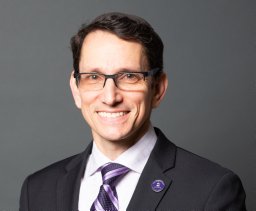 Richard I. Aviv合作论文数Department of Medical Imaging, Sunnybrook Health Sciences Centre10Olivia Wynne合作论文数Mothers and Babies Research Centre, Hunter Medical Research Institute10




