Allosteric regulation is a pivotal mechanism governing a wide array of cellular functions. Essential to this process is a flexible biomolecule allowing distant sites to interact through coordinated or sequential conformational shifts. Phosphoinositide-dependent kinase 1 (PDK1) possesses a conserved allosteric binding site, the PIF-pocket, which regulates the kinase's ATP binding, catalytic activity, and substrate interactions. We elucidated the allosteric mechanisms of PDK1 by comparing conformational ensembles of the kinase bound with different small-molecule allosteric modulators in the PIF-pocket with that of the modulator-free kinase. Analysis of over 48 μs of simulations consistently shows that the allosteric modulators predominantly influence the conformational dynamics of specific distal regions from the PIF-pocket, driving allosteric activation. Furthermore, a recently developed advanced difference contact network community analysis is employed to elucidate allosteric communications. This approach integrates multiple conformational ensembles into a single community network, offering a valuable tool for future studies aimed at identifying function-related dynamics in proteins.
Despite current vaccines and therapeutics targeting SARS-CoV-2, the causative agent of the COVID-19 pandemic, cases remain high causing a burden on health care systems. Spike-protein mediated membrane fusion of SARS-CoV-2 is a critical step in viral entry. Herein, we describe entry inhibitors identified by first screening a library of about 160 compounds and then analogue synthesis. Specifically, compound 261 was found to inhibit SARS-CoV-2 infection in a tissue model with IC50 of 0.3 µM. Using NMR, we found that 261 interacts with key residues in the aromatic-rich region of the spike protein directly next to the transmembrane domain. Molecular dynamic simulations of the 261 binding pocket in the spike protein was also mapped to the transmembrane domain, consistent with NMR findings. The amino acids in the binding site are conserved among different coronaviruses known to infect humans; therefore, inhibitors targeting this conserved binding site could be a useful addition to current therapeutics and may have pan-coronavirus antiviral activities.
Proteins often assemble into functional complexes, the structures of which are more difficult to obtain than those of the individual protein molecules. Given the structures of the subunits, it is possible to predict plausible complex models via computational methods such as molecular docking. Assessing the quality of the predicted models is crucial to obtain correct complex structures. Here, an energy-scoring function was developed based on the interfacial residues of structures in the Protein Data Bank. The statistically derived energy function (Nepre) imitates the neighborhood preferences of amino acids, including the types and relative positions of neighboring residues. Based on the preference statistics, a program iNepre was implemented and its performance was evaluated with several benchmarking decoy data sets. The results show that iNepre scores are powerful in model ranking to select the best protein complex structures.
First-principles determination of free energy profiles for condensed-phase chemical reactions is hampered by the daunting costs associated with configurational sampling on ab initio quantum mechanical/molecular mechanical (AI/MM) potential energy surfaces. Here, we report a new method that enables efficient AI/MM free energy simulations through mean force fitting. In this method, a free energy path in collective variables (CVs) is first determined on an efficient reactive aiding potential. Based on the configurations sampled along the free energy path, correcting forces to reproduce the AI/MM forces on the CVs are determined through force matching. The AI/MM free energy profile is then predicted from simulations on the aiding potential in conjunction with the correcting forces. Such cycles of correction-prediction are repeated until convergence is established. As the instantaneous forces on the CVs sampled in equilibrium ensembles along the free energy path are fitted, this procedure faithfully restores the target free energy profile by reproducing the free energy mean forces. Due to its close connection with the reaction path-force matching (RP-FM) framework recently introduced by us, we designate the new method as RP-FM in collective variables (RP-FM-CV). We demonstrate the effectiveness of this method on a type-II solution-phase SN2 reaction, NH3 + CH3Cl (the Menshutkin reaction), simulated with an explicit water solvent. To obtain the AI/MM free energy profiles, we employed the semiempirical AM1/MM Hamiltonian as the base level for determining the string minimum free energy pathway, along which the free energy mean forces are fitted to various target AI/MM levels using the Hartree-Fock (HF) theory, density functional theory (DFT), and the second-order Møller-Plesset perturbation (MP2) theory as the AI method. The forces on the bond-breaking and bond-forming CVs at both the base and target levels are obtained by force transformation from Cartesian to redundant internal coordinates under the Wilson B-matrix formalism, where the linearized FM is facilitated by the use of spline functions. For the Menshutkin reaction tested, our FM treatment greatly reduces the deviations on the CV forces, originally in the range of 12-33 to ∼2 kcal/mol/Å. Comparisons with the experimental and benchmark AI/MM results, tests of the new method under a variety of simulation protocols, and analyses of the solute-solvent radial distribution functions suggest that RP-FM-CV can be used as an efficient, accurate, and robust method for simulating solution-phase chemical reactions.
Ligand-controlled tuning of localized surface plasmon resonance (LSPR) properties of noble metal nanostructures is fundamentally important for various optoelectronic applications such as photocatalysis, photovoltaics, and sensing. Here we demonstrate that the free carrier concentration of gold triangular nanoprisms (Au TNPs) can be tuned up to 12% upon functionalization of their surface with different para-substituted thiophenolate (X-Ph-S-) ligands. We achieve this unprecedentedly large optical response (plasmoelectric effect) in TNPs through the selective manipulation of electronic processes at the Au-thiolate interface. Interestingly, thiophenolates with electron withdrawing (donating) groups (X) produce λLSPR blue (red) shifts with broadening (narrowing) of localized surface plasmon resonance peak (λLSPR) line widths. Surprisingly, these experimental results are opposite to a straightforward application of the Drude model. Utilizing density functional theory calculations, we develop here a frontier molecular orbital approach of Au-thiophenolate interactions in the solid-state to delineate the observed spectral response. Importantly, all the spectroscopic properties are fully reversible by exchanging thiophenolates containing electron withdrawing groups with thiophenolates having electron donating groups, and vice versa. On the basis of the experimental data and calculations, we propose that the delocalization of electrons wave function controls the free carrier concentration of Au and thus the LSPR properties rather than simple electronic properties (inductive and/or resonance effects) of thiophenolates. This is further supported by the experimentally determined work functions, which are tunable over 1.9 eV in the X-Ph-S-passivated Au TNPs. We believe that our unexpected finding has great potential to guide in developing unique noble metal nanostructure-organic ligand hybrid nanoconjugates, which could allow us to bypass the complications associated with off-resonance LSPR activation of noble metal-doped semiconductor nanocrystals for various surface plasmon-driven applications.
HlyB functions as an adenosine triphosphate (ATP)-binding cassette (ABC) transporter that enables bacteria to secrete toxins at the expense of ATP hydrolysis. Our previous work, based on potential energy profiles from combined quantum mechanical and molecular mechanical (QM/MM) calculations, has suggested that the highly conserved H-loop His residue H662 in the nucleotide binding domain (NBD) of E. coli HlyB may catalyze the hydrolysis of ATP through proton relay. To further test this hypothesis when entropic contributions are taken into account, we obtained QM/MM minimum free energy paths (MFEPs) for the HlyB reaction, making use of the string method in collective variables. The free energy profiles along the MFEPs confirm the direct participation of H662 in catalysis. The MFEP simulations of HlyB also reveal an intimate coupling between the chemical steps and a local protein conformational change involving the signature-loop residue S607, which may serve a catalytic role similar to an Arg-finger motif in many ATPases and GTPases in stabilizing the phosphoryl-transfer transition state.
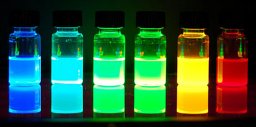
An unprecedentedly large bathochromic-shift in the optical band of (CdSe)34 SCMs is observed upon passivating their surface with hole delocalizing ligands.
This paper reports large bathochromic shifts of up to 260 meV in both the excitonic absorption and emission peaks of oleylamine (OLA)-passivated molecule-like (CdSe)34 nanocrystals caused by postsynthetic treatment with the electron accepting Cd(O2CPh)2 complex at room temperature. These shifts are found to be reversible upon removal of Cd(O2CPh)2 by N,N,N',N'-tetramethylethylene-1,2-diamine. 1H NMR and FTIR characterizations of the nanocrystals demonstrate that the OLA remained attached to the surface of the nanocrystals during the reversible removal of Cd(O2CPh)2. On the basis of surface ligand characterization, X-ray powder diffraction measurements, and additional control experiments, we propose that these peak red shifts are a consequence of the delocalization of confined exciton wave functions into the interfacial electronic states that are formed from interaction of the LUMO of the nanocrystals and the LUMO of Cd(O2CPh)2, as opposed to originating from a change in size or reorganization of the inorganic core. Furthermore, attachment of Cd(O2CPh)2 to the OLA-passivated (CdSe)34 nanocrystal surface increases the photoluminescence quantum yield from 5% to an unprecedentedly high 70% and causes a 3-fold increase of the photoluminescence lifetime, which are attributed to a combination of passivation of nonradiative surface trap states and relaxation of exciton confinement. Taken together, our work demonstrates the unique aspects of surface ligand chemistry in controlling the excitonic absorption and emission properties of ultrasmall (CdSe)34 nanocrystals, which could expedite their potential applications in solid-state device fabrication.
Adenosine triphosphate (ATP)-binding cassette (ABC) transporters are ubiquitous ATP-dependent membrane proteins involved in translocations of a wide variety of substrates across cellular membranes. To understand the chemomechanical coupling mechanism as well as functional asymmetry in these systems, a quantitative description of how ABC transporters hydrolyze ATP is needed. Complementary to experimental approaches, computer simulations based on combined quantum mechanical and molecular mechanical (QM/MM) potentials have provided new insights into the catalytic mechanism in ABC transporters. Quantitatively reliable determination of the free energy requirement for enzymatic ATP hydrolysis, however, requires substantial statistical sampling on QM/MM potential. A case study shows that brute force sampling of ab initio QM/MM (AI/MM) potential energy surfaces is computationally impractical for enzyme simulations of ABC transporters. On the other hand, existing semiempirical QM/MM (SE/MM) methods, although affordable for free energy sampling, are unreliable for studying ATP hydrolysis. To close this gap, a multiscale QM/MM approach named reaction path–force matching (RP–FM) has been developed. In RP–FM, specific reaction parameters for a selected SE method are optimized against AI reference data along reaction paths by employing the force matching technique. The feasibility of the method is demonstrated for a proton transfer reaction in the gas phase and in solution. The RP–FM method may offer a general tool for simulating complex enzyme systems such as ABC transporters.
Noscapine is an opium-derived kinder-gentler microtubule-modulating drug, currently in Phase I/II clinical trials for cancer chemotherapy. Here, we report the synthesis of four more potent di-substituted brominated derivatives of noscapine, 9-Br-7-OH-NOS (2), 9-Br-7-OCONHEt-NOS (3), 9-Br-7-OCONHBn-NOS (4), and 9-Br-7-OAc-NOS (5) and their chemotherapeutic efficacy on PC-3 and MDA-MB-231 cells. The four derivatives were observed to have higher tubulin binding activity than noscapine and significantly affect tubulin polymerization. The equilibrium dissociation constant (KD) for the interaction between tubulin and 2, 3, 4, 5 was found to be, 55±6μM, 44±6μM, 26±3μM, and 21±1μM respectively, which is comparable to parent analog. The effects of these di-substituted noscapine analogs on cell cycle parameters indicate that the cells enter a quiescent phase without undergoing further cell division. The varying biological activity of these analogs and bulk of substituent at position-7 of the benzofuranone ring system of the parent molecule was rationalized utilizing predictive in silico molecular modeling. Furthermore, the immunoblot analysis of protein lysates from cells treated with 4 and 5, revealed the induction of apoptosis and down-regulation of survivin levels. This result was further supported by the enhanced activity of caspase-3/7 enzymes in treated samples compared to the controls. Hence, these compounds showed a great potential for studying microtubule-mediated processes and as chemotherapeutic agents for the management of human cancers.
Background: The calcium-sensing receptor (CaSR) is a key mediator of Ca2+ homeostasis in vivo. Results: An l-Phe binding site at the CaSR hinge region globally enhances its cooperative activation by Ca2+. Conclusion: Communication between the binding sites for Ca2+ and l-Phe is crucial for functional cooperativity of CaSR-mediated signaling. Significance: The results provide important insights into the molecular basis of Ca2+ sensing by the CaSR.Functional positive cooperative activation of the extracellular calcium ([Ca2+](o))-sensing receptor (CaSR), a member of the family C G protein-coupled receptors, by [Ca2+](o) or amino acids elicits intracellular Ca2+ ([Ca2+](i)) oscillations. Here, we report the central role of predicted Ca2+-binding site 1 within the hinge region of the extracellular domain (ECD) of CaSR and its interaction with other Ca2+-binding sites within the ECD in tuning functional positive homotropic cooperativity caused by changes in [Ca2+](o). Next, we identify an adjacent l-Phe-binding pocket that is responsible for positive heterotropic cooperativity between [Ca2+](o) and l-Phe in eliciting CaSR-mediated [Ca2+](i) oscillations. The heterocommunication between Ca2+ and an amino acid globally enhances functional positive homotropic cooperative activation of CaSR in response to [Ca2+](o) signaling by positively impacting multiple [Ca2+](o)-binding sites within the ECD. Elucidation of the underlying mechanism provides important insights into the longstanding question of how the receptor transduces signals initiated by [Ca2+](o) and amino acids into intracellular signaling events.
Here, we report improved solubility and enhanced colonic delivery of reduced bromonoscapine (Red-Br-Nos), a cyclic ether brominated analogue of noscapine, upon encapsulation of its cyclodextrin (CD) complexes in bioresponsive guar gum microspheres (GGM). Phase-solubility analysis suggested that Red-Br-Nos complexed with β-CD and methyl-β-CD in a 1:1 stoichiometry, with a stability constant (Kc) of 2.29 × 10(3) M(-1) and 4.27 × 10(3) M(-1). Fourier transforms infrared spectroscopy indicated entrance of an O-CH₂ or OCH₃-C₆H₄-OCH₃ moiety of Red-Br-Nos in the β-CD or methyl-β-CD cavity. Furthermore, the cage complex of Red-Br-Nos with β-CD and methyl-β-CD was validated by several spectral techniques. Rotating frame Overhauser enhancement spectroscopy revealed that the Ha proton of the OCH₃-C₆H₄-OCH₃ moiety was closer to the H₅ proton of β-CD and the H₃ proton of the methyl-β-CD cavity. The solubility of Red-Br-Nos in phosphate buffer saline (PBS, pH ∼ 7.4) was improved by ∼10.7-fold and ∼21.2-fold when mixed with β-CD and methyl-β-CD, respectively. This increase in solubility led to a favorable decline in the IC₅₀ by ∼2-fold and ∼3-fold for Red-Br-Nos-β-CD-GGM and Red-Br-Nos-methyl-β-CD-GGM formulations respectively, compared to free Red-Br-Nos-β-CD and Red-Br-Nos-methyl-β-CD in human colon HT-29 cells. GGM-bearing drug complex formulations were found to be highly cytotoxic to the HT-29 cell line and further effective with simultaneous continuous release of Red-Br-Nos from microspheres. This is the first study to showing the preparation of drug-complex loaded GGMS for colon delivery of Red-Br-Nos that warrants preclinical assessment for the effective management of colon cancer.
Noscapine, an opium-derived ‘kinder-gentler’ microtubule-modulating drug is in Phase I/II clinical trials for cancer chemotherapy. However, its limited water solubility encumbers its development into an oral anticancer drug with clinical promise. Here we report the synthesis of 9 third-generation, water-soluble noscapine analogs with negatively charged sulfonato and positively charged quaternary ammonium groups using noscapine, 9-bromonoscapine and 9-aminonoscapine as scaffolds. The predictive free energy of solvation was found to be lower for sulfonates (6a–c; 8a–c) compared to the quaternary ammonium-substituted counterparts, explaining their higher water solubility. In addition, sulfonates showed higher charge dispersability, which may effectively shield the hydrophobicity of isoquinoline nucleus as indicated by hydrophobicity mapping methods. These in silico data underscore efficient net charge balancing, which may explain higher water solubility and thus enhanced antiproliferative efficacy and improved bioavailability. We observed that 6b, 8b and 8c strongly inhibited tubulin polymerization and demonstrated significant antiproliferative activity against four cancer cell lines compared to noscapine. Molecular simulation and docking studies of tubulin-drug complexes revealed that the brominated compound with a four-carbon chain (4b, 6b, and 8b) showed optimal binding with tubulin heterodimers. Interestingly, 6b, 8b and 8c treated PC-3 cells resulted in preponderance of mitotic cells with multipolar spindle morphology, suggesting that they stall the cell cycle. Furthermore, in vivo pharmacokinetic evaluation of 6b, 8b and 8c revealed at least 1–2-fold improvement in their bioavailability compared to noscapine. To our knowledge, this is the first report to demonstrate novel water-soluble noscapine analogs that may pave the way for future pre-clinical drug development.
The Ca(2+)-sensing receptor (CaSR) regulates Ca(2+) homeostasis in the body by monitoring extracellular levels of Ca(2+) ([Ca(2+)]o) and amino acids. Mutations at the hinge region of the N-terminal Venus flytrap domain (VFTD) produce either receptor inactivation (L173P, P221Q) or activation (L173F, P221L) related to hypercalcemic or hypocalcemic disorders. In this paper, we report that both L173P and P221Q markedly impair the functional positive cooperativity of the CaSR as reflected by [Ca(2+)]o-induced [Ca(2+)]i oscillations, inositol-1-phosphate (IP1) accumulation and extracellular signal-regulated kinases (ERK1/2) activity. In contrast, L173F and P221L show enhanced responsiveness of these three functional readouts to [Ca(2+)]o. Further analysis of the dynamics of the VFTD mutants using computational simulation studies supports disruption in the correlated motions in the loss-of-function CaSR mutants, while these motions are enhanced in the gain-of-function mutants. Wild type (WT) CaSR was modulated by L-Phe in a heterotropic positive cooperative way, achieving an EC50 similar to those of the two activating mutations. The response of the inactivating P221Q mutant to [Ca(2+)]o was partially rescued by L-Phe, illustrating the capacity of the L-Phe binding site to enhance the positive homotropic cooperativity of CaSR. L-Phe had no effect on the other inactivating mutant. Moreover, our results carried out both in silico and in intact cells indicate that residue Leu(173), which is close to residues that are part of the L-Phe-binding pocket, exhibited impaired heterotropic cooperativity in the presence of L-Phe. Thus, Pro(221) and Leu(173) are important for the positive homo- and heterotropic cooperative regulation elicited by agonist binding.
Background: Extracellular Ca2+ alters mGluR1 activity but by an unknown mechanism. Results: Mutations in predicted Ca2+-binding sites modulated the potency of both orthosteric and allosteric modulators. Conclusion: Ca2+ binding exerts multiple types of effects on mGluR1. Significance: Improved knowledge of the mechanisms underlying the actions of Ca2+ on mGluR1 activity could facilitate development of isoform-selective drugs and/or suggest ways to tune the actions of available drugs.Metabotropic glutamate receptor 1 (mGluR1), a member of the family C G protein-coupled receptors, is emerging as a potential drug target for various disorders, including chronic neuronal degenerative diseases. In addition to being activated by glutamate, mGluR1 is also modulated by extracellular Ca2+. However, the underlying mechanism is unknown. Moreover, it has long been challenging to develop receptor-specific agonists due to homologies within the mGluR family, and the Ca2+-binding site(s) on mGluR1 may provide an opportunity for receptor-selective targeting by therapeutics. In the present study, we show that our previously predicted Ca2+-binding site in the hinge region of mGluR1 is adjacent to the site where orthosteric agonists and antagonists bind on the extracellular domain of the receptor. Moreover, we found that extracellular Ca2+ enhanced mGluR1-mediated intracellular Ca2+ responses evoked by the orthosteric agonist l-quisqualate. Conversely, extracellular Ca2+ diminished the inhibitory effect of the mGluR1 orthosteric antagonist (S)--methyl-4-carboxyphenylglycine. In addition, selective positive (Ro 67-4853) and negative (7-(hydroxyimino)cyclopropa[b]chromen-1a-carboxylate ethyl ester) allosteric modulators of mGluR1 potentiated and inhibited responses to extracellular Ca2+, respectively, in a manner similar to their effects on the response of mGluR1 to glutamate. Mutations at residues predicted to be involved in Ca2+ binding, including E325I, had significant effects on the modulation of responses to the orthosteric agonist l-quisqualate and the allosteric modulator Ro 67-4853 by extracellular Ca2+. These studies reveal that binding of extracellular Ca2+ to the predicted Ca2+-binding site in the extracellular domain of mGluR1 modulates not only glutamate-evoked signaling but also the actions of both orthosteric ligands and allosteric modulators on mGluR1.
Human Cyclophilin A (CypA) catalyzes cis-trans isomerization of the prolyl peptide ω-bond in proteins and is involved in many subcellular processes. CypA has, therefore, been identified as a potential drug target in many diseases, and the development of potent inhibitors with high selectivity is a key objective. In computer-aided drug design, selectivity is improved by taking into account the inherent flexibility of the receptor. However, the relevant receptor conformations to focus on in order to develop highly selective inhibitors are not always obvious from available X-ray crystal structures or ensemble of conformations generated using molecular dynamics simulations. Here, we show that the conformation of the active site of CypA varies as the substrate configuration changes during catalytic turnover. We have analyzed the principal modes of the active site dynamics of CypA from molecular dynamics simulations to show that similar ensembles of enzyme conformations recognize diverse inhibitors and bind the different configurations of the peptide substrate. Small nonpeptidomimetic inhibitors with varying activity are recognized by enzyme ensembles that are similar to those that tightly bind the transition state and cis configurations of the substrate. Our results suggest that enzyme-substrate ensembles are more relevant in structure-based drug design for CypA than free enzyme. Of the vast conformational space of the free enzyme, the enzyme conformations of the tightly bound enzyme-substrate complexes are the most important for catalysis. Therefore, functionalizing lead compounds to optimize their interactions with the enzyme's conformational ensemble bound to the substrate in the cis or the transition state could lead to more potent inhibitors.
Calcium sensing receptor (CaSR), along other members of the family C G protein-coupled receptors (GPCRs), play very important roles in responding to changes in the extracellular calcium concentrations and in circulating levels of amino acids and integrating these extracellular signals into alterations in intracellular signaling pathways. However, detailed structure properties of the CaSR which are necessary to characterize the mechanism of its physiological function are still unrevealed. We have reported several potential calcium-binding sites located within the CaSR's extracellular domain using our developed computational algorithms. In the present study, we first report the differential effects of several disease-related mutations located at the predicted calcium binding sites on the inhibition and activation of intracellular calcium responses using single cell imaging. Mutating to different residues at two locations near the hinge region of the ECD could lead to either significantly lose of function of the receptor or gain of function (switch function mutations). Amino acid binding results in differential rescue effect in altering intracellular calcium responses, especially calcium oscillations.We have further probe the effect of mutation and amino acid binding on the correlation motion, cooperativity, and synergistic activation using mammalian expressed and purified extracellular domain (ECD) of CaSR with various spectroscopic methods including the tryptophan fluorescence titration, circular dichroism (CD) and nuclear magnetic resonance (NMR) as well as molecular dynamic simulation. These results provide important implications for our understanding of how the CaSR integrates information about these two completely different classes of agonists--an inorganic divalent cation, and another hand, a nutrient-- how the receptor senses these agonists in healthy and diseased states.
Calcium sensing receptor (CaSR), along other members of the family C G protein-coupled receptors (GPCRs), play very important roles in responding to changes in the extracellular calcium concentrations and in circulating levels of amino acids and integrating these extracellular signals into alterations in intracellular signaling pathways. We have reported several potential calcium-binding sites located within the CaSR's extracellular domain using our developed computational algorithms. In the present study, we first report the differential effects of several disease-related mutations located at the predicted calcium binding sites on the inhibition and activation of intracellular calcium responses using single cell imaging. Interestingly, mutating to different residues at two locations near the hinge region of the ECD could lead to either significantly lose of function of the receptor or gain of function (switch function mutations). Amino acid binding results in differential rescue effect in altering intracellular calcium responses, especially calcium oscillations. We further analyzed the effect of mutation and amino acid binding on the correlation motion, cooperativity, and synergistic activation use computational methods. These results provide important implications for our understanding of how the CaSR integrates information about these two completely different classes of agonists--an inorganic divalent cation, and another hand, a nutrient-- how the receptor senses these agonists in healthy and diseased states.
We have previously shown that a novel microtubule-modulating noscapinoid, EM011 (9-Br-Nos), displays potent anticancer activity by inhibition of cellular proliferation and induction of apoptosis in prostate cancer cells and preclinical mice models. However, physicochemical and cellular barriers encumber the development of viable formulations for future clinical translation. To circumvent these limitations, we have synthesized EM011-cyclodextrin inclusion complexes to improve solubility and enhance therapeutic index of EM011. Phase solubility analysis indicated that EM011 formed a 1:1 stoichiometric complex with β-CD and methyl-β-CD, with a stability constant (K(c)) of 2.42 × 10(-3) M and 4.85 × 10(-3) M, respectively. Fourier transform infrared spectroscopy suggested the penetrance of either a O-CH(2) or OCH(3)-C(6)H(4)-OCH(3) moiety of EM011 in the β-CD or methyl-β-CD cavity. In addition, multifarious techniques, namely, differential scanning calorimetry, powder X-ray diffraction, scanning electron microscopy, NMR spectroscopy, and computational studies validated the cage complex of EM011 with β-CD and methyl-β-CD. Moreover, rotating frame overhauser enhancement spectroscopy showed that the H(a) proton of the OCH(3)-C(6)H(4)-OCH(3) moiety was in close proximity with H3 proton of the β-CD or methyl-β-CD cavity. Furthermore, we found that the solubility of EM011 in phosphate buffer saline (pH 7.4) was enhanced by ~11 fold and ~21 fold upon complexation with β-CD and methyl-β-CD, respectively. The enhanced dissolution of the drug CD-complexes in aqueous phase remarkably decreased their IC(50) to 28.5 μM (9-Br-Nos-β-CD) and 12.5 μM (9-Br-Nos-methyl-β-CD) in PC-3 cells compared to free EM011 (~200 μM). This is the first report to demonstrate the novel construction of cylcodextrin-based nanosupramolecular vehicles for enhanced delivery of EM011 that warrants in vivo evaluation for the superior management of prostate cancer.
 Donald Hamelberg合作论文数Laboratory for Advanced Computing;University of Illinois at Chicago;Laboratory for Advanced Computing, University of Illinois at Chicago13
 G. Narahari Sastry合作论文数Molecular Modelling Group, Organic Chemical Sciences, Indian Institute of Chemical Technology6
 Jenny J. Yang合作论文数College of Arts & Sciences, Georgia State University5
 Edward Meigs Brown合作论文数Brigham and Women's Hospital5
 Zhang Chen合作论文数4
 Jingzhi Pu合作论文数4
 Ritu Aneja合作论文数School of Health Professions, The University of Alabama at Birmingham;School of Medicine, The University of Alabama at Birmingham4
 Gundala Sushma R合作论文数Department of Biology and.3Barry B. Muhoberac合作论文数3
 Rajesh Sardar合作论文数Department of Chemistry and Graduate Center, City University of New York at The College of Staten Island3Bryant Kim合作论文数2Yun Huang (黄韵)合作论文数2Meghan Teunis合作论文数2
 Poulami Dutta合作论文数Dept Chem, Michigan State Univ2
 Michelle Dian Reid合作论文数2Turner Timothy合作论文数2
 Pedro A Ojeda-May合作论文数2Rohini N. Karmalkar合作论文数2
 Clayton Yates合作论文数Department of Biology and Center for Cancer Research, Tuskegee University2
 Jitender Madan合作论文数S.A.S. Nagar Department of Pharmaceutical Technology (Formulations),, National Institute of Pharmaceutical Education and Research (NIPER),2
 Bharat Baruah合作论文数Department of Chemistry, Colorado State University2
 Vijaya Rangari合作论文数s Center for Advanced Materials (T-CAM),, Tuskegee University'2
 Dulal Panda合作论文数National Institute of Pharmaceutical Education & Research S.A.S. Nagar;Indian Institute of Technology2Mohan G. Kulkarni合作论文数2
 Yusheng Jiang合作论文数College of Animal Sciences, Zhejiang University2
 Fadil M Hannan合作论文数Nuffield Department of Women's & Reproductive Health, University of Oxford2Sunita S. Satav合作论文数2
 Lauren C. Mcgowan合作论文数2
 Vibha Tandon合作论文数2
 Rajesh Thakker合作论文数Radcliffe Department of Medicine, Medical Sciences Division, University of Oxford;Somerville College, University of Oxford2Mangilal Agarwal合作论文数1lakshminarayana narayana合作论文数1Mellisa Hege合作论文数1Rebecca C Meyer合作论文数1Katie N. Lawrence合作论文数1Ram C Mishra合作论文数1Ryan Snyder合作论文数1Seth Keeton合作论文数1Jason Y. Jiang合作论文数1
 Mukesh Kumar合作论文数1Heather Pathak合作论文数1Vibhuti Sharma合作论文数1jie feng合作论文数1Yan Zhou合作论文数1
 Heather Strachan合作论文数Glasgow Caledonian Univ1Raghuram Rao Akkinepally合作论文数Med Chem Div, Univ Coll Pharmaceut Sci1
 Xiaoxiao Yang (杨晓晓)合作论文数1
 Henary Maged合作论文数Dept Chem, Georgia State Univ1Mukkavilli Rao合作论文数Advinus Therapeutics Ltd.1




