BackgroundIschaemic stroke is a leading cause of death and severe disability worldwide. Given the importance of protein synthesis in the inflammatory response and neuronal repair and regeneration after stroke, and that proteins are acquired by ribosomal translation of mRNA, it has been theorised that ribosome biogenesis may have an impact on promoting and facilitating recovery after stroke. However, the relationship between stroke and ribosome biogenesis has not been investigated.MethodsIn the present study, a ribosome biogenesis gene signature (RSG) was developed using Cox and least absolute shrinkage and selection operator (LASSO) analysis. We classified ischaemic stroke patients into high-risk and low-risk groups using the obtained relevant genes, and further elucidated the immune infiltration of the disease using ssGSEA, which clarified the close relationship between ischaemic stroke and immune subgroups. The concentration of related proteins in the serum of stroke patients was determined by ELISA, and the patients were divided into groups to evaluate the effect of the ribosome biogenesis gene on patients. Through bioinformatics analysis, we identified potential IS-RSGs and explored future therapeutic targets, thereby facilitating the development of more effective therapeutic strategies and novel drugs against potential therapeutic targets in ischaemic stroke.ResultsWe obtained a set of 12 ribosome biogenesis-related genes (EXOSC5, MRPS11, MRPS7, RNASEL, RPF1, RPS28, C1QBP, GAR1, GRWD1, PELP1, UTP, ERI3), which play a key role in assessing the prognostic risk of ischaemic stroke. Importantly, risk grouping using ribosome biogenesis-related genes was also closely associated with important signaling pathways in stroke. ELISA detected the expression of C1QBP, RPS28 and RNASEL proteins in stroke patients, and the proportion of neutrophils was significantly increased in the high-risk group.ConclusionsThe present study demonstrates the involvement of ribosomal biogenesis genes in the pathogenesis of ischaemic stroke, providing novel insights into the underlying pathogenic mechanisms and potential therapeutic strategies for ischaemic stroke.
ObjectivesCombination therapy of lenvatinib and immune checkpoint inhibitors (CLICI) has emerged as a promising approach for managing unresectable hepatocellular carcinoma (HCC). However, the response to such treatment is observed in only a subset of patients, underscoring the pressing need for reliable methods to identify potential responders.Materials & MethodsThis was a retrospective analysis involving 120 patients with unresectable HCC. They were divided into training (n=72) and validation (n=48) cohorts. We developed an interpretable deep learning model using multiphase computed tomography (CT) images to predict whether patients will respond or not to CLICI treatment, based on the Response Evaluation Criteria in Solid Tumors, version 1.1 (RECIST v1.1). We evaluated the models' performance and analyzed the impact of each CT phase. Critical regions influencing predictions were identified and visualized through heatmaps.ResultsThe multiphase model outperformed the best biphase and uniphase models, achieving an area under the curve (AUC) of 0.802 (95% CI = 0.780-0.824). The portal phase images were found to significantly enhance the model's predictive accuracy. Heatmaps identified six critical features influencing treatment response, offering valuable insights to clinicians. Additionally, we have made this model accessible via a web server at http://uhccnet.com/ for ease of use.ConclusionsThe integration of multiphase CT images with deep learning-generated heatmaps for predicting treatment response provides a robust and practical tool for guiding CLICI therapy in patients with unresectable HCC.
BACKGROUND:This study investigated the causal relationship between gut microbiota (GM), serum metabolome, and host transcriptome in the development of gout and hyperuricemia (HUA) using genome-wide association studies (GWAS) data and HUA mouse model experiments. METHODS:Mendelian randomization (MR) analysis of GWAS summary statistics was performed using an inverse variance weighted (IVW) approach to determine or predict the causal role of the GM on gout. The HUA mouse model was used to characterize changes in the gut microbiome, host metabolome, and host kidney transcriptome by integrating cecal 16S rRNA sequencing, untargeted serum metabolomics, and host mRNA sequencing. RESULTS:Our analysis demonstrated causal effects of seven GM taxa on gout, including genera of Ruminococcus, Odoribacter, and Bacteroides. Thirty eight immune cell traits were associated with gout. Dysbiosis of Dubosiella, Lactobacillus, Bacteroides, Alloprevotella, and Lachnospiraceae_NK4A136_group genera were associated with changes in the serum metabolites and kidney transcriptome of the HUA model mice. The changes in the gut microbiome of the HUA model mice correlated significantly with alterations in the levels of serum metabolites such as taurodeoxycholic acid, phenylacetylglycine, vanylglycol, methyl hexadecanoic acid, carnosol, 6-aminopenicillanic acid, sphinganine, p-hydroxyphenylacetic acid, pyridoxamine, and de-o-methylsterigmatocystin, and expression of kidney genes such as CNDP2, SELENOP, TTR, CAR3, SLC12A3, SCD1, PIGR, CD74, MFSD4B5, and NAPSA. CONCLUSION:Our study demonstrated a causal relationship between GM, immune cells, and gout. HUA development involved alterations in the vitamin B6 metabolism because of GM dysbiosis that resulted in altered pyridoxamine and pyridoxal levels, dysregulated sphingolipid metabolism, and excessive inflammation.
Background and objectives Comprehensive analysis of multi-omics data is crucial for accurately formulating effective treatment plans for complex diseases. Supervised ensemble methods have gained popularity in recent years for multi-omics data analysis. However, existing research based on supervised learning algorithms often fails to fully harness the information from unlabeled nodes and overlooks the latent features within and among different omics, as well as the various associations among features. Here, we present a novel multi-omics integrative method MOSEGCN, based on the Transformer multi-head self-attention mechanism and Graph Convolutional Networks(GCN), with the aim of enhancing the accuracy of complex disease classification. MOSEGCN first employs the Transformer multi-head self-attention mechanism and Similarity Network Fusion (SNF) to separately learn the inherent correlations of latent features within and among different omics, constructing a comprehensive view of diseases. Subsequently, it feeds the learned crucial information into a self-ensembling Graph Convolutional Network (SEGCN) built upon semi-supervised learning methods for training and testing, facilitating a better analysis and utilization of information from multi-omics data to achieve precise classification of disease subtypes. Results The experimental results show that MOSEGCN outperforms several state-of-the-art multi-omics integrative analysis approaches on three types of omics data: mRNA expression data, microRNA expression data, and DNA methylation data, with accuracy rates of 83.0% for Alzheimer's disease and 86.7% for breast cancer subtyping. Furthermore, MOSEGCN exhibits strong generalizability on the GBM dataset, enabling the identification of important biomarkers for related diseases. Conclusion MOSEGCN explores the significant relationship information among different omics and within each omics' latent features, effectively leveraging labeled and unlabeled information to further enhance the accuracy of complex disease classification. It also provides a promising approach for identifying reliable biomarkers, paving the way for personalized medicine.
BACKGROUND Hyperuricemia (HUA) is a public health concern that needs to be solved urgently. The lyophilized powder of Poecilobdella manillensis has been shown to significantly alleviate HUA; however, its underlying metabolic regulation remains unclear. AIM To explore the underlying mechanisms of Poecilobdella manillensis in HUA based on modulation of the gut microbiota and host metabolism. METHODS A mouse model of rapid HUA was established using a high-purine diet and potassium oxonate injections. The mice received oral drugs or saline. Additionally, 16S rRNA sequencing and ultra-high performance liquid chromatography with quadrupole time-of-flight mass spectrometry-based untargeted metabolomics were performed to identify changes in the microbiome and host metabolome, respectively. The levels of uric acid transporters and epithelial tight junction proteins in the renal and intestinal tissues were analyzed using an enzyme-linked immunosorbent assay. RESULTS The protein extract of Poecilobdella manillensis lyophilized powder (49 mg/kg) showed an enhanced anti-trioxypurine ability than that of allopurinol (5 mg/kg) (P < 0.05). A total of nine bacterial genera were identified to be closely related to the anti-trioxypurine activity of Poecilobdella manillensis powder, which included the genera of Prevotella , Delftia , Dialister , Akkermansia , Lactococcus , Escherichia_Shigella , Enterococcus , and Bacteroides . Furthermore, 22 metabolites in the serum were found to be closely related to the anti-trioxypurine activity of Poecilobdella manillensis powder, which correlated to the Kyoto Encyclopedia of Genes and Genomes pathways of cysteine and methionine metabolism, sphingolipid metabolism, galactose metabolism, and phenylalanine, tyrosine, and tryptophan biosynthesis. Correlation analysis found that changes in the gut microbiota were significantly related to these metabolites. CONCLUSION The proteins in Poecilobdella manillensis powder were effective for HUA. Mechanistically, they are associated with improvements in gut microbiota dysbiosis and the regulation of sphingolipid and galactose metabolism.
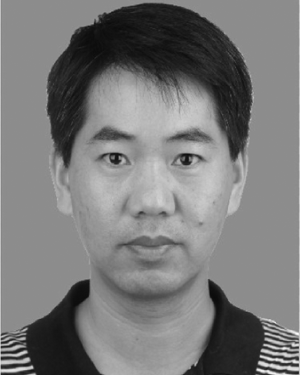 Qingfeng Chen合作论文数Guangxi Univ, Sch Comp Elect & Informat, Nanning 530004, Peoples R China3
 Zhe Feng (冯喆)合作论文数School of Mechanical Engineering, Guangxi University2Zhijuan Wei合作论文数1Zhu-Jian Deng合作论文数1Min-Jun Li合作论文数1Xingqiu LIANG (梁杏秋)合作论文数1He Ze-Hua合作论文数1
 Lisheng Wang (王立升)合作论文数Medical College of Guangxi University1
 Bo Wang (王博)合作论文数College of Agriculture, Guangxi University1Liang Ma (马良)合作论文数1
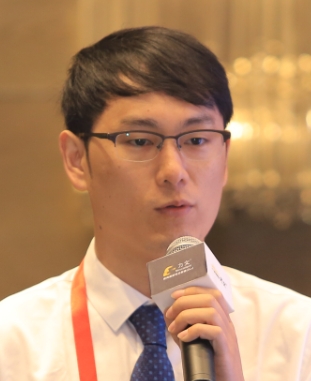 Jian-Hong Zhong (钟鉴宏)合作论文数Guangxi Medical University Cancer Hospital1
 Bizhong Wei (韦必忠)合作论文数School of Computer Science and Information Security, Guilin University of Electronic Technology1




