ABSTRACT: Purpose: To present the first 14 years’ data from 1 academic institution using the American Foundation for Suicide Prevention's online Interactive Screening Program (ISP). The ISP probes suicide risk factors in healthcare workers, utilization of mental health services, levels of engagement, and seeks to reduce barriers to help-seeking. Design: Data from all healthcare system students, medical trainees, physicians, nurses, and staff who completed the ISP's online Stress and Depression Questionnaire between May 1, 2009, and April 30, 2023, were tabulated and analyzed for features related to burnout, depression, suicide risk, treatment, and engagement with program counselors. Results: 5368 individuals engaged in ISP screening. Findings included 39.9% experiencing depression symptoms, 53.9% symptoms of burnout, and 10% suicidal ideation. In this self-selecting group, medical students reported depression symptoms less than physicians in practice, nurses almost 3 times more than physicians, and females more than males. Suicide risk was indicated by multiple domains of distress, with 49.4% in the highest risk tier. At the time of completing the questionnaire, 13.1% were receiving counseling/therapy. After receiving feedback, more than one-quarter of all participants (27.6%) engaged with the program counselors, with an additional 941 individuals who were not already receiving counseling or therapy accepting referrals to mental health providers. Conclusion: The unattended high distress levels throughout the healthcare training and workforce demonstrated the need for safe screening and referral, while the level of engagement and referrals generated by the ISP attested to its effectiveness.
Purpose: Resident physicians experience high rates of burnout and depression but rarely prioritize their well-being or seek mental health care. The Accreditation Council for Graduate Medical Education mandated that training programs prioritize resident wellness and emotional and mental health to ensure readily available and accessible mental health care. To help meet that requirement and circumvent barriers to accessing care, the University of California San Diego Healer Education Assessment & Referral (HEAR) Program offers residents and fellows short-term therapy for coping with challenges that threaten their well-being. This report describes the results of a pilot study designed to evaluate the feasibility and effectiveness of the HEAR Program's resident therapy program. Method: The cohort included residents and fellows who completed at least 1 postbaseline assessment from January to May 2022. Measures of fulfillment, burnout, self-compassion, quality of life, depression, and suicidal ideation were assessed and compared before and up to 12 weeks after enrollment. Results: Of the 39 residents who consented to participation, 30 completed at least 1 postbaseline assessment. Most outcomes improved after therapy, with significant increases in fulfillment (mean [SE] coefficient, 0.24 [0.08]; z score, 2.86; P = .004), self-compassion (mean [SE] coefficient, 0.37 [0.07]; z score, 5.72; P < .001), and quality of life ( P < .001) and significant reductions in burnout (Stanford burnout scale: mean [SE] coefficient, -0.27 [0.07]; z score, -4.01; P < .001; single-item burnout scale: mean [SE] coefficient, -0.34 [0.08]; z score, -4.37; P < .001) and depression severity (mean [SE] coefficient, -1.08 [0.25]; z score, -4.36; P < .001). Conclusions: This pilot study noted improvements in fulfillment, compassion, quality of life, and function, as well as reductions in burnout and depression severity, among resident physicians. Future studies in larger cohorts are needed to validate these findings and inform further optimization of this program.
Background:Health care provider stress and emotional distress were well documented long before the COVID-19 pandemic, and there is growing data suggesting these have increased in response to the pandemic. The goal of this study was to take advantage of the unique experiences of licensed mental health (MH) clinicians working with health care trainees and clinicians before and during the pandemic to identify how this crisis affected both ongoing as well as new sources of stress. The Healer Education, Assessment and Referral Program (HEAR) provides MH screening, support, and MH referrals to ~19 000 health care students, trainees, staff, and faculty. Since its inception in 2009, the program has been staffed by 4 licensed counseling professionals who have worked both before and since the COVID-19 pandemic. Methods:Qualitative data obtained from semi-structured, 1-hour interviews and a follow-up 1-hour focus group with 4 HEAR counselors was analyzed using reflexive thematic analysis. Results:Several preexisting stressors were amplified during the pandemic: financial concerns; long work hours; exposure to the suffering of illness, death, and dying; bullying; discordant values and moral distress; social inequities; individuals' lack of adaptive coping; and individuals' self-concept as a victim. New stressors included: health care demand greater than the workforce numbers and resources; caretaking for ill family/friends; homeschooling of children; social isolation; experiencing the COVID-19 crisis as a war, fire, or storm; fear of personal illness and death, especially before vaccines; and hopes of a cure with vaccines; followed by perceived opportunities for improvement in leadership response to staff concerns. Conclusion:Authentically responding to staff concerns/ideas, a patient and provider-centered health care culture, grief education and support, and attention to actionable stressors affecting providers' well-being are indicated to meet the amplified and new stressors triggered by the COVID-19 pandemic and sequelae.
Objective. The purpose of the study was to compare suicidal ideation among medical and pharmacy students and characterize related symptoms.Methods. The authors conducted a cross-sectional, retrospective study to compare suicidal ideation among medical and pharmacy students at a single public university during 2009 to 2020. Respondents' voluntary and anonymous responses to the Interactive Screening Program (ISP) Stress and Depression Questionnaire are reported.Results. The authors analyzed responses from 619 medical and 214 pharmacy students collected over 11 academic years. There was no significant difference between medical and pharmacy students who endorsed suicidal ideation (13.5% vs 17.3%, respectively). The Patient Health Questionnaire-9 (PHQ-9) scores were significantly different between medical and pharmacy students, with more pharmacy students reporting moderate to severe depression (24.3% for medical vs 35.1% for pharmacy). Compared to medical students, more pharmacy students also endorsed anhedonia, a reduced capacity for pleasure (13.4% vs 24.3%, respectively), sleep problems (29.6% vs 42.6%, respectively), and fatigue (46% vs 64.4%, respectively). Pharmacy students also reported more intense affective states such as "feeling your life is too stressful" and "feeling intensely anxious or having anxiety attacks." Relationships and physical/mental health/substance abuse were common themes that emerged from the qualitative data.Conclusion. While there was no significant difference in suicidal ideation between pharmacy and medical students, the prevalence is alarming compared to the general population. More pharmacy students endorsed symptoms of depression and intense affective states that could impair functioning. Future studies may focus on mitigation strategies for suicidal ideation among health professions students.
BACKGROUND:Burnout is a "normal" albeit concerning response to workplace stress, whereas Major Depressive Disorder (MDD) is a serious illness associated with impairment and suicide risk. Because of symptomatic overlap between the two conditions and MDD-associated stigma, individuals reporting work-related stress and depression often are "diagnosed" with burnout at the expense of recognizing and treating MDD. Our study aimed to leverage organizational implementation of the American Foundation of Suicide Prevention's Interactive Screening Program to elucidate relationships among burnout, depression, and other suicide risk factors.METHODS:2281 of about 30,000 (~7.6 %) medical trainees, staff, and faculty responded to an anonymous online stress and depression questionnaire. Respondents were grouped into four cohorts: screened positive for burnout alone (n = 439, 19 %), depression alone (n = 268, 12 %), both conditions (n = 759, 33 %), or neither condition (n = 817, 36 %), and compared on multiple measures of distress and other suicide risk factors.RESULTS:Burnout alone and depression alone each predicted greater distress and suicide risk compared with neither condition. Depression was a stronger predictor than burnout and demonstrated a consistent association with other suicide risk factors regardless of whether burnout was present. In contrast, burnout was not consistently associated with other suicide risk factors when depression was present.LIMITATIONS:The sample was limited to one state-supported academic medical center; to individuals who elected to take the online survey; and relied on a single item, non-validated measure of burnout.CONCLUSION:When emotional distress is reported by healthcare workers, attention should not stop at "burnout," as burnout frequently comingles with clinical depression, a serious and treatable mental health condition.
•Healthcare worker burnout, depression, negative emotions and suicidal ideation were highly prevalent pre-Covid.•Burnout, depression and intense negative emotions were significantly more frequent since Covid.•No difference were seen in drinking behaviors, suicidal ideation, level of suicide risk, or treatment since Covid.•Organizational support to mitigate health worker distress and suicide risk factors is needed.
Objective: College students who receive an acute care visit (ACV) from an emergency or inpatient unit require mental health follow-up (MHF) to improve long-term outcomes. This study describes tracking ACVs and MHF, while identifying characteristics of multiple vs. single ACVs.Participants: 191 students who received an ACV (N = 231) at one public university - enrollment approximately 39,000.Methods: For two academic years (AYs), students were tracked and offered timely MHF. Demographics, clinical information, utilization patterns, and rates of MHF were analyzed.Results: Primary reasons for an ACV were suicidal thinking (60.6%) and psychosis (13.9%). MHF improved between AYs (65.8% to 93.3%, X2 = 27.48, p < .01). Multiple vs. single visits were more likely to present with self-injurious behavior and psychosis and received more intensive follow-up yet, had similar rates of MHF.Conclusions: The primary reasons for an ACV - suicidal thinking and psychosis - underscore the importance of campus suicide prevention and psychosis-specific services.
Background In comparison with the general population, physicians, and physicians-in-training are at greater risk for suicide. Although key gender differences in suicide risk factors and behaviors have been identified in the general population, the extent to which these differences apply to physicians and physicians-in-training is unclear. Here, we aimed to identify gender differences in risk factors, clinical presentation, and help-seeking behaviors of medical students, house staff, and physician faculty at high risk for suicide. Methods We explored gender differences among 450 physicians and trainees meeting criteria for high suicide risk on anonymous online questionnaires completed between 2009 and 2017. Results High-risk female trainees and physicians had higher mean Patient Health Questionnaire-9 (PHQ-9) scores compared with the males (11.1, standard deviation [SD] 5.1 vs. 9.8, SD 4.7) and were more likely to endorse feeling worried (73.8% vs. 61.2%), irritable (60.4% vs. 49.4%), and stressed (79.6% vs. 70%). High-risk male trainees and physicians were more likely than females to endorse suicidal thoughts (31.2% vs. 22.1%), intense anger (24.3% vs. 16.1%), drinking too much (31.2% vs. 22.3%), and recreational drug or prescription medication use without clinically appropriate follow-up (9.4% vs. 4.3%). There were no gender differences in help-seeking behaviors. Conclusions This is the first study to report gender differences among risk factors, presentation, and help-seeking behaviors of physicians, and trainees at high risk for suicide. Our findings are mostly consistent with those of the general population and show that only a minority of at-risk men and women in healthcare sought treatment, highlighting the importance of intervention and suicide prevention in this population.
To review and synthesize the previous, current, and proposed models of care in college mental health in order to identify best practices that will address the mental health needs of today’s students. To highlight data that supports existing or proposed models and describe areas where more data is needed.
Objective Being a healthcare professional can be a uniquely rewarding calling. However, the demands of training and practice can lead to chronic distress and serious psychological, interpersonal, and personal health burdens. Although higher burnout, depression, and suicide rates have been reported in healthcare professionals, only a minority receive treatment. Concerns regarding confidentiality, stigma, potential career implications, and cost and time constraints are cited as key barriers. Web-based and mobile applications have been shown to mitigate stress, burnout, depression, and suicidal ideation among several populations and may circumvent these barriers. Here, we reviewed published data on such resources and selected a small sample that readily can be used by healthcare providers. Methods We searched PubMed for articles evaluating stress, burnout, depression, and suicide prevention or intervention for healthcare students or providers and identified five categories of programs with significant effectiveness: Cognitive Behavioral Therapy (online), meditation, mindfulness, breathing, and relaxation techniques. Using these categories, we searched for Web-based (through Google and beacon.anu.edu.au-a wellness resource website) and mobile applications (Apple and mobile.va.gov/appstore) for stress, burnout, depression, and suicide prevention and identified 36 resources to further evaluate based on relevance, applicability to healthcare providers (confidentiality, convenience, and cost), and the strength of findings supporting their effectiveness. Results We selected seven resources under five general categories designed to foster wellness and reduce burnout, depression, and suicide risk among healthcare workers: breathing (Breath2Relax), meditation (Headspace, guided meditation audios), Web-based Cognitive Behavioral Therapy (MoodGYM, Stress Gym), and suicide prevention apps (Stay Alive, Virtual Hope Box). Conclusions This list serves as a starting point to enhance coping with stressors as a healthcare student or professional in order to help mitigate burnout, depression, and suicidality. The next steps include adapting digital health strategies to specifically fit the needs of healthcare providers, with the ultimate goal of facilitating in-person care when warranted.
OBJECTIVE:To evaluate the demographics and clinical utilization patterns among college students during the initial 12 months of a novel, multi-disciplinary, collaborative, college mental health program (CMHP).PARTICIPANTS:Undergraduate and graduate students receiving treatment at the CMHP from Jan-Dec 2015.METHODS:De-identified data was obtained via electronic health records for all students receiving care through the CMHP.RESULTS:1.2 FTE clinical providers treated 278 undergraduate and graduate students during the year (65.1% < age 26, 53.6% female, 49.6% caucasian). There were 1822 CMHP outpatient visits, 318 other medical visits and 103 total emergency room (ER)/inpatient visits. Ten students were identified as high utilizers of ER/inpatient services, while charges to the CMHP totaled $470,157 and total charges to the Health System were $2,378,315.CONCLUSIONS:Students with complex psychiatric/medical co-morbidities received cost effective, convenient and integrative treatment. Over time, we hope to intervene earlier and decrease ER/inpatient visits.
We recently began a pilot study to evaluate the mental health climate at UC San Diego and assess the need for an early detection and intervention program. Another goal of this study is to develop a risk prediction model for mood disorders based on the behavioral, environmental, and genetic data to identify students at risk prior to the onset of symptoms.
Burnout, depression and suicide are rampant amongst health care professionals. Current evidence shows the problem is worsening. In the aftermath of physician suicides, the Physician Wellbeing Committee created the UC San Diego Healer Education Assessment and Referral (HEAR) Program in 2009 in collaboration with the American Foundation for Suicide Prevention (AFSP). This article chronicles the HEAR program from inception through June 2017. Initially created to address medical students, residents and faculty physician duress, HEAR has now expanded to embrace pharmacists, nurses and clinical staff within UC San Diego Health. HEAR operates through two mechanisms: 1) a program of ongoing education and outreach, and 2) encouragement of all personnel to annually engage in the online, anonymous, interactive screening program, created by the AFSP (known as SDSQ at UC San Diego Health). Since inception in May 2009 through June 2017, 1,537 UC San Diego health care personnel have been screened, 320 individuals have dialogued with a counselor either in person, by phone or electronically, and more than 300 have been referred confidentially for evaluation and treatment by a mental health professional, usually a community psychiatrist. While tracking death by suicide remains challenging, we have reason to believe that the prevalence of suicide has diminished during this time. The UC San Diego HEAR Program is one cost-effective model for addressing this current crisis in U.S. health care. This AFSP model has been adopted by many other schools of medicine and is now ready for use with clinicians of all disciplines.And whoever saves a life, it is considered as if he saved an entire world.— Mishnah Sanhedrin 4:5; Babylonian Talmud Tractate Sanhedrin 37a
BACKGROUND:Medical students and physicians in training and in practice are at risk for excessive alcohol use and abuse, potentially impacting the affected individuals as well as their family members, trainees, and patients. However, several roadblocks to care, including stigma, often keep them from seeking treatment. METHODS:We analyzed data from anonymous questionnaires completed by medical students, house staff, and faculty from 2009 to 2014 as part of a depression awareness and suicide prevention program at a state-supported medical school in the United States. The authors explored associations between self-reported "drinking too much" and depression, suicidal ideation, substance use, intense affective states, and mental health treatment. RESULTS:Approximately one-fifth of the respondents reported "drinking too much." "Drinking too much" was associated with more severe depression and impairment, past suicide attempts and current suicidal ideation, intense affective states, and other substance use. Those who were "drinking too much" were more likely than others to accept referrals for mental health treatment through the anonymous interactive screening program, suggesting that this program may be effective in skirting the stigma barrier for accessing mental health care for this at-risk population. CONCLUSIONS:The self-reported prevalence of "drinking too much" among medical students, house staff, and faculty is high and associated with negative mental health outcomes. Targeted, anonymous screenings may identify at-risk individuals and provide mental health care referrals to those in need.
This article presents a selective review of best practices for the psychiatric care of college student populations. It describes psychiatric advances in evidence-based practice for college students and offers a brief compendium for college health practitioners. College mental health services are delivered in a specialized milieu, designed to address many of the unique needs of college students and to support their successful scholastic advancement and graduation. Practical steps for implementing these best practices within the college community setting are identified, with a focus on the initial student evaluation, risk assessment, treatment planning and goal setting, and steps to optimize academic functioning during psychopharmacologic and nonpharmacologic treatment. At the center of these practices is the use of a collaborative team and psychoeducation that engages students to actively learn about their mental health. By applying common sense and evidence-based practices within interdisciplinary and student-centered services, college communities can effectively meet the mental health needs of their students and empower them to reach their educational goals.
Physicians are among the highest risk groups for suicide, and emerging data suggest this risk begins early in medical training. We describe a screening program at one medical center for identifying and referring physicians and students who may be at risk for suicide, and we explore differences between groups with respect to depressive symptoms, suicidal ideation (SI) and behaviors, and utilization of mental health resources. Over a 5-year period (May 2009–August 2014), we invited 1,134 medical students, 1,380 house staff (residents and fellows), and 1,922 faculty to complete an anonymous web-based “stress” questionnaire including items about depression symptoms, SI and behaviors, emotional distress features, drinking and drug-use behaviors, problematic eating, and utilization of treatments for depression and anxiety. Response rates among each group ranged from 17% (house staff) to 33% (students). Overall, 7% to 10% of respondents met criteria for a current major depressive syndrome, and 9% to 11% of respondents endorsed current SI. Similarities in depression severity and SI between groups far outweighed differences. The following were the four unique predictors of SI: presence of moderately severe or severe depressive symptoms, impairment, hopelessness, and past attempts. Only 17% of those endorsing current SI were taking antidepressant medication, and only 12% were receiving psychotherapy. However, 16% accepted referrals provided through this program. Increased efforts at education and destigmatization, outreach, assessment, and treatment at medical schools are essential. Our educational and screening program is one model others might employ to work toward this goal, though it is likely that additional outreach methods are needed.
A growing body of literature documents high rates of burnout, depression, and suicidal ideation among physicians and medical students. Barriers to seeking mental health treatment in this group include concerns about time, stigma, confidentiality, and potential career impact. The authors describe a 4-year trial of the Healer Education Assessment and Referral (HEAR) program, designed to increase mental health services utilization (MHSU) and decrease suicide risk (SR) as assessed by an Interactive Screening Program (ISP)at one US medical school.
An 18-year-old freshman college student, “A.B.,” was handsome, athletic, and artistically gifted. A.B. seemed to have everything going for him. Yet, he actually had few close friends, had always seemed a bit aloof, and was considered a “worry-wart.” He had a brief period of psychotherapy for depression and social anxiety when he was in junior high school. He had otherwise never been treated for depression and was in good physical health. His maternal grandmother had died by suicide, and his mother had chronic and recurrent depression. At school, A.B. often felt isolated and alone. During their weekly phone calls, he told his parents how lonely and unhappy he felt; he listened to them when they encouraged him to “push on.” After barely passing his first mid-term examination, he became preoccupied with failing, worried incessantly, and felt increasingly overwhelmed by the demands of studying for other examinations while attempting to keep up with daily work. To increase his concentration and energy, he began experimenting with stimulants during the day, which was soon followed by alcohol at night to help him relax and fall sleep. At his mother’s urging, he visited the student counseling center. He made it clear that he did not want medications, and his therapist complied by not requiring a psychiatric assessment. Still, he did not feel comfortable with his therapist, failed to show up for his third appointment, and never called to reschedule. During a 10-day holiday break, A.B. returned home and almost immediately began to feel less depressed, anxious, and withdrawn. His parents were heartened to hear of his enthusiasm to return to school and to switch from a premedical to an art history major. One week after returning to school, he was found dead from hanging in his dormitory room. The case vignette above is not an actual case, but is an amalgam of several tragic instances of college students who have died by suicide. It illustrates several points about suicide among college students, including risk factors and missed opportunities for prevention. Drawing upon A.B.’s history, course of illness, and outcome, this commentary will discuss college student suicide in terms of epidemiologic risk factors and the roles of academic psychiatry and psychiatric intervention in preventing suicide. A.B. is not alone. The estimated global burden of suicide is one million deaths per year (1), making suicide the tenth-leading cause of death worldwide. Tragically, in the United States, suicide is the third-leading cause of death among college-age individuals and may even surpass homicide as the second-leading cause of death on college campuses (2, 3). In a national survey of over 20,000 college students, on 39 campuses, over 10% had seriously considered attempting suicide; 8% had made a plan; and almost 2% had actually attempted suicide in the previous year (4). Another recent survey of over 1,000 college students at a large mid-Atlantic university reported that 12% of students had pondered killing themselves at least once, 25% of whom said they thought about it repeatedly; 1% had made specific plans or carried out full-fledged attempts (5). Why are the rates of suicidal thoughts and behaviors so high among college students? “College and the transition to adulthood are a time of infinite possibilities; but, for students struggling with unaddressed mental health problems, those possibilities fade” (6). As during other phases of life, mental illness, particularly unor undertreated mood disorders, are the most robust risk factors. Major depression affects individuals of all ages, ethnicities, and socioeconomic groups, and the age at onset of depression most often is during adolescence and early adulthood (7, 8). When depression occurs early in life, it is a particularly virulent disease associated with even higher Received November 3, 2010; revised March 1, 2011; accepted March 18, 2011. From the Dept. of Psychiatry, Univ. of California, La Jolla, CA. Correspondence: s.zisook@ucsd.edu (email). Copyright © 2012 Academic Psychiatry
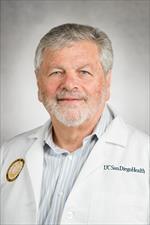 Sidney Zisook合作论文数University of California, San Diego13
 Christine Moutier合作论文数7
 Judy E. Davidson合作论文数7
 Neal Doran合作论文数Department of Psychiatry, School of Medicine, University of California6
 Neal Swerdlow合作论文数Department of Psychiatry, School of Medicine, University of California, San Diego5
 Kelly C. Lee合作论文数Skaggs School of Pharmacy and Pharmaceutical Sciences, University of California, San Diego4William A. Norcross合作论文数4
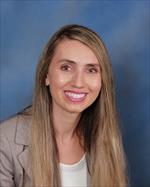 Desiree Shapiro合作论文数Department of Psychiatry, School of Medicine, University of California, San Diego3Maria Tiamson-Kassab合作论文数3Isabel G Newton合作论文数3
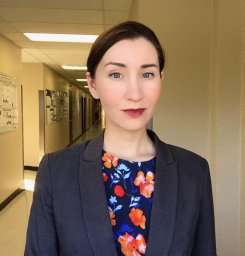 Anastasiya Nestsiarovich合作论文数Univ New Mexico, Dept Internal Med, Ctr Global Hlth, Albuquerque, NM 87131 USA3McGuire Tara合作论文数3Kirby Brittany合作论文数3Young Ilanit Tal合作论文数3Iglewicz Alana合作论文数3
 Tiffany Greenwood合作论文数Department of Psychiatry, University of California San Diego3Ilanit Young合作论文数2Pam Jong合作论文数2Tracy Alderman合作论文数2Elyse Galles合作论文数2Sid Zisook合作论文数2Courtney Sanchez合作论文数2
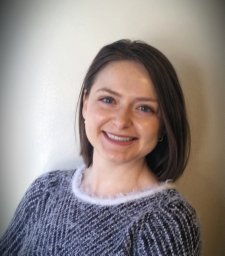 Caryn Kseniya Rubanovich合作论文数San Diego State Univ Univ Calif San Diego Joint D, San Diego, CA USA2Hadley Allison合作论文数2
 Ming Tai-Seale合作论文数Texas A&M University2
 Isabel Newton合作论文数2C. Hickie合作论文数1Gretchenjan C. Gavero合作论文数1Emily V. Ho合作论文数1Florence Eddins-Folensbee合作论文数1Kathryn Seay合作论文数1James Y Chen合作论文数1Jessica G. Kovach合作论文数1G Hadjipavlou合作论文数1Maggie Mortali合作论文数1Byron Fergerson合作论文数1Robin Huang合作论文数1Laura Hoffman合作论文数1Janna S. Gordon-Elliott合作论文数1Adrienne L Bentman合作论文数1Daniel Lee合作论文数1Wendy Feng合作论文数Department of Psychiatry and Behavioral Sciences, School of Medicine, Stanford University1Jennifer Derenne合作论文数1
 Soo Yong合作论文数Kim Jaechul Graduate School of Artificial Intelligence, Korea Advanced Institute of Science and Technology;Data Mining Lab, Korea Advanced Institute of Science and Technology1Suni Jani合作论文数harvard medical school1
 Marc Norman合作论文数Department of Psychiatry, School of Medicine, University of California, San Diego1
 Colin Depp合作论文数Department of Psychiatry, School of Medicine, University of California, San Diego1L Fung合作论文数1




