Sudden unexpected death during sleep particular in young people often provokes remorse whether could it have been prevented. Often the presenting symptom of sudden unexpected nocturnal death is death, but sometimes there are warning symptoms or signs (red flags) which if recognized and attended to may prevent the second (and too often fatal) event. Here we review some of the most common and striking ways to die unexpectedly from sleep, discussing vulnerable populations, particular risks, contributing or modifying factors, varying pathogenesis and potential prevention.
INTRODUCTION:Differentiating narcolepsy type 2 (NT2) and idiopathic hypersomnia (IH) is challenging as their diagnosis relies on the multiple sleep latency test (MSLT), previously shown to have poor test-retest repeatability. To address this gap we assessed test-retest repeatability of the MSLT in NT2 and IH. METHODS:Retrospective study including patients evaluated for excessive sleepiness with more than one PSG-MSLT at Cleveland Clinic (2007-2024). Narcolepsy type 1 and subjects with <6 h of sleep on PSG, <7 h of sleep by sleep logs, <5 MSLT trials, use of sleep-modulating medications within 14 days, and untreated comorbid sleep disorders were excluded. Diagnoses were based on ICSD-3 TR criteria; those not meeting criteria were classified as indeterminate. Test-retest repeatability and correlations were analyzed. RESULTS:45 patients (71.1% female; mean age 29.1 ± 16.0 years) were included, with inter-test interval of 3.6 ± 3.3 years. On initial MSLT, median mean sleep latency (MSL) was 11.5[5.1,14.2] minutes; 24.4% had ≥2 SOREMPs. On retest, median MSL was 10.6[3.6,14.6] minutes; 28.8% had ≥2 SOREMPs. Diagnoses were unchanged in 71.1% of cases; NT2 showed highest retest repeatability (NT2-75%, IH-60%, indeterminate-74.1%). Changes in diagnosis were attributed to MSL variation alone in 46.1%, SOREMPs alone 23.1% or both 30.8%. Spearman correlation and intraclass correlation coefficients showed moderate agreement for MSL [Spearman's ρ = 0.68 (95% CI:0.48-0.81, p < 0.001), ICC = 0.69(95% CI: 0.5-0.82)] and SOREMPs [Spearman's ρ = 0.54 (95% CI:0.30-0.72, p < 0.001), ICC = 0.52(95% CI: 0.27, 0.70)]. CONCLUSION:While higher MSLT test-retest repeatability was found compared to prior studies, substantial diagnostic instability remains, highlighting the need to refine NT2 and IH criteria.
Abstract Introduction Urine drug testing (UDT) during MSLT is performed to rule out the presence of confounding substances. The 2021 AASM recommendations highlight cannabinoids as particularly relevant to MSLT interpretation, citing reports of shortened sleep latency or, after recent discontinuation, REM rebound. However, conflicting reports exist. Prevalence of cannabinoid use among patients with central disorders of hypersomnolence (CDH) is unknown. Methods Retrospective analysis was performed of patients with suspected CDH undergoing PSG/MSLT at Cleveland Clinic, 3/2009-2/2025, who had immunoassay UDT prior to MSLT. Included patients met ICSD-3 criteria for narcolepsy type 1/2 (NT1/2), idiopathic hypersomnia (IH) or undifferentiated hypersomnia (UH). For analyses involving MSLT parameters, the “cannabinoid positive” group (UDT+) was comprised of patients with UDT positive for cannabinoids alone. Results From 1,031 cases with verified ICSD-3 diagnoses, 91 (8.8%) had UDT positive for cannabinoids. Positivity did not differ between CDH subgroups (6/55 (10.9%) in NT1, 7/98 (7.1%) NT2, 21/258 (8.1%) IH, 57/620 (9.2%) UH; p=0.84). Overall N = 1,019 (54 NT1, 97 NT2, 256 IH, 612 UH) after excluding cases positive for >1 substance. UDT+ and UDT- groups did not differ in age (34.0±11.9 vs 35.0±14.5; p=0.89), female sex (61 (77.2%) vs 686 (73.0%); p=0.49), BMI (26.6[22.7, 31.5] vs 27.2[23.3, 32.3]; p=0.46), or race/ethnicity composition (58 (73.4%) Caucasian vs 734 (78.4%) Caucasian; p=0.49). However, UDT+ had higher Epworth Sleepiness Scale scores (15.2±5.1 vs 14.0±5.2; p=0.025) and lower AHI on PSG (1.00[0.30,3.4] vs 1.8[0.70,5.0]; p=0.011). For MSLT outcomes, UDT+ and UDT- did not differ by total SOREMPs (0.00[0.00,1.00] UDT+ vs 0.00[0.00,1.00] UDT-; p=0.45) or mean sleep latency (MSL) (10.6[5.3,13.5] UDT+ vs 10.0[5.9,14.6] UDT-; p=0.89). Likewise, UDT+ had similar likelihood as UDT- of reaching 2+ SOREMPs (13 (16.5%) UDT+ vs 184 (19.6%) UDT-; p=0.63) or MSL ≤ 8 (30 (30.8%) UDT+ vs 373 (39.7%) UDT-; p=0.75). Conclusion These findings demonstrate that a clinically important percentage of patients with suspected CDH use cannabinoids. Additionally, our results do not support ruling MSLTs as invalid solely due to cannabinoid use. Given the similar prevalence of MSLTs with MSL ≤ 8 and/or 2+ SOREMPs between groups, cannabinoids may not impact classification of CDH subtypes; further research is needed. Support (if any)
Abstract Introduction Narcolepsy type 2 (NT2) is characterized by excessive daytime sleepiness (EDS) alongside other diagnostically relevant symptoms, including disrupted nighttime sleep, sleep paralysis, and hypnagogic/hypnopompic hallucinations. This qualitative study amplifies the voices of patients to identify the most bothersome and meaningful symptoms and impacts of NT2. Methods Participants were recruited through a third-party recruitment vendor, patient advocacy groups, and a patient conference. Twenty adults diagnosed with NT2 completed concept-elicitation interviews discussing their experience with NT2. Interviews included open-ended questions and probes on topics informed by a targeted literature review. Participants rated bothersomeness (0–10) for current symptoms and impacts and reported their 3 most bothersome symptoms. Concept frequencies and bothersomeness ratings were used to evaluate salience (ie, reported by ≥50% of participants and average bothersomeness rating ≥5) and develop a conceptual disease model. Results Participants identified 30 symptoms and 38 impacts of NT2; 17 symptoms and 13 impacts were deemed salient. The most frequently reported salient symptoms included chronic daytime sleepiness (100%; mean [SD] bothersomeness: 8.6 [1.6]), brain fog (95%; 8.3 [1.5]), memory problems (90%; 7.5 [1.6]), fatigue (90%; 8.2 [1.7]), excessive napping (85%; 6.3 [2.8]), unintentional daytime sleep episodes (85%; 8.5 [2.1]), difficulty concentrating (80%; 8.2 [1.5]), and sleep inertia (80%; 7.8 [1.8]). Chronic daytime sleepiness, fatigue, and brain fog were most frequently mentioned among the 3 most bothersome symptoms. Salient impacts included difficulties with instrumental activities of daily living (100%; mean [SD] bothersomeness: 6.7 [2.7]), work (90%; 8.2 [2.1]), planning social activities (85%; 6.7 [1.9]), recreational activities (65%; 6.4 [1.9]), and school (50%; 9.0 [1.7]), as well as stress (70%; 6.2 [1.7]) and negative impacts on relationships (80%; 6.5 [2.4]) and mobility (50%; 6.5 [1.5]). Conclusion The lived experience of NT2 is defined not only by EDS but also by fatigue, sleep inertia, and cognitive difficulties. Further, NT2 has a substantial impact on daily functioning and quality of life. A conceptual disease model was developed to offer a structured representation of the lived experiences of patients with NT2, providing a critical framework for understanding patient perspectives and guiding future research and interventions. Support (if any) Jazz Pharmaceuticals
To determine associations between video polysomnography (vPSG)–quantified REM sleep without atonia (RSWA) and antidepressants (ADs) including selective serotonin reuptake inhibitors (SSRIs), serotonin norepinephrine reuptake inhibitors (SNRIs), and tricyclic antidepressants (TCAs). We analyzed 1474 vPSGs scored for possible REM sleep behavior disorder (RBD). RSWA scoring was based on submentalis and flexor digitorum superficialis (FDS) EMG using AASM criteria. Percent REM epochs meeting RSWA criteria (RSWA
RATIONALE:Neighborhood socioeconomic disadvantage is associated with adverse cardiovascular outcomes, but its relationship with obstructive sleep apnea (OSA) severity and sleep-related hypoxemia is not well defined. OBJECTIVE:To assess the association of Area Deprivation Index (ADI) with OSA and major adverse cardiovascular events (MACE). METHODS:We conducted an observational cohort study of adults in a large institutional sleep registry who underwent polysomnography (PSG) or type III sleep testing. Neighborhood disadvantage was quantified using Area Deprivation Index (ADI) quintiles (ADI-Q1 least disadvantaged; ADI-Q5 most disadvantaged). Associations between ADI, OSA severity (apnea-hypopnea index [AHI]), sleep hypoxemia (percentage of sleep time with oxygen saturation<90%, T90), and incident MACE (heart failure, stroke, atrial fibrillation, coronary artery disease, or death) were assessed using multivariable models adjusted for demographics, comorbidities, smoking, and cardiovascular medications. MEASUREMENTS AND MAIN RESULTS:Among 72,443 adults (52,874 PSG;19,569 type III testing), greater neighborhood deprivation was associated with more severe sleep-related hypoxia (higher T90 and lower oxygen saturation nadir; p < 0.0001) but not with AHI. Over median follow-up of 5.6 years (PSG) and 2.8 years (type III), residence in the most disadvantaged neighborhoods was associated with increased risk of MACE or death (PSG ADI-Q5 vs Q1:HR1.22,95%CI1.13-1.33; type III ADI-Q4 vs Q1:HR1.41,95%CI1.12-1.78). In the type III cohort, hypoxia modified the association between ADI and outcomes (interaction p = 0.025). CONCLUSIONS:Neighborhood disadvantage is associated with greater sleep-related hypoxia and worse cardiovascular outcomes among patients evaluated for OSA, independent of apnea frequency. Incorporating measures of sleep-related hypoxia and neighborhood disadvantage into cardiovascular risk stratification may play a role in the identification of high-risk populations.
Positive airway pressure (PAP) therapy is the gold standard treatment for obstructive sleep apnea (OSA), yet adherence remains suboptimal. Mask leak is a common barrier, but current leak metrics don’t distinguish intentional from unintentional leak. We evaluated a novel “Real Leak” measure and compared its relationship to adherence with conventional leak metrics. We conducted a secondary analysis of the HomePAP trial, which randomized adults at high risk for OSA to home sleep apnea testing or in-laboratory polysomnography, followed by PAP initiation. Real Leak was calculated by subtracting mask-specific intentional leak from device-reported Average Leak, essentially representing unintentional leak over 1 month. PAP adherence was defined as ≥ 4 h/night on ≥ 70
Abstract Introduction Polysomnography (PSG) reports rely on a handful of summary indices, such as the apnea-hypopnea index (AHI), which incompletely capture the multidimensional burden of sleep-disordered breathing and its downstream health risks. We developed a risk stratification pipeline that uses RoBERTa-based foundational model on raw PSG signals to generate patient-level embeddings and cluster individuals into risk-groups (RG1-RG5). Here, we perform external, independent validation of these clusters for predicting long-term cardiovascular outcomes using the publicly available community-based Sleep Heart Health Study (SHHS) dataset. Methods We fine-tuned a RoBERTa-based model on 10,000 clinical PSG recordings from Cleveland Clinic (Jan-2012 to Dec-2022) to match PSG scoring data (e.g, sleep stages and respiratory events). Latent embeddings from the model were aggregated at the patient-level and clustered using k-means with energy-distance criteria to define five risk-groups. The trained model and fixed cluster centroids were then applied without retraining to the raw PSG data in SHHS. Primary outcomes were all-cause mortality and incident heart failure. Kaplan-Meier analyses and Cox proportional hazards models, adjusted for age and sex, were performed in both datasets. Results In the clinical cohort, higher risk-groups showed significantly reduced survival for all-cause mortality (log-rank p< 0.001 for RG3-RG5 vs. RG1), with age/gender-adjusted hazards demonstrating a dose-response gradient: RG3 HR=1.51 (95% CI 1.17-1.96), RG4 HR=1.64 (95% CI 1.26-2.15), and RG5 HR=2.71 (95% CI 1.93-3.81), all versus RG1. For incident heart failure, RG5 had a significantly elevated risk (HR=1.67, 95% CI 1.12-2.48, p=0.011 vs. RG1). External validation in SHHS replicated these patterns despite differing PSG setups. For all-cause mortality, RG4 and RG5 remained associated with worse survival (log-rank p< 0.001; HR=1.31, 95% CI 1.07-1.62, and HR=1.58, 95% CI 1.07-2.32, respectively, vs. RG1). For incident heart failure, RG5 again emerged as a high-risk group (log-rank p=0.003; HR=2.13, 95% CI 1.11-4.09, p=0.023 vs. RG1). Conclusion Patient clusters derived from a fine-tuned PSG foundational model showed robust external validity for predicting all-cause mortality and incident heart failure in an independent cohort with substantially different PSG acquisition protocols. These findings support the generalizability and clinical utility of model-based PSG phenotyping for risk stratification. Support (if any) This project was partially supported by NIH 1R21HL170206-01.
BACKGROUND:Despite the health benefits of parental leave (PL), many physicians in the United States take little to no PL. This issue is particularly pressing in academic neurology, which faces high burnout rates and a projected shortage. This study evaluated the impact of PL on career achievements and burnout in academic neurology. METHODS:A cross-sectional survey of neurologists in 19 U.S. institutions measured PL experience, academic achievements, and burnout. Chi-squared test was used to assess for group differences in the two groups: PL/NoPL and in subgroups: men/women. General linear regression models were used to examine the association between PL, gender, achievements, and burnout. RESULTS:Among 239 respondents with children, 74.8% of women and 28.6% of men took PL (87.9% of women and 97.3% of men took less than 6 weeks). Academic achievement measures were similar for those who took PL and those who did not (NoPL) with the exception of fewer awards in the PL group (mean 2.25 for PL and 6.21 for NoPL, p = 0.018). The PL group showed higher family-work conflict score (PL-score = 22.64, NoPL-score = 18.27, p < 0.001) and higher emotional exhaustion (PL 43.2%, NoPL 34.6%, p = 0.017) than the NoPL group. Emotional exhaustion was higher in women compared with men, despite higher weekly work hours in the PL group men (p = 0.021). CONCLUSION:Faculty who took PL did not have worse academic productivity compared with NoPL. But the PL group had higher levels of burnout and emotional exhaustion, especially in women, highlighting the need for support during and when returning from PL.
Jazz DUET (Develop hypersomnia Understanding by Evaluating low-sodium oxybate Treatment) is a phase 4, prospective, multicenter, single-arm, multiple-cohort, open-label study (NCT05875974) evaluating the effectiveness of low-sodium oxybate (LXB, Xywav®) treatment on outcomes including polysomnography (PSG)-based sleep architecture in participants with idiopathic hypersomnia or narcolepsy. This abstract will include results from the idiopathic hypersomnia cohort. DUET included a screening period (2-week washout for current oxybate users), an 8-day baseline (BL) period, a 2- to 8-week LXB titration period, a 2-week stable-dose period (SDP), an 8-day end-of-treatment period (EOT), and a 2-week safety follow-up. Participants underwent nocturnal PSG using an ad libitum protocol at BL and EOT. PSGs were scheduled to allow a minimum of 10 hours in bed, unless the participant naturally awakened earlier; bedtime was determined by habitual bedtime. PSG recordings were centrally scored. Data were analyzed for participants in the idiopathic hypersomnia cohort completer set. P-values were uncontrolled for multiplicity and therefore considered nominal. Forty-six participants with idiopathic hypersomnia enrolled; 40 completed the study. Most were female (80%) and White (85%) with a mean±SD age of 38.1±11.8 years. Mean±SD total sleep time (TST) at BL and EOT was 467.5±111.9 and 413.4±97.9 minutes, respectively (LSM change [95% CI], –54.1 [–81.3, –26.9]; P=.0003). Mean±SD number of total shifts from deeper to lighter sleep stages at BL and EOT was 60.8±30.1 and 43.7±27.0, respectively (LSM [95% CI], –17.1 [–23.7, –10.5]; P<.0001). Mean±SD time spent in N1 at BL and EOT was 47.8±26.1 and 33.0±22.4 minutes (LSM [95% CI], –14.8 [–20.3, –9.3]; P<.0001), % of stage was 10.3% and 8.0% (P=.0017); in N2, 270.0±64.8 and 225.8±72.8 minutes (LSM [95% CI], –44.3 [–66.7, –21.9]; P=.0003), 58.5% and 54.2% (P=.0286); in N3, 51.9±35.3 and 92.5±53.5 minutes (LSM [95% CI], 40.6 [25.8, 55.4]; P<.0001), 11.2% and 22.8% (P<.0001); and in REM, 97.7±47.0 and 62.1±35.4 minutes (LSM [95% CI], –35.7 [–46.0, –25.3]; P<.0001), 20.0% and 15.0% (P<.0001). Participants with idiopathic hypersomnia treated with open-label LXB demonstrated reduced TST on ad libitum polysomnography compared with baseline, increases in N3 sleep, and changes in sleep architecture. Jazz Pharmaceuticals
Abstract Introduction Differentiation between narcolepsy type 2 (NT2) and idiopathic hypersomnia (IH) is often challenging due to overlapping features and limitations of diagnostic testing. We used machine learning on routine PSG features to directly predict expert clinical diagnosis of IH versus NT2. Methods We conducted a manual chart review of patients undergoing MSLT for suspected central disorders of hypersomnolence (CDH). Only individuals classified clinically as IH or NT2 were included. Forty-five PSG metrics from final reports, including demographics, sleep architecture, and respiratory indices, were extracted. Missing values were imputed using the median (for numeric features) or the mode (for categorical features), and features were standardized. Six machine-learning classifier techniques were evaluated using nested cross-validation (5-fold outer, 5-fold inner) with Optuna hyperparameter optimization (1,000 trials per inner fold). We used ANOVA with p-values< 0.05 within each fold for feature selection. SHAP values were used to quantify feature importance. T-test and chi-squared test were used to assess statistical significance between IH and NT2. Metrics are reported as mean (standard deviation). Results The cohort included 454 patients, N=147(32%) with a clinical diagnosis of IH and N=307 (68%) with NT2. Overall age was 34.0(13.1) years, BMI was 27.6(6.6) kg/m², 351(77.3%) female, and 327(72.0%) Caucasian. Sex distribution differed between IH and NT2 (female 81.4% vs 68.7%). Within the clinically defined IH and NT2 cohort, agreement with ICSD-3 diagnoses was 58% for IH, 67% for NT2, and 61% overall. The logistic regression classifier achieved the best performance, with an AUC-ROC of 66% (5%) and a balanced accuracy of 63% (4%). Using a 60% probability threshold for NT2, precision was 49% (8%), sensitivity was 36% (6%), and specificity was 82% (4%). The SHAP analysis indicated that the features most strongly associated with NT2 were shorter REM latency (p< 0.001), lower non-REM sleep time (p=0.003), higher sleep efficiency in the supine position (p=0.023), and male sex (p=0.014). Conclusion ICSD-3 (MSLT-based) diagnoses show poor agreement with expert clinical diagnoses of NT2/IH, highlighting the limitations of current diagnostic criteria and the need for alternative diagnostic modalities. Machine learning models applied to routine PSG features provide only moderate differentiation between NT2 and IH. Support (if any)
Abstract Introduction The 2021 AASM MSLT protocol recommendations do not provide a uniform requirement for urine drug testing (UDT) in patients undergoing evaluation for central disorders of hypersomnolence (CDH). Rather, UDT may be indicated “depending on clinical and community circumstances.” Selective performance of UDT may result in under-detection of recreational substances, including cannabinoids. Methods Retrospective analysis was performed of patients with suspected CDH undergoing PSG/MSLT at Cleveland Clinic from 3/2009 to 2/2025 who had immunoassay UDT the morning of MSLT. Included patients met ICSD-3 criteria for narcolepsy type 1/2 (NT1/2), idiopathic hypersomnia (IH) or undifferentiated hypersomnia (UH). Disclosure of cannabinoid use was determined by pre-test sleep provider office visit, during which patients were specifically asked about substance use, and from questionnaire responses about recreational drug use. Results Of 1,031 cases with verified ICSD-3 diagnoses (55 NT1, 98 NT2, 258 IH, 620 UH), 85 (8.24%) tested positive for cannabinoids and had documented disclosure data (63 (74.1%) Caucasian, 66 (77.6%) female, age 34.5 ± 11.8). Only 42 patients (49.4%) disclosed cannabinoid use. Differences in age and sex between disclosure and non-disclosure groups were not significant (age 32.7±9.6 vs. 36.2±13.5, p=0.16; female 31 (73.8%) vs. 35 (81.4%), p=0.40, respectively). Race/ethnicity composition was also similar between groups; disclosure group had 33 (78.6%) Caucasian, 7 (16.7%) Black, and 2 (4.8%) Multiracial patients vs. 30 (69.8%) Caucasian, 7 (16.3%) Black, and 6 (14.0%) Multiracial in non-disclosure group (p=0.39). Disclosure across CDH subtypes included 5/6 (83.3%) patients with NT1, 3/6 (50.0%) with NT2, 9/20 (45.0%) with IH, and 25/53 (47.2%) with UH (p = 0.48). Conclusion Among patients with suspected CDH testing cannabinoid-positive on UDT the day of MSLT, nearly half did not disclose their substance use beforehand. Moreover, age, sex, race/ethnicity, and ICSD-3 diagnosis did not correlate with disclosure status. These results suggest that UDT should be universally performed during MSLT, as neither patient report nor demographic factors accurately predict cannabinoid use. Support (if any)
Abstract Introduction The diagnostic pentad for narcolepsy type 1 (NT1) includes cataplexy, excessive daytime sleepiness, disrupted nighttime sleep, hypnagogic/hypnopompic hallucinations, and sleep paralysis. Beyond this pentad, a broader spectrum of symptoms may impact daily functioning and quality of life. This qualitative study amplifies patient voices to identify the most bothersome and meaningful symptoms and impacts of NT1. Methods Participants were recruited through a third-party recruitment vendor, patient advocacy groups, and a patient conference. Twenty adults diagnosed with NT1 completed concept elicitation interviews discussing their experience with NT1. Interviews included open-ended questions and probes on symptoms and impacts informed by a targeted literature review. Participants rated bothersomeness (0–10) for current symptoms and impacts and reported their 3 most bothersome symptoms. Concept frequencies and bothersomeness ratings were used to evaluate salience (ie, reported by ≥50% of participants and average bothersomeness rating ≥5) and develop a conceptual disease model. Results Participants identified 30 symptoms and 38 impacts; 12 symptoms and 10 impacts were deemed salient. The most frequently reported salient symptoms included chronic daytime sleepiness (100%; mean [SD] bothersomeness: 7.4 [1.9]), unintentional daytime sleep episodes (100%; 7.2 [2.0]), memory problems (95%; 7.8 [2.2]), brain fog (85%; 7.9 [1.5]), excessive napping (85%; 6.6 [1.9]), automatic behaviors (70%; 5.7 [3.1]), difficulty concentrating (70%;7.8 [2.1]), and sleep inertia (65%;7.0 [2.7]). Chronic daytime sleepiness, brain fog, cataplexy, and memory problems were most frequently mentioned among the 3 most bothersome symptoms. Salient impacts included difficulties with planning/attending social events (90.0%; mean [SD] bothersomeness: 7.0 [2.8]), work (75%; 8.5 [1.5]), school (55%; 8.0 [1.7]), and driving (100%; 6.6 [3.3]), as well as negative impacts on relationships (50%; 7.4 [2.7]) and feeling anxious (60%; 7.6 [2.1]). Conclusion Several core narcolepsy symptoms were frequently reported by participants with NT1 but did not reach the level of saliency, underscoring the importance of symptoms beyond the pentad (eg, cognitive symptoms, brain fog, and sleep inertia). Salient impacts affected activities of daily living and behavioral/emotional, school/work, and social domains. A conceptual disease model was developed to systematically capture the lived experiences of patients with NT1 and guide future research and interventions. Support (if any) Jazz Pharmaceuticals
OBJECTIVE:Insomnia is a prevalent, treatable comorbidity in adults with epilepsy (AWE). Cognitive Behavioral Therapy for Insomnia (CBTI) is the gold standard treatment for insomnia, but its effectiveness in AWE has not been extensively studied. We conducted a randomized, single-blind, controlled trial to evaluate the effectiveness of computerized CBTI (cCBTI) using the Go! To SleepSM program on sleep-related outcomes in AWE and, for the first time, explored its effect on seizure control. METHODS:AWE with moderate-to-severe insomnia were randomized to cCBTI or sleep hygiene education alone (control). The primary outcome was change in Insomnia Severity Index (ISI) from baseline to end of study (EOS). Secondary Patient-Reported Outcomes (PROs) included the Epworth Sleepiness Scale (ESS), Fatigue Severity Scale (FSS), Patient Sleep Quality Inventory (PSQI), Patient Health Questionnaire-9 (PHQ-9), self-reported sleep duration, and frequency of disabling seizures. RESULTS:Thirty-five subjects (mean age 39.5 ± 12.6 years; 57 % female) were analyzed. ISI scores decreased in both groups beyond the clinically meaningful threshold of 4 points (-9.0 with cCBTI vs. - 5.8 with control; both p < 0.001); the between-group difference was not significant (p = 0.076). All PROs improved in cCBTI, while controls showed improvement in ESS, FSS, and PSQI only. PHQ-9 (-4.5, p = 0.003) and sleep duration (+1.07 h, p < 0.001) improved significantly only in cCBTI. Seizure frequency, higher at baseline in cCBTI compared to controls (p = 0.028), was comparable by EOS (p = 0.30). CONCLUSION:Both cCBTI and sleep hygiene significantly improved insomnia severity, daytime sleepiness, fatigue, and sleep quality. cCBTI was additionally associated with reduced depressive symptoms and increased sleep time. While no significant between-group difference in seizure frequency was observed, narrowing baseline differences suggests a potential benefit of cCBTI. Larger studies are warranted.
Abstract Introduction Patients with CNS disorders of hypersomnolence (CDH) are at risk of cardiovascular comorbidities that require monitoring. In 2024, we launched a Hypersomnia Carepath (HSCP) that standardizes access and incorporates cardiovascular quality and safety monitoring. Methods HSCP patients on stable pharmacotherapy were enrolled into Q3: 3-month visits for traditional stimulants or Q6: 6-month visits for all other medication groups. Annual EKG was performed in Q3 patients and by provider request in Q6. A board-certified cardiologist classified EKG abnormalities. QTc was calculated using the Framingham equation. Office blood pressure was acquired during the annual in-person visit. Statistics presented as N (%) and mean (SD). Two-sample t-test, chi square, Fisher’s exact test, or Kruskal-Wallis test were used, as appropriate. Results A total of 119 patients with completed EKG after HSCP enrollment were included: mean age 41.5±12.7 yr, 79.8% female, 84% Caucasian. Of these, 79(66.4) were taking monotherapy. Traditional stimulants were used by 78(65.5), solriamfetol 6(5), modafinil/armodafinil 72(60.5), oxybates 24(20.2), and pitolisant 5(4.2) patients. Monotherapies included: traditional stimulants in 44(55.7), solriamfetol 1(1.3%), modafinil/armodafinil 27(34.2), and oxybates 7(8.9) patients. Ventricular rate was higher (83±15 vs 73±9 bpm, p=0.005) and QT interval shorter (372±26 vs 385 ± 22 ms, p=0.0115) with traditional stimulants versus others. QTc (411±17 vs 411 ± 17 ms) and abnormal EKGs (24.4 vs 34.1%) were similar between groups. Among monotherapy users, ventricular rate was greater with traditional stimulants/solriamfetol versus oxybates and modafinil/armodafinil (84±15 vs 68±6 and 75±10 bpm, respectively, p=0.018) and no differences were observed in QT, QTc or abnormal EKGs. Office BP was similar between traditional stimulant users and others (systolic: 122±14 vs 121±13, p=0.15; diastolic: 74±14 vs 74 ±8, p=0.29, respectively). EKGs were classified as abnormal in 33(27.1), including >1 abnormality in 16(48.5%). Most common were T wave abnormalities (22.6%) and QRS axis deviation and abnormal distal conduction (15.1% each). Conclusion In this CDH cohort, traditional stimulant use relative to all other pharmacotherapies was associated with higher ventricular rate and shorter QT interval but not higher BP or abnormal EKG interpretation. EKGs were classified as abnormal in over one quarter of CDH patients, underscoring the value of proactive cardiovascular monitoring. Support (if any)
 Reena Mehra合作论文数58James F. Bena合作论文数57Noah Andrews合作论文数32
 Madeleine Grigg-Damberger合作论文数30
 Matheus Araújo合作论文数Federal University of Minas Gerais29
 Michael J. Thorpy合作论文数The Saul R. Korey Department of Neurology, Albert Einstein College of Medicine27
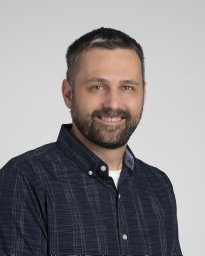 Thompson Nicolas R合作论文数Neurological Institute Center for Outcomes Research and Evaluation, Cleveland Clinic27
 Yves Dauvilliers合作论文数Centre Hospitalier Universitaire de Montpellier;Clinical and Research Activity of the Sleep Laboratory, University of Montpellier;Sleep Disorders Centre, Department of Neurology, Gui de Chauliac Hospital27
 Richard K. Bogan合作论文数SleepMed of South Carolina27Patricia Chandler合作论文数Jazz Pharmaceut23
 Douglas E Moul合作论文数Cleveland Clin, Neurol Inst22Irene Katzan合作论文数MetroHealth Medical Center, Cleveland Clinic Foundation22
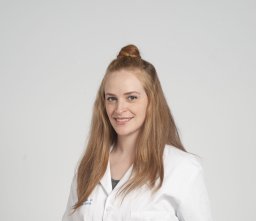 Catherine Heinzinger合作论文数21Alex Milinovich合作论文数Cleveland Clin, Quantitat Hlth Sci, Cleveland, OH 44106 USA21Walia Harneet K合作论文数20
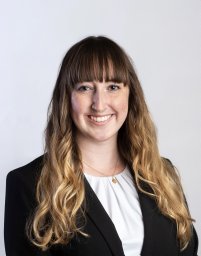 Maeve Pascoe合作论文数Sleep Disorders Ctr, Cleveland Clin16Roman Skowronski合作论文数15Cinthya Pena Orbea合作论文数14
 Karel Šonka合作论文数Department of Neurology, First Faculty of Medicine, Charles University;Sleep and Wake Disorders Centre, First Faculty of Medicine, Charles University;General University Hospital14
 Mina Chung合作论文数The Robert and Suzanne Tomsich Department of Cardiovascular Medicine, Cleveland Clinic;Section of Pacing and Electrophysiology, Cleveland Clinic13
 Susan Redline合作论文数Division of Sleep Medicine, Harvard Medical School;Division of Sleep and Circadian Disorders, Departments of Medicine and Neurology, Brigham and Women's Hospital;Division of Pulmonary Medicine, Department of Medicine, Beth Israel Deaconess Medical Center13
 Phyllis C Zee合作论文数Department of Neurology, Feinberg School of Medicine, Northwestern University;Division of Sleep Medicine, Northwestern Medicine;Center for Circadian and Sleep Medicine, Feinberg School of Medicine, Northwestern University13
 Vishesh K. Kapur合作论文数Division of Pulmonary, Critical Care and Sleep Medicine, University of Washington Medicine Sleep Center;University of Washington12David R. Van Wagoner合作论文数11
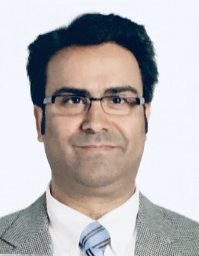 Roop Kaw合作论文数Departments of Hospital Medicine and Outcomes Research, Cleveland Clinic11
 Richa Kapoor Mehra合作论文数Department of Medicine and Division of Pulmonary, Critical Care and Sleep Medicine, Case Western Reserve University11
 Conrad Iber合作论文数Hennepin County Medical Center, University of Minnesota11Isabelle Arnulf合作论文数11Jed Black合作论文数Stanford Sleep Disorders Clinic11
 Abby Chen合作论文数10
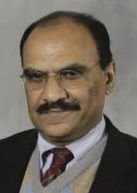 Mansoor Ahmed合作论文数Dept Endocrinol & Diabet, Gavle Cent Hosp10Jan Hedner合作论文数Department of Sleep Medicine, Sahlgrenska University Hospital10Luke Hickey合作论文数9Sima Patel合作论文数9N. D. Andrews合作论文数9
 Dan Chen合作论文数9Golish Joseph A合作论文数9
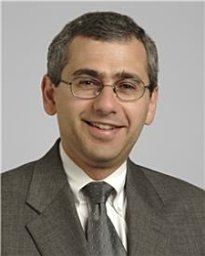 Aboussouan Loutfi S合作论文数Department of Pulmonary, Allergy and Critical Care Medicine, The Cleveland Clinic Foundation9
 Atul Malhotra合作论文数University of California San Diego9Jean-Louis Pepin合作论文数9Dudley S. Dinner合作论文数9Ruth M. Benca合作论文数9
 Geert Mayer合作论文数9Shannon M Morrison合作论文数8
 Lu Wang合作论文数8
 Lawrence Lee合作论文数8
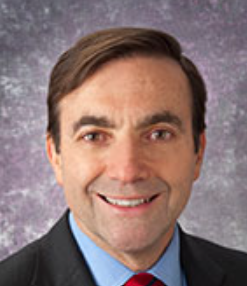 Patrick J. Strollo Jr.合作论文数Division of Pulmonary, Allergy, Critical Care, and Sleep Medicine, Department of Medicine, School of Medicine, University of Pittsburgh8
 Jehi Lara合作论文数Epilepsy Ctr, Cleveland Clin8




