The cultivation of Artemia, a vital live food for fish and shellfish larvae, is hindered by the inconsistent supply and high costs of fresh microalgae, limiting sustainable larviculture in aquaculture. The cultivation of Artemia, a vital live food for fish and shellfish larvae, is hindered by the inconsistent supply and high costs of fresh microalgae, limiting sustainable larviculture in aquaculture. To address these challenges related to high microalgal feed costs and supply inconsistency, we developed and tested formulated dry feeds incorporating agricultural by-products (rice bran, wheat bran, soybean meal), varying levels of algae (5 % or 10 %), and probiotic bacteria (Bacillus coagulans and Bacillus subtilis at 0 %, 0.6 %, or 1.2 %) against a control diet (25 % algae + 75 % yeast). Artemia parthenogenetica cysts were hatched under standard conditions, and nauplii were reared for 23 days in three replicates per treatment (n = 3) to evaluate growth, survival, biochemical composition, reproductive characteristics, digestive and oxidative stress enzymes, and resistance to Vibrio anguillarum. Reproductive assessments continued up to 73 days until all female Artemia are dead. The optimized formulation (10 % algae + 1.25 % probiotics) significantly improved Artemia nauplii growth (body length +15.8 %), survival (+12.5 %), and digestive protease activity (21 % higher alkaline protease) compared to the control. Notably, antioxidant enzyme activities-superoxide dismutase (SOD) and glutathione peroxidase (GPx)-declined progressively in control-fed Artemia with extended culture duration; however, probiotic supplementation substantially attenuated this decline, indicating sustained antioxidant capacity. During pathogen challenge with Vibrio anguillarum, probioticsupplemented Artemia exhibited superior survival across all life stages (nauplii: 92.24 % vs. 41.99 % in controls; adults: 70.09 % vs. 45.22 %), which was mechanistically linked to enhanced innate immune responses, including elevated alkaline protease activity and reduced oxidative stress biomarkers.
Recent ecological changes in Urmia Lake, marked by a dramatic transition from rainy to drought conditions, have altered key environmental parameters and may affect the immune system of local organisms, including Artemia urmiana. Among the environmental factors associated with these changes, temperature and salinity are the primary and critical factors directly influencing survival, growth, and immune function in aquatic organisms. Accordingly, this study aimed to evaluate the effects of temperature and salinity changes on the expression of prophenoloxidase (proPO), a key component of innate immunity, as well as non-lethal heat shock (NLHS)–induced proPO expression in Artemia urmiana. qPCR assay was developed to evaluate the influence of three-decade ecological crisis, focusing on temperature and salinity, on basal and NLHS-induced proPO expression of nauplii of Artemia urmiana, originating from cysts collected from 1994 (rainy period) to 2020 (drought period). To obtain partial cds of proPO, four regions of this cDNA were sequenced using Sanger method. Student’s t-test was conducted for statistical comparisons between two groups, whereas one-way ANOVA was utilized for the analysis of more than two groups. Before expression analysis, four regions of proPO cDNA were sequenced (the accession numbers: OQ784234, OQ784235, OQ784236, OQ784237) and then assembled into a larger partial cds (the accession numbers: OQ784174). qPCR results demonstrated that ecological changes caused proPO expression shifting, which was highest in 2005 (95
Inland expansion of Litopenaeus vannamei aquaculture, constrained by coastal land scarcity and environmental regulations, necessitates nutritional strategies to counter low-salinity stress. This 60-day study evaluated soybean lecithin supplementation (0%, 1%, 3%, 5%, and 7%) in post-larvae reared in brackish (8 ppt) and saline (26 ppt) water, assessing growth performance, digestive enzyme activity, antioxidant capacity, apparent nutrient digestibility, and whole-body composition. Two-way ANOVA confirmed significant main and interactive effects of lecithin and salinity on most parameters (P < 0.05). Lecithin at 7% supplementation yielded the best overall responses, with final weight reaching 15.45 g in 8 ppt and 11.90 g in 26 ppt; SGR reached 6.86% day⁻¹ in 8 ppt; and FCR decreased to 0.83 in 8 ppt, representing a 46% biomass gain and a 30% feed efficiency improvement over controls. Survival and length gain were generally unaffected (P > 0.05), although post hoc analysis showed 80.0% survival in the 7% supplemented brackish group versus 72.0% in the control. Digestive enzyme activity increased in a dose-dependent manner: lipase activity increased to 55.20 µmol g⁻¹ tissue h⁻¹ and α-amylase increased up to 1.75-fold at 7% supplementation, driving apparent digestibility coefficients (ADCs) of lipid (94.50%), protein (94.80%), and carbohydrate (74.60%) in saline water, with only 2–4% lower values in 8 ppt. Alkaline protease activity significantly decreased with increasing levels of dietary lecithin supplementation. The whole-body lipid content increased to 15.16% in saline water and 14.43% in brackish water at 7% lecithin, while crude protein percentage decreased (61.23% vs. 76.52% in the control). Antioxidant defenses were markedly strengthened in brackish water: SOD (43.22 U/mg protein) and GPx (26.94 U/mg protein) increased 1.96–2.29-fold, while MDA decreased to 5.95 nmol/mg protein (P < 0.05). Overall, these results are consistent with improved nutrient utilization and enhanced antioxidant status under low-salinity conditions.
High mortality in fish during embryonic and larval stages is largely due to an underdeveloped immune system, leaving them vulnerable to pathogens. In fish, early immune defense depends largely on maternal immunity transferred to offspring. This study investigated the effects of dietary phospholipid (PL) on reproductive performance, hematological and immune parameters, and the expression of immune-related genes in rainbow trout broodstock (Oncorhynchus mykiss). Broodstock were fed four isoproteic (47% crude protein) and isolipidic (16% crude fat) diets supplemented with graded levels of soybean lecithin (SBL: 0%, 2%, 4%, and 6%) for six months. Dietary PL supplementation significantly enhanced reproductive performance, including absolute and relative fecundity (up to 4.59 × 10³ eggs/female in the 4% SBL group vs. 2.57 × 10³ in controls) and hatching rate (91.64% at 6% SBL vs. 78.34% in controls), as well as immunological parameters, such as total immunoglobulin (Ig) (peaking at 24.06 mg mL⁻¹ in 6% SBL group), lysozyme activity (126.00 U mL⁻¹ at 6% SBL vs. 58.50 U mL⁻¹ in controls), and key biochemical indicators (HDL, LDL, cholesterol, and triglycerides) in broodstock, eggs, and larvae. Blood parameters demonstrated no significant differences. Moreover, the expression of immune-related genes (lysozyme, IgM) and HSP70 in broodstock spleen, eggs, and larvae were upregulated in response to SBL supplementation. These findings suggest that inclusion of 4–6% SBL in broodstock diets improves maternal immunity and facilitates its transfer to offspring, enhancing early-life immune competence. Nutritional programming of broodstock through PL-enriched diets is therefore an effective strategy to maximize offspring health in aquaculture
This study investigated the effects of SeO₂ at concentrations of 0, 25, 50, 75, and 100 mg L⁻1 on the microalgae Tetradesmus obliquus over seven days. Lower concentrations (25 and 50 mg L⁻1) promoted algal growth and maintained photosynthetic pigments. In contrast, higher concentrations (75 and 100 mg L⁻1) caused growth rate decreases of 20.13
Overyielding in polyculture systems suggests a potential for greater productivity than that observed in monocultures. Optimized algal polyculture combinations can significantly enhance biomass production and yield valuable biochemicals. The study tested seven different treatments of Nannochloropsis oculata, Chlorella sp., and Dunaliella tertiolecta in different ratios T1: (1:1:1), T2: (1:1:2), T3: (1:2:1), T4: (2:1:1), T5: (1:2:2), T6: (2:2:1), and T7: (2:1:2), respectively, under different photoperiods to assess the best combination for biomass, biochemical, and biodiesel properties. The results showed that under a 12:12 h light:dark photoperiod, T7 had the highest lipid and protein contents. There were also higher degrees of unsaturation in treatments 3, 6, and 7, whereas treatments 1, 2, and 4 had higher values for low carbon fuel standard and cold filter plugging point. Under a 16:8 h photoperiod, T3 had the highest total number of cells, T1 had the highest lipid level, and T3 had the highest protein level. Treatments 2 and 3 had significantly higher iodine values than the others, whereas T3 and T6 had higher cetane numbers. The results indicate that the highest protein and lipid levels were obtained in T3 under a 16:8 h photoperiod, whereas T1 had its highest protein and lipid levels during a 12:12 h photoperiod. Additionally, the highest biomass and mono-unsaturated fatty acids were observed in T3 under a 16:8 h photoperiod, and there were no significant differences in saponification values between treatments. Based on these findings, we recommend conducting algal polyculture with T3 (1:2:1) under a 16:8 h light:dark photoperiod to achieve optimal biomass production, higher protein, lipid, and mono-unsaturated fatty acid levels.
Introduction: The white shrimp, Litopenaeus vannamei has become a popular species for aquaculture worldwide due to its euryhaline nature and commercial importance. In aquaculture, the balance of nutrients in the diet of aquatic animals guarantees optimal growth and health improvement. Taurine (Tau = 2-aminoethanesulfonic acid) is an amino sulfonic acid, which has been proven to be conditionally essential for some aquatic animals when these animals are fed with diets containing high plant protein levels, due to taurine deficiency in plant-based protein sources. Tau has been also implicated in osmoregulation, modulation of neurotransmitters, hormone release, and antioxidation. Materials and Methods: A 30-day feeding study was conducted to determine the effects of supplementing the Tau in the diet of broodstock western white shrimp. Hawaiian domesticated shrimp stocks were transferred to Aquatic Research Laboratory, Persian Gulf University, from a private greenhouse pond (Delvar, Bushehr, Iran). Shrimp broodstock were disinfected with formalin (100 ppm, 30 s). Following two weeks of acclimatization to the husbandry system, the shrimp broodstock were placed in two 4000-L circular fiberglass tanks. A total of 180 shrimp broodstock with mean initial weight of 30.37 ± 2.36 g, were stocked into 18 black circular polyethylene tanks with a capacity of 250 L. Six isonitrogenous and isolipidic diets were supplemented with graded amounts of Tau including 0 (control), 2, 4, 6, 8, and 10 g/kg (T2, T4, T6, T8 and T10 respectively). To evaluate the effects of Tau on growth, body composition, digestive enzymes, and haemolymph biochemical parameters, sampling was taken at the end of the experiment. Results and discussion: The results showed that final weight, specific growth rate, weight gain, condition factor, and survival of shrimp fed with the supplemented diets with Tau had no significant differences than the control group (p>0.05). The protein content in the shrimp muscle of T6 was higher than T4 and the control group (p<0.05). The obtained results showed that hyaline cells in the haemolymph of T10 upraised, while semi-granular rate (%) decreased compared to the control group (p<0.05). However, other haemolymph indices and metabolites in the treatments fed with Tau-supplemented diets did not show significant differences compared to the control group (p>0.05). The present results showed that lipase activity upraised by increasing Tau levels in the treatments (p<0.05). The results show that the growth performance of broodstock was not influenced by dietary Tau during the shrimp maturation process. It may be attributed to the preference of the broodstock shrimp for gonadal growth rather than for somatic growth. Conclusion: The obtained results indicated that supplementing the broodstock diet with 6-10 g/kg Tau has beneficial effects on the protein content in the muscle and haemolymph biochemical indices, especially hemocyte cells and digestive enzyme activities of white shrimp broodstock during the maturation process.
Abstract In the current study, the performance of soybean lecithin-enriched adult Artemia franciscana and its beneficial effects as a replacement for commercial diet were evaluated by determining the biochemical and fatty acid composition of broodstocks and eggs of green terror cichlid (Aequidens rivulatus) for 90 days. Eight hundred and ten fish (3.1 ± 0.2 g) were randomly allotted into glass aquaria (80 L) and assigned to ten dietary treatments at five different replacement levels (0, 25, 50, 75, and 100%) of the commercial diet (CD) with either un-enriched Artemia (UA) or lecithin-enriched Artemia (EA). Based on the results, enrichment of Adult Artemia with soy lecithin increased body lipid content in 25% EN, 50% EN and 75% EN treatments, although there was no significant difference between dry matter, crude protein and ash between the diet groups (P < 0.05). The highest level of total polar lipid (18.26%) was observed in broodstocks of Green Terror fed 50CD: 50EA. Based on fatty acid composition, the highest amount of saturated fatty acids of broodstocks of Green Terror was revealed in 75CD: 25UA and 50CD: 50UA treatments. The lowest amount of monounsaturated fatty acids was observed in the 50CD: 50EA treatment. The highest amount of DHA (17.81%) was observed in 25CD: 75EAtreatment. The fatty acid analysis of eggs showed significantly higher SFA and lower MUFA in 75CD: 25EA treatment. Furthermore, the PUFA and DHA level exhibit significantly higher in 50CD: 50EA treatment. In conclusion, the 50CD: 50EA diet improved the lipid and fatty acid composition of Green Terror cichlid fish and therefore, this feeding strategy can be recommended in upgrading the nutritional management of this species.
Phospholipid (PL) is an essential nutrient that has vital effects on growth, stress resistance, and early development in marine fish larvae. In this regard, a 30-day feeding experiment was conducted in order to examine the effects of live prey enrichment with graded levels of soy lecithin (SL) on some physiological responses of Acanthopagrus latus larvae. Four experimental emulsion levels of SL were used to enrich rotifer and Artemia including very low (2%, N-Nil), low (4%, L), medium (8%, M), and high (12%, H). Newly hatched larvae were distributed into 12,250-L cylindrical tanks with an initial density of 15,000 larvae in each tank that was supplied with natural seawater (23 ± 1°C; 40.0 ± 1.0 g L-1). Larvae fed live prey enriched with 4% SL significantly had higher wet weight gain than other treatments. Air exposure and osmotic activity tests were also performed to detect larval resistance to stress. Larvae fed live prey enriched with 8% and 12% SL had higher survival compared to the other two groups. The accumulation of arachidonic (ARA) and docosahexaenoic acid (DHA) was increased in the whole body of larvae fed high SL-supplemented live prey. Alkaline phosphatase and aminopeptidase N activities in the guts brush border membrane of larvae in M and H groups were higher than other treatments. The trypsin and chymotrypsin activities in the N group were lower than in other groups. The highest and lowest amylase activities were in the H and N groups, respectively. The activity of catalase in the whole body of the M group was higher than the N group and the glutathione reductase activity was significantly increased in the M and L groups compared to the N and H groups. Total antioxidant capacity in the whole body of larvae in the N group was lower than in the other treatments. In summary, moderate levels of SL (4%-8%) are suggested for the enrichment of live prey in A. latus.
A 30-day research was carried out to examine the impacts of dietary taurine (Tau) on ovaries maturation and physiological responses of Penaeus vannamei female brooders (29.4 ± 0.2 g). A basal diet (497 g kg-1 protein and 140 g kg-1 lipid) was administered with graded levels of Tau ranging from 0 (control) to 2, 4, 6, 8, and 10 g kg-1. A total of 180 shrimp brooders were stocked into 18 250 L black circular polyethylene tanks. Female (n = 5) and male (n = 5) shrimps were stocked in each tank and supplied with seawater (35.2 ± 3.1 g L-1 salinity, 28.9 ± 1.4°C) and the experimental feeds were offered to shrimp twice a day at 5% of their biomass. Supplementing diet with 4-8 g Tau kg-1 reduced latency period after eye stalk ablation to spawning (5-6 days) that was associated with higher hepatopancreatic and gonadosomatic (except for 8 g Tau kg-1 diet) indices (p < 0.05). With 10 g Tau kg-1 diet hepatopancreas glutathione peroxidase activity and total antioxidant capacity increased and catalase activity increased by 6 g Tau kg-1 diet. Supplementing diet with Tau-enhanced bile-salt dependent lipase activity in the gut. Docosahexaenoic acid and Tau levels were elevated in the ovaries with the increment of dietary Tau level (p < 0.05). Plasma total protein, calcium, cholesterol, and high-density lipoprotein increased with inclusion of 6-10 g Tau kg-1 diet. The transcription levels of vitellogenin, insulin-like growth factor II, superoxide dismutase, prophenoloxidase, and lysozyme genes transcription levels were upregulated in the hepatopancreas of shrimp brooders fed 6-10 g Tau kg-1 diet (p < 0.05). It seems that Tau at 4-8 g kg-1 diet by modulating lipid metabolism, antioxidant capacity, and immunocompetence can improve maturation and health status of P. vannamei brooders.
Selenium (Se) is an essential trace element that has vital effects on growth, antioxidant capacity and early development in marine fish larvae. However, traditional livefoods such as rotifer and artemia lack of Se. In this regard, a 50-day feeding experiment was conducted in order to examine the effects of Rotifer and Artemia enrichment with selenium nanoparticles (SeNPs) on growth, antioxidant capacity and fatty acid profile of Arabian yellowfin seabream (Acanthopagrus arabicus) larvae. Four levels of SeNPs were used to prepare the experimental emulsions,including control (0), 0.5, 1.0 and 5 mg SeNPs L-1. Larvae were stocked at density of 50 larvae L-1 into twelve 250-L cylindrical tanks. Tanks supplied with seawater (23 +/- 1 degrees C; 40.0 +/- 1.0 g L-1). Green water was used from day first until 20 days after hatch (DAH). Rotifers (15 ml-1) were offered to larvae from day 2-21 DAH and Artemia metanauplii (1-3 Artemia ml-1) were offered to larvae from day 18-45 DAH. Fish were sampled at 0, 7, 10, 15, 22, 30, 40, 45, 50 DAH. The Se concentration in the livefoods and larval whole body linearly increased with the increment of SeNPs level in the experimental emulsions. Larvae wet weight showed quadratic response and increased with SeNPs up to 1 mg mg SeNPs/L, then decreased in SeNPs (5.0) group. The activity of antioxidant enzymes including catalase, superoxide dismutase glutathione peroxidase, and total antioxidant capacity increased but malondialdehyde level decreased in larvae fed the SeNPs-enriched livefoods and showed both linear and quadratic responses. Lysozyme activity in the whole body of larvae fed SeNPsenriched livefoods had both linear and quadratic responses and in the most of the sampling times was higher than the control group. Docosahexaenoic acid (DHA) level in the livefoods and larval whole body increased with SeNPs. In conclusion, livefoods enrichment with SeNPs at 1 mg L-1 is recommended to elevate the antioxidant capacity and non-specific immune response in A. arabicus larvae.
The effect of diets with various dietary MUFA content and n-6/n-3 ratios, diets 1 (55.33, 1.00), 2 (25.30, 1.00), 3 (55.13, 2.05), 4 (24.92, 2.03), 5 (54.94, 8.06) and 6 (24.91, 8.06) and a control diet with fish oil (FO), diet 7 (33.60, 5.97), was studied on growth and digestive physiology of rainbow trout, Oncorhynchus mykiss. Juveniles, 14.65 g ± 0.17, were fed the experimental diets for eight weeks. Those fish fed diet 1 (55.33, 1.00) had the lowest growth and nutritional indices, while fish fed diet 6 (24.91, 8.06) possessed the highest indices. However, fish fed D7 (33.60, 5.97) was intermediate in this regard. Proximate body composition results revealed no significant differences among various experimental groups (P > 0.05). Fish fed on diet 1 possessed the highest alkaline protease activity, while fish raised on diet 2 showed the lowest enzyme activity (P < 0.05). Fish fed on diets 1, 3 and 4 had the highest lipase activity (P > 0.05). Amylase activity and intestinal parameters did not differ among groups (P > 0.05). MUFA contents of liver and muscle reflected the MUFA contents of the diets; however, liver PUFA contents was not affected by dietary PUFA contents (P < 0.05). However, 18:3n-3 contents of liver decreased as dietary n-6/n-3 ratio increased (P < 0.05). Furthermore, the liver 20:4n-6 contents considerably increased as dietary n-6/n-3 increased to 8.06 (P < 0.05). Muscle 22:6n-3 content of groups 1 to 6 was lower than group 7 (P < 0.05). In conclusion, rainbow trout was considerably capable of de novo synthesis of 22:6n-3. Meanwhile, increasing dietary n-6/n-3 ratio to 8.06 decreased the muscle 22:6n-3 content which requires further considerations regarding fish immune competence and nutritional quality for human consumption.
A 56-days nutritional trial was conducted to examine the influence of including a corn-oil based diet with lysolecithin (LL) on stellate sturgeon (Acipenser stellatus) juveniles. Fish were fed four experimental diets (44% crude protein, 15% crude lipid) containing graded levels of LL [0 (control), 0.5, 1 and 2%)]. One hundred and eighty juvenile fish (45.3 ± 0.1g, mean ± standard deviation) were stocked in twelve 300 L-polyethylene tanks containing ground water at 18.9 ± 0.5°C. Feeds were offered to fish at apparent satiation four times daily. Fish fed 1% LL-supplemented diet had higher growth and better feed conversion ratio than the control group (P < 0.05). The amounts of protein and lipid levels in the whole body increased in fish fed LL-supplemented diets compared to control, whereas the levels of n-6 PUFA, particularly linoleic acid, increased in fish fed 0.5 and 1% LL-supplemented diets. Total long chain polyunsaturated fatty acids increased in fish fed 1% LL-supplemented diet. Regarding digestive enzymes, trypsin (alkaline pancreatic proteases) and pepsin (acid gastric protease) activities decreased with increasing LL in the diet. Overall, these results indicated that 1% LL is recommended for better growth performance of stellate sturgeon juveniles.
Background: In recent years, many aquatic ecosystems, including Urmia Lake, have undergone severe ecological tensions. This lake, the largest natural habitat of the brine shrimp Artemia urmiana, has progressively desiccated and its salinity has dramatically increased over the last three decades. In the face of the long period environmental stresses, understanding the adaptation and ecological plasticity mechanisms is the most interesting challenges in genetic and applied ecology. These mechanisms may probably be driven by inducing expression of some genes involved in adaptation such as Hsp-70 and also adjusting morphological parameters. But they are yet to be understood. Hence, the present work aimed to study the mechanisms, along with testing the hypothesis that non-lethal heat shocked nauplii originating from drought period can evoke Hsp-70 expression more than those from rainy period.Methods: This study measured and analyzed morphometrical characters of adult male and female Artemia urmiana over three decades. Then, the influence of three-decade ecological crisis on Hsp-70 and non-lethal heat shock (NLHS)-induced Hsp-70 expression levels of nauplii of Artemia urmiana habiting Urmia Lake using Real-time PCR technique, based on cyst collections in 1994 (rainy period) to 2020 (drought period), was evaluated.Results: The morphometrics results showed that the morphological characters were significantly shrunk in 2020 compared to 1994 (CI 95%, p < 0.05). Furthermore, our results depicted that, Hsp-70 expression level was significantly upregulated in response to the prolonged ecological crisis, (CI 95%, P < 0.0001), and also interestingly, the nauplii exposed to longe-term ecological crisis (belong to 2020) were able to increase Hsp-70 expression more than other ones in response to environmental stressors including heat.Conclusions: The present results showed the involvement of Hsp-70 in the adaptation of Artemia urmiana to long term ecological alteration at the cost of shrinking morphometric parameters.
Arachidonic acid (AA) is an essential fatty acid that has vital influences on early development in marine fish larvae. In this regard, a 30-day research was run to examine the effects of live food enrichment with graded levels of AA on some physiological responses of Acanthopagrus latus larvae. Four experimental emulsions containing four levels of AA were used to enrich live foods (rotifer and Artemia), including very low (6
Comparative study of the growth performance and gonadosomatic index of Beluga (Huso huso) and Persian sturgeon (Acipenser persicus)
Very little is known about the feeding of naupliar and juvenile life stages of omnivorous fairy shrimps (Crustacea: Anostraca). Here, we aim to reveal whether the fairy shrimp Branchinecta orientalis is an ontogenetic omnivore and at which age and ontogenetic stage they gain the ability to feed on zooplankton. We assess how food uptake rates change with age until reaching maturity by providing algae (pico- and nanoplanktonic unicellular algae) and zooplankton (rotifers and copepod nauplii) as food in individual experiments. We found that the fairy shrimp B. orientalis started to feed on both types of algal prey immediately after hatching. Nanoplanktonic algae likely represented the most important food source until reaching maturity. Moreover, fairy shrimps started to feed on zooplankton already when they were 7 days old. Slow-moving rotifers gradually gained importance in the fairy shrimp diet with time. Our results reveal an ontogenetic change in the prey spectrum of fairy shrimp. The systematic shift towards omnivory likely affects both phyto- and zooplankton community composition, possibly contributing to temporal changes in food web dynamics in fairy shrimp habitats, and temporary ponds, which may warrant more detailed investigations in future studies.
The marine fish larvae mostly rely on livefeed, with certain nutritional deficiencies such as poor long chain fatty acids, in spite of recent progress in developing artificial feed. Thus, the present experiment was conducted to evaluate a 30-day dietary effects of enriched rotifer (Brachionus rotundiformis) and Artemia nauplii (Artemia franciscana) with docosahexaenoic acid (DHA) on performance of yellowtail sea bream (Acanthopagrus latus) larvae. For this purpose, 60,000 larvae from wild broodstocks were stocked in 12 tanks (50 larvae/L) supplied with green water (0.5 ×10⁶ cell/ml Nannochloropsis. sp). The rotifer and Artemia were enriched with four experimental emulsions contained four levels of DHA including very low (6 %, DHA-VL), low (12 %, DHA-L), medium (24 %, DHA-M) and high (37.8 %, DHA-H). Larvae were fed with rotifers from day 2–20 post hatch (DPH) and Artemia metanauplii (Instar-II, from 16 to 30 DPH). After the 30-day dietary trial, survival rate and growth performance of larvae were found not affected by different levels of DHA (P > 0.05). The activity of digestive enzymes including total proteases, lipase, amylase, alkaline phosphatase, and leucine-alanine peptidase showed some fluctuations among the experimental groups. However, in the most of the sampling intervals, except for protease activity, the activity of digestive enzymes did not change significantly among the experimental groups. The n–3 polyunsaturated fatty acids, particularly eicosapentaenoic acid (EPA) and DHA, were the highest in the whole body of larvae from DHA-M treatment. The DHA/EPA ratio in the whole body of larvae was significantly increased with increasing DHA level (P < 0.05). Based on our findings, very low levels of DHA is enough for supporting normal growth, survival and metamorphosis in developing A. latus larvae up to 30 days post hatching.
This research was done to investigate the application of halophilic bacteria in a biofloc production system to grow Artemia franciscana in the laboratory, in which part of a standard microalgae feeding regime was replaced by bioflocs. Bioflocs were produced according to a standard procedure, using rice bran and vinasse as carbon sources, a commercial probiotic product, and halophilic Bacillus sp., originating from Urmia Lake, Iran, as halophilic bacteria. Three successive laboratory culture tests were conducted at salinities 60 (experiments 1 and 3) and 120 g L-1 (experiment 2) for 21, 14 and 14 days, respectively. Five feeding regimes were examined; the control treatment feeding a standard regime of only the microalga Dunaliella tertiolecta, and four biofloc treatments: 90% and 75% replacement of microalgae by bioflocs, both without and with halophilic addition. Depending on the experiment, Artemia performance was assessed as growth, reproductive performance, fatty acid and proximate composition and/or digestive enzyme activity. Applying halophilic bacteria in biofloc systems had no significant effect on the measured parameters. We further conclude that Artemia franciscana can be cultured successfully using bioflocs as the main food source, with limited microalgae supplementation (10%-25%) with no significant effect on survival, length, proximate composition and levels of most fatty acids in Artemia biomass. A number of fecundity parameters were negatively affected by 75% substitution of microalgae by bioflocs. This research opens interesting perspectives to produce Artemia at a bigger scale, e.g., in tanks or pond conditions, where production of sufficient quantities of suitable microalgae species might be problematic.
Rotifers are widely used in hatcheries to feed small-sized aquatic larvae although one of their disadvantages is the lack of zinc and selenium 5- and 30-fold lower than in copepods, respectively. To improve the rotifers quality, different concentrations of zinc and selenium (2, 4, 5 and 10 mg L-1 of each mineral) were added to the medium of the microalgae Isochrysis aff. galbana and Nannochloropsis oculata for 4 days, and then the microalgae were harvested and concentrated to feed the rotifers. N. oculata accumulated a greater amount of Zn and Se into cells than I. galbana. The cell size of algae given 0, 2, and 4 mg L-1 of minerals did not change in both microalgae, but enrichment of the microalgae with the 5 and 10 mg L-1 decreased the sizes and paled the colour of cells and increased cell division. The 2 mg L-1 was the best group for rotifers in terms of growth (population density, number of eggs, egg ratio, Specific growth rate, the maximum number and doubling time), and contained the second-highest level of Zn (69.26 +/- 0.60) and Se (103.5 +/- 5.0) content within a safe limit. Thus, rotifers enriched with Se and Zn can be used as a mineral delivery method to cover the nutritional requirements of marine larvae.
 Farzaneh Noori合作论文数Artemia & Aquaculture Res Inst, Urmia Univ36
 Mansour Torfi Mozanzadeh合作论文数Faculty of Marine Natural Resources, Khoramshahr Marine Science and Technology University26
 Enric Gisbert合作论文数Institute of Agrifood Research and Technology20Behrooz Atashbar合作论文数18
 Jasem G. Marammazi合作论文数South Iranian Aquaculture Research Center13
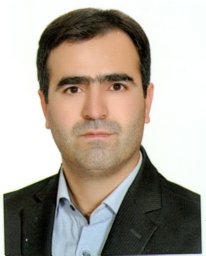 Nasrollah Ahmadifard合作论文数Faculty of Natural Resources and Marine Sciences, Tarbiat Modares University13
 Vahid Morshedi合作论文数Persian Gulf Research Institute, Persian Gulf University12
 Gilbert Van Stappen合作论文数12
 a irani合作论文数Artemia and Aquaculture Research Institute, Urmia University11
 Fatemeh Mohammad Jafari合作论文数Imam Khomeini Hosp Complex, Univ Tehran Med Sci11
 Patrick Sorgeloos合作论文数Department of Animal Sciences and Aquatic Ecology, Faculty of Bioscience Engineering, Ghent University11
 Reza B. Jalili合作论文数Department of Surgery, Faculty of Medicine, The University of British Columbia10
 Lynda Beladjal合作论文数Laboratory Ecologie Animale, Univ.S.T.H.B10
 Peter Bossier合作论文数Department of Animal Sciences and Aquatic Ecology, Faculty of Bioscience Engineering, Ghent University9G. Van Stappen合作论文数9Mahmoud Nafisi Bahabadi合作论文数9
 Ramin Manaffar合作论文数Artemia and Aquatic Animals Research Institute, Urmia University8
 Tukmechi Amir合作论文数8
 Morteza Yaghoubi合作论文数Aquaculture Res Ctr, IFSRI7
 Vahid Yavari合作论文数Dept Fisheries, Khorramshahr Univ Marine Sci & Technol6
 Shirin Hamedi合作论文数5Esmaeil Pagheh合作论文数5
 Ahmad Imani合作论文数5
 Reza Asgari合作论文数School of Physics;Institute for Research in Fundamental Sciences;School of Physics, Institute for Research in Fundamental Sciences5Johan Mertens合作论文数5
 Alicia Estevez合作论文数Centre d'Aqüicultura, IRTA5
 Mohammad Reza Gharibi合作论文数4N. Pormehr合作论文数4Maryam Azodi合作论文数Persian Gulf Research Institute, Persian Gulf University4Takavar Mohammadian合作论文数4
 Sirwe Ghaderpour合作论文数Dept Fisheries, Urmia Univ4Alireza Mirvaghefi合作论文数Fisheries, University of Tehran4
 Abolghasem Esmaeili Fereidouni合作论文数4
 Zakaria Vahabzadeh合作论文数Res Inst Hlth Dev, Kurdistan Univ Med Sci4Khosravi Sanaz合作论文数4
 Siyavash Soltanian合作论文数4
 Soheil Eagderi合作论文数Evolutionary Morphology of Vertebrates;Department of Biology;Ghent University;Department of Biology, Ghent University4Kourosh Sarvi合作论文数3Ahmad Ghasemi合作论文数Persian Gulf Research Center, Persian Gulf University3
 Ali Ahmadi合作论文数3Gholamreza Rafiee合作论文数3
 Asem Alireza合作论文数Institute of Evolution and Marine Biodiversity, Ocean University of China3
 Jamali Hadi合作论文数Department of Fisheries, Urmia University3
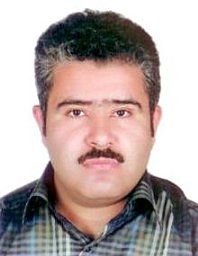 Safari Omid合作论文数3
 Rasoul Ghorbani合作论文数3
 Hadi Poorbagher合作论文数Faculty of Natural resources, The University of Tehran3
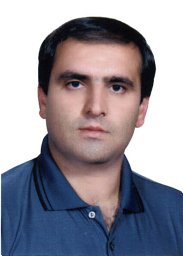 Saeed Hajirezaee合作论文数Faculty of Natural Resources, University of Tehran3Theodore J. Abatzopoulos合作论文数Department of Genetics, Development and Molecular Biology, Aristotle University of Thessaloniki3Saber Khodabandeh合作论文数3




