BACKGROUND:Canadian emergency staff have been dealing with record patient attendances, long wait times, bed blocking, and department overcrowding. We sought to report temporal trends in Canadian emergency physician burnout, and describe the impact of emergency medicine practice on physician well-being. METHODS:We undertook a longitudinal study on Canadian emergency physician wellness that enrolled participants in April 2020. Participants were invited to 3 follow-up surveys in November 2020, September 2022, and January 2025. The primary outcomes were emotional exhaustion, depersonalization, and personal accomplishment scores. We conducted a deductive qualitative thematic analysis of the 2025 survey free-text responses by applying the framework created with our 2022 survey, to identify interconnected themes explaining burnout causes, consequences, and mechanisms that physicians use to stay in the specialty. RESULTS:The response rate to the survey was 410/615 (67%) in January 2025, from respondents in all provinces or territories in Canada except Yukon and Nunavut. Of 410 participants, 41 (10%) had left the profession. Among those who remained in emergency medicine and completed the full survey, 69/351 (20%) had taken time off emergency medicine and 170/351 (48%) had reduced their clinical hours in emergency medicine. In total, 229/351 (65%) scored either high emotional exhaustion, high depersonalization, or both. Burnout levels in 2020, 2022, and 2025 remained unchanged. Respondents pointed to a broken health care system, unrealistic societal expectations, and insurmountable workplace challenges as reasons for burnout. The consequences were physician distress and leaving the profession. Mechanisms to continue in emergency medicine were reducing work hours, modifying work roles, and changing health care institutions. INTERPRETATION:Emergency physician burnout remains high, with almost half of respondents having reduced their work hours, and 10% having left the profession. Provincial, regional, and institutional health care leaders could reduce emergency physician burnout by following EM:POWER recommendations and instituting work models that facilitate reducing clinical hours and taking time away from emergency medicine when needed.
Older adults commonly present to the emergency department after a fall. Head imaging is frequently ordered for these patients. Occasionally, head imaging finds evidence of chronic stroke when there is no clinical history of stroke. The clinical implications of undiagnosed prior stroke are unknown. Our objective was to explore the association between undiagnosed prior stroke and short-term mortality after a fall. This was a secondary analysis of a prospective multicenter cohort study enrolling patients ≥ 65 years presenting to the emergency department after a fall. Patients were included if they had a head CT scan during their visit, and their vital status was known at 42 days. We used a logistic regression model to examine the relationship between previously undiagnosed prior stroke and death within 42 days. The model adjusted for age, sex, use of antiplatelet/anticoagulant medications, and Clinical Frailty Scale score. Among 4308 enrolled patients, 2698 had a head CT scan at the index visit, of whom 2307 were known to be alive or dead at 42 days. The median age was 84 (IQR 77–89) years, and 62
[This corrects the article DOI: 10.1371/journal.pdig.0000708.].
BACKGROUND:Access equity has been raised as a fundamental concern with virtual care, both as it was used during the SARS-CoV-2 pandemic as well as its future applications within health systems. These concerns have not yet been substantiated with quantifiable data. We conducted a comparison of healthcare utilization and access across all dimensions of the Ontario Marginalization Index between virtual care and in-person care in the province of Ontario. METHODS:We conducted a retrospective observational study using ICES databases in the Province of Ontario between March 14, 2020, and March 13,2022. We identified all virtual and in-person visits using billing codes. All visits were linked to their individual postal dissemination area for which there was census data from the Ontario Marginalization Index. Dissemination areas were divided, according to their categorization within each marginalization dimension, and visit rates were calculated for both populations. RESULTS:A total of 93,363,194 visits were included as part of the final analysis. Significant differences in virtual healthcare utilization were noted between the most and least marginalized populations within each dimension. This effect was not observed by visits for in-person care. The only exception was that racialized, and newcomer populations had higher virtual care utilization among the most marginalized. INTERPRETATION:This data is the first that uses a large retrospective dataset and seems to confirm concerns for access inequity among the most marginalized populations. These differences much be part of policy considerations for the future of virtual care use.
An evidence-based pathway for pulmonary embolism testing was implemented in two academic emergency departments as part of a prospective management study (the PEGeD study). This study aimed to identify factors associated with emergency physicians not following (deviating from) the PEGeD pulmonary embolism testing pathway. This was a health records review of cases from the PEGeD study which enrolled emergency patients with suspected pulmonary embolism. Emergency physicians documented the Wells score on hard-copy PEGeD pathway forms which guided the use of diagnostic imaging. Patient visits were classified as having pulmonary embolism testing adhering to or else deviating from the PEGeD pathway. Patient data were collected from electronic medical records. We calculated adjusted odds ratios (aORs) for prespecified predictors of deviation: patient age, patient sex, arrival day of week, arrival time of day, documented hypotension, higher Canadian Triage and Acuity Score (CTAS) allocation, active cancer, and a history of venous thromboembolism. The multivariable logistical regression analysis was clustered by individual physician. In total 1570 PEGeD forms were received, 78 were excluded and 1492 patients were included for analysis. The mean age was 55, 62
BACKGROUND:Studies on pulmonary embolism (PE) rule-out strategies traditionally recruited patients in the ED. This method is increasingly impractical given excessive pressures experienced in EDs. Attempting to reach patients after leaving the ED may be more feasible. The aim of this study was to assess the feasibility of recruiting and following patients for an ED PE testing study by telephone. METHODS:This was a prospective pilot study conducted in one ED and one urgent care centre in Ontario, Canada. Adult patients tested for PE using Adjust-Unlikely (a simple decision rule combining Gestalt with age-adjusted D-dimer) were called for consent after leaving the ED. Patients were followed for 90 days by medical record review plus telephone, text or email to identify subsequent venous thromboembolism testing. Venous thromboembolism events were independently adjudicated. Feasibility outcomes were recruitment rate, missed eligible rate and follow-up rate. Progression criteria were a recruitment rate of at least five participants per site, per week, a missed eligible rate of no more than two patients per site, per week, and a follow-up rate of at least 90% of enrolled patients. RESULTS:684 patients were tested for PE between 24 March and 10 June 2023. A total of 210 patients were excluded. From 474 eligible patients, 200 were recruited. Median age was 58 years, 72.2% were female, and 3.5% were diagnosed with PE on index visit. Median recruitment rate was 7 participants per site, per week (first-third quartile (Q1-Q3), 4-14) and median missed eligible rate was 6 patients per site, per week (Q1-Q3, 3-8). After 90 days, 2 participants withdrew and 191/198 (96.5%, 95% CI 92.9, 98.3%) were contacted in follow-up. 143/198 (72.2%, 95% CI 65.6, 78.0%) participants did not require pulmonary imaging because PE was excluded by Adjust-Unlikely. 1/143 (0.7%, 95% CI 0.1, 3.9%) of these participants was diagnosed with PE in the segmental pulmonary arteries during follow-up. CONCLUSIONS:Telephone recruitment did not meet predefined feasibility thresholds as the missed eligible rate was high. However, the recruitment rate was higher than in previous studies, and there was minimal loss to follow-up.
Our primary objective was to determine whether the yield of pulmonary embolism imaging in the emergency department (ED) is different for patients presenting with “chest pain with cardiac features” than with other complaints. The yield of imaging was defined as the proportion of imaging tests that were positive for pulmonary embolism. Secondary objectives were to estimate the prevalence of pulmonary embolism, the use of imaging, and the yield of imaging for each presenting complaint category. Our hypothesis was that the presenting complaint influences the physician’s threshold for requesting imaging. We performed an observational health records review study including all adult patient visits between 2018 and 2019 in three EDs in Hamilton (Ontario), Canada. The primary outcome was the diagnostic yield of imaging (computed tomography pulmonary angiogram or ventilation/perfusion scan). We performed a multivariable regression analysis using a generalized linear model, adjusting for confounders. During the study period, 518,787 patients were assessed and 6,700 received imaging for pulmonary embolism. Among the 29,834 triaged as having chest pain with cardiac features, 1,440 (4.8
OBJECTIVE:Physicians vary in their computed tomography (CT) scan usage. It remains unclear how physician gender relates to clinical practice or patient outcomes. The aim of this study was to assess the association between physician gender and decision to order head CT scans for older emergency patients who had fallen. METHODS:This was a secondary analysis of a prospective observational cohort study conducted in 11 hospital emergency departments (EDs) in Canada and the United States. The primary study enrolled patients who were 65 years and older who presented to the ED after a fall. The analysis evaluated treating physician gender adjusted for multiple clinical variables. Primary analysis used a hierarchical logistic regression model to evaluate the association between treating physician gender and the patient receiving a head CT scan. Secondary analysis reported the adjusted odds ratio (OR) for diagnosing intracranial bleeding by physician gender. RESULTS:There were 3663 patients and 256 physicians included in the primary analysis. In the adjusted analysis, women physicians were no more likely to order a head CT than men (OR 1.26, 95% confidence interval 0.98-1.61). In the secondary analysis of 2294 patients who received a head CT, physician gender was not associated with finding a clinically important intracranial bleed. CONCLUSIONS:There was no significant association between physician gender and ordering head CT scans for older emergency patients who had fallen. For patients where CT scans were ordered, there was no significant relationship between physician gender and the diagnosis of clinically important intracranial bleeding.
The population is aging and falls are a common reason for emergency department visits. Appropriate imaging in this population is important. The objectives of this study were to estimate the prevalence of cervical spine injury and identify factors associated with cervical spine injuries in adults ≥ 65 years after low-level falls. This was a pre-specified sub-study of a prospective observational cohort study of intracranial bleeding in emergency patients ≥ 65 years presenting after low-level falls. The primary outcome was cervical spine injury. The risk factors of interest were Glasgow coma scale (GCS) < 15, head injury, neck pain, age, and frailty defined as Clinical Frailty Scale ≥ 5. Multivariable logistic regression was used to measure the strength of association between risk factors and cervical spine injury. A descriptive analysis of absence of significant risk factors was performed to determine patients who may not require imaging. There were 4308 adults ≥ 65 who sustained low-level falls with mean age of 82.0 (standard deviation ± 8.8) years and 1538 (35.7
STUDY OBJECTIVE:Since Canada eased pandemic restrictions, emergency departments have experienced record levels of patient attendance, wait times, bed blocking, and crowding. The aim of this study was to report Canadian emergency physician burnout rates compared with the same physicians in 2020 and to describe how emergency medicine work has affected emergency physician well-being.METHODS:This longitudinal study on Canadian emergency physician wellness enrolled participants in April 2020. In September 2022, participants were invited to a follow-up survey consisting of the Maslach Burnout Inventory and an optional free-text explanation of their experience. The primary outcomes were emotional exhaustion and depersonalization levels, which were compared with the Maslach Burnout Inventory survey conducted at the end of 2020. A thematic analysis identified common stressors, challenges, emotions, and responses among participants.RESULTS:The response rate to the 2022 survey was 381 (62%) of 615 between September 28 and October 28, 2022, representing all provinces or territories in Canada (except Yukon). The median participant age was 42 years. In total, 49% were men, and 93% were staff physicians with a median of 12 years of work experience. 59% of respondents reported high emotional exhaustion, and 64% reported high depersonalization. Burnout levels in 2022 were significantly higher compared with 2020. Prevalent themes included a broken health care system, a lack of societal support, and systemic workplace challenges leading to physician distress and loss of physicians from the emergency workforce.CONCLUSION:We found very high burnout levels in emergency physician respondents that have increased since 2020.
Academic Emergency MedicineEarly View RESEARCH LETTER Eligibility for anticoagulation initiation in atrial fibrillation: Agreement between emergency physician and medical record review Darshana Seeburruth MD, Darshana Seeburruth MD Temerty Faculty of Medicine, University of Toronto, Toronto, Ontario, CanadaSearch for more papers by this authorX. Catherine Tong MD, X. Catherine Tong MD Department of Family Medicine, McMaster University, Kitchener-Waterloo, Ontario, CanadaSearch for more papers by this authorChristopher Kirwan MD, Christopher Kirwan MD Department of Family Medicine, Queen's University, Kingston, Ontario, CanadaSearch for more papers by this authorSophie Ramsden MD, Sophie Ramsden MD Division of Emergency Medicine, Department of Medicine, McMaster University, Hamilton, Ontario, CanadaSearch for more papers by this authorAqsa Kibria MBChB (c), Aqsa Kibria MBChB (c) Royal College of Surgeons in Ireland (RCSI), BahrainSearch for more papers by this authorJaimie Carter MD, Jaimie Carter MD Michael G. DeGroote School of Medicine, McMaster University, Hamilton, Ontario, CanadaSearch for more papers by this authorJohnny Huang MD, Johnny Huang MD Department of Family Medicine, McMaster University, Kitchener-Waterloo, Ontario, CanadaSearch for more papers by this authorRobyn McArthur BMSc, BScPhm, PharmD, Robyn McArthur BMSc, BScPhm, PharmD School of Pharmacy, University of Waterloo, Waterloo, Ontario, CanadaSearch for more papers by this authorNatasha Clayton CRA, Natasha Clayton CRA Emergency Department, Hamilton Health Sciences, Hamilton, Ontario, Canada Department of Emergency Medicine, Queen's University, Kingston, Ontario, CanadaSearch for more papers by this authorKerstin de Wit MBChB, MSc, MD, Corresponding Author Kerstin de Wit MBChB, MSc, MD [email protected] orcid.org/0000-0003-2763-6474 Division of Emergency Medicine, Department of Medicine, McMaster University, Hamilton, Ontario, Canada Department of Emergency Medicine, Queen's University, Kingston, Ontario, Canada Correspondence Kerstin de Wit, Division of Emergency Medicine, Department of Medicine, McMaster University, Victory 3, 76 Stuart St, Kingston, K7L 2V7, Hamilton, ON K7L 2V7, Canada. Email: [email protected]Search for more papers by this author Darshana Seeburruth MD, Darshana Seeburruth MD Temerty Faculty of Medicine, University of Toronto, Toronto, Ontario, CanadaSearch for more papers by this authorX. Catherine Tong MD, X. Catherine Tong MD Department of Family Medicine, McMaster University, Kitchener-Waterloo, Ontario, CanadaSearch for more papers by this authorChristopher Kirwan MD, Christopher Kirwan MD Department of Family Medicine, Queen's University, Kingston, Ontario, CanadaSearch for more papers by this authorSophie Ramsden MD, Sophie Ramsden MD Division of Emergency Medicine, Department of Medicine, McMaster University, Hamilton, Ontario, CanadaSearch for more papers by this authorAqsa Kibria MBChB (c), Aqsa Kibria MBChB (c) Royal College of Surgeons in Ireland (RCSI), BahrainSearch for more papers by this authorJaimie Carter MD, Jaimie Carter MD Michael G. DeGroote School of Medicine, McMaster University, Hamilton, Ontario, CanadaSearch for more papers by this authorJohnny Huang MD, Johnny Huang MD Department of Family Medicine, McMaster University, Kitchener-Waterloo, Ontario, CanadaSearch for more papers by this authorRobyn McArthur BMSc, BScPhm, PharmD, Robyn McArthur BMSc, BScPhm, PharmD School of Pharmacy, University of Waterloo, Waterloo, Ontario, CanadaSearch for more papers by this authorNatasha Clayton CRA, Natasha Clayton CRA Emergency Department, Hamilton Health Sciences, Hamilton, Ontario, Canada Department of Emergency Medicine, Queen's University, Kingston, Ontario, CanadaSearch for more papers by this authorKerstin de Wit MBChB, MSc, MD, Corresponding Author Kerstin de Wit MBChB, MSc, MD [email protected] orcid.org/0000-0003-2763-6474 Division of Emergency Medicine, Department of Medicine, McMaster University, Hamilton, Ontario, Canada Department of Emergency Medicine, Queen's University, Kingston, Ontario, Canada Correspondence Kerstin de Wit, Division of Emergency Medicine, Department of Medicine, McMaster University, Victory 3, 76 Stuart St, Kingston, K7L 2V7, Hamilton, ON K7L 2V7, Canada. Email: [email protected]Search for more papers by this author First published: 08 March 2024 https://doi.org/10.1111/acem.14889 Presented at the Canadian Association of Emergency Physicians Conference, Québec City, Québec, May 2022. Supervising Editor: Daniel Mark Courtney Read the full textAboutPDF ToolsRequest permissionExport citationAdd to favoritesTrack citation ShareShare Give accessShare full text accessShare full-text accessPlease review our Terms and Conditions of Use and check box below to share full-text version of article.I have read and accept the Wiley Online Library Terms and Conditions of UseShareable LinkUse the link below to share a full-text version of this article with your friends and colleagues. Learn more.Copy URL Share a linkShare onEmailFacebookTwitterLinkedInRedditWechat CONFLICT OF INTEREST STATEMENT This was a secondary analysis of an implementation study which was funded by a grant from Bayer HealthCare Pharmaceuticals Inc. (manufacturers of rivaroxaban). REFERENCES 1Chugh SS, Havmoeller R, Narayanan K, et al. Worldwide epidemiology of atrial fibrillation: a global burden of disease 2010 study. Circulation. 2014; 129(8): 837-847. doi:10.1161/circulationaha.113.005119 10.1161/CIRCULATIONAHA.113.005119 PubMedWeb of Science®Google Scholar 2Stiell IG, de Wit K, Scheuermeyer FX, et al. CAEP acute atrial fibrillation/flutter best practices checklist. Can J Emerg Med. 2021; 23(5): 604-610. doi:10.1007/s43678-021-00167-y 10.1007/s43678-021-00167-y Web of Science®Google Scholar 3Christopher K, Sophie R, Jaimee C, et al. Starting anticoagulation for atrial fibrillation in the emergency department safely. Emerg Med J. 2022; 39(11): 859-860. doi:10.1136/emermed-2022-212487 10.1136/emermed-2022-212487 Web of Science®Google Scholar 4Zarabi S, Chan TM, Mercuri M, et al. Physician choices in pulmonary embolism testing. CMAJ. 2021; 193(2): E38-e46. doi:10.1503/cmaj.201639 10.1503/cmaj.201639 PubMedWeb of Science®Google Scholar 5Parkash R, Magee K, McMullen M, et al. The Canadian community utilization of stroke prevention study in atrial fibrillation in the emergency department (C-CUSP ED). Ann Emerg Med. 2019; 73(4): 382-392. doi:10.1016/j.annemergmed.2018.09.001 10.1016/j.annemergmed.2018.09.001 PubMedWeb of Science®Google Scholar 6Barbic D, DeWitt C, Harris D, et al. Implementation of an emergency department atrial fibrillation and flutter pathway improves rates of appropriate anticoagulation, reduces length of stay and thirty-day revisit rates for congestive heart failure. CJEM. 2018; 20(3): 392-400. doi:10.1017/cem.2017.418 10.1017/cem.2017.418 PubMedGoogle Scholar 7Selvanayagam N, Mowbray F, Clayton N, et al. Reliability of patient-reported outcome measures: hemorrhage, anticoagulant, antiplatelet medication use. Res Pract Thromb Haemost. 2021; 5(4):e12501. doi:10.1002/rth2.12501 10.1002/rth2.12501 CASPubMedWeb of Science®Google Scholar 8Thacker EL, McKnight B, Psaty BM, et al. Atrial fibrillation and cognitive decline: a longitudinal cohort study. Neurology. 2013; 81(2): 119-125. doi:10.1212/WNL.0b013e31829a33d1 10.1212/WNL.0b013e31829a33d1 PubMedWeb of Science®Google Scholar 9Navar-Boggan AM, Rymer JA, Piccini JP, et al. Accuracy and validation of an automated electronic algorithm to identify patients with atrial fibrillation at risk for stroke. Am Heart J. 2015; 169(1): 39-44.e2. doi:10.1016/j.ahj.2014.09.014 10.1016/j.ahj.2014.09.014 PubMedWeb of Science®Google Scholar 10Aubrey EJ, Zameer A, Olesya I, et al. Discrepancies in automated, electronic medical record-based CHA2DS2-VASc scores and clinician assessment for atrial fibrillation patients. medRxiv. 2020:2020.12.23.20248775. doi:10.1101/2020.12.23.20248775 10.1101/2020.12.23.20248775 Google Scholar 11Perry WM, Hossain R, Taylor RA. Assessment of the feasibility of automated, real-time clinical decision support in the emergency department using electronic health record data. BMC Emerg Med. 2018; 18(1): 19. doi:10.1186/s12873-018-0170-9 10.1186/s12873-018-0170-9 PubMedGoogle Scholar Early ViewOnline Version of Record before inclusion in an issue ReferencesRelatedInformation
Study objectiveComputed tomography pulmonary angiogram (CTPA) is overused during pulmonary embolism (PE) testing in the emergency department (ED), whereas prediction rules and D-dimer are underused. We report the adherence, clinical benefit, and safety of a D-dimer-only strategy to guide need for PE imaging in the ED.MethodsThis was a prospective multicenter implementation study in 2 EDs with historical and external controls. Patients with suspected PE underwent D-dimer testing and imaging (CTPA or ventilation-perfusion scan) when D-dimer levels were 500 ng/mL or more. PE was ruled out if D-dimer was less than 500 ng/mL or with negative imaging. The primary implementation outcome was the proportion of patients tested for PE in adherence with the pathway. The primary clinical benefit outcome was the proportion of patients tested for PE who received pulmonary imaging. The primary safety outcome was diagnosis of PE in the 30 days following negative PE testing postimplementation.ResultsBetween January 2018 and June 2021, 16,155 patients were tested for PE, including 33.4% postimplementation, 30.7% preimplementation, and 35.9% in an external control site. Adherence with the D-dimer-only pathway was 97.6% (adjusted odds ratio (aOR) post- versus preimplementation 5.26 (95% confidence interval 1.70 to 16.26). There was no effect on the proportion undergoing PE imaging. Imaging yield increased aOR 4.89 (1.17 to 20.53). Two cases of PE (0.04%; 0.01% to 0.16%) were diagnosed within 30 days.ConclusionIn this Canadian ED study, the uptake of a D-dimer-only PE testing strategy was high. Implementation was associated with higher imaging yield and a D-dimer level of less than 500 ng/mL safely excluded PE.
BACKGROUND:The pandemic has upended much clinical care, irrevocably changing our health systems and thrusting emergency physicians into a time of great uncertainty and change. This study is a follow-up to a survey that examined the early pandemic experience among Canadian emergency physicians and aimed to qualitatively describe the experiences of these physicians during the global pandemic. The study was conducted at a time when Canadian COVID-19 case numbers were low.METHODS:The investigators engaged in an interview-based study that used an interpretive description analytic technique, sensitised by the principles of phenomenology. One-to-one interviews were conducted, transcribed and then analysed to establish a codebook, which was subsequently grouped into key themes. Results underwent source triangulation (with survey data from a similar period) and investigator-driven audit trail analysis.RESULTS:A total of 16 interviews (11 female, 5 male) were conducted between May and September 2020. The isolated themes on emergency physicians' experiences during the early pandemic included: (1) disruption and loss of emergency department shift work; (2) stress of COVID-19 uncertainty and information bombardment; (3) increased team bonding; (4) greater personal life stress; (5) concern for patients' isolation, miscommunication and disconnection from care; (6) emotional distress.CONCLUSIONS:Canadian emergency physicians experienced emotional and psychological distress during the early COVID-19 pandemic, at a time when COVID-19 prevalence was low. This study's findings could guide future interventions to protect emergency physicians against pandemic-related distress.
Background and importanceThe Canadian Association of Emergency Physicians atrial fibrillation (AF) checklist advises that emergency physicians initiate anticoagulation therapy for patients with AF or flutter who are CHADS65 positive.ObjectivesThe aim was to compare anticoagulation initiation rates between patients treated with and without an anticoagulation assessment pathway (the SAFE pathway).DesignThis was a retrospective cohort study.Settings and participantsAll emergency department patients were discharged home with a diagnosis of AF between June 2018 and May 2020 at two Canadian emergency departments.InterventionThe SAFE pathway is a hard copy form which allows emergency physicians to document contraindications to anticoagulation, the positive components of the CHADS65 score, and details how to prescribe anticoagulation.Outcome measures and analysisTrained researchers abstracted data on the use of the SAFE pathway by the presence or absence of the completed, scanned pathway in the electronic medical chart. The exposure of interest was use of this pathway. Patients were followed forward in time for 90 days by electronic medical record review to document stroke, transient ischemic attack, arterial embolism and major bleeding events. All events were independently adjudicated. Adjusted odds ratios were calculated to compare outcomes between those managed with and without the SAFE pathway.ResultsIn total, 766 patients were included, of whom 264 were already taking anticoagulation, 166 were CHADS65 negative and 65 had a contraindication to anticoagulation, leaving 271 patients eligible for anticoagulation prescription. Among the 271 eligible patients, 137/166 managed with the SAFE pathway were initiated on anticoagulation and 24/105 managed without the SAFE pathway started anticoagulation (adjusted odds ratio 25.9; 13.1-51.2). There was no statistically significant difference in the 90-day rate of stroke or bleeding.ConclusionUse of the SAFE pathway was associated with a higher rate of anticoagulation prescription.
In 2020, almost overnight, the paradigm for healthcare interactions changed in Ontario. To limit person-to-person transmission of COVID-19, the norm of in-person interactions shifted to virtual care. While this shift was part of broader public health measures and an acknowledgment of patient and societal concerns, it also represented a change in care modalities that had the potential to affect the quality of care provided, as well as short- and long-term patient outcomes. While public policy decisions were being made to moderate the use of virtual care at the end of the declared pandemic, a thorough analysis of short-term patient outcomes was needed to quantify the impact of virtual care on the population of Ontario.
Study objective: We prospectively assessed the diagnostic accuracy of YEARS and a modified age-adjusted clinical decision rule ("Adjust-Unlikely") for pulmonary embolism (PE) testing in the emergency department. Methods: This study was conducted in tertiary care Canadian emergency departments. When the D-dimer was <500 ng/ml, PE was excluded. Pulmonary imaging for PE was performed when the D-dimer was >= 500 ng/ml. Patients were followed for 30 days, and PE outcomes were independently adjudicated. Physicians systematically recorded the presence or absence of YEARS items (PE most likely, hemoptysis, signs of deep venous thrombosis) prior to D-dimer testing and imaging. We analyzed the diagnostic accuracy of YEARS and the "Adjust-Unlikely" rule. Age adjustment (age x 10 in those >50 years old) was applied in patients where PE was not the most likely diagnosis and 500 ng/ml threshold when PE was most likely. Results: One thousand seven hundred three patients were included, median age 62 (50, 74), 58% female, PE prevalence 8.0%. YEARS sensitivity for PE diagnosis was 92.6% (87.0, 96.0%) and specificity 45.0% (42.5, 47.5%). Adjust-Unlikely sensitivity was 100.0% (97.2, 100.0%) and specificity 32.4% (30.1, 34.8%). Posttest probability of PE in the group of patients with PE excluded by D-dimer between 500 ng/ml and the adjusted limit was 2.8% (1.6, 5.1%) for YEARS and 0.0% (0.0, 2.6%) for the "Adjust-Unlikely" rule. Conclusion: The "Adjust-Unlikely" rule would modestly reduce imaging and identify all cases of PE. YEARS would substantially reduce imaging but miss 1 in 14 cases of PE.
Background:Ground-level falls are common among older adults and are the most frequent cause of traumatic intracranial bleeding. The aim of this study was to derive a clinical decision rule that safely excludes clinically important intracranial bleeding in older adults who present to the emergency department after a fall, without the need for a computed tomography (CT) scan of the head.Methods:This prospective cohort study in 11 emergency departments in Canada and the United States enrolled patients aged 65 years or older who presented after falling from standing on level ground, off a chair or toilet seat, or out of bed. We collected data on 17 potential predictor variables. The primary outcome was the diagnosis of clinically important intracranial bleeding within 42 days of the index emergency department visit. An independent adjudication committee, blinded to baseline data, determined the primary outcome. We derived a clinical decision rule using logistic regression.Results:The cohort included 4308 participants, with a median age of 83 years; 2770 (64%) were female, 1119 (26%) took anticoagulant medication and 1567 (36%) took antiplatelet medication. Of the participants, 139 (3.2%) received a diagnosis of clinically important intracranial bleeding. We developed a decision rule indicating that no head CT is required if there is no history of head injury on falling; no amnesia of the fall; no new abnormality on neurologic examination; and the Clinical Frailty Scale score is less than 5. Rule sensitivity was 98.6% (95% confidence interval [CI] 94.9%-99.6%), specificity was 20.3% (95% CI 19.1%-21.5%) and negative predictive value was 99.8% (95% CI 99.2%-99.9%).Interpretation:We derived a Falls Decision Rule, which requires external validation, followed by clinical impact assessment. Trial registration: ClinicalTrials. gov, no. NCT03745755.
This suggests that our new pathway for initiating anticoagulation in ED patients discharged with a diagnosis of AF is safe and effective. The pathway was a low- tech intervention, which we believe could be implemented in other EDs. We do not have a comparison group, so we cannot compare these clinical outcomes with those with standard care or alterna-tive pathways. In conclusion, our simple pathway facilitated anticoagulation initi-ation for ED patients with AF at risk of stroke, with a low adverse event rate at 90 days.
Serial high-sensitivity cardiac troponin (hsTn) testing in the emergency department (ED) and the intensive cardiac care unit may assist physicians in ruling out or ruling in acute myocardial infarction (MI). There are three major algorithms proposed for high-sensitivity cardiac troponin I (hsTnI) using serial measurements while incorporating absolute concentration changes for MI or death following ED presentation. We sought to determine the diagnostic estimates of these three algorithms and if one was superior in two different Canadian ED patient cohorts with serial hsTnI measurements. An undifferentiated ED population (Cohort-1) and an ED population with symptoms suggestive of acute coronary syndrome (ACS; Cohort-2) were clinically managed with non-hsTn testing with the hsTnI testing performed in real-time with physicians blinded to these results (i.e., hsTnI not reported). The three algorithms evaluated were the European Society of Cardiology (ESC), the High-STEACS pathway, and the COMPASS-MI algorithm. The diagnostic estimates were derived for each algorithm for the 30-day MI/death outcome for the rule-out and rule-in arm in each cohort and compared to proposed diagnostic benchmarks (i.e., sensitivity ≥ 99.0% and specificity ≥ 90.0%) with 95% confidence intervals (CI). In Cohort-1 (n = 2966 patients, 15.3% had outcome) and Cohort-2 (n = 935 patients, 15.6% had outcome), the algorithm that obtained the highest sensitivity (97.8%; 95% CI: 96.0–98.9 and 98.6%; 95% CI: 95.1–99.8, respectively) in both cohorts was COMPASS-MI. Only Cohort-2 with both the ESC and COMPASS-MI algorithms exceeded the specificity benchmark (97.0%; 95% CI: 95.5–98.0 and 96.7%; 95% CI: 95.2–97.8, respectively). Patient selection for serial hsTnI testing will affect specificity estimates, with no algorithm achieving a sensitivity ≥ 99% for 30-day MI or death.
Background: Most antithrombotic medication users are older adults. Patient-reported outcome measures are commonly used in clinical research on antithrombotic medication, such as the diagnosis of intracranial hemorrhage.Objectives: To determine the reliability of patient-reported intracranial hemorrhage, anticoagulant and platelet aggregation inhibitor use in the older adult population.Patients/Methods: We conducted a secondary analysis of a prospective, observational cohort study of older adults who presented to the emergency department with a fall. The primary outcome was diagnosis of intracranial bleeding. We compared patient-reported intracranial bleeding to structured chart review with adjudication. We also compared patient-reported use of antiplatelet and anticoagulant medication to physician-reported medication use supplemented with structured chart review. We calculated the diagnostic accuracy of the patient-reported outcomes using our comparators as the reference standard.Results: Exact agreement for patient-reported intracranial bleeds was 95%, with a Cohen's kappa of 0.30 (95% confidence interval [CI], 0.15-0.45). The sensitivity was 36.7% (95% CI, 20.6%-56.1%) and specificity 97.2% (95% CI, 95.8%-98.1%). For anticoagulant medication use, exact agreement was 87%, Cohen's kappa 0.66 (95% CI, 0.63-0.72), sensitivity 84.0% (95% CI, 79.3%-83.8%), and specificity 87.6% (95% CI, 85.1%-89.7%). For antiplatelet medication use, exact agreement was 77%, Cohen's kappa 0.50 (95% CI, 0.44- -0.55), sensitivity 68.7% (95% CI, 64.0%-73.1%), and specificity 81.2% (95% CI, 78.0-83.8%).Conclusions: Patient-reported outcome and exposure data were unreliable in this study. Our findings have a bearing on future research study design.
 Kerstin de Wit合作论文数Dept Emergency Med, Queens Univ19
 Andrew Worster合作论文数19Jean-Eric Tarride合作论文数Department of Clinical Epidemiology and Biostatistics, McMaster University13
 Parminder Raina合作论文数Department of Health Research Methods, Evidence, and Impact, McMaster University13Peter A. Kavsak合作论文数13
 Mark Oremus合作论文数McMaster University13
 Matthew J. McQueen合作论文数Department of Pathology and Molecular Medicine, Faculty of Health Sciences, McMaster University12
 Stephen A. Hill合作论文数Department of Pathology and Molecular Medicine, McMaster University12
 Jinhui Ma合作论文数McMaster University11
 Philip Devereaux合作论文数Michael G. DeGroote Institute for Pain Research and Care, Faculty of Health Sciences, McMaster University;Division of Cardiology, McMaster University10
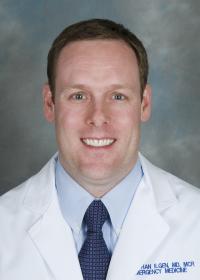 Jonathan Ilgen合作论文数Department of Emergency Medicine, University of Washington;Department of Biomedical Informatics and Medical Education, University of Washington;Medical Center, Faculty Development and Education, University of Washington;Emergency Departments, Harborview Medical Center, Faculty Development and Education, University of Washington10
 Shamir Mehta合作论文数Faculty of Health Sciences, McMaster University;Hamilton Health Sciences;Population Health Research Institute in Hamilton10Shortt Colleen合作论文数9
 Mathew Mercuri合作论文数Health Research Methodology, McMaster University9
 Shawn Mondoux合作论文数Department Medicine, McMaster University8
 Lauren Griffith合作论文数Department of Clinical Epidemiology and Biostatistics, Faculty of Health Sciences, McMaster University;McMaster Institute for Research on Aging, McMaster University;Canadian Longitudinal Study on Aging8
 McLeod Shelley合作论文数Schwartz Reisman Emergency Med Inst7
 C. Varner合作论文数Department of Family and Community Medicine, University of Toronto in Ontario7
 Sameer Parpia合作论文数Ontario Clinical Oncology Group, McMaster University7
 Germini Federico合作论文数Internal and Cardiovascular Medicine - Stroke Unit, University of Perugia6Kyathanahalli S. Janardhan合作论文数6Willie Cunningham合作论文数5
 Lihua Lai (来利华)合作论文数Department of Pharmacology, School of Basic Medical Sciences, Zhejiang University;School of Medicine, Zhejiang University5
 Alexandra Papaioannou合作论文数5
 Rebecca Jeanmonod合作论文数5
 Ian Stiell合作论文数Department of Emergency Medicine, University of Ottawa;Clinical Epidemiology Unit, Ottawa Hospital Research Institute, University of Ottawa5Madenspacher Jennifer H合作论文数5
 Ashkan Shoamanesh合作论文数Dept Med Neurol, McMaster Univ5
 David Barbic合作论文数Department of Emergency Medicine, Sunnybrook Health Sciences Centre5
 Morris Judy合作论文数5Azzam Kathleen M合作论文数5
 Mercier Eric合作论文数Centre de Recherche du Centre Hospitalier Universitaire de Québec, Université Laval5
 Marcel Emond合作论文数Département de médecine familial, Université Laval5Debra Eagles合作论文数5Michael B. Fessler合作论文数5Grace E. Kissling合作论文数5
 Sunjay Sharma合作论文数Division of Neurosurgery, McMaster University5Fayad Al-Haimus合作论文数4Engels Paul T合作论文数4
 Yoan K. Kagoma合作论文数Applied Science and Engineering, University of Toronto4Sophie Ramsden合作论文数3Christopher Kirwan合作论文数3Ronald A. Herbert合作论文数3Caroline Gerin-Lajoie合作论文数3
 Frank Battaglia合作论文数3Norris Flagler合作论文数3
 Alim Pardhan合作论文数McMaster University3
 Eleanor Pullenayegum合作论文数Biostatistics Division, Dalla Lana School of Public Health, University of Toronto3
 Keerat Grewal合作论文数Schwartz/Reisman Emergency Medicine Institute, Temerty Faculty of Medicine, University of Toronto;Mount Sinai Hospital3




