Introduction Health Systems Science (HSS) teaches students critical skills to navigate complex health systems, yet medical schools often find it difficult to integrate into their curriculum due to limited time and student disinterest. Co-developing content with students and teaching through appropriate experiential learning can improve student engagement in HSS coursework. Methods Medical students and faculty co-developed a patient outreach initiative during the early phases of the COVID-19 pandemic and integrated that experience into a new experiential HSS elective beginning May 2020. Students called patients identified as high-risk for adverse health outcomes and followed a script to connect patients to healthcare and social services. Subsequently, this initiative was integrated into the required third-year primary care clerkship. Results A total of 255 students participated in HSS experiential learning through the elective and clerkship from May 2020 through July 2021. Students reached 3,212 patients, encountering a breadth of medical, social, and health systems issues; navigated the EMR; engaged interdisciplinary professionals; and proposed opportunities for health systems improvement. Discussion and conclusion This educational intervention demonstrated the opportunity to partner with student-led initiatives, coproducing meaningful educational experiences for the learners within the confines of a busy medical curriculum.
The explosion of medical information demands a thorough reconsideration of medical education, including what we teach and assess, how we educate, and whom we educate. Physicians of the future will need to be self-aware, self-directed, resource-effective team players who can synthesize and apply summarized information and communicate clearly. Training in metacognition, data science, informatics, and artificial intelligence is needed. Education programs must shift focus from content delivery to providing students explicit scaffolding for future learning, such as the Master Adaptive Learner model. Additionally, educators should leverage informatics to improve the process of education and foster individualized, precision education. Finally, attributes of the successful physician of the future should inform adjustments in recruitment and admissions processes. This paper explores how member schools of the American Medical Association Accelerating Change in Medical Education Consortium adjusted all aspects of educational programming in acknowledgment of the rapid expansion of information.
BACKGROUND:Crisis plans for healthcare organisations most often focus on operational needs including staffing, supplies and physical plant needs. Less attention is focused on how leaders can support and encourage individual clinical team members to conduct themselves as professionals during a crisis.METHODS:This qualitative study analysed observations from 79 leaders at 160 hospitals that participate in two national professionalism programmes who shared their observations in focus group discussions about what they believed were the essential elements of leading and addressing professional accountability during a crisis.RESULTS:Analysis of focus group responses identified six leadership practices adopted by healthcare organisations, which were felt to be essential for organisations to navigate the crisis successfully. Unique aspects of maintaining professionalism during each phase of the pandemic were identified and described.CONCLUSIONS:Leaders need a plan to support an organiation's pursuit of professionalism during a crisis. Leaders participating in this study identified practices that should be carefully woven into efforts to support the ongoing safety and quality of the care delivered by healthcare organisations before, during and after a crisis. The lessons learnt from the COVID-19 pandemic may be useful during subsequent crises and challenges that a healthcare organisation might experience.
Abstract Background In the outpatient setting, the majority of antibiotic prescriptions are for acute respiratory infections (ARIs), but most of these infections are viral and antibiotics are unnecessary. We analyzed provider-specific antibiotic prescribing in a group of outpatient clinics affiliated with an academic medical center to inform future interventions to minimize unnecessary antibiotic use. Methods We conducted a cross-sectional study of patients who presented with an ARI to any of 15 The Emory Clinic (TEC) primary care clinic sites between October 2015 and September 2017. We performed multivariable logistic regression analysis to examine the impact of patient, provider, and clinic characteristics on antibiotic prescribing. We also compared provider-specific prescribing rates within and between clinic sites. Results A total of 53.4% of the 9600 patient encounters with a diagnosis of ARI resulted in an antibiotic prescription. The odds of an encounter resulting in an antibiotic prescription were independently associated with patient characteristics of white race (adjusted odds ratio [aOR] = 1.59; 95% confidence interval [CI], 1.47–1.73), older age (aOR = 1.32, 95% CI = 1.20–1.46 for patients 51 to 64 years; aOR = 1.32, 95% CI = 1.20–1.46 for patients ≥65 years), and comorbid condition presence (aOR = 1.19; 95% CI, 1.09–1.30). Of the 109 providers, 13 (12%) had a rate significantly higher than predicted by modeling. Conclusions Antibiotic prescribing for ARIs within TEC outpatient settings is higher than expected based on prescribing guidelines, with substantial variation in prescribing rates by site and provider. These data lay the foundation for quality improvement interventions to reduce unnecessary antibiotic prescribing.
IMPORTANCE Unsolicited patient observations are associated with risk of medical malpractice claims. Because lawsuits may be triggered by an unexpected adverse outcome superimposed on a strained patient-physician relationship, a question remains as to whether behaviors that generate patient dissatisfaction might also contribute to the genesis of adverse outcomes themselves. OBJECTIVE To examine whether patients of surgeons with a history of higher numbers of unsolicited patient observations are at greater risk for postoperative complications than patients whose surgeons generate fewer such unsolicited patient observations. DESIGN, SETTING, AND PARTICIPANTS This retrospective cohort study used data from 7 academic medical centers participating in the National Surgical Quality Improvement Program and the Vanderbilt Patient Advocacy Reporting System from January 1, 2011, to December 31, 2013. Patients older than 18 years included in the National Surgical Quality Improvement Program who underwent inpatient or outpatient operations at 1 of the participating sites during the study period were included. Patients were excluded if the attending surgeon had less than 24 months of data in the Vanderbilt Patient Advocacy Reporting System preceding the date of the operation. Data analysis was conducted from June 1, 2015, to October 20, 2016. EXPOSURES Unsolicited patient observations for the patient's surgeon in the 24 months preceding the date of the operation. MAIN OUTCOMES AND MEASURES Postoperative surgical or medical complications as defined by the National Surgical Quality Improvement Program within 30 days of the operation of interest. RESULTS Among the 32 125 patients in the cohort (13 230 men, 18 895 women; mean [SD] age, 55.8 [15.8] years), 3501 (10.9%) experienced a complication, including 1754 (5.5%) surgical and 2422 (7.5%) medical complications. Prior unsolicited patient observations for a surgeon were significantly associated with the risk of a patient having any complication (odds ratio, 1.0063; 95% CI, 1.0004-1.0123; P = .03), any surgical complication (odds ratio, 1.0104; 95% CI, 1.0022-1.0186; P = .01), any medical complication (odds ratio, 1.0079; 95% CI, 1.0009-1.0148; P = .03), and being readmitted (odds ratio, 1.0088, 95% CI, 1.0024-1.0151; P = .007). The adjusted rate of complications was 13.9% higher for patients whose surgeon was in the highest quartile of unsolicited patient observations compared with patients whose surgeon was in the lowest quartile. CONCLUSIONS AND RELEVANCE Patients whose surgeons have large numbers of unsolicited patient observations in the 24 months prior to the patient's operation are at increased risk of surgical and medical complications. Efforts to promote patient safety and address risk of malpractice claims should continue to focus on surgeons' ability to communicate respectfully and effectively with patients and other medical professionals.
Background: A unique two-pronged QI training program was developed at Emory Healthcare (Atlanta), which encompasses five hospitals and a multispecialty physician practice. One two-day program, Leadership for Healthcare Improvement, is offered to leadership, and a four-month program, Practical Methods for Healthcare Improvement, is offered to frontline staff and middle managers.Knowledge Assessment: Participants in the leadership program completed self-assessments of QI competencies and pre- and postcourse QI knowledge tests. Semi structured interviews with selected participants in the practical methods program were performed to assess QI project sustainability and short-term outcomes.Results: More than 600 employees completed one of the training programs in 2008 and 2009. Leadership course participants significantly improved knowledge in all content areas, and self-assessments revealed high comfort levels with QI principles following the training. All practical methods participants were able to initiate and implement QI projects. Participants described significant challenges with team functionality, but a majority of the QI projects made progress toward achieving their aim statement goals. A review of completed projects shows that a significant number were sustained up to one year after program completion. Quality leaders continue to modify the program based on learner feedback and institutional goals.Conclusions: This initiative shows the feasibility of implementing a broad-based in-house QI training program for multidisciplinary staff across an integrated health system. Initial assessment shows knowledge improvements and successful QI project implementations, with many projects active up to one year following the courses.
 Alyssa R Greenhouse合作论文数2Maura George合作论文数2
 Joseph Hopkins合作论文数Medicine Department, Stanford University2
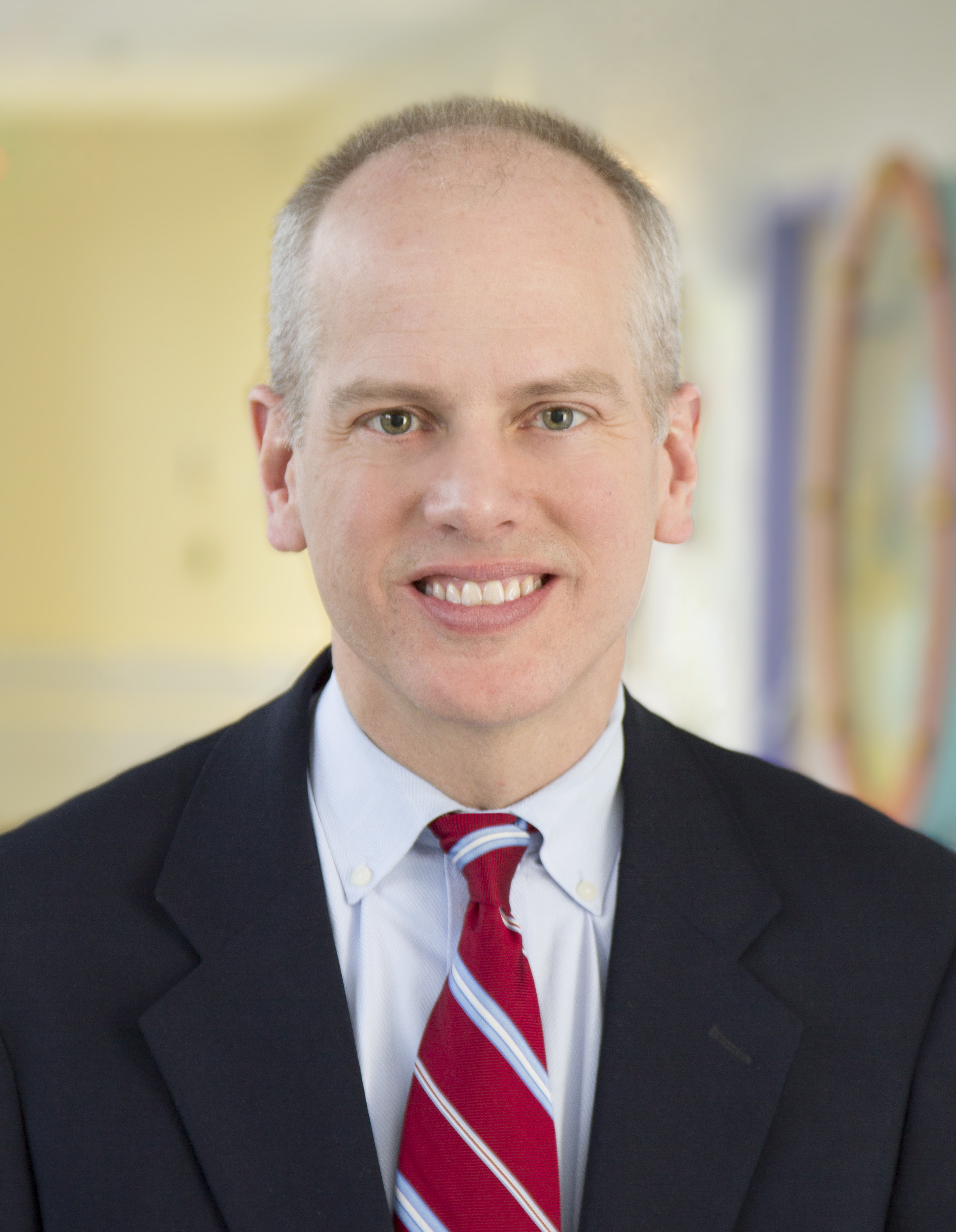 William Cooper合作论文数Department of Health Policy, Vanderbilt University Medical Center;Center for Patient and Professional Advocacy, Vanderbilt University Medical Center;Department of Pediatrics, Vanderbilt University Medical Center2
 Gerald B. Hickson合作论文数Division of General Pediatrics, Vanderbilt University Medical Center2John F. Sweeney合作论文数1Cynthia A Baldwin合作论文数1Cinnamon D Bradley合作论文数1
 Lynn E Webb合作论文数1Cinnamon Bradley合作论文数1Bradley L Allen合作论文数1susan s kohler合作论文数1sophia s h jung合作论文数1Sallie Owens合作论文数1Daniel M Feinberg合作论文数1Rebecca S Goldstein合作论文数1Mary Elizabeth Sexton合作论文数1David Willens合作论文数1Rebecca Goldstein合作论文数1
 Roger R. Dmochowski合作论文数Vanderbilt Section of Surgical Sciences, Vanderbilt University Medical Center;Department of Urology, Vanderbilt University Medical Center1
 Kimberly J Rask合作论文数Alliant Health1Guillamondegui Oscar D合作论文数1Kelz Rachel R合作论文数Dept Surg, Univ Penn1
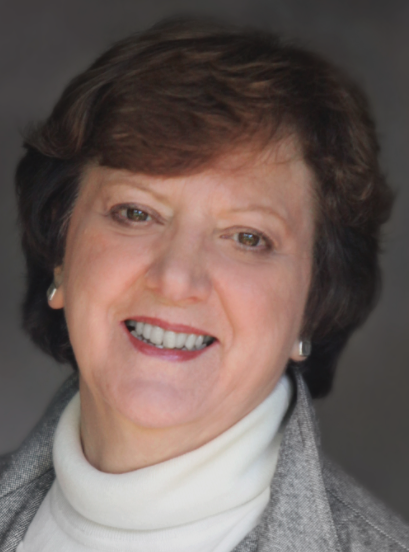 Nancy M. Lorenzi合作论文数Department of Biomedical Informatics, Vanderbilt University1Lomis Kimberly D合作论文数1
 Cutrer William B合作论文数Department of Pediatrics, Vanderbilt University School of Medicine1Moore Ilene N合作论文数1O'Sullivan Patricia S合作论文数1Catron Thomas F合作论文数1
 Jennifer O Spicer合作论文数1
 Scott Fridkin合作论文数Emory Antibiotic Resistance Center, Emory University School of Medicine1
 Richard Gitomer合作论文数1
 Domenico Henry J合作论文数1
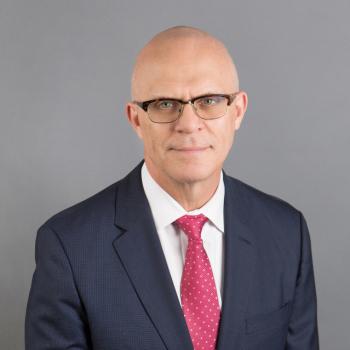 David A. Spain合作论文数Stanford University1Heather Davidson合作论文数1
 J. Wayne Meredith合作论文数Department of Surgery, School of Medicine, Wake Forest University1
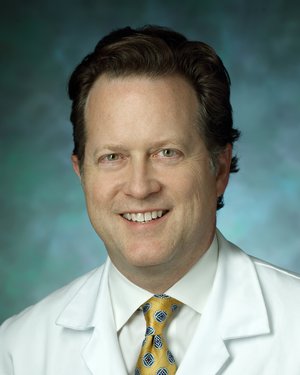 Charles Scott Hultman合作论文数Department of Plastic and Reconstructive Surgery, School of Medicine, Johns Hopkins University;Bayview Burn Center, Johns Hopkins University1Sarah C. Blake合作论文数1
 Marc M. Triola合作论文数Educ Informat, NYU1Anderson Spickard合作论文数1
 O. Joe Hines合作论文数From the Department of Surgery, Charité–Medical School Berlin;School of Medicine (O.J.H., H.A.R.),, UCLA;School of Medicine, Charité–Medical School Berlin1
 Ira R Horowitz合作论文数1William Bornstein合作论文数1John L. Dalrymple合作论文数Davis Medical Center, University of California1Russell Howerton合作论文数1Jonathan N. Hawley合作论文数1James W. Pichert合作论文数1
 Perry Shen合作论文数School of Medicine, Wake Forest University1
 Steven D Culler合作论文数Rollins School of Public Health, Emory University1




