PURPOSE:Prediction models can contribute to disparities in care by performing unequally across demographic groups. While fairness-aware methods have been explored for binary outcomes, applications to survival analysis remain limited. This study compares two fairness-aware deep learning survival models to mitigate racial disparities in predicting survival after radical prostatectomy for prostate cancer. METHODS:We used the National Cancer Database to train deep Cox proportional hazards models for overall survival. Two fairness-aware approaches, Fair Deep Cox Proportional Hazards Model (Fair DCPH) and Group Distributionally Robust Optimization Deep Cox Proportional Hazards Model (GroupDRO DCPH), were compared against a standard Deep Cox model (Baseline). Model fairness was assessed via cross-group and within-group concordance indices (C-index). RESULTS:Among 418,968 included patients, 78.5% were White, with smaller proportions of Black (13.2%), Hispanic (4.5%), Asian (1.9%), and Other (2.0%) patients. The baseline DCPH model achieved a cross-group C-index of 0.699 for White patients but showed reduced performance for Black (0.678) and Hispanic (0.689) patients. Fairness-aware models improved cross-group C-indices; for Black patients, cross-group C-index increased to 0.692 (Fair DCPH) and 0.696 (GroupDRO DCPH); for Hispanic patients, to 0.693 and 0.697, respectively. Cross-group C-index also improved in the Asian subgroup, where the C-index rose from 0.696 (Baseline DCPH) to 0.702 (Fair DCPH) and 0.707 (GroupDRO DCPH), with minimal performance loss observed for White patients. CONCLUSION:We benchmark two fairness-aware survival models that address racial disparities in post-prostatectomy survival prediction. These methods can be extended to other time-to-event models to ensure equitable care supported by fair prediction models.
Purpose Achieving scalable and sustainable artificial intelligence (AI) solutions in healthcare requires pipelines that efficiently ingest accurate data. Although large language models (LLMs) have been shown to accurately extract information from radiology reports, further research is needed on optimizing this process to balance accuracy with computational efficiency. Methods After obtaining institutional review board approval, we conducted a retrospective analysis of 1140 radiology reports (600 in the test set) and evaluated strategies for extracting kidney tumor information. We compared a fully automated strategy (AI-Dependent) with a context-specific, human-guided (AI-Assisted) strategy that involved an initial stage of screening followed by targeted extraction for relevant reports. We compared GPT-4o with Llama-70B, and evaluated the impact of few-shot prompting. LLM strategies were benchmarked against regular expressions (REs). Outcomes included extraction completeness on four prespecified features, F1 score for each feature, and token usage. Results LLM-based extraction significantly outperformed RE. AI-Dependent GPT achieved the highest completeness (92%), followed by AI-Assisted GPT (90%), AI-Dependent Llama (89%), and AI-Assisted Llama (79%). Few-shot prompting did not improve performance across models. For individual features, F1 score varied with higher scores for presence of mass (0.840) and mass size (0.784) than for multiplicity (0.548) or cystic nature (0.609). Across all features, GPT consistently achieved higher F1 scores than Llama. The AI-Assisted approach reduced average input tokens by ~45% while maintaining comparable accuracy. Conclusions LLMs can accurately extract kidney tumor information from radiology reports and human-guided, context-driven preprocessing can be used to develop strategies that substantially improve efficiency without compromising accuracy.
PURPOSE:While tobacco use has been associated with postoperative surgical complications, its specific impact on postoperative outcomes following partial nephrectomy remains incompletely understood. Therefore, we aim to investigate the association between tobacco use and the incidence and severity of 90-day postoperative complications in patients who underwent partial nephrectomy. MATERIALS AND METHODS:A cross-sectional study was conducted using the Premier Healthcare Database (2010-2019). Our primary outcome was the occurrence of 90-day postoperative complications, classified according to the Dindo-Clavien system. Multinomial logistic regression, adjusted for confounders, estimated the association between tobacco use and the risk of postoperative complications, including 90-day mortality. Predicted probabilities of postoperative complications were calculated from the regression analysis. RESULTS:The study included 44,392 patients (median age 56.3; 66.1% males) who underwent elective partial nephrectomy. Among them, 16,048 (36.15%) were tobacco users. Tobacco users were generally younger, less frequently married, predominantly of white ethnicity, and had elevated Charlson Comorbidity Index scores as compared to nonusers. Multinomial logistic regression revealed that tobacco use was significantly associated with increased odds of 90-day postoperative minor complications (OR 1.19, 95% CI 1.14-1.24), major complications (OR 1.41, 95% CI 1.31-1.52), and mortality (OR 1.5, 95% CI 1.01-2.24). CONCLUSIONS:In our cohort, tobacco use significantly increased the risk of minor and major postoperative complications, as well as mortality, in patients undergoing partial nephrectomy. These findings emphasize the importance of tailored preoperative smoking cessation programs to mitigate these risks.
BACKGROUND:Access to prostate MRI remains limited due to resource constraints and the need for expert interpretation. PURPOSE:To develop machine learning (ML) models that enable risk-based triage for prostate MRI (ProMT-ML) in the evaluation of prostate cancer. STUDY TYPE:Retrospective and prospective. POPULATION:A total of 11,879 retrospective MRI scans for suspected prostate cancer from a multi-hospital health system, divided into training (N = 9504) and test (N = 2375) sets. A total of 4551 records for prospective validation. FIELD STRENGTH/SEQUENCE:1.5T and 3T/Turbo-spin echo T2-weighted imaging (T2WI), diffusion-weighted imaging (DWI), and dynamic contrast-enhanced (DCE). ASSESSMENT:Prostate Imaging Reporting and Data System (PI-RADS) scores were retrieved from MRI reports. The Boruta algorithm was used to select final input features from candidate features. Two models were developed using supervised ML to estimate the likelihood of an abnormal MRI, defined as PI-RADS ≥ 3: Model A (with prostate volume) and Model B (without prostate volume). Models were compared to PSA. Prostate biopsy pathology was assessed to evaluate potential clinical impact. STATISTICAL TESTS:Area under the receiver operating characteristic curve (AUC) was the primary performance metric. RESULTS:A total of 5580 (46.9%) subjects had a PI-RADS score ≥ 3. After feature selection, Model A included age, PSA, body mass index, and prostate volume, while Model B included age, PSA, body mass index, and systolic blood pressure. Both models A (AUC 0.711) and B (AUC 0.616) significantly outperformed PSA (AUC 0.593). Compared to PSA threshold > 4 ng/mL, Model A demonstrated significantly improved specificity (28.3% vs. 21.9%) and no significant difference in sensitivity (89.0% vs. 86.7%). Among false negatives (Model A: 8.0% (62/776); Model B: 16.8% (130/776)), most (Model A: 87%; Model B: 69%) had benign or clinically insignificant disease on biopsy. On prospective validation, both versions of ProMT-ML significantly outperformed PSA. DATA CONCLUSION:ProMT-ML provides personalized risk estimates of abnormal prostate MRI and can support triage of this test. LEVEL OF EVIDENCE: 2: TECHNICAL EFFICACY:Stage 4.
Introduction Predictive models are increasingly being used as clinical decision-support tools for the diagnosis and risk stratification of prostate cancer patients. While machine learning and artificial intelligence methods have the potential to develop precise prediction models, recent research has shown that data-driven predictive models often retain systematic biases present in the underlying data and can propagate inequalities via their predictions. This issue is particularly concerning in prostate cancer, where algorithmic bias can exacerbate known existing disparities in care for vulnerable populations, including racial minorities. In this study, we examined the potential for racial bias in machine learning prediction models for prostate cancer survival and compared bias-mitigation strategies to reduce model bias. Methods We utilized the National Cancer Database (NCDB) to identify patients diagnosed with localized prostate cancer between 2004 and 2022. Demographic information, clinical data, and disease-specific factors were extracted for these patients. We categorized patients into National Institute of Health (NIH) subgroups: ‘Non-Hispanic White’, ‘Non-Hispanic Black’, ‘Hispanic’, and ‘Asian’. The dataset was divided into training and testing sets in a 70%/30% split based on these subgroups. A deep Cox proportional hazard model was trained to predict the risk of prostate cancer development. We evaluated model performance to predict death at 5 years in the overall test set and its subgroups based on NIH race categories. Model performance was evaluated in the test sets with balanced accuracy and C-index. The primary metric for assessing prediction disparity was the equalized odds ratio (eOR). We compared three bias mitigation techniques to encourage prediction parity: threshold optimizer, Fair Cox proportional hazard model, and distributionally robust (DRO) Cox proportional hazard model. Results We identified 361,883 patients that met the inclusion criteria, comprising 290,805 (80.3%) non-Hispanic white (NHW), 47,710 (13.2%) non-Hispanic black (NHB), 16,405 (4.5%) Hispanic, and 6,963 (2%) Asian patients. The deep Cox model had a balanced accuracy of 0.591 (95% CI 0.581-0.601) and an overall C-index of 0.667 (95% CI 0.653-0.681). This model performed best for Asian patients (balanced accuracy 0.616; 95% CI 0.584-0.648) and worst for NHW patients (C-index 0.0.588; 95% CI 0.0.580-0.0.597) ; the equalized odds ratio (eOR) of this model was 0.681 (95% CI 0.663-0.699) indicating a prediction disparity across racial and ethnic groups. Applying a threshold optimizer significantly (p-value < 10-5) improved the eOR to 0.797 (95% CI 0.779-0.815) with a balanced accuracy of 0.597 (95% CI 0.582-0.612), indicating no loss in predictive performance. Detailed results are illustrated in Figure 1. The fair Cox proportional hazard model achieved a balanced accuracy of 0.611 (95% CI 0.606-0.616) and an eOR of 0.798 (95% CI 0.771-0.823), while the DRO CoxPH model demonstrated a balanced accuracy of 0.629 (95% CI 0.624-0.634) and an eOR of 0.799 (95% CI 0.779-0.815). Conclusions We developed machine learning models to predict prostate cancer survival and observed that a naïve model exhibited prediction disparities, with certain racial groups experiencing inferior performance compared to others. By applying bias mitigation techniques, we were able to reduce these disparities and achieve improved prediction parity without compromising overall performance. Our study underscores the importance of examining prediction disparities in risk models and employing bias mitigation strategies to enhance model equity in healthcare applications.
PURPOSEPartial nephrectomy has been advocated as the preferred surgical approach for small kidney tumors over total nephrectomy. However, partial nephrectomy is associated with increased perioperative risk. Estimating renal function after nephrectomy can facilitate personalized patient counseling, guide surgical approach, and identify patients who could benefit from perioperative interventions. Existing prediction models have several limitations including the lack of external validation or a user-friendly tool or application, and most have used traditional statistical methods.METHODSWe used data from two academic medical institutions and machine learning (ML) methods to develop and externally validate renal function after nephrectomy-machine learning (RFAN-ML), a model to estimate long-term renal function after partial or total nephrectomy. Boruta feature selection was used to select four routinely available clinical features, specifically age, BMI, preoperative renal function, and nephrectomy type. In the training set of 1,932 patients, we compared six ML regression models representing a set of both ensemble and nonensemble ML algorithms and optimized for root mean squared error (RMSE). This model was evaluated in a test set of 1,995 patients, and the best performing model was selected as RFAN-ML.RESULTSWe compared RFAN-ML with existing renal function prediction benchmarks and found that RFAN-ML outperformed or had competitive performance with benchmarks on RMSE (16.6 [95% CI, 15.6 to 17.5]), R2, and mean absolute error.CONCLUSIONWe developed and externally validated RFAN-ML, a ML model to predict renal function after nephrectomy, and have deployed our model online. RFAN-ML has the potential to improve the care and outcomes in patients with kidney tumors by informing personalized patient counseling and guiding surgical planning.
The primary practice of healthcare artificial intelligence (AI) starts with model development, often using state-of-the-art AI, retrospectively evaluated using metrics lifted from the AI literature like AUROC and DICE score. However, good performance on these metrics may not translate to improved clinical outcomes. Instead, we argue for a better development pipeline constructed by working backward from the end goal of positively impacting clinically relevant outcomes using AI, leading to considerations of causality in model development and validation, and subsequently a better development pipeline. Healthcare AI should be "actionable," and the change in actions induced by AI should improve outcomes. Quantifying the effect of changes in actions on outcomes is causal inference. The development, evaluation, and validation of healthcare AI should therefore account for the causal effect of intervening with the AI on clinically relevant outcomes. Using a causal lens, we make recommendations for key stakeholders at various stages of the healthcare AI pipeline. Our recommendations aim to increase the positive impact of AI on clinical outcomes.
Background:Accurate prediction of postoperative metastasis and mortality risks in patients undergoing lower-limb oncological resection and endoprosthetic reconstruction is essential for guiding adjuvant therapies and managing patient expectations. Current prediction methods are limited by variability in patient-specific factors. This study aims to develop and internally validate explainable machine learning (ML) models to predict the 1-year risk of new distant metastases and mortality in these patients. Methods:We performed a secondary analysis of data from the Prophylactic Antibiotic Regimens in Tumor Surgery trial, which included 604 patients. Candidate features were selected based on availability and clinical relevance and then narrowed using Least Absolute Shrinkage and Selection Operator (LASSO) regression and Boruta algorithms. Six ML classification algorithms were tuned and calibrated: logistic regression, support vector machines, random forest, Light Gradient Boosting Machine (LightGBM), eXtreme Gradient Boosting (XGBoost), and neural networks. Models were developed with and without including percent tumor necrosis due to its high missing data rate (>30%). Hyperparameters were tuned using Bayesian optimization. Internal validation was conducted using a 30% hold-out set. Model explainability was assessed using permutation-based feature importance and SHapley Additive exPlanations. Results:LightGBM was identified as the best-performing algorithm for both outcomes. For 1-year mortality prediction without percent necrosis, LightGBM achieved an area under the receiver operating characteristic curve (AUC-ROC) of 0.78 (95% confidence interval [CI] 0.70-0.86) during cross-validation and 0.72 on internal validation. For distant metastasis prediction, the LightGBM model without percent necrosis achieved an AUC-ROC of 0.77 (95% CI 0.71-0.84) during cross-validation and 0.77 on internal validation. Including percent necrosis did not significantly improve model performance. The top predictors identified were patient age, largest tumor dimension, and tumor stage. Conclusions:Explainable ML models can effectively predict the 1-year risk of mortality and new distant metastases in patients undergoing lower-limb oncological resection and endoprosthetic reconstruction. Further external validation and consideration of other data modalities are required before integrating these ML-driven risk assessments into routine clinical practice. Level of Evidence:Level II, Prognostic Study. See Instructions for Authors for a complete description of levels of evidence.
Introduction Surgery, either partial or radical nephrectomy, is the mainstay of treatment for renal masses. Partial nephrectomy has been advocated as the preferred approach, when feasible, to preserve renal function and improve long-term cardiovascular and renal outcomes without compromising oncologic outcomes. However, partial nephrectomy is associated with increased perioperative morbidity. A model estimating renal function after renal surgery could be used as a clinical decision support tool to guide the selection of partial or radical nephrectomy. In this study, we develop and externally validate a machine learning model predicting renal function after nephrectomy (RFAN-ML). Methods We used electronic health records to identify patients undergoing a partial or radical nephrectomy at Massachusetts General Brigham (MGB). We extracted demographic, clinical, and disease specific features. We split the data into training and test samples, based on the hospital site. To develop a practical model, we performed feature selection to identify the final set of input features from the extracted set of candidate features. We used the selected features to train and compare various supervised machine learning (ML) regression models to estimate the new baseline estimated glomerular filtration rate (GFR), measured as the average of all GFR values between 3 and 12 months post-operatively. The primary performance metric was root mean squared error (RMSE). Secondary performance metrics included R squared and mean absolute errors (MAE). We externally validated the model at New York University Medical Center (NYUMC) and compared our model to previous benchmarks. Results The training sample comprised of 1518 patients and the final input features selected were age at nephrectomy, type of nephrectomy (partial vs. radical), pre-operative GFR, and body mass index. The best ML model predicting a new baseline GFR was Ridge regression. In the MGB test sample (n=416), this model (RFAN-ML) demonstrated an RMSE of 13.5 (95% confidence interval 12.5 - 14.5), R squared of 0.732 (95% CI 0.677 - 0.779), and MAE of 10.5 (95% CI 9.7 - 11.3). In the NYUMC external validation sample (n=891), RFAN-ML significantly outperformed previous benchmark models (RMSE RFAN-ML 16.5 (95% CI 15.6 - 17.3), benchmark 1 19.4 (95% CI 18.4 - 20.3), benchmark 2 19.1 (95% CI 18.0 - 20.2), p<0.01, Figure 1). Conclusions Estimating renal function after partial or radical nephrectomy can facilitate personalizing the treatment of renal masses. In this study, we developed and externally validated RFAN-ML, a robust machine learning model for predicting renal function after partial or radical nephrectomy that outperformed previous benchmarks.
You have accessJournal of UrologyDiversity, Equity & Inclusion: Health Equity & Outcomes III (MP70)1 May 2024MP70-05 ADDRESSING DISPARITIES IN MODELING: DEVELOPMENT OF A RACIALLY FAIR ALGORITHM PREDICTING LYMPH NODE METASTASIS IN PATIENTS UNDERGOING RADICAL PROSTATECTOMY Zachary S. Feuer, Keith Cheah, Guangya Wan, Samuel Carbunaru, Adam S. Feldman, Steven L. Chang, and Madhur Nayan Zachary S. FeuerZachary S. Feuer , Keith CheahKeith Cheah , Guangya WanGuangya Wan , Samuel CarbunaruSamuel Carbunaru , Adam S. FeldmanAdam S. Feldman , Steven L. ChangSteven L. Chang , and Madhur NayanMadhur Nayan View All Author Informationhttps://doi.org/10.1097/01.JU.0001008796.84999.75.05AboutPDF ToolsAdd to favoritesDownload CitationsTrack CitationsPermissionsReprints ShareFacebookLinked InTwitterEmail Abstract INTRODUCTION AND OBJECTIVE: The American Urological Association (AUA) guidelines for the management of clinically localized prostate cancer recommend that clinicians use nomograms to select patients for pelvic lymphadenectomy (PLND) at the time of radical prostatectomy (RP). However, given that available nomograms have been developed using cohorts comprised of majority-white patients, predictions may perpetuate racial disparities if not optimized for fairness, which refers to the equitable and unbiased treatment of individuals or groups throughout a nomogram's development/deployment. Unfair models may discriminate against certain populations. In this study, we develop nomogram to predict lymph node metastasis (LNM) in patients undergoing RP/PLND, ensuring fairness based on race. METHODS: We used electronic health record (EHR) data from two tertiary academic hospitals to identify patients undergoing a RP/PLND between 2015-2020. We extracted demographic, disease, and MRI-based imaging features from the EHR. Race was a pre-defined feature and we categorized patients as 'White' vs. 'Non-white'. We trained various machine learning nomograms to predict LNM on RP pathology. We identified the best performing model, using the exponentiated gradient method to improve nomogram fairness with regards to race, as measured by the equalized odds ratio (OR). An equalized OR of 1 represents equivalent true positive (TP) and false positive (FP) rates amongst patients of different races. RESULTS: We identified 1000 patients undergoing a RP/PLND, of whom 43 (0.43%) were found to have LNM. White patients comprised the majority (84.3%). The naïve algorithm correctly predicted LNM more often amongst white men (TP difference 3.7%, 95% Confidence Interval [CI] 3.6-3.9%) and incorrectly predicted LNM more often amongst non-white men (FP difference 4.7%, CI 4.7-4.7%). Equalized OR for the naïve algorithm was 0.80. After bias mitigation, differences in the TP and FP rates were 5.0% (CI 4.4-5.6%) and 1.1% (CI 1.0-1.2%). The equalized OR for the mitigated algorithm was 0.94. The overall AUC for the model improved from 0.720 (CI 0.691-0.743) to 0.830 (CI 0.806-0.852) after mitigation. CONCLUSIONS: We developed a fair model for the prediction of LNM in men undergoing RP, mitigating racial bias. Given that the AUA guidelines recommend the use of nomograms to select patients for PLND, it is critical that these nomograms are unbiased, as inaccurate prediction may contribute to disparities in cancer care by exposing certain populations to excess morbidity. Source of Funding: N/A © 2024 by American Urological Association Education and Research, Inc.FiguresReferencesRelatedDetails Volume 211Issue 5SMay 2024Page: e1129 Advertisement Copyright & Permissions© 2024 by American Urological Association Education and Research, Inc.Metrics Author Information Zachary S. Feuer More articles by this author Keith Cheah More articles by this author Guangya Wan More articles by this author Samuel Carbunaru More articles by this author Adam S. Feldman More articles by this author Steven L. Chang More articles by this author Madhur Nayan More articles by this author Expand All Advertisement PDF downloadLoading ...
Objective To characterize differences in the management of small renal masses among disaggregated race/ethnic subgroups. Material and Methods We used the National Cancer Database to identify patients diagnosed with clinically localized kidney cancer and tumor size ≤4cm. We studied 16 predefined racial/ethnic subgroups and compared 1) the use of surveillance for tumors <2cm and 2) the use of radical nephrectomy for tumors ≤4cm. We used multivariable logistic regression to evaluate the independent association of race/ethnicity with management, adjusting for baseline characteristics. We also compared our disaggregated analyses to the 6 National Institute of Health aggregate race categories. Results We identified 286,063 patients that met inclusion criteria. For tumors <2cm, Black Non-Hispanic (aOR 1.43) and Mexican patients (aOR 1.29) were significantly more likely to undergo surveillance compared to White patients. For tumors ≤4cm, Black Non-Hispanic (aOR 1.43), Filipino (aOR 1.28), Japanese (aOR 1.28), Mexican (aOR 1.32), and Native Indian patients (aOR 1.15) were significantly more likely to undergo radical nephrectomy compared to White patients. When comparing our disaggregated analyses to the NIH categories, we found that many disaggregated race/ethnic subgroups had associations with management strategies that were not represented by their aggregated group. Conclusions In this study, we found that the use of surveillance for tumors <2cm and radical nephrectomy for tumors ≤4cm varied significantly among certain race/ethnic subgroups. Our disaggregated approach provides information on differences in treatment patterns in particular subgroups that warrant further study to optimize kidney cancer care for all patients.
380 Background: The recent surge of utilizing machine learning (ML) to develop prediction models for clinical decision-making aids is promising. However, these models can demonstrate racial bias due to inequities in real-world training data. In lung cancer, multiple models have been developed to predict prognosis, but none have been optimized to mitigate bias in performance among racial/ethnic subgroups. We developed a ML model to predict five-year survival in Stage 1A-1B non-small cell lung cancer (NSCLC), ensuring fairness on race. Methods: In the National Cancer Database, we identified patients with histopathologically confirmed stage 1A -1B NSCLC who underwent curative intent lobectomy from 2004 – 2017. We split the study cohort into a training and test sets (70%/30%). We trained and compared various ML models to predict 5-year overall survival. Patient demographic, clinical, and disease characteristics were used as input features for the models. To evaluate model fairness, we used the equalized odds ratio (eOR), which compares the true positive and false positive rates across groups; an eOR value of 1 represents equivalent rates across racial groups. We utilized 3 approaches to mitigate model bias and optimize for fairness of the best “naïve” model: grid search, threshold optimizer, and the exponentiated gradient methods. We evaluated model performance before and after bias mitigation using the area under the curve (AUC). Results: 124,298 patients fit our inclusion/exclusion criteria; 87% of patients were White, 8% were Black/African American, 3% Hispanic, and 2% Asian. Eighty percent of patients were diagnosed with stage 1A cancer; 20% had stage 1B cancer. The best naïve ML model, not optimized for fairness on race, had an eOR of 0.25 with an AUC of 0.66 (95% CI 0.65-0.66) overall. This model demonstrated an AUC of 0.65 (0.65-0.66) among white patients, 0.64 (0.62-0.66) among Black patients, 0.64 (0.60-0.68) among Asian patients, and 0.71 (0.68-0.74) among Hispanic patients. The threshold optimizer bias mitigation strategy improved fairness the most while maintaining similar overall performance of AUC 0.65 (0.64-0.66). With this strategy the eOR improved to 0.83 while AUC remained relatively stable across racial subgroups. Conclusions: We developed a ML model to predict 5-year survival in patients undergoing surgery for stage IA-IB NSCLC and employed model bias mitigation strategies that significantly improved model fairness, without diminishing overall performance. These strategies should be considered when developing prediction models for clinical decision making to avoid perpetuating disparities in care due to algorithm bias. Model performance metrics. Equalized Odds Ratio True Positive Rate False Positive Rate AUC Naive model 0.25 0.61 0.30 0.66 Threshold optimizer mitigated model 0.83 0.62 0.32 0.65
Background Prediction models based on machine learning (ML) methods are being increasingly developed and adopted in health care. However, these models may be prone to bias and considered unfair if they demonstrate variable performance in population subgroups. An unfair model is of particular concern in bladder cancer, where disparities have been identified in sex and racial subgroups. Objective This study aims (1) to develop a ML model to predict survival after radical cystectomy for bladder cancer and evaluate for potential model bias in sex and racial subgroups; and (2) to compare algorithm unfairness mitigation techniques to improve model fairness. Methods We trained and compared various ML classification algorithms to predict 5-year survival after radical cystectomy using the National Cancer Database. The primary model performance metric was the F1-score. The primary metric for model fairness was the equalized odds ratio (eOR). We compared 3 algorithm unfairness mitigation techniques to improve eOR. Results We identified 16,481 patients; 23.1% (n=3800) were female, and 91.5% (n=15,080) were “White,” 5% (n=832) were “Black,” 2.3% (n=373) were “Hispanic,” and 1.2% (n=196) were “Asian.” The 5-year mortality rate was 75% (n=12,290). The best naive model was extreme gradient boosting (XGBoost), which had an F1-score of 0.860 and eOR of 0.619. All unfairness mitigation techniques increased the eOR, with correlation remover showing the highest increase and resulting in a final eOR of 0.750. This mitigated model had F1-scores of 0.86, 0.904, and 0.824 in the full, Black male, and Asian female test sets, respectively. Conclusions The ML model predicting survival after radical cystectomy exhibited bias across sex and racial subgroups. By using algorithm unfairness mitigation techniques, we improved algorithmic fairness as measured by the eOR. Our study highlights the role of not only evaluating for model bias but also actively mitigating such disparities to ensure equitable health care delivery. We also deployed the first web-based fair ML model for predicting survival after radical cystectomy.
e17098 Background: Active surveillance (AS) for prostate cancer (PCa) requires serial assessments and there is a need to optimize resource utilization by personalizing AS. Evaluating serial PSA values is fundamental in AS and a model predicting future PSA may aid decision-making on optimizing the timing of the subsequent assessment. In this study, we use a machine learning (ML) approach to predict future PSA in AS patients. Methods: We searched electronic health record data at two tertiary academic centers for patients with a diagnosis of PCa or reason for visit related to PCa (e.g. elevated PSA) between 1990 and 2020. Within this group, we identified patients diagnosed with PCa and managed with AS. We trained different ML models (Table 1) to predict the next PSA value given a sequence of historical PSAs and expected date of next PSA assessment, and compared this prediction to the ground truth (actual PSA measured). We augmented the model with clinical features (age, prostate volume, and BMI). We compared the ML models to a baseline method that considers a patient-specific constant slope based on prior PSA values. The test set consisted of AS patients only (10% of all AS patients), not used in training. The dataset was split patient-wise. The primary performance metric was root-mean-square error (RMSE). We compared training using AS patients only to using all patients, still testing on AS patients only. We evaluated feature importance to facilitate model interpretability. Results: We identified 4269 patients (totaling 33371 PSA values) with at least 3 PSA values and complete data for the clinical features. Of these, 1134 were on AS (totaling 10358 PSA values). On average, AS patients were 65 years old (± 7 [standard deviation]), with a mean PSA of 6.5 ng/mL (± 6.4), prostate volume of 48g (± 27) and BMI of 28 kg/m2 (± 5), at diagnosis. The best performing model was the Gradient Boosting Regression model that was trained in the heterogeneous sample of all patients (including those not on AS) (Table 1). Evaluation of feature importance found that increasing the number of previous PSA measurements as input to the model further reduced the RMSE. Conclusions: Our study used machine learning to predict future PSA in PCa patients on AS. We also demonstrate that for our best performing model, a heterogeneous training sample further improved performance. While our model requires further validation, a robust similar model may be useful as a decision-aid tool to personalize AS and optimize resource-utilization. We have deployed our model at https://psa-evolution.streamlit.app/ . [Table: see text]
Importance The BCG vaccine-used worldwide to prevent tuberculosis-confers multiple nonspecific beneficial effects, and intravesical BCG vaccine is currently the recommended treatment for non-muscle-invasive bladder cancer (NMIBC). Moreover, BCG vaccine has been hypothesized to reduce the risk of Alzheimer disease and related dementias (ADRD), but previous studies have been limited by sample size, study design, or analyses. Objective o evaluate whether intravesical BCG vaccine exposure is associated with a decreased incidence of ADRD in a cohort of patients with NMIBC while accounting for death as a competing event. Design, Setting, and Participants his cohort study was performed in patients aged 50 years or older initially diagnosed with NMIBC between May 28, 1987, and May 6, 2021, treated within the Mass General Brigham health care system. The study included a 15-year follow-up of individuals (BCG vaccine treated or controls) whose condition did not clinically progress to muscle-invasive cancer within 8 weeks and did not have an ADRD diagnosis within the first year after the NMIBC diagnosis. Data analysis was conducted from April 18, 2021, to March 28, 2023. Main Outcomes and Measures he main outcome was time to ADRD onset identified using diagnosis codes and medications. Cause-specific hazard ratios (HRs) were estimated using Cox proportional hazards regression after adjusting for confounders (age, sex, and Charlson Comorbidity Index) using inverse probability scores weighting. Results In this cohort study including 6467 individuals initially diagnosed with NMIBC between 1987 and 2021, 3388 patients underwent BCG vaccine treatment (mean [SD] age, 69.89 [9.28] years; 2605 [76.9%] men) and 3079 served as controls (mean [SD] age, 70.73 [10.00] years; 2176 [70.7%] men). Treatment with BCG vaccine was associated with a lower rate of ADRD (HR, 0.80; 95% CI, 0.69-0.99), with an even lower rate of ADRD in patients aged 70 years or older at the time of BCG vaccine treatment (HR, 0.74; 95% CI, 0.60-0.91). In competing risks analysis, BCG vaccine was associated with a lower risk of ADRD (5-year risk difference, -0.011; 95% CI, -0.019 to -0.003) and a decreased risk of death in patients without an earlier diagnosis of ADRD (5-year risk difference, -0.056; 95% CI, -0.075 to -0.037). Conclusions and Relevance In this study, BCG vaccine was associated with a significantly lower rate and risk of ADRD in a cohort of patients with bladder cancer when accounting for death as a competing event. However, the risk differences varied with time. This cohort study evaluates the use of BCG vaccine in patients with non-muscle-invasive bladder cancer who were at risk for Alzheimer disease and related dementias.
Purpose: To determine whether variance in kidney cancer surgery quality indicators (QIs) is most impacted by surgeon-level or hospi-tal-level factors in order to inform quality improvement initiatives. Materials and Methods: The ICES and Veterans Affairs (VA) databases were queried for patients undergoing surgery for localized kid-ney cancer. Kidney cancer surgery QIs were defined within each cohort. Quality of care was benchmarked at a surgeon-vs. hospital-level to identify statistical outliers, using available clinicopathological data to adjust for differences in case-mix. Variance between surgeons and hospitals was calculated for each QI using a random-effects model. Results: The QI with the greatest amount of variance explained by hospital and surgeon-level factors was proportion of cases performed with minimally invasive surgery (MIS). The majority of this variance was due to surgeon-level factors for both the VA and ICES cohorts. The proportion of cases performed using an MIS approach was also the QI with the greatest number of outlier hospitals and surgeons com-pared to the average performance. The proportion of partial nephrectomies performed for patients at risk of chronic kidney disease was the QI with the greatest amount of variance due to hospital-level factors for the ICES cohort. Conclusions: The proportion of localized kidney cancer cases performed using an MIS approach is the QI requiring the greatest atten-tion. Quality improvement initiatives should focus on surgeon-level factors to increase the number of MIS cases being performed for patients with localized renal masses.& COPY; 2023 Elsevier Inc. All rights reserved.
PURPOSE:Randomized trials from Africa demonstrate that circumcision reduces the risk of acquiring human immunodeficiency virus (HIV) among males. However, few studies have examined this association in Western populations. We sought to evaluate the association between circumcision and the risk of acquiring HIV among males from Ontario, Canada.MATERIALS AND METHODS:We conducted a population-based matched cohort study of residents in Ontario, Canada. We identified males born in Ontario who underwent circumcision at any age between 1991 and 2017. The comparison group consisted of age-matched males who did not undergo circumcision. The primary outcome was incident HIV. We used cause-specific hazard models to evaluate the hazard of incident HIV. We performed several sensitivity analyses to evaluate the robustness of our results: matching on institution of birth, varying the minimum followup period, and simulating various false-negative and false-positive thresholds.RESULTS:We studied 569,950 males, including 203,588 who underwent circumcision and 366,362 who did not. The vast majority of circumcisions (83%) were performed prior to age 1 year. In the primary analysis, we found no significant difference in the risk of HIV between groups (adjusted hazard ratio 0.98, 95% confidence interval 0.72 to 1.35). In none of the sensitivity analyses did we find an association between circumcision and risk of HIV.CONCLUSIONS:We found that circumcision was not independently associated with the risk of acquiring HIV among males from Ontario, Canada. Our results are consistent with clinical guidelines that emphasize safe-sex practices and counseling over circumcision as an intervention to reduce the risk of HIV.
 Robert Hamilton合作论文数Department of Laboratory Medicine and Pathobiology, Temerty Faculty of Medicine, University of Toronto;Labatt Family Heart Centre, The Hospital for Sick Children29
 Antonio Finelli合作论文数Division of Urology, University of Toronto22
 Girish Kulkarni合作论文数Division of Urology, Department of Surgery, Faculty of Medicine, University of Toronto;Institute of Health Policy, Management and Evaluation, University of Toronto;Department of Surgical Oncology, Princess Margaret Cancer Centre, University Health Network18
 Michael Jewett合作论文数Department of Surgery, Temerty Faculty of Medicine, University of Toronto;Division of Urology, University of Toronto14
 David Juurlink合作论文数University of Toronto;Sunnybrook Health Sciences Centre13
 Philippe Bedard合作论文数Cancer Clinical Research Unit, Princess Margaret Cancer Centre, University Health Network;University of Toronto12
 Padraig Warde合作论文数Department of Radiation Oncology, Temerty Faculty of Medicine, University of Toronto11
 Joan Sweet合作论文数Department of Laboratory Medicine and Pathobiology, Temerty Faculty of Medicine, University of Toronto10
 Peter Austin合作论文数Institute of Health Policy, Management and Evaluation, University of Toronto;Sunnybrook Research Institute;Institute for Clinical Evaluative Sciences10
 Rajesh Ranganath合作论文数Courant Institute of Mathematical Science, New York University;Center for Data Science, New York University8L. Anson-Cartwright合作论文数8Olli Saarela合作论文数Biostatistics Division, Dalla Lana School of Public Health, University of Toronto7
 Martin O'Malley合作论文数Department of Medical Imaging, Temerty Faculty of Medicine, University of Toronto7Lawson Keith A合作论文数Southern Alberta Institute of Urology, University of Calgary;Southern Alberta Institute of Urology, University of Calgary7
 Adam S Feldman合作论文数Boston7Keith Jarvi合作论文数Department of Laboratory Medicine and Pathobiology, Temerty Faculty of Medicine, University of Toronto6
 Neil Fleshner合作论文数Division of Urology, University of Toronto;Department of Surgery, Temerty Faculty of Medicine, University of Toronto6Bhindi Bimal合作论文数Department of Surgical Oncology, University of Toronto6
 Malcolm J Moore合作论文数Department of Medical Oncology and Hematology, Princess Margaret Cancer Centre, University of Toronto6Lamb Dolores J合作论文数6
 Maria Komisarenko合作论文数5
 Aaron Hansen合作论文数University Health Network;Royal Australasian College of Physicians Medical;University of Toronto5Dominique Shum-Tim合作论文数Division of Cardiac Surgery, Department of Surgery, Faculty of Medicine and Health Sciences, McGill University5
 Ricardo Leão合作论文数Faculty of Medicine, University of Coimbra;CUF Coimbra Hospital;CUF - Hospitais e Clínicas;Hospital CUF Coimbra5
 Eshetu G. Atenafu合作论文数University Health Network5
 Peter Chung合作论文数Department of Radiation Oncology, Temerty Faculty of Medicine, University of Toronto;Cancer Clinical Research Unit, Princess Margaret Cancer Centre5Steven L Chang合作论文数4
 Ethan Grober合作论文数Division of Urology, University of Toronto;Mount Sinai Hospital;Women's College Hospital4
 Sero Andonian合作论文数Division of Urology, Faculty of Medicine and Health Sciences, McGill University4Murray Katie S合作论文数4
 Erin M Macdonald合作论文数4
 Filipe Carvalho合作论文数4
 Alexandre Zlotta合作论文数Division of Urology, Department of Surgery, University of Toronto;Mount Sinai Hospital;Division of Urology, Mount Sinai Hospital;Division of Surgical Oncology, Princess Margaret Hospital, University Health Network4
 Lisa J. Martin合作论文数Department of Pediatrics, Cincinnati Children's Hospital Medical Center;College of Medicine, University of Cincinnati4
 Samuel Carbunaru合作论文数3
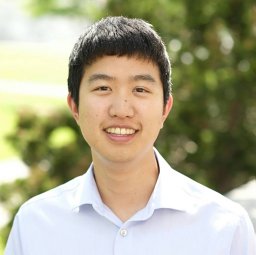 Wesley Chou合作论文数Harvard Med Sch, 25 Shattuck St, Boston, MA 02115 USA3
 Anthony Bozzo合作论文数Department of Surgery, McMaster University3Hyungrok Do合作论文数3
 William C. Huang合作论文数Department of Urology, Grossman School of Medicine, New York University3
 Hersh Chandarana合作论文数Division of Abdominal Imaging, Department of Radiology, New York University3
 Samir Taneja合作论文数Northwell Health;Department of Urology, Donald & Barbara Zucker School of Medicine3
 Patrick O Richard合作论文数3Lewin Jeremy合作论文数University Health Network, University of Toronto3Mossanen Matthew合作论文数3
 Keyan Salari合作论文数University of California San Francisco3
 Juan D. Garisto合作论文数Division of Cardiothoracic Surgery, University of Miami Miller School of Medicine3
 Thomas Hermanns合作论文数3Guangyong Chen合作论文数3Simon Tanguay合作论文数3




