BACKGROUND:The objective of the study is to characterize factors associated with radiographic union and pain at final follow-up in surgical repair of scaphoid nonunion. METHODS:Patients who underwent scaphoid nonunion repair at our institution between 2005 and 2024 were retrospectively reviewed. Demographic and surgical factors were abstracted. Preoperative, immediate postoperative, and final follow-up scapholunate (SL) angles were measured. Radiographic union (>75% healing) and patient-reported pain at final follow-up were assessed. Associations between SL angle measurements, patient characteristics, and surgical variables with union and pain were evaluated using unpaired t tests and χ2 tests. RESULTS:Fifty-five patients met inclusion criteria with persistent nonunion occurring in 17 patients (30.1%). Patient sex was significantly associated with union (P = .045) but not pain at final follow-up (P = .399). All other demographic factors (smoking status, diabetes, prior surgery) and surgical factors (fracture location, surgical approach, implant type, graft type, and use of adjunct Kirschner-wire) were not significantly associated with union or pain at final follow-up (all P > .05). Among SL angle measurements, only a lower final follow-up SL angle was significantly associated with higher union rates (P = .038). No SL angle measurement was associated with pain at follow-up (all P > .05). CONCLUSIONS:Patient sex was associated with union. No other demographic or surgical variables were associated with union or pain at final follow-up. A lower SL angle at final follow-up was independently associated with successful union, suggesting that correction of carpal alignment may contribute to improved healing in scaphoid nonunion repair.
Purpose: To assess search term frequency of platelet-rich plasma (PRP) in multiple joints, including the shoulder, elbow, hip, knee, ankle, and foot, using Google Trends. Methods: The following joints included were (1) shoulder, (2) elbow, (3) hip, (4) knee, (5) ankle, and (6) foot. Google Trends was utilized to obtain search trends from 2010 to 2023 for each joint. The search combinations “PRP” + “shoulder,” “elbow,” “hip,” “knee,” “ankle,” and “foot” were used, and a linear regression model was applied. Analysis of variance and post hoc Tukey honest significant difference analyses were performed to determine specific comparisons between joints. Results: There was an increasing trend in Google queries for PRP and shoulder (R2 = 0.669, P < .001), elbow (R2 = 0.284, P < .001), hip (R2 = 0.648, P < .001), knee (R2 = 0.802, P < .001), ankle (R2 = 0.240, P < .001), and foot (R2 = 0.040, P = .009). The shoulder showed the greatest rate of growth, shown by the slope in the linear regression model, followed by the knee (0.422 and 0.421, respectively). Within the lens of percent increase, PRP in the ankle had the highest magnitude of growth, followed by the knee (1,251.27% and 163.95%, respectively). The knee joint held the highest average relative search volume of 66.38 as of 2023. Conclusions: Each of the search terms for PRP in the shoulder, elbow, hip, knee, ankle, and foot had statistically significant trends of increasing search volume. PRP for the shoulder and knee exhibited the highest rate of growth, whereas PRP for the foot exhibited the slowest increase. Clinical Relevance: There appears to be substantial patient interest in PRP injections. The information in this study can be used by clinicians to better understand which joint injections patients may generally be interested in discussing during clinic visits. They can provide evidence-based materials to educate patients about PRP joint injections.
Background: The purpose of the present study was to assess whether an association exists between cannabis use and nonunion among patients with acute scaphoid fractures initially treated nonoperatively. Methods: Using the PearlDiver national data set (2010-2020), adult patients with a scaphoid fracture were identified. Patients initially treated with nonoperative management were selected, and 3 subgroups were defined: non-cannabis/non-tobacco (non-users), tobacco-only, cannabis-only. Matched cohorts for each subgroup controlled for age, sex, and comorbidities. Nonunion rates at 6 months, 12 months, and 2 years after fracture diagnosis were determined for each subgroup’s matched cohort. Rates of subsequent nonunion surgery were also determined. Multivariable analysis was then done to determine potential associations. Results: A total of 159 998 scaphoid fracture patients were identified. The non-users’ group exhibited a nonunion rate of 7.7%. The nonunion rates for the tobacco-only and cannabis-only groups (11.8% and 10.1% respectively) were significantly greater than that of the non-users group. Based on multivariable analysis, cannabis use and tobacco use were individually associated with a greater risk of scaphoid nonunion as well as subsequent nonunion surgery at 6 months, 12 months, and 2 years after index fracture. Conclusion: Documented cannabis use in the electronic medical record is associated with an increased risk of scaphoid nonunion and subsequent nonunion surgery. Further studies are necessary to clarify if this association can be contributed solely to cannabis use, to mixing cannabis or tobacco, or to other variables. In the meantime, physicians can counsel their patients on this potential association and increased risk.
BACKGROUND:Following carpal tunnel release (CTR), patients may be indicated for subsequent hand surgery (contralateral CTR and/or trigger finger release [TFR]). While surgeons typically take pride in patient loyalty, the rate of returning to the same hand surgeons has not been previously characterized. METHODS:Patients undergoing CTR were isolated from 2010-2021 PearlDiver M151 dataset. Subsequent CTR or TFR were identified and characterized as being performed by the same or different surgeon, with patient factors associated with changing to a different surgeon determined by multivariable analyses. RESULTS:In total, 1,121,922 CTR patients were identified. Of these, subsequent surgery was identified for 307,385 (27.4%: CTR 289,455 [94.2%] and TFR 17,930 [5.8%]). Of the patients with a subsequent surgery, 257,027 (83.6%) returned to the same surgeon and 50,358 (16.4%) changed surgeons. Multivariable analysis found factors associated with changing surgeon (in order of decreasing odds ration [OR]) to be: TFR as the second procedure (OR 2.98), time between surgeries greater than 2-years (OR 2.30), Elixhauser-Comorbidity Index (OR 1.14 per 2-point increase), and male sex (OR 1.06), with less likely hood of changing for those with Medicare (OR 0.95 relative to commercial insurance) (p<0.001 for each). Pertinent negatives included: age, Medicaid, and having a 90-day adverse event after the index procedure. CONCLUSIONS:Over fifteen percent of patients who required a subsequent CTR or TFR following CTR did not return to the same surgeon. Understanding what factors lead to outmigration of patients form a practice may help direct efforts for patient retention.
Patients with brachial plexus birth injuries commonly develop problems at the shoulder. These problems include posterior subluxation of the shoulder, internal rotation contractures, and weakness of external rotation. The most common technique for the treatment of these is the release of the shoulder joint, the release of the internal rotators, and the transfer of latissimus teres and teres major tendons. In this article, we present a detailed technique with an accompanying step-by-step video to demonstrate how to perform these procedures.
A 13-year-old male presented with an open left humeral shaft fracture with intramuscular distal biceps rupture after being struck by a car. He underwent washout, humerus fixation, and open biceps repair. Immediate postoperative course was complicated by deep infection and failure of biceps repair. He subsequently required two additional surgeries. One year later, he exhibited full, painless elbow range of motion and biceps strength. This case is the first to report an open humeral shaft fracture with concomitant intramuscular, mid-substance biceps rupture in a pediatric patient. This was successfully treated with a full functional recovery.
Background:Studies analyzing the incidence and clinical implications of postoperative hematomas after total hip arthroplasty (THA) remain limited. The purpose of the present study was to use the National Surgical Quality Improvement Program (NSQIP) dataset to determine rates, risk factors, and subsequent complications of postoperative hematomas requiring reoperation after primary THA.Methods:Study population included patients who underwent primary THA (CPT code: 27130) from 2012-2016 recorded in NSQIP. Patients who developed a hematoma requiring reoperation in the 30-day postoperative period were identified. Multivariate regressions were created to identify patient characteristics, operative variables, and subsequent complications that were associated with a postoperative hematoma requiring reoperation.Results:Among the 149,026 patients who underwent primary THA, 180 (0.12%) developed a postoperative hematoma requiring reoperation. Risk factors included body mass index (BMI) ≥ 35 (relative risk [RR]: 1.83, P = .011), American Society of Anesthesiologists (ASA) class ≥3 (RR: 2.11, P < .001), and history of bleeding disorder (RR: 2.71, P < .001). Associated intraoperative characteristics were an operative time ≥100 minutes (RR: 2.03, P < .001) and use of general anesthesia (RR: 1.41, P = .028). Patients developing a hematoma requiring reoperation were at higher risk of subsequent deep wound infection (RR: 21.57, P < .001), sepsis (RR: 4.3, P = .012), and pneumonia (RR: 3.69, P = .023).Conclusions:Surgical evacuation for a postoperative hematoma was performed in about 1 in 833 cases of primary THA. Several nonmodifiable and modifiable risk factors were identified. Given the 21.6 times increased risk of subsequent deep wound infection, select, at-risk patients may benefit from closer monitoring for signs of infection.
Case: A 78 year-old man fell 6 months after Sivash-range of motion (S-ROM) total hip arthroplasty (THA), after which he developed hip pain and external rotation deformity. Imaging showed stem malrotation in relative retroversion. Revision THA was delayed because of medical issues, occurring 1.5 years after the fall. No corrosion was observed intraoperatively at the stem-sleeve interface. His symptoms resolved after revision THA. Conclusion: We present a rare complication of S-ROM THA—dissociation of the femoral stem from the proximal sleeve, with subsequent re-engagement in static malrotation. No corrosion was observed, suggesting that the stem had stably reseated within the sleeve.
Background To date, there are no studies comparing perioperative outcomes of cervical radiculopathy patients managed by anterior cervical discectomy with fusion (ACDF), cervical disc arthroplasty (CDA), or posterior cervical foraminotomy (PCF). To assess if there were differences in perioperative outcomes between cervical radiculopathy patients who can be appropriately treated with ACDF, CDA, or PCF. Methods Patients diagnosed with cervical radiculopathy who underwent a single-level ACDF, CDA, or PCF between 2012 and 2019 were retrospectively identified from the American College of Surgeons National Surgical Quality Improvement Program (ACS-NSQIP) database using current procedural terminology (CPT) codes. Patients were subsequently stratified into those who underwent ACDF, CDA, or PCF, and propensity score-matched to adjust for differences in patient demographics/characteristics. Differences were assessed in terms of operative time, healthcare utilization metrics (reoperations, readmissions, lengths-of-stay), as well as medical and surgical complications. Results A total of 18,614 cervical radiculopathy patients undergoing surgery were identified (ACDF: n=15,862; CDA: n=1,731; PCF: n=1,021). After 1:1 propensity score matching (n=535 each), there were no differences in characteristics in patients undergoing ACDF, CDA, or PCF (P>0.05). PCF patients had statistically higher rates of reoperation (2.1%) than ACDF (0.4%), CDA (0.6%) patients (P=0.010). PCF patients also experienced higher rates of superficial infection (P=0.001), and deep infection (P=0.007), relative to ACDF and CDA patients. There were no other significant differences in medical/surgical complications between the ACDF, CDA, or PCF patients. Conclusions Cervical radiculopathy patients undergoing PCF are associated with higher rates of perioperative infection and overall reoperation than ACDF or CDA. Further research is required to elucidate the mechanism behind this association.
During the past decade, US orthopedic residency graduates have become in- creasingly subspecialized presumably for decreased patient complications; however, no study has examined this clinical utility for foot and ankle (F & A) sur- geries among different fellowship subspecialties. Data from American Board of Orthopaedic Surgery 1999 to 2016 Part II Board Certification Examinations were used to assess patients treated by F & A fellowship-trained, trauma fellow- ship-trained, and all other fellowship-trained orthopedic surgeons performing ankle fracture repair. Adverse events were compared by surgical complexity and fellowship status. Factors independently associated with surgical compli- cations were identified using a binary multivariate logistic regression. A total of 45,031 F & A cases met inclusion criteria. From 1999 to 2016, the percentage of F & A procedures performed by F & A fellowship surgeons steadily increased. Surgical complications were significantly different between fellowship train- ings (F & A, 7.23%; trauma, 6.65%; and other, 7.84%). This difference became more pronounced with more complicated fracture pattern. On multivariate re- gression, F & A fellowship training was associated with significantly decreased likelihood of surgeon-reported complications (odds ratio, 0.83; 95% CI, 0.760.92; P<.001), as was trauma fellowship training (odds ratio, 0.90; 95% CI, 0.81-0.99; P=.035). Despite presumed increased complexity of cases treated by F & A fellowship-trained surgeons, these patients had significantly decreased risk of surgeon-reported surgical complications, thus highlighting the value of F & A fellowship training. In the absence of vital patient comorbidity data in the American Board of Orthopaedic Surgery database, further research must examine specific patient comorbidities and case acuity and their influence on treatments and surgical complications between fellowship-trained and other orthopedic surgeons to further illuminate the value of subspecialty training. [Or-thopedics. 2023;46(4):e237-e243.]
RISK FACTORS FOR VENOUS THROMBOEMBOLISM IN CHILDREN AFTER SURGERY IN GENERAL & SPECIFIC TO ORTHOPAEDICS. Elbert J. Mets, Ryan P. McLynn, Neil Pathak, Anoop R. Galivanche, David B. Frumberg, Jonathan N. Grauer. Department of Orthopaedics and Rehabilitation, Yale University, School of Medicine, New Haven, CT. Venous thromboembolism (VTE, including deep venous thrombosis and pulmonary embolism) was studied in children undergoing surgery in general, and those specifically undergoing orthopaedic surgery. Due to the low overall incidence of VTE in this population, VTE chemoprophylaxis is not routinely recommended. However, understanding and quantifying risk factors can help define the risk/benefit considerations of these practices. The study populations were identified from 2012-2016 National Surgical Quality Improvement Project Pediatric (NSQIP-P) database. Patient demographics, comorbidity factors, and 30-day postoperative outcomes were defined. The populations were then dichotomized into those that did and not have VTE diagnosed in the first 30 postoperative days. In multivariate analysis, patient and surgical factors were controlled for to identify independent risk factors for VTE. For the overall pediatric surgical population, 361,384 patients were identified, of which VTE was diagnosed in 378 (0.10%). Predictors of VTE in the pediatric surgical population were found to be: American Society of Anesthesiologists (ASA) class of II or greater, age 16-18 years old, non-elective surgery, general surgery (compared to several other surgical specialties), cardiothoracic surgery, and longer operative time (p<0.001 for each comparison). Further, most adverse events investigated were associated with increased risk of subsequent VTE (p<0.001). For the orthopaedic-specific study, (2) Of 81,490 pediatric orthopaedic surgical patients, 60 (0.07%) were identified as experiencing postoperative VTE. Predictors of VTE in pediatric orthopaedic surgical population were found to be: age 16-18 years (p = 0.002; compared to ages 11-15), ASA class III-V (p = 0.003; compared to ASA class I-II), preoperative blood transfusion (p < 0.001), arthrotomy (p < 0.001), and femur fracture (p < 0.001). Further, any adverse event, major adverse events, minor adverse events, reoperation, and readmission were found to be associated with increased risk of subsequent VTE (p < 0.001 for each category of adverse outcome). The overall incidence of VTE in the postoperative pediatric population and orthopaedic population was found to be 0.10% and 0.07%, respectively. For both cohorts, defined patient, surgical, and postoperative factors were found to be associated with such VTE events. The identification of risk factors for VTE in both patient populations raises the question of VTE prophylaxis in select high-risk subpopulations.
Background: As health care expenditures continue to increase, standardizing health care delivery across geographic regions has been identified as a method to reduce costs. However, few studies have demonstrated how the practice of elective spine surgery varies by geographic location. The aim of this study was to assess the geographic variations in management, complications, and total cost of elective anterior cervical discectomy and fusion (ACDF) for cervical spondylotic myelopathy (CSM). Methods: The National Inpatient Sample database (2016-2017) was queried using the ICD-10-CM procedural and diagnostic coding systems to identify all adult (≥18 years) patients with a primary diagnosis of CSM undergoing an elective ACDF. Patients were divided into regional cohorts as defined by the U.S. Census Bureau: Northeast, Midwest, South, and West. Weighted patient demographics, Elixhauser comorbidities, perioperative complications, length of stay (LOS), discharge disposition, and total cost of admission were assessed. Results: A total of 17,385 adult patients were identified. While the age (p=0.116) and proportion of female patients (p=0.447) were similar among the cohorts, race (p<0.001) and healthcare coverage (p<0.001) varied significantly. The Northeast had the largest proportion of patients in the 76-100th household income quartile (Northeast: 32.1%; Midwest: 16.9%; South: 15.7%; West: 27.5%, p<0.001). Complication rates were similar between regional cohorts (Northeast: 10.1%; Midwest: 12.2%; South: 10.3%; West: 11.9%, p=0.503), as was LOS (Northeast: 2.2±2.4 days; Midwest: 2.1±2.4 days; South: 2.0±2.5 days; West: 2.1±2.4 days, p=0.678). The West incurred the greatest mean total cost of admission (Northeast: $19,167±10,267; Midwest: $18,903±9,114; South: $18,566±10,152; West: $24,322±15,126, p<0.001). The Northeast had the lowest proportion of patients with a routine discharge (Northeast: 72.0%; Midwest: 84.8%; South: 82.3%; West: 83.3%, p<0.001). The odds ratio for Western hospital region was 3.46 [95% CI: (2.41, 4.96), p<0.001] compared to the Northeast for increased cost. Conclusion: Our study suggests that regional variations exist in elective ACDF for CSM, including patient demographics, hospital costs, and nonroutine discharges, while complication rates and LOS were similar between regions.
Case: A 43-year-old woman with dermatomyositis presented with Mycobacterium avium complex (MAC) knee septic arthritis with superimposed polymicrobial infection. After poor infection control with antibiotic therapy, she underwent debridement and antibiotic cement spacer placement, followed by knee arthrodesis 6 months later. At 2-year follow-up, she had no pain and was ambulating without assistive devices. Conclusion: As far as we know, this is the first reported case of MAC native-knee septic arthritis successfully treated with antibiotic cement spacer followed by knee arthrodesis. This case sheds insight on treatment strategies for a rare native-knee infection.
Financial contributions from industry for physician-led research have been historically challenging to study in plastic surgery. However, as mandated by the Physician Payments Sunshine Act of 2013, the Open Payments Database (OPD) has increased transparency in payments from industry to physicians. This study aimed to analyze trends in industry-sponsored research funding for plastic surgeons. Using the OPD, research payments from industry made to plastic surgeons from 2014 to 2018 were examined. Total payments and number of payments were recorded by recipient's census region (e.g., Northeast, Midwest, South, West) and therapeutic area (e.g., breast prosthetics/reconstruction, wound healing/tissue engineering, software/instrumentation, biologics, cosmetics/injectables). Payments totaled across 5 years in each therapeutic area for each region were also analyzed. Location of company U.S. headquarters and therapeutic area were recorded. Statistical analyses were performed using SAS 9.4. Brown–Mood test, t test, Kruskal–Wallis, Mann–Whitney, and linear regression tests were used. Aggregated over 5 years, the greatest payment value was allocated to wound healing/tissue engineering, whereas the number of payments was highest in breast prosthetics/reconstruction. Private plastic surgeons receive significantly higher payments compared to academic plastic surgeons. With such findings, greater transparency and additional years of OPD data may provide further insight into industry influence on physician-led research in plastic surgery.
Background: Public interest in alternative, nonoperative treatments for the management of arthritis has increased. Few have been approved by the Food and Drug Administration. The present study aimed to evaluate trends in public and scientific interest in 4 such treatments by assessing Google Trends and publication frequency data, respectively.Material and methods: Turmeric, stem cell therapy, platelet-rich plasma (PRP) therapy, and cannabidiol (CBD) were studied. For 2010-2019, Google Trends data and publication frequency data on PubMed were collected by year for arthritis and each of the 4 therapies. Linear, quadratic, and exponential regressions were applied, and the best model of growth was identified.Results: From 2010 to 2019, Google Trends annual scores for arthritis and turmeric (exponential; R-2: 90.5%, P < .001), CBD (exponential; R-2: 99.3%, P < .001), stem cell therapy (exponential; R-2: 86.7%, P < .001), and PRP therapy (linear; R-2: 80.6%, P < .001) increased significantly. Search term frequencies for arthritis and CBD exhibited the highest increase (12,929%). Publications in arthritis and turmeric (linear; R-2: 74%, P = .001), stem cell therapy (linear; R-2: 94.8%, P < .0001), and PRP therapy (linear; R-2: 97.1%, P < .0001) increased from 2010 to 2019. However, publications relating to arthritis and CBD have not increased (P = .122).Conclusion: Regression analysis indicates that public interest in alternative therapies have had a marked increase. The rise in public interest for CBD, and to a lesser extent, turmeric, stem cell therapy, and PRP, has dramatically outstripped scientific evidence on these therapies. Rigorously designed, clinical studies may be beneficial to keep up with the growing popularity of these treatments, especially CBD.(c) 2021 Published by Elsevier Inc. on behalf of The American Association of Hip and Knee Surgeons. Thisis an open access article under the CC BY-NC-ND license (http://creativecommons.org/licenses/by-nc-nd/4.0/).
Introduction: As rates of primary total joint arthroplasty continue to rise, so do rates of revision. Revision total hip arthroplasty (THA) and total knee arthroplasty (TKA) are more frequently done at larger centers, are associated with higher morbidity, and may have different patient satisfaction outcomes. This study compares the survey results of Hospital Consumer Assessment of Healthcare Providers and Systems (HCAHPS) between patients who underwent primary versus revision THA or TKA. Methods: All adult patients who underwent inpatient, elective, primary, and revision THA or TKA at a single institution were selected for retrospective analysis. Patient demographics, comorbidities, functional status, surgical variables, 30-day outcomes, and HCAHPS scores were assessed. Univariate and multivariate analyses were done to determine correlations between the aforementioned variables and top-box HCAHPS survey scores for primary versus revision THA and TKA. Results: Of 2,707 patients who met the inclusion criteria and had returned the HCAHPS survey, primary THA was documented in 1,075 patients (39.71%), revision THA in 75 (2.77%), primary TKA in 1,497 (55.30%), and revision TKA in 60 (2.22%). Revision THA patients were more functionally dependent, and TKA patients had higher American Society of Anesthesiologists score than their primary comparators. Revisions had longer hospital length of stay for both procedures. For THA, revision THA patients demonstrated lower total top-box rates compared withprimary THA patients (71.64% versus 75.67% top-box, P < 0.001) and lower scores on the care from doctors subsection (76.26% versus 85.34%, P < 0.001) of the HCAHPS survey. Similarly, for TKA, revision TKA patients demonstrated lower total top-box rates (76.13% versus 79.22%, P < 0.013) and lower scores on the care from doctors subsection (66.28% versus 83.65%, P < 0.001) of the HCAHPS survey. Discussion: For both THA and TKA, revision procedures were associated with lower total HCAHPS scores and rated care from doctors. This suggests that HCAHPS scores may be biased by factors outside the surgeon's control, such as the complexity associated with revision procedures. Level of Evidence: Level III
INTRODUCTION The Hospital Consumer Assessment of Healthcare Providers and Systems (HCAHPS) survey is a federally mandated survey that assesses patient satisfaction after hospitalization. It has been noted that a minority of patients actually return the survey. Potential bias in who does and does not respond to the survey (nonresponse bias) after total hip arthroplasty (THA) may affect the survey results. METHODS All adult patients undergoing inpatient elective primary THA between February 2013 and May 2020 at a single institution were selected for retrospective analysis. After discharge, all had been mailed the HCAHPS survey, and the primary outcome for the current study was survey return. Patient characteristics and 30-day perioperative outcomes were assessed. Univariate and multivariate analyses were performed to determine correlations between the above variables and HCAHPS survey return status. RESULTS Of 3,310 THA patients analyzed, 1,049 (31.69%) returned the HCAHPS surveys. On multivariate regression analyses, patients who did not return the survey were more likely to have a higher American Society of Anesthesia score (score of three or higher, odds ratio [OR] = 2.27; P < 0.001), be more functionally dependent (OR = 2.69; P = 0.005), or be Black/African American (OR = 3.40; P < 0.001). Similarly, patients who did not return the survey were more likely to have had any adverse event (OR = 1.80; P = 0.012), major adverse event (OR = 2.88; P = 0.007), readmission (OR = 2.13; P < 0.001), be discharged to a place other than home (OR = 1.71; P < 0.001), or stay in the hospital for longer than 3 days (OR = 1.89; P < 0.001). DISCUSSION After THA, the HCAHPS survey response rate was only 31.69% and completion of the survey correlated with demographic and perioperative variables. These findings suggest that the HCAHPS survey results should be interpreted as a skewed sample of the true surgical patient population. Nonresponse bias is an important factor to consider when evaluating healthcare quality, patient satisfaction survey results, and their effects on federal hospital reimbursement rates.
Introduction: The coronavirus 2019 (COVID-19) pandemic disease has imposed an unprecedented degree of stress on healthcare systems. This study aimed to understand whether COVID-19 positivity is associated with an increased risk of adverse outcomes after geriatric hip fracture surgery. Methods: From a national administrative claims data set, patients who underwent hip fracture surgery from April 1, 2020, to December 1, 2020 were selected for analysis. COVID-19–positive status was assessed by the emergency International Classification of Diagnoses, 10th Revision, COVID-19 code within 2 weeks before the surgery. Demographic, comorbidity, and 30-day postoperative adverse event information were extracted. Logistic regression before and after 10:1 propensity matching was performed to identify patient risk factors associated with the occurrence of postoperative adverse events. Results: Of 42,002 patients who underwent hip fracture surgery, 678 (1.61%) were identified to be positive for COVID-19 infection. No significant differences in age, sex, and procedure type were found between COVID-19–positive and COVID-19–negative groups, but the COVID-19–positive patients demonstrated a higher incidence of several comorbidities. These differences were no longer significant after matching. After matching, the COVID-19–positive group had a higher incidence of any, serious, and minor adverse events (P < 0.001 for all). Controlling for preoperative variables, COVID-19 positivity was associated with an increased risk of experiencing any adverse events (odds ratio [OR] = 1.62, 95% confidence interval [95% CI] = [1.37 to 1.92], P < 0.001), serious adverse events (OR = 1.66, 95% CI = [1.31 to 2.07], P < 0.001), and minor adverse events (OR = 1.59, 95% CI = [1.34 to 1.89], P < 0.001). Discussion: After matching and controlling for confounding variables, COVID-19–positive hip fracture patients had increased odds of multiple postoperative events. Clinicians caring for this vulnerable geriatric population should be mindful of this risk to improve the care for these patients during the ongoing global pandemic.
Background. The current study aims to characterize and explore trends in Open Payments Database (OPD) payments reported to orthopaedic foot and ankle (F&A) surgeons. OPD payments are classified as General, Ownership, or Research. Methods. General, Ownership, and Research payments to orthopaedic F&A surgeons were characterized by total payment sum and number of transactions. The total payment was compared by category. Payments per surgeon were also assessed. Median payments for all orthopaedic F&A surgeons and the top 5% compensated were calculated and compared across the years. Medians were compared through Mann-Whitney U tests. Results. Over the period, industry paid over $39 million through 29,442 transactions to 802 orthopaedic F&A surgeons. The majority of this payment was General (64%), followed by Ownership (34%) and Research (2%). The median annual payments per orthopaedic F&A surgeon were compared to the 2014 median ($616): 2015 ($505; P = .191), 2016 ($868; P = .088), and 2017 ($336; P = .084). Over these years, the annual number of compensated orthopaedic F&A surgeons increased from 490 to 556. Averaged over 4 years, 91% of the total orthopaedic F&A payment was made to the top 5% of orthopaedic F&A surgeons. The median payment for this group increased from $177 000 (2014) to $192 000 (2017; P = .012). Conclusion. Though median payments to the top 5% of orthopaedic F&A surgeons increased, there was no overall change in median payment over four years for all compensated orthopaedic F&A surgeons. These findings shed insight into the orthopaedic F&A surgeon-industry relationship.Levels of Evidence:III, Retrospective Study.
Financial relationships between physicians and industry provide numerous benefits to patient care, but they may preside as potential conflicts of interest. Understanding these financial relationships was made possible by the Physician Payments Sunshine Act and the Open Payments Database. The purpose of this study was to perform a comprehensive 5-year analysis of industry payments to plastic surgeons. We hypothesized that there would be a greater skew of payments toward the highest compensated plastic surgeons, and toward research, education, and innovation, as opposed to speaker and consulting-based engagements. The Open Payments Database was analyzed for the period from 2014 to 2018.1 Payments were characterized by geographic region and by type of payment (e.g., education). Payments were grouped into six categories: speaker fees (honoraria, travel and lodging, and compensation for services related to a non–continuing medical education program), education (education and compensation for services related to continuing medical education), research (research grants and research payments from the Open Payments Database research payments data), consulting fees, gifts/entertainment, and royalty/ownership (current or prospective ownership or investment, royalties, and licenses). A total of 90,133 payments, amounting to $55,894,692, was analyzed. The top 5 percent of surgeons captured 80 percent of payment value. Southern surgeons received more payment value (57.9 percent) than Northeastern (9.9 percent), Midwestern (13.7 percent), and Western (18.5 percent) surgeons. There were significant increases in median payment value for Western, Southern, and Midwestern surgeons, and significant decreases to Northeastern surgeons (p < 0.001) (Fig. 1). Food/beverage was the most frequent payment type made (88 percent), but accounted for only 9 percent of payment value. The rest of industry payments was allocated to speaker fees (22.6 percent), education (1.4 percent), research (26.9 percent), royalty/ownership (29.4 percent), consulting fees (16.0 percent), and entertainment/gifts (3.7 percent) (Fig. 2).Fig. 1.: Payment value to plastic surgeons by U.S. census region and year.Fig. 2.: Breakdown of payment value by category.Our study uncovered several interesting trends in industry payments to plastic surgeons. First, our findings highlight the differential allocation of payments by industry favoring a concentrated minority of plastic surgeons, similar to what is seen in other surgical specialties.2 Second, in terms of geographic distribution of industry payments to plastic surgeons, our results affirmed a shift away from the Northeast, thus mirroring results from other studies as well.3 Third, food and beverage was the most common payment type made to plastic surgeons, similar to what has been reported in other specialties.4 Lastly, in contrast to food and beverage, educational payments were the least common. This finding was consistent across all regions and suggests a possible redistribution of industry transactions away from educational endeavors within plastic surgery.5 There are a couple of limitations of our study that warrant consideration. First, the documentation of the database depends on reporting by industry and physicians, and thus has the potential to be inaccurate. Second, it is difficult to assess the effects of payments on physicians′ clinical practice based on the database alone. In conclusion, industry payments to plastic surgeons vary widely, with the majority of payment value going to a concentrated minority of surgeons. Our analysis further uncovered the paucity of industry payments toward education. These findings reveal that the plastic surgery community is adequately pursuing engagement with industry to spur biomedical innovation, but may need to work on allocating funds toward educational opportunities. DISCLOSURE The authors have no commercial associations or financial disclosures that might pose or create a conflict of interest with information presented in this article. No funding was received for this work.
 Jonathan N Grauer合作论文数Department of Orthopaedics & Rehabilitation, Yale School of Medicine, Yale University22
 Michael R Mercier合作论文数14
 Anoop R Galivanche合作论文数13
 Lee Eric Rubin合作论文数Department of Orthopaedics & Rehabilitation, Yale School of Medicine, Yale University13
 Elbert Mets合作论文数7
 Arya Varthi合作论文数Department of Orthopaedics & Rehabilitation, Yale School of Medicine, Yale University6
 Rohil Malpani合作论文数Department of Radiology and Biomedical Imaging, Yale School of Medicine5Ryan P McLynn合作论文数4Murillo Adrados合作论文数4
 Bovonratwet Patawut合作论文数Department of Biomedical Engineering and the Translational Tissue Engineering Center, The Johns Hopkins University;Clarice Smith Building, 400 North Broadway, Baltimore, MD 21231, USA.;Department of Biomedical Engineering and the Translational Tissue Engineering Center, The Johns Hopkins University4Harold G. Moore合作论文数3Patrick J Burroughs合作论文数3Ari S Hilibrand合作论文数3Joseph B Kahan合作论文数3
 Lukasiewicz Adam M合作论文数3Christopher A. Schneble合作论文数2
 Joseph Lopez合作论文数2Michelle C Scott合作论文数2
 Zachary J. Radford合作论文数2Jordan Brand合作论文数2Sumun Khetpal合作论文数2
 Maham Ahmad合作论文数Department of Dermatology, Yale School of Medicine2
 Navid Pourtaheri合作论文数Department of Surgery, Yale School of Medicine2Wyatt B. David合作论文数2
 Taylor D Ottesen合作论文数Dept Orthopaed & Rehabil, Yale Sch Med2
 Mitchell Ng合作论文数2
 Michael Alperovich合作论文数Yale Department of Surgery, Yale School of Medicine, Yale University2
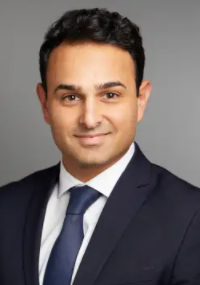 Diren Arsoy合作论文数Department of Orthopaedics & Rehabilitation, Yale School of Medicine, Yale University2Sculco Peter K合作论文数Hospital for Special Surgery – NYC2
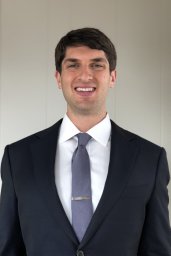 Halperin Scott合作论文数2
 Michael Fu合作论文数1David S. Kirwin合作论文数1Ali Elaydi合作论文数1Dominic W. Pelle合作论文数1samantha l piper合作论文数1David A Molho合作论文数1Michael J Terry合作论文数1Andrew E. Jimenez合作论文数1Jenna A Bernstein合作论文数1Alana M. Munger合作论文数1Marissa A. Justen合作论文数1James Kim合作论文数1
 Meera Dhodapkar合作论文数1Gary M. Kupfer合作论文数1
 Christopher Wilhelm合作论文数1Sahir S Jabbouri合作论文数1
 Oghenewoma Oghenesume合作论文数1Max Modrak合作论文数1Jeegan Parikh合作论文数1




