Microbial culture is the current standard of care to choose therapeutic antibiotics for infection occurring with inflatable penile prostheses (IPPs). However, next-generation sequencing (NGS) of DNA has proven beneficial for analysis of biofilm composition and relative abundance of specific microorganisms. The main goal of this study is to evaluate whether NGS compared to microbial culture can better guide the management and antibiotic selection and device survival rates. We hypothesize that identifying microbial composition with NGS, as compared with traditional culture, will lead to better therapeutic strategies resulting in improved patient outcomes and device survival. In this present manuscript, we describe the overall study methodology and analyze device survival rates, classify clinical presentations of IPP infections, and determine infected implant microbial composition and antibiotic resistance among an early patient cohort. These early results included 18- to 80-year-old consecutive male patients who received antimicrobial treatment without surgical replacement for at least 7 days since identification of infected IPPs. Subjects were randomized into two analytic arms: traditional culture and NGS. Throughout the study, investigators and patients completed questionnaires to provide data for comparison. To date, of the 9 patients enrolled in the study, 6 eventually underwent device removal due to worsening infection within 7 days of initiating empiric antibiotic treatment. Six patients were seen in a clinic setting, while 3 were seen in the hospital/emergency department: 7 implants were primary, while 2 were secondary. All subjects received a Coloplast IPP but had differing reservoirs and reservoir locations. In cases where penile shaft tenderness was present, the implanted IPP was more often removed within 7 days. In contrast, when no tenderness was reported, the device remained viable for at least 10 days. As of this report, 11 active sites have participated in the study, with ongoing patient enrollment aimed at reaching sufficient sample sizes for statistical comparison. Penile shaft tenderness was a common presentation among patients whose early antibiotic treatment for IPP infection failed. Recruitment of additional patients to this prospective, randomized controlled trial will help to identify favorable presentations of IPP infection. Additional data will allow comparison of implantation outcomes between NGS and traditional culture.
Purpose To evaluate the prevalence of elevated blood pressure (EBP), hypertension (HTN), and obesity among men presenting for fertility evaluation. Methods We retrospectively evaluated all men presenting for male infertility consultation at a single institution from 2000 to 2018. Blood pressure (BP) measurements were abstracted from the electronic health record, and EBP/HTN was defined according to American Heart Association/American College of Cardiology guidelines (systolic blood pressure (SBP) ≥ 120 mmHg or diastolic blood pressure (DBP) ≥ 80 mmHg). Descriptive statistics were used to compare demographic and clinical characteristics of men with and without EBP/HTN or obesity (BMI ≥ 30 kg/m2), and logistic regression was utilized to determine associations with EBP/HTN. Results Among 4,127 men, 1,370 (33.2%) had a recorded SBP and DBP within one year of their initial visit. EBP/HTN was noted in 857 (62.6%) men. A total of 249 (18.2%) men were obese, 863 (63.0%) were non-obese, and 258 (18.8%) did not have BMI recorded. HTN and obesity were jointly present in 195 (17.5%) men. There was no significant difference in age, ethnicity, or total motile sperm count between men with and without EBP/HTN. On multivariable analysis, BMI was significantly associated with EBP/HTN (OR: 1.13, 95% CI: 1.08-1.18, p < 0.001). Conclusion More than half of men presenting for initial fertility consultation have either EBP, obesity, or both. Reproductive urologists should consider routinely screening for these conditions and encourage men to seek further evaluation and treatment, when appropriate.
Social media (SoMe) offers great potential to expand access to health information, but a significant proportion of users consume its content instead of consulting a physician. We sought to quantify the volume and characterize the accuracy of men’s health-related content on TikTok and Instagram. We searched TikTok and Instagram for the terms: testosterone, erectile dysfunction, male infertility, semen retention, Peyronie’s disease, and vasectomy. The top 10 hashtags for each term were used to estimate the total impressions for each term on each platform, and posts were then characterized by creator type, content type, and accuracy (1 to 5 scale). TikTok had 2,312,407,100 impressions and Instagram had 3,107,300 posts across all topics. Semen retention had the most impressions on TikTok (1,216,074,000) and posts on Instagram (1,077,000). Physicians created only a small portion of total TikTok and Instagram posts (10.3% and 12.9%, respectively). Across all topics, the accuracy of content was poor (2.6 ± 1.7), however, physician posts were more accurate than non-physician posts (mean 4.2 ± 1.2 vs 2.3 ± 1.6, p < 0.001, respectively). Men’s health content is popular on TikTok and Instagram but is not accurate. We recommend that physicians actively engage in SoMe to address misinformation.
Priapism is a prolonged and persistent erection that lasts more than 4 hours and is unrelated to sexual stimulation. Although uncommon, it requires expeditious treatment to prevent erectile function compromise. Corporal aspiration is the first-line treatment for patients with ischemic priapism. This article focuses on contemporary corporal aspiration techniques for the management of priapism. After obtaining informed consent and administering local anesthesia, corporal aspiration was initiated by inserting 2 large-bore butterfly needles into the penile shaft. Aspiration is then performed using 10-mL syringes to decompress the corporeal pressure, flush out clots, and restore the pH balance of the penis. Diluted phenylephrine (100–1000 μg/mL) is injected in 1 mL aliquots every 5 to 10 minutes until complete detumescence is achieved. The results show that the overall resolution rate using corporal aspiration followed by phenylephrine injection is 65% to 72%. Ninety percent of men experience detumescence success if aspiration and phenylephrine injection are performed within 12 hours. Conversely, 85% of patients with priapism may require penile shunt surgery if the priapism exceeds 24 hours, and in the majority of these patients, health care providers will consider placing a penile prosthesis if the priapism exceeds 36 hours. Corporal aspiration is the first-line treatment for priapism. When properly performed expeditiously, patients experience a high rate of detumescence. Ischemic priapism is a true urological emergency that requires prompt diagnosis and treatment. The advantages of using corporal aspiration as a first-line treatment include pain relief and the prompt restoration of circulation.
Objective:To investigate whether the minimal cyclophosphamide equivalent dose (mCED), a novel approach for estimating alkylating agent exposure, is associated with the sperm retrieval rates by microdissection testicular sperm extraction (mTESE) in azoospermic postchemotherapy cancer survivors. Design:A retrospective cohort study conducted between 2002 and 2017. Setting:An academic medical center. Patients:A total of 28 azoospermic postchemotherapy cancer survivors who underwent mTESE. Interventions:Chemotherapy exposure and mCED calculation. Main Outcome Measures:The primary outcome was the association between the mCED and sperm retrieval rate using mTESE. The mCED value for each patient's regimen received was estimated using the lowest recommended dosing regimen from the range of recommended doses at the time of administration. Results:Spermatozoa were successfully retrieved in 11 (39.3%) of the patients. Age at the time of receiving chemotherapy and mCED were significant factors associated with sperm retrieval. An mCED of <4,000 mg/m2 had a higher sperm retrieval rate (10/14, 71.4%) than an mCED of >4,000 mg/m2 (0/8, 0). The hormone levels were not significantly different when comparing patients with and without successful sperm retrieval. Seminoma, nonseminomatous germ cell tumor, and acute lymphoblastic leukemia had favorable sperm retrieval rates-100% (2/2), 66.7% (2/3), and 66.7% (2/3), respectively-although the numbers of patients in each group were small. Conclusion:Among this cohort of patients with cancer who required chemotherapy regimens, successful sperm retrieval by mTESE was only noted among cancer survivors receiving an mCED of <4,000 mg/m2.
Low-intensity shockwave therapy (LiSWT) for erectile dysfunction (ED) continues to gain popularity in both clinical practice and the academic literature. The majority of trials and meta-analysis studies have shown LiSWT to be low risk with a trend toward positive improvements in International Index of Erectile Function (IIEF) scores. However, there is still debate over the clinical utility of LiSWT and there is no agreed upon optimal treatment protocol. In this review article we summarize published meta-analysis studies of LiSWT for ED, and review the treatment protocols from randomized sham-control trials published in the last 10 years. We found the most common device settings were an energy of 0.09 mJ/mm² and a frequency of 5 Hz. Shock number and location varied, but the most common protocol was 1,500 shocks per session, with 900 shocks to the penis (shaft, base, or hilum) and 600 shocks to the proximal corpora/crura. Protocols ranged from 4 to 12 treatment sessions. We also describe our institutional experience with LiSWT, including patient counseling and treatment protocol.
There have been considerable advances in the field of penile rehabilitation for upwards of 90% of men adversely affected by either short-term or long-term erectile dysfunction after definitive prostate cancer treatment. Despite the evolving landscape of treatment modalities for penile rehabilitation, there is a lack of consensus in the urologic community on the best therapies due to the level of evidence and efficacies of the current and emerging offerings. This review of current and next-generation interventions provides a practical approach to the myriad of data to make a better-informed decision based on the pathophysiology and highest-quality evidence available.
Abstract Introduction Traditional culture is the current standard-of-care to determine therapeutic antibiotics for patients suffering from penile prostheses (PP) infections. However, approximately 50% of PPs removed for infection are culture negative. Next-generation sequencing (NGS) of DNA has proven to be beneficial in its thorough analysis of biofilm composition and determination of the relative abundance of specific microbes. In this prospective, multicenter, single-blinded, randomized controlled trial, we hypothesize that the use of NGS will lead to better therapeutic strategies that will result in improved patient outcomes by determining the microbial composition of infected PP. Objective We present our early results from our prospective study that compares outcomes of microbial identification between NGS versus culture for clinically infected PP. Methods Upon institutional review board approval, adult men undergoing treatment for mild to moderate PP infection are enrolled after providing informed consent. Enrollees are randomized to one of two analytic arms – traditional culture or NGS, using Captivate by ClinCapture. Patients with severe infection requiring urgent explantation are excluded. Traditional culture and NGS samples are collected upon clinical presentation prior to initiation of antibiotics. Specimens of infected fluid were collected, stored in sterile packaging, and transported for both traditional culture at the institutional laboratory and NGS testing (MicroGenDX, Lubbock, TX). Patients are started on set empiric antibiotics and randomized to traditional culture or NGS. Patients with a positive culture or NGS result will receive treatment-specific antibiotics, while patients with negative results continue empiric antibiotics for two weeks. For patients randomized to the NGS arm, positive results will undergo central infectious disease (ID) review, and antibiotics initiated based on their recommendations. Patients will follow up within ten days of antibiotic initiation and at six months to complete a safety and compliance questionnaire which assesses symptoms, device function, and patient satisfaction. Results To date, two patients have been enrolled. The first patient was randomized to the culture arm and presented with mild tenderness and drainage around the scrotal pump area for five days but remained afebrile. His culture resulted as Citrobacter koseri. He started empiric treatment with amoxicillin-clavulanate which was changed to ciprofloxacin based on culture results. The second patient was randomized to the NGS arm and presented with four days of bloody and purulent drainage from the scrotal pump area. Although he was afebrile, he had moderate tenderness, swelling, and erythema in his scrotum. NGS identified multiple organisms (data remains blinded). He was started on empiric trimethoprim-sulfamethoxazole but was treated successfully with a course of cefdinir and doxycycline per ID. Both patients had primary implants and did not require device removal. On the post-treatment questionnaire, both patients reported that their devices were working and endorsed high satisfaction rates. Conclusions This is the first prospective, randomized controlled trial comparing the utility and outcomes of NGS and culture for the identification of microbes in clinically infected PP. Currently, recruitment is ongoing. We hope that this trial will demonstrate a clinical benefit of NGS in characterizing distinct microbiomes of infected PP to tailor antimicrobial therapy. Disclosure Yes, this is sponsored by industry/sponsor: MicroGenDX Clarification Industry funding only - investigator initiated and executed study Any of the authors act as a consultant, employee or shareholder of an industry for: MicroGenDX
Background: Our study sought to evaluate the rates of successful sperm retrieval following microdissection testicular sperm extraction (mTESE) in patients with a prior history of cryptozoospermia, compared to patients with non-obstructive azoospermia (NOA). Methods: A retrospective chart analysis evaluating all mTESE procedures was performed from January 2004 to August 2018. Inclusion criteria involved all males >18 years of age with a diagnosis of cryptozoospermia and/or NOA that underwent a mTESE. The patient’s genetic profile, hormonal profile, semen analysis, testicular volumes, pathology and comorbidities were analyzed. Results: We identified 40 patients with cryptozoospermia and 221 patients with NOA. Successful mTESE occurred in 34/40 (85%) cryptozoospermic males compared to 104/221 (48%) NOA males (p < 0.001). In univariate and multivariate analyses, patients with cryptozoospermia were more likely to undergo a successful mTESE than patients with NOA (OR 5.56 [1.79–17.29], p = 0.003; OR 5.41 [1.94–15.08], p = 0.0013), respectively. Factors that were associated with a statistically significant lower chance of successful mTESE included Sertoli-cell only pathology, pre-operative testosterone < 300 ng/dL and FSH > 7.6 mIU/mL. Conclusion: Despite patients with a history of cryptozoospermia having a significantly higher chance of a successful sperm retrieval than patients with NOA, couples should be counselled on the possibility of an unsuccessful sperm extraction, in order to optimize the pre-operative IVF planning and to manage operative expectations.
OBJECTIVE To examine the association between selective serotonin reuptake inhibitor (SSRI) use and semen quality. METHODS We performed a retrospective review of all men undergoing semen analysis (SA) for fertility evaluation from 2002-2020 at a single academic medical center. Men were excluded if they had prior exposure to spermatotoxic medications, clomiphene citrate, gonadotropins, selective estrogen receptor modulators, or medical conditions known to impact male fertility. SSRI exposure was defined by an outpatient prescription within 90 days prior to any semen test. Differences between men with and without SSRI exposure were assessed with Wilcoxon rank sum for continuous variables and chi-squared testing for proportions. Univariable and multivariable linear regression models were fit to evaluate the relationship between SSRI use and individual semen parameters, controlling for age at the time of the semen analysis and non-SSRI drug use. RESULTS A total of 8861 men were identified, of whom 153 men (1.7%) were exposed to SSRIs prior to SA. Median age was 35 years (interquartile range: 32-39) and was similar between groups (P = .999). Non-SSRI medication use was significantly higher in men taking SSRIs (78.4% vs 23.3%, < .001). On univariable and multivariable analyses, SSRI exposure was not associated with differences in semen volume, sperm concentration, motility, total motile sperm count, or normal morphology. CONCLUSION In adult men undergoing fertility evaluation, SSRI exposure was not associated with impaired semen parameters. These data may help inform reproductive counseling and medical decision making regarding SSRI use in men seeking paternity. (C) 2022 Elsevier Inc.
The characteristics of men who use direct-to-consumer (DTC) men’s health services are not well understood. We conducted an online survey of adult men via ResearchMatch, assessing sociodemographic data, health behaviors, and concern for low testosterone and infertility. Logistic regression estimated the association between participant characteristics and familiarity with and reported use of DTC services such as Hims® and Roman®. Among 1276 men surveyed, 62.2% were concerned about low testosterone. While almost half (48.5%) were familiar with men’s DTC health services, only 37 (2.9%) reported using these services. On multivariable analysis, men who used DTC men’s health services were more likely to be younger (age 18–39: odds ratio [OR] 2.94, 95% confidence interval [CI] 1.03–8.38, p = 0.04; age 40–59: OR 3.26, CI 1.17–9.10, p = 0.02; referent age ≥60), have annual income between $75k and $100k (OR 5.25, CI 1.39–19.87.45, p = 0.02), and be concerned about low testosterone (OR 3.81, CI 1.46–9.96, p = 0.01). In conclusion, younger men and those with mid-range incomes were more likely to use online DTC men’s health services compared to older or wealthier men. Likewise, men with concerns about low testosterone were more likely to use DTC services, but other health-conscious behaviors and frequency of doctor visits did not predict use.
Abstract Objectives: To quantify the volume and characterize the accuracy of men’s health-related content on TikTok and Instagram Methods: We conducted a search on both TikTok and Instagram for the terms: testosterone, erectile dysfunction, male infertility, semen retention, Peyronie’s disease, and vasectomy. The top 10 hashtags for each term were identified and used to estimate the total number of impressions for each term on each platform. We evaluated the top 40 posts for each topic on each platform and characterized the post by creator type, content type, and accuracy. Content accuracy was scored on a scale from one to five, with one being completely inaccurate information and five being completely accurate.Results: Overall, TikTok had more than 2.3 billion impressions and Instagran had more than 3 million posts across the men’s health topics. Semen retention had the most impressions on TikTok (1.2 billion) and posts on Instagram (1 million). Physicians created only a small portion of content comprising only 10.3% and 12.9% of total TikTok and Instagram posts, respectfully. Across all men’s health topics, the accuracy of content was poor with a score of 2.6 +/- 1.7 but physician posts were significantly more accurate than non-physician posts (4.2 vs 2.3, p < 0.001 respectfully).Conclusions: Men’s health content is popular on TikTok and Instagram but has a low level of overall accuracy. Given the higher accuracy of physician-created content, we recommend that physicians actively engage, on both individual and organizational levels, in social media to address misinformation
Background: Patients with prostate cancer suffer significant sexual dysfunction after treatment which negatively affects them and their partners psychologically, and strain their relationships. Aim: We convened an international panel with the aim of developing guidelines that will inform clinicians, patients and partners about the impact of prostate cancer therapies (PCT) on patients' and partners' sexual health, their relationships, and about biopsychosocial rehabilitation in prostate cancer (PC) survivorship. Methods: The guidelines panel included international expert researchers and clinicians, and a guideline methodologist. A systematic review of the literature, using the Ovid MEDLINE, Scopus, CINAHL, PsychINFO, LGBT Life, and Embase databases was conducted (1995-2022) according to the Cochrane Handbook for Systematic Reviews of Interventions. Study selection was based on Preferred Reporting Items for Systematic Reviews and Meta-Analyses (PRISMA) guidelines. Each statement was assigned an evidence strength (A-C) and a recommendation level (strong, moderate, conditional) based on benefit/risk assessment, according to the nomenclature of the American Urological Association (AUA). Data synthesis included meta-analyses of studies deemed of sufficient quality (3), using A Measurement Tool to Assess Systematic Reviews (AMSTAR). Outcomes: Guidelines for sexual health care for patients with prostate cancer were developed, based on available evidence and the expertise of the international panel. Results: The guidelines account for patients' cultural, ethnic, and racial diversity. They attend to the unique needs of individuals with diverse sexual orientations and gender identities. The guidelines are based on literature review, a theoretical model of sexual recovery after PCT, and 6 principles that promote clinician-initiated discussion of realistic expectations of sexual outcomes and mitigation of sexual side-effects through biopsychosocial rehabilitation. Forty-seven statements address the psychosexual, relationship, and functional domains in addition to statements on lifestyle modification, assessment, provider education, and systemic challenges to providing sexual health care in PC survivorship. Clinical Implications: The guidelines provide clinicians with a comprehensive approach to sexual health care for patients with prostate cancer. Strengths & Limitations: The strength of the study is the comprehensive evaluation of existing evidence on sexual dysfunction and rehabilitation in prostate cancer that can, along with available expert knowledge, best undergird clinical practice. Limitation is the variation in the evidence supporting interventions and the lack of research on issues facing patients with prostate cancer in low and middle-income countries. Conclusion: The guidelines document the distressing sexual sequelae of PCT, provide evidence-based recommendations for sexual rehabilitation and outline areas for future research. Copyright (c) 2022, International Society of Sexual Medicine. Published by Elsevier Inc. All rights reserved.
PURPOSE:We evaluated whether consideration of body mass index (BMI) and socioeconomic status alters the reported association between race/ethnicity and abnormal semen parameters.MATERIALS AND METHODS:We conducted a retrospective review of all men who underwent semen analysis (SA) for fertility evaluation at an integrated academic health care system from 2002 to 2021. Men were excluded if they had a diagnosis of Klinefelter's syndrome, history of varicocele, prior testicular surgery, prior history of chemotherapy or radiation for cancer, or prior testosterone-modulating medication use. Chi-square and Kruskal-Wallis tests were used to analyze categorical and continuous variables across self-reported racial groups, respectively. Logistic regression was used to evaluate the association between race and abnormal semen parameters according to WHO 2010 criteria, controlling for potential confounders.RESULTS:Among 2,750 men meeting inclusion criteria, 2,037 (74.1%) identified as White Non-Hispanic, 207 (7.5%) as Black Non-Hispanic, 245 (8.9%) as Hispanic and 261 (9.5%) as Asian. Median age was 35 years (IQR 32-40). Black men had an older median age (37 years, IQR 33-42, p=0.002) than other groups at the time of index SA. While Black men had higher odds of abnormal sperm concentration (OR 1.46, 95% CI 1.06-2.02, p=0.02) and abnormal total motile sperm count (OR 1.65, 95% CI 1.21-2.25, p=0.001) compared to other men after adjusting for age alone, the association of race with abnormal semen parameters was rendered insignificant with the progressive inclusion of BMI, insurance status and neighborhood income as covariates.CONCLUSIONS:In men undergoing SA for fertility evaluation, we did not see evidence of an association between race/ethnicity and abnormal semen parameters after controlling for BMI, insurance status and neighborhood income.
PURPOSE:Priapism is a persistent penile erection that continues hours beyond, or is unrelated to, sexual stimulation and results in a prolonged and uncontrolled erection. Given its time-dependent and progressive nature, priapism is a situation that both urologists and emergency medicine practitioners must be familiar with and comfortable managing.METHODOLOGY:A comprehensive search of the literature on acute ischemic priapism and non-ischemic priapism (NIP) was performed by Emergency Care Research Institute for articles published between January 1, 1960 and May 1, 2020. A search of the literature on NIP, recurrent priapism, prolonged erection following intracavernosal vasoactive medication, and priapism in patients with sickle cell disease was conducted by Pacific Northwest Evidence-based Practice Center for articles published between 1946 and February 19, 2021. Searches identified 4117 potentially relevant articles, and 3437 of these were excluded at the title or abstract level for not meeting inclusion criteria. Full texts for the remaining 680 articles were ordered, and ultimately 203 unique articles were included in the report.RESULTS:This Guideline provides a clinical framework for the treatment (non-surgical and surgical) of NIP, recurrent ischemic priapism, and priapism in patients with sickle cell disease. The treatment of patients with a prolonged erection following intracavernosal vasoactive medication is also included. The AUA guideline on the diagnosis of priapism and the treatment of acute ischemic priapism was published in 2021.CONCLUSIONS:All patients with priapism should be evaluated emergently to identify the sub-type of priapism (acute ischemic versus non-ischemic) and those with an acute ischemic event should be provided early intervention when indicated. NIP is not an emergency and treatment must be based on patient objectives, available resources, and clinician experience. Management of recurrent ischemic priapism requires treatment of acute episodes and a focus on future prevention of an acute ischemic event. Sickle cell disease patients presenting with an acute ischemic priapism event should initially be managed with a focus on urologic relief of the erection; standard sickle cell assessment and interventions should be considered concurrent with urologic intervention. Treatment protocols for a prolonged, iatrogenic erection must be differentiated from protocols for true priapism.
You have accessJournal of UrologyCME1 May 2022MP35-03 THE BROAD REACH OF SOCIAL MEDIA AS A HEALTH RESOURCE FOR TESTOSTERONE INFORMATION Justin Dubin, Daniel Greenberg, Richard Fantus, Minh Pham, Matthew Hudnall, Nelson Bennett, Robert Brannigan, and Joshua Halpern Justin DubinJustin Dubin More articles by this author , Daniel GreenbergDaniel Greenberg More articles by this author , Richard FantusRichard Fantus More articles by this author , Minh PhamMinh Pham More articles by this author , Matthew HudnallMatthew Hudnall More articles by this author , Nelson BennettNelson Bennett More articles by this author , Robert BranniganRobert Brannigan More articles by this author , and Joshua HalpernJoshua Halpern More articles by this author View All Author Informationhttps://doi.org/10.1097/JU.0000000000002589.03AboutPDF ToolsAdd to favoritesDownload CitationsTrack CitationsPermissionsReprints ShareFacebookLinked InTwitterEmail Abstract INTRODUCTION AND OBJECTIVE: TikTok (TT) and Instagram (IG) are popular social media (SoMe) platforms with over 1 billion users each, 50% of whom are between the ages of 16–45. These platforms have become a major resource for health information. We sought to determine if testosterone is a topic of interest among SoMe users and to review the quality of information on these platforms. METHODS: We searched the following hashtag terms on both TT and IG: “testosterone,” “testosteronebooster”, “lowtestosterone”, “boosttestosterone”, “testosteronereplacement”, “increasetestosterone”, “testosteronereplacementtherapy”, “testosteroneinjection”, and “testosteronetherapy”. We recorded total TT impressions (views) and IG impressions (posts) for each term. For the two most popular terms, we reviewed the top 20 impressions and characterized the type of post, accuracy of information, and the content creator. RESULTS: Over 700 million TT and 900,000 IG impressions were associated with testosterone-related hashtag terms. The top 3 most viewed terms for TT were testosterone (676 million views), testosteronebooster (18.9 million views) and lowtestosterone (3.6 million). The top 3 most posted hashtag terms for IG were testosterone (833,000 posts), testosteronebooster (53,000 posts), and lowtestosterone (27,000 posts). Among the top 40 impressions on TT, only 1 post (2.5%) was created by a physician and none had a verified account. Among the top 40 impressions on IG, only 2 posts (5.0%) were created by a doctor and 1 post (2.5%) had a verified account. A large proportion of TT and IG posts were educational (55.0% and 47.5%, respectively). On TT, a significant proportion of non-educational posts were personal and focused on gender affirming hormone therapy (40.0%). On IG, a significant proportion of non-educational posts were promotional (30.0%). Among educational posts, 29.2% of TT compared to 52.6% of IG posts provided accurate information (p=0.12). Among the 3 physician posts, 1 provided inaccurate information, 1 provided accurate information, and 1 posted promotional content. CONCLUSIONS: Information regarding testosterone is popular content on both TT and IG. Unfortunately, the majority of the educational content is inaccurate and created by non-physicians, providing an opportunity for improved dissemination of accurate information on these platforms. Source of Funding: N/A © 2022 by American Urological Association Education and Research, Inc.FiguresReferencesRelatedDetails Volume 207Issue Supplement 5May 2022Page: e588 Advertisement Copyright & Permissions© 2022 by American Urological Association Education and Research, Inc.MetricsAuthor Information Justin Dubin More articles by this author Daniel Greenberg More articles by this author Richard Fantus More articles by this author Minh Pham More articles by this author Matthew Hudnall More articles by this author Nelson Bennett More articles by this author Robert Brannigan More articles by this author Joshua Halpern More articles by this author Expand All Advertisement PDF downloadLoading ...
OBJECTIVE:To evaluate the predictors of establishing care with a reproductive urologist (RU) among men with abnormal semen analyses (SAs) ordered by nonurologists and examine patient perceptions of abnormal SAs in the absence of RU consultation. DESIGN:Retrospective cohort study with cross-sectional survey. SETTING:Large, integrated academic healthcare system during 2002-2019. PATIENT(S):We identified adult men undergoing initial SAs with nonurologists who had abnormalities. Patients with index SAs during 2002-2018 were included for the analysis of RU consultation. Men tested in 2019 were recruited for cross-sectional survey. INTERVENTION(S):Cross-sectional survey. MAIN OUTCOME MEASURE(S):RU consultation and accurate perception of abnormal SAs. RESULT(S):A total of 2,283 men had abnormal SAs ordered by nonurologists, among whom 20.5% underwent RU consultation. Mixed-effect logistic regression modeling identified oligospermia as the strongest predictor of RU care (odds ratio, 3.08; 95% confidence interval, 2.43-3.90) with a significant provider-level random intercept. We observed substantial provider-level heterogeneity among nonurologists with provider-specific rates of RU evaluation ranging from 3.7% to 35.8%. We contacted 310 men who did not undergo RU consultation with a 27.2% survey response rate. Of respondents, 6.7% reported receiving an RU referral. Among men with abnormal SAs not evaluated by RU, 22.7% appropriately perceived an abnormal SA. CONCLUSION(S):In men with abnormal SAs diagnosed by nonurologists, the rate of RU consultation was low and associated with substantial provider-level variation among ordering providers. Patients without RU consultation reported inaccurate perceptions of their SA. Multidisciplinary efforts are needed to ensure that subfertile men receive appropriate RU evaluation.
You have accessJournal of UrologyInfertility: Epidemiology & Evaluation II (PD29)1 Sep 2021PD29-03 PREDICTORS OF UROLOGIC EVALUATION IN MEN WITH IMPAIRED SEMEN PARAMETERS Minh Pham, Siddhant Ambulkar, Tejas Joshi, Matthew Hudnall, Richard Fantus, Jeremy Lai, James Wren, Nelson Bennett, Gregory Auffenberg, David Chu, Robert Brannigan, and Joshua Halpern Minh PhamMinh Pham More articles by this author , Siddhant AmbulkarSiddhant Ambulkar More articles by this author , Tejas JoshiTejas Joshi More articles by this author , Matthew HudnallMatthew Hudnall More articles by this author , Richard FantusRichard Fantus More articles by this author , Jeremy LaiJeremy Lai More articles by this author , James WrenJames Wren More articles by this author , Nelson BennettNelson Bennett More articles by this author , Gregory AuffenbergGregory Auffenberg More articles by this author , David ChuDavid Chu More articles by this author , Robert BranniganRobert Brannigan More articles by this author , and Joshua HalpernJoshua Halpern More articles by this author View All Author Informationhttps://doi.org/10.1097/JU.0000000000002030.03AboutPDF ToolsAdd to favoritesDownload CitationsTrack CitationsPermissionsReprints ShareFacebookLinked InTwitterEmail Abstract INTRODUCTION AND OBJECTIVE: Recent work shows that reproductive endocrinologists (REI) are the primary referral base for reproductive urologists; however, many men with infertility do not undergo fertility evaluation. We aimed to identify factors leading men with impaired semen parameters to have urologic care. METHODS: We queried our institutional registry for adult men with abnormal index semen analyses (SA) ordered by non-urologists from 2002 through 2018 at a large, integrated health system. Demographic and clinical data were collected. The primary outcome was a reproductive urology evaluation. A mixed effect logistic regression (MELR) model was fit to assess for predictors of urologic care, adjusting for clinical and demographic fixed effects and provider-level variation as the random effect. We restricted our analysis to providers with ≥ 10 patients. RESULTS: We identified 2,283 men with abnormal SA ordered by non-urologists, all of whom were REI. One in five men (20.5%) subsequently established care with urology. To study provider-level variation, we stratified urologic visit rates by REI providers (Figure), which ranged from 3.7% to 35.8%. MELR modeling (n=2,277; Table) showed that men with lower total motile sperm count (TMSC) were more likely to receive urologic evaluation (odds ratio 5.68 and 2.58 for men with <5 and 5-15 mil/ejaculate, respectively; both p<0.001). Unknown/self-pay insurance status and older age, but not geographic distance, were associated with lower odds of evaluation. After adjusting for fixed effects, a significant provider-level random effect was found (standard deviation: 0.43, p<0.001). CONCLUSIONS: In men with impaired semen parameters, our institutional rate of male fertility evaluation was low. Lower TMSC predicted urologic evaluation, potentially related to lower success with assisted reproductive technologies. We found considerable variation among REI providers in the rate that their male patients received urologic care, which warrants further study and may present an opportunity to improve access to care. Source of Funding: Grant support K23DK125670 (NIDDK) to Dr. Chu © 2021 by American Urological Association Education and Research, Inc.FiguresReferencesRelatedDetails Volume 206Issue Supplement 3September 2021Page: e526-e527 Advertisement Copyright & Permissions© 2021 by American Urological Association Education and Research, Inc.MetricsAuthor Information Minh Pham More articles by this author Siddhant Ambulkar More articles by this author Tejas Joshi More articles by this author Matthew Hudnall More articles by this author Richard Fantus More articles by this author Jeremy Lai More articles by this author James Wren More articles by this author Nelson Bennett More articles by this author Gregory Auffenberg More articles by this author David Chu More articles by this author Robert Brannigan More articles by this author Joshua Halpern More articles by this author Expand All Advertisement Loading ...
PURPOSE:Priapism is a persistent penile erection that continues hours beyond, or is unrelated to, sexual stimulation and results in a prolonged and uncontrolled erection. Given its time-dependent and progressive nature, priapism is a situation that both urologists and emergency medicine practitioners must be familiar with and comfortable managing. Acute ischemic priapism, characterized by little or no cavernous blood flow and abnormal cavernous blood gases (ie, hypoxic, hypercarbic, acidotic) represents a medical emergency and may lead to cavernosal fibrosis and subsequent erectile dysfunction.MATERIALS AND METHODS:A comprehensive search of the literature was performed by Emergency Care Research Institute for articles published between January 1, 1960 and May 1, 2020. Searches identified 2948 potentially relevant articles, and 2516 of these were excluded at the title or abstract level for not meeting inclusion criteria for any key question. Full texts for the remaining 432 articles were reviewed, and ultimately 137 unique articles were included in the report.RESULTS:This Guideline was developed to inform clinicians on the proper diagnosis and surgical and non-surgical treatment of patients with acute ischemic priapism. This Guideline addresses the role of imaging, adjunctive laboratory testing, early involvement of urologists when presenting to the emergency room, discussion of conservative therapies, enhanced data for patient counseling on risks of erectile dysfunction and surgical complications, specific recommendations on intracavernosal phenylephrine with or without irrigation, the inclusion of novel surgical techniques (eg, tunneling), and early penile prosthesis placement.CONCLUSIONS:All patients with priapism should be evaluated emergently to identify the sub-type of priapism (acute ischemic versus non-ischemic) and those with an acute ischemic event should be provided early intervention. Treatment of the acute ischemic patient must be based on patient objectives, available resources, and clinician experience. As such, a single pathway for managing the condition is oversimplified and no longer appropriate. Using a diversified approach, some men may be treated with intracavernosal injections of phenylephrine alone, others with aspiration/irrigation or distal shunting, and some may undergo non-emergent placement of a penile prosthesis.
 Robert E. Brannigan合作论文数Northwestern University, Feinberg School of Medicine, USA34
 Joshua A Halpern合作论文数Department of Urology, Northwestern University Feinberg School of Medicine30
 John P. Mulhall合作论文数Memorial Sloan Kettering Cancer Center18
 Richard J Fantus合作论文数The University of Kansas Cancer Center;The University of Kansas Hospital17
 James M. Wren合作论文数15Mary Kate Keeter合作论文数15
 Tobias S. Kohler合作论文数Department of Urology, Mayo Clinic, Rochester15Gerard Henry合作论文数14
 Minh Pham合作论文数12
 Matthew Hudnall合作论文数The University of Alabama12
 William O. Brant合作论文数Veterans Affairs Medical Center11L. Jones合作论文数11Mohit Khera合作论文数11Karpman Edward合作论文数10Anthony J. Bella合作论文数Ottawa Urology and Men’s Health, Canada10Bryan T. Kansas合作论文数10B. Christine合作论文数9Jeremy Lai合作论文数8
 Siddhant Ambulkar合作论文数Department of Urology, Northwestern University Feinberg School of Medicine8
 Eugene Rhee合作论文数7
 James Wren合作论文数Northwestern University7
 Justin M Dubin合作论文数Dept Urol, Univ Miami6Anuj S. Desai合作论文数6
 Michael B. Chancellor合作论文数William Beaumont School of Medicine, Oakland University6
 Peter T. Scardino合作论文数Department of Surgery, Memorial Sloan Kettering Cancer Center6
 Paul Perito合作论文数6
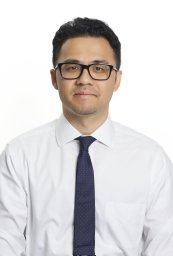 I-shen Huang合作论文数Dept Urol, Natl Yang Ming Chiao Tung Univ5
 Martin S. Gross合作论文数5
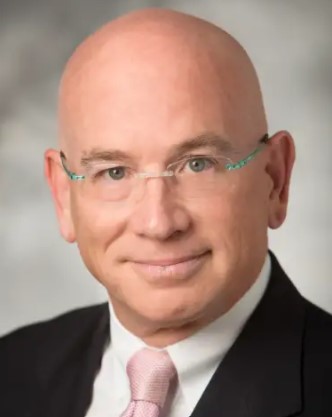 Stanton Honig合作论文数Department of Urology, Yale School of Medicine, Yale University5
 Carrion Rafael E合作论文数Moffitt Cancer Center, University of South Florida5
 James A. Eastham合作论文数Memorial Sloan Kettering Cancer Center5
 William C. De Groat合作论文数Department of Pharmacology and Chemical Biology, School of Medicine, University of Pittsburgh5Anne L. Darves-Bornoz合作论文数4Alexander J. Tatem合作论文数4
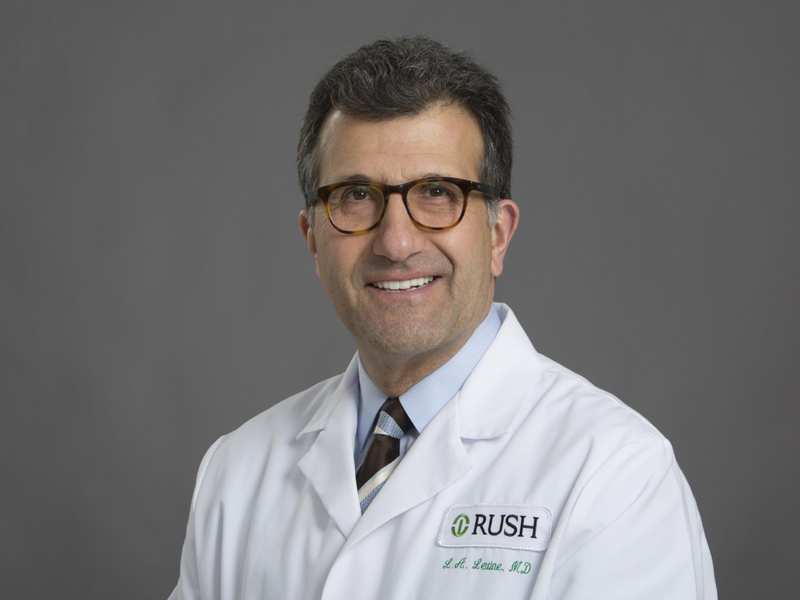 Laurence Adan Levine合作论文数Department of Urology, Rush Medical College4
 Daniel Mazur合作论文数4
 Arthur Burnett合作论文数Department of Urology, School of Medicine, The Johns Hopkins University;Basic Science Laboratory in Neurourology, School of Medicine, The Johns Hopkins University;Male Consultation Clinic, Johns Hopkins Hospital;James Buchanan Brady Urological Institute4
 Sidney Glina合作论文数Section of Urology;Ipiranga Hospital;Section of Urology, Ipiranga Hospital4Naoki Yoshimura合作论文数4Jason Stasi合作论文数4William P Conners合作论文数4
 Run Wang合作论文数Department of Urology, Anderson Cancer Center, University of Texas Medical School4
 Peter J Stahl合作论文数4Cigdem Tanrikut合作论文数4Jason M Greenfield合作论文数3Tejas Joshi合作论文数3Mehul Patel合作论文数3Pedro Maria合作论文数3Marah Hehemann合作论文数3




