SORL1, the gene encoding the SORLA protein, has arisen as a potential therapeutic target for Alzheimer's disease (AD). Studies suggest that restoring SORLA function or its trafficking pathways, particularly the SORLA-retromer recycling system, may offer a promising strategy to slow or halt AD progression. While both rare and common SORL1 variants have been associated with increased AD risk, recent evidence suggests a potential involvement of SORL1 in other neurodegenerative conditions. This study assessed the contribution of SORL1 genetic variation to the risk of AD, related dementias (RD), and Parkinson's disease (PD) using data from six large-scale biobanks, comprising 15,043 AD, 9,943 RD, and 42,763 PD cases, along with 111,969 controls across 11 ancestries. We identified 53 potentially disease-related SORL1 variants (CADD score > 20, MAC ≥ 2, annotated as protein-altering or splicing, and with the mutated allele present only in cases), including 41 novel and 12 previously reported variants. Three were found across multiple ancestries. Overall, 13 variants were found in AD-related cohorts, 5 in RD cohorts, and 35 in PD cohorts. Association analysis identified 10 nominally significant variants associated with AD and 5 with PD. The replication of multiple SORL1 variants across neurodegenerative diseases and ancestrally diverse populations underscores its potential broad genetic contribution to neurodegeneration and reinforces its relevance across distinct clinical phenotypes. Burden analysis identified a nominal association of SORL1 variants in PD in the South Asian population (P = 0.048). A family-based analysis identified a rare predicted-damaging variant in two East Asian families (11:121478242:G:A, p.R176Q) and two variants in two families of European ancestry (11:121514222:A:C, p.N371T; 11:121545392:G:A, p.V672M) that show some evidence of segregation in PD families. Although these variants were slightly more frequent in unrelated PD cases vs. controls, none of them showed statistically significant enrichment in PD, likely due to their very low frequency. Overall, our results extend the understanding of SORL1 beyond AD, suggesting a broader role in neurodegeneration and emphasizing the need for diverse population studies when evaluating genetic risk.
BACKGROUND:Although de novo causation in dystonia is widely acknowledged, there have been only a few trio-sequencing analyses in this field. We sought to prioritise de novo variants in dystonia and characterise the clinical and molecular features associated with the top gene candidate identified after genomic matchmaking. METHODS:We (re)assessed exome-sequencing data for de novo variants in genes with strong mutational constraint in a sample of 257 dystonia trios. Via data sharing, we collected information on individuals with variants in KLC1, encoding a subunit of the axonal-transport motor protein kinesin-1. Biophysical, biochemical, and functional studies, including differential scanning fluorimetry, X-ray crystallography, fluorescence-polarisation measurements, and immunoprecipitation from cells were performed for representative KLC1 variants. FINDINGS:Missense and loss-of-function de novo variants in constrained genes without implication in autosomal dominant or X-linked conditions were found in 11.7% (30/257) of cases with dystonia. We then ascertained 7 unrelated patients with movement and neurodevelopmental disorders who harboured distinct, predicted deleterious de novo KLC1 missense variants. These variants clustered within the cargo adaptor-binding tetratricopeptide repeat domain and 3 variants mapped to an identical amino-acid position. Highly similar infantile-onset dystonic-spastic phenotypes were observed in the subjects with the recurrently affected residue. For all functionally tested variants, we observed changes in KLC1 stability and/or altered binding behaviour to known kinesin-1 interactors, such as JIP3, previously associated with dystonia and neurodevelopmental impairment. INTERPRETATION:Our research supports the existence of a kinesinopathy linked to KLC1, featuring phenotypic overlap with diseases related to mutational defects of key interactors of KLC1. The full dystonia de-novo variant compendium is reported as a resource for additional disease-gene discovery. FUNDING:Else Kröner-Fresenius-Stiftung, German Federal Ministry of Education and Research, Technical University of Munich-Institute for Advanced Study, EU Renewal and Resilience Plan, Czech Ministry of Health, European Union-Next Generation EU, Italian Ministry for Universities and Research.
Background:PD GENEration ( NCT04057794 , NCT04994015 ), sponsored by the Parkinson's Foundation in partnership with Aligning Science Across Parkinson's (ASAP) through the Global Parkinson's Genetics Program (GP2), is an international, observational, clinical research study that offers genetic testing and counseling to people living with Parkinson's disease (PwP) at no cost. PD GENEration has aimed to empower PwP and their clinicians with knowledge of their genetic status, to accelerate recruitment into precision medicine trials, and to advance research through data sharing. Since its launch in 2019, the study has expanded to enroll over 32,000 PwP (as of March 31, 2026), from 10 countries across North, Central, and South America, the Caribbean, and Israel. Methods:Over the course of 6 years, PD GENEration has evolved to accommodate the growing scientific and research needs of the Parkinson's community while also increasing the ability to return genetic test results to PwP at a greater scale. Participants with a diagnosis of Parkinson's disease (PD) may enroll in-person or virtually where informed consent and blood sample collection can occur. Samples are analyzed at a College of American Pathologists/Clinical Laboratory Improvement Amendments (CAP/CLIA)-certified laboratory using whole genome sequencing, with variants curated for a primary panel of seven PD-associated genes. Results are disclosed during a genetic counseling visit, where further testing is offered for two optional additional gene panels. Those who consent undergo analysis of additional genes, and results are returned during a genetic counseling visit for those that test positive for a variant. In addition to returning genetic results to PwP, a central pillar of the study design has been the open sharing of genomic data to advance discovery in PD research in partnership with ASAP and GP2. Discussion:PD GENEration applies a flexible framework, allowing for country specific considerations and the integration of multiple site models, evolving based on participant needs and the prioritization of equity and accessibility. We summarize PD GENEration's implementation and scaling, highlight key accomplishments and lessons learned, and provide guidance for those interested in implementing large-scale clinical genetic testing studies across other diseases and therapeutic domains.
BORCS5 encodes a subunit of the BLOC-One-Related Complex (BORC), which is known to promote anterograde movement and fusion of lysosomes. We identified 16 individuals from 9 families with bi-allelic BORCS5 variants, revealing a spectrum of neurodevelopmental and neurodegenerative phenotypes. Carriers of homozygous protein-truncating variants (PTVs), resulting in complete loss of BORCS5, presented with prenatally lethal arthrogryposis multiplex congenita, brain malformations, and neuropathological evidence of neuroaxonal dystrophy. Individuals with missense or splice-site variants presented differently, with microcephaly, developmental epileptic encephalopathy, optic atrophy, spasticity, and progressive movement disorders. In this group, brain MRI showed diffuse hypomyelination, corpus callosum abnormalities, and progressive global cerebral atrophy, consistent with neurodegeneration. Borcs5 KO in zebrafish resulted in microcephaly, motor deficits, and increased seizure susceptibility, mirroring the patients' clinical presentation. At the cellular level, only BORCS5 PTVs, but not missense variants, led to perinuclear lysosomal clustering and impaired lysosomal axonal trafficking in induced pluripotent stem cell-derived forebrain neurons. However, PTVs and missense variants were associated with reduced lysosomal proteolysis and activity of lysosomal hydrolases glucocerebrosidase and cathepsin B, indicating lysosomal dysfunction. Our study reveals a role for BORCS5 in modulation of lysosomal function, in addition to its known role in lysosome movement and fusion, possibly underlying the diverse clinical manifestations in individuals with BORCS5-related disorders.
BACKGROUND:Recessive genetic variation and extended runs of homozygosity (ROHs) may contribute to the unexplained heritability of Parkinson's disease (PD), particularly in diverse and understudied populations. OBJECTIVE:We conducted the first large-scale, multi-ancestral investigation of PD to examine the impact of genome-wide homozygosity on disease risk and age at onset (AAO). Using genotyping, imputed, and whole-genome sequencing data from 36,127 PD cases and 19,475 controls across nine ancestral populations from the Global Parkinson's Genetics Program, we aimed to identify novel regions of homozygosity contributing to PD heritability. METHODS:We analyzed ROHs for total length (SROH), number (NROH), average length (AVROH), and genomic inbreeding coefficient (FROH). ROHs were intersected with known PD, pallido-pyramidal syndrome, and atypical parkinsonism gene regions and risk loci to assess pleomorphic or pleiotropic contributions. Homozygosity mapping identified ROH overlaps in families, consanguineous individuals, and early-onset PD (EOPD) cases. RESULTS:Significant differences in SROH, AVROH, NROH, and FROH were observed between case status across ancestries, persisting after excluding known PD-associated recessive genes. Our analysis revealed distinct patterns of ROH enrichment associated with AAO, suggesting recessive genetic modifiers of PD. Homozygosity mapping was used to prioritize 52 variants either segregating in families or present in individuals with consanguinity. In total, 1,559 ROHs in consanguineous individuals and EOPD overlapped known PD gene regions and risk loci. CONCLUSIONS:ROH regions contribute to PD heritability across ancestries, partly reflecting recessive genetic architecture. Larger and more diverse whole-genome sequencing studies are needed to identify rare recessive variants influencing PD risk. © 2026 The Author(s). Movement Disorders published by Wiley Periodicals LLC on behalf of International Parkinson and Movement Disorder Society. This article has been contributed to by U.S. Government employees and their work is in the public domain in the USA.
Expanded short tandem repeats contribute to a broad spectrum of neurodegenerative diseases, yet their roles in Parkinson's disease (PD) and parkinsonism remain incompletely characterized, especially across diverse ancestries. We analyzed short-read whole-genome (WGS) and clinical exome sequencing (CES) data from 38,365 individuals (28,861 WGS; 9,504 CES), encompassing 23,242 patients with PD, 4,729 patients with atypical parkinsonism and 10,394 healthy controls from 11 genetic ancestries. To determine carrier frequencies and characterize repeat structures across diverse ancestries, we genotyped 12 established pathogenic loci where normal, intermediate, and pathogenic alleles can be reliably differentiated using short-read sequencing data. Additionally, we conducted threshold-based associations to determine the minimum threshold associated with increased PD risk in 15,995 individuals (8,591 PD, 7,404 controls) of European ancestry. Pathogenic repeat expansions were detected in 62 patients (56 PD and 6 atypical parkinsonism) and 5 controls across seven loci (AR, ATXN1, ATXN2, ATXN3, CACNA1A, HTT and THAP11), spanning seven ancestries. Among these, ATXN2 expansions were the most frequently observed in PD and were present in African, East Asian, European and Middle Eastern ancestries. Additionally, intermediate ATXN2 repeat expansions exhibited a strong, length-dependent association with PD risk in the European population, with individuals with ≥32 repeats having a more than four-fold increased risk (odds ratio 4.25, 95% confidence interval 1.80-12.05). Overall, >92% of expanded alleles harbor CAA interruptions within the CAG tract. Pathogenic expansions at other loci, such as ATXN3 and THAP11, showed more ancestry-specific distributions. Clinically, individuals with pathogenic ATXN2 and ATXN3 expansions most often presented with typical PD features but frequently showed earlier disease onset and a strong family history of PD. This large-scale, multi-ancestry study comprehensively maps the genetic landscape of pathogenic and intermediate repeat expansions in PD. Our findings confirm a length- and structure-dependent risk association for ATXN2 with PD in the European population and highlight the pleiotropic effects of repeat expansions across the parkinsonian spectrum.
BACKGROUND:The genetic architecture of Parkinson's disease varies considerably across ancestries, yet most previous genetic studies have focused on individuals of European ancestry. We aimed to characterise the distribution of established Parkinson's disease causal variants, as well as risk-associated variants with clinical implications (ie, variants in genes involved in pathways targeted by ongoing clinical trials), across ancestrally diverse populations. METHODS:We conducted a multi-ancestry, observational, cross-sectional genetic study using retrospective data from the Global Parkinson's Genetics Program (GP2) release 11 (released in December, 2025). The study investigated causal and risk variants, including copy number variants, in established Parkinson's disease and parkinsonism-associated genes, following the recommendations of the Movement Disorder Society (MDS) Task Force on the Nomenclature of Genetic Movement Disorders, including GBA1, LRRK2, SNCA, VPS35, RAB32, PINK1, PRKN, PARK7, ATP13A2, DCTN1, DNAJC6, FBXO7, JAM2, RAB39B, SLC20A2, SYNJ1, VPS13C, and WDR45. Individuals with Parkinson's disease were diagnosed based on established clinical criteria, including the Parkinson's UK Brain Bank or MDS diagnostic criteria (or both), and healthy control participants were defined as individuals without evidence of neurodegenerative disease and unrelated to participants with Parkinson's disease. We analysed genome and exome sequencing and array genotyping data of 99 783 individuals, including 58 559 individuals with Parkinson's disease and 41 224 controls, from 11 genetically inferred ancestries (African, African admixed, Ashkenazi Jewish, Latino and Indigenous people of the Americas, central Asian, complex admixture, east Asian, European, Finnish, Middle Eastern, and south Asian), defined using reference population-based ancestry inference methods. We calculated allele frequencies for all investigated variants in individuals with Parkinson's disease and controls, both overall and stratified by ancestry. FINDINGS:Approximately 29% of individuals (29 001 of 99 783; 15 443 [26·4%] of 58 559 individuals with Parkinson's disease and 13 558 [32·9%] of 41 224 controls) were from under-represented populations (ie, non-European and non-Ashkenazi Jewish). Our findings indicated both shared genetic contributors across ancestries as well as ancestry-specific differences in variant frequencies and the spectrum of variants within Parkinson's disease-associated genes. Overall, 1217 (2·1%) of 58 559 individuals with Parkinson's disease carried a causal variant, with substantial variations across ancestries ranging from ten (0·4%) of 2844 African individuals to 251 (10·7%) of 2343 individuals of Ashkenazi Jewish ancestry. Risk variants in GBA1 and LRRK2 were identified in 6893 (11·8%) of 58 559 individuals with Parkinson's disease and 3578 (8·7%) of 41 224 controls. GBA1 risk variants were most frequent overall and identified across all ancestries, but variant frequency and spectra differed substantially between ancestries, from 195 (4·1%) of 4773 in the east Asian ancestry group to 1505 (52·9%) of 2844 in the African ancestry group. Similarly, LRRK2 causal and risk variants showed ancestry-specific enrichment, with the highest frequencies of causal variants in the Ashkenazi Jewish (250 [10·7%] of 2343) and Middle Eastern (59 [4·4%] of 1347) ancestry groups, whereas risk variants were predominantly identified in the east Asian ancestry group (601 [12·6%] of 4773). Carriers of biallelic causal variants in PRKN, commonly including deletions and duplications, were also identified across all ancestries except Ashkenazi Jewish; the highest frequency was in the Middle Eastern ancestry group (17 [1·3%] of 1347), and frequencies in all other ancestries were less than 1%. INTERPRETATION:This large-scale, multi-ancestry genetic study offers crucial insights into the population-specific genetic architecture of Parkinson's disease. Whereas clinical trials targeting GBA1 and LRRK2 variant carriers are primarily performed in Europe and the USA, increased ancestral diversity in Parkinson's disease research will be crucial to improve diagnostic accuracy, enhance our understanding of disease mechanisms across populations, and ensure equitable application of and access to emerging genetically informed therapies. FUNDING:Aligning Science Across Parkinson's (ASAP) through the Global Parkinson's Genetics Program (GP2).
Introduction:GCH1 has been implicated in Parkinson's disease (PD), but its risks variants and associations are not well defined. Objectives:To investigate the clinical relevance and PD risk associated with the GCH1 p.Ser80Asn variant. Methods:We first identified a segregating GCH1 p.Ser80Asn variant in a Malaysian Chinese PD family via whole genome sequencing (WGS). We assessed its risk association using multi-ancestry WGS data from the Global Parkinson's Genetics Program (GP2) (n=22,372PD vs n=8,826Controls) and meta-analysis of East Asian (EAS) cohorts (n=4,712PD vs 38,733Controls). Clinico-demographic details of affected variant carriers were collated. Results:The GCH1 p.Ser80Asn variant was enriched in GP2 EAS PD populations (n=9/2,757; 0.33%) but not detected in other ancestries. Meta-analysis revealed increased PD risk in EAS populations (odds ratio:5.1; 95%CI:2.3-10.7; p=2.89×10⁻⁵). Affected carriers (mean age at onset:56.3±12.5 years) had additional occurrence of dystonia, while dementia was rare. Conclusions:The GCH1 p.Ser80Asn variant is a rare, EAS-enriched risk variant for PD.
Abstract Background Pathogenic variants in GCH1 have been associated with Parkinson’s disease (PD), but the clinical phenotype and longitudinal disease course of GCH1 -associated PD remain incompletely characterized. Objectives To characterize the genetic spectrum, clinical phenotype, and longitudinal progression of GCH1 -associated PD across multiple populations. Methods Whole-genome sequencing (WGS) and clinical exome sequencing (CES) data from the Global Parkinson’s Genetics Program (GP2) were analyzed together with unpublished and published GCH1-associated PD patients. Variant pathogenicity was classified according to ACMG criteria. Demographic, clinical, and longitudinal features were compared between GCH1 P/LP variant carriers and non-carrier PD patients; individuals with known pathogenic variants in PD-associated genes were excluded from both groups. Results In the GP2 cohort (PD, n=22,825; controls, n=4,453), 16 pathogenic or likely pathogenic (P/LP) GCH1 variants were identified in 58 individuals, including 54 PD patients, one control, and three individuals with other neurodegenerative phenotypes (two with progressive supranuclear palsy and one with dementia with Lewy bodies). In the pooled-ancestry WGS analysis, GCH1 P/LP variants were enriched in PD patients versus controls (0.267% vs 0.023%; OR=11.854; 95% CI=1.620-86.699; p =0.0006). Variant frequencies in PD patients ranged from 0.121% to 0.714% across ancestries. In the CES cohort, P/LP variants were identified in 0.201% of PD patients. After integrating GP2 with additional unpublished and published datasets, 119 GCH1-associated PD patients were analyzed. Compared with non-carriers, GCH1 P/LP variant carriers had earlier disease onset (53.7 ± 14.8 vs 59.2 ± 11.7 years; p =8.99×10 -5 ), lower levodopa equivalent daily dose requirements (467.5 ± 331.7 vs 680.3 ± 466.39mg/day; p =4.21×10 -8 ), and more frequent family history of PD (47.6% vs 19.9%; p =1.09×10 -8 ). Adjusted Cox models showed significant delayed progression to motor fluctuations (HR=0.32, 95% CI=0.16-0.62) and levodopa-induced dyskinesias (HR=0.51, 95% CI=0.30-0.87). Conclusion GCH1 pathogenic variants were associated with a clinically distinct phenotype characterized by earlier disease onset and slower progression of motor complications. These findings suggest that GCH1 genetic variants may serve as genetic biomarkers for patient stratification and prognosis in PD.
Objective:We conducted the first large-scale, multi-ancestral investigation of Parkinson's disease (PD) to examine the impact of genome-wide homozygosity on disease risk and age at onset. Using genotyping, imputed, and whole-genome sequencing (WGS) data from 16,599 PD cases and 13,585 controls across nine ancestral populations from the Global Parkinson's Genetics Program, we aimed to identify novel regions of homozygosity contributing to PD heritability. Methods:We analyzed runs of homozygosity (ROHs) for total length (SROH), number (NROH), average length (AVROH), and genomic inbreeding coefficient (FROH). ROHs were intersected with known PD, pallido-pyramidal syndrome, and atypical parkinsonism gene regions and risk loci to assess pleomorphic or pleiotropic contributions. Homozygosity mapping identified ROH overlaps in families, consanguineous individuals, and early-onset PD (EOPD) cases. Results:Significant differences in SROH, AVROH, NROH, and FROH were observed between cases and controls across multiple ancestral groups, persisting after excluding known PD-associated recessive genes. Our analysis revealed distinct patterns of ROH enrichment associated with age at onset, suggesting recessive genetic modifiers of PD across diverse ancestral backgrounds. Homozygosity mapping identified 672 case-exclusive ROH pools, 21 prioritized variants, and 1,300 ROHs enriched in cases. Finally, 167 ROHs in consanguineous individuals and EOPD overlapped known PD and risk loci. Interpretation:Our findings suggest that ROH regions contribute to PD heritability in a global context, with a portion attributed to recessive allelic architecture. We developed an open-science framework for unbiased homozygosity mapping. Future studies should use larger, diverse cohorts and WGS data to uncover rare recessive variants linked to PD susceptibility.
LRRK2-PD represents the most common form of autosomal dominant Parkinson’s disease. We identified the LRRK2 p.L1795F variant in three families and six additional unrelated cases using genetic data from over 50,000 individuals. Carriers with available genotyping data shared a common haplotype. The clinical presentation resembles other LRRK2-PD forms. Combined with published functional evidence showing strongly enhanced LRRK2 kinase activity, we provide evidence that LRRK2 p.L1795F is pathogenic.
OBJECTIVE:A growing body of evidence indicates a strong genetic overlap between developmental and epileptic encephalopathies (DEEs) and movement disorders. De novo loss-of-function variants in NUS1 have been recently identified in DEE cases. Herein, we report a large cohort of cases with pathogenic NUS1 variants and describe their clinical presentation and the details of the associated epilepsy and movement disorders. METHODS:Cases with NUS1-related disorders were identified through a multicentric international collaboration made possible by the GeneMatcher platform. Clinical data were acquired through retrospective case-note review. RESULTS:We identified 41 subjects carrying 38 different pathogenic or likely pathogenic heterozygous NUS1 variants. The majority of cases displayed developmental delays and intellectual disability of variable severity. Epilepsy was present in 68.3% of cases (28/41) with onset typically in early childhood. Strikingly, 87.8% of cases (36/41) presented with movement disorders and for 13 of these cases the movement disorder was not accompanied by epilepsy. The phenomenology of the movement disorders was complex with myoclonus observed in 68.3% of cases (28/41), either in isolation or in combination with dystonia, ataxia, and/or parkinsonism. Seven cases that otherwise did not have prominent movement disorders had mild incoordination and intention tremor, suggestive of cerebellar dysfunction. There was no observed genotype-phenotype correlation, suggesting that other genetic or acquired factors impact the clinical presentation. INTERPRETATION:Heterozygous NUS1 pathogenic variants cause a complex neurological disorder, variably featuring developmental and epileptic encephalopathies and a broad spectrum of movement disorders, which represent the major source of neurological disability for most cases. ANN NEUROL 2025;98:561-572.
Background:The genetic architecture of Parkinson's disease (PD) varies considerably across ancestries, yet most genetic studies have focused on individuals of European descent, limiting our insights into the genetic architecture of PD at a global scale. Methods:We conducted a large-scale, multi-ancestry investigation of causal and risk variants in PD-related genes. Using genetic datasets from the Global Parkinson's Genetics Program, we analyzed sequencing and genotyping data from 69,881 individuals, including 41,139 affected and 28,742 unaffected, from eleven different ancestries, including ~30% of individuals from non-European ancestries. Findings:Our findings revealed shared and ancestry-specific patterns in the prevalence and spectrum of PD-associated variants. Overall, ~2% of affected individuals carried a causative variant, with substantial variations across ancestries ranging from <0·5% in African, African-admixed, and Central Asian to >10% in Middle Eastern and Ashkenazi Jewish ancestries. Including disease-associated GBA1 and LRRK2 risk variants raised the yield to ~12.5%, largely driven by GBA1, except in East Asians, where LRRK2 risk variants dominated. GBA1 variants were most frequent globally, albeit with substantial differences in frequencies and variant spectra. While GBA1 variants were identified across all ancestries, frequencies ranged from 3·4% in Middle Eastern to 51·7% in African ancestry. Similarly, LRRK2 variants showed ancestry-specific enrichment, with G2019S most frequently seen in Middle Eastern and Ashkenazi Jewish, and risk variants predominating in East Asians. However, clinical trials targeting proteins encoded by these genes are primarily based in Europe and North America. Interpretation:This large-scale, multi-ancestry assessment offers crucial insights into the population-specific genetic architecture of PD. It underscores the critical need for increased diversity in PD genetic research to improve diagnostic accuracy, enhance our understanding of disease mechanisms across populations, and ensure the equitable development and application of emerging precision therapies.
BACKGROUND:Spinocerebellar ataxia 27A (SCA27A) is a rare neurodegenerative disorder characterized by childhood-onset tremor and progressive cerebellar dysfunction. SCA27A is usually caused by loss-of-function FGF14 variants. OBJECTIVES:We report the identification of a novel FGF14 variant in a five-generation family with autosomal dominant ataxia and describe the clinical phenotype and response to subthalamic nucleus deep brain stimulation (STN-DBS) and 4-aminopyridine (4-AP). METHODS:Whole genome sequencing was performed on the proband, two affected sisters (Patients 2 and 3), and one unaffected sister (III5). Sanger sequencing was performed to confirm the variant and sequence additional family members. RESULTS:A novel heterozygous in-frame deletion (p.Val119del) in FGF14 was identified in this family affected by childhood-onset tremor followed by late-onset progressive ataxia. Two patients showed significant tremor reduction following STN-DBS and balance improvement with 4-AP. CONCLUSIONS:We identified a novel likely pathogenic FGF14 variant segregating in a family with SCA27A. Additionally, we suggest STN-DBS and 4-AP as promising treatment options for this condition. © 2025 The Author(s). Movement Disorders published by Wiley Periodicals LLC on behalf of International Parkinson and Movement Disorder Society.
OBJECTIVE:Autophagy is a fundamental biological pathway with vital roles in intracellular homeostasis. During autophagy, defective cargoes including mitochondria are targeted to lysosomes for clearance and recycling. Recessive truncating variants in the autophagy gene EPG5 have been associated with Vici syndrome, a severe early-onset neurodevelopmental disorder with extensive multisystem involvement. Here, we aimed to delineate the extended, age-dependent EPG5-related disease spectrum. METHODS:We investigated clinical, radiological, and molecular features from the largest cohort of EPG5-related patients identified to date, complemented by experimental investigation of cellular and animal models of EPG5 defects. RESULTS:Through worldwide collaboration, we identified 211 patients, 97 of them previously unpublished, with recessive EPG5 variants. The phenotypic spectrum ranged from antenatally lethal presentations to milder isolated neurodevelopmental disorders. A novel Epg5 knock-in mouse model of a recurrent EPG5 missense variant featured motor impairments and defective autophagy in brain areas particularly relevant for the neurological disorders in milder presentations. Novel age-dependent neurodegenerative manifestations in our cohort included adolescent-onset parkinsonism and dystonia with cognitive decline, and myoclonus. Radiological features suggested an emerging continuum with brain iron accumulation disorders. Patient fibroblasts showed defects in PINK1-Parkin-dependent mitophagic clearance and α-synuclein overexpression, indicating a cellular basis for the observed neurodegenerative phenotypes. In Caenorhabditis elegans, EPG5 knockdown caused motor impairments, defective mitophagic clearance, and changes in mitochondrial respiration comparable to observations in C. elegans knockdown of parkinsonism-related genes. INTERPRETATION:Our findings illustrate a lifetime neurological disease continuum associated with pathogenic EPG5 variants, linking neurodevelopmental and neurodegenerative disorders through the common denominator of defective autophagy. ANN NEUROL 2025;98:932-950.
INTRODUCTION:Xeroderma pigmentosum (XP) is a rare (1 per 1 million in United States) and progressive autosomal recessive skin disorder, typically resulting in photosensitivity and predisposition to malignant neoplasia. Neurological involvement is observed in a subset of these patients, (e.g., XPA variant), with neurodegeneration impacting roughly one in four patients. The neurocognitive impact of patients with the XPA variant is not well established or documented in current literature. Therefore, this case report presents the neurocognitive functioning of a patient with confirmed XPA with predominately neurological manifestation. METHODS:This current study presents a 39-year-old, right-handed, man with 16 years of education, who was recently diagnosed with XPA via neurological and genetic assessment. He underwent a comprehensive neuropsychological assessment as part of a comprehensive work-up. RESULTS:His neuropsychological profile revealed multi-domain cognitive impairment in executive functioning, language, visuospatial/constructive functioning, and encoding and retrieval aspects of memory. Behavioral/emotional regulation and social comportment were well preserved. Cognitive deficits have moderately impacted functional independence, resulting in a diagnosis of major neurocognitive disorder. CONCLUSIONS:There was widespread neurocognitive impairment in this XPA patient with neurodegeneration. However, significant cognitive decline did not present until adulthood in this patient, and preserved behavioral functioning bodes well for maintaining functional independence in a structured environment. Neuropsychological assessment early in diagnostic confirmation is key in tracking progression of cognitive decline, and in implementing supports to preserve functional independence.
Variants in GBA1 resulting in decreased lysosomal glucocerebrosidase (GCase) activity are a common risk factor for Parkinson's disease (PD) and dementia with Lewy bodies (DLB). Incomplete penetrance of GBA1 variants suggests that additional genes contribute to PD and DLB manifestation. By using a pooled genome-wide CRISPR interference screen, we identified copper metabolism MURR1 domain-containing 3 (COMMD3) protein, a component of the COMMD/coiled-coil domain-containing protein 22 (CCDC22)/CCDC93 (CCC) and Commander complexes, as a modifier of GCase and lysosomal activity. Loss of COMMD3 increased the release of lysosomal proteins through extracellular vesicles, leading to their impaired delivery to endolysosomes and consequent lysosomal dysfunction. Rare variants in the Commander gene family were associated with increased PD risk. Thus, COMMD genes and related complexes regulate lysosomal homeostasis and may represent modifiers in PD and other neurodegenerative diseases associated with lysosomal dysfunction.
BORCS5 encodes a subunit of the BLOC-one-related complex (BORC), which is known to mediate the kinesin-dependent anterograde movement of lysosomes. Using whole-exome sequencing, we identified 12 cases from seven families carrying bi-allelic BORCS5 variants, including four loss-of-function and two missense variants. Carriers of homozygous loss-of-function variants presented with prenatally lethal arthrogryposis multiplex congenita, brain malformations, and neuropathological evidence of diffuse neuroaxonal dystrophy. Individuals with missense variants presented differently, with microcephaly, developmental epileptic encephalopathy, intellectual disability, optic atrophy, spasticity, and progressive movement disorders. In this group, brain MRI showed diffuse hypomyelination and progressive global cerebral atrophy, consistent with neurodegeneration. Borcs5 knockout in zebrafish exhibited microcephaly, motor deficits, and seizures, mirroring the patients' clinical presentation. At the cellular level, BORCS5 loss-of-function but not missense variants, resulted in lower protein expression and impaired BORC assembly, paralleled by perinuclear lysosomal clustering. However, both loss-of-function and missense BORCS5 variants were associated with reduced total lysosomal proteolysis, reduced activity of the lysosomal hydrolases glucocerebrosidase and cathepsin B, and presence of multilamellar bodies, indicating lysosomal dysfunction. Our study reveals a novel role for BORCS5 in the regulation of lysosomal function, in addition to its known role in the anterograde movement of lysosomes, possibly underlying the diverse clinical manifestations in individuals with BORCS5-related disorders.
 Nicholas Wood合作论文数Institute of Neurology, Department of Clinical and Movement Neuroscience Queen Square, University College London39
 Henry Houlden合作论文数Department of Neuromuscular Diseases, Queen Square Institute of Neurology, UCL;Queen Square Centre for Neuromuscular Diseases, UCL39
 Kaliash Bhatia合作论文数Department of Clinical and Movement Neuroscience, Institute of Neurology, University College London39
 Dimitri Krainc合作论文数Department of Neurology, Feinberg School of Medicine, Northwestern University;Simpson Querrey Center for Neurogenetics, Northwestern Medicine33
 Steven Lubbe合作论文数Section of Cancer Genetics;Institute of Cancer Rsearch;Section of Cancer Genetics, Institute of Cancer Rsearch29
 John Hardy (约翰·哈迪)合作论文数Department of Neurodegenerative Disease, Queen Square Institute of Neurology, Faculty of Brain Sciences, University College London28
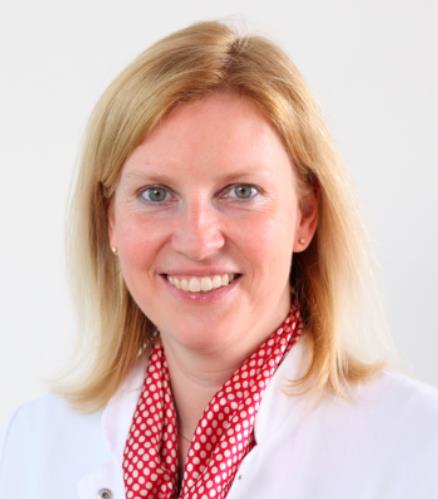 Christine Klein合作论文数Section of Clinical and Molecular Neurogenetics, Department of Neurology, University of Lubeck;Institute of Neurogenetics, University of Lubeck21
 Carecchio Miryam合作论文数Dept Neurol, Amedeo Avogadro Univ19Katja Lohmann合作论文数18
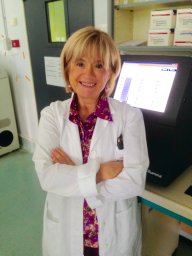 Barbara Garavaglia合作论文数National Neurological Institute ‘Carlo Besta’ Molecular Neurogenetics17
 Manju Kurian合作论文数Great Ormond Street Institute of Child Health, University College London;Developmental Neurosciences Department, University College London16
 Peter Heutink合作论文数Alector16
 Alan Pittman合作论文数Institute of Neurology, London, United Kingdom16
 Giovanna Zorzi合作论文数15
 Lisa M Kinsley合作论文数The Ken & Ruth Davee Department of Neurology, Feinberg School of Medicine, Northwestern University15Balint Bettina合作论文数15
 Cornelis Blauwendraat合作论文数National Institute on Aging and National Institute of Neurological Disorders and Stroke, National Institutes of Health;Laboratory of Neurogenetics, National Institute on Aging;National Institutes of Health, National Institute on Aging14
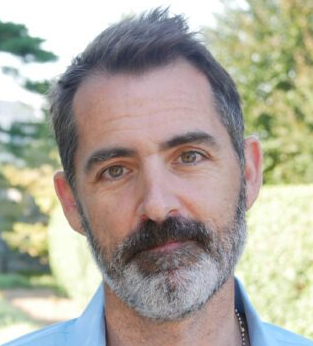 Andrew B Singleton合作论文数Global Parkinson’s Genetics Program14
 Thomas Gasser合作论文数Center of Neurology, Hertie Institute for Clinical Brain Research, University of Tübingen14Vincenzo Silani合作论文数14
 Shen-Yang Lim合作论文数Department of Medicine, Faculty of Medicine, University of Malaya14
 Andrew Lees合作论文数Reta Lila Weston Institute of Neurological Studies, University College London;National Hospital for Neurology and Neurosurgery14Nalls Mike A合作论文数Laboratory of Neurogenetics, Intramural Research Program, National Institute on Aging12Enza Maria Valente合作论文数12
 Bernabe I Bustos合作论文数Faculty of Biological Sciences and Faculty of Medicine, Universidad Andres Bello12
 Nardo Nardocci合作论文数Dipartimento di Neuropsichiatria Infantile, Fondazione Istituto Neurologico “C. Besta”,12
 Sarah Wiethoff合作论文数Dept Mol Neurosci, UCL Inst Neurol12Ai Huey Tan合作论文数11
 Huw Morris合作论文数Department of Clinical and Movement Neuroscience, University College London;Institute of Neurology, University College London;Royal Free Hospital11
 Amit Batla合作论文数Department of Clinical and Movement Neuroscience, Faculty of Brain Science, University College London;National Hospital for Neurology and Neurosurgery;Royal Free Hospital London;Luton and Dunstable University Hospital10
 Roy Alcalay合作论文数Sagol School of Neuroscience, Tel Aviv University;Division of Movement Disorders, Tel Aviv Soursky Medical Center;Department of Neurology, Columbia University10
 Kumar Kishore R合作论文数Royal North Shore Hospital, University of Sydney10
 Tatiana Foroud合作论文数Department of Medical and Molecular Genetics, School of Medicine, Indiana University10
 Alastair Noyce合作论文数Wolfson Institute of Population Health, Queen Mary University of London10
 Bandres-Ciga Sara合作论文数Department of Physiology and Institute of Neurosciences Federico-Olóriz, University of Granada10
 Michael Zech合作论文数Institute of Human Genetics, Technical University of Munich9
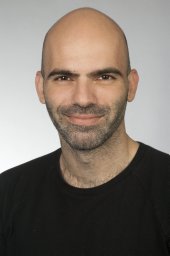 Christos Ganos合作论文数9
 P. Limousin合作论文数Department of Clinical and Movement Neurosciences, UCL Queen Square Institute of Neurology;National Hospital for Neurology and Neurosurgery9
 Soraya Bardien合作论文数Faculty of Health Sciences, University of Stellenbosch9
 Maria Stamelou合作论文数8Ignacio J. Keller Sarmiento合作论文数8
 Karen S. Marder合作论文数Division of Aging and Dementia, Department of Neurology, Columbia University Irving Medical Center8
 Trinh Joanne合作论文数8Micol Avenali合作论文数Neurological Rehabilitation Unit, IRCCS National Neurological Institute "C. Mondino", Pavia;Department of Brain and Behavioral Sciences, University of Pavia8
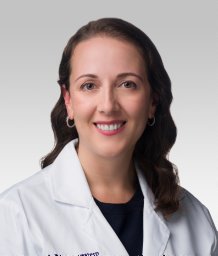 Paulina Gonzalez-Latapi合作论文数Laboratorio Clínico de Enfermedades Neurodegenerativas, Instituto Nacional de Neurología y Neurocirugía8
 Anne-Marie Wills合作论文数Department of Neurology, Massachusetts General Hospital8
 Roberto Erro合作论文数7Johanna Junker合作论文数Institute of Neurogenetics, University of Lübeck;Department of Neurology, University Hospital Schleswig-Holstein;University of Lübeck, University Hospital Schleswig-Holstein7
 Zih-Hua Fang合作论文数7




