Background Early detection of Alzheimer's disease (AD) is critical for timely intervention. Subjective cognitive decline (SCD), defined as self-perceived cognitive worsening while objective performance on standardized tests remains normal, when accompanied by neurodegenerative changes on brain imaging (e.g., hippocampal atrophy), can be classified as SCD with neurodegeneration of AD form (SCD-NDAD). This phenotype may represent an early stage of AD. Objective Investigate the prevalence and clinical characteristics of SCD-NDAD in general population. Methods: This multicenter, community-based cross-sectional study was conducted from 2013 to 2019 across 31 communities in eight major cities of northern, eastern, southern, and western China. Community-dwelling adults aged 50 years and older were recruited through cluster sampling. Participants underwent standardized interviews, neuropsychological assessments, and magnetic resonance imaging, on the basis of which SCD-NDAD was identified. The prevalence of SCD-NDAD was estimated with age- and sex-standardized weights. Results Of 5054 participants (mean age 69.4 years, 60.6% women), 2886 completed MRI. In participants aged ≥50 years, the prevalence of SCD-NDAD was 4.9% (95% confidence interval: 4.1% to 5.8%). In participants aged 65 years and older, prevalence increased to 6.5% (95% confidence interval: 5.5% to 7.7%). While these individuals exhibited preserved cognitive function across all domains, they demonstrated significant hippocampal atrophy, a key marker of AD-related neurodegeneration. Conclusions SCD-NDAD is common among older adults in China, with an estimated prevalence affecting 12.4 million individuals aged ≥65 years. Identifying this cohort may offer a critical window for early intervention and holds significant implications for public health strategies aimed at dementia prevention.
Missing data remain a critical challenge in data analysis, often leading to biased estimates and reduced reliability. Many imputation methods, operating under the assumption that similar instances share similar feature values, overlook the pivotal role of the feature associated with the missing value. Consequently, they apply uniform strategies to all missing values within an instance, often resulting in suboptimal neighbor sets and less accurate predictions. In this paper, we adopt a structural causal perspective to examine data imputation, revealing that once the target feature guides neighbor selection, it acts as a confounder and biases subsequent missing-value estimations. Building on this insight, we propose Structural Causal Imputation (SCImputation), a strategy that leverages both instance-level and feature-level information to refine neighbor selection, and applies a back-door adjustment formula that reweights local estimates with the global distribution, thereby mitigating the confounding introduced by the target feature. We integrate SCImputation with KNNimpute and LLSimpute, and evaluate the resulting variants on five datasets (NACC, three NCBI microarrays, and the Turkiye Student Evaluation) with ablation studies. In comparative evaluations against 12 baselines, SCImputation achieves 3.0%-4.6% gains in accuracy and 0.009-0.059 reductions in RMSE over the established approaches, and demonstrates competitive performance against leading deep learning baselines across diverse missingness mechanisms. These results suggest that SCImputation provides a causally grounded strategy for data imputation in both biomedical and general applications.
Depression is a common mental health issue, and due to limited medical resources, many patients find it difficult to receive timely diagnosis and treatment. In recent years, automated depression assessment based on multimodal information has gradually become a research focus. However, most studies have only focused on multimodal feature extraction and fusion while ignoring the topic-specific differential characteristics across subjects, which play a crucial role in enhancing assessment performance. To address this, this paper proposes a multimodal depression assessment method based on topic modeling and introduces a text-language joint topic modeling model named the Capturing Topic Contributions Network (CTCNet). The aim of CTCNet is to capture the contributions of different topics to depression assessment and improve the assessment performance. First, to solve the problem of losing key depression information in long sequences, this paper propose a topic modeling-based attention mechanism to evaluate the importance of different topics, guiding the model to focus on key depressive information within topics. Then, to better capture critical depression-related information within each topic, this paper employ a multi-dimensional large-kernel convolution module to extract comprehensive depression features from multiple dimension. Furthermore, a dynamic adaptive decision-making mechanism is introduced in the modality fusion module to selectively emphasize key features for fine-grained fusion. Extensive experiments on the DAIC-WOZ and E-DAIC datasets demonstrate that CTCNet significantly improves depression assessment performance, achieving state-of-the-art results.
Causal reasoning is the task to identify causal relations between a pair of events in a given context. However, causal reasoning in natural language remains a challenging task for large language models (LLMs), since they tend to mix correlation and causality and exhibit bias in their reasoning, especially by mistaking temporal proximity for causal relations. The problem is exacerbated by the models’ propensity to generate spurious justifications that confuses co-occurrence rather than actual causal relationships. Although CoT prompting has shown effectiveness in enhancing multi-step reasoning, it is prone to hallucination and spurious inferences, which generally dampens their capability to provide correct causal explanations. The variant of CoT, CoT-SC, is a more promising attempt at yielding consistent outputs by randomly sampling multiple reasoning paths, and voting for the most probable answer. However, for its implementation, CoT-SC also demands expensive computations. The prompting strategy that we propose in the current work, named as CF-CoT, aims to enable the LLMs to leverage causal reasoning on the explicit consideration of counterfactual worlds that they may have ignored to facilitate the reasoning task, mirroring how humans use “what-if” reasoning in day-to-day thinking. Our framework motivates models to distinguish real causal relations from mere correlations by studying how changing things hypothetically would affect them. Comprehensive experiments on two event-level causal reasoning benchmarks—EventStoryLine and e-CARE—show that CF-CoT, to some extent, enhance the performance in terms of causal inference accuracy and robustness over standard CoT and other baselines.
China’s “Shidu” older adults—those who lost their only child—face unique vulnerabilities in a culture that emphasizes filial support. This paper presents an ethnographic study of a telecare call center in Shanghai, where 19 telecaregivers support over 20,000 Shidu older adults via remote monitoring and check-in services. Drawing on 200 h of fieldwork and 12 in-depth interviews, we examine how the Chinese value of renqing (empathic humaneness) influences telecaregivers’ day-to-day work, from software usage to personalized care. Our findings reveal that telecaregivers creatively combined proprietary digital platforms with everyday tools (e.g., WeChat) to address system gaps, driven by renqing-inspired commitment to older adults’ well-being. We highlight design opportunities—such as culturally-grounded messages, fairness-oriented workload monitoring, and empathy-focused user interfaces—to embed renqing while ensuring equitable treatment. By underscoring the critical role of sociocultural context in shaping technology use in emerging caregiving models, this work contributes new insights into relational care and implications for human-computer interaction (HCI) researchers and designers developing technology that balances ethics with fair eldercare services.
Digital competence is increasingly essential in gerontological social work (GSW), yet most curricula provide little structured preparation. This mixed-methods study examined changes in students' self-rated digital competence across the duration of the course and explored how they perceived these developments. Thirty-two undergraduate GSW students from a Chinese college participated in this study. Quantitative and qualitative data were analyzed using statistical and thematic analysis, respectively. Findings from both quantitative and qualitative data indicated an overall improvement in GSW students' digital competence during the course. DC-US scores increased after the classroom-based phase and remained higher following the service-learning phase. Qualitative reflections validated and elaborated on this improvement by illustrating how students developed competencies across information and data literacy, communication and collaboration, content creation, safety, and problem solving. The study highlights that DigComp 2.2 can be meaningfully embedded into social work curricula to explicitly target digital competence training. The findings also reinforce the value of experiential learning as an instructional approach that contributes to GSW students' digital competence development. Future research could further explore the application of the DigComp 2.2 framework in diverse social work education contexts and examine its long-term impact on GSW students' digital competence development.
Siamese visual trackers have recently advanced through increasingly sophisticated fusion mechanisms built on convolutional or Transformer architectures. However, both struggle to deliver pixel-level interactions efficiently on resource-constrained hardware, leading to a persistent accuracy-efficiency imbalance. Motivated by this limitation, we redesign the Siamese neck with a simple yet effective Multilayer Perception (MLP)-based fusion module that enables pixel-level interaction with minimal structural overhead. Nevertheless, naively stacking MLP blocks introduces a new challenge: computational cost can scale quadratically with channel width. To overcome this, we construct a hierarchical search space of carefully designed MLP modules and introduce a customized relaxation strategy that enables differentiable neural architecture search (DNAS) to decouple channel-width optimization from other architectural choices. This targeted decoupling automatically balances channel width and depth, yielding a low-complexity architecture. The resulting tracker achieves state-of-the-art accuracy-efficiency trade-offs. It ranks among the top performers on four general-purpose and three aerial tracking benchmarks, while maintaining real-time performance on both resource-constrained Graphics Processing Units (GPUs) and Neural Processing Units (NPUs).
Research has shown that facial expressions can effectively infer the severity of depression. Recently, depression assessment methods based on images or facial landmarks have gained widespread attention. However, existing methods have not fully considered the complementary and synergistic effects between facial landmark features and images in extracting depression cues. Therefore, this article proposes a bidirectional depression detection network, aimed at comprehensively capturing facial depression cues. We employ a differential feature enhancement module to extract the differences between features and inject them into the corresponding features. Simultaneously, the common feature enhancement module utilizes facial landmark-based structured positional information as a guiding signal, directing the model to focus on depression-related information within the facial image features and fuse shared features. Furthermore, through adaptive feature fusion, we enhance the expressive power of depression-related features to improve the accuracy of assessment. We conducted extensive experiments on the AVEC2014 depression dataset and the RAF-DB facial expression dataset. The experimental results demonstrate that our method outperforms the current state-of-the-art methods, providing strong evidence of its effectiveness.
Life narratives can support person-centered care in long-term care, but existing representations are often either too long to scan quickly or too brief to provide useful context during time-pressured care. We present Event-Enhanced Profile (EE-Profile), a two-level representation that combines concise facet entities for rapid scanning with event timelines for contextual access during routine care workflows. Events are schema-structured tuples with provenance links to the original narratives. We also design a large language model pipeline that transforms narrative transcripts into facet entities and event tuples. In four studies with 8 older adults and 31 care-team participants recruited from two nursing homes and two hospital-based geriatric care units in two Chinese cities, EE-Profile improved information-retrieval efficiency and reduced perceived workload versus raw narratives in controlled task settings. Participants reported high usability and greater readiness to initiate personalized conversations. Source-linked event timelines show promise for making life narratives usable in time-pressured care.
Causal inference from observational data, particularly the estimation of a treatment’s causal effect on an outcome, has long been challenging, primarily because it hinges on correctly identifying confounders. This is typically accomplished in two main ways within causal inference frameworks: either by using causal discovery algorithms to recover the underlying causal structure through a causal graph, or by assuming that the relevant confounders are already known. Both approaches have been shown to be unreliable or simply infeasible in practical applications. Although large language models (LLMs) are advancing rapidly, their emerging capabilities in causal inference have only recently begun to receive significant attention. Nevertheless, LLMs currently lack the ability to directly interpret structured tabular data, which is widely used in causal inference. To address this limitation, we introduce a novel framework, CauExecutor, for causal inference. Our framework enables a novel combination of the semantic reasoning strength of LLM with the accurate estimation capacity of off-the-shelf statistical tools to more accurately estimate the causal effect from observational structured data. The CauExecutor first uses the semantic understanding and the reasoning power of LLMs to help find potential mediators and separate them from the confounders. It subsequently leverages off-the-shelf tools to programmatically handle tabular data and estimate causal effects by the optimized adjustment set. On several benchmark datasets, we observe CauExecutor outperforms all other LLM-based methods by correctly identifying more mediators and producing more accurate causal effect estimates. Additional experiments show that CauExecutor’s decision to disqualify mediators from the adjustment set, rather than qualifying any variable that meets the backdoor criterion, is beneficial to successfully minimizing mediator-induced bias and attaining improved estimation performance.
As services and education digitize in aging societies—accelerated by rapid advances in AI—cultivating “digital empathy,” the cognitive, affective, and communicative expression of empathy via digital technologies, is essential to support older adults’ inclusion. We co-constructed this concept with social work students in two contexts (62 master’s students in fall 2024 at the University of Eastern Finland, Finland; 52 undergraduate students in spring 2025 at Anhui Institute of Medicine, China) and identified actionable behaviors and design cues. In each setting, students received a brief empathy primer, viewed a short video of older adults encountering digital barriers, then wrote their own definition of “digital empathy.” Responses were analyzed using bilingual reflexive thematic analysis with a hybrid codebook and back-translation. Across sites, students converged on three dimensions: (1) communicative presence and empathic signaling online (e.g., appropriate camera use, timely responses, check-ins, supportive reactions); (2) perspective-taking with respectful, clear, plain-language communication; and (3) inclusive support and empathic design for older adults, including non-digital alternatives, patient coaching without shaming, and advocacy for accessibility/usability. Contextual emphases differed: Finnish definitions highlighted communicative presence and leadership-driven psychological safety in hybrid teams, whereas Chinese definitions foregrounded perspective-taking, practical assistance for older adults, and empathic, personalized design (with some invoking AI-enabled support). Findings inform curricula and service norms (e.g., check-in rituals, consent-based communication, plain language) and translate into older-adult-inclusive design prompts (offer access alternatives; prioritize accessibility/usability; normalize supportive reactions).
Few-shot Named Entity Recognition (NER) methods have shown initial effectiveness in flat NER tasks. However, these methods often prioritize optimizing models with a small annotated support set, neglecting the high-quality data within the unlabeled query set. Furthermore, existing few-shot NER models struggle with nested entity challenges due to linguistic or structural complexities. In this study, we introduce Retrieving high-quality pseudo-label Tuning, RiTNER, a framework designed to address few-shot nested named entity recognition tasks by leveraging high-quality data from the query set. RiTNER comprises two main components: (1) contrastive span classification, which clusters entities into corresponding prototypes and generates high-quality pseudo-labels from the unlabeled data, and (2) masked pseudo-data tuning, which generates a masked pseudo dataset and then uses it to optimize the model and enhance span classification. We train RiTNER on an English dataset and evaluate it on both English nested datasets and cross-lingual nested datasets. The results show that RiTNER outperforms the top-performing baseline models by 1.67%, and 3.04% in the English 5-shot task, as well as the cross-lingual 5-shot tasks, respectively.
In today's digital society, digital competence is crucial for gerontological social workers (GSWs) to support the well-being of older adults and promote professional development. However, there remains a significant gap in understanding what essential digital competencies GSWs should have. This case study aims to explore the essential digital competencies for GSWs based on the DigComp 2.2 framework. Data were collected through reflective assignments from social work students (N = 44), focus group interviews with gerontological social work practitioners (N = 2) and in-depth interviews with nursing home employers (N = 2). Through thematic analysis, we summarized the essential digital competencies for GSWs as follows: 1) Searching for, filtering, and evaluating information and data in social work practice; 2) Using digital technologies for communication and interaction; 3) Creating digital content for social work service; 4) Protecting personal data and privacy in digital environments; and 5) Enhancing the social worker's digital competence for professional practice. These finding would inform future course development aimed at cultivating digital competencies for GSWs.
Multimodal Sentiment Analysis (MSA) with incomplete data has gained significant attention recently. Existing studies focus on optimizing model structures to handle modality missingness, but models still face challenges in robustness when dealing with uncertain missingness. To this end, we propose a data-centric robust multimodal sentiment analysis method, Proxy-Driven Robust Multimodal Fusion (P-RMF). First, we map unimodal data to the latent space of Gaussian distributions to capture core features and structure, thereby learn stable modality representation. Then, we combine the quantified inherent modality uncertainty to learn stable multimodal joint representation (i.e., proxy modality), which is further enhanced through multi-layer dynamic cross-modal injection to increase its diversity. Extensive experimental results show that P-RMF outperforms existing models in noise resistance and achieves state-of-the-art performance on multiple benchmark datasets. Code will be available at https://github.com/***/P-RMF.
In Few-Shot Learning (FSL), Out-of-Distribution (OOD) samples often introduce confounders, limiting models’ generalization ability. Existing causal-based FSL approaches adjust for these confounders but typically rely on fixed assumptions derived from prior knowledge. In this work, we argue that confounders should be adaptively learned to suit specific scenarios. To address this, we propose a Structural Causal Model (SCM) that explains how confounders lead to misclassification in FSL, particularly when causal features and confounder features are entangled. Building on this SCM, we introduce the Causal De-Confounding framework for FSL (CDC-FSL), which dynamically learns disentangled representations of causal and confounder features. Using a novel co-learning strategy and back-door adjustment, CDC-FSL mitigates confounding effects during FSL recognition. Extensive experiments on standard benchmarks demonstrate that CDC-FSL achieves state-of-the-art performance in both 1-shot and 5-shot settings. Additionally, it exhibits superior cross-domain transferability, outperforming existing methods across diverse target domains.
In the realm of data-to-text generation tasks, the use of large language models (LLMs) has become common practice, yielding fluent and coherent outputs. Existing literature highlights that the quality of in-context examples significantly influences the empirical performance of these models, making the efficient selection of high-quality examples crucial. We hypothesize that the quality of these examples is primarily determined by two properties: their similarity to the input data and their diversity from one another. Based on this insight, we introduce a novel approach, Double Clustering-based In-Context Example Selection, specifically designed for data-to-text generation tasks. Our method involves two distinct clustering stages. The first stage aims to maximize the similarity between the in-context examples and the input data. The second stage ensures diversity among the selected in-context examples. Additionally, we have developed a batched generation method to enhance the token usage efficiency of LLMs. Experimental results demonstrate that, compared to traditional methods of selecting in-context learning samples, our approach significantly improves both time efficiency and token utilization while maintaining accuracy.
Large language models (LLMs) encounter challenges when addressing few-shot nested named entity recognition (NER) tasks. Traditional LLM-based approaches typically either prompt the model to generate entity words or types in sentences based on entity categories or word spans, or directly extract all entities of specific types present in the sentences. These methods often suffer from issues such as low query efficiency or suboptimal accuracy. This paper introduces an innovative framework, SynNER, which synergizes small and large language models to address these limitations. Initially, a small language model identifies low-confidence word spans, which are then refined and refined by a large language model. To simultaneously ensure recognition accuracy and improve the query efficiency of the LLM, we propose a Batch-Prompt strategy and an Entity Indexing method. These techniques enable the LLM to process multiple test instances simultaneously while maintaining precise correction results. Experimental results demonstrate that our method achieves significant performance gains on benchmark datasets, offering a cost-effective solution for few-shot nested NER tasks.
Nested entities are prone to obtain similar representations in pre-trained language models, posing challenges for Named Entity Recognition (NER), especially in the few-shot setting where prototype shifts often occur due to distribution differences between the support and query sets. In this paper, we regard entity representation as the combination of prototype and non-prototype representations. With a hypothesis that using the prototype representation specifically can help mitigate potential prototype shifts, we propose a Prototype-Attention mechanism in the Contrastive Learning framework (PACL) for the few-shot nested NER. PACL first generates prototype-enhanced span representations to mitigate the prototype shift by applying a prototype attention mechanism. It then adopts a novel prototype-span contrastive loss to reduce prototype differences further and overcome the O-type’s non-unique prototype limitation by comparing prototype-enhanced span representations with prototypes and original semantic representations. Our experiments show that the PACL outperformed baseline models on the 1-shot and 5-shot tasks in terms of F1 score. Further analyses indicate that our Prototype-Attention mechanism is a simple but effective method and exhibits good generalizability.
As large language models gain prominence, there is increasing concern about the potential biases they may perpetuate. While various biases have been studied, ageism in language models remains underexplored. According to the World Health Organization, ageism can significantly impact the physical and mental well-being of older adults, an impact that could grow as the global aging population increases. To address this research gap, we developed AgeismSet, a comprehensive Chinese dataset comprising 6,444 sentences, enhanced with neutral impression options to provide a balanced evaluation framework. Our study then used AgeismSet to investigate ageism in large language models across cognitive, affective, and behavioral dimensions, using AgeismSet to evaluate models such as GPT-4, GPT-3.5, GLM-3-Turbo, ERNIE Bot, Gemini Pro, and DeepSeek-V3. Our findings, quantified by the Ageism Score (AS), reveal that while some models perform well, there is considerable room for improvement in mitigating ageism. This work underscores the necessity for targeted interventions to ensure more equitable AI systems.
 Jiaoyun Yang (杨矫云)合作论文数School of Computer Science and Information Engineering, Hefei University of Technology55
 Lian Li (李廉)合作论文数School of Information Science & Engineering, Lanzhou University30
 Gil Alterovitz合作论文数18
 Lili Jiang (姜丽丽)合作论文数Umea University16
 Huitong Ding合作论文数Chobanian & Avedisian School of Medicine, Boston University;UMass Chan Medical School13
 Jing Yang合作论文数Key Laboratory of Knowledge Engineering with Big Data, Ministry of Education, School of Computer Science and Information Engineering, Hefei University of Technology13
 Min Hu (胡敏)合作论文数School of Computer Science and Information Engineering, Hefei University of Technology12GuiLin Chen (陈桂林)合作论文数10
 Xiaoguang Zhao (赵晓光)合作论文数Institute of Automation, Chinese Academy of Sciences;School of Artificial Intelligence, University of Chinese Academy of Sciences9Aiguo Wang (王爱国)合作论文数School of Computer Science and Information Engineering, Hefei University of Technology9Xiaohua Wang (王晓华)合作论文数School of Computer Science and Information Engineering, Hefei University of Technology9
 Rhoda Au合作论文数Chobanian & Avedisian School of Medicine, Boston University9Liuqi Jin合作论文数8Hong Ming合作论文数8
 Anand Sivasubramaniam合作论文数Department of Computer Science and Engineering, School of Electrical Engineering and Computer Science, College of Engineering, The Pennsylvania State University;Institute of Energy and the Environment, The Pennsylvania State University8
 Hongtu Chen合作论文数8
 Shiying Sun合作论文数Chinese Acad Sci, Inst Automat, State Key Lab Management & Control Complex Syst, Beijing 100190, Peoples R China7JinJun Liu (刘进军)合作论文数7Kunxia Wang (王坤侠)合作论文数School of Electronics and Information Engineering,Anhui Institute of Architecture and Industry,Hefei ,China7
 Sue Ellen Levkoff合作论文数Harvard Medical School Department of Psychiatry, Brigham & Women’s Hospital7Fang Gui合作论文数6
 Md Tanbir Hassan合作论文数Hefei Univ Technol, Sch Comp & Informat, Hefei, Peoples R China6
 Jianyong Wang (王建勇)合作论文数Department of Computer Science and Technology, Tsinghua University6
 Jing Yuan (袁晶)合作论文数Peking Union Medical College Hospital6
 Bing Nan Li (李炳南)合作论文数Department of Biomedical Engineering, School of Medical Engineering, Hefei University of Technology6
 Li Liu (刘礼)合作论文数School of Big Data & Software Engineering, ChongQing University5
 Fuji Ren (任福继)合作论文数Department of Information Science & Intelligent Systems, Faculty of Engineering, Tokushima University;University of Electronic Science and Technology of China5
 Yiming Tang (唐益明)合作论文数Department of Intelligent Science and Technology, School of Computer Science and Information Engeering, Hefei University of Technology5
 Zeng-Guang Hou (侯增广)合作论文数State Key Laboratory of Management and Control for Complex Systems, Institute of Automation, Chinese Academy of Sciences;University of Chinese Academy of Sciences5
 Min Peng (彭敏)合作论文数Department of Communication Engineering, School of Computer Science and Information Engineering, Hefei University of Technology5
 Lin Han (韩琳)合作论文数School of Nursing, Lanzhou University5
 Yanyong Zhang (张燕咏)合作论文数Institute of Advanced Technology, University of Science and Technology of China;School of Computer Science and Technology, University of Science and Technology of China5
 Jinxiong Zhou (周进雄)合作论文数School of Aerospace Engineering, Xi'an Jiaotong University5
 Kun Yi合作论文数State Information Center of China4Siyuan Jiang合作论文数4
 Min Tan (谭民)合作论文数Institute of Automation, Chinese Academy of Sciences;University of Chinese Academy of Sciences4
 Ye Chen合作论文数4
 Zhiding Hu (胡志丁)合作论文数School of Geographic Sciences, East China Normal University4
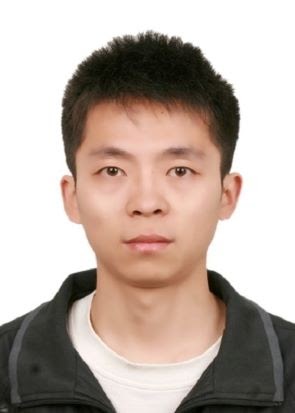 Qi Zhang合作论文数DeepBlue Academy of Sciences4
 Xiumin Wang (汪秀敏)合作论文数School of Computer Science & Engineering, South China University of Technology4Xi Wu (吴玺)合作论文数School of Computer Science and Information Engineering, HeFei University of Technology4
 Siva Ravada合作论文数Oracle USA , Inc4
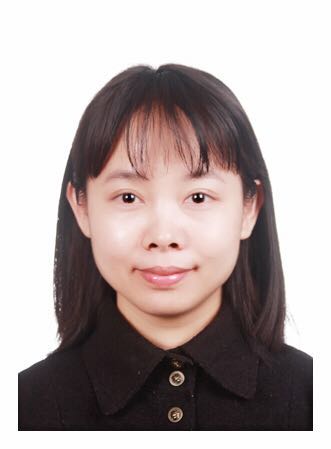 Xia Que (阙夏)合作论文数School of Computer Science and Information Engineering, HeFei University of Technology4
 Wei Fan合作论文数The University of Auckland3
 Zhongai Hu (胡中爱)合作论文数Northwest Normal University3ravi kanth v kothuri合作论文数3Yan-rui GUO (郭延锐)合作论文数3Mingliang Lin合作论文数3




