The severe dissolution of vanadium (V) in vanadium-based films, caused by strongly polar water, has consistently limited their application in aqueous ion batteries. Herein, we used a low-temperature liquid-phase deposition method for the synthesis of N/Co co-doped HxV2O5 films on indium tin oxide (ITO) conductive substrates. Nitrogen doping introduced oxygen defects, while cobalt doping enhanced the stability of the crystal structure. By further introducing a hydrophobic physical water barrier (weighing paper) onto the film surface, an aqueous zinc-ion battery (AZIB) was successfully assembled. The constant-current intermittent titration test (GITT) revealed that the N/Co co-doped HxV2O5 film electrode exhibits a lower inclination depth (Delta iR) in its discharge curve, thereby achieving superior electrochemical performance. At a current density of 117 mA m-2, the initial discharge areal capacity was 51.2 mA h m-2 and increased to 121.2 mA h m-2 after 250 cycles, corresponding to a capacity retention of 236.7 %. Moreover, differential capacitance analysis and X-ray photoelectron spectroscopy (XPS) tests confirmed the co-insertion/extraction mechanism of H+/Zn2+ in the film electrodes and the reversible formation of a new Zn2(V3O8)2 phase during cycling. This new phase synergistically enhanced the areal capacity of film electrode. These results offered new insights into the application of N/Co co-doped hydrogen vanadium bronze film electrodes in AZIBs.
As the temperature increases, the microgel superplasticizer undergoes deswelling, gradually releasing the stored water. The dynamic water absorption-release behavior improves particle dispersion and regulates the hydration process.
Autogenous shrinkage is one of the primary factors leading to cracking in concrete structures. To enhance the efficiency of solid waste resource utilization, this study utilizes air-cooled blast furnace slag aggregates (ACBFSAs) to prepare concrete. The impact of different combinations of coarse and fine aggregates (NS-LCR, NS-SCR, SS-LCR, and SS-SCR) on the autogenous shrinkage of concrete is investigated. The experimental results indicate that the shape of the ACBFSAs is more irregular, and the surface of the aggregates is rougher. The 112 d autogenous shrinkage of the NS-LCR group reaches-195.4 mu m/m. Replacing natural aggregates with ACBFSAs effectively reduces the autogenous shrinkage of concrete, and the SS-SCR group even exhibits micro expansion (55.8 mu m/m). Owing to the internal curing effect induced by ACBFSAs, the concretes obtain higher internal relative humidity and smaller autogenous shrinkage. Its multi-angular characteristics and rough surface greatly increase the bonding strength between aggregate and the matrix. This study can provide technical support for the resource utilization of ACBFSAs in concrete.
Abstract To elucidate the mechanisms governing volumetric stability and optimization of ultra‐high‐performance engineered cementitious composites, this study investigated the coupled effects of seawater and limestone calcined clay cement (LC 3 ) on hydration kinetics, pore structure, and shrinkage behavior. Internal temperature and relative humidity monitoring, shrinkage measurements, isothermal calorimetry, thermogravimetric analysis (TGA), and mercury intrusion porosimetry (MIP) were conducted to characterize hydration and microstructural evolution. Hydration kinetics were analyzed using the Knudsen and Krstulović‐Dabić three‐stage framework, while shrinkage was decomposed into autogenous and drying components using a Kohlrausch‐Williams‐Watts (KWW) formulation and a tanh‐based drying model. The results show that seawater accelerates early hydration, shifts the peak degree of conversion to a lower level, and advances the induction‐to‐diffusion transition, leading to increased autogenous and drying shrinkage. In contrast, metakaolin promotes the formation of C‐(A)‐S‐H through pozzolanic reactions, while limestone powder provides filler and carboaluminate effects; their combined incorporation refines and homogenizes the pore network, significantly mitigating shrinkage. The kinetic fingerprint—characterized by n , , and the induction‐diffusion transition position—is related to shrinkage behavior, indicating that LC 3 prolongs the induction stage and weakens diffusion‐controlled hydration. MIP and TGA results further demonstrate that higher chemically bound water contents and lower portlandite contents are associated with refined pores and reduced connectivity, increasing the drying time scale. Overall, the LC 3 blend offers an effective low‐carbon strategy for designing UHPECC with reduced shrinkage.
This study demonstrates a synergistic strategy for significantly enhancing the corrosion resistance of AZ91 magnesium alloy by combining lanthanum (La) microalloying and equal-channel angular pressing (ECAP). As-cast alloys with varying La contents (0.5 wt%–1.5 wt%) were processed by ECAP, and their corrosion behavior was evaluated in a 3.5 wt% NaCl solution. The results reveal that the ECAP-processed 1.0 wt% La alloy achieves superior corrosion resistance, exhibiting a more than tenfold improvement in long-term immersion tests compared to other compositions. This enhancement is primarily attributed to the significant reduction of micro-electrochemical coupling effect between the β-phase and the α-Mg matrix, as the addition of lanthanum prevents the formation of the β phase; and protective La2O3-MgO composite oxide film is formed on the surface, effectively blocking chloride penetration. In contrast, excessive La addition (1.5 wt%) promotes the formation of coarse cathodic regions, accelerating anodic dissolution and degrading corrosion performance. Additionally, the ECAP significantly improves the corrosion resistance of the alloy by grain refinement and homogenization of second phases impeding corrosion spread and reducing the number of micro-electrochemical coupling. The significant enhancement in corrosion resistance achieved by combining optimal La content with ECAP processing provides valuable insights for advancing the application potential of magnesium alloys in demanding corrosive environments.
The utilization of circulating fluidized bed combustion (CFBC) fly ash with high SO3 content at high dosages in cementitious materials with excellent volume stability remains a significant challenge. To tackle this issue, the present research examined how CO2 curing affects the volume stability and microstructure of CFBC fly ash-based all-solid-waste cementitious materials designed within a medium-CaO system (35% CaO content). Two CFBC fly ashes exhibiting markedly distinct contents of SO3 and CaO were selected and blended with carbide slag (CS), then tested for macro-properties including compressive strength and volume stability. Results demonstrate that CO2 curing significantly enhances compressive strength, reaching approximately 25.87 MPa for CFBC-B based all-solid-waste cementitious materials at 35 degrees C, while also ensuring excellent volume stability (dimensional changes <0.5%). Microstructural analyses (XRD, TG-DTG, NMR, SEM, MIP) reveal that CO2 curing promotes the formation of stable calcite and highly polymerized silica gel, accompanied by the consumption of expansive phases such as ettringite (AFt) and Ca(OH)(2). These carbonation products densify the matrix through pore-filling and interface refinement, thereby improving mechanical performance and mitigating expansion risks. The findings confirm that CO2 curing facilitates the employment of CFBC fly ash and CS at elevated dosages within sustainable cementitious materials, contributing to both solid waste recycling and CO2 sequestration.
Blast furnace slag-based alkali-activated cements (AACs) can develop low stiffness and significant deformation compared to Portland cement due to amorphous nature of its reaction products. This study evaluates the effectiveness of a calcined layered double hydroxide (CLDH) as a seeding material to regulate the phase assemblage and micromechanical performance of AACs composites. Results demonstrate that CLDH particles act as nucleation seeds accelerating reacting kinetics inducing the formation of an aluminum substituted calcium silicate hydrate gel (C-A-S-H gel) highly intermixed with a Mg-Al LDH type phase (Ht). This composite phase presents higher elastic modulus compared to samples without CLDH. The addition of CLDH led to microstructure densification and improved homogeneity, and reduced adhesion forces. These microstructure features led to higher compressive strength and enhanced volume stability in CLDH-composite AACs, demonstrating a strong link between microstructural refinement and macroscopic behavior. This study reveals that phase engineering via the addition of CLDH seeding is an effective approach for tailoring the nanostructure and micromechanical performance of AACs. By establishing a clear mechanistic link between CLDH seeding, C-A-S-H/Ht nanocomposite formation, and the resulting improvements in micromechanical properties, and macroscopic performance, this study provides both a viable strategy for enhancing the volume stability of alkali-activated materials and a transferable methodological framework for evaluating nanoscale seeding effects in cementitious systems.
The micro/global properties of both fresh and hardened cement paste can be affected by the admixed metal-organic frameworks (MOFs) corrosion inhibitors. In this study, the effect of zeolitic imidazolate framework (ZIF-8) corrosion inhibitors on workability, hydration performance, microstructure and mechanical property of cement paste were extensively investigated. The results indicate that ZIF-8 corrosion inhibitors exhibit no prominent impact on the fluidity, rheology and zeta potential of fresh cement paste. C3A hydration process and formation of ettringite during early hydration stage are also not obviously affected by the admixed ZIF-8 corrosion inhibitors. However, Ca2 + concentration in cement pore solution decreases by 13.5 % in the presence of ZIF-8 corrosion inhibitors, leading to 8.1 % reduction of calcium hydroxide content at 2.5 h hydration age. Further, the induction period is extended from 1.5 h to 4 h with 0.4 wt% ZIF-8 corrosion inhibitors, which is attributed to physical adsorption and chemical reaction of ZIF-8 corrosion inhibitors with Ca2+ in cement pore solutions. The harmful pore content of hardened cement paste is reduced by 73.7 %-76.0 % with ZIF-8 corrosion inhibitors. The nucleation and filling effects prompt cement hydration process and slightly improve the mechanical strength at late hydration stage. Meanwhile the compositions and morphologies of hydration products keep unchanged in hardened cement paste during late hydration stage.
Reinforced concrete structures are prone to rust expansion cracking during service. Electrophoretic deposition repair is one of the effective coping technologies, but in actual engineering, the width and location of rust expansion cracks are not fixed, which affects the repair efficiency. This study was conducted by controlling the crack width and location variables. The results show that an increase in crack width reduces the inter-electrode resistance, expands the effective action area of the electric field, enhances the electrophoretic deposition rate of the repaired molecules, and increases the improvement amplitude of the waterproof performance of the specimens. For every 0.1 mm increase in width, the molecular deposition rate increases by 7 %. By comparing the repair of cracks in different locations, the lower crack achieved a filling rate of 92 % due to the synergy of electric field force and gravity, and the density of the epoxy resin film was the best. The lateral crack cause the deposition path to shift downward due to gravity, presenting an asymmetric filling (filling rate of 73 %). The upper crack needs to overcome the gravity barrier, and the filling rate in the middle drops to 57 %. The research provides a theoretical basis for the optimization of specific crack repair parameters.
For the rust expansion and cracking disease of reinforced concrete, the electrophoretic deposition repair method is a new and effective means. This study focuses on the key component of the electrophoresis repair solution - aqueous cationic amine curing agent (ACACA), and systematically explores the influence mechanism of its molecular structure design and proporation parameters on the repair rate and effect of rust expansion cracks. The research results show that: 1) Introducing ether-based functional groups into the ACACA molecular chain can significantly improve the electrophoretic deposition efficiency, manifested as the simultaneous acceleration of the increment of specimen mass and the growth rate of electrophoretic deposition films (EDF) thickness; 2) The introduction of ether-based functional groups prolongs the molecular chain length and endows EDF with hydrophobicity, effectively improving its flexibility, crack resistance and water resistance, thereby enhancing the mechanical properties, carbonization resistance and impermeability of the repaired specimens. 3) When the ratio of ACACA to aqueous cationic epoxy resin (ACER) deviates from 1:1, the excess components will lead to structural defects in EDF cross-linking, manifested as increased sensitivity to film cracking and a sudden drop in impermeability. The above findings provide a theoretical basis for the design and preparation of high-performance electrophoretic repair materials.
Electrophoretic deposition repair technology (EPD) is a repair method proposed for the rust swelling and cracking disease of reinforced concrete. Reinforced concrete used in environments such as subway tunnels is more prone to rust, expansion and cracking due to the coupled erosion of chloride ions, sulfate ions and stray currents. This study aims to explore the enhancing effect and mechanism of EPD on the resistance of rust-cracked reinforced concrete to ionic (Cl-, SO42-) and stray current erosion. The prefabricated rusted concrete specimens were repaired by using the direct current constant voltage EPD process. The repair effect was systematically evaluated through permeability tests, sulfate and stray current accelerated corrosion simulations and other tests. The research results show that after EPD repair, the impermeability and ionic erosion resistance of the specimens have been significantly improved. In the accelerated erosion test, the maximum penetration depth of chloride ions was 15.4% lower than that of the unrepaired specimens. Meanwhile, the retention rate of the linear density of the reinforcing bars after stray current erosion reached 98%, which was much higher than that of the unrepaired samples. Electrochemical analysis further indicates that the corrosion potential of the repaired reinforcing bars has undergone a significant positive displacement, with the displacement amplitude exceeding 350 mV. The corrosion probability has decreased from high-risk areas to non-risk areas. This study confirms that the EPD repair technology not only seals the cracks through the physical barrier effect of electrophoretic deposits (epoxy resin), enhancing the resistance of the repair area, but also actively improves the electrochemical environment at the steel/concrete interface, providing an effective active repair strategy for enhancing the durability of rusted and cracked reinforced concrete structures in harsh environments.
In offshore island-reef engineering, coral aggregate concrete (CAC) has become an important construction material because it enables the use of locally available resources and mitigates the limitations associated with long-distance material transportation. However, compared with ordinary aggregates, coral aggregates exhibit pronounced differences in their material properties and structural characteristics. The material properties of coral aggregates, including physical, mechanical, and chemical properties, are characterized mainly by high water absorption, low strength, and relatively high salt content. Their structural characteristics, including morphological and pore structure characteristics, are characterized mainly by irregular shapes, pronounced angularity, and rough surface textures, as well as high porosity and high pore connectivity. These structural characteristics serve as the key link between the material properties of coral aggregates and CAC performance. Therefore, this review systematically summarizes structural characterization methods for coral aggregates and elucidates the mechanisms through which aggregate material properties and structural characteristics influence CAC performance. On this basis, the main performance enhancement pathways of CAC are synthesized from the perspectives of material design and the service stage. This review provides theoretical support for the material design and engineering applications of CAC.
Bridge repair or widening projects typically adopt half-width construction and traffic flow strategies. As a result, fresh concrete is unavoidably exposed to traffic vibrations while it hardens. This research examined how trafficinduced vibrations impact the mechanical properties, mesostructure, and microstructure of lightweight ultrahigh performance concrete (LUHPC) during various stages of hardening. Mercury intrusion porosimetry (MIP), X-ray diffraction (XRD), back-scattered electron image analysis (BSE-IA), and X-ray computed tomography (XCT) were employed to systematically analyze the performance of LUHPC and its multiscale structural characteristics under traffic vibration. The results show that during the PI and PF stages, vibration enhances axial compressive strength and elastic modulus, while the opposite effects were observed during the IF stage. The ultrasonic pulse velocity of LUHPC is highly consistent with its compressive strength, with R2 values up to 0.95, providing a reliable basis for nondestructive evaluation under traffic vibration. Vibration causes changes in fiber orientation from horizontal to vertical and this change is mainly originated from the rotation of top layer steel fibers. Vibration during the IF stage (four hours) shows the highest efficient in accelerating hydration, increasing hydration degree by 9.08 % within four hours. The increasing number of gel pores in LUHPC could be related to the hydration accelerating effect of traffic vibration. Traffic vibration alters the ITZ structure around LWA, especially during the IF stage. During the IF stage, ITZ porosity in the 0-5 mu m range rises by 34.87 % relative to the SC sample. Correlation analysis revealed that the contribution of fiber orientation to compressive/flexural strengths is minor under vibration, ITZ width correlates most strongly with compressive strength (R2 = 0.94), and ITZ porosity with flexural strength (R2 = 0.90). Traffic vibration accelerates cement hydration during various hardening stages.
Radiation shielding ultra-high performance concrete (RS-UHPC) often encounters issues such as segregation and high autogenous shrinkage. This study investigated the effects of two internal curing materials on the properties of RS-UHPC. One is the prewetted barium aluminosilicate ceramsite (BASC) replacing for ilmenite sand, and the other is the super absorbent polymer (SAP) addition with an equivalent amount of internal curing water. The workability, mechanical properties, microstructure, and radiation shielding performance of UHPC were studied and these properties were compared. The results indicated that replacing ilmenite sand with BASC improves the homogeneity of UHPC, while the addition of SAP worsens homogeneity. A 50 % replacement with BASC reduced autogenous shrinkage by 58.5 %. Similarly, a 0.29 % addition of SAP reduced autogenous shrinkage by 46.6 %. However, reducing shrinkage comes at the cost of reduced mechanical properties. BASC has a tight connection with the cement matrix and a dense interfacial transitional zone, which helps mitigate the deterioration of mechanical properties. For 50 % of BASC replacement and 0.29 % of SAP addition, the 28d compressive strength of UHPC decreases by 7.9 % and 11.0 %, respectively. A disadvantage of using BASC is its degradation on the gamma-ray shielding performance of UHPC. With a 50 % BASC replacement, the gamma-ray attenuation coefficient decreased by 9.7 %, whereas the decrease was only 1.9 % with a 0.29 % SAP addition. The presence of boron in BASC offers it a better shielding against neutron rays compared to SAP. The effective neutron removal cross-section of UHPC increased by 5.45 % with 50 % BASC replacement. In contrast, it increased by only 1.7 % with 0.29 % SAP addition. These findings can guide the performance regulation of RS-UHPC.
In this study, new types of supplementary cementitious materials (SCMs) were manufactured by the calcination of construction wastes such as engineering muck (EM) and waste brick (WB) in the presence of waste dolomite powder (WDP). The impacts of calcined dolomite-muck (CDM) and calcined dolomite-brick (CDB) on the performances of Portland cement were investigated, the reaction mechanism of CDM and CDB in pastes was also analyzed. Results showed that the mineral phases in CDM and CDB are β-C2S, periclase, quartz and merwinite. The incorporations of CDM and CDB decreased the hydration heat and strengths of cement-based materials at early stages. However, the blended cement mortars with 10–20
Coal gangue is a carbonaceous rock discharged from coal mining and coal washing processes, an industrial solid waste in the coal mining industry. Coal gangue contains complex and diverse components, has low utilization rate and difficulty in compatibility between large-scale and high added value. Long term accumulation pollutes the environment. Safely, efficiently, and resourceful dispose and utilization of coal gangue have always been unavoidable issues for the high-quality development of the coal mining industry. Under the background of carbon neutrality and the development of green building industrialization, the efficient utilization of coal gangue resources in the field of building materials has broaden development space. The efficient utilization of coal gangue in the field of building materials should start from its composition, structure, and physical and chemical properties, and strengthen basic research on its application, in order to create efficient utilization pathways and mature technical means for the disposal of coal gangue solid waste in the building materials field. This article summarizes the latest research progress of coal gangue in the field of building materials, focusing on the high-value utilization technology of coal gangue in the preparation of concrete aggregates, cementitious materials (cement, active raw materials for geopolymer, etc.), and points out the existing problems in the utilization process of coal gangue and puts forward constructive suggestions. Perspectives are made for its future development and application prospects.
The viability of converting recycled concrete fines (RCF) into low-grade artificial limestone, through carbonation in aqueous systems, for use as a sustainable replacement for high-grade limestone in limestone–calcined clay cement (LC3) was explored. The experimental results suggest that the carbonated RCF (CRCF) exhibited high pozzolanic activity, generating additional calcium (aluminium) silicate hydrate (C-(A)-S-H) to serve as nucleation sites for LC3 hydration. The refined particle size of the CRCF and the presence of fine-sized calcium carbonate further facilitated initial ions dissolution, accelerating early-age hydration and improving the pore structure of the LC3. Moreover, the incorporation of CRCF significantly enhanced the compressive strength of the LC3. Specially, when CRCF were used as a complete replacement of limestone, the compressive strength improved by 19.82% at 3 days and 2.50% at 28 days, respectively, relative to the control. These findings demonstrate the potential of CRCF as a sustainable alternative to limestone, contributing to both efficient concrete waste utilisation and environmentally friendly LC3 production.
Desert sand supersulfated cement (DS-SSC) mortar suitable for western saline-alkali environments was designed using desert sand (DS) and supersulfated cement (SSC). The production process of SSC reduces carbon emissions and saves energy, and its excellent resistance to sulfate erosion is highly compatible with the building needs of western saline-alkali areas. At the same time, the western region contains abundant DS resources, and the use of local materials has reduced transportation costs, making up for the shortage of natural sand resources. This article investigates the effects of DS content and early curing methods on the mechanical properties and sulfate resistance of DS-SSC mortar, and analyzes its degradation mechanism. The results showed that 25 % DS reduced the porosity of DS-SSC mortar, improved its mechanical strength and salt erosion resistance. After 28 d of standard curing, the compressive strength was 34.4 MPa, which increased to 53.3 MPa after 28 d of MgSO4 erosion. Hot water curing accelerates hydration and promotes the transformation from larger to smaller pores, while carbonization curing leads to the decalcification of C-S-H gel, which destroys the network structure and leads to the transformation from smaller to larger pores. The main erosion product of MgSO4 is gypsum, which is initially fill but later expand. The salt erosion coefficient of SC-S25 was 1.55 at 28 d and decreased to 0.97 at 180 d. Carbonized mortar undergoes secondary decalcification under sulfate erosion, resulting in a weakened internal structure. The salt erosion coefficient of CC-S25 at 180 d is only 0.61.
Coral aggregate concrete used in island and marine infrastructures often exhibits low strength, high porosity, and rapid deterioration. This study develops an ultra-high-performance geopolymer coral concrete (UHSGC) through coral aggregate refinement and statistically guided mixture optimization. Mechanical milling improved coral particle sphericity and reduced surface roughness, enabling denser aggregate packing. Twelve tailored gradations were evaluated, and the Zone II distribution provided the lowest void ratio and superior early mechanical performance. A two-stage design strategy was adopted: an orthogonal design first identified suitable fineness modulus, steel fiber dosage, and sand-to-binder ratio, followed by a simplex centroid mixture design to refine paste, fine coral sand, and coarse coral sand proportions. The optimized UHSGC, comprising 40 % paste, 34 % fine coral sand, 26 % coarse coral sand, and 2 % steel fibers, achieved 158.0 MPa compressive strength and 3.88 % porosity at 28 days. Durability tests demonstrated high stability, with 140.3 MPa residual strength after 180 days of sulfate-chloride immersion and chloride diffusion coefficients in the "moderate-to-high resistance" range. A simplified environmental assessment indicated reduced embodied carbon and cost compared with Portland cement-based coral concrete. The results confirm a viable and sustainable pathway for producing dense, durable, and high-strength coral-based geopolymer concrete for marine applications.
 Daosheng Sun (孙道胜)合作论文数School of Materials & Chemical Engineering, Anhui Jianzhu University90
 Kaiwei Liu合作论文数57
 Haiyan Xu合作论文数29
 Dongcai Li合作论文数22
 Zuhua Zhang (张祖华)合作论文数Department of Civil Engineering Materials, School of Materials Science and Engineering, Tongji University16Yang He合作论文数11
 Yingcan Zhu合作论文数University of Southern Queensland, University of Southern Queensland11Gaozhan Zhang (张高展)合作论文数11GuiLin Chen (陈桂林)合作论文数10Hanxiao Bian合作论文数9
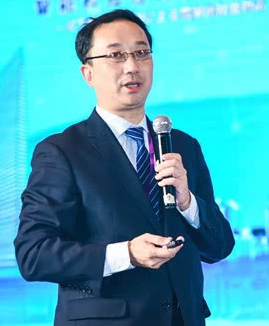 Ning An (安宁)合作论文数School of Computer Science and Information Engineering, Hefei University of Technology9
 Liwu Mo (莫立武)合作论文数College of Materials Scence and Engineering, Nanjing Tech University8Fanglin Liu合作论文数8
 Yingjie Chu合作论文数8Rui Ma (马瑞)合作论文数8
 Gil Alterovitz合作论文数7Yue-ming WANG (王月明)合作论文数6
 Peiyuan Chen (陈佩圆)合作论文数Anhui University of Science and Technology6
 Deng Chen合作论文数6
 Qingjun Ding (丁庆军)合作论文数State Key Laboratory of Silicate Materials for Architectures, Wuhan University of Technology6
 Qijun Yu (余其俊)合作论文数School of Materials Science and Engineering, Hefei University of Technology6
 Lian Li (李廉)合作论文数School of Information Science & Engineering, Lanzhou University6
 Yi Ding (丁益)合作论文数安徽建筑大学材料与化学工程学院6
 Jian-Guo Dai (戴建国)合作论文数Department of Architecture and Civil Engineering, College of Engineering, City University of Hong Kong6
 Min Deng (邓敏)合作论文数College of Materials Science and Engineering, Nanjing Tech University6
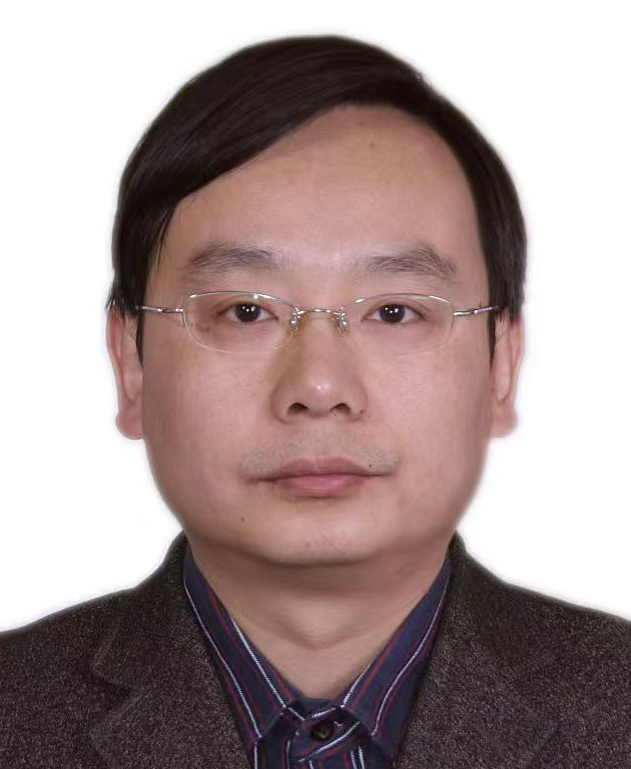 Jun Zhao (赵军)合作论文数School of Water Conservancy, North China University of Water Resources and Electric Power6Bang-Cheng Lyu合作论文数5
 Jun Yang合作论文数5
 Peng Liu (刘鹏)合作论文数School of Environmental Science and Engineering, Changzhou University5
 Jinhui Tang (汤金辉)合作论文数School of Materials Science and Engineering, Southeast University5Yan Li合作论文数5Jing Yang合作论文数Key Laboratory of Knowledge Engineering with Big Data, Ministry of Education, School of Computer Science and Information Engineering, Hefei University of Technology5
 Won Chun Oh合作论文数Department of Advanced Materials & Science Engineering, Hanseo University5Yueming Xin合作论文数4Junhai Ruan合作论文数4Wanyu Xu (许婉钰)合作论文数4Jinzhi Ouyang合作论文数4Wenbin Ge合作论文数4Qiong Xu (徐琼)合作论文数4Jin Li合作论文数4YanMei Guan (管艳梅)合作论文数4
 Ping Duan (段平)合作论文数Faculty of Materials Science and Chemistry, China University of Geosciences4
 Liping Guo (郭丽萍)合作论文数School of Materials Science and Engineering, Southeast University4Niuniu Huang合作论文数3Shansan Shen合作论文数3Dandan Chen合作论文数3Mengya Zhou合作论文数3Tao Yang合作论文数3




