Traditional wing design methods rely on engineering experience, simulations, and wind tunnel experiments, resulting in high computational cost and long design cycle. In contrast, deep learning (DL) can reduce the dependence on complex physical models and repetitive experiments, thereby improving design efficiency.In this paper, a multimodal fusion dataset of NACA airfoils and wings is established using XFLR5-generated data. Based on this dataset, an aerodynamic prediction framework composed of multiple DNN architecture (MultiDNN-MFF) is constructed to characterize the mapping between 2D airfoil geometric features and aerodynamic performance, the nonlinear influence of aspect ratio on 3D wing aerodynamic performance, and the spanwise flow effects induced by 3D wing spanwise gradients, enabling cross-dimensional prediction from 2D airfoil geometric features to 3D wing aerodynamic performance. In addition, a multiple wing surface generation strategy driven by a single aerodynamic objective is proposed, the multiple aerodynamic functions constrained by the aerodynamic objective are constructed using the power-law parameter transformation (PLPT) method, and the corresponding wing configurations are obtained using inverse DNN models.For aerodynamic prediction, the MAEs of the predicted lift and drag coefficients (CL and CD) are 6.558×10⁻³ and 3.06×10⁻⁴, respectively. For wing generation, the MREs of the designed CL and CD are 5.52% and 3.38%, respectively, with certain cases achieving values below 2%. The proposed method exhibits satisfactory performance in 3D wing aerodynamic prediction and surface generation within the investigated design space, and has the potential to serve as an efficient surrogate modeling framework for aircraft preliminary design and validation. However, its generalization capability under higher-fidelity conditions remains to be further investigated.
Mechanical metamaterials and metastructures exhibit unconventional mechanical and functional properties not found in conventional materials. The unique characteristics originate from special geometric and topological arrangements of their constituent unit cells. Anisotropy is a fundamental physical property and is instrumental in tailoring mechanical responses. Its strategic implementation is a key determinant for achieving structure-function integration, expanding the accessible design space, and addressing multi-physics coupling requirements. Consequently, the precise orchestration of material architecture to elicit targeted functionalities has become a central theme in advanced materials research. Advanced computational design and additive manufacturing are pivotal in creating bio-inspired metamaterials, mimicking the complex anisotropy of natural structures to achieve integrated functionalities. This review summarizes recent advancements in anisotropic design, covering its conceptual evolution and classification. It analyzes unit-cell design methodologies, highlighting the shift toward intelligent, data-driven algorithms. The review explores macroscopic deformation in metastructures, controlled by spatially modulating unit-cell properties. Finally, this work synthesizes key strategies and evaluates future trajectories, aiming to establish a theoretical foundation and propose new paradigms. These efforts are intended to accelerate the discovery and implementation of next-generation metamaterials and metastructures.
Purpose In material extrusion additive manufacturing, temperature nonuniformity during deposition affects thermal history, viscosity evolution and temperature contrast within the deposited strand. The purpose of this study is to quantify directional temperature nonuniformity along the toolpath and through thickness for single-road fused deposition modeling, and to assess the effects of layer height and enclosure temperature. Design/methodology/approach A transient three-dimensional thermo fluid based on computational fluid dynamics (CFD) model couples creeping flow with heat transfer. The model tracks the free surface using a level set two phase mixture formulation and uses a Cross Arrhenius viscosity law. Line averaged absolute gradients Gx and Gz are evaluated for layer heights 0.25 mm, 0.50 mm and 0.75 mm under natural convection and an isothermal enclosure. Findings Under natural convection, the 0.75 mm case reaches a peak top to bottom temperature difference of 74 K, about 507 K near the surface and 433 K near the substrate. For 0.50 mm, through thickness gradients are about 10 K per mm near the melt top and 30 K per mm near the substrate. The enclosure reduces along path gradients for thinner layers but increases through thickness gradients as layer height rises. A cooling time scale based on melt volume and convective area explains this trade off. Originality/value This work introduces direction specific thermal gradient metrics for fused deposition modeling. These metrics separate along path and through thickness effects and enable controlled comparison of the simulated layer height and enclosure cases.
The insect wing is a rigid-flexible coupled system composed of veins and membranes, exhibiting significant directional variations in stiffness distribution. Calculating force and deformation under dynamic conditions is challenging but remains critical for aerodynamic optimization of flapping-wing aircraft. This study developed a rigid-flexible coupled wing design method inspired by butterfly wings, integrating parametric modeling, anisotropic stiffness optimization, and bidirectional Fluid-structure Interaction (FSI) simulation to quantify unsteady interactions and enable passive deformation for enhanced performance. A parametric model of butterfly wings was established using Bézier curves to describe diverse shape characteristics across butterfly families, linking biological morphology to aerodynamic properties. By defining and adjusting the spanwise and chordwise stiffness distribution of the wings, we analyzed the deformation and forces through simulation, revealing how adaptive bending guide Leading-edge Vortex (LEV) and improve thrust. We found that for a monarch butterfly with a 50 mm span, maintaining a chordwise stiffness of 0.154 N/m and a spanwise stiffness of 1.792 N/m results in excellent aerodynamic efficiency, generating thrust 6 times the wing’s weight—outperforming rigid wings by 34
Currently, additive manufacturing of carbon fiber reinforced composites (CFRPs) offers advantages such as high forming flexibility and material utilization, it still suffers from limitations in dimensional accuracy, surface quality, and feature formation. This paper explores a hybrid additive-subtractive manufacturing approach for CFRPs and proposes a collaborative process that integrates feature classification, manufacturing process design and path planning. Firstly, a feature tree of the model is constructed and feature types are classified. Based on the feature tree and the error-driven allowance allocation strategy, rational additive and subtractive processes partitioning is achieved, which improves machining efficiency and resource utilization. Furthermore, a planar deposition path planning method based on undirected graph of scanline is proposed to avoid additive defects affecting subtractive machining quality. The simulation and experimental validation show that the average dimensional deviations are 0.032 mm and 0.121 mm for the two case studies, with standard deviations of 0.124 mm and 0.254 mm, respectively. The proposed method demonstrates superiority in dimensional accuracy, manufacturing efficiency, and material utilization, providing a new insight for the high-efficiency and precision manufacturing of fiber-reinforced composites.
Conformal lattices are recognized as ideal lightweight materials for complex curved aerospace structures such as wing skins due to their excellent geometric adaptability and spatial utilization. However, when the filling scale of the lattice in a structure exceeds millions of unit cells, the number of finite element (FE) elements can reach hundreds of millions, and consequently, conventional performance simulations are difficult to be performed. A feasible approach is to reduce the dimensionality of the problem by equivalently treating the lattice as a continuous material. Nevertheless, high-precision equivalence of conformal lattice properties cannot be achieved by traditional periodic homogenization methods. In this paper, large scale conformal lattice structure equivalent performance prediction and simulation method based on residual fully connected neural network (R-FCNN) is proposed. An isoparametric mapping method for conformal lattice structures and a homogenization numerical solution algorithm based on voxelized conformal lattice unit cells are developed. To capture the mapping relationship between the geometric parameters of the lattice structure and its equivalent constitutive matrix, a data-driven prediction model based on residual learning is constructed, by which high-accuracy and high-efficiency prediction of the equivalent constitutive matrix is achieved. By replacing the conformal lattice with a hexahedral structure made of an anisotropic material, the number of FE elements is significantly reduced while simulation accuracy is maintained, and thus the simulation efficiency is improved. Simulation experiments are conducted on conformal body-centered cubic (BCC) lattice structures with varying curvatures, different configurations, and large-scale models to validate the prediction accuracy, simulation efficiency, and computational capability of the proposed method. The results show that the relative error of the predicted equivalent properties of the lattice unit cell is reduced to 2.16%. The predicted displacement field is found to be nearly identical to that obtained from full-scale FE analysis, and the maximum displacement error is reduced to 2–3%. Consistency in the first six vibration mode shapes is observed between the two approaches, with the natural frequency error being kept below 1%. Moreover, the computation time is shortened by 2–3 orders of magnitude, and the analysis of large-scale conformal lattice structures, which cannot be handled by conventional FE models, is enabled by the proposed method.
Lattice structures, valued for their high specific strength, stiffness, and excellent thermal management performance, have become crucial for integrated structural-functional design in aerospace, energy, and vehicle engineering. As unit cells scale from thousands to millions, traditional rasterization and direct rendering methods face excessive discretization overhead or severe computational burdens in real-time rendering of large-scale lattice structures. Addressing large-scale multi-scale truss-type lattice-solid structures, we propose a hybrid rendering pipeline based on billboard sorting to enhance visualization efficiency. Employing an explicit-implicit hybrid representation, the pipeline decomposes models into beam billboards, transition billboards, and solid billboards, integrating hardware rasterization with sphere tracing. It establishes a ray-object intersection acceleration mechanism based on geometric correlation constraints, significantly reducing intersection complexity. This pipeline uniformly handles implicit lattices and explicit solid triangles, accommodates extreme scale variations, and accurately renders fusion regions between beams and solid models. Combined with hierarchical level-of-detail techniques, it achieves visualization of a million-beam lattice-solid model within 2.9 s while maintaining 23.30 fps during interaction.
This paper presents a computer-aided design (CAD) system for removable partial denture (RPD) frameworks, addressing the challenges of dentition defects. The system takes a digitized dental model obtained via optical scanning as input and generates an RPD framework model ready for 3D printing. Key technologies include spline curve editing and modeling, mesh offsetting, texture image-based modeling, and component models fusion. The system utilizes conformal mapping between the dental model and a disk. This enables spline curve editing to be executed in the parameterized 2D domain, ensuring both accuracy and efficiency. An iterative approximation method with adaptive mesh simplification is introduced to achieve precise mesh offsetting while avoiding self-intersections. Furthermore, texture mapping enables interactive modeling of holes for denture base connectors and 3D branch-like wax patterns for major connectors. An enhanced Boolean algorithm, combined with smoothing and simplifying techniques for intersecting regions, is utilized to ensure seamless and natural integration of various components. Clinical evaluations demonstrate that the system achieves a performance level comparable to advanced commercial CAD systems, having successfully completed over 30,000 clinical designs with high reliability and meeting all required standards.
Jetting printing is widely used in electronics, biomedicine and other advanced manufacturing fields, yet jetting trajectory divergence severely impairs its printing resolution and deposition efficiency. Here, we propose a non-contact acoustic manipulation strategy for jetting trajectory regulation based on a hemispherical ultrasonic phased array. A dual-focus acoustic field is constructed via phase modulation of the transducer elements within the array, and the acoustic radiation force generated by this field is utilized to suppress the divergent motion of in-flight droplets. The acoustic field characteristics and droplet trajectory evolution are systematically investigated through multiphysics simulations coupling flow, electric, and acoustic fields, which verify the trajectory confinement effect of the dual-focus acoustic field. Experimental validation is further conducted on a custom-built platform under five different auxiliary gas flow rate conditions, and the captured images are analyzed using an automated digital image processing program. The results show that the jetting trajectory width is consistently confined under all conditions, achieving a maximum width reduction of up to 18.96% with high reproducibility and robustness. This non-contact and non-destructive acoustic manipulation method effectively suppresses jetting trajectory divergence, and provides a novel and feasible technical solution for high-precision jetting printing applications.
ABSTRACT For complex short‐fiber‐reinforced composite components, there are problems of additive deposition continuity and subsequent subtractive machining accessibility in multi‐axis hybrid additive‐subtractive manufacturing (HASM). This study proposes a process planning method that integrates variable‐direction slicing with accessibility‐driven partitioning. First, under interlayer constraint conditions, variable‐direction slicing layers are generated based on principal component analysis (PCA) plane fitting, and smooth multi‐axis deposition is achieved by updating the build direction layer by layer. On this basis, a machining accessibility evaluation model based on the continuous tool‐axis field of slice contours is established. Accordingly, a top‐down accessibility‐driven geometric partitioning strategy is developed to realize partition‐based hybrid additive‐subtractive process planning for complex structures. The experimental results demonstrate that the proposed method maintains deposition continuity in complex curved regions while ensuring accessibility for subsequent machining. The error distribution in the main curved regions and sub‐block transition regions of the fabricated part remains stable. The proposed method can effectively improve the surface quality of the fabricated part, reducing the surface roughness by 43.6%. Meanwhile, by reducing the number of sub‐blocks and process switching operations, the non‐processing time is decreased by 38.6%. This provides a new process route for the multi‐axis collaborative manufacturing of short‐fiber‐reinforced composite complex curved structures.
With carbon-fiber-reinforced polymer (CFRP) composites accounting for over 50% of next-generation aircraft structures, adhesive bonding has become the optimal weight-saving method for joining metallic components to CFRP in complex lightweight structures. Nevertheless, the lap shear strength (LSS) of conventional adhesive joints remains insufficient for high-performance aerospace structural applications. To address this bottleneck, this study first explored the effects of bondline thickness and curing pressure on the joint LSS. On this basis, an interfacial synergistic reinforcement strategy integrating mechanical interlocking with chemical activation was proposed. A dual-stage variable-grit roughening process was employed to construct dual-scale nested microstructures on the titanium alloy surface. Simultaneously, low-pressure micro-abrasive roughening created shallow microstructures on the CFRP, enabling efficient mechanical interlocking without damaging the load-bearing fibers. Atmospheric-pressure plasma treatment was then utilized to graft polar groups onto the surfaces, inducing a near-superwetting state that significantly enhanced interfacial chemical bonding. This paper elucidates the underlying synergistic mechanisms through morphological, physicochemical, and fracture analyses. Consequently, the LSS of the reinforced joint reached an exceptionally high 48.5 MPa, representing a remarkable 117.5% improvement over untreated specimens. Ultimately, this methodology was successfully applied to the lightweight design of a representative complex dissimilar structure.
In the aerospace field, vibrations pose significant challenges to the operational accuracy and safety of onboard equipment. In this paper, a compact vibration isolator based on a structural-functional integrated lattice is proposed. A parametric model for the isolator is developed to tune the first-order natural frequency of the vibration system. Firstly, an optimization objective of maximizing compliance (minimizing stiffness) is introduced based on the linear system’s response characteristics. Zigzag structures are designed using topology optimization, and a calculation method for the structural stiffness is proposed to reduce iteration cycles. Secondly, half of the body-centered cubic (H-BCC) lattice is employed to reduce the mass and stiffness of the zigzag structures. The stiffness of the H-BCC isolator is equivalently calculated, and the calculation method is validated through quasi-static experiments. Thirdly, a piecewise linear model is developed to analyze the stiffness nonlinearity caused by structural densification. The stability and bifurcation of the harmonic response are studied using the Floquet multipliers and the system response is calculated numerically. The nonlinear system’s superharmonic resonance is manifested through the short-time Fourier transform. Finally, vibration experiments are conducted to evaluate the performance. The harmonic response demonstrates that the designed isolator effectively tunes the system’s natural frequency, thereby broadening the vibration attenuation bandwidth. The response discontinuity caused by stiffness nonlinearity is validated through both calculations and experiments. Under random vibration excitation, the proposed isolator exhibits a vibration isolation efficiency exceeding 90%, confirming the effectiveness under both linear and nonlinear conditions.
At present, additive manufacturing of continuous fiber-reinforced composites (CFRCs) mainly adopts planar fiber layout. The development of multi-axis additive manufacturing systems provides unprecedented opportunities for the fabrication of composite structures with non-planar fiber layouts. This paper explores a multi-axis curved layer fused deposition modeling (CLFDM) process for CFRCs. Based on the drum-shaped deposition cross-section, a curved layer theoretical deposition model with equal void depth that satisfies uniform overlap is constructed. A path planning method for continuous fiber curved layer is proposed based on the theoretical deposition model. The accurate equal error step size calculation is performed under the change of the surface normal curvature and the curve curvature, achieving interference-free and equal error printing path discretization. Using 6-axis robot integrated with a dual-nozzle printing system, continuous fiber CLFDM is realized through its multiple degrees of freedom. Verified by computer simulation and physical printing experiments, the algorithm in this paper has considerable feasibility for various surface shapes, effectively enabling the manufacturing of continuous fiber curved layers with high fiber volume fraction. Comparative results of mechanical experiments show that the failure loads of the uniformly overlapped continuous fiber curved layers increased by 39.8 % and 89.2 %, and the stiffness increased by 47.8 % and 73.2 %, respectively. This provides new insights for the exploration of composite materials with complex curved fiber layouts.
Material extrusion 3D printing often suffers from voids and poor interlayer bonding, which significantly weaken the mechanical properties of the printed parts. To address these issues, this paper proposes a path-following roller compaction method aimed at reducing voids and improving interlayer bonding in short carbon fiber reinforced nylon parts. A mathematical model is developed to explain how roller compaction enhances interlayer bonding strength and reduces porosity, with quantifiable improvements. A dual-roller system is designed to dynamically adjust to varying printing paths, ensuring effective layer compaction and compensating for layer height changes induced by roller pressure. Tensile and three-point bending tests were performed to evaluate the impact of roller compaction depth on mechanical properties. Results show that maximum tensile strength improved by 141.2%, tensile modulus by 82.8%, bending strength by 62.4%, and bending modulus by 97.6%. This innovative method provides a significant enhancement in the performance and reliability of large-scale, high-performance rapid 3D printing applications.Highlights Establish a porosity suppression model based on roller compaction. Propose a nonlinear path-following roller compaction method. The mechanical properties of the structure were significantly improved after roller compaction.
Acoustic topological insulators promise robust wave manipulation via defect-immune edge states, yet their performance in real-world applications is often challenged by inherent physical losses. This paper systematically investigates the quantitative impact of thermo-viscous effects-a dominant loss mechanism often neglected in ideal models-on the transport properties of topological interface states in hexagonal phononic crystals. Employing a comprehensive thermo-viscous acoustic model, we demonstrate that these effects universally and significantly reduce the transmission efficiency across the operational frequency band. Crucially, modal analysis reveals that the primary dissipation mechanism is the formation of viscous and thermal boundary layers at the fluid-solid interfaces, where the topological states are naturally localized. We show that this dissipation is particularly severe in narrow-channel configurations, with energy transmission losses reaching up to 51.6 % under near-tangent geometric conditions. These findings highlight the critical necessity of incorporating realistic loss mechanisms for the accurate prediction and design of practical topological acoustic devices and reveal a fundamental trade-off between strong wave confinement and energy dissipation.
Lattice structures, with their unique design, offer properties like a programmable elastic modulus, an adjustable Poisson’s ratio, high specific strength, and a large specific surface area, making them the key to achieving structural lightweighting, improving impact resistance, vibration suppression, and maintaining high thermal efficiency in the aerospace field. However, functional prediction and inverse design remain challenging due to cross-scale effects, extensive spatial freedom, and high computational costs. Recent advancements in AI have driven progress in predicting lattice structure functionality. This paper begins with an introduction to the lattice types, their properties, and applications. Then the development process for the performance-prediction methods of lattice structures is summarized. The current applications of performance-prediction methods, which are data-driven and related to material properties, structural properties, and performance under conditions of coupled multi-physical fields, are analyzed, and this analysis further extends to the data-driven methods in relation to their prediction of lattice structure functionality. This paper summarizes the application of data-driven methods in the prediction of the mechanical, energy absorption, acoustic, and thermal properties of lattice structures; elaborates on the application of these methods in the optimization design of lattice structures in the aerospace field; and details the relevant theory and references for the field of lattice structure performance analysis. Finally, the progress and problems in the functional prediction of lattice structures under the current research is demonstrated, and the future development direction of this field is envisioned.
Continuous Fiber Reinforced Polymer (CFRP) composites represent the future of aerospace structural development. However, their significant mechanical anisotropy and complex forming processes pose major challenges for high-level applications in lightweight structures. To fully exploit the mechanical properties of continuous fibers and meet the high-performance demands of various next-generation aircraft, it is essential to integrate design methodologies with manufacturing technologies for CFRP structures, achieving integrated optimization of structure and process. However, there has been a lack of contemporary and critical review on this topic so far. This paper reviews the collaborative evolution of CFRP composite design and manufacturing, highlighting research progress in various design techniques based on manufacturing processes. It analyzes the influence of process optimization on manufacturing quality and explores the critical role of continuous fiber path planning in the design-manufacturing workflow of composites. Finally, the paper discusses key challenges in multi-process manufacturing and multifunctional structural design, proposing potential research directions for AI-assisted lightweight CFRP structure development.
Due to crown overlap and insufficient scanner resolution, 3D tooth model obtained from intraoral scans often exhibit inter-tooth adhesion, resulting in loss of individual tooth interproximal morphology and blurred interdental spaces, which severely compromises the accuracy and efficacy of orthodontic treatment. Existing reconstruction methods rely heavily on manual intervention, limiting their clinical efficiency. To address this, we propose a fully automated database-driven framework that reconstructs missing tooth morphology through parametric template retrieval and deformation. Our method first constructs a parametric tooth database using multi-view convolutional neural networks (MVCNN), encoding 3D morphology into discriminative feature descriptors. A coarse-to-fine localization strategy enables fully automated localization with sub-millimeter accuracy. Missing morphology are then restored via iterative Laplacian deformation with weight constraints, while parametric B-spline modeling reconstructs root anatomy. Validation on clinical cases, our method achieved a root mean square surface distance of less than 0.096 mm, outperforming state-of-the-art approaches. The results demonstrate that our framework enables efficient and precise fully automated tooth reconstruction, offering a clinically viable solution for digital orthodontics.
Acoustic tweezers utilize the interaction between acoustic waves and the acoustic radiation force exerted on objects to achieve precise motion control. Compared to other tweezer technologies, acoustic tweezers offer distinct advantages such as deep tissue penetration capability and enhanced acoustic radiation forces. Phasedarray acoustic tweezers, in particular, have attracted growing research interest owing to their superior programmability. However, existing studies on phased-array systems predominantly focus on particle levitation in fluid environments - a quasi-static process with limited temporal resolution - while complex dynamic behaviors remain underexplored. In this work, we designed and constructed an 8 x 8 phased-array acoustic tweezer system for programmable particle trajectory control. The acoustic pressure field distributions were analyzed via finite element modeling, and focal positions were experimentally validated using the Schlieren imaging technique. We further investigated the spatial characteristics of acoustic radiation force fields and performed dynamic force analysis during particle motion. Experimental results demonstrated that phased-array acoustic tweezers can manipulate particle trajectories through coordinated activation of array elements, enabling directional transport of particles into designated microchannels. This platform achieves label-free particle manipulation without reliance on optical or magnetic properties, thereby expanding the toolkit for contactless control and showcasing promising applications in additive manufacturing and sustainable powder recycling technologies.
Metal additive manufacturing is a crucial technology in industries such as aerospace, energy, and automotive manufacturing. However, its further development is limited by powder utilization efficiency and material costs. In this study, we developed a phased array acoustic tweezer system to separate and sort metal powder materials used in additive manufacturing. Using the finite element method, we explored the advantages of phased arrays, analyzed the acoustic potential field and acoustic radiation force, and demonstrated the varying trajectories of different particles within the acoustic field. Our experiments demonstrated that phased array acoustic tweezers can alter particle trajectories and achieve separation of mixed powders of different sizes or densities. This acoustic manipulation platform can separate different particles without relying on additional physical properties of the particles like magnetic or electric fields, pioneering a novel method for the separation and sorting of micro-sized metal additive manufacturing powders.
 Xiaosheng Cheng (程筱胜)合作论文数College of Mechanical & Electrical Engineering, Nanjing University of Aeronautics and Astronautics120
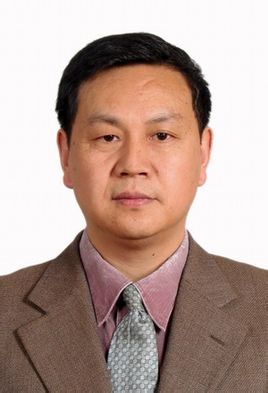 Wenhe Liao (廖文和)合作论文数School of Mechanical Engineering, Nanjing University of Science & Technology;College of Mechanical Electrical Engineering, Nanjing University of Aeronautics and Astronautics63
 Haihua Cui (崔海华)合作论文数College of Mechanical & Electrical Engineering, Nanjing University of Aeronautics and Astronautics44
 Yuchun Sun (孙玉春)合作论文数Hospital of Stomatology, Peking University32
 Xiaotong Jiang合作论文数20
 Hao Liu (刘浩)合作论文数College of Mechanical & Electrical Engineering, Nanjing University of Aeronautics and Astronautics19
 Sukun Tian合作论文数Nanjing Univ Aeronaut & Astronaut, Coll Mech & Elect Engn, Nanjing 210016, Jiangsu, Peoples R China17
 Hongqing Dai (代洪庆)合作论文数College of Mechanical & Electrical Engineering, Nanjing University of Aeronautics and Astronautics17
 Qing Yu (俞青)合作论文数Stomatological Hospital, Medical School, Nanjing University17
 Tianran Yuan合作论文数16
 Hongtao Wang (王宏涛)合作论文数Department of Mechanical and Electrical Engineering, College of Mechanical & Electrical Engineering, Nanjing University of Aeronautics and Astronautics14
 Dawei Li (李大威)合作论文数Department of Automation, College of Information Science and Technology, Donghua University;Engineering Research Center of Digitized Textile & Fashion Technology of Ministry of Education, Donghua University14
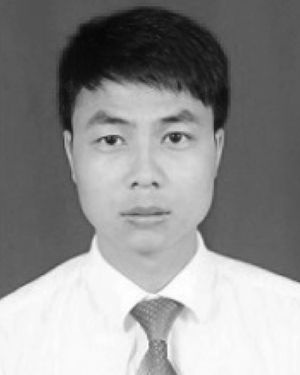 Renkai Huang合作论文数12
 Baosu Guo合作论文数10
 Fulai Yuan (袁福来)合作论文数10Zhang Changdong (张长东)合作论文数9
 Xin Zhou合作论文数7
 Jinqiang Wang合作论文数7
 Yong Wang (王勇)合作论文数Hospital of Stomatology, Peking University7
 Ce Guo (郭策)合作论文数Department of Design Engineering, College of Mechanical & Electrical Engineering, Nanjing University of Aeronautics and Astronautics7
 Qingjin Peng合作论文数Department of Mechanical and Manufacturing Engineering, University of Manitoba7
 Yandong Guo合作论文数OPPO Research Institute6
 Peijun Lv (吕培军)合作论文数Peking University School of Stomatology6SUN Dengguang (孙登广)合作论文数5Pengfu Lei (雷鹏福)合作论文数5Lingyin MENG (孟令尹)合作论文数5Changjiang Yu合作论文数5Longwei Ding (丁龙伟)合作论文数5
 Chunbo Tang (汤春波)合作论文数Stomatological College of Nanjing Medical University5Yi-Hua Zhang合作论文数4Lele Liu (刘乐乐)合作论文数4Xiaoling Yu合作论文数Nanjing Univ, Sch Astron & Space Sci, Nanjing 210093, Peoples R China4
 Fusong Yuan合作论文数4Yuehong Tang (唐月红)合作论文数School of Mathematics, Nanjing University of Aeronautics and Astronautics4Yicheng ZHONG (钟易成)合作论文数4
 Xiaoming Mu合作论文数4Ting Wu (吴婷)合作论文数4
 Jianning Zhao (赵建宁)合作论文数General Hospital of Eastern Theater Command4
 Yimin Xie (谢亿民)合作论文数College of Future Technologies, Hohai University4
 Yunlong Tang合作论文数Department of Mechanical and Aerospace Engineering, Faculty of Engineering, Monash University4changye guo合作论文数3Qilei Fan合作论文数3Shen Zhenhong (沈振宏)合作论文数3Shixiang Su (苏仕祥)合作论文数3Rui Xing合作论文数3Wu Yonghui合作论文数3
 Fan Xu (徐璠)合作论文数School of Automation and Intelligent Sensing, Shanghai Jiao Tong University3




