EUS-guided radiofrequency ablation (EUS-RFA) has gained recognition in the last decade as a preferred alternative method for pancreatic neuroendocrine tumors (PNETS) where surgical resection is contraindicated. However, clinical outcomes of EUS-RFA for PNETS have not been well studied due to variability in procedure techniques and lack of data from good-quality studies. In this meta-analysis, we aim to study the pooled clinical outcomes of EUS-RFA in patients with PNETS. We searched multiple electronic databases and conference proceedings from inception through Jan 2024. The clinical outcomes studied were pooled technical success, clinical success, and adverse events. We also performed a subgroup analysis based on the sample size of the studies. Standard meta-analysis methods were employed using the random-effects model, and heterogeneity was studied by I 2 statistics. We analyzed 11 studies, which included 7 prospective and 4 retrospective studies involving 345 patients (55.3% females with a mean age of 58.73 ± 3.01 years) having a mean tumor size of 13.87 ± 0.82 cm and a mean duration follow-up of 13.36 months. Technical was assessed on per session basis, defined by EUS-guided access to PNETs along with the completion of the planned ablation procedure. Clinical success was defined as symptom resolution in functional lesions or complete ablation/disappearance or absence of imaging (cross-sectional or EUS) enhancement in nonfunctional lesions upon follow-up. The pooled technical success rate of EUS-RFA for PNETS was 97.6% (confidence interval 93.3%-99.2%; I 2 = 0%), and the pooled clinical success rate was 88.2% (76.3%-94.6%; I 2 = 74%). The pooled overall adverse event rate associated with EUS-RFA for PNETS was 19.6% (15.3%-24.9%; I 2 = 0%). The pooled rates of pancreatitis, bleeding, perforation, infection, and abdominal pain associated per procedure were as follows: 9.1% (6.2%-13.2%; I 2 = 0%); 4.0% (1.9%-8.2%; I 2 = 0%); 2.3% (1.0%-5.4%; I 2 = 0%); 2.3% (1.0%-5.4%; I 2 = 0%) and 8.8% (5.4%-14.1%; I 2 = 0%), respectively. There were no reported deaths with EUS-RFA. Due to the presence of small sample-size studies, subgroup analysis based on patient sample size of number (N) >20 and (N) <20 was performed. The pooled clinical success rate for studies with N >20 was 90.6% (68.1%-97.7%), whereas for studies with N <20 was 83.0% (69.3%-91.4%). On meta-analysis of EUS-RFA for PNETS, the overall technical success was 97.6%, the clinical success rate was 88.2%, and the overall adverse events was 19.6%. A key finding of this study was the pooled pancreatitis rate of 9.1%. Future studies are warranted to study methods aimed at pretreatment prophylactic measures to prevent this significant adverse event.
Background and study aims: Endoscopic ultrasound-guided radiofrequency ablation (EUS-RFA) has been proposed as a minimally invasive alternative to surgery for treatment of both functional (F-) and non-functional (NF-) pancreatic neuroendocrine tumors (PanNETs). We performed a large prospective multicenter study to evaluate safety and effectiveness of EUS-RFA in patients with F- and NF-PanNETs. Patients and methods: Patients with F- (<= 2 cm) and NF-PanNETs (15 mm-25 mm) were prospectively enrolled over a 43-month period. The primary aim was safety, defined as rate of adverse events (AEs). The secondary aim was effectiveness defined as complete disappearance of the hormonal secretion syndrome in F- PanNETs, whereas for NF-PanNETs, complete response was defined as absence of enhancing tissue and of detectable lesion at magnetic resonance imaging/computed tomography scan and Gallium-positron emission tomography, respectively. The EUSRA 19G needle was used in all patients. After treatment completion, follow-up was performed for 1 year. Results: During the study period, a total of 60 patients were enrolled, 30 with insulinomas and 30 with NF-PanNETs (mean lesion size 14.5 +/- 4.5 mm). In 78.3% of patients, a single RFA session was performed. Overall, AEs occurred in nine of 60 patients (15%), in four patients (13.3%) with insulinomas and in five (16.7%) with NF-PanNETs, with only one severe AE. Complete insulin hypersecretion symptom resolution was obtained in 29 of 30 patients (96.7%) with insulinomas, whereas for NF-PanNETs, complete radiological response was obtained in 22 of 25 patients (88%) with long-term follow up. Conclusions: Our prospective international multicenter study demonstrated that EUS-RFA is highly safe and effective for the treatment for both F- and NF-PanNETs.
Background and objectives Treatment of hepatocellular carcinoma (HCC) >5 cm is problematic, as patients are often outside transplantation criteria, and cirrhosis compromises curative resection. The purpose of this study was to evaluate survival following treatment with ablation compared to chemotherapy in large HCC. Methods This was a retrospective cohort study of the National Cancer Database (NCDB) Participant User File from 2004 to 2017. Patients with HCC >5 cm in diameter treated with ablation versus chemotherapy alone were compared. Inverse probability-weighted propensity scores were used to model treatment assignments in the Cox proportional hazards model. Results A total of 14,783 HCC patients with tumors >5 cm and <9 cm were treated with chemotherapy (N=14,127) or ablation (n=656). After adjustment for stage, comorbidity, insurance status, facility type, and race, survival was significantly improved with ablation. The treatment effect of ablation was estimated using inverse-probability-weighted propensity scores, and the survival advantage was 19 months longer (p<0.001; 95% CI: 10.1-28.2) compared to chemotherapy. Conclusions Despite the reluctance to use ablation in lesions >5 cm, our analysis suggests a survival advantage when compared to chemotherapy. These results are promising, and future trials should evaluate ablation in combination with other local and systemic therapies.
BACKGROUNDS AND AIMS Endoscopic ultrasound-guided radiofrequency ablation (EUS-RFA) is a minimally invasive treatment option for non-functional pancreatic neuroendocrine tumors (NF-PanNETs). This study aimed to evaluate the efficacy, safety, and predictors of response to EUS-RFA. METHODS We conducted a retrospective, multicenter case series across seven tertiary care centers, including 46 patients with biopsy-proven NF-PanNETs. Demographic, tumor, and procedural data were collected. Technical success was defined as completion of at least one RFA application. Radiographic response was assessed at ≥10 weeks and ≥3 months using modified RECIST criteria: complete response (CR, 100% reduction), partial response (PR, 30–99%), and no response (NR, <30%). Predictive factors were evaluated using logistic regression. Adverse events (AEs) were classified per AGREE criteria. This study was exempt from IRB review after institutional IRB assessment. RESULTS Among 46 patients (mean age 60.9 years; 53% male), most tumors (93.6%) were well-differentiated grade 1, with a mean size of 12.7 mm. Technical success was 100% with a mean of 2.9 RFA applications. At initial follow-up, CR was achieved in 32.6%, PR in 47.8%, and NR in 19.6%. Of patients with PR/NR (n=31), 58.1% underwent repeat RFA. At final follow-up (mean 15.7 months), cumulative response rates were CR 60.0%, PR 31.1%, NR 8.9%. Longer probe tips (OR 5.31, 95% CI: 1.10–33.87) and more RFA applications (OR 2.61, 95% CI: 1.19–3.9) predicted CR. AEs occurred in 15.2% (n=7), including mild abdominal pain, mild pancreatitis, and one Grade III bleed. CONCLUSIONS EUS-RFA for NF-PanNETs demonstrates high technical success, durable tumor response and an acceptable safety profile. Probe length and application number may influence outcomes.
Transoral incisionless fundoplication (TIF) is relatively contraindicated in patients with a body mass index (BMI) > 35 kg/m2. However, the comparative efficacy of TIF in individuals with class I obesity (BMI 30–34.9) to non-obese patients remains unclear. This study aimed to evaluate the safety and efficacy of TIF in adults with class I obesity. We conducted a retrospective cohort study using the TriNetX US Research Network, including data from 69 healthcare organizations through December 2024. Adults (≥ 18 years) with gastroesophageal reflux disease (GERD) who underwent TIF were identified using validated International Classification of Diseases, 10th Revision (ICD-10) and Current Procedural Terminology (CPT) codes. Patients were stratified by BMI (< 30 versus 30–35). Exclusion criteria in this study included the following: individuals with a BMI > 35, major esophageal motility disorders, or concomitant hiatal hernia repair. We performed propensity score matching (1:1) and controlled for age, sex, race, ethnicity, diaphragmatic hernia, and proton pump inhibitor (PPI) use. Primary outcomes included postoperative PPI recidivism (excluding the first 3 months), post-TIF esophagitis, and need for subsequent foregut surgery. Secondary outcomes included post-TIF dysphagia, gas bloat symptoms, and 30-day complications. After propensity matching, 112 non-obese and 112 class I obese patients were included with similar baseline characteristics. Median follow-up exceeded 1,000 days in both groups. Postoperative PPI recidivism, esophagitis, surgical interventions, dysphagia and complications were similar. Notably, bloating was significantly lower in the obese group at 1 year (aOR 0.420; 95
Endoscopic grading of the esophagogastric junction is essential for assessing the anti-reflux barrier (ARB). This review outlines the evolution of endoscopic ARB classifications, summarizes validation data, and highlights ongoing challenges with adoption, accuracy, and reproducibility.
Background Single-operator cholangioscopy allows direct visualization and intervention for complex biliary disease but has been associated with higher infectious adverse events compared with standard endoscopic retrograde cholangiopancreatography. Evidence guiding antibiotic prophylaxis specific to cholangioscopy remains limited. We performed a systematic review and meta-analysis to quantify infectious complications following cholangioscopy. Methods PubMed, Embase, Scopus, Google Scholar, and the Cochrane Library were searched through March 2025. Studies reporting post-procedural bacteremia after cholangioscopy were included. Random-effects meta-analyses estimated pooled rates of bacteremia and secondary outcomes, including cholangitis, pancreatitis, technical success, clinical success, and adverse events. Sensitivity analyses and univariable meta-regression were conducted to assess heterogeneity. Publication bias was evaluated using funnel plots and Egger's test. Results Twelve studies comprising 4413 cholangioscopy procedures were included. The pooled bacteremia rate was 6.68% (95% confidence interval [CI], 1.96-20.44; I 2 = 95.5%). Pooled rates of cholangitis and pancreatitis were 4.59% (95% CI, 2.98-7.00; I 2 = 60.0%) and 3.54% (95% CI, 1.20-10.00; I 2 = 89.0%), respectively. Technical and clinical success rates were high at 97.21% and 87.13%. Sensitivity analyses demonstrated persistent heterogeneity across study design, indication, and procedure type. Meta-regression identified study design as a significant moderator, with prospective studies reporting higher bacteremia rates ( p = 0.018), explaining 43.8% of the between-study variance. Conclusions Cholangioscopy is highly effective with a low rate of severe complications. Infectious adverse events occur in 6.7% of cases. Use of routine antibiotic prophylaxis remains uncertain; targeted preprocedural prophylaxis may be considered in high-risk patients. Prospective studies are needed to standardize preventive strategies.
BACKGROUND AND STUDY AIMS:Post-endoscopy upper gastrointestinal cancer (PEUGIC) is an emerging quality metric, but varying definitions complicate benchmarking. We characterized PEUGIC rates and outcomes by anatomical site and coded high-risk condition (HRC) status in a large US cohort. PATIENTS AND METHODS:Retrospective cancer-first cohort study of 14,814 patients with upper gastrointestinal cancer (UGIC) from a multicenter database (2016-2024). Detected UGIC was diagnosed within 6 months of EGD. PEUGIC was defined as UGIC diagnosed 6-36 months after a non-diagnostic EGD. The primary outcome was the PEUGIC rate by cancer type (esophageal [EC], gastric [GC], duodenal [DC]) and HRC status. Secondary outcomes included 3-year overall survival. RESULTS:The overall PEUGIC rate was 9.4% (EC 9.6%, GC 8.6%, DC 10.7%). Rates were higher with HRC (18.2%) versus without HRC (5.0%, P < .001). PEUGIC rate without HRC plateaued (4.1-5.1% in 2022-2024), while PEUGIC rate with HRC for EC (16.8%) and GC (14.4%) decreased over time. In exploratory analysis, PEUGIC was associated with better survival versus Detected UGIC for EC (adjusted hazard ratio [aHR] 0.82, 95% CI 0.67-0.99) and GC (aHR 0.77, 0.62-0.96), and PEUGIC with HRC was associated with lower mortality versus PEUGIC without HRC for EC (aHR 0.51, 0.36-0.74) and GC (aHR 0.50, 0.34-0.73). CONCLUSIONS:One in 10 upper GI cancer patients had a prior non-diagnostic endoscopy within 3 years. PEUGIC rates varied by anatomical site and HRC status, suggesting site- and HRC-stratified benchmarks may better capture endoscopic performance than aggregate metrics.
Despite advances in surgery, chemotherapy, and radiation treatments for pancreatic ductal adenocarcinoma (PDAC), 5-year mortality rates remain high. Although surgery remains the standard of care for pancreatic cancer and precancerous pancreatic lesions, many patients are not considered surgical candidates at the time of diagnosis. Therefore, alternative therapies must be explored for non-surgical patients. This article aims to do a comprehensive literature study and present the most recent information on ablative therapies, particularly endoscopic ultrasound (EUS)-guided RFA (EUS-RFA). Emerging literature demonstrates that endoscopic ultrasound (EUS)-guided RFA (EUS-RFA) may reduce both primary and distant tumor growth by modifying the tumor microenvironment, promoting cytokine production, and stimulating immune activation, thereby allowing tumor reduction. Reducing tumor size can allow for surgical intervention and can even serve as an adjunct to chemotherapy or as a palliative measure. The remarkable ability to reduce tumor progression makes RFA a very promising non-surgical therapy technique that has the potential to reduce morbidity and mortality. There are several thermal ablative therapies, including radio non-surgical candidates. Emerging literature demonstrates that endoscopic ultrasound (EUS)-guided RFA (EUS-RFA) may reduce both primary and distant tumor growth by modifying the tumor microenvironment, promoting cytokine production, and stimulating immune activation, thereby allowing tumor reduction. Reducing tumor size can allow for surgical intervention and can even serve as an adjunct to chemotherapy or as a palliative measure. The remarkable ability to reduce tumor progression makes RFA a very promising non-surgical therapy technique that has the potential to reduce morbidity and mortality.
Abstract Background: Pancreatic ductal adenocarcinoma (PDAC) is defined by a profoundly immunosuppressive tumor microenvironment (TME). In the majority of cases, treatment is palliative as there are few effective therapeutic options shown to improve clinical outcomes. We previously demonstrated that a single radiofrequency ablation (RFA) session is safe, induces tumor necrosis, enhances immune cell infiltration, including an abscopal effect, and synergizes with immune checkpoint blockade (ICB) to further suppress tumor growth. Hypothesis: We proposed that repeated RFA sessions would more effectively restrain tumor progression, amplify immune cell recruitment, and enhance responsiveness to immunotherapy. Methods: Using a bilateral tumor-bearing KrasG12D;Trp53R172H/+;Pdx1:Cre syngeneic PDAC model, we compared tumor responses following single versus 3 repeated RFA sessions. Single-cell RNA sequencing and cytokine profiling were used to characterize TME remodeling. Given our prior findings with a single RFA session + ICB, we evaluated repeated RFA in combination with ICB and tested whether adding CSF1R blockade (PLX3397) could counteract RFA-induced myeloid immune suppression. Results: Repeated RFA significantly reduced tumor growth rates and increased tumor necrosis in both treated and contralateral lesions compared to a single RFA session. scRNA-seq and cytokine analysis revealed that repeated RFA elevated Csf1 levels, promoting differentiation of immune suppressive Csf1r+ M2-like macrophages via the Csf1/Csf1r axis. While repeated RFA combined with ICB improved tumor control compared with either therapy alone, the addition of CSF1R inhibition further enhanced efficacy. The triple combination (repeated RFA + ICB + anti-CSF1R) produced the greatest reduction in tumor volume and weight and yielded the most pronounced remodeling of the TME. Conclusions: Repeated RFA intensifies tumor necrosis, suppresses tumor progression, and remodels the PDAC TME, but concurrently induces a compensatory Csf1/Csf1r-driven M2-like macrophage response. Macrophage reprogramming through CSF1R blockade enhances both RFA- and ICB-mediated anti-tumor immunity. These findings support integrating repeated local ablative therapy with myeloid-targeting agents and checkpoint blockade to improve immunologic control of pancreatic cancer. Citation Format: Lincoln Strickland, Wendao Liu, Casey Van Kirk, Shwetapadma Dash, MacKenzie Demmel, Alyssa Waller, Nicolette R. Mardik, Jesse Cox, Curtis J. Wray, Zhongming Zhao, Nirav Thosani, Jennifer Bailey-Lundberg. Repeated RFA remodels the PDAC microenvironment and synergizes with CSF1R blockade and checkpoint inhibition to enhance anti-tumor immunity [abstract]. In: Proceedings of the American Association for Cancer Research Annual Meeting 2026; Part 1 (Regular Abstracts); 2026 Apr 17-22; San Diego, CA. Philadelphia (PA): AACR; Cancer Res 2026;86(7 Suppl):Abstract nr 2857.
The standard practice is to place a plastic stent in CBD after ERCP when a stone cannot be retrieved completely, but there is no clear guidance about placing the stent in patients awaiting cholecystectomy after complete stone extraction. We compared the outcomes in patients who received prophylactic biliary stenting after ERCP was performed for choledocholithiasis with those who did not receive the stent. We searched PubMed/Medline, Embase, Scopus, CINAHL, the Web of Science, and the Cochrane databases to identify studies that compared the outcomes of patients who received prophylactic biliary stent with no stenting after ERCP in patients with choledocholithiasis awaiting cholecystectomy. Our outcomes of interest were the odds of recurrent choledocholithiasis, repeat ERCP, cholangitis, pancreatitis, and acute cholecystitis. We included 10 studies with 1259 patients, of which 692 received prophylactic biliary stents. A total of 32 (6.9
 Sushovan Guha合作论文数Department of Surgery, McGovern Medical School, University of Texas Health Science Center111
 R. Tomás DaVee合作论文数Center for Interventional Gastroenterology, The University of Texas Health Science Center;Department of Surgery, Division of Elective General Surgery, Interventional Gastroenterology, McGovern Medical School, The University of Texas Health Science Center92
 Srinivas Ramireddy合作论文数67
 Prithvi Patil合作论文数McGovern Med Sch UTHlth, Univ Texas iGUT56Bijun S. Kannadath合作论文数Univ Arizona53Ricardo Badillo合作论文数52Rahimi Erik F合作论文数52
 Subhas Banerjee合作论文数Medicine Department, Stanford University45Shahrooz Rashtak合作论文数44
 Wadhwa Vaibhav合作论文数Department of Gastroenterology, Cleveland Clinic Foundation42
 Curtis Wray合作论文数38Atilla Ertan合作论文数31
 Bashar Qumseya合作论文数30
 Putao Cen合作论文数29Faisal S. Ali合作论文数28Mairin Joseph-Talreja合作论文数28
 Goyal Hemant合作论文数Department of Internal Medicine, Mercer University School of Medicine27Maryam R. Hussain合作论文数23Michael B. Fallon合作论文数23Larissa L Fujii-Lau合作论文数22
 Sruthi K. Subramanian合作论文数McGovern Med Sch, Gastroenterol, Univ Texas Hlth Sci Ctr Houston22
 Julie Rowe合作论文数22
 Madhav P. Desai合作论文数Department of Electrical Engineering, Indian Institute of Technology22Julie Guider合作论文数21Dimpal Bhakta合作论文数21Batra Sachin合作论文数21Zhang Songlin合作论文数21
 James Buxbaum合作论文数Division of Gastrointestinal & Liver Diseases, University of Southern California21Akhil Munjal合作论文数Div Gastroenterol Hepatol & Nutr, UTHlth20DuPont Andrew W合作论文数20
 Nauzer Forbes合作论文数Department of Community Health Sciences, University of Calgary19
 Machicado Jorge D合作论文数Internal Medicine Department, University of Texas Health Science Center at Houston19
 Shruti Khurana合作论文数McGovern Medical School, The University of Texas Health Science Center (Shruti Khurana).18
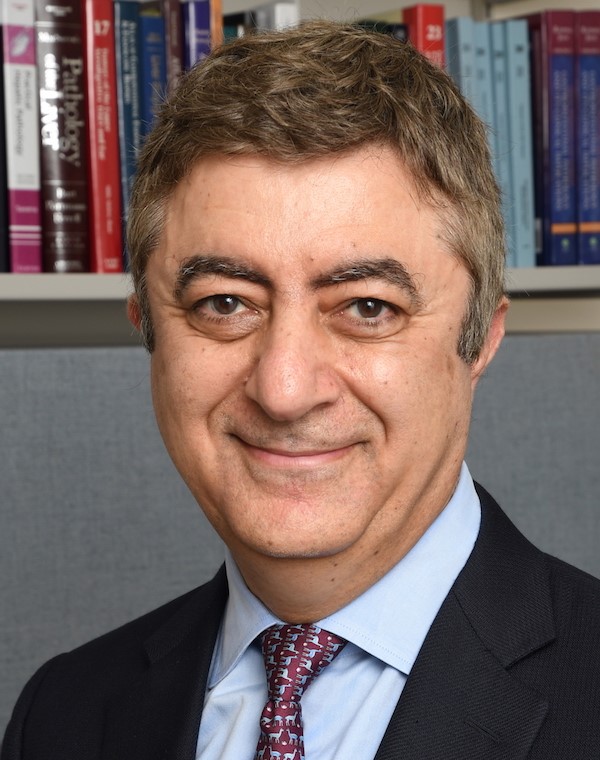 Mamoun Younes合作论文数Department of Pathology, School of Medicine & Health Sciences, The George Washington University18
 Richard S Kwon合作论文数Division of Gastroenterology, Department of Internal Medicine, University of Michigan18
 Mimi Canto合作论文数Department of Pathology, School of Medicine, The Johns Hopkins University;Johns Hopkins Hospital17
 Laith H. Jamil合作论文数17
 Douglas Fishman合作论文数Texas Children Hospital17
 Barham Abu Dayyeh合作论文数Cedars-Sinai Medical Center17
 Manoop S. Bhutani合作论文数Department of Gastroenterology Hepatology and Nutrition, Division of Internal Medicine, The University of Texas MD Anderson Cancer Center;Department of Radiation Oncology, Division of Radiation Oncology, The University of Texas MD Anderson Cancer Center;Department of Endoscopic Research and Development, The University of Texas MD Anderson Cancer Center17
 Y. Ann Chen合作论文数Department of Internal Medicine, School of Medicine, University of Utah;Department of Population Health Sciences, School of Medicine, University of Utah;Huntsman Cancer Institute16
 Shai Friedland合作论文数Division of Gastroenterology and Hepatology, Department of Medicine, School of Medicine, Stanford University;Wu Tsai Neurosciences Institute, Stanford University16John T. Maple合作论文数16
 Mandeep S. Sawhney合作论文数Beth Israel Deaconess Medical Center16
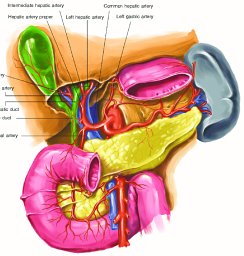 Swati Pawa合作论文数Bill Hefner VA Healthcare Syst15
 Bharat Singh Bhandari合作论文数Department of Pulmonary and Critical Care Medicine, The University of Texas Health Science Center at Houston15Vishal Kaila合作论文数15Jue Terry L合作论文数15
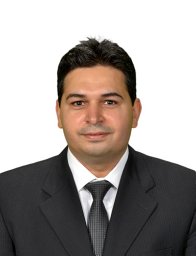 Elhanafi Sherif合作论文数Paul L. Foster School of Medicine, Texas Tech University15




