In this discussion note on Martina Wiltschko’s target article entitled ‘Emotions do not enter grammar because they are constructed (by grammar)’, I reflect on the following issues: (i) the absence of (basic) emotions in the structure of language, (ii) the usefulness of the notion of ‘basic emotion’ in the study of emotion, (iii) the structural organization of linguistic expressions and emotions, (iv) the way in which functional information (spinal properties) is realized in expressive language (specifically, in Dutch). Finally, as a note from a more historical perspective, I draw the reader’s attention to Susanne K. Langer’s seminal study Philosophy in a New Key ([1942] 1957), which emphasizes the symbolic nature of both language and emotion.
The multi-volume work Syntax of Dutch presents a synthesis of current thinking on Dutch syntax. The text of the seven already available volumes was written between 1995 and 2015 and issued in print between 2012 and 2016. The various volumes are primarily concerned with the description of the Dutch language and, only where this is relevant, with linguistic theory. They will be an indispensable resource for researchers and advanced students of languages and linguistics interested in the Dutch language. This volume is the final one of the series and addresses issues relating to coordination. It contains three chapters. Chapter 1 discusses the syntactic and semantic properties of coordinate structures and their constituting elements, that is, the coordinators and the coordinands they link. Chapter 2 discusses the types of ellipsis known as conjunction reduction and gapping found in coordinate structures. Chapter 3 discusses elements seemingly exhibiting coordination-like properties, such as dan ‘than’ in comparative constructions like Jan is groter dan zij ‘Jan is taller than she’.
 J.M. Van Koppen合作论文数16
 Hans Broekhuis合作论文数University of Tilburg12
 Roeland Van Hout合作论文数Ctr Language Studies, Radboud Univ Nijmegen10Ineke van de Craats合作论文数6huib kranendonk合作论文数4Henk van Riemsdijk合作论文数4Marcel Den Dikken合作论文数Linguistics Program, CUNY Graduate Center3
 S. Barbiers合作论文数Royal Netherlands Academy of Sciences3
 Denis Delfitto合作论文数Department of Cultures and Civilizations, University of Verona3Riet Vos合作论文数2
 Hans Bennis合作论文数2Tanja Temmerman合作论文数2Sterre Leufkens合作论文数Utrecht University2
 Jairo Nunes合作论文数Dept Linguist, Univ Sao Paulo2
 Maria Polinsky合作论文数University of California , San Diego2Marc Van Oostendorp合作论文数Royal Netherlands Academy of Arts and Sciences2Joost Zwarts合作论文数2
 Lisa Cheng合作论文数Centre for Linguistics, Faculty of Humanities, Leiden University;Department of Linguistics, Leiden University2Jeroen Van Craenenbroeck合作论文数KUB / FUSL2
 Jan-Wouter Zwart合作论文数2lisa l s cheng合作论文数1g j postma合作论文数1Dany Jaspers合作论文数1Frank Landsbergen合作论文数1
 Crit Cremers合作论文数1Frits Beukema合作论文数1Willem Visser合作论文数1Kristel Doreleijers合作论文数1Bart Hoogeveen合作论文数1Nina Ouddeken合作论文数1kathrin linke合作论文数1
 Dimitris Michelioudakis合作论文数Dept Linguist, Aristotle Univ Thessaloniki1
 koen sebregts合作论文数Utrecht University1Maria Eugenia Lammoglia Duarte合作论文数1Björn Köhnlein合作论文数1
 András Bárány合作论文数Faculty of Linguistics and Literary Studies, Bielefeld University1Michelle Sheehan合作论文数Newcastle University1
 Eva Dekany合作论文数1
 Christina Sevdali合作论文数Sch Commun & Media, Ulster Univ1
 Jonathan David Bobaljik合作论文数Department of Linguistics, Faculty of Arts and Sciences, Harvard University1
 Arjen Versloot合作论文数1
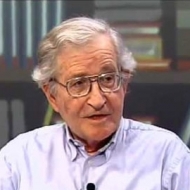 Noam Chomsky (诺姆·乔姆斯基)合作论文数Department of Linguistics and Philosophy, School of Humanities, Arts and Social Sciences, Massachusetts Institute of Technology1
 Eric Hoekstra合作论文数1
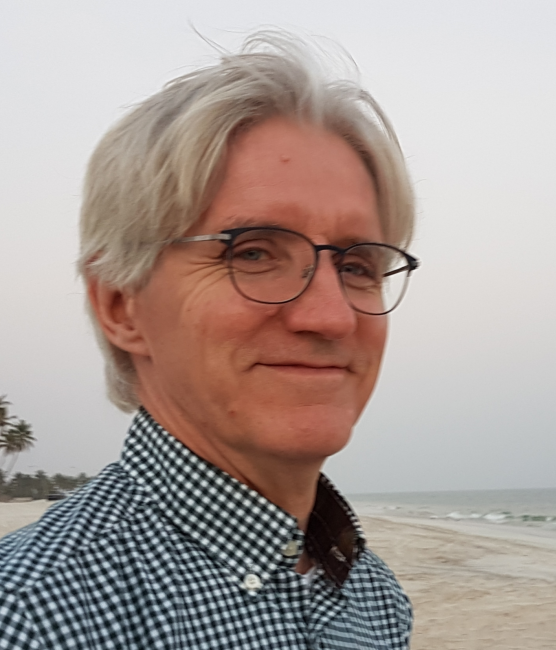 Anders Holmberg合作论文数School of English Literature, Language, and Linguistics, Newcastle University1
 Bart Geurts合作论文数University of Nijmegen1
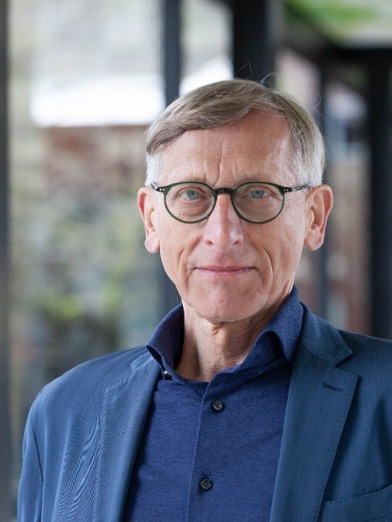 C.H.M. Gussenhoven (Carlos)合作论文数Centre for Language Studies, Radboud University Nijmegen1
 Charlotte Galves合作论文数Instituto de Matematica e Estat ´ õstica;Instituto de Estudos da Linguagem, University of Sao Paulo;University of Campinas;University of Sao Paulo, University of Campinas1
 Geert Booij合作论文数Faculteit der Letteren De Boelelaan, Vrije Universiteit1




