This study employs high-fidelity thermo-metallurgical-mechanical simulations to examine the impact of weld sequencing on distortion, residual stresses, and post-weld microstructure in a two-pass single-stiffener T-joint weldment. Four welding sequences were investigated—sequential and tandem (twin torch) welding, both with and without interpass temperature control. The simulations, validated against experimental data, reveal that sequential welding with interpass control produces the highest angular distortion, while single-direction tandem welding results in the lowest. However, a simplified fatigue endurance analysis, incorporating a postulated surface crack, shows that the sequence with the least distortion (tandem welding – sequence 4) yields the shortest fatigue life, while the most distorted weldment (sequential welding – sequence 1) offers relatively better fatigue performance. This trade-off is driven by the role of solid-state phase transformations (SSPTs), where higher-temperature transformations such as austenite-to-ferrite help reduce distortion, while lower-temperature transformations like austenite-to-bainite or austenite-to-martensite are more effective in reducing residual stresses. These findings highlight the need to balance competing objectives—such as minimising manufacturing distortion and managing residual stresses to enhance structural integrity—when optimising weld sequencing strategies for complex welded assemblies.
Wire Arc Additive Manufacturing (WAAM) of 316L stainless steel typically results in columnar grains, high dislocation densities, and residual porosity, which limit toughness compared to conventional material. This study evaluates Hot Isostatic Pressing (HIP) as a post-processing route to refine the microstructure and eliminate defects by investigating four HIP cycles (1000-1200 degrees C, 100-150 MPa) using EBSD-EDS, neutron diffraction, tomography, and mechanical testing. Increasing HIP temperature and pressure promoted dislocation recovery and recrystallisation while dissolving metastable delta-ferrite; however, processing at 1000 degrees C induced brittle sigma-phase formation, while the 1200 degrees C/150 MPa cycle (HIP-4) produced a fully recrystallised, chemically homogeneous austenitic structure. HIP-4 reduced porosity by 98.8 % and restored a mechanical response comparable to conventionally processed 316L, characterised by improved ductility and strain-hardening capacity despite a reduction in yield strength. Ultimately, HIP-4 establishes an optimal post-processing window for achieving concurrent densification and microstructural homogenisation, significantly enhancing the mechanical performance and reliability of WAAM 316L components.
Recrystallisation is a complex phenomenon widely utilised to obtain a good balance between strength and ductility in engineering alloys. Recrystallisation is strongly influenced by the microstructural state inherited from deformation, yet the role of local deformation heterogeneity in hexagonal close-packed alloys is not well understood. In this work, we combine ex-situ and in-situ electronbackscatter diffraction with crystal plasticity and phase-field modelling to investigate how the deformed microstructure of Zircaloy-4 shapes its recrystallisation behaviour. We show that heterogeneous deformation produces distinct local environments, with different stored-energy levels, defect structures, and orientation gradients, that lead to orientation-dependent differences in primary recrystallisation. These early recrystallisation differences give certain grains a local size advantage, which then influences how grain growth proceeds during annealing By linking these steps, we demonstrate how local deformation conditions strongly influence the resulting texture evolution primarily during grain growth.
Zirconium (Zr) alloys, such as Zircaloy-4, are widely used for structural components and fuel cladding in industrial nuclear fission applications. High-pressure torsion (HPT), a severe plastic deformation process, produces an ultra-fine grain structure with properties that may have benefits in the nuclear industry, but the microstructural implications of processing of Zr alloys using this technique have not yet been extensively explored. Here, electron microscopy and atom probe tomography were used to investigate the microstructure and solute distribution in an as-received Zircaloy-4 and a fine-grained HPT-processed sample. Fe segregates to grain boundaries in both samples, however, at much lower concentrations after HPT processing, indicating that Fe diffuses to the newly formed grain boundaries during the severe plastic deformation. Although Sn segregates to the grain boundaries of the as-received sample, it is distributed almost homogenously in the HPT-processed sample, which may provide advantages for corrosion resistance. Very low concentrations of Cr alloying elements at the matrix and grain boundaries of both samples are attributed to precipitation.
Understanding nuclear graphite's inelastic and fracture behaviour is essential for current and future reactor technologies using graphite-based engineering components. This study compares the behaviour of three nuclear graphite grades, fine-grained IG-110, coarse-grained NBG-18 and medium-grained PCEA, subjected to the uniaxial compression (UC) and the splitting tensile (ST) tests. It was found that the IG-110 graphite has a more favourable combination of ultimate strength and ductility when compared to the NBG-18 and PCEA grades containing large pores acting as strain concentrators. The formation of shear cracks was the primary failure mode under compression, while the formation of a main tension crack in the middle of the specimen was the primary failure mode during the ST test. The inelastic and fracture response was modelled using finite element simulations employing the concrete damaged plasticity (CDP) material model with the dilation angle parameter value selected by two different optimisation processes; a decoupled optimisation was run on the UC and ST models separately, and a coupled optimisation was performed on the UC and ST models running simultaneously. The best predictions were obtained when the value from the coupled optimisation was used. The results showed that the CDP model accurately describes the inelastic behaviour and peak force of all graphite grades and could also capture the failure modes observed experimentally in both UC and ST tests. In particular, the numerical model could capture the crack initiation and propagation path observed in the ST test reasonably well for the IG-110 and PCEA graphite grades.
Understanding radiation damage resistance in Grade 91 steel (P91) is essential for the development of materials for future nuclear components. This study explores the combined effects of creep aging and helium ion irradiation on the microstructure and mechanical properties of P91 steel. Creep aging was conducted under a stress of 110 MPa at 625 degrees C for 475 h, followed by irradiation with 5 MeV helium ions to a fluence of 5.6 x 10¹⁷ ions/cm2, creating a uniform radiation-affected zone with an average damage level of 0.6 dpa. Microstructural changes and mechanical responses were assessed through detailed microstructural observations and nanoindentation, supported by finite element modelling. The results show that creep aging led to a slight reduction in hardness from 2.66 GPa to 2.45 GPa, primarily due to carbide coarsening. Significant irradiation hardening was observed, with hardness increasing by 87 % in the as-received condition and by 99 % in the creep-aged condition. A threedimensional finite element model was developed to reverse-engineer stress-strain relationship from nanoindentation load-displacement data. This study underscores the significant impact of combined creep aging and irradiation on P91 steel, with important implications for its use in nuclear applications.
The microstructure and high-temperature creep mechanisms of Ni-based Hastelloy C276 superalloy fabricated using wire and arc-based directed energy deposition were investigated systematically and innovatively. The microstructural investigation revealed that the as-fabricated samples comprise γ-Ni matrix and topologically close-packed (TCP) P phase precipitates. The γ matrix subgrains and grains are spread over multiple highly textured columnar dendrites, with a majority of γ <001> crystallographic orientations closely aligned along the deposition direction. Moreover, the interdendritic regions exhibit severe Mo segregation, P phase particles, and dislocation bands. Creep tests were conducted on miniature samples under various temperature and stress conditions, loaded either in the deposition direction (DD) or travel direction (TD). DD samples exhibit lower minimum strain rates, greater strains-to-failure, and longer creep rupture lifetimes than TD samples, indicating significant creep anisotropy. Dislocation creep was identified as the primary creep mechanism for both DD and TD conditions. During creep, dynamic precipitation of TCP phases occurred in the interdendritic regions, resulting in varying creep resistance between interdendritic and dendritic core regions. Isostress and isostrain models, considering both crystallographic texture and precipitation strengthening, reasonably predicted the observed creep anisotropy during the secondary creep stage. Additionally, variations in the Schmid factor led to significant deformation incompatibility among dendrites in TD samples. Dislocation accumulation in TD sample interdendritic regions promoted new grain nucleation, triggering dynamic recrystallisation, facilitating grain boundary sliding, and accelerating tertiary creep. Furthermore, TCP phase particles in the interdendritic regions contributed to microcrack development, further accelerating creep fracture, especially in the TD condition.
The current paper presents the development and experimental validation of a thermo-metallurgical-mechanical model for a multi-pass Laser Metal Deposition (LMD) process, with the objective of accurately predicting the resultant constituent phases and residual stresses. The thermal model is calibrated using temperature readings and is shown to accurately capture the transient temperature field and extent of the fusion zone associated with the multi-pass LMD process. The metallurgical model incorporates the kinetics of ongoing solid-state phase transformations (SSPTs) and tempering reactions. The predictions are validated via hardness measurements, demonstrating a very good agreement with the predictions. The developed mechanical model predicts the residual stress field, which is validated using X-ray diffraction measurements, and the comparison also shows a very good agreement between the predictions and measurements. The validated numerical model is then used to explore alternative LMD strategies showing that the choice of deposition strategy can significantly impact resultant constituent phases and residual stresses.
Regularised linear regression (RLR) and recurrent neural network (RNN) data-driven models for the prediction of the high-temperature (850 & DEG;C, 950 & DEG;C) fatigue life of Alloy 617 are developed, trained, and tested using available experimental datasets. The predictions of these data-driven models are compared with the semi-empirical Coffin-Manson and Goswami models. It is shown that the data-driven models can match, or in some cases even outperform, the semi-empirical models while providing the advantage that they are temperature independent. However, it is also shown that these data-driven models cannot extrapolate accurately beyond the experimental data used for their development and training.
We studied the evolutions of the mechanical properties and the microstructure of a Ni-base superalloy Inconel 617 during an extended thermal aging at 750 °C from 200 h up to 32,000 h.Results show that nanoscale γ' precipitates form during thermal aging, which causes the strengthening of the alloy.Small-Angle Neutron Scattering (SANS) measurements show that ~3 vol.% of nanoscale γ' precipitates with an average radius of ~18 nm is formed after thermal aging for only 200 h.The particle size of these precipitates increases significantly to the average of about 100 nm after 32,000 h aging, however, their volume fraction does not increase dramatically reaching about 6% after 32,000 h.These findings are consistent with statistical analysis of complementary Transmission Electron Microscopy (TEM) data.Furthermore, SANS analysis provides the microstructure-averaged volume fraction and size of present nanoscale γ' precipitates, which allow for an investigation of the strengthening mechanisms of the formed nanoscale γ' precipitates.It is revealed that the Jackson-Reed order strengthening model, which takes account of shearing of precipitates by the strongly coupled dislocation pairs agrees with the experimental observations of yield strength evolutions.Figure 1.Quantification of nanoscale γ' precipitation by complementary SANS and TEM analyses and establishment of strengthening mechanisms.
Carbon-Carbon (C/C) composites can retain their mechanical properties at extreme temperatures of up to 3000 degrees C. This study quantifies damage resistance in cross-ply C/C composites by means of compact tension tests at room temperature adapted from typical tests on carbon fibre reinforced polymers. The analysis of different specimen sizes reveals that baseline (dimensions: 70 mm x 90 mm) and large scaled-up samples yield consistent fracture energy values of 15-30 kJ/m2 while the scaled-down version shows unwanted failure around the loading pins. A microscopic cross-sectional analysis explains the relatively low fracture energy values of carbon/carbon composites compared to carbon fibre reinforced polymers. It is found that only 20%- 40% of the carbon fibres in loading direction fail in C/C composites which leads to reduced energy absorption during the progressive fracture test.
Annealing usually softens Al–Mg based alloys due to grain coarsening. This work shows that annealing induces strengthening in bulk ultrafine-grained Al and Al-(2.5, 5 and 7.5) at.% Mg samples fabricated by mechanical alloying and rapid powder extrusion. Experimental investigation of the microstructure of the annealed samples reveals that the annealing promotes in-situ formation of nanoscale dispersoids which strongly suppresses grain growth and recrystallization. The in-situ formed nanodispersoids warrant high thermal stability of the ultrafine-grained matrix microstructure and improve the strength of the as-extruded samples while maintaining their good ductility. The present findings offer an exciting pathway in developing thermally stable ultrafine-grained Al–Mg based alloys with a notable combination of high strength and good ductility.
The accurate prediction of elevated-temperature creep behaviour of alloys is important for preventing catastrophic failure of systems operating under prolonged elevated temperature-stress conditions. Here, we couple the Kachanov-Rabotnov (K-R) creep model with a multi-objective genetic algorithm (MOGA) to predict the creep behaviour of Alloy 617 at 800 degrees C, 900 degrees C, and 1000 degrees C, under various stress conditions. It is shown that the MOGAoptimised K-R creep model can capture the overall elevated-temperature behaviour of the alloy at 800 degrees C under a wide range of stress conditions. However, at 900 degrees C and 1000 degrees C, oxidation leads to the atypical accumulation of creep plasticity, which the K-R model cannot account for. Nevertheless, it is shown that the proposed methodology of optimising the K-R model with a MOGA can consistently provide accurate results within the limits of the K-R model.
A new structure with nickel-based Hastelloy C276 alloy cladding on creep resistant steel P91 was developed in this study for nuclear applications. The microstructure, including precipitation and grain size, boundaries, orientation and hardness distribution of cladding structures with/without post heat treatment were explored using a range of microscopy techniques and hardness testing. The results show that the as-cladded structure exhibits highly hierarchical heterogeneity, which is mainly related to the remarkably coarse-grained microstructure in the heat-affected zone on the steel side, and typically columnar dendrites formed on the Hastelloy side. After tempering heat treatment, the specimen exhibits re-orientated grains and homogenized microstructure. Meanwhile, the ratio of high angle grain boundaries (HAGBs) in steel regions significantly increases, and the hardness values turn even distribution. This study achieves a sound metallurgical bonding between two structural materials and offers insights into the development of dissimilar metal components with in-site specific properties.
The activities within a European network to develop accurate experimental and numerical methods to assess residual stresses in structural weldments are reported. The NeT Task Group 6 or NeT-TG6 project examined an Alloy 600 plate containing a three-pass slot weld made with Alloy 82 consumables. A number of identical specimens were fabricated and detailed records of the manufacturing history were kept. Parallel measurement and simulation round robins were performed. Residual stresses were measured using neutron diffraction via five different instruments. The acquired database is large enough to generate reliable mean profiles, to identify clear outliers, and to establish the systematic uncertainty associated with this non-destructive technique. NeT-TG6 gives a valuable insight into the real-world variability of diffraction-based residual stress measurements, and forms a reliable foundation against which to benchmark other measurement methods. The mean measured profiles were used to validate the accuracy achieved by the network in the prediction of residual stresses.
A nano-grained microstructure of an alpha-Zr alloy (Zircaloy-4) was produced by high-pressure torsion, which shows evidence of a metastable omega-Zr phase, rather than beta-Zr, determined by combining synchrotron X-ray diffraction and detailed electron microscopy observations. The omega-Zr phase is retained at ambient conditions and shows a new orientation relationship of [(1) over bar 011 ](alpha) // [(1) over bar 100 ](omega) and ((1) over bar 01 (1) over bar)(alpha) // ((1) over bar(1) over bar 20 )(omega) with the alpha-Zr matrix but is thermally unstable, fully reverting back to alpha-Zr phase upon heating above 350 degrees C. (C) 2021 Acta Materialia Inc. Published by Elsevier Ltd. All rights reserved.
A carbon-fibre reinforced carbon-matrix (C/C) composite was irradiated with 30 MeV C6+ ions to a peak damage of ∼25 dpa. Ion irradiation-induced microstructural changes were mainly studied using Raman spectroscopy. The irradiation-induced crystal lattice defect accumulation in the C/C composite was compared with a reference of PCIB graphite (nuclear-grade). It shows that a high concentration of pre-existing crystal lattice defects in the studied C/C composite have a significant impact on the unexpectedly high disordering of the crystal lattice observed along the entire ion range. In comparison, PCIB graphite with much less pre-existing crystal lattice defects behaves in a more predictable manner with the irradiation damage accumulated in a narrow high dpa region. We rationalised that a large number of pre-existing crystal lattice defects in the C/C composite lead to a stronger electron-phonon coupling and play an important role on the formation of stable crystal lattice defects due to electronic energy loss during ion irradiation. The present results have implications for the development of C/C composites for radiation-tolerant applications, in terms of the crystal lattice defect elimination in the as-manufactured microstructure. Additionally, this investigation identifies a fundamental knowledge gap in the electronic energy loss effect on the irradiation damage produced in carbon-based materials at intermediate ion energies.
The plastic anisotropy of a hot-rolled Zircaloy-4 (Zr-1.56Sn-0.22Fe-0.11Cr) occurring during compressive loading in three orthogonal directions was analysed using the acoustic emission (AE) technique and scanning electron microscopy (SEM). In particular, AE was used for in-situ monitoring of the activity of individual deformation mechanisms. The microstructure was characterized by the electron backscatter diffraction (EBSD) technique in the initial state and after deformation of 2% and 12%, respectively. The grain reference orientation deviation (GROD) maps estimated from the EBSD data reveal the evolution of slip system activities in individual grains. During compressive loading along the rolling and transverse directions (RD and TD, respectively), dislocation glide and twinning are dominant deformation mechanisms. Moreover, the AE technique in combination with EBSD analysis indicates that more intensive twinning in RD, reflected by a high twin volume fraction, is rather given by twin thickening than massive twin nucleation. With respect to the initial texture, the twinning is almost suppressed during loading along the normal direction (ND) and plastic deformation is realized by several slip systems, including multiple slip.
 Lyndon Edwards合作论文数Nuclear Futures Institute, Bangor University27
 Michael Smith合作论文数Department of Mechanical, Aerospace and Civil Engineering, School of Engineering, Faculty of Science and Engineering, The University of Manchester20
 Jozef Zrnik合作论文数19
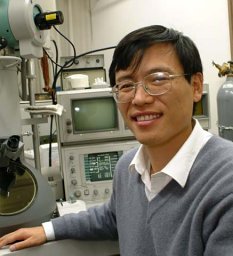 Hanliang Zhu合作论文数University of Queensland Materials Engineering19cory j hamelin合作论文数14
 Zhiyang Wang (王志阳)合作论文数13
 Chao Yang (杨超)合作论文数School of Mechanical & Automotive Engineering, South China University of Technology12
 Petr Sittner合作论文数Department of Functional Materials, Institute of Physics of the CAS12
 Petr Lukas合作论文数11
 Philip Bendeich合作论文数11
 Emmanuel A. Flores-Johnson合作论文数School of Civil Engineering, The University of Sydney10
 Tao Wei合作论文数9
 Hefei Huang (黄鹤飞)合作论文数University of Chinese Academy of Sciences;Shanghai Institute of Applied Physics, Chinese Academy of Sciences8
 Michael Ralph Hill合作论文数Department of Mechanical and Aerospace Engineering, University of California Davis8
 Jay Kruzic合作论文数School of Mechanical & Manufacturing Engineering, Faculty of Engineering, The University of New South Wales7
 Huijun Li合作论文数School of Mechanical, Materials & Mechatronics Engineering, Faculty of Engineering and Information Sciences, University of Wollongong7
 Zbysek Novy合作论文数7
 D. G. Carr合作论文数7Inna Karatchevtseva合作论文数ANSTO7Edward C. Oliver合作论文数7
 Zhijun Qiu合作论文数Department of Civil and Environmental Engineering, University of Alberta, Edmonton, Alberta, Canada6
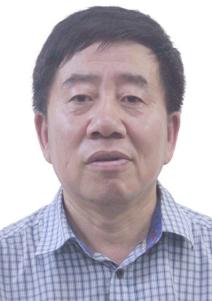 Deliang Zhang (张德良)合作论文数School of Materials Science and Engineering, Northeastern University6
 Dengshan Zhou (周登山)合作论文数School of Materials Science and Engineering, Northeastern University6Vladimir Luzin合作论文数Australian Nuclear science and Technology Organisation6
 Foroogh Hosseinzadeh合作论文数6
 Vipulkumar Ishvarbhai Patel合作论文数School of Computing, Engineering and Mathematical Sciences, La Trobe University5
 Mitchell Olson合作论文数Hill Engineering, LLC5
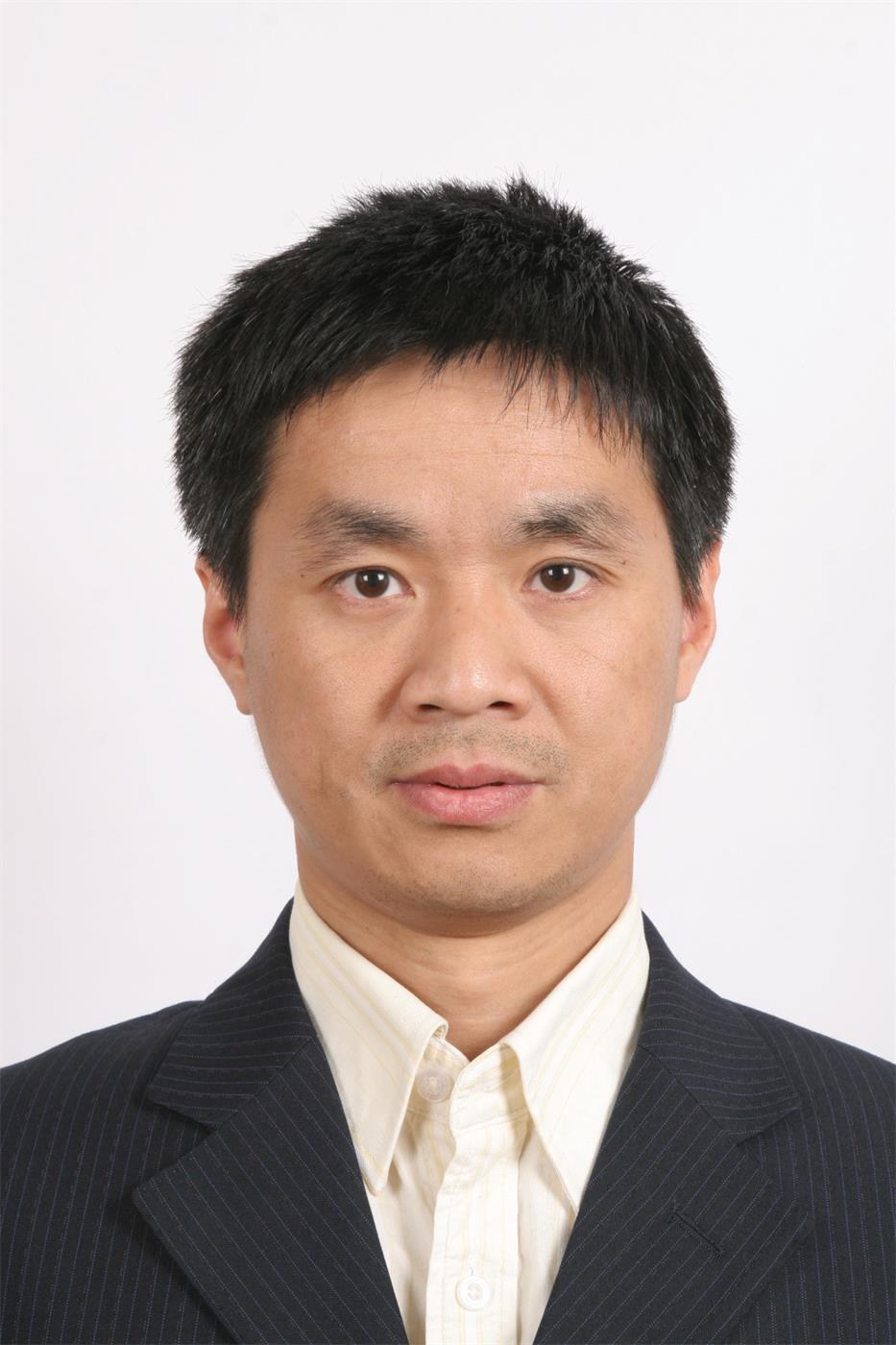 Xingtai Zhou (周兴泰)合作论文数Shanghai Institute of Applied Physics, Chinese Academy of Sciences;University of Chinese Academy of Sciences5
 P. John Bouchard合作论文数School of Engineering & Innovation, Faculty of Science, Technology, Engineering & Mathematics, The Open University5P. Jenčuš合作论文数5Hongwei Geng合作论文数4
 Vasileios Akrivos合作论文数ENOIA;EBETAM A.E.4
 Davis Joel合作论文数Australian Nuclear Science and Technology Organisation4M.C. Smith合作论文数4
 Luming Shen合作论文数School of Civil Engineering, Faculty of Engineering, The University of Sydney4
 Zengxi Pan合作论文数School of Mechanical, Materials, Mechatronic and Biomedical Engineering, Faculty of Engineering and Information Sciences, University of Wollongong4
 Anna Paradowska合作论文数ANSTO;University of Sydney4
 Sven C. Vogel合作论文数Los Alamos National Laboratory4P Hornak合作论文数3minh n tran合作论文数3Maxim Avdeev合作论文数3Bosheng Dong合作论文数3
 A.E. Danon合作论文数Australian Nuclear Science and Technology Organisation (ANSTO), Lucas Heights, NSW 2234, Australia3
 Bintao Wu合作论文数Univ Wollongong, Sch Mech Mat Mechatron & Biomed Engn, Northfields Ave, Wollongong, NSW 2522, Australia3
 Hao Wang合作论文数School of Materials Science and Engineering, Northeastern University3
 Yi Huang合作论文数Materials Research Group, Faculty of Engineering and the Environment, University of Southampton, Southampton SO17 1BJ, UK3
 Jino Mathew合作论文数Future Transport & Cities Res Ctr, Coventry Univ3
 Ling Li合作论文数3
 Gwenaelle Proust合作论文数School of Civil Engineering, Faculty of Engineering, The University of Sydney3




