Optimal diet is critical for a healthy life, and, for example, the Mediterranean diet has been associated with a wide range of benefits for overall health. Specific links have been made to anti-cancer effects of the Mediterranean diet through reducing oxidative and inflammatory processes and reducing cell proliferation. In the present study, we aimed to understand the effect of specific dietary compounds on colorectal cancer cell proliferation. As humans are seldom exposed to high concentrations of single bioactive compounds through the diet but rather, multiple compounds at low concentrations, we investigated the combined effect of bioactive compounds at low concentrations. While a combination of four structurally related stilbenoids (resveratrol, pterostilbene, piceatannol and oxyresveratrol) had antagonistic to additive effects on inhibition of cell proliferation, a combination of four structurally diverse compounds (resveratrol, curcumin, 3,3′-diindolylmethane and artemisinin) resulted in synergistic to additive effects. Taken together, these result show that a mixture of four dietary bioactive compounds have a significant inhibitory potential on cell proliferation, even at low concentrations, and support the notion of cancer risk reduction associated with the Mediterranean diet being due to a combination of chemopreventive compounds.
Usnic acid has anti-cancer activity, however, low solubility and toxicity limit the potential. To investigate biological activity of usnic acid derivatives, enantiopure derivatives were synthesised by reacting usnic acid with ethylenediamine, which yielded one dimer product ((+)-1), and two tetra cyclic compounds ((+)-2 and (-)-2). The products were characterised with NMR, and evaluated in vitro in human colon cancer cell line Caco-2 by cell count, phase-contrast microscopy, MTT-assay, measurement of DNA content and cell cycle distribution. All compounds tested showed cytostatic effect in Caco-2 cells, but each compound had a distinct cellular effect. Compound (+)-1 showed anti-proliferative activity by increasing the percentage of cells in S-phase with 25% compared to the control. Compounds (+)-2 and (-)-2 induced paraptosis, but only compound (+)-2 modulated cell cycle distribution by accumulating cells in G(2)/M-phase by 47% and reduced DNA content by 60%. All compounds express interesting cellular and potential anti-proliferative activity.
We present a brief review of the history of chemoprevention of cancer, the present status of this field, and its prospects for the future. Topics covered are the scientific basis for chemoprevention of cancer, drugs in current use for chemoprevention of cancer, the need for new synthetic drugs, and the challenges ahead. The special relevance of chemoprevention of pancreatic cancer is emphasized, and the importance of the use of combinations of drugs for effective prevention is also stressed.
Tumor-associated macrophages (TAMs) support tumor growth by suppressing the activity of tumor-infiltrating T cells. Consistently, TAMs are considered a major limitation for the efficacy of cancer immunotherapy. However, the molecular reason behind the acquisition of an immunosuppressive TAM phenotype is not fully clarified. During tumor growth, the extracellular matrix (ECM) is degraded and substituted with a tumor-specific collagen-rich ECM. The collagen density of this tumor ECM has been associated with poor patient prognosis but the reason for this is not well understood. In this study, we investigated whether the collagen density could modulate the immunosuppressive activity of TAMs. The murine macrophage cell line RAW 264.7 was three-dimensionally cultured in collagen matrices of low and high collagen densities mimicking healthy and tumor tissue, respectively. Collagen density did not affect proliferation or viability of the macrophages. However, whole-transcriptome analysis revealed a striking response to the surrounding collagen density, including the regulation of immune regulatory genes and genes encoding chemokines. These transcriptional changes were shown to be similar in murine bone marrow-derived macrophages and TAMs isolated from murine tumors. Strikingly, coculture assays with primary T cells showed that macrophages cultured in high-density collagen were less efficient at attracting cytotoxic T cells and capable of inhibiting T cell proliferation more than macrophages cultured in low-density collagen. Our study demonstrates that a high collagen density can instruct macrophages to acquire an immunosuppressive phenotype. This mechanism could reduce the efficacy of immunotherapy and explain the link between high collagen density and poor prognosis.
We synthesized a mitochondria-targeted honokiol (Mito-HNK) that facilitates its mitochondrial accumulation; this dramatically increases its potency and efficacy against highly metastatic lung cancer lines in vitro, and in orthotopic lung tumor xenografts and brain metastases in vivo. Mito-HNK is >100-fold more potent than HNK in inhibiting cell proliferation, inhibiting mitochondrial complex ?, stimulating reactive oxygen species generation, oxidizing mitochondrial peroxiredoxin-3, and suppressing the phosphorylation of mitoSTAT3. Within lung cancer brain metastases in mice, Mito-HNK induced the mediators of cell death and decreased the pathways that support invasion and proliferation. In contrast, in the non-malignant stroma, Mito-HNK suppressed pathways that support metastatic lesions, including those involved in inflammation and angiogenesis. Mito-HNK showed no toxicity and targets the metabolic vulnerabilities of primary and metastatic lung cancers. Its pronounced anti-invasive and anti-metastatic effects in the brain are particularly intriguing given the paucity of treatment options for such patients either alone or in combination with standard chemotherapeutics.
Resveratrol (Resv), a natural polyphenol, is suggested to have various health benefits including improved insulin sensitivity. Resv activates Sirtuin (Sirt1) in several species and tissues. Sirt1 is a protein deacetylase with an important role in ageing, metabolism and 13 beta-cell function. In insulinoma beta-cells (INS-1E), Resv is previously shown to improve glucose-stimulated insulin secretion in a Sirt1-dependent mechanism and to protect against beta-cell dedifferentiation in non-human primates, while inducing hypertrophy in myoblasts. Mammalian (mechanistic) Target of Rapamycin (mTOR), is a key regulator of cellular metabolism and regulates the cell size, beta-cell survival and proliferation. In order to understand the interaction of Sirt1 and mTOR cascade activity with Resv-induced changes in the INS-1E cell line, we generated stable Sirt1-down-regulated INS-1E cells, and analysed Sirt1-dependent effects of Resv with respect to mTOR cascade activity. Sirt1-knockdown (KD) had a significant increase in cell size compared to negative-control (NEG CTR) cells. Resveratrol treatment increased cell size in both cell types in a dose-dependent manner at 24 h (Resv conc: 15-60 mu M), and decreased the cell number (Resv conc: 30-60 mu M). Cell area was increased in NEG CTR cells (Resv conc: 60 mu M) at 24 h and KD cells at 48 h (Resv conc: 15-60 mu M). Rapamycin, a specific mTOR inhibitor, counteracted the Resv-induced cell enlargement (both cell diameter and area). Furthermore, Sirt1-downregulation by itself did not affect the mTOR cascade activities as measured by Western blotting for total and phosphorylated Akt and mTOR. Rapamycin decreased the mTORC1 activity, while increasing the pAkt levels. Resveratrol did not interfere with the mTOR activity or with Sirt1 expression. Altogether, this work indicates that Sirt1 is a negative regulator of cell size. Moreover, the effect of Resv on cell size increase is mTOR-cascade dependent. (C) 2017 Elsevier B.V. All rights reserved.
Resveratrol is a well-known phenolic stilbene because of its presence in several edible plants and its proposed properties that are beneficial to human health [...].
Resveratrol (Resv) is a polyphenol reported to modulate mitochondrial activity. The aim was to use HeLa and 143B cells to characterize the action of Resv on mitochondrial activity, cell size and proliferation using wild type (WT) and Rho 0 cells deficient in mitochondrial DNA. In both HeLa WT and Rho 0 cells, the oxygen consumption rate (OCR) was increased at 20 µM Resv after 24 h, whereas only a non-significant increase of OCR was observed in 143B WT cells. Resv decreased cell number concentration-dependently in both WT and Rho 0 cell types. An increased cell diameter was observed in HeLa WT, but not in Rho 0 when treated with Resv. Overall, the findings presented indicate that functional mitochondria are a prerequisite for cell enlargement by Resv.
Ageing is the organisms increased susceptibility to death, which is linked to accumulated damage in the cells and tissues. Ageing is a complex process regulated by crosstalk of various pathways in the cells. Ageing is highly regulated by the Target of Rapamycin (TOR) pathway activity. TOR is an evolutionary conserved key protein kinase in the TOR pathway that regulates growth, proliferation and cell metabolism in response to nutrients, growth factors and stress. Comparing the ageing process in invertebrate model organisms with relatively short lifespan with mammals provides valuable information about the molecular mechanisms underlying the ageing process faster than mammal systems. Inhibition of the TOR pathway activity via either genetic manipulation or rapamycin increases lifespan profoundly in most invertebrate model organisms. This contribution will review the recent findings in invertebrates concerning the TOR pathway and effects of TOR inhibition by rapamycin on lifespan. Besides some contradictory results, the majority points out that rapamycin induces longevity. This suggests that administration of rapamycin in invertebrates is a promising tool for pursuing the scientific puzzle of lifespan prolongation.
Annals of the New York Academy of SciencesVolume 1348, Issue 1 p. v-vi Introduction Introduction to Resveratrol and Health: 3rd International Conference Ole Vang, Ole Vang Roskilde University, Roskilde, DenmarkSearch for more papers by this authorJohn M. Pezzuto, John M. Pezzuto University of Hawaii at Hilo, Hilo, HawaiiSearch for more papers by this author Ole Vang, Ole Vang Roskilde University, Roskilde, DenmarkSearch for more papers by this authorJohn M. Pezzuto, John M. Pezzuto University of Hawaii at Hilo, Hilo, HawaiiSearch for more papers by this author First published: 28 August 2015 https://doi.org/10.1111/nyas.12870Citations: 2Read the full textAboutPDF ToolsRequest permissionExport citationAdd to favoritesTrack citation ShareShare Give accessShare full text accessShare full-text accessPlease review our Terms and Conditions of Use and check box below to share full-text version of article.I have read and accept the Wiley Online Library Terms and Conditions of UseShareable LinkUse the link below to share a full-text version of this article with your friends and colleagues. Learn more.Copy URL No abstract is available for this article.Citing Literature Volume1348, Issue1Resveratrol and Health: 3rd International ConferenceAugust 2015Pages v-vi RelatedInformation
Osteocytes are considered the primary mechanosensors of bone, but the signaling pathways they apply in mechanotransduction are still incompletely investigated and characterized. A growing body of data strongly indicates that P2 receptor signaling among osteoblasts and osteoclasts has regulatory effects on bone remodeling. Therefore, we hypothesized that ATP signaling is also applied by osteocytes in mechanotransduction. We applied a short fluid pulse on MLO-Y4 osteocyte-like cells during real-time detection of ATP and demonstrated that mechanical stimulation activates the acute release of ATP and that these acute ATP signals are fine-tuned according to the magnitude of loading. ATP release was then challenged by pharmacological inhibitors, which indicated a vesicular release pathway for acute ATP signals. Finally, we showed that osteocytes express functional P2X2 and P2X7 receptors and respond to even low concentrations of nucleotides by increasing intracellular calcium concentration. These results indicate that in osteocytes, vesicular ATP release is an acute mediator of mechanical signals and the magnitude of loading. These and previous results, therefore, implicate purinergic signaling as an early signaling pathway in osteocyte mechanotransduction.
The suggested health effects (e.g., disease prevention) of dietary bioactive compounds such as resveratrol are challenging to prove in comparison to man-made drugs developed for therapeutic purposes. Dietary bioactive compounds have multiple cellular targets and therefore have a variety of biological effects. Extrapolating the biological effects of dietary compounds from in vitro and in vivo animal experiments to humans may lead to over- or under-estimation of the effect and role of these compounds. The present paper will discuss a few of these challenges and suggest directions for future research. Questions we address include: (1) Is the combinatorial effect of resveratrol and other compounds real? (2) What are the real and relevant doses of resveratrol after administration? and (3) Is it possible to estimate the preventive effect of resveratrol by clinical trials using standard experimental designs? The examples concerning resveratrol taken from the scientific literature are mainly from 2010 and later. The challenges pointed out in this review are similar to most naturally occurring bioactive compounds.
Resveratrol (RSV) is a natural polyphenol produced by plants and is proposed to have multiple beneficial effects on health. In recent years, the interest in this molecule has increased nearly exponentially following the major findings that RSV (I) is chemo-preventive in some cancer models, (II) is cardio-protective and (III) has positive effects on metabolism in mammals and increases lifespan in lower organisms. Mechanistic target of rapamycin (mTOR) is a central controller of cell growth, proliferation, metabolism and angiogenesis. As a part of the mTORC1 and mTORC2 complexes, the mTOR kinase plays a key role in several pathways involved in cancer and metabolic diseases. Recent studies suggest that modulation of the mTOR signalling pathway could play an important role in mediating the beneficial effects of RSV. Therefore, this review summarises the current findings regarding RSV and its inhibition/activation of the proteins in the mTOR pathway, and thereby propose the proteins of the mTOR cascade to be primary targets for RSV. RSV affects many different targets related to mTOR, and it is not clear which is most relevant. However, most frequently, RSV is found to inhibit the activity of the mTOR pathway proteins, and to activate AMPK and LKB1, which can suppress mTOR signalling. Thus, it appears that RSV plays a role in modulation of proteins of the mTOR pathway although more research is still needed to fully understand the interaction.
Resveratrol (RSV) is a natural polyphenol produced by plants and is proposed to have multiple beneficial effects on health. In recent years, the interest in this molecule has increased nearly exponentially following the major findings that RSV (I) is chemo-preventive in some cancer models, (II) is cardio-protective and (III) has positive effects on metabolism in mammals and increases lifespan in lower organisms. Mechanistic target of rapamycin (mTOR) is a central controller of cell growth, proliferation, metabolism and angiogenesis. As a part of the mTORC1 and mTORC2 complexes, the mTOR kinase plays a key role in several pathways involved in cancer and metabolic diseases. Recent studies suggest that modulation of the mTOR signalling pathway could play an important role in mediating the beneficial effects of RSV. Therefore, this review summarises the current findings regarding RSV and its inhibition/activation of the proteins in the mTOR pathway, and thereby propose the proteins of the mTOR cascade to be primary targets for RSV. RSV affects many different targets related to mTOR, and it is not clear which is most relevant. However, most frequently, RSV is found to inhibit the activity of the mTOR pathway proteins, and to activate AMPK and LKB1, which can suppress mTOR signalling. Thus, it appears that RSV plays a role in modulation of proteins of the mTOR pathway although more research is still needed to fully understand the interaction.
Numerous scientific papers have suggested health‐promoting effects of resveratrol, including claims in the prevention of diseases such as coronary heart disease, diabetes, and cancer. Therefore, it was proposed that the scientific community needed to express recommendations on the human use of resveratrol. Such recommendations were formulated after the first international resveratrol conference in Denmark, Resveratrol2010. The working group stated that the evidence was “not sufficiently strong to justify recommendation for the chronic administration of resveratrol to human beings, beyond the dose which can be obtained from dietary sources.” It was a disappointing conclusion relative to the positive claims about the therapeutic potential of resveratrol made by the media. However, since 2010, results from the first clinical trials on resveratrol have been made available. Because of these emerging results, it is necessary to formulate updated versions of the recommendations.
 Ole Andersen合作论文数Department of Science, Systems and Models, Roskilde University;Department of Science and Environment, Roskilde University9
 Fritz Duus合作论文数8Jørgen Clausen合作论文数6C Bonnesen合作论文数6H SORENSEN合作论文数5
 John Pezzuto合作论文数College of Pharmacy and Health Sciences, Western New England University5
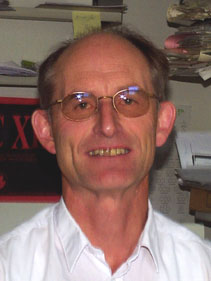 Poul Erik Hansen合作论文数Department of Science and Environment, Roskilde University5
 Niklas Rye Jørgensen合作论文数Department of Clinical Medicine, Faculty of Health and Medical Sciences, University of Copenhagen4
 Joseph A. Baur合作论文数Department of Physiology, Perelman School of Medicine, University of Pennsylvania;Center of Excellence in Environmental Toxicology, Perelman School of Medicine, University of Pennsylvania4
 Anne Lykkegaard Widlund合作论文数4Hung D. Pham合作论文数4Lien-Hoa D Nguyen合作论文数Department of Chemistry, National University of Singapore4Tina M Kringelbach合作论文数3
 Ivana Novak合作论文数Department of Biology, Faculty of Science, University of Copenhagen3
 Peter Schwarz合作论文数Department of Clinical Medicine, Faculty of Health and Medical Sciences, University of Copenhagen3
 Hung-Yun Lin合作论文数Pharmaceutical Research Institute, Albany College of Pharmacy and Health Sciences;College of Medical Science and Technology, Taipei Medical University;Albany College of Pharmacy and Health Sciences, Taipei Medical University3Herman Autrup合作论文数3
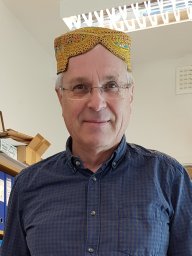 Håkan Wallin合作论文数National Research Centre for the Working Environment3
 Dipak K. Das合作论文数Defence Metallurgical Research Lab3Morten A. Kall合作论文数3Michel Seidelin合作论文数3
 Louise Torp Dalgaard合作论文数Department of Science and Environment, Roskilde University;Centre for Frustrated Molecular Interactions, Roskilde University;Centre for Mathematical Modeling - Human Health and Disease, Roskilde University3
 Henrik Frandsen合作论文数3K T Hansen合作论文数2Ly Dieu Ha合作论文数2
 Michael Christiansen合作论文数2Dominique Delmas合作论文数2SM Sarup合作论文数2
 Ove Andersen合作论文数Department of Clinical Medicine, Faculty of Health and Medical Sciences, University of Copenhagen2ngoc t n ngo合作论文数2Hoa Van Vo合作论文数2Syberg Susanne合作论文数2Neave Antje S合作论文数2Joseph M. Wu合作论文数2
 Lynda F. Bonewald合作论文数Indiana Center for Musculoskeletal Health, School of Medicine, Indiana University2Brian F. Rasmussen合作论文数2Birgitte Stoevring合作论文数Department of Life Sciences and Chemistry, University of Roskilde2Birgitte Thuesen Olesen合作论文数2Ulrik Stervbo合作论文数Deutsches Rheuma-Forshungszentrum, a Leibniz institute2
 Dana R Crawford合作论文数Department of Genetics, Emory University School of Medicine2Majken Dalgaard合作论文数2Leonard F. Bjeldanes合作论文数2Michael Flister合作论文数1Cihan S. Erdogan合作论文数1Dorota Ewa Kuczek合作论文数1Mette Ladefoged合作论文数1Hsiao-Ling Chiang合作论文数1Derya Aslan合作论文数1Louise Larsen合作论文数1




