This large-scale, real-world study aimed to determine if high-intensity hydrophilic or high-intensity lipophilic statins more optimally reduced the incidence of all-cause mortality, all-cause hospitalization, cardiovascular, liver, and symptom-related outcomes over a 5-year follow-up period in patients with Primary biliary cholangitis (PBC). We conducted a retrospective, propensity score matched cohort study using the TriNetX Research Network, comparing PBC patients receiving high-intensity hydrophilic (rosuvastatin ≥ 20 mg) versus high-intensity lipophilic (atorvastatin ≥ 40 mg) statins (778 patients per group). High-intensity hydrophilic and high-intensity lipophilic statins did not differ in all-cause mortality (HR, 0.960 [95
BACKGROUND AND AIMS:Metabolic dysfunction-associated steatotic liver disease (MASLD) is highly prevalent, and smoking is associated with greater disease severity. We investigated whether documented smoking cessation attempts among adults with MASLD were associated with liver-related outcomes, cardiovascular outcomes, and all-cause mortality. METHODS:We performed a retrospective cohort study using the TriNetX Research Network. Adults (≥ 18 years) with MASLD and documented smoking history were included. A smoking cessation attempt was defined by cessation counseling and/or cessation pharmacotherapy; comparators had no documented cessation attempt. Patients with depressive disorders and competing liver etiologies were excluded. Cohorts were matched 1:1 using propensity scores, and outcomes were analyzed using Cox proportional hazards models. Sensitivity analyses were performed at fixed follow-up horizons of 6 months, 1 year, and 2 years. RESULTS:Among 418,784 eligible patients, 85,639 had a documented cessation attempt and 333,145 did not; after matching, 83,315 patients remained in each cohort. In the matched cohort, cessation attempt was associated with lower hazards of cirrhosis progression (1.7% vs. 2.1%; HR 0.87, 95% CI 0.81-0.93), hepatocellular carcinoma (0.2% vs. 0.3%; HR 0.58, 95% CI 0.48-0.70), portal hypertension (0.8% vs. 1.1%; HR 0.77, 95% CI 0.70-0.86), and MASH progression (2.2% vs. 2.9%; HR 0.76, 95% CI 0.71-0.81). The cessation attempt was also associated with higher hazards of MACE (13.6% vs. 11.4%; HR 1.24, 95% CI 1.20-1.28), peripheral artery disease (4.1% vs. 3.2%; HR 1.33, 95% CI 1.26-1.40), and all-cause mortality (8.5% vs. 7.3%; HR 1.23, 95% CI 1.18-1.27). Fixed-horizon analyses showed similar patterns over time. CONCLUSIONS:In adults with MASLD and smoking history, documented smoking cessation attempts were associated with lower hazards of several liver outcomes but higher cardiovascular event rates and mortality, findings likely influenced by residual confounding and clinical risk clustering in patients receiving cessation interventions.
BACKGROUND Data on bempedoic acid in cirrhosis are limited. OBJECTIVE To evaluate associations between bempedoic acid use and clinical outcomes in adults with cirrhosis. METHODS We conducted a retrospective TriNetX cohort study comparing adults with cirrhosis receiving versus not receiving bempedoic acid. Patients with end-stage renal disease or prior liver transplantation were excluded. Propensity score matching was performed 1:1 using demographic, clinical, medication, and laboratory variables. Outcomes were mortality, hospitalization, hepatic decompensation, and major adverse cardiovascular events. RESULTS After matching, 325 pairs were analyzed. Bempedoic acid use was associated with lower all-cause mortality (hazard ratio [HR], 0.28; 95% CI, 0.17-0.45; P < .001) and all-cause hospitalization (HR, 0.52; 95% CI, 0.40-0.68; P < .001). No significant differences were observed in hepatic decompensation (HR, 0.96; 95% CI, 0.62-1.50; P = .86) or MACE (HR, 0.84; 95% CI, 0.50-1.39; P = .49) did not differ. CONCLUSION Bempedoic acid was associated with lower mortality and hospitalization without increased hepatic decompensation. Residual confounding and immortal time bias limit causal interpretation.
INTRODUCTION AND OBJECTIVES:Primary biliary cholangitis (PBC) frequently overlaps with metabolic dysfunction-associated steatotic liver disease (MASLD). The impact of concurrent MASLD on liver transplant (LT) in PBC remains unclear. This study compared pre- and post-LT outcomes between PBC with and without MASLD. MATERIALS AND METHODS:We conducted a retrospective study using the UNOS/OPTN database to compare adult LT candidates with PBC or concomitant PBC/MASLD from 2002 to 2024. Nearest neighbor 1:1 propensity matching by multiple variables ensured cohort comparability. Outcomes included transplant probability, waitlist dropout, and post-LT patient and graft survival, analyzed with Kaplan-Meier and adjusted Cox regression. RESULTS:Before matching, PBC/MASLD had higher BMI (pre-transplant: 31.9 vs 26.8; post-transplant: 32.0 vs 26.6) and more diabetes (pre-transplant: 45% vs 15%; post-transplant: 42% vs 14%) compared to PBC-only. After matching (215 pre- and 151 post-transplant), PBC-only showed higher waitlist dropout (p = 0.005). Post-transplant patient and graft survival rates were similar between groups. Among PBC/MASLD, diabetes was associated with significantly lower long-term patient survival (10-year survival: 46% vs 76% in PBC/MASLD without diabetes, p = 0.01). On multivariate analysis, PBC/MASLD with diabetes remained the strongest independent predictor of post-transplant mortality (aHR 2.32, p = 0.01), followed by MELD score (aHR 1.03 per point, p = 0.02). CONCLUSIONS:PBC is associated with increased waitlist dropout compared to PBC/MASLD. Post-LT survival is comparable between groups unless diabetes is present, which significantly impairs long-term outcomes in PBC/MASLD. Prioritized diabetes screening and metabolic management post-LT is essential in this group. Future research should investigate factors affecting waitlist dropout and optimal glycemic control strategies in PBC patients.
OBJECTIVE:Concurrent alcohol use and smoking exert super-additive toxic effects that accelerate hepatic injury in people living with hepatitis C (HCV). Objectives of this study were to estimate the prevalence of concurrent alcohol use and active smoking at the population-level over the last decade among adults living with HCV in the United States (U.S.), examine trends in the prevalence of concurrent alcohol use and active smoking, and to identify risk factors associated with concurrent alcohol use and active smoking. METHODS:We conducted a repeated cross-sectional analysis using six NHANES cycles (2007-2018). The study population included adults aged ≥20 years with current HCV infection, defined as detectable HCV RNA with confirmatory anti-HCV seropositivity, and complete data on alcohol use and smoking status. Analyses incorporated NHANES' complex survey design (strata, primary sampling units, and MEC examination weights). Prevalence estimates and temporal trends were derived using design-based methods, with linear regression applied to test for trends. Associations were examined using design-adjusted multinomial logistic regression to calculate adjusted odds ratios (aORs). RESULTS:The pooled, survey-weighted prevalence of concurrent alcohol use and active smoking among adults living with HCV in the U.S. between 2007 and 2018 was 39.5%. Trends in the prevalence of concurrent alcohol use and active smoking did not decrease but instead remained relatively high over the 11-year period (Trend P = 0.71). In multivariate analysis, current marijuana use (aOR = 2.88, 95% CI 2.84-2.92), lifetime substance use (aOR = 5.98, 95% CI 5.87-6.10), depression (aOR = 2.59, 95% CI 2.55-2.63), and a history of cancer (aOR = 1.50, 95% CI 1.45-1.54) were positively associated with concurrent alcohol use and active smoking. CONCLUSIONS:Markedly high and non-decreasing rates of concurrent alcohol use and active smoking at the population-level may contribute to higher incident cases of HCV-related morbidity and mortality in the near future.
INTRODUCTION AND OBJECTIVES:Spontaneous bacterial peritonitis (SBP1) is a common complication of cirrhosis. In the United States, inconsistent norfloxacin availability has shifted secondary SBP prophylaxis toward ciprofloxacin or trimethoprim-sulfamethoxazole (TMP-SMX2), but these agents have not been robustly compared head-to-head. We compared clinical outcomes among patients receiving TMP-SMX versus ciprofloxacin for secondary SBP prophylaxis. MATERIALS AND METHODS:We conducted a multicenter retrospective cohort study using the TriNetX de-identified electronic health record network. Adults with cirrhosis (ICD-10 K74.6) and SBP (ICD-10 K65.2) from January 2013 to July 2021 were included. Index date was the first prescription for TMP-SMX (RxNorm 10,829/10180) or ciprofloxacin (RxNorm 2551), with follow-up through July 11, 2024. Exclusions included prior exposure to the alternative agent, liver transplant, or end-stage renal disease. We performed 1:1 greedy nearest-neighbor propensity score matching (caliper 0.1) on demographics, comorbidities, and hepatic/renal laboratory variables. Primary outcomes were SBP recurrence and all-cause mortality; secondary outcomes included all-cause hospitalization, variceal bleeding, hepatic encephalopathy, and ascites. Cox proportional hazards models estimated hazard ratios (HRs). RESULTS:Among 31,011 patients (TMP-SMX 11,166; ciprofloxacin 19,845), 11,140 well-balanced matched pairs were analyzed. TMP-SMX was associated with lower SBP recurrence (HR 0.75, 95% CI 0.72-0.79) and all-cause mortality (HR 0.84, 95% CI 0.80-0.87; both p < 0.0001). TMP-SMX also reduced risks of variceal bleeding (HR 0.81), hepatic encephalopathy (HR 0.79), and ascites (HR 0.86), while hospitalization was not significantly different. CONCLUSIONS:TMP-SMX was associated with significantly lower SBP recurrence and mortality than ciprofloxacin, supporting TMP-SMX as a potentially more effective secondary prophylaxis option pending randomized confirmation.
Sarcopenia after liver transplantation is poorly characterized in recipients with metabolic dysfunction-associated steatotic liver disease (MASLD) and severe obesity. We evaluated longitudinal changes in psoas muscle index (PMI) after transplantation and examined whether PMI trajectory was associated with post-transplant survival. We performed a retrospective single-center study of adults with MASLD and body mass index ≥ 35 kg/m2 who underwent orthotopic liver transplantation between January 2015 and June 2023. PMI was measured on computed tomography at the L3 level before transplantation and at 6 months, 1 year, 3 years, and 5 years when available. Longitudinal change was assessed using linear mixed-effects models adjusted for survival status. Survival analyses included Kaplan–Meier estimation and univariate logistic regression. Seventy-three recipients were included; mean age was 59.3 years, 50.7
 Yuqi Guo合作论文数Sch Data Sci, Univ N Carolina27
 Hyejung Oh合作论文数13Krishna Venkata合作论文数Baptist Med Ctr South, UAB Montgomery Internal Med Residency13Pollio David合作论文数12
 Carol North合作论文数Departments of Psychiatry, The University of Texas Southwestern Medical Center;Altshuler Center for Education & Research12
 Barry Hong合作论文数12
 Omar Massoud合作论文数Cleveland Clinic11Shreya Sengupta合作论文数10Jamak Modaresi Esfeh合作论文数10vishnu teja kommineni合作论文数7Mohamed Shoreibah合作论文数7Danielle Shelnut合作论文数6Sarah Khan合作论文数6
 Jenine Zaibaq合作论文数Department of Gastroenterology and Hepatology, University of Texas Medical Branch6Shajan Peter合作论文数Division of Gastroenterology and Hepatology, University of Alabama6Pamela A. Melton合作论文数5Duong N Truong合作论文数5John Romano合作论文数5Moustafa Massoud合作论文数5
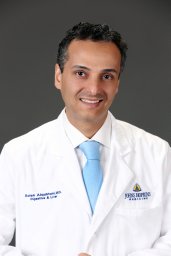 Saleh Alqahtani合作论文数Department of Medicine, Johns Hopkins Hospital5Shaonin Ji合作论文数4Sofia Molina Garcia合作论文数4
 E. Whitney Pollio合作论文数4Mamta K Jain合作论文数4
 Christina Cress Lindenmeyer合作论文数Department of Gastroenterology, Hepatology and Nutrition, Cleveland Clinic4Aanchal Kapoor合作论文数Cleveland Clinic4
 Kaiying Wang合作论文数Georgia State University4Wakim-Fleming Jamilé合作论文数4Paul Fitzmorris合作论文数4Carey William A合作论文数4Ritika Mazumder合作论文数3Hanna Hong合作论文数3Zhiyan Wang合作论文数3Ramanpreet K. Bajwa合作论文数3Ruishen Lyu合作论文数3
 Leandro Sierra合作论文数3
 Stephanie N Bass合作论文数3Christine E. Koval合作论文数3Geri R. Brown合作论文数3
 Rasheeta Chandler合作论文数Department of Community and Family Health, University of South Florida College of Public Health3Mohamed Galal Shoreibah合作论文数2Cerise Kleb合作论文数2John S Herndon合作论文数2
 Sumant Arora合作论文数2Pam A. Melton合作论文数2Kristelle Imperio-Lagabon合作论文数2Kasey Atim合作论文数2Mohammad Alabbas合作论文数2Xiaofeng Wang合作论文数2




