BACKGROUNDCovered endovascular reconstruction of aortic bifurcation (CERAB) is increasingly utilized as a first line treatment in patients with aorto-iliac occlusive disease (AIOD). We sought to compare the outcomes of patients undergoing CERAB compared to the gold standard of aorto-bifemoral bypass (ABF).METHODSThe Vascular Quality Initiative was queried for patients undergoing ABF or CERAB from 2009-2021. Propensity scores were generated using demographics, comorbidities, Rutherford class, and urgency. The two groups were matched using 5-to-1 nearest neighbor match. Our primary outcomes were 1-year estimates of primary patency, major adverse limb events (MALE), MALE-free survival, reintervention-free survival, and amputation-free survival. Standard statistical methods were utilized.RESULTS3,944 ABF and 281 CERAB cases in total were identified. Of all patients with AIOD, the proportion of CERAB increased from 0% to 17.9% between 2009-2021. Compared to ABF, patients undergoing CERAB were more likely to be older (64.7 vs. 60.2; p<.001) and more often had diabetes (40.9% vs. 24.1%; p<.001) and end-stage renal disease (1.1% vs. 0.3%; P=.03). In the matched analysis (229 CERAB vs. 929 ABF), ABF patients had improved MALE-free survival (93.2% [±0.9%] vs. 83.2% [±3%]; p<.001) and lower rates of MALE (5.2% [±0.9%] vs. 14.1% [±3%]; p<.001), with comparable primary patency rates (98.3% [±0.3%] vs. 96.6% [±1%]; p=.6) and amputation-free survival (99.3% [±0.3%] vs. 99.4% [±0.6%]; p=.9). Patients in the CERAB group had significantly lower reintervention-free survival (62.5% ± [6%] vs. 92.9% ± [0.9%]; p<.001). Matched analysis also revealed shorter LOS (1 vs. 7 days; p<.001), as well as lower pulmonary (1.2% vs. 6.6%; p=.01), renal (1.8% vs. 10%; p<.001), and cardiac (1.8% vs. 12.8%; p<.001) complications among CERAB patients.CONCLUSIONCERAB had lower perioperative morbidity compared to ABF with a similar primary patency 1-year estimates. However, patients undergoing CERAB experienced more major adverse limb events and reinterventions. Although CERAB is an effective treatment of patients with AIOD, further studies are needed to determine the long-term outcomes of CERAB compared to the established durability of ABF and further define the role of CEARB in treatment of AIOD.
BACKGROUND:The frequency of distal lower extremity bypass (LEB) for infrapopliteal critical limb threatening ischemia (IP-CLTI) has significantly decreased. Our goal was to analyze the contemporary outcomes and factors associated with failure of LEB to para-malleolar and pedal targets. METHODS:We queried the Vascular Quality Initiative infrainguinal database from 2003 to 2021 to identify LEB to para-malleolar or pedal/plantar targets. Primary outcomes were graft patency, major adverse limb events [vascular reintervention, above ankle amputation] (MALE), and amputation-free survival at 2 years. Standard statistical methods were utilized. RESULTS:We identified 2331 LEB procedures (1,265 anterior tibial at ankle/dorsalis pedis, 783 posterior tibial at ankle, 283 tarsal/plantar). The prevalence of LEB bypasses to distal targets has significantly decreased from 13.37% of all LEB procedures in 2003-3.51% in 2021 (P < 0.001). The majority of cases presented with tissue loss (81.25. Common postoperative complications included major adverse cardiac events (8.9%) and surgical site infections (3.6%). Major amputations occurred in 16.8% of patients at 1 year. Postoperative mortality at 1 year was 10%. On unadjusted Kaplan-Meier survival analysis at 2 years, primary patency was 50.56% ± 3.6%, MALE was 63.49% ± 3.27%, and amputation-free survival was 71.71% ± 0.98%. In adjusted analyses [adjusted for comorbidities, indication, conduit type, urgency, prior vascular interventions, graft inflow vessel (femoral/popliteal), concomitant inflow procedures, surgeon and center volume] conduits other than great saphenous vein (P < 0.001) were associated with loss of primary patency and increased MALE. High center volume (>5 procedures/year) was associated with improved primary patency (P = 0.015), and lower MALE (P = 0.021) at 2 years. CONCLUSIONS:Despite decreased utilization, open surgical bypass to distal targets at the ankle remains a viable option for treatment of IP-CLTI with acceptable patency and amputation-free survival rates at 2 years. Bypasses to distal targets should be performed at high volume centers to optimize graft patency and limb salvage and minimize reinterventions.
Objective: After creation, arteriovenous fistulae (AVF) and arteriovenous grafts (AVG) can undergo surgical or endovascular assisted maturation (AM) procedures to enable use for hemodialysis. We sought to explore the association of interventions with successful two-needle cannulation (TNC) using the United States Renal Data System (USRDS). Methods: Using the 2012–2017 USRDS, we identified patients initiating hemodialysis with tunneled dialysis catheters (TDC). Successful AVF/G use was defined as two-needle cannulation (TNC). Our principal outcome was time to first TNC after AVF/G creation. Death and new access placement were competing events that precluded TNC. Competing-risks regression models were constructed to identify factors associated with cannulation. Logistic regression was used to assess the association between AM procedures and 1-year TNC and also to compare post-cannulation outcomes. Results: Among 81,143 patients, 15,880 (19.6%) had AVG and 65,263 (80.4%) had AVF. AVG patients were more likely than AVF patients to achieve TNC at 1 year on unadjusted (77.4% vs 64.0%, p < 0.001) and on multivariate analysis (sHR = 2.56 (2.49–2.63), p < 0.001). For AVFs, one AM surgical procedure was associated with improved 1-year TNC rates, but further revisions were not helpful. Endovascular AM procedures were associated with increased AVF TNC rates. Any procedure, surgical or endovascular, was detrimental to achieving TNC for AVGs. Following initial TNC, those accesses that needed AM procedures were associated with higher rates of access failure (AVF: OR = 1.32 (1.21–1.45); AVG: OR = 1.77 (1.500–2.00); p < 0.001), catheter replacement (AVF: OR = 1.27 (1.20–1.34); AVG: OR = 1.56 (1.42–1.71), p < 0.001), and additional endovascular procedures (AVF: 0.75 ± 1.22 no AM vs 1.33 ± 1.62 any AM; AVG: 1.31 ± 1.77 no AM vs 1.96 ± 2.22 any AM; all p < 0.001). Conclusions: AVG achieved TNC after creation more reliably than AVF. A single surgery or endovascular procedures for AVFs is associated with greater rates of TNC. For AVGs, any AM procedure is associated with lower cannulation rates, and reinforces the need for careful operative technique.
INTRODUCTION:Arteriovenous fistula (AVF) creation during an inpatient hospitalization is often performed for patient convenience and to ensure compliance. We sought to evaluate whether this approach has comparable outcomes to outpatient AVF creation. METHODS:We identified patients undergoing index AVF creation from the United States Renal Data System dataset (2012-2017). Patients were grouped into outpatient and inpatient. Outpatient included patients that were operated in either an outpatient setting, ambulatory surgical center or were admitted inpatient on the day of AVF creation. Inpatient included only patients with claims for an inpatient visit before access creation. Multiple safety outcomes were compared between groups using unadjusted and adjusted logistic regression methods generating odds ratios and 95% confidence intervals (95% CI). One-year maturation rates were compared using competing-risks regression methods generating sub-hazard ratios (sHR) and 95% CI. Outcomes were also compared after 1:1 propensity score matching. RESULTS:We identified 68,872 patients undergoing AVF creation, 4855 (7.1%) of which were created during inpatient hospitalization. Patients in the inpatient group were older (65.8 ± 13.8 vs 65.2 ± 13.8, p = 0.002), more likely to be of Black race (28.1% vs 26.8%, p = 0.02), and have cardiovascular comorbidities (all p < 0.05). Patients in the inpatient groups were more likely to be dialyzed at for-profit (88.1% vs 85.9%, p < 0.01) and freestanding (94.8% vs 92.9%, p < 0.01) dialysis centers. On both unadjusted and adjusted analysis, inpatient group was more likely to experience 30-day adverse events (e.g. pneumonia, COPD exacerbation, stroke, myocardial infarction), any complication, and all-cause mortality. On competing risks analysis, successful two-needle cannulation at 1 year was significantly less likely in the inpatient group (68.1% vs 76.8%, p < 0.01; sHR = 0.68 [95% CI, 0.65-0.71], p < 0.01). These trends were robust on 1:1 propensity matching. CONCLUSION:Incidental AVF creation in hospitalized patients is associated with worse outcomes, ranging from mortality to postoperative complications to fistula maturation, compared with outpatient AVF creation.
Background: Carotid endarterectomy (CEA) for asymptomatic carotid artery disease is advised for patients with low perioperative stroke risk and life expectancy of 3-5 years. We sought to explore the role of risk stratification and postoperative medical management in identifying appropriate asymptomatic candidates for CEA in the end -stage kidney disease (ESKD) population. Methods: We identified ESKD patients on dialysis from the United States Renal Data System that underwent CEA (2008-2014) for asymptomatic carotid artery disease. We used the Liu comorbidity index as well as a novel risk prediction model based on Cox proportional hazards model to stratify patients. The primary outcome evaluated was 3-year survival, and KaplanMeier methods were used to generate survival estimates. We further conducted a subanalysis of patients with Medicare part D data to determine postoperative usage of the following medications: statins, antiplatelets, and antihypertensives. We evaluated the association of medication utilization and 3-year survival using Kaplan -Meier methods and Cox proportional hazards modeling. Results: We analyzed 1,813 patients meeting inclusion criteria. The population was predominantly older (mean age 70.2 +/- 9.1), White (84.8%), and had a high prevalence of cardiovascular comorbidities, such as hypertension (90.7%), diabetes (62.5%), and congestive heart failure (35.4%). Among the entire cohort, 23.0% had a Liu comorbidity index <8, 35.0% had index 9-12, and 42.0% had index >12. Increasing Liu comorbidity index was associated with worse survival (P < 0.01); however, even the group with Liu index <8 had poor 3-year survival of 58.8% (53.9-63.4). The Cox proportional hazards model identified variables for inclusion in the risk model such as age >80 (adjusted hazard ratio [aHR] = 2.49, 95% confidence interval [CI] [1.87-3.33], P < 0.001), congestive heart failure (aHR = 1.31, 95% CI [1.14-1.51], P < 0.001), and Liu comorbidity index >12(aHR = 1.89, 95% CI [1.56-2.28], P < 0.001). The risk score generated ranged from 0 to 6.5, and patients were divided into 3 groups: score <2 (43.4%), 2-4 (41.2%), and >4 (15.4%). Increasing risk score was associated with worse survival (P < 0.01) but even the "low-risk"group had 3-year survival of 58.5% (54.9-61.9). Subanalysis of the 1,249 (68.8% of total) patients with part D data found that statins and calcium channel blocker use was associated with improved survival, although observed rates for patients on drug were still low. Conclusions: The overall long-term survival of ESKD patients undergoing CEA for asymptomatic carotid artery disease is low. Risk stratification and analysis of postoperative medical management did not identify a subgroup of patients with adequate 3 -year survival. Hence, the preventive benefits of CEA are not realized in these patients.
Objective: The COVID-19 (coronavirus disease 2019) pandemic has led to a rapid expansion in the use of telemedicine across all medical fields but has also exposed telehealth care disparities with differing access to technology across racial and ethnic groups. The objective of our study was to investigate the effects of telehealth on vascular visit compliance and to explore the effects of sociodemographic factors on vascular surgery outpatient telehealth usage during the COVID-19 pandemic. Methods: Consecutive patients who had undergone an outpatient vascular surgery evaluation between February 24, 2020 (the launch of our telemedicine program) and December 31, 2020, were reviewed. The baseline demographic and outcomes were obtained from the electronic medical records. Telehealth and in-person evaluations were defined according to the patient's index visit during the study period. Medical visit compliance was established on completion of the telehealth or in-person encounter. We used chi(2) tests and logistic regression analyses. Results: A total of 23,553 outpatient visits had been scheduled for 10,587 patients during the study period. Of the outpatient visits, 1559 had been scheduled telehealth encounters compared with 21,994 scheduled in-person encounters. Of the scheduled outpatient encounters, 13,900 medical visits (59.0%) had been completed: 1183 telehealth visits and 12,717 in-person visits. The mean travel distance saved for the telehealth visits was 22.1 +/- 27.1 miles, and the mean travel time saved was 46.3 +/- 41.47 minutes. We noted no sociodemographic differences between the patients scheduled for telehealth vs in-person visits. We found a trend toward a lower proportion of African-American patients in the telehealth group vs the in-person group (7.8% vs 10.6%; P = .116), without statistical significance. A significantly higher rate of medical visit completion was found for the telehealth group compared with the in-person group (79.5% vs 59.4%; P < .001). Among the patients scheduled for an outpatient medical visit, a scheduled telemedicine evaluation (vs in-person) was associated with 2.3 times the odds of completing the medical visit (odds ratio, 2.31; 95% confidence interval, 2.05-2.61), adjusting for age, sex, race, ethnicity, language, and the distance between the patient's home zip code and the outpa-tient vascular center's zip code. Selecting for scheduled telemedicine visits, African-American race was associated with a decreased odds of telemedicine usage (odds ratio, 0.73; 95% confidence interval, 0.59-0.90) after adjusting for age, sex, ethnicity, language, and visit type. Conclusions: Use of the vascular surgery outpatient telehealth evaluation appeared to improve medical visit completion in our region with apparent sociodemographic disparities. Further studies are needed to confirm whether telemedicine expansion has improved access to care in other geographic areas.
Objective: Abdominal aortic aneurysm (AAA) repair is recommended for aneurysms greater than 5.5 cm in men and 5 cm in women. Because AAA is more common among the elderly, we sought to evaluate contemporary practices of elective AAA repair and 2-year postoperative outcomes in octogenarians. Methods: We identified octogenarians undergoing elective AAA repair in the Vascular Quality Initiative from 2012 to 2019. We included patients undergoing endovascular (EVAR) and open (OAR) aortic repair. Demographics and comorbid conditions were compared between patient groups. Frailty was calculated using previously published methods. Patients with frailty scores above the 75th percentile of the operative cohort were considered high frailty. The primary outcome was 1- and 2-year mortality. Secondary outcomes included postoperative complications. Standard statistical methods were utilized. Cox proportional hazard models were used to identify factors that affect mortality. Results: The frequency of AAA repair in octogenarians has remained stable. Of all aortic operations, 21.4% were performed on octogenarians; 9735 (23.3% of 41,712) EVAR and 755 (10.3% of 7325) OARs. Among octogenarian patients, 42.0% of EVARs were under size thresholds: 48.3% males <= 5.5 cm diameter and 21.5% females <= 5.0 cm diameter compared with 18.8% OARs: 23.4% males and 10.7% females. Additionally, 25.6% had high frailty scores. Among octogenarians, 1- and 2-year mortality was 9.3% +/- 0.3% and 14.8% +/- 0.4% for EVAR and 15.2% +/- 1.3% and 18.9% +/- 1.5% for OAR patients, respectively (P < .01). In-hospital mortality rate was higher after OAR (0.87% EVAR vs 7.55% OAR; P < .01) and differed with frailty (EVAR, low frailty 0.2% vs high frailty 1.7%; OAR, low frailty 2.3% vs high frailty 15.6%). For EVAR, patient factors associated with mortality included heart failure (hazard ratio [HR], 1.15; 95% confidence interval [CI], 1.06-1.25; P = .001) and dialysis (HR, 1.71; 95% CI, 1.13-2.59; P = .012). For OAR, coronary artery disease (HR, 1.55; 95% CI, 0.98-2.44; P = .062) was associated with mortality. Statin use was protective of mortality for all patients (EVAR: HR, 0.68; 95% CI, 0.60-0.78; P < .01): OAR: HR, 0.58; 95% CI, 0.37-0.92; P = .020). Among octogenarians, high frailty was independently associated with 2-year mortality (EVAR: HR, 3.36; 95% CI, 2.62-4.31; P < .01 and OAR: HR, 2.35; 95% CI, 1.09-5.10; P = .030). Conclusions: Nationally, a large portion of elective AAA repair in octogenarians is performed below recommended size thresholds, one-quarter of whom are frail with poor long-term 2-year mortality rates. High 2-year mortality following AAA repair in this age group exceeds the published risk of rupture for 5- to 5.5-cm AAA, suggesting that increase in the size threshold of elective repair among octogenarians should be explored.
Racial disparities among patients with peripheral artery disease (PAD) have been described and often attributed to sociodemographic factors. We analyzed the outcomes of lower extremity bypass (LEB) and peripheral vascular intervention (PVI) between Black and non-Hispanic White (NHW) while accounting for socio-economic status using the area of deprivation index (ADI). The Vascular Quality Initiative (2016-2021) datasets were used to identify patients undergoing LEB and PVI. A probit regression model was used to generate propensity scores and perform a 5:1 match on characteristics including comorbidities, ADI, indication, urgency, and number of arteries treated (PVI) or graft target (LEB). The primary outcome was major adverse limb event (MALE)-free survival at 1 year. Kaplan-Meier survival graphs were generated for the groups and compared using log-rank testing. Cox regression analyses was used to test for interactions between race and indications as well as race and number of arteries treated (for PVI) or graft target (for LEB). A total of 44,968 PVI and 12,006 LEB were included in the analysis after matching. Black patients had significantly higher rates of MALE at 1 year for both PVI and LEB (Figs 1 and 2). On adjusted analyses Black patients with chronic limb-threatening ischemia had a higher risk of MALE at 1 year for both PVI (HR, 1.11; 95% CI, 1.04-1.17; P < .001) and LEB (HR, 1.11; 95% CI, 1.01-1.19; P = .03) compared to NHW. When adjusting for anatomical considerations, there was variability of outcomes between the groups. Black patients had a higher risk of MALE at 1 year in LEB performed to peroneal and tibial target vessels (HR, 1.17; 95% CI, 1.04-1.31; P = .007), but not for popliteal target vessels. For PVI, 1-year MALE was also higher in Black patients with one or two vessels treated at any level (HR, 1.21; 95% CI, 1.13-1.26; P < .001), but rates were similar to NHW with more vessels treated. Despite adjusting for socioeconomic factors using the validated ADI, Black patients with PAD have worse outcomes following revascularization, especially for CLTI, suggesting that other factors adversely affect outcomes in these patients. These unmeasured factors require further exploration to improve PAD outcomes in Black patients.Fig 2Major adverse limb event (MALE)-free survival at 1 year after lower extremity bypass (LEB).View Large Image Figure ViewerDownload Hi-res image Download (PPT)
Background: Failure following lower extremity bypasses (LEBs) isoften secondary to technical defects. Despite traditional teachings, routine use of completion imaging (CI) in LEB has been debated. This study assesses national trends of CI following LEBs and the association of routine CI with 1-year major adverse limb events (MALE) and 1-year loss of primary patency (LPP).Methods: The Vascular Quality Initiative (VQI) LEB dataset from 2003-2020 was queried for patients who underwent elective bypass for occlusive disease. The cohort was divided based on surgeons' CI strategy at time of LEB, categorized as routine (>= 80% of cases/year), selective (<80% of cases/year), or never. The cohort was further stratified by surgeon volume category [low (<25th percentile), medium (25th-75th percentile), or high (>75th percentile)]. The primary outcomes were 1-year MALE-free survival and 1-year loss of primary patency (LPP)-free survival. Our secondary outcomes were temporal trends in CI use and temporal trends in 1-year MALE rates. Standard statistical methods were utilized.Results: We identified 37,919 LEBs; 7,143 in routine CI strategy cohort, 22,157 selective CI and 8,619 in never CI. Patients in the 3 cohorts had comparable baseline demographics and indications for bypass. There was a significant decrease in CI utilization from 77.2% in 2003 to 32.0% in 2020 (P < 0.001). Similar trends in CI use were observed in patients who underwent bypass to tibial outflows (86.0% in 2003 vs. 36.9% in 2020; P < 0.001). While the use of CI has decreased over time, 1-year MALE rates have increased from 44.4% in 2003 to 50.4% in 2020 (P < 0.001). On multivariate COX regression, however, no significant associations between CI use or CI strategy and risk of 1-year MALE or LPP was found. Procedures performed by high volume surgeons carried a lower risk of 1-year MALE (HR: 0.84; 95% CI [0.75-0.95]; P 1/4 0.006) and LPP (HR:0.83; 95% CI [0.71-0.97]; P < 0.001) compared to low-volume surgeons. Repeat adjusted analyses showed no association between CI (use or strategy) and our primary outcomes when the subgroups with tibial outflows were analyzed. Similarly, no associations were found between CI (use or strategy) and our primary outcomes when the subgroups based on surgeons' CI volume were evaluated.Conclusions: The use of CI, for both proximal and distal target bypasses, has decreased over time while 1-year MALE rates have increased. Adjusted analyses indicate no association between CI use and improved MALE or LPP survival at 1 year and all CI strategies were found to have equivalent outcomes.
Studies suggest that the Affordable Care Act of 2014 has improved access to vascular care and vascular outcomes among patients suffering from peripheral arterial disease. We sought to examine the racial disparities that exist in patients with peripheral arterial disease who have undergone lower extremity bypass (LEB) or a peripheral vascular intervention (PVI) using the Vascular Quality Initiative database.
Background: Elderly patients represent a large portion of patients undergoing vascular surgery. This study aims to assess the contemporary frequency of octogenarians undergoing carotid endarterectomy (CEA) and to evaluate their postoperative complications and survival rates. Methods: The Vascular Quality Initiative (VQ|) dataset was queried for patients who underwent elective CEA between 2012 and 2021. Patients aged >90 years were excluded, as well as emergent and combined cases. The population was divided into two age groups: <80 years and >= 80 years. Frailty scores were generated using Vascular Quality Initiative variables grouped into 11 domains historically associated with frailty. Patients with scores within the first 25th percentile, between the 25th and 50th percentile, and above the 75th percentile were categorized into low, medium, and high frailty classes, respectively. Procedural indications were defined as hard (stenosis >= 80% or ipsilateral neurologic symptoms) or soft. Primary outcomes of interest were 2-year stroke-free and 2-year overall survival comparing (i) octogenarians with nonoctogenarians and (ii) octogenarians by frailty class. Standard statistical methods were used. Results: Overall, 83,745 cases were included in this analysis. Between 2012 and 2021, a consistent proportion averaging 17% of CEA patients were octogenarians. Among this age group, the proportion of patients undergoing CEA for hard indications increased over time from 43.7% to 63.8% ( P <.001). This increase was accompanied by a statistically significant increase in the combined 30-day perioperative stroke and mortality rate from 1.56% in 2012 to 2.96% in 2021 ( P 1/4 .019). A Kaplan-Meier analysis showed a significantly lower 2-year stroke-free survival among octogenarians compared with the younger group (78.1% vs 87.6%; P <.001). Similarly, there was a significantly lower 2-year overall survival among octogenarians compared with the younger group (90.5% vs 95.1%; P <.001). Multivariate Cox proportional hazard analyses showed that high frailty class was associated with increased 2-year stroke risk (hazard ratio, 2.26; 95% confidence interval, 1.61-3.17; P <.001) and 2-year mortality (hazard ratio, 2.43; 95% confidence interval, 1.71-3.47; P <.001). Repeat Kaplan-Meier analysis stratifying octogenarians by frailty class revealed that octogenarians with low frailty can have stroke-free and overall survival rates comparable with nonoctogenarians (88.2% vs 87.6% [ P 1/4 .158] and 96.0% vs 95.1% [ P 1/4 .151], respectively). Conclusions: Chronological age should not be regarded as a contraindication for CEA. Frailty score calculation is a better predictor for postoperative outcomes and is an appropriate tool to risk stratify octogenarians, aiding in the decision between best medical treatment or intervention. The risk benefit assessment for high frailty class octogenarians is paramount because the postoperative risks may outweigh the long-term survival benefits of the prophylactic CEA. (J Vasc Surg 2023;78:132-40.)
Our goal was to analyze the association of adherence to follow-up on survival in patients undergoing infrainguinal bypass and evaluate predictors of compliance. We queried the Vascular Quality Initiative infrainguinal bypass database from 2011 to 2018. The cohort was restricted at 2018 to allow adequate time for patients to follow-up and potential survival differences to be observed. Patients were divided into two groups: those with any recorded in-person or telemedicine follow-up (LTF) and those without follow-up (NLTF). For the LTF group, this encounter could include either immediate postoperative or long-term follow-up. The primary outcome was long-term survival. A multivariate logistic regression model was used to determine associated factors with lack of follow-up and survival. From 2011 to 2018, there were 44,304 patients in the Vascular Quality Initiative infrainguinal module, of whom 39,379 had follow-up forms available. Of 39,379 patients, 4916 (12.48%) were in NLTF. Patients in NLTF were more likely to be non-White minority, transferred to index hospital for their bypass, underwent emergent procedures, and had more comorbid conditions (Table). These patients were frailer than patients with follow-up (mean frailty score of 43.89 for NLTF vs 38.35 for LTF, P < .001). These patients were also more likely to be residents of a nursing facility, nonambulatory, and have Medicare coverage. Patients in the LTF group were more likely to be using statins and aspirin. Unadjusted Kaplan-Meier survival analysis revealed that LTF had better long-term survival at 3 years compared with NLTF (88.02% ± 0.0038% vs 50.33% ± 0.0075%, P < .001) (Fig). In an adjusted Cox proportional hazard model (adjusted for comorbid conditions and patient functional status), LTF was an independent protective factor against mortality (hazards ratio [HR]: 0.229 [0.216, 0.243], P < .001). To account for survivorship bias, we conducted a sensitivity analysis including only patients who survived the initial 9 months. LTF continued to have a protective effect against mortality (HR: 0.403 [0.368, 0.44], P < .001). Factors independently associated with lack of follow-up included minority race, hospital transfer, discharge to nursing facilities, urgent procedures, postoperative complications, history of chronic obstructive pulmonary disease, and congestive heart failure. Meanwhile, ambulatory status, Medicare coverage, home discharge, and preoperative usage of aspirin and statins were associated with better follow-up. Compliance with follow-up and medication is associated with a significant survival advantage but varies with insurance coverage and race. Efforts to mitigate barriers to follow-up and medication noncompliance should be prioritized after lower extremity bypass to improve survival.TablePatient characteristics and multivariate predictors of no long-term follow-up (NLTF)LTF (N = 34,463)NLTF (N = 4916)Multivariate predictor NLTFP valueOR (CI)P valueAge, years66.13 (10.89)68.86 (11.70)<.0011.023 (1.020-1.027)<.001Male23,869 (69.27)3318 (67.49).012N/ARace Black5533 (16.06)768 (15.62)<.0011Ref White27,394 (79.51)3735 (75.98)1.039 (0.946-1.140).427 Other1526 (4.43)413 (8.40)1.912 (1.655-2.207)<.001Hispanic ethnicity1508 (4.40)208 (4.25).63N/ABody mass index27.84 (6.19)26.84 (6.54)<.0010.984 (0.978-0.990)<.001Frailty score38.35 (17.40)43.89 (18.53)<.001N/AHistory of transfer2044 (5.95)486 (9.90)<.0011.435 (1.271-1.621)<.001History of smoking29,270 (99.82)4041 (99.78).6N/AHistory of hypertension30,218 (87.80)4355 (88.81).044N/AHistory of diabetes16,453 (47.80)2513 (51.17)<.001N/AHistory of coronary artery disease21,706 (62.98)3330 (67.74)<.001N/AHistory of CABG6311 (20.03)1008 (23.27)<.001N/AHistory of COPD9117 (26.50)1540 (31.38)<.0011.197 (1.113-1.286)<.001History of CHF5370 (15.60)1192 (24.28)<.0011.445 (1.331-1.568)<.001History of amputation3015 (8.77)689 (14.04)<.0011.226 (1.098-1.369)<.001Dialyzing using AV access1496 (4.35)457 (9.31)<.0011.809 (1.594-2.053)<.001Transplant283 (0.82)30 (0.61).120.761 (0.504-1.150).233Concomitant PVI2642 (7.69)421 (8.59).028N/ALiving status Home33,402 (97.31)4636 (94.63)<.0011Ref Nursing home823 (2.40)245 (5.00)1.224 (1.035-1.447).018 Homeless101 (0.29)18 (0.37)1.031 (0.608-1.748).909Statin use25,203 (73.27)3384 (68.98)<.0010.895 (0.830-0.964).004Aspirin use25,050 (72.82)3222 (65.67)<.0010.752 (0.700-0.808)<.001ADP-P2Y use10,848 (31.55)1507 (30.71).24N/Aβ-Blocker use19,200 (55.84)2950 (60.14)<.001N/AACE inhibitor use16,408 (52.34)2034 (47.06)<.0010.867 (0.811-0.928)<.001Ambulatory25,256 (73.66)3083 (63.06)<.0010.805 (0.748-0.867)<.001Urgency Elective27,305 (79.39)3602 (73.38)<.0011Ref Urgent5919 (17.21)1089 (22.18)1.082 (0.995-1.177).066 Emergent1171 (3.40)218 (4.44)1.106 (0.935-1.106).24Medicare coverage15,290 (48.95)2217 (51.52).0020.554 (0.501-0.613)<.001Commercial insurance11,869 (37.99)1313 (30.51)<.0010.568 (0.513-0.629)<.001Medicaid coverage2623 (8.40)296 (6.88)<.001N/ANo insurance788 (2.52)108 (2.51).693N/AHome discharge25,129 (73.02)2920 (59.51)<.0010.871 (0.797-0.952).002Discharge to nursing facility3555 (10.33)889 (18.12)<.0011.209 (1.084-1.384).001Postoperative MI798 (2.32)193 (3.93)<.0011.198 (0.992-1.447).06Postoperative respiratory complication543 (1.58)190 (3.86)<.0011.786 (1.458-2.187)<.001Postoperative CVA228 (0.66)71 (1.44)<.0012.113 (1.530-2.919)<.001Postoperative acute kidney injury1519 (4.41)324 (6.59)<.0011.171 (1.015-1.351).03Return to operating room3812 (11.10)756 (15.44)<.0011.039 (0.935-1.155).474AV, Arteriovenous; CABG, coronary artery bypass grafting; CHF, congestive heart failure; COPD, chronic obstructive pulmonary disease; CVA, cerebrovascular accident; LTF, long-term follow-up; MI, myocardial infarction; PVI, peripheral vascular intervention.Data are presented as number (%) unless otherwise indicated.N/A indicates a variable that was not statistically significant in the univariate analyses to be included in the multivariate analysis. Open table in a new tab
Background: Prior studies have demonstrated poor perioperative and long-term survival of patients with end-stage kidney disease (ESKD) on dialysis who undergo abdominal aortic aneurysm repair (AAAR). However, survival in dialysis patients overall has improved over time. We hypothesize that the contemporary rates of perioperative and long-term survival following AAAR in ESKD patients are also improving. Methods: Data on AAAR procedures in dialysis patients were collected from the United States Renal Data System between 2008 and 2017. Endovascular (EVAR) and open AAA repair (OAR) were identified by Current Procedural Terminology codes. Patients with a functioning renal transplant, a ruptured aneurysm, and insurance other than Medicare were excluded. Demographics, comorbidities, procedural details, and long-term outcomes were collected. Standard statistical methods were used. Results: We identified 3,374 patients who underwent EVAR (86%, 2,914/3,374) and OAR (14%, 460/3,374). The utilization of OAR decreased significantly from 2008 to 2017 (17.34% vs. 7.43%, P < 0.001). Kaplan-Meier survival analysis revealed no significant difference in 5-year survival between OAR and EVAR (24% vs. 17%, P = 0.1, Wilcoxon-Breslow test), but open repair was associated with increased long-term survival (Hazards ratio 0.994, confidence interval 0.990-0.999, P = 0.017) in an adjusted Cox regression model. The cohort was then divided based on the year of AAAR, group 1: 2008-2010 (1,269/3,374), group 2: 2011-2013 (1,071/3,374), and group 3: 2014-2017 (1,034/3,374). Compared to groups 1 and 2, Group 3 was less likely to have coronary artery device, peripheral vascular disease, recent pneumonia, be nonambulatory, live in a nursing facility, or undergo an OAR and more likely to be younger and dialyze through an arteriovenous fistula/arteriovenous graft at the time of AAA repair. Thirty-day postoperative mortality was significantly lower in group 3 compared to groups 1 and 2 (5.4% [56/1,034] vs. 10.3% [131/1,269]/7.3% [78/1,071], P < 0.031). One-year survival by Kaplan-Meier estimate was significantly higher in group 3 (77.7% [803/1,034]) versus groups 1 and 2 (56.7% [719/1,269], 66.9% [716/1,071], P < 0.001, log-rank test). Five-year survival was also significantly higher in group 3 (27.3%) compared to groups 1 and 2 (14.2% and 16.5%, P < 0.001, log-rank test). In a Cox regression model of long-term mortality adjusted for variables significant on a univariate testing, more recent procedure year was associated with increased survival (Hazards ratio 0.81, [0.77, 0.85], P < 0.001). Conclusions: Postoperative and long-term survival following AAA repair have increased over time in ESKD patients on dialysis. This increased survival persists after accounting for differences in patient demographics and type of procedure over time. Elective AAA repair should be considered in carefully selected good-risk patients on dialysis.
OBJECTIVE:Venous stenting for acute and chronic venous disease has been increasingly used as more evidence has accumulated on the efficacy and durability of these interventions for symptomatic patients. Inferior vena cava (IVC) filters that could have been present for years will often be implicated in the obstructive pathology and removal can be challenging. The purpose of the present study was to evaluate whether stenting across an indwelling IVC filter is a safe and effective alternative to removal. METHODS:Consecutive patients who had undergone iliocaval stenting at our institution from 2007 to 2020 were identified and divided into groups stratified by the presence of an IVC filter. The operative notes, venography findings, and the electronic health records were queried to obtain the operative details, patient characteristics, postoperative outcomes, stent patency, and survival outcomes. The primary end point was iliocaval stent patency. The patients were divided into two groups according to the presence of an IVC filter with or without overstenting. We used the χ2 test and survival analysis as appropriate. RESULTS:A total of 224 consecutive patients were identified, of whom 71 were found to have undergone iliocaval stenting (age, 48 ± 18 years; 47.9% male; body mass index, 31 ± 9 kg/m2). Of the 71 patients, 15 had had stents placed across an indwelling IVC filter (overstented group) and 56 had not had an IVC filter present (non-overstented group). No differences were found in presentation between the overstented group (acute occlusion, 4 of 15 [26.7%]; chronic occlusion, 8 of 15 [53.3%]; and nonocclusive lesions, 3 of 15 [20%]) and the non-overstented group (acute occlusion, 29 of 56 [52%]; chronic occlusion, 18 of 56 [32%]; nonocclusive lesions, 9 of 56 [16%]; P = .2). Comparisons between the two groups revealed no differences in the baseline characteristics except for age (overstented, 57 ± 15 years; non-overstented, 46 ± 18 years; P = 0.03), preoperative anticoagulation therapy (overstented, 66.6%; non-overstented, 26.9%; P = .01), and bilateral leg symptoms (overstented, 86.7%; non-overstented, 23.2%; P < .001). Primary patency at 30 months was 85.6% in the overstented group and 86.1% in the non-overstented group (P = .78). At follow-up, no adverse events related to filter crushing were reported, and no differences were found in 30-month survival. CONCLUSIONS:In our single-center, retrospective study of iliocaval stenting, patients who had undergone overstenting across an indwelling IVC filter had had patency rates similar to those whose stents had been placed with no IVC filter in place. Thus, complex IVC filter removal, when not possible or when the risk of operative complications is too high, can be forgone in favor of stenting across the IVC filter, with no implications on midterm patency or adverse events.
Endovascular interventions (peripheral vascular interventions [PVI]) have become first-line in patients with infrapopliteal chronic limb-threatening ischemia (IP-CLTI). We analyzed the outcomes of lower extremity bypass (LEB) to tibial targets compared with PVI in patients with infrapopliteal targets for CLTI (IP-CLTI) as the initial treatment.
Objective: Chimneys and periscopes are often used to treat pararenal or thoracoabdominal aneurysms de novo or after failed open or endovascular repair. We sought to describe our institutional experience, given their limited success and questionable long-term outcomes. Methods: We retrospectively reviewed the electronic records for patients treated with chimneys/periscopes from 1997 through 2020. Baseline characteristics, procedural details, periprocedural complications, reinterventions, and midterm outcomes were collected. Results: Fifty-eight patients (86 vessels) were treated; the median follow-up was 32 months (range, 0.03-104 months). There were 36% (n = 21) juxta-renal, 2% (n = 1) para-visceral, and 21% (n = 12) thoracoabdominal aneurysms, and 41% (n = 24) had pararenal failure of prior endovascular aneurysm repair (n = 17) or open repair (n = 7). Stent configuration for the majority of the 86 vessels (n = 80; 93%) treated were chimney configuration (n = 6 periscopes; 7%). The most common stent graft utilized was Viabahn, and 8.1% (n = 7) were reinforced with a bare metal stent. Although the majority of the cases were elective, 36.2% (n = 21) of the cases were urgent/emergent. At the conclusion of the initial procedure, 16 of 58 patients had an endoleak (gutter, 50% [8/16]; type Ia, 25% [4/16]; and type II, 25% [4/16]). On follow-up, 14 of 58 patients developed one or more endoleaks, with the most common endoleaks being a gutter endoleak (35% [7/20]). Other endoleaks observed included 30% (6/20) type III, 15% (3/20) type Ia, 15% (3/20) type Ib, and 5% (1/20) type II. Eleven of 58 patients underwent interventions for one or more endoleak (gutter, 33% [5/15]; type Ib, 20% [3/15]; type II, 7% [1/15]; and type III, 40% [6/15]). Twelve of 58 patients returned to the operating room for one or more procedures during the index hospitalization (five laparotomies, three dialysis access, three acute limb ischemia, and four chimney/periscope interventions). Ten of 58 patients underwent angioplasty/stenting for chimney/periscope compression or occlusion during the follow-up period. Survival was 61.3% at 1 year by Kaplan-Meier analysis (75% for elective, 37% for urgent/emergent) (aneurysm-related death, 22%). Cox hazard modeling showed that aneurysm diameter (hazard ratio, 1.03; 95% confidence interval, 1.004-1.05; P =.02) and urgent/emergent interventions (hazard ratio, 3.6; 95% confidence interval, 1.33-9.74; P =.01) were predictors of mortality. Conclusions: Endovascular repair of aortic aneurysms with chimneys/periscopes is associated with poor outcomes, including limited technical success and aneurysm exclusion, as well as high morbidity and mortality, with a high rate of reinterventions both in the immediate postoperative period and on follow-up. They should be used only when other surgical or endovascular options are not possible.
Extension of an iliofemoral thrombosis into the inferior vena cava (IVC), or from the IVC descending into the iliofemoral segments, can confer significant morbidity and mortality. Interventional management of acute deep vein thrombosis (DVT) has been controversial, but there is little doubt that certain subpopulations benefit, such as those with symptomatic IVC thrombosis. When considering an intervention, caval involvement introduces technical difficulties due to its larger diameter, high thrombus burden, bilateral limb clot extension and need for dual access. The frequent coexistence of an IVC filter increases the complexity even more. This review summarises the current indications and treatment modalities available for the management of acute DVT involving the vena cava.
The general population has been aging steadily over the past few years. This abstract aims to examine the frequency of octogenarians (≥80) undergoing lower extremity bypass (LEB) over the years and the determinants of mortality among them.
Objective: Intravascular ultrasound (IVUS) examination is increasingly used in the treatment of iliofemoral venous disease and provides more sensitive and specific detection of stenotic lesions when compared with traditional multiplanar venography alone. Correlations with deep venous stent patency, however, have not yet been investigated. The objective of the study was to evaluate the impact of the use of IVUS examination in addition to multiplanar venography on iliofemoral venous patency. Methods: Consecutive patients who underwent stenting for symptomatic thrombotic or nonthrombotic iliofemoral venous lesions (NIVLs) between 2014 and 2020 at a single institution were identified and divided into two groups based on whether IVUS examination was used before stent deployment in addition to multiplanar venography compared with venography alone. A retrospective review of demographic, operative, and follow-up data was performed. Thirty-day and 2-year stent patency were measured as primary end points. chi(2) analysis, logistic regression models, and Kaplan-Meier survival analysis were used to determine outcomes. Technical details and outcomes were additionally examined among patients treated for acute deep venous thrombosis, post-thrombotic syndrome, or NIVLs separately on subgroup analysis. Results: We identified 150 patients (173 limbs, 23 bilateral) who underwent iliofemoral stenting during the study period at our institution (mean age: 48.8 +/- 16.8 years, 61% female). Adjunctive IVUS utilization before stent deployment was reported in 69 of 173 (39.9%) treated limbs. IVUS examination was more likely to be used in patients who underwent stenting for NIVLs compared with thrombotic disease (41.0% vs 11.2%, P < .01). There was no difference in the number of stents deployed between IVUS and non-IVUS cohorts. However, IVUS examination was associated with the increased total length of the stent deployed (126 +/- 56 vs 112 +/- 48 mm, P = .04) and a higher rate of infrainguinal stent extension (17.4% vs 6.7%, P= .03). In addition, mean stent diameter was significantly higher when IVUS examination was performed before stent placement (16.3 +/- 3.7 vs 15.2 +/- 1.9 mm, P < .01). Both 30-day (98.5% vs 89.4%, P = .02) and 2-year (90.3% vs 78.7%, P = .03) primary patency were significantly higher in the IVUS cohort. Adjunctive IVUS use was found to significantly protect against stent reintervention at 2 years on adjusted Cox regression analysis (hazard ratio: 0.22, 95% confidence interval: 0.07-0.71, P= .01). Conclusions: Adjunctive IVUS utilization is associated with differences in stent diameter and length selections as well as landing segments in the treatment of thrombotic and nonthrombotic iliofemoral venous disease. IVUS examination before stent deployment significantly protects against 30-day and 2-year stent reintervention when compared with the use of multiplanar venography alone. These data provide stronger evidence for routine IVUS use in addition to venography before iliofemoral venous stenting.
 Timothy R. Billiar合作论文数Department of Surgery, School of Medicine, University of Pittsburgh24
 Yoram Vodovotz合作论文数Department of Surgery, University of Pittsburgh;Department of Immunology, University of Pittsburgh24
 Rabih A. Chaer合作论文数23
 Rami A. Namas合作论文数Department of Surgery, University of Pittsburgh School of Medicine;Department of Surgery, University of Pittsburgh School of Medicine20
 Efthymios D. Avgerinos合作论文数16
 Zaaqoq Akram合作论文数15Mohammad H Eslami合作论文数14Madigan Michael C合作论文数13Khalid Almahmoud合作论文数11
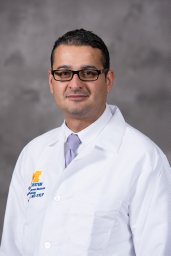 Namas Rajaie合作论文数Department of Surgery, University of Pittsburgh10
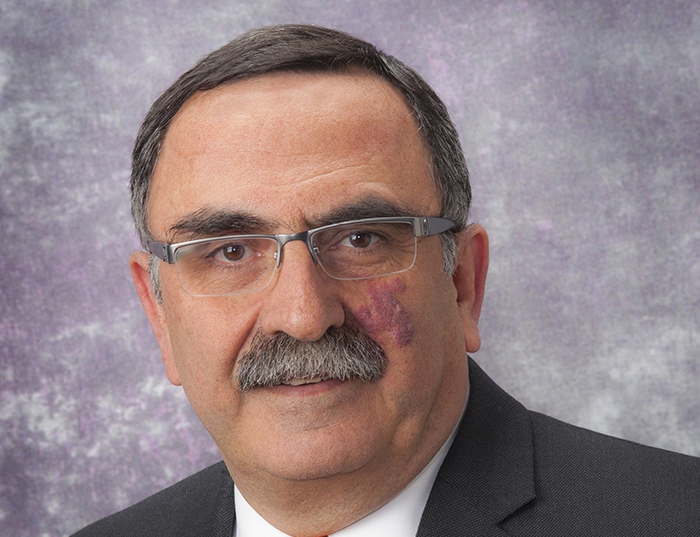 Michel S. Makaroun合作论文数Department of Surgery, University of Pittsburgh10Muhammad Saad Hafeez合作论文数8
 Dana Semaan合作论文数8
 Karim Salem合作论文数Div Vasc Surg, Univ Pittsburgh8
 Andrew B. Peitzman合作论文数Department of Surgery, University of Pittsburgh;Schools of the Health Sciences, University of Pittsburgh8Derek Barclay合作论文数8Hager Eric S合作论文数7
 Catherine Go合作论文数7
 Jason L. Sperry合作论文数Department of Surgery, Division of Trauma and General Surgery, University of Pittsburgh Medical Center, Presbyterian Hospital;Department of Critical Care Medicine, University of Pittsburgh7
 Ruben Zamora合作论文数Department of Surgery, University of Pittsburgh7Jeffrey J. Siracuse合作论文数Department of Surgery, Beth Israel Deaconess Medical Center7K. W. Almahmoud合作论文数6Salim Habib合作论文数6
 Patrick Cherfan合作论文数6
 Nathan L. Liang合作论文数Div Vasc Surg, Univ Pittsburgh6
 Abboud Andrew合作论文数Department of Surgery, University of Pittsburgh School of Medicine6Sperry J合作论文数5Natalie Domenick Sridharan合作论文数5
 Brian S. Zuckerbraun合作论文数Division of General Surgery, Department of Surgery, University of Pittsburgh;Division of General and Trauma Surgery, UPMC Presbyterian Shadyside5
 Michael J Singh合作论文数5Mohamed S. Zaghloul合作论文数4Jinling Yin合作论文数4Qi Mi合作论文数4
 Theodore H. Yuo合作论文数Surgery, University of PIttsburgh4
 Qingsheng Mi合作论文数Wayne State University4Jesse Guardado合作论文数3
 Adham Abou Ali合作论文数Div Vasc Surg, Univ Pittsburgh3Georges Al-Khoury合作论文数3
 Zein Saadeddin合作论文数Faculty of Medicine, American University of Beirut3Mohapatra Abhisekh合作论文数Division of Vascular Surgery, University of Pittsburgh Medical Center3
 Regino Zamora合作论文数Department of Ecology, Faculty of Sciences, University of Granada3
 Nabil Azhar合作论文数University of Pittsburgh3Darve Robinson合作论文数2
 Lillian M Tran合作论文数2Elizabeth A. Andraska合作论文数Department of Surgery, University of Pittsburgh Medical Center2Al-Khoury George合作论文数2
 Richard L. Simmons合作论文数Department of Surgery, School of Medicine, University of Pittsburgh2
 Mohammad Reza Eslami合作论文数Department of Mechanical Engineering, Amirkabir University of Technology2




