Arteriovenous fistulas (AVFs) are the preferred vascular accesses for hemodialysis and are made by anastomosing an artery and a vein. The arterial blood flowing into the anastomosed vein results in abnormal infrasonic and audible vibrations of venous walls, which produce tactile and audible sensations known as thrill and bruit sounds. Physical examination of AVFs is instrumental for early detection of stenoses, but it is operator-dependent. Several measurement systems have been proposed for quantitative analysis of bruit sounds, and only a few focused on thrill. However, none of these has demonstrated that the signals acquired correspond to the thrill and bruit sounds perceived by physicians.This study presents, for the first time in literature, a novel AVF monitoring system that simultaneously records sphygmic pulses, thrills, and bruit sounds signals, also demonstrating that they share the same behaviors of tactile and audible sensations perceived by physicians. The proposed system is based on a small, non-invasive force sensor that captures both infrasonic and audible vibrations, and an ad hoc signal processing that accurately separates sphygmic pulses from thrills and bruit sounds. Experimental tests were carried out on 18 patients to assess two common behaviors observed during medical routine examinations. In particular, recordings were acquired on 3 measurement sites along the anastomosed vein, to verify the progressive amplitude reduction of thrill and bruit sounds from the anastomosis, and also their brisk amplitude reduction during vein occlusion tests. One-tailed Wilcoxon rank sum tests confirmed the expected amplitude reductions in both tests (p < 0.00001). In conclusion, the proposed AVF monitoring system accurately captures all vibrations produced by AVFs, which could be used to quantitatively evaluate the health status of patients and improve their surveillance.
Seismocardiography (SCG) uses accelerometers to record cardiac-induced accelerations of the chest wall. Cardiorespiratory interactions cause changes in amplitude and morphology of the SCG signals. Accelerometers can also directly monitor respiration by tracking thoracic inclination. This study thoroughly investigated the influence of accelerometer placement on the monitoring accuracy of respiration and cardiorespiratory interactions from SCG signals. Simultaneous recordings acquired by 16 accelerometers and a respiration belt placed onto 9 subjects’ chests were analyzed. Respiratory signals were estimated considering: (a) chest inclination, (b) amplitude modulation (AM) and (c) morphological changes of SCG signals for each sensor location. For the first time in literature, a continuous description of respiratory-induced changes in SCG morphology was obtained via a morphological similarity index (MSi). The performance of respiratory acts detection and inter-breath intervals (IBIs) estimation was evaluated against the concurrent reference respiration signal. High accuracy was achieved in all three kinds of respiratory signals, with average sensitivity and positive predictive value of 95.8
Cardiomechanical monitoring techniques record cardiac vibrations on the chest via lightweight electrodeless sensors that allow long-term patient monitoring. Heartbeat detection in cardiomechanical signals is generally achieved by leveraging a simultaneous electrocardiography (ECG) signal to provide a reliable heartbeats localization, which however strongly limits long-term monitoring. A heartbeats localization method based on template matching has demonstrated very high performance in several cardiomechanical signals, with no need for a concurrent ECG recording. However, the reproducibility of that method was limited by the need for manual selection of a heartbeat template from the cardiomechanical signal by a skilled operator. To overcome that limitation, this study presents a fully automated version of the template matching method for ECG-free heartbeat detection, powered by a novel automatic template selection algorithm. The novel method was validated on 256 Seismocardiography (SCG), Gyrocardiography (GCG), and Forcecardiography (FCG) signals, from 150 healthy and pathological subjects. Comparison with all existing methods for ECG-free heartbeat detection was carried out. The method scored sensitivity and positive predictive value (PPV) of 97.8% and 98.6% for SCG, 96.3% and 94.5% for GCG, 99.2% and 99.3% for FCG, on healthy subjects, and of 85% and 95% for both SCG and GCG on pathological subjects. Statistical analyses on inter-beat intervals reported almost unit slopes (R 2 > 0.998) and limits of agreement within ± 6 ms for healthy subjects and ± 13 ms for pathological subjects. The proposed automated method surpasses all previous ECG-free approaches in heartbeat localization accuracy and was validated on the largest cohort of pathological subjects and the highest number of heartbeats. The method proposed in this study represents the current state of the art for ECG-free monitoring of cardiac activity via cardiomechanical signals, ensuring accurate, reproducible, operator-independent heartbeats localization. MATLAB ® code is released as an off-the-shelf tool to support a more widespread and practical use of cardiomechanical monitoring in both clinical and non-clinical settings.
Atrial fibrillation (AF) is the most common type of heart rhythm disorder worldwide. Early recognition of brief episodes of atrial fibrillation can provide important diagnostic information and lead to prompt treatment. AF is mainly characterized by an irregular heartbeat. Today, many personal devices such as smartphones, smartwatches, smart rings, or small wearable medical devices can detect heart rhythm. Sensors can acquire different types of heart-related signals and extract the sequence of inter-beat intervals, i.e., the instantaneous heart rate. Various algorithms, some of which are very complex and require significant computational resources, are used to recognize AF based on inter-beat intervals (RR). This study aims to verify the possibility of using neural networks algorithms directly on a microcontroller connected to sensors for AF detection. Sequences of 25, 50, and 100 RR were extracted from a public database of electrocardiographic signals with annotated episodes of atrial fibrillation. A custom 1D convolutional neural network (1D-CNN) was designed and then validated via a 5-fold subject-wise split cross-validation scheme. In each fold, the model was tested on a set of 3 randomly selected subjects, which had not previously been used for training, to ensure a subject-independent evaluation of model performance. Across all folds, all models achieved high and stable performance, with test accuracies of 0.963 ± 0.031, 0.976 ± 0.022, and 0.980 ± 0.023, respectively, for models using 25 RR, 50 RR, and 100 RR sequences. Precision, recall, F1-score, and AUC-ROC exhibited similarly high performance, confirming robust generalization across unseen subjects. Performance systematically improved with longer RR windows, indicating that richer temporal context enhances discrimination of AF rhythm irregularities. A complete Edge AI prototype integrating a low-power ECG analog front-end, an ARM Cortex M7 microcontroller and an IoT transmitting module was utilized for realistic tests. Inferencing time, peak RAM usage, flash usage and current absorption were measured. The results obtained show the possibility of using neural network algorithms directly on microcontrollers for real-time AF recognition with very low power consumption. The prototype is also capable of sending the suspicious ECG trace to the cloud for final validation by a physician. The proposed methodology can be used for personal screening not only with ECG signals but with any other signal that reproduces the sequence of heartbeats (e.g., photoplethysmographic, pulse oximetric, pressure, accelerometric, etc.).
FOSTER is the first ever publicly available dataset of forcecardiography (FCG) signals with simultaneous recordings of conventional seismocardiography (SCG), phonocardiography (PCG), electrocardiography (ECG), and respiratory signals. The dataset contains recordings from 40 participants (20 males and 20 females) and aims to foster and facilitate research on non-invasive cardio-respiratory monitoring using mechanical sensors. All signals were acquired simultaneously to ensure precise temporal alignment for accurate analysis. Each recording lasts about 7 minutes and includes both long phases of quiet breathing and short phases of inspiratory and expiratory apneas. The open accessibility of the FOSTER dataset aims to facilitate advancements in unobtrusive cardio-respiratory patient monitoring, support the development of novel diagnostic tools and algorithms to detect specific events of the cardiac and respiratory cycles, and help researchers to explore the potential of combined electrical and mechanical cardiac monitoring.
Forcecardiography (FCG) uses force sensors to record the mechanical vibrations induced on the chest wall by cardiac and respiratory activities. FCG is usually performed via piezoelectric lead-zirconate titanate (PZT) sensors, which simultaneously record the very slow respiratory movements of the chest, the slow infrasonic vibrations due to emptying and filling of heart chambers, the faster infrasonic vibrations due to movements of heart valves, which are usually recorded via Seismocardiography (SCG), and the audible vibrations corresponding to heart sounds, commonly recorded via Phonocardiography (PCG). However, PZT sensors are not flexible and do not adapt very well to the deformations of soft tissues on the chest. This study presents a flexible FCG sensor based on a piezoelectric polyvinylidene fluoride (PVDF) transducer. The PVDF FCG sensor was compared with a well-assessed PZT FCG sensor, as well as with an electro-resistive respiratory band (ERB), an accelerometric SCG sensor, and an electronic stethoscope for PCG. Simultaneous recordings were acquired with these sensors and an electrocardiography (ECG) monitor from a cohort of 35 healthy subjects (16 males and 19 females). The PVDF sensor signals were compared in terms of morphology with those acquired simultaneously via the PZT sensor, the SCG sensor and the electronic stethoscope. Moreover, the estimation accuracies of PVDF and PZT sensors for inter-beat intervals (IBIs) and inter-breath intervals (IBrIs) were assessed against reference ECG and ERB measurements. The results of statistical analyses confirmed that the PVDF sensor provides FCG signals with very high similarity to those acquired via PZT sensors (median cross-correlation index of 0.96 across all subjects) as well as with SCG and PCG signals (median cross-correlation indices of 0.85 and 0.80, respectively). Moreover, the PVDF sensor provides very accurate estimates of IBIs, with R2 > 0.99 and Bland-Altman limits of agreement (LoA) of [-5.30; 5.00] ms, and of IBrIs, with R2 > 0.96 and LoA of [-0.510; 0.513] s. The flexibility of the PVDF sensor makes it more comfortable and ideal for wearable applications. Unlike PZT, PVDF is lead-free, which increases safety and biocompatibility for prolonged skin contact.
Seismocardiography (SCG) and Gyrocardiography (GCG) use lightweight, miniaturized accelerometers and gyroscopes to record, respectively, cardiac-induced linear accelerations and angular velocities of the chest wall. These inertial sensors are also sensitive to thoracic movements with respiration, which cause baseline wanderings in SCG and GCG signals. Nowadays, accelerometers and gyroscopes are widely integrated into smartphones, thus increasing the potential of SCG and GCG as cardiorespiratory monitoring tools. This study investigates the accuracy of smartphone inertial sensors in simultaneously measuring instantaneous heart rates and breathing rates. Smartphone-derived SCG and GCG signals were acquired from 10 healthy subjects at rest. The performances of heartbeats and respiratory acts detection, as well as of inter-beat intervals (IBIs) and inter-breath intervals (IBrIs) estimation, were evaluated for both SCG and GCG via the comparison with simultaneous electrocardiography and respiration belt signals. Heartbeats were detected with a sensitivity and positive predictive value (PPV) of 89.3% and 93.3% in SCG signals and of 97.3% and 97.9% in GCG signals. Moreover, IBIs measurements reported strong linear relationships (R2 > 0.999), non-significant biases, and Bland–Altman limits of agreement (LoA) of ±7.33 ms for SCG and ±5.22 ms for GCG. On the other hand, respiratory acts detection scored a sensitivity and PPV of 95.6% and 94.7% for SCG and of 95.7% and 92.0% for GCG. Furthermore, high R2 values (0.976 and 0.968, respectively), non-significant biases, and an LoA of ±0.558 s for SCG and ±0.749 s for GCG were achieved for IBrIs estimates. The results of this study confirm that smartphone inertial sensors can provide accurate measurements of both instantaneous heart rate and breathing rate without the need for additional devices.
Robot-mediated therapy (RMT) has been a very dynamic area of research in recent years. Robotics devices are in fact capable to quantify the performances of a rehabilitation task in treatments of several disorders of the arm and the shoulder of various central and peripheral etiology. Different systems for robot-aided neuro-rehabilitation are available for upper limb rehabilitation but the biomechanical parameters proposed until today, to evaluate the quality of the movement, are related to the specific robot used and to the type of exercise performed. Besides, none study indicated a standardized quantitative evaluation of robot assisted upper arm reaching movements, so the RMT is still far to be considered a standardised tool.In this paper a quantitative kinematic assessment of robot assisted upper arm reaching movements, considering also the effect of gravity on the quality of the movements, is proposed. We studied a group of 10 healthy subjects and results indicate that our advised protocol can be useful for characterising normal pattern in reaching movements.
Long-term patient monitoring is required for detection of episodes of atrial fibrillation, one of the most widespread cardiac pathologies. Today, the most used non-invasive technique is Holter electrocardiographic (ECG) monitoring, which can often prove ineffective because of the short duration of recordings (e.g., one day). Other techniques such as photo-plethysmography are adopted by smartwatches for much longer duration monitoring, but this has the disadvantage of offering only intermittent measurements. This study proposes an Internet of Things (IoT) sensor that can provide a very long period of continuous monitoring. The sensor consists of an ECG-integrated Analog Front End (MAX30003), a microcontroller (STM32F401RE), and an IoT narrowband module (STEVAL-STMODLTE). The instantaneous heart rate is extracted from the ECG recording in real time. At intervals of two minutes, the sequence of inter-beat intervals is transmitted to an IoT cloud platform (ThingSpeak). Settled atrial fibrillation event recognition software runs on the cloud and generates alerts when it recognizes such arrhythmia. Performances of the proposed sensor were evaluated by generating analog ECG signals from a public dataset of ECG signals with atrial fibrillation episodes, the MIT-BIH Atrial Fibrillation Database, each recording lasting approximately 10 h. Software implementing the Lorentz algorithm, one of the best detectors of atrial fibrillation, was implemented on the cloud platform. The accuracy, sensitivity, and specificity in recognizing atrial fibrillation episodes of the proposed system was calculated by comparison with a cardiologist’s reference data. Across all patients, the proposed method achieved an accuracy of 0.88, a sensitivity 0.71, and a specificity 0.99. The results obtained suggest that the developed system can continuously record and transmit heart rhythms effectively and efficiently and, in addition, offers considerable performance in recognizing atrial fibrillation episodes in real time.
Seismocardiography (SCG) is a non-invasive technique able to record the weak mechanical vibrations induced by the beating heart via accelerometers placed onto the subject’s thorax. SCG signals are characterized by cyclic oscillations related to heartbeats. SCG provides information about cardiac mechanical performance, e.g. opening/closure of heart valves, blood ejection, etc. Heartbeats localization on SCG signals is usually performed by using a simultaneous Electrocardiography (ECG) recording, thus limiting the potentiality of the sole SCG patient monitoring. In this study, a template matching algorithm for ECG-free heartbeats localization was tested on long-lasting SCG recordings. SCG and ECG signals were simultaneously acquired from 20 healthy subjects while listening to music for 50 min. A statistical comparison between inter-beat intervals from SCG and ECG signals was carried out. A sensitivity of 97.5
Wrist-worn smartwatches are widely used to monitor heart rate unobtrusively, generally, by means of photoplethysmography sensors. Practically, heart rate is only intermittently measured because of the high-power consumption of the LEDs. Alternatively, this study proposes a sensor based on an off-the-shelf polyvinylidene fluoride (PVDF) piezoelectric transducer inserted into a rubber 3D-printed wristwatch strap that can capture the weak mechanical vibrations generated by the radial artery pulse. The sensor requires much less power consumption and allows continuous and prolonged heart rate monitoring. Sensor output signal and an electrocardiography (ECG) lead were simultaneously acquired from 10 healthy subjects, to assess sensor performance and heart rate accuracy. Sphygmic pulses were automatically identified by a template matching technique, independently of the ECG signal. The template matching approach detected heartbeats with sensitivity and positive predictive value of 98.0 % and 99.0 %, respectively. Inter-beat intervals were then estimated and compared with those obtained from the ECG by means of Passing-Bablok linear regression and Bland-Altman analyses. The results show high agreement between the two measurements: linear regression coefficient of determination R-2 of 0.994, and Bland-Altman limits of agreement of +/- 17.0 ms. These preliminary findings suggest that the proposed sensor can offer a continuous and accurate heart rate monitoring.
Muscle contraction can be measured by monitoring electrical or mechanical phenomena. Electromyography (EMG) records electrical muscle activity, Forcemyography (FMG) detects muscle cross-section changes, while Mechanomyography (MMG) captures muscle vibrations. This study aims to evaluate the performance of a dual force sensor in monitoring muscle contraction against the EMG. The new device consists of stacked piezoresistive (FSR) and piezoelectric (PZT) sensors that provides FMG and MMG signals. Four healthy subjects were instructed to perform a sequence of biceps brachii contractions. A reference EMG, FMG and MMG signals were simultaneously recorded. These signals were preprocessed and segmented automatically. The following features were computed: Root Mean Square (RMS) of the EMG; mean and area of the EMG Linear Envelope (EMG-LE); mean of the FMGs; RMS and Averaged Rectified Value (ARV) of the MMGs. Pearson’s correlation coefficients were calculated between EMG and dual force sensor features. The mean FMG-FSR resulted highly correlated (r ≈ 0.83) with both mean EMG-LE and EMG RMS. The ARV MMG-FSR and the RMS EMG scored an r value of 0.82. FSR sensor performed slightly better than PZT. The results suggest that the dual force sensor may offer a viable alternative to EMG.
Valvular Heart Diseases (VHD) are cardiac pathologies involving heart valves malfunctioning, which are generally diagnosed via heart sounds auscultation or Phonocardiography (PCG). Auscultation requires a skilled clinician to listen to a subject’s chest via a stethoscope, so it is limited to patient visits in clinical settings. PCG recordings could be used for continuous, prolonged monitoring in non-clinical settings, but its susceptibility to environmental noises can severely impair the quality of recordings and the diagnostic reliability. Seismocardiography (SCG) is a cardio-mechanical monitoring technique that measures the weak accelerations of the chest-wall due to heartbeats, and captures the infrasonic vibrations produced by heart valves. In this study, it was observed that the heartbeats morphology varies significantly in SCG signals of patients with VHDs, as compared to healthy subjects. The normalized cross-correlation (NCC) was considered as a measure of morphological similarity, and was computed between all heartbeats detected in each SCG recording. The mean and standard deviation of NCC values were provided as features to several machine learning algorithms to classify VHD patients and healthy subjects. Gaussian Support Vector Machine and Linear Discriminant Analysis achieved the highest overall accuracy of 94.2
Auscultation of heart sounds is important to perform cardiovascular assessment. External noises may limit heart sound perception. In addition, heart sound bandwidth is concentrated at very low frequencies, where the human ear has poor sensitivity. Therefore, the acoustic perception of the operator can be significantly improved by shifting the heart sound spectrum toward higher frequencies. This study proposes a real-time frequency shifter based on the Hilbert transform. Key system components are the Hilbert transformer implemented as a Finite Impulse Response (FIR) filter, and a Direct Digital Frequency Synthesizer (DDFS), which allows agile modification of the frequency shift. The frequency shifter has been implemented on a VLIW Digital Signal Processor (DSP) by devising a novel piecewise quadratic approximation technique for efficient DDFS implementation. The performance has been compared with other DDFS implementations both considering piecewise linear technique and sine/cosine standard library functions of the DSP. Piecewise techniques allow a more than 50% reduction in execution time compared to the DSP library. Piecewise quadratic technique also allows a more than 50% reduction in total required memory size in comparison to the piecewise linear. The theoretical analysis of the dynamic power dissipation exhibits a more than 20% reduction using piecewise techniques with respect to the DSP library. The real-time operation has been also verified on the DSK6713 rapid prototyping board by Texas Instruments C6713 DSP. Audiologic tests have also been performed to assess the actual improvement of heart sound perception. To this aim, heart sound recordings were corrupted by additive white Gaussian noise, crowded street noise, and helicopter noise, with different signal-to-noise ratios. All recordings were collected from public databases. Statistical analyses of the audiological test results confirm that the proposed approach provides a clear improvement in heartbeat perception in noisy environments.
Cardio-mechanical monitoring techniques, such as Seismocardiography (SCG) and Gyrocardiography (GCG), have received an ever-growing interest in recent years as potential alternatives to Electrocardiography (ECG) for heart rate monitoring. Wearable SCG and GCG devices based on lightweight accelerometers and gyroscopes are particularly appealing for continuous, long-term monitoring of heart rate and its variability (HRV). Heartbeat detection in cardio-mechanical signals is usually performed with the support of a concurrent ECG lead, which, however, limits their applicability in standalone cardio-mechanical monitoring applications. The complex and variable morphology of SCG and GCG signals makes the ECG-free heartbeat detection task quite challenging; therefore, only a few methods have been proposed. Very recently, a template matching method based on normalized cross-correlation (NCC) has been demonstrated to provide very accurate detection of heartbeats and estimation of inter-beat intervals in SCG and GCG signals of pathological subjects. In this study, the accuracy of HRV indices obtained with this template matching method is evaluated by comparison with ECG. Tests were performed on two public datasets of SCG and GCG signals from healthy and pathological subjects. Linear regression, correlation, and Bland-Altman analyses were carried out to evaluate the agreement of 24 HRV indices obtained from SCG and GCG signals with those obtained from ECG signals, simultaneously acquired from the same subjects. The results of this study show that the NCC-based template matching method allowed estimating HRV indices from SCG and GCG signals of healthy subjects with acceptable accuracy. On healthy subjects, the relative errors on time-domain indices ranged from 0.25% to 15%, on frequency-domain indices ranged from 10% to 20%, and on non-linear indices were within 8%. The estimates obtained on signals from pathological subjects were affected by larger errors. Overall, GCG provided slightly better performances as compared to SCG, both on healthy and pathological subjects. These findings provide, for the first time, clear evidence that monitoring HRV via SCG and GCG sensors without concurrent ECG is feasible with the NCC-based template matching method for heartbeat detection.
A heartbeat generates tiny mechanical vibrations, mainly due to the opening and closing of heart valves. These vibrations can be recorded by accelerometers and gyroscopes applied on a subject’s chest. In particular, the local 3D linear accelerations and 3D angular velocities of the chest wall are referred to as seismocardiograms (SCG) and gyrocardiograms (GCG), respectively. These signals usually exhibit a low signal-to-noise ratio, as well as non-negligible amplitude and morphological changes due to changes in posture and the sensors’ location, respiratory activity, as well as other sources of intra-subject and inter-subject variability. These factors make heartbeat detection a complex task; therefore, a reference electrocardiogram (ECG) lead is usually acquired in SCG and GCG studies to ensure correct localization of heartbeats. Recently, a template matching technique based on cross correlation has proven to be particularly effective in recognizing individual heartbeats in SCG signals. This study aims to verify the performance of this technique when applied on GCG signals. Tests were conducted on a public database consisting of SCG, GCG, and ECG signals recorded synchronously on 100 patients with valvular heart diseases. The results show that the template matching technique identified heartbeats in GCG signals with a sensitivity and positive predictive value (PPV) of 87% and 92%, respectively. Regression, correlation, and Bland–Altman analyses carried out on inter-beat intervals obtained from GCG and ECG (assumed as reference) reported a slope of 0.995, an intercept of 4.06 ms (R2 > 0.99), a Pearson’s correlation coefficient of 0.9993, and limits of agreement of about ±13 ms with a negligible bias. A comparison with the results of a previous study obtained on SCG signals from the same database revealed that GCG enabled effective cardiac monitoring in significantly more patients than SCG (95 vs. 77). This result suggests that GCG could ensure more robust and reliable cardiac monitoring in patients with heart diseases with respect to SCG.
Objective.The auscultatory technique is still considered the most accurate method for non-invasive blood pressure (NIBP) measurement, although its reliability depends on operator's skills. Various methods for automated Korotkoff sounds analysis have been proposed for reliable estimation of systolic (SBP) and diastolic (DBP) blood pressures. To this aim, very complex methodologies have been presented, including some based on artificial intelligence (AI). This study proposes a relatively simple methodology, named B3X, to estimate SBP and DBP by processing Korotkoff sounds recordings acquired during an auscultatory NIBP measurement.Approach.The beat-by-beat change in morphology of adjacent Korotkoff sounds is evaluated via their cross-correlation. The time series of the beat-by-beat cross-correlation and its first derivative are analyzed to locate the timings of SBP and DBP values. Extensive tests were performed on a public database of 350 annotated measurements, and the performance was evaluated according to the BHS, AAMI/ANSI, and International Organization for Standardization (ISO) quality standards.Main results.The proposed approach achieved 'A' scores for SBP and DBP in the BHS grading system, and passed the quality tests of AAMI/ANSI and ISO standards. The B3X algorithm outperformed two well-established algorithms for oscillometric NIBP measurement in both SBP and DBP estimation. It also outperformed four AI-based algorithms in DBP estimation, while providing comparable performance for SBP, at the cost of a much lower computational burden. The full code of the B3X algorithm is provided in a public repository.Significance.The very good performances ensured by the proposed B3X algorithm, at a low computational cost and without the need for parameter training, support its direct implementation into clinical blood pressure (BP) monitoring devices. The results of this study pave the way for solving/overcoming the trade-off between the accuracy of the auscultatory technique and the objectivity of oscillatory measurements, by bringing an automated auscultatory BP measurement method in clinical practice.
Electromyography (EMG) is widely used in human-machine interfaces (HMIs) to measure muscle contraction by computing the EMG envelope. However, EMG is largely affected by powerline interference and motion artifacts. Boards that directly provide EMG envelope, without denoising the raw signal, are often unreliable and hinder HMIs performance. Sophisticated filtering provides high performance but is not viable when power and computational resources must be optimized. This study investigates the application of feed-forward comb (FFC) filters to remove both powerline interferences and motion artifacts from raw EMG. FFC filter and EMG envelope extractor can be implemented without computing any multiplication. This approach is particularly suitable for very low-cost, low-power platforms. The performance of the FFC filter was first demonstrated offline by corrupting clean EMG signals with powerline noise and motion artifacts. The correlation coefficients of the filtered signals envelopes and the true envelopes were greater than 0.98 and 0.94 for EMG corrupted by powerline noise and motion artifacts, respectively. Further tests on real, highly noisy EMG signals confirmed these achievements. Finally, the real-time operation of the proposed approach was successfully tested by implementation on a simple Arduino Uno board.
Cardiac monitoring can be performed by means of an accelerometer attached to a subject’s chest, which produces the Seismocardiography (SCG) signal. Detection of SCG heartbeats is commonly carried out by taking advantage of a simultaneous electrocardiogram (ECG). SCG-based long-term monitoring would certainly be less obtrusive and easier to implement without an ECG. Few studies have addressed this issue using a variety of complex approaches. This study proposes a novel approach to ECG-free heartbeat detection in SCG signals via template matching, based on normalized cross-correlation as heartbeats similarity measure. The algorithm was tested on the SCG signals acquired from 77 patients with valvular heart diseases, available from a public database. The performance of the proposed approach was assessed in terms of sensitivity and positive predictive value (PPV) of the heartbeat detection and accuracy of inter-beat intervals measurement. Sensitivity and PPV of 96% and 97%, respectively, were obtained by considering templates that included both systolic and diastolic complexes. Regression, correlation, and Bland–Altman analyses carried out on inter-beat intervals reported slope and intercept of 0.997 and 2.8 ms (R2 > 0.999), as well as non-significant bias and limits of agreement of ±7.8 ms. The results are comparable or superior to those achieved by far more complex algorithms, also based on artificial intelligence. The low computational burden of the proposed approach makes it suitable for direct implementation in wearable devices.
The aim of this study is to characterise the transient mechanical response and the neuromuscular activation of lower limb muscles in subjects undergoing Whole Body Vibration (WBV) at different frequencies while holding two static postures, with focus on muscles involved in shaping postural responses. Twenty-five participants underwent WBV at 15, 20, 25 and 30 Hz while in hack squat or on fore feet. Surface electromyography and soft tissue accelerations were collected from Gastrocnemius Lateralis (GL), Soleus (SOL) and Tibialis Anterior (TA) muscles. Estimated displacement at muscle bellies revealed a pattern never highlighted before that differed across frequencies and postures (p < 0.001). After stimulation starts, muscle oscillation peaks, drops and further stabilises, suggesting the occurrence of a neuromuscular activation to reduce the vibration-induced oscillation. The oscillation attenuation at the SOL muscle correlated with its increased activation (rho = 0.29, p < 0.001). Furthermore, only specific WBV settings led to a significant increase in muscle contraction: WBV-induced activation of SOL and GL was maximal in fore-feet (p < 0.05) and in response to higher frequencies (30 Hz vs 15 Hz, p < 0.001). The analysis of the mechanical dynamics of lower leg muscles highlights a resonant response to WBVs, that for the SOL correlates to the increased muscle activation. Despite differing across frequencies and postures, this resonant behaviour seems to discourage the use of dynamic exercises on vibrating platforms. As for the most efficient WBV combination, calf muscle response to WBVs is maximised if those muscles are already pre-contracted and the stimulation frequencies are in the 25–30 Hz range.
 Mario Cesarelli合作论文数Dept. of Biomedical, Electronic and Telecommunication Engineering, University ”Federico II”,202
 Maria Romano合作论文数Dept. of Biomedical, Electronic and Telecommunication Engineering, University ”Federico II”,65
 Gaetano Gargiulo合作论文数Translational Health Research Institute, Western Sydney University63
 Antonio Fratini合作论文数Aston Univ, Sch Life & Hlth Sci, Birmingham B4 7ET, W Midlands, England60
 M. Romano合作论文数44
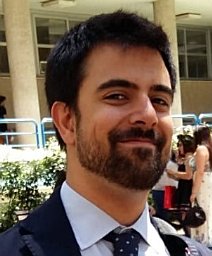 Emilio Andreozzi合作论文数Dept Elect Engn & Informat Technol, Univ Naples Federico II41
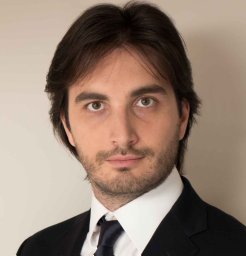 Daniele Esposito合作论文数Dept Elect Engn & Informat Technol, Univ Naples Federico II37
 Giovanni D'Addio合作论文数35
 Luigi Iuppariello合作论文数26
 Jessica Centracchio合作论文数24Giulio Pasquariello合作论文数22
 Fabrizio Clemente合作论文数Istituto di Ingegneria20
 Alistair McEwan合作论文数School of Biomedical Engineering, Faculty of Engineering, The University of Sydney;ARC Training Centre for Innovative BioEngineering, The University of Sydney20
 Craig Jin合作论文数School of Electrical and Information Engineering, Faculty of Arts and Social Sciences, The University of Sydney14
 André van Schaik合作论文数International Centre for Neuromorphic Systems, Western Sydney University;The MARCS Institute for Brain, Behaviour, and Development, Western Sydney University;Sound Advice Consulting, Pty Ltd;VAST Audio14
 Mariano Ruffo合作论文数12
 Jonathan Tapson合作论文数Department of Electrical Engineering, University of Cape Town12
 Mario Sansone合作论文数10
 Giuliana Faiella合作论文数10
 Paolo Gargiulo合作论文数Inst Biomed & Neural Engn, Reykjavik Univ10Salvatore Parlato合作论文数9
 Luca Esposito合作论文数9Aravinda Thiagalingam合作论文数School of Medicine, Faculty of Medicine and Health, The University of Sydney9O'Loughlin Aiden J合作论文数9
 Magnus Kjartan Gislason合作论文数Department of Mechanical Engineering, University of Strathclyde9
 Ganesh Naik合作论文数Fac Engn & Informat Technol, Univ Technol Sydney9Antonio La Gatta合作论文数9
 Hossein Moeinzadeh合作论文数Research center of Information technology, Iran University of Science and Technology9Ibrahim Meloud Shugman合作论文数9
 Giovanni Improta合作论文数Dipartimento di Scienze Mediche Preventive, University of Naples "Federico II",9M Sansone合作论文数8R Allen合作论文数8Ruffo Mariano合作论文数8
 Tommaso Cerciello合作论文数Dept. of Biomedical, Electronic and Telecommunication Engineering, University of Naples ”Federico II”,8
 Tara Julia Hamilton合作论文数School of Engineering, Design & Built Environment, Western Sydney University;JurisTechne;55mV Research Lab8
 Massimiliano Fraldi合作论文数Dipartimento Di Strutture per L'ingegneria E L'architettura, Univesity of Napoli Federico II;Italian Ministry of Education and Research8Upul Gunawardana合作论文数School of Engineering;Industrial Design;University of Western Sydney;School of Engineering, University of Western Sydney8Sergio Savino合作论文数Department of Mechanical Engineering for Energetics, University of Naples "Federico II",8
 Caitlin Polley合作论文数School of Engineering, Design and Built Environment, Western Sydney University7Giuseppe Cesarelli合作论文数7
 Halldor Jonsson jr合作论文数7Marcello Bracale合作论文数7
 Rafael A. Calvo合作论文数Dyson School of Design Engineering, Faculty of Engineering, Imperial College London;Leverhulme Centre for the Future of Intelligence7
 Annalisa Liccardo合作论文数Department of Electrical Engineering;University of Naples;Federico II;Department of Electrical Engineering, University of Naples7
 Bernardo Lanzillo合作论文数IRCCS, Centro Medico di Campoli7Vincenzo Muto合作论文数5Neethu Sreenivasan合作论文数Sch Engn Design & Built Environm, Western Sydney Univ5
 Kyle Edmunds合作论文数Inst Biomed & Neural Engn, Reykjavik Univ5




