The politically correct view about wolves, currently vehemently and dogmatically defended, is that wolves are "harmless" and of no danger to humans. This view arose from the early research of eminent North American biologists who, confronted by historical material contradictory to their experiences, greatly mistrusted such. Due to
An integrated site assessment and risk assessment approach was used during the due diligence of a proposed real estate transaction at a perchlroethylene (PCE, also known as tetrachloroethylene)-impacted drycleaner site. PCE impacts were identified underneath the footprint of the dry cleaner. A quantitative risk assessment (QRA) was implemented as part of an integrated and life-cycle management approach to assess the impacts on the site. Advantages of a risk assessment are; i) flexibility - risk-based approach allows examination of management options that best fit with client or site priorities, ii) well- accepted process - it has been recognized and approved by regulators and accepted by appropriate stakeholders (including clients and lenders); and iii) providing a cost- effective remedial and/or risk management option for only those sites or areas where there is an "actual risk" to either humans or the environment. The objectives and scope of QRA program were strategically developed based on a concept of this integrated and life-cycle management approach. The QRA program included three major components; i) further soil and groundwater delineation; ii) indoor air quality assessment and iii) a risk assessment. The risk assessment component included the following: problem formulation, receptor characterization, exposure assessment, dose-response assessment, risk characterization, uncertainty assessment and recommendations for remediation/risk management. The end result was "Win-Win" as the real estate transaction was completed and the purchaser was successful in obtaining the necessary insurance and financing to complete the transaction.
 Doug Macaulay合作论文数3Leigh Noton合作论文数2
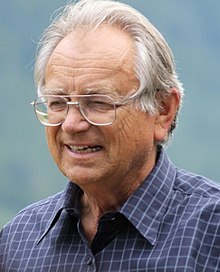 Valerius Geist合作论文数Faculty of Environmental Design, The University of Calgary2Lorne Fitch合作论文数2Melissa Judge合作论文数2
 Jay White合作论文数2Alberta Lepidopterists' Guild合作论文数1Ksenija Vujnovic合作论文数1Barry Adams合作论文数1Calle Seleborg合作论文数1P. Eng合作论文数1B. J. Min合作论文数1M Eng合作论文数1Melissa Logan合作论文数1Colleen Prather合作论文数1




