Cardiac involvement affects as many as 27-69% of sarcoidosis patients at autopsy yet remains under-diagnosed clinically. Cardiac magnetic resonance imaging (CMR) provides a robust method to evaluate the possibility of cardiac involvement in patients with pulmonary sarcoidosis. In Australia, there is currently no provision for CMR under the Medicare Benefits schedule for this indication. The purpose of this study was to assess the prevalence of cardiac sarcoidosis with CMR in patients with biopsy-proven extracardiac sarcoidosis and investigate the long-term outcomes of this cohort. Retrospective evaluation was performed of 72 patients with biopsy-proven sarcoidosis who underwent CMR between 2009–2020. The average age was 53±13 years and 61% of patients were male. Notably, 38% of patients had late gadolinium enhancement (LGE) on baseline CMR. Patients with LGE had a mean LV EF 57% and LV EDVi 68mL/m2, compared to LV EF 63% and LV EDVi 63mL/m2 in those without LGE. Five patients (7%) died during the median follow-up period of 5.0±2.5 years, while 11 patients (15%) had defibrillators inserted for clinically significant arrhythmias. CMR was able to identify a high proportion of patients with LGE associated with sarcoidosis. This finding is likely to better guide clinical risk stratification and the need for immunosuppression. Further long-term clinical follow-up is planned amongst this cohort.
We present a case of pseudomembranous cryptococcal laryngotracheobronchitis in an 80-year-old woman with a history of intractable cough with production of long sputum strings and severe dysphonia. Her main risk factor was considered to be the use of high-dose inhaled fluticasone, given for severe mixed asthma/chronic obstructive pulmonary disease (COPD). This is an unusual presentation of pulmonary cryptococcal disease, which commonly presents as parenchymal disease. We also present a review of the published case reports of endobronchial and laryngeal cryptococcal disease.
BACKGROUND:The silent epidemic of mesothelioma in Australia is steadily increasing, and 30% of cases occur in New South Wales (NSW).AIM:To describe the patterns of care and outcomes of patients with malignant pleural mesothelioma (MPM) in NSW.METHODS:MPM patients in NSW applying for compensation at the NSW Dust Diseases Board from 2007 to 2009 were included. Survival from time of diagnosis was determined by the Kaplan-Meier method. The Chi-squared test was used to determine if there was an association between utilisation of treatment and geographical location.RESULTS:A total of 138 patients was included: median age was 72.5; 91.3% male; 60.1% epithelial subtype; and 65.2% lived in major cities. All patients had at least one chest X-ray and computed tomography scan, and 21% had a positron emission tomography scan; 93.5% and 4.3% had histological or cytological confirmation respectively. Thoracoscopy (59.4%) was the most commonly used diagnostic procedure. Treatment utilisation: 53.6% chemotherapy; 35.5% radiotherapy; 9.4% extrapleural pneumonectomy (EPP); and 72.5% had palliative care involvement. There were no major differences in treatment utilisation between patients living in major cities and those in regional NSW (chemotherapy P = 0.42; radiotherapy P = 0.13 and palliative care P = 0.60), except for a higher rate of EPP in regional patients (16.7% vs 5.6%; P = 0.03). Median survival was 9.7 versus 12.3 months for city and regional patients respectively (P = 0.22).CONCLUSION:Survival and treatment utilisation was not significantly different between MPM patients living in major cities and regional NSW, except for a higher rate of EPP in patients in regional NSW.
Thirty-one patients with advanced malignant mesothelioma, previously untreated or having received only one prior cytotoxic regimen, were treated in a prospective, single-arm phase II trial with carboplatin (NSC 241240) at a dose of 150 mg/m2 per day intravenously (IV) for 3 days (450 mg/m2/course). One complete remission and four partial remissions were achieved, yielding an overall objective response rate of 16% (95% confidence interval [CI], 5.4% to 34%). The median duration of remission was 8 months (range, 5 to 17). Nonhematological toxicity was mild (only 12% with World Health Organization [WHO] grade 3 vomiting); 16% suffered WHO grade 3 to 4 hematological toxicity, but there were no life-threatening episodes and no treatment-related deaths. Carboplatin has modest activity against malignant mesothelioma and, because of its low toxicity, has a role in the management of this disease.
Continuous distributions of ventilation-perfusion (VA/Q) ratios were measured in ten subjects with moderately severe symptomatic asthma. Six of the subjects had only minimal VA/Q inequality (mean log SD of bloodflow 0.5) despite having airways obstruction similar to that in the four subjects with marked VA/Q inequality (mean log SD of bloodflow 1.0). The six patients with minimal VA/Q inequality developed marked widening of their VA/Q distributions while breathing 100 percent oxygen (mean log SD bloodflow 1.1), and four of these patients maintained more modest widening after receiving an intravenous antihistamine, clemastine (mean log SD bloodflow 0.75). The four subjects with a wide control VA/Q distribution showed smaller changes while breathing pure oxygen and no change after receiving clemastine. FEV1 improved with clemastine treatment in the first four patients only. The results suggest that the majority of patients with moderately severe asthma have compensatory pulmonary vasoconstriction, causing better VA/Q matching which is responsive to hypoxia and, possibly, histamine. The data demonstrate a relationship between active compensatory vasoconstriction and airway sensitivity to antihistamine.
 Tamera J. Corte合作论文数Royal Brompton Hospital, National Heart and Lung Institute;,King's College Hospital;Royal Brompton Hospital and National Heart and Lung Institute, King's College Hospital15Troy Lauren合作论文数Department of Respiratory Medicine, Royal Prince Alfred Hospital Sydney;Sydney Medical School, University of Sydney Sydney;Sydney Medical School, University of Sydney Sydney14Paul J. Torzillo合作论文数13S. Webster合作论文数12IH YOUNG合作论文数8Nick Taylor合作论文数University of Reading Whiteknights P O Box 217 Reading Berkshire RG6 6AH United Kingdom7E. Lau合作论文数6L. Spencer合作论文数4H. Jo合作论文数3louise weinholt合作论文数2S. Adelstein合作论文数Central Sydney Immunology Laboratory Royal Prince Alfred Hospital, Sydney, Australia2Keith Wong合作论文数School of Medicine, Faculty of Medicine and Health, The University of Sydney2
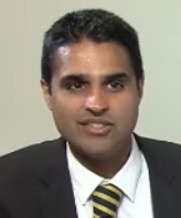 Rajesh Puranik合作论文数Central Clinical School, Faculty of Medicine and Health, The University of Sydney;Royal Prince Alfred Hospital;Children's Hospital Westmead2Yee Brendon J合作论文数NHMRC Ctr Integrated Res & Understanding Sleep CI, Univ Sydney2
 Munoz Phillip A合作论文数2
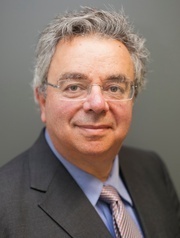 Ron Grunstein合作论文数Central Clinical School Woolcock Institute of Medical Research, University of Sydney;Faculty of Medicine and Health, University of Sydney2P. Gianoutsos合作论文数2M. Geis合作论文数1A. Hayen合作论文数1Bm Kennelly合作论文数1
 Paraskevi Morris合作论文数1Benjamin Shum合作论文数1Vidthiya Menon合作论文数1I. Hunyor合作论文数1I Young合作论文数1K. Stanton合作论文数1G. Don合作论文数1J Bishop合作论文数1i young合作论文数1K. Laohachai合作论文数1CN BARNARD合作论文数1P Bye合作论文数1Re Schoeffel合作论文数1BD LECKIE合作论文数1S. Visser合作论文数1J Lee合作论文数1G. Keir合作论文数1M. Harrison合作论文数1
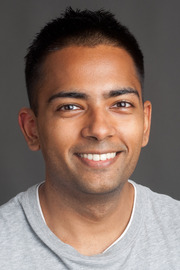 Sean Lal合作论文数School of Medicine Sciences, Faculty of Medicine and Health, The University of Sydney1Janette Vardy合作论文数School of Medicine, Faculty of Medicine and Health, The University of Sydney1
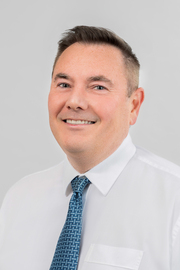 Brett Toelle合作论文数School of Medicine, Faculty of Medicine and Health, The University of Sydney1
 Alison James合作论文数Division of the Humanities, The University of Chicago;Department of Romance Languages and Literatures, The University of Chicago1Reddel Helen K合作论文数1Kao S C-H合作论文数1Andie Lee合作论文数1Jaffar Jade合作论文数1Arnott Clare合作论文数Department of Cardiology, Prince of Wales Hospital;Sydney Medical School, The University of Sydney;Sydney Medical School, The University of Sydney1
 David Celermajer合作论文数Central Clinical School, Faculty of Medicine and Health, University of Sydney;Department of Cardiology, Royal Prince Alfred Hospital;Heart Research Institute1
 Derek Raghavan合作论文数Veterans Administration Health Care Center1




