Precise control of mechanical modes in the quantum regime is a key resource for quantum technologies, offering promising pathways for quantum sensing with macroscopic systems and scalable architectures for quantum simulation. In this work, we realize a multimode mechanical cavity coupled to a superconducting Kerr resonator, which induces nonlinearity in the mechanical modes. The Kerr mode is realized by a flux-tunable superconducting quantum interference device (SQUID) array resonator, while the mechanical modes are implemented by a surface acoustic wave cavity. Both mechanical and electromagnetic modes are individually addressable via dedicated measurement lines, enabling full spectroscopic characterization. We introduce a straightforward protocol to measure the SQUID array resonator's participation ratio in the hybrid acoustic modes, quantifying the degree of hybridization. The participation ratio reveals that our device operates at the onset of the multimode coupling regime, where multiple acoustic modes simultaneously interact with the nonlinear superconducting element. Furthermore, this platform allows controllable Kerr-type nonlinearities in multiple acoustic modes, with the participation ratio serving as the key parameter determining both the dissipation rates and nonlinear strengths of these hybridized modes. Close to the resonant regime, we measure a cross-Kerr interaction between seven pairs of mechanical modes, which is controllable via the SQUID array resonator detuning. Finally, we apply a two-photon parametric drive to the SQUID array resonator and observe the resulting parametric down-conversion and metastable state switching in a mechanical mode. These results establish a platform for engineering nonlinear multimode mechanical interactions, offering potential for future integration with superconducting qubits and implementation of multiple mechanical qubits.
Josephson junctions are a key element of superconducting quantum technology, serving as the core building blocks of superconducting qubits. We present an experimental study on room-temperature electrical tuning of aluminum junctions, showing that voltage pulses can controllably increase their resistance and adjust the Josephson energy while maintaining qubit quality factors above 1 million. We find that the rate of resistance increase scales exponentially with pulse amplitude during manipulation, after which the spontaneous resistance increase scales proportionally to the amount of manipulation. We show that this spontaneous increase halts at cryogenic temperatures, and resumes again at room temperature. Using our stepwise protocol, we achieve up to a 270
In this article, we propose a method for generating single microwave photons in superconducting circuits. We theoretically show that pure single microwave photons can be generated on demand and tuned over a large frequency band by making use of Landau-Zener transitions under a rapid sweep of a control parameter. We devise a protocol that enables fast control of the frequency of the emitted photon over two octaves, without requiring extensive calibration. Additionally, we make theoretical estimates of the generation efficiency, tunability, purity, and linewidth of the photons emitted using this method for both chargeand flux-qubit-based architectures. We also provide estimates of the optimal device parameters required for these architectures to realize the device.
Bosonic quantum error correcting codes are primarily designed to protect against single-photon loss. To correct for this type of error, one can encode the logical qubit in code spaces with a definite photon parity, such as cat codes or binomial codes. Error correction requires a recovery operation that maps the error states-which have opposite parity-back onto the code space. Here, we realize a collection of photon-number-selective, simultaneous photon addition operations on a bosonic mode, a microwave cavity, assisted by a superconducting qubit. These operations are implemented as two-photon transitions that excite the cavity and the qubit at the same time. The additional degree of freedom of the qubit makes it possible to implement a coherent, unidirectional mapping between spaces of opposite photon parity. We present the successful experimental implementation of the drives and the phase control they enable on superpositions of Fock states. The presented technique, when supplemented with qubit reset, is suitable for autonomous quantum error correction in bosonic systems and, more generally, opens the possibility to realize a range of non-unitary transformations on a bosonic mode.
We investigate the required peripheral circuits to enable ideal performance for a high-gain travelling-wave parametric amplifier (TWPA) based on three-wave mixing (3WM). By embedding the TWPA in a network of superconducting diplexers, hybrid couplers and impedance matching networks, the amplifier can deliver a high stable gain with near-quantum-limited noise performance, with suppressed gain ripples, while eliminating the reflections of the signal, the idler and the pump as well as the transmission of all unwanted tones. We also demonstrate a configuration where the amplifier can isolate. We call this technique Wideband Idler Filtering (WIF). The theory is supported by simulations that predict over 20 dB gain in the 4-8 GHz band with 10 dB isolation for a single amplifier and 30 dB isolation for two cascaded amplifiers. We demonstrate how the WIF-TWPAs can be used to construct controllable isolators with over 40 dB isolation over the full 4-8 GHz band.
Implementing continuous wave noise radar systems has long been hindered by detrimental self-interference, severely limiting the systems’ detection sensitivity. We experimentally demonstrate the advantage of bistatic separation and adaptive beamforming in suppressing self-interference. The bistatic system operates in real-time and can detect small UAVs at ranges of more than 3.2 km. Increasing the output power or antenna gain will extend the detection range as self-interference does not limit the system; thermal noise does.
The parametric modulation of reactive elements in circuits for amplification dates back to World War I, when Alexanderson and others proposed magnetic amplifiers for radio transmitters [1], [2], [3], [4]. The low-noise figure of the first parametric amplifiers, as a result of using passive elements, was on par with the standard at the time [5].
We demonstrate aluminum-on-silicon planar transmon qubits with time-averaged T1 energy relaxation times of up to 270 μs, corresponding to Q = 5 million, and a highest observed value of 501 μs. Through materials analysis techniques and numerical simulations we investigate the dominant source of energy loss, and devise and demonstrate a strategy toward its mitigation. Growing aluminum films thicker than 300 nm reduces the presence of oxide, a known host of defects, near the substrate-metal interface, as confirmed by time-of-flight secondary ion mass spectrometry. A loss analysis of coplanar waveguide resonators shows that this results in a reduction of dielectric loss due to two-level system defects. The correlation between the enhanced performance of our devices and the film thickness is due to the aluminum growth in columnar structures of parallel grain boundaries: transmission electron microscopy shows larger grains in the thicker film, and consequently fewer grain boundaries containing oxide near the substrate-metal interface.
Frequency instabilities are a major source of errors in quantum devices. This study investigates frequency fluctuations in a surface acoustic wave (SAW) resonator, where reflection coefficients of 14 SAW modes are measured simultaneously for more than seven hours. We report two distinct noise characteristics. Multimode frequency noise caused by interactions with two-level system (TLS) defects shows significant degrees of correlations that diminish with increased detuning. This finding agrees with the current understanding of the parasitic TLS behavior as one of the dominant noise sources in quantum devices. In addition to the TLS-induced noise, we observe strong anomalous frequency fluctuations with slow, anti-correlated dynamics. These noise bursts resemble signatures of cosmic radiation observed in superconducting quantum systems.
Linear bosonic modes offer a hardware-efficient alternative for quantum information processing but require access to some nonlinearity for universal control. The lack of nonlinearity in photonics has led to encoded measurement-based quantum computing, which relies on linear operations but requires access to resourceful ('nonlinear') quantum states, such as cubic phase states. In contrast, superconducting microwave circuits offer engineerable nonlinearities but suffer from static Kerr nonlinearity. Here, we demonstrate universal control of a bosonic mode composed of a superconducting nonlinear asymmetric inductive element (SNAIL) resonator, enabled by native nonlinearities in the SNAIL element. We suppress static nonlinearities by operating the SNAIL in the vicinity of its Kerr-free point and dynamically activate nonlinearities up to third order by fast flux pulses. We experimentally realize a universal set of generalized squeezing operations, as well as the cubic phase gate, and exploit them to deterministically prepare a cubic phase state in 60 ns. Our results initiate the experimental field of polynomial quantum computing, in the continuous-variables notion originally introduced by Lloyd and Braunstein.
AbstractThe utilisation of continuous random waveforms for radar, that is, noise radar, has been extensively studied as a candidate for low probability of intercept operation. However, compared with the more traditional pulse‐Doppler radar, noise radar systems are significantly more complicated to implement, which is likely why few systems exist. If noise radar systems are to see the light of day, system design, implementation, limitations etc., must be investigated. Therefore, the authors examine and detail the implementation of a real‐time noise radar system on a field programmable gate array. The system is capable of operating with 100% duty cycle, 200 MHz bandwidth, and 268 ms integration time while processing a range of about 8.5 km. Additionally, the system can perform real‐time moving target compensation to reduce cell migration. System performance is primarily limited by the memory bandwidth of the off‐chip dynamic random access memory.
We demonstrate the use of coherent-state quantum process tomography (csQPT) for a bosonic-mode superconducting circuit. We have enhanced our methodology over previous implementations of csQPT by leveraging Kraus operators and constrained gradient descent to learn the underlying process. We show the results of our method by characterizing a logical quantum gate implemented using displacement and selective number-dependent arbitrary phase operations on an encoded qubit. Our use of csQPT allows for the reconstruction of Kraus operators for the larger Hilbert space rather than being limited to the logical subspace. This approach enables us to more accurately identify and quantify the various error mechanisms that can lead to gate infidelity, including those occurring outside of the computational subspace. We showcase the potential of our approach by demonstrating the ability to quantify leakage outside of the computational subspace, a key factor for developing more robust and reliable quantum gates in high-dimensional systems. Published by the American Physical Society 2024
We characterise a small footprint travelling-wave parametric amplifier (TWPA). The TWPA is built with magnetically flux-tunable superconducting nonlinear asymmetric inductive elements (SNAILs) and parallel-plate capacitors. It implements three-wave mixing (3WM) with resonant phase matching (RPM), a small cutoff frequency for high gain per unitcell and impedance matching networks for large bandwidth impedance matching. The device has 200 unitcells and a physical footprint of only 1.1 mm^2, yet demonstrates an average parametric gain of 19 dB over a 3 GHz bandwidth, an average effective signal-to-noise ratio improvement of 10 dB and a clear speedup of qubit readout time.
We have designed a tunable nonlinear resonator terminated by a SNAIL (Superconducting Nonlinear Asymmetric Inductive eLement). Such a device possesses a Kerr-free point in which the external magnetic flux allows to suppress the Kerr interaction. We have excited photons near this Kerr-free point and characterized the device using a transmon qubit. The excitation spectrum of the qubit allows to observe photon-number-dependent frequency shifts about nine times larger than the qubit linewidth. Our study demonstrates a compact integrated platform for continuous-variable quantum processing that combines large couplings, considerable relaxation times and excellent control over the photon mode structure in the microwave domain.
While all quantum algorithms can be expressed in terms of single-qubit and two-qubit gates, more expressive gate sets can help reduce the algorithmic depth. This is important in the presence of gate errors, especially those due to decoherence. Using superconducting qubits, we have implemented a three-qubit gate by simultaneously applying two-qubit operations, thereby realizing a three-body interaction. This method straightforwardly extends to other quantum hardware architectures, requires only a firmware upgrade to implement, and is faster than its constituent two-qubit gates. The three-qubit gate represents an entire family of operations, creating flexibility in the quantum-circuit compilation. We demonstrate a process fidelity of 97.90%, which is near the coherence limit of our device. We then generate two classes of entangled states, the Greenberger–Horne–Zeilinger and Dicke states, by applying the new gate only once; in comparison, decompositions into the standard gate set would have a two-qubit gate depth of two and three, respectively. Finally, we combine characterization methods and analyze the experimental and statistical errors in the fidelity of the gates and of the target states.
High-fidelity and rapid readout of a qubit state is key to quantum computing and communication, and it is a prerequisite for quantum error correction. We present a readout scheme for superconducting qubits that combines two microwave techniques: applying a shelving technique to the qubit that effectively increases the energy-relaxation time, and a two-tone excitation of the readout resonator to distinguish among qubit populations in higher energy levels. Using a machine-learning algorithm to post-process the two-tone measurement results further improves the qubit-state assignment fidelity. We perform single-shot frequency-multiplexed qubit readout, with a 140ns readout time, and demonstrate 99.5% assignment fidelity for two-state readout and 96.9% for three-state readout - without using a quantum-limited amplifier.
In this article, the effect a moving target has on the signal-to-interference-plus-noise-ratio (SINR) for high time-bandwidth noise radars is investigated. To compensate for cell migration we apply a computationally efficient stretch processing algorithm that is tailored for batched processing and suitable for implementation onto a real-time radar processor. The performance of the algorithm is studied using experimental data. In the experiment, pseudorandom noise, with a bandwidth of 100 MHz, is generated and transmitted in real-time. An unmanned aerial vehicle (UAV), flown at a speed of 11 m/s, is acting as a target. For an integration time of 1 s, the algorithm is shown to yield an increase in SINR of roughly 13 dB, compared to no compensation. It is also shown that coherent integration times of 2.5 s can be achieved.
Noise-like, continuous waveforms have several benefits for radar operation, such as low probability of interception/identification. However, the same types of waveforms come with a significant drawback because strong signals, e.g., ground clutter, produce a correlation noise floor (CNF) that masks all weak signals. In this article, we report on the implementation and performance of an efficient clutter suppression algorithm used to suppress strong clutter echoes and allow for the detection of weaker signals. The algorithm’s performance is verified using an experimental system with a time-bandwidth product of 70 dB at a centre frequency of 1.3 GHz. Application of the algorithm suppresses the CNF by over 30 dB, allowing for the detection of an unmanned aerial vehicle (UAV).
We extend the theory for a Josephson junction travelling wave parametric amplifier (TWPA) operating in the three-wave mixing regime and we propose a scheme for achieving high gain. The continuous three-mode model [P. K. Tien, J. Appl. Phys. 29, 1347 (1958)] is on one hand extended to describe a discrete chain of Josephson junctions at high frequencies close to the spectral cutoff where there is no up-conversion. On the other hand, we also develop a continuous multimode theory for the low-frequency region where the frequency dispersion is close to linear. We find that in both cases the gain is significantly reduced compared to the prediction by the continuous three-mode model as the result of increasingly strong dispersion at the high frequencies and generation of up-converted modes at the low frequencies. The developed theory is in quantitative agreement with experimental observations. To recover the high gain, we propose to engineer a chain with dispersive features to form a two-band frequency spectrum and to place the pump frequency within the upper band close to the spectral cutoff. We prove that there exists a sweet spot, where the signal and the pump are phase matched, while the up-conversion is inhibited. This results in a high gain which grows exponentially with the length of the TWPA.
Schrödinger cat states, quantum superpositions of macroscopically distinct classical states, are an important resource for quantum communication, quantum metrology and quantum computation. Especially, cat states in a phase space protected against phase-flip errors can be used as a logical qubit. However, cat states, normally generated in three-dimensional cavities and/or strong multi-photon drives, are facing the challenges of scalability and controllability. Here, we present a strategy to generate and preserve cat states in a coplanar superconducting circuit by the fast modulation of Kerr nonlinearity. At the Kerr-free work point, our cat states are passively preserved due to the vanishing Kerr effect. We are able to prepare a 2-component cat state in our chip-based device with a fidelity reaching 89.1% under a 96 ns gate time. Our scheme shows an excellent route to constructing a chip-based bosonic quantum processor.
 Goran Johansson合作论文数63
 Tord Claeson合作论文数Chalmers University of Technology53
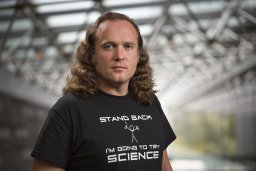 C. M. Wilson合作论文数Yale University43
 Jonas Bylander合作论文数Chalmers University of Technology;Google37
 David B Haviland合作论文数Section for Nanostructure Physics, Department of Applied Physics, Royal Institute of Technology36
 Tim Duty合作论文数Department of Microtechnology and Nanoscience;Chalmers University of Technology;Department of Microtechnology and Nanoscience, Chalmers University of Technology32
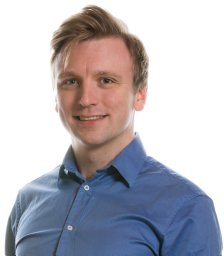 Andreas Bengtsson合作论文数30
 Anton Frisk Kockum合作论文数Chalmers University of Technology30V. Shumeiko合作论文数25
 David Gunnarsson合作论文数21
 Philip Krantz合作论文数Microtechnol & Nanosci, Chalmers Univ Technol19
 Martin Sandberg合作论文数Department of Microtechnology and Nanoscience;Chalmers University of Technology;Department of Microtechnology and Nanoscience, Chalmers University of Technology19
 Marco Scigliuzzo合作论文数Dept Microtechnol & Nanosci, Chalmers Univ Technol16
 Thilo Bauch合作论文数Department of Microtechnology and Nanoscience, Chalmers University of Technology16
 Thomas Aref合作论文数University of Illinois at Urbana-Champaign16Anita Fadavi Roudsari合作论文数15
 Simone Gasparinetti合作论文数Low Temperature Laboratory (OVLL),, Aalto University15
 Robert J. Schoelkopf合作论文数Department of Applied Physics, Yale University15
 Gustafsson Martin V合作论文数Chalmers University of Technology, Columbia University13Marina Kudra合作论文数Dept Microtechnol & Nanosci, Chalmers Univ Technol12Ida-Maria Svensson合作论文数Dept Microtechnol & Nanosci MC2, Chalmers Univ Technol12
 Vladimir Krasnov合作论文数Department of Physics, Stockholm University12Pierre De Mello Echternach合作论文数12Gustav Andersson合作论文数11
 Justin Schneiderman合作论文数Department of Clinical Neuroscience, Institute of Neuroscience and Physiology, Sahlgrenska Academy, University of Gothenburg;Department of Microtechnolgoy and Nanoscience, Chalmers University of Technology;Sahlgrenska University Hospital11Paula Wahlgren合作论文数The Swedish Law and Informatics Research Institute, University of Stockholm11
 Leonid S. Kuzmin合作论文数Chalmers Tekniska Högskola11Cd Chen合作论文数10Io-Chun Hoi合作论文数10Yong Lu合作论文数10Abdelhanin Aassime合作论文数10
 V. T. Petrashov合作论文数10
 Jonathan Burnett合作论文数Nat. Phys. Lab., Teddington, UK;c;Nat. Phys. Lab., Teddington, UK|c|9
 Io Chun Hoi (許耀銓)合作论文数Department of Physics, College of Science, City University of Hong Kong9
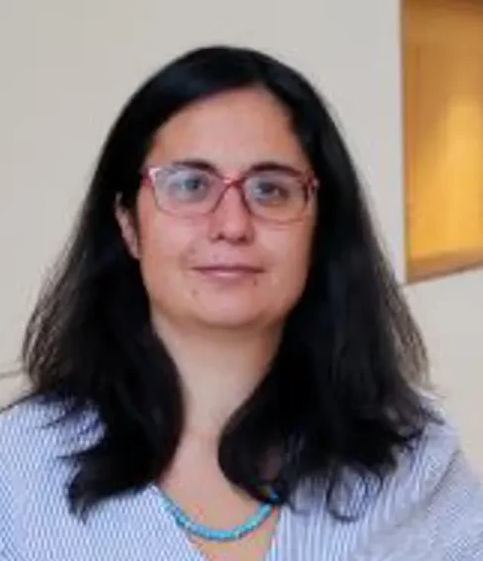 Giovanna Sammarco Tancredi合作论文数Chalmers tekniska hogskola9Fredrik Persson合作论文数9Daryoush Shiri合作论文数9
 Matt Shaw合作论文数NASA Jet Propulsion Laboratory9
 Konrad Lehnert合作论文数Department of Physics, Yale University9
 Hampus Renberg Nilsson合作论文数8
 Christian Križan合作论文数Chalmers University of Technology8
 Amr Osman合作论文数Department of Microtechnology and Nanoscience MC2, Chalmers University of Technology8
 Sergey Kubatkin合作论文数Chalmers University of Technology8Mats O. Tholén合作论文数7m ekstrom合作论文数Microtechnol & Nanosci, Chalmers Univ Technol7
 Shahnawaz Ahmed合作论文数Chalmers University of Technology7
 Christopher Warren合作论文数Department of Microtechnology and Nanoscience MC2, Chalmers University of Technology7
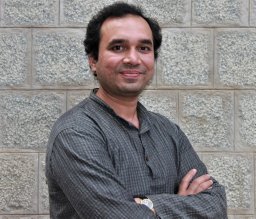 Baladitya Suri合作论文数7
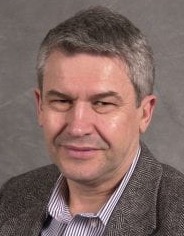 Konstantin Likharev合作论文数Department of Physics and Astronomy, College of Arts and Sciences, Stony Brook University7




