A new species of Cuphophyllus (Hygrophoraceae, Agaricales) was discovered in mixed coniferous and broad-leaved forests (Pinaceae and Fagaceae) and grassland margins in Lijiang, North-west Yunnan, and South-west China. The species is described using morphological and molecular methods. Based on on-site habitat observation data and a literature review, the novel species is best described as a saprobic macrofungus that thrives in soil humus within mixed pine forests or grasslands. The basidiomata of the novel species exhibit macroscopic similarities to C. virgineus; however, C. lijiangensis sp. nov. differs primarily in having a smaller pileus, shorter stipe, larger basidiospores, and an intricate trichoderm pileipellis. Phylogenetic analysis, based on the combined rDNA internal transcribed spacer (ITS), nuc28S rDNA (28S), and RNA polymerase II subunit 2 (rpb2) genes, places C. lijiangensis in a clade with C. virgineus, C. borealis, C. yacurensis, and C. russocoriaceus. Both morphological characteristics and phylogenetic data support C. lijiangensis as a distinct new species within Cuphophyllus. This study provides a comprehensive description of the new species, colour photographs of basidiomata, micromorphological structures, and a phylogenetic tree to show the position of the new species.
Glyphosate is one of the most widely used non-selective organophosphate herbicides in agriculture. However, its extensive application has resulted in glyphosate accumulation in soil systems and surrounding water bodies, negatively affecting plants, animals, microorganisms, and human health. Compost-based mushroom cultivation has emerged as a promising approach for glyphosate remediation, leveraging the ability of fungal mycelium to extend from compost into contaminated soils and degrade glyphosate. While previous research has focused on laboratory-scale mycoremediation (a form of bioremediation that uses fungi to degrade, remove, or neutralize environmental pollutants from the environment), this study explores the effects of compost and fungal inoculation on glyphosate degradation, microbial community structure, and enzyme kinetics under field conditions. Five treatments were designed in a glyphosate-contaminated coffee plantation: untreated soil (control), soil with compost, soil with compost and Agaricus subrufescens Peck, soil with compost and high glyphosate concentration, and soil with compost, A. subrufescens, and high glyphosate concentration. After 60 d, glyphosate concentrations, microbial communities, and enzyme activities were evaluated. The results indicated that field mushroom cultivation achieved glyphosate degradation percentage of 94%–98%, significantly higher than the 82% observed in the untreated soil, using one-way ANOVA analysis. Fungal inoculation altered soil microbial community structure and significantly increased enzyme activities, such as fluorescein diacetate, dehydrogenase, and lignin peroxidase. Additionally, compost substrate significantly enhanced laccase activity and improved soil bacterial diversity and richness, promoting glyphosate degradation in conjunction with indigenous microorganisms. In conclusion, this study suggests a comprehensive method to integrate waste management, soil health, and bioremediation into agricultural practice.
The increasing accumulation of plastics in the environment poses significant threats to marine and terrestrial ecosystems. However, recent research highlights the potential of Lasiodiplodia iranensis, a tropical ascomycete fungus, to degrade synthetic plastics. The intrinsic molecular mechanisms and metabolic responses during the interaction and hydrolysis of plastics, particularly for polyurethane (PU) and polyethylene (PE), remain largely unexplored. This study was conducted to investigate its degradation activity and metabolic responses to PU and PE and showed L. iranensis could colonise and significantly degrade PU (11.05 % weight loss), showcasing its impressive capabilities but having minimal effect on commercial PE (0.53 %) in 60 days. Metabolomic analysis identified 51 and 63 differentially expressed metabolites in response to PU and PE, respectively, with 30 common metabolites. Pathways for enzyme production, metal ion chelation, nutrient uptake, and Krebs cycle intermediates were activated in the fungus exposed to PU, likely contributing to its enhanced hydrolysis of PU. In contrast, pathways for stress response, antioxidant activity, signal transduction, and membrane integrity were predominant for PE, likely due to its limited degradability. Increased metabolism of compounds like 2-oxoarginine, proline, L-valine and 1-methyl histidine, which serve as carbon and nitrogen sources, osmoprotectants, and derivatives for fungal enzymes were observed in both treatments, thus supporting nutrient and enzyme synthesis. Hydrolytic and oxidative enzymes, mainly esterase, lipase, cutinase, laccase, and peroxidase, were implicated in PU and PE biodegradation, with PU showing more robust degradation potential. This study provides useful insights into the metabolic pathways that facilitate plastic degradation in L. iranensis, identifying potential fungal metabolites and enzymes that could be harnessed for bioremediation efforts, thereby advancing the development of fungal-based solutions for plastic waste reduction.
Millions of tons of plastic products are produced globally each year; however, the low degradation rate of plastics results in an accumulation of these products in almost every ecosystem on the planet, causing enormous environmental harm. In this study, we isolated three fungal strains found growing on a piece of foam and sought to determine if these fungi have the capacity to degrade plastic. According to multigene (ITS, LSU, TEF1-alpha and TUB2) phylogenetic analyses and morphological studies, the three fungal strains were identified as two distinct species: Lasiodiplodia iraniensis and Mortierella alpina. The strains were inoculated on potato dextrose agar (PDA), malt extract agar (MEA), and malt agar medium containing chloramphenicol (CMEA) and covered with polyurethane (PU) films and incubated for four months. It was found that Mortierella alpina (ZHKUCC 22-0283) contributed to the PU mass loss of 26.30% on CMEA at 32 degrees C, while Lasiodiplodia iraniensis (ZHKUCC 22-0282) accounted for the PU mass loss of 13.55% on MEA at 32 degrees C. The surface hyphae were washed off by the PU films, and scanning electron microscope (SEM) imaging was used to check the fungal degradation of the PU films. Full descriptions, illustrations, phylogenetic trees to show the position of the two fungal species and SEM images of PU films are provided.
Southwestern China has been widely acknowledged as a global biodiversity hotspot, renowned for its high levels of floral, faunal and microbial diversity. However, research on fungi, particularly microfungi, remains limited with comparison to the other kingdoms i . e . Plantae and Animalia. Within the fungal kingdom, the subclass Xylariomycetidae (Sordariomycetes, Ascomycota), presents a vast range of macro- and micro-morphological features, yet our knowledge of their taxonomy, diversity and geographical distribution is still lacking. To fill out this knowledge gap, our study focused on a survey of Xylariomycetidae taxa across diverse habitats in the Southwest of China, encompassing the provinces of Guizhou, Sichuan and Yunnan. The primary objective of this study was to examine fresh collections of terrestrial Xylariomycetidae and to investigate their taxonomy and phylogeny via polyphasic approaches. Employing phylogenetic analysis of targeted DNA loci within specific families and genera, encompassing all accessible ex- type and non-type strains as well as holotypes and additional herbarium material, we elucidated novel taxonomic relationships among Xylariomycetidae in Southwestern China. Our analyses revealed 30 previously unidentified species and confirmed the existence of 20 known species within the Xylariomycetidae. We also validly publish Apiospora koreana as a new species as it was previously invalidly published. Fourteen new species are introduced to Amphisphaeriales viz. . Amphisphaeria ailaoshanensis, , A. . kunmingensis, , A. . magna, , A. . shangrilaensis, , A. . xishuangbannaense (Amphisphaeriaceae), Apiospora arecacearum, , A. . koreana, , A. . menglaensis, , A. senecionis and A. . trachycarpi (Apiosporaceae), Neoamphisphaeria shangrilaensis (Appendicosporaceae), Iodosphaeria sichuanensis (Iodosphaeriaceae), Broomella meilishanguensis and Robillarda sichuanensis (Sporocadaceae). In Xylariales, 14 new species were introduced viz. . Barrmaelia yunnanensis, , B. shangrilaensis, , Entosordaria shangrilana (Barrmaeliaceae), Diatrypella kunmingensis, , Peroneutypa hongheensis (Diatrypaceae), Fasciatispora sichuanensis ( Fasciatisporaceae ), Hypoxylon guiyangense, , H. guizhouense (Hypoxylaceae), Requienella shangrilana (Requienellaceae), Vamsapriya sichuanensis (Vamsapriyaceae), Collodiscula yunnanensis, , Digitodochium ailaoshanense, , D. yunnanensis and Nemania leishanensis (Xylariaceae). We identified three new Distoseptispora species, D. chishuiensis, , D . liupanshuiensis and D . sichuanensis, , in Sordariomycetidae. These findings greatly enhance our understanding of fungal diversity in the region, highlighting the presence of numerous potentially novel species and providing a compelling opportunity for mycologists to explore further research avenues. Additionally, the comprehensive morphological descriptions and molecular sequences generated by this study serve as valuable resources for future taxonomic studies and contribute to a broader understanding of fungal diversity in Southwestern China.
This article presents the results of an ongoing inventory of Ascomycota in Yunnan, China, carried out as part of the research project series “Exploring ascomycete diversity in Yunnan”. From over 100 samples collected from diverse host substrates, microfungi have been isolated, identified and are currently being documented. The primary objective of this research is to promote the discovery of novel taxa and explore the ascomycete diversity in the region, utilising a morphology-phylogeny approach. This article represents the second series of species descriptions for the project and introduces three undocumented species found in the families Bambusicolaceae, Dictyosporiaceae and Periconiaceae, belonging to the suborder Massarineae (Pleosporales, Dothideomycetes). These novel taxa exhibit typical morphological characteristics of Bambusicola, Periconia and Trichobotrys, leading to their designation as Bambusicola hongheensis, Periconia kunmingensis and Trichobotrys sinensis. Comprehensive multigene phylogenetic analyses were conducted to validate the novelty of these species. The results revealed well-defined clades that are clearly distinct from other related species, providing robust support for their placement within their respective families. Notably, this study unveils the phylogenetic affinity of Trichobotrys within Dictyosporiaceae for the first time. Additionally, the synanamorphism for the genus Trichobotrys is also reported for the first time. Detailed descriptions, illustrations and updated phylogenies of the novel species are provided, and thus presenting a valuable resource for researchers and mycologists interested in the diversity of ascomycetes in Yunnan. By enhancing our understanding of the Ascomycota diversity in this region, this research contributes to the broader field of fungal taxonomy and their phylogenetic understanding.
Alternaria, a genus of ascomycetes, comprises major plant pathogens, saprobes and are common allergens to humans. There are more than 360 accepted species in the genus, which are currently divided into 29 sections. This paper aims to elaborate the taxonomy of Alternaria with multi-locus phylogenetic trees derived by analyses of a concatenated DNA sequence dataset consisting of ITS, LSU, TEF1-α, RPB2, GAPDH and Alt-a1 loci. Eighteen new species viz. Alternaria arctoseptata, A. arundinis,A. baoshanensis, A. breviconidiophora,A. brevirostra,A. ellipsoidialis,A. eupatoriicola,A. falcata,A. lathyri, A. macilenta,A. macroconidia,A. minimispora,A. nodulariconidiophora, A. oblongoellipsoidea, A. orobanches, A. phragmiticola,A. phytolaccae and A. salicicola are introduced and classified in sect. Alternaria, sect. Infectoriae, sect. Porri and sect. Radicina. Alternaria alternata andA. doliconidium are also described herein with new host and geographical records, in China, Italy, and Thailand. This study further explores the utility of divergent time estimates to gain additional insights into the evolutionary relationships of Alternaria in Pleosporales.
Estimates of global fungal diversity have varied widely, suggesting a range from fewer than one million to over 10 million species, with each of the estimates drawing data from various criteria. In 2022, Fungal Diversity published a special issue on fungal numbers. It had been hoped that the editorial would provide a more accurate account of the numbers of fungi. Instead, it was concluded that this was not possible based on present evidence and, some of the data necessary for accurate assessments was put forward, and the present paper expands on this short article. The review first looks at estimates of fungal numbers and what these estimates are based on. It then presents future research needs that will help us to gain a more accurate estimate of fungal numbers. This includes work that needs to be done in tropical rainforests, where the greatest diversity is expected, where whole rainforests, canopy diversity, and palm fungi are addressed. Case studies for lichens and associated fungi, soil and litter fungi, evidence from particle filtration, freshwater fungi, marine fungi, mushrooms, and yeasts will also be given. Once we have such information, we can obtain a more accurate estimate of fungal numbers.
Fungi are among the most diverse and ecologically important kingdoms in life. However, the distributional ranges of fungi remain largely unknown as do the ecological mechanisms that shape their distributions(1,2). To provide an integrated view of the spatial and seasonal dynamics of fungi, we implemented a globally distributed standardized aerial sampling of fungal spores(3). The vast majority of operational taxonomic units were detected within only one climatic zone, and the spatiotemporal patterns of species richness and community composition were mostly explained by annual mean air temperature. Tropical regions hosted the highest fungal diversity except for lichenized, ericoid mycorrhizal and ectomycorrhizal fungi, which reached their peak diversity in temperate regions. The sensitivity in climatic responses was associated with phylogenetic relatedness, suggesting that large-scale distributions of some fungal groups are partially constrained by their ancestral niche. There was a strong phylogenetic signal in seasonal sensitivity, suggesting that some groups of fungi have retained their ancestral trait of sporulating for only a short period. Overall, our results show that the hyperdiverse kingdom of fungi follows globally highly predictable spatial and temporal dynamics, with seasonality in both species richness and community composition increasing with latitude. Our study reports patterns resembling those described for other major groups of organisms, thus making a major contribution to the long-standing debate on whether organisms with a microbial lifestyle follow the global biodiversity paradigms known for macroorganisms(4,5).
Bats (Chiroptera), the second largest group of mammals, are known for their unique immune system and their ability to act as vectors for various zoonoses. Bats also act as important carriers of fungi, which include plant, animal, and human pathogens. Their roosting areas, foraging behaviors, and even migration routes make bats ideal vectors for fungi. We isolated 75 culturable fungal species from bats in Yunnan Province, China, with 36 species representing known pathogens of plants, animals, and humans, while 39 species are non-pathogenic fungi. Among these species, 77% (58 species) belonged to Ascomycota, 9% (seven species) belonged to Basidiomycota, and 13% (10 species) belonged to Mucoromycota. Even though several taxonomic studies on fungi associated with bats have been published, studies exploring the role of bats as fungal vectors are lacking. This study discusses the fungi host-specific traits and pathogenicity and the impact and ecological significance of bats as fungal vectors.
Novel methods for sampling and characterizing biodiversity hold great promise for re-evaluating patterns of life across the planet. The sampling of airborne spores with a cyclone sampler, and the sequencing of their DNA, have been suggested as an efficient and well-calibrated tool for surveying fungal diversity across various environments. Here we present data originating from the Global Spore Sampling Project, comprising 2,768 samples collected during two years at 47 outdoor locations across the world. Each sample represents fungal DNA extracted from 24 m3 of air. We applied a conservative bioinformatics pipeline that filtered out sequences that did not show strong evidence of representing a fungal species. The pipeline yielded 27,954 species-level operational taxonomic units (OTUs). Each OTU is accompanied by a probabilistic taxonomic classification, validated through comparison with expert evaluations. To examine the potential of the data for ecological analyses, we partitioned the variation in species distributions into spatial and seasonal components, showing a strong effect of the annual mean temperature on community composition.
Whilst conducting surveys of lignicolous microfungi in Yunnan Province, we collected a large number of taxa that resemble Montagnula (Didymosphaeriaceae, Pleosporales). Our phylogenetic study on Montagnula involved analysing sequence data from ribosomal RNA genes (nc18S, nc28S, ITS) and protein-coding genes (rpb2, tef1-α). We present a biphasic approach (morphological and molecular phylogenetic evidence) that supports the recognition of four new species in Montagnula viz., M. lijiangensis, M. menglaensis, M. shangrilana and M. thevetiae. The global diversity of Montagnula is also inferred from metabarcoding data and published records based on field observations. Metabarcoding data from GlobalFungi and field observations provided insights into the global diversity and distribution patterns of Montagnula. Studies conducted in Asia, Australia, Europe, and North America revealed a concentration of Montagnula species, suggesting regional variations in ecological preferences and distribution. Montagnula species were found on various substrates, with sediments yielding a high number of sequences. Poaceae emerged as a significant contributor, indicating a potential association between Montagnula species and grasses. Culture-based investigations from previously published data revealed Montagnula species associations with 105 plant genera (in 45 plant families), across 55 countries, highlighting their wide ecological range and adaptability. This study enhances our understanding of the taxonomy, distribution, and ecological preferences of Montagnula species. It emphasizes their role in the decomposition of organic matter in grasslands and savannah systems and suggests further investigation into their functional roles in ecosystem processes. The global distribution patterns and ecological interactions of Montagnula species underscore the need for continued research and conservation efforts.
The field of mycology has grown from an underappreciated subset of botany, to a valuable, modern scientific discipline. As this field of study has grown, there have been significant contributions to science, technology, and industry, highlighting the value of fungi in the modern era. This paper looks at the current research, along with the existing limitations, and suggests future areas where scientists can focus their efforts, in the field mycology. We show how fungi have become important emerging diseases in medical mycology. We discuss current trends and the potential of fungi in drug and novel compound discovery. We explore the current trends in phylogenomics, its potential, and outcomes and address the question of how phylogenomics can be applied in fungal ecology. In addition, the trends in functional genomics studies of fungi are discussed with their importance in unravelling the intricate mechanisms underlying fungal behaviour, interactions, and adaptations, paving the way for a comprehensive understanding of fungal biology. We look at the current research in building materials, how they can be used as carbon sinks, and how fungi can be used in biocircular economies. The numbers of fungi have always been of great interest and have often been written about and estimates have varied greatly. Thus, we discuss current trends and future research needs in order to obtain more reliable estimates. We address the aspects of machine learning (AI) and how it can be used in mycological research. Plant pathogens are affecting food production systems on a global scale, and as such, we look at the current trends and future research needed in this area, particularly in disease detection. We look at the latest data from High Throughput Sequencing studies and question if we are still gaining new knowledge at the same rate as before. A review of current trends in nanotechnology is provided and its future potential is addressed. The importance of Arbuscular Mycorrhizal Fungi is addressed and future trends are acknowledged. Fungal databases are becoming more and more important, and we therefore provide a review of the current major databases. Edible and medicinal fungi have a huge potential as food and medicines, especially in Asia and their prospects are discussed. Lifestyle changes in fungi (e.g., from endophytes, to pathogens, and/or saprobes) are also extremely important and a current research trend and are therefore addressed in this special issue of Fungal Diversity.
Fungal pathogens have become an increasingly important topic in recent decades. Yet whilst various cankers and blights have gained attention in temperate woodlands and crops, the scope for fungal pathogens of animals and their potential threat has received far less attention. With a shifting climate, the threat from fungal pathogens is predicted to increase in the future, thus understanding the spread of fungi over landscapes as well as taxa that may be at risk is of particular importance. Cave ecosystems provide potential refugia for various fungi, and roosts for bats. With their well vascularized wings and wide-ranging distributions, bats present potential fungal vectors. Furthermore, whilst bat immune systems are generally robust to bacterial and viral pathogens, they can be susceptible to fungal pathogens, particularly during periods of stress such as hibernation. Here we explore why bats are important and interesting vectors for fungi across landscapes and discuss knowledge gaps that require further research.
This study introduces the new genus Honghemyces in the family Bezerromycetaceae (Tubeufiales) based on morphological features and multi-locus (ITS, LSU, SSU, tef1-alpha and rpb2) phylogenetic analyses. This fungus was found on dead twigs of Pterolobium macropterum (Fabaceae) during an expedition to Honghe County in China. Phylogenetically, Honghemyces and Bezerromyces are related genera in Bezerromycetaceae. Honghemyces pterolobii is morphologically characterised by the production of semi-immersed to superficial, subglobose and glabrous ascomata, clavate, short pedicellate asci with a minute ocular chamber, ellipsoidal, hyaline and three-septate ascospores and globose to subglobose chlamydospores forming a chain of a torulose-like structure.
In the present study, a new species, Scolecohyalosporium thailandense, is introduced based on morphological and molecular approaches. The species was found as a saprobe occurring on Imperata sp. (Poaceae) in terrestrial habitats in Chiang Rai Province, Thailand. This species is characterized by solitary, semi-immersed to erumpent, subglobose to ampulliform, papillate ascomata, dark brown pseudoparenchymatous peridium, fissitunicate, cylindrical to subcylindrical asci embedded in a hyaline, filamentous to cellular pseudoparaphysate hamathecium, and filiform, yellowish, septate ascospores. Phylogenetic analyses based on a concatenated ITS, LSU, SSU, and TEF1-α sequence matrix demonstrated that S. thailandense formed a well-resolved clade with S. submersum (the type species of this genus) and Scolecohyalosporium sp. within the Parabambusicolaceae. Therefore, S. thailandense is introduced herein as the second species of the genus Scolecohyalosporium. Morphological characteristics, illustrations, and updated phylogenetic analyses are provided, and notes on species distinctiveness with closely related taxa are discussed.
Fungi are considered among the most efficient microbial degraders of plastics, as they produce salient enzymes and can survive on recalcitrant compounds with limited nutrients. In recent years, studies have reported numerous species of fungi that can degrade different types of plastics, yet there remain many gaps in our understanding of the processes involved in biodegradation. In addition, many unknowns need to be resolved regarding the fungal enzymes responsible for plastic fragmentation and the regulatory mechanisms which fungi use to hydrolyse, assimilate and mineralize synthetic plastics. This review aims to detail the main methods used in plastic hydrolysis by fungi, key enzymatic and molecular mechanisms, chemical agents that enhance the enzymatic breakdown of plastics, and viable industrial applications. Considering that polymers such as lignin, bioplastics, phenolics, and other petroleum-based compounds exhibit closely related characteristics in terms of hydrophobicity and structure, and are degraded by similar fungal enzymes as plastics, we have reasoned that genes that have been reported to regulate the biodegradation of these compounds or their homologs could equally be involved in the regulation of plastic degrading enzymes in fungi. Thus, this review highlights and provides insight into some of the most likely regulatory mechanisms by which fungi degrade plastics, target enzymes, genes, and transcription factors involved in the process, as well as key limitations to industrial upscaling of plastic biodegradation and biological approaches that can be employed to overcome these challenges.
How the multiple facets of soil fungal diversity vary worldwide remains virtually unknown, hindering the management of this essential species-rich group. By sequencing high-resolution DNA markers in over 4000 topsoil samples from natural and human-altered ecosystems across all continents, we illustrate the distributions and drivers of different levels of taxonomic and phylogenetic diversity of fungi and their ecological groups. We show the impact of precipitation and temperature interactions on local fungal species richness (alpha diversity) across different climates. Our findings reveal how temperature drives fungal compositional turnover (beta diversity) and phylogenetic diversity, linking them with regional species richness (gamma diversity). We integrate fungi into the principles of global biodiversity distribution and present detailed maps for biodiversity conservation and modeling of global ecological processes.
 Jianchu Xu (许建初)合作论文数University Chinese Academy of Sciences;World Agroforestry Center;Kunming Institute of Botany, Chinese Academy of Sciences164
 Kevin D. Hyde合作论文数School of Science, Mae Fah Luang University130
 Samantha C. Karunarathna合作论文数Center for Yunnan Plateau Biological Resources Protection and Utilization, Qujing Normal University88
 Dhanushka Wanasinghe合作论文数King Saud University63
 Saowaluck Tibpromma合作论文数Mae Fah Luang University, Mae Fah Luang University48
 Rungtiwa Phookamsak合作论文数Key Lab Plant Divers & Biogeog East Asia, Kunming Inst Bot33
 Itthayakorn Promputtha合作论文数Chiang Mai University33
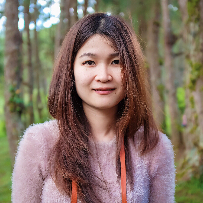 Mingkwan Doilom合作论文数Institute of Plant Health, Zhongkai University of Agriculture and Engineering32
 Darbhe Jayarama Bhat合作论文数King Saud University32
 Heng Gui合作论文数World Agroforestry Centre, World Agroforestry Centre32
 Saisamorn Lumyong合作论文数Dept Biol, Chiang Mai Univ28
 Sajeewa Maharachchikumbura合作论文数School of Life Science and Technology, University of Electronic Science and Technology of China22
 Erio Camporesi合作论文数20
 Rajesh Jeewon合作论文数Faculty of Science, University of Mauritius20
 Sinang Hongsanan Onodera合作论文数College of Life Sciences and Oceanography, Shenzhen University18
 Suwannarach Nakarin合作论文数Faculty of Science, Chiang Mai University17
 Junbo Yang (杨俊波)合作论文数Kunming Institute of Botany, Chinese Academy of Sciences;University of Chinese Academy of Sciences17
 Alvin M C Tang合作论文数17
 Ruvishika Shehali Jayawardena合作论文数Center of Excellence in Fungal Research, Mae Fah Luang University;School of Science, Mae Fah Luang University16
 Saranyaphat Boonmee合作论文数Ctr Excellence Fungal Res, Mae Fah Luang Univ16
 Jian-Kui Jack Liu (刘建魁)合作论文数School of Life Science and Technology, University of Electronic Science and Technology of China16
 Jutamart Monkai合作论文数Mae Fah Luang University, Mae Fah Luang University16
 Chayanard Phukhamsakda合作论文数Engn Res Ctr, Jilin Agr Univ15
 Nalin Nilusha Wijayawardene合作论文数College of Biological Resource and Food Engineering, Qujing Normal University/Center for Yunnan Plateau Biological Resources Protection and Utilization, Qujing Normal University15
 Dongqin Dai (代冬琴)合作论文数Center for Yunnan Plateau Biological Resources Protection and Utilization, Qujing Normal University15
 Huili Li合作论文数15
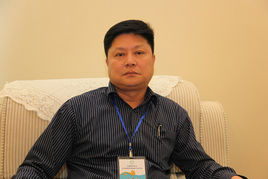 Jichuan Kang (康冀川)合作论文数贵州大学药学院15
 Ali Hassan Abdulrahman Bahkali合作论文数Department of Botany and Microbiology, College of Science, King Saud University15Lei Ye合作论文数14
 Milan C. Samarakoon合作论文数Mae Fah Luang University, Chiang Mai University14
 Thilini Chethana Kandawatte合作论文数ThailandInstitute of Plant and Environment Protection, Mae Fah Luang University14Putarak Chomnunti合作论文数Ctr Excellence Fungal Res, Mae Fah Luang Univ14
 Alex J. Valentine合作论文数University of the Western Cape Plant Physiology Group, South African Herbal Science Institute14
 Guang-Cong Ren合作论文数13
 Sehroon Khan合作论文数Kunming Institute of Botany, Chinese Academy of Science13
 Ausana Mapook合作论文数Center of Excellence in Fungal Research, Mae Fah Luang University13
 Timur Bulgakov合作论文数Russian Research Institute of Floriculture and Subtropical Crops13
 Eric Huge Charles Mckenzie合作论文数Landcare Research13
 Indunil C. Senanayake合作论文数Mae Fah Luang University, Chinese Academy of Science12
 Danushka S. Tennakoon合作论文数Mae Fah Luang University, Mae Fah Luang University12
 Hiran A. Ariyawansa合作论文数mae fah luang university12
 Asha Janadaree Dissanayake合作论文数Beijing Academy of Agricultural and Forestry Sciences, Beijing Academy of Agriculture and Forest12
 Kumla Jaturong合作论文数12Thatsanee Luangharn合作论文数11Hong-Bo Jiang合作论文数Sch Sci, Mae Fah Luang Univ11
 Chada Norphanphoun合作论文数Mae Fah Luang University, Mae Fah Luang University11
 Naritsada Thongklang合作论文数11
 Lakmali Dissanayake合作论文数10
 Kasun M. Thambugala合作论文数Faculty of Science and Technology, Thammasat University;Genetics and Molecular Biology Unit, Faculty of Applied Sciences, University of Sri Jayewardenepura10




