Hot sub-luminous stars represent a population of stripped and evolved red giants that is located on the extreme horizontal branch. Since they exhibit a wide range of variability due to pulsations or binary interactions, it is crucial to unveil their intrinsic and extrinsic variability to understand the physical processes of their formation. In the Hertzsprung-Russell diagram, they overlap with interacting binaries such as cataclysmic variables (CVs). By leveraging the most recent clustering algorithm tools, we investigate the variability of 1,576 candidate hot subdwarf variables using comprehensive data from Gaia DR3 multi-epoch photometry and Transiting Exoplanet Survey Satellite (TESS) observations. We present a novel approach that uses the t-distributed stochastic neighbour embedding and the uniform manifold approximation and projection dimensionality reduction algorithms to facilitate the identification and classification of different populations of variable hot subdwarfs and CVs in a large dataset. In addition to the publicly available Gaia time-series statistics table, we adopted additional statistical features that enhanced the performance of the algorithms. The clustering results led to the identification of 85 new hot subdwarf variables based on Gaia and TESS light curves and of 108 new variables based on Gaia light curves alone, including reflection-effect systems, HW Vir, ellipsoidal variables, and high-amplitude pulsating variables. A significant number of known CVs (140) distinctively cluster in the 2D feature space among an additional 152 objects that we consider candidates for new CVs. This study paves the way for more efficient and comprehensive analyses of stellar variability from ground- and space-based observations, and for the application of machine-learning classifications of candidate variable stars in large surveys.
Context. Luminous fast blue optical transients (LFBOTs) are a class of extragalactic transients notable for their rapid rise and fade times, blue colour, and accompanying luminous X-ray and radio emission. Only a handful have been studied in detail since the prototypical example AT 2018cow. Their origins are currently unknown, but ongoing observations of previous and new events are placing ever stronger constraints on their progenitors. Aims. We aim to put further constraints on the LFBOT AT 2023fhn, and LFBOTs as a class, using information from the multi-wavelength transient light curve, its host galaxy, and local environment. Methods. Our primary results were obtained by fitting galaxy models to the spectral energy distribution of AT 2023fhn's host and local environment, and by modelling the radio light curve of AT 2023fhn as due to synchrotron self-absorbed emission from an expanding blast wave in the circumstellar medium. Results. We find that neither the host galaxy nor circumstellar environment of AT 2023fhn are unusual compared with previous LFBOTs, but that AT 2023fhn has a much lower X-ray to ultraviolet luminosity ratio than previous events. Conclusions. We argue that the variety in ultraviolet-optical to X-ray luminosity ratios among LFBOTs is likely due to viewing angle differences, and that the diffuse, yet young local environment of AT 2023fhn - combined with a similar circumstellar medium to previous events - favours a progenitor system containing a massive star with strong winds. Plausible progenitor models in this interpretation therefore include the mergers of black holes and Wolf-Rayet stars or failed supernovae.
The main science aim of the BlackGEM array is to detect optical counterparts to gravitational wave mergers. Additionally, the array will perform a set of synoptic surveys to detect Local Universe transients and short time-scale variability in stars and binaries, as well as a six-filter all-sky survey down to ~22nd mag. The BlackGEM Phase-I array consists of three optical wide-field unit telescopes. Each unit uses an f/5.5 modified Dall-Kirkham (Harmer-Wynne) design with a triplet corrector lens, and a 65cm primary mirror, coupled with a 110Mpix CCD detector, that provides an instantaneous field-of-view of 2.7~square degrees, sampled at 0.564\arcsec/pixel. The total field-of-view for the array is 8.2 square degrees. Each telescope is equipped with a six-slot filter wheel containing an optimised Sloan set (BG-u, BG-g, BG-r, BG-i, BG-z) and a wider-band 440-720 nm (BG-q) filter. Each unit telescope is independent from the others. Cloud-based data processing is done in real time, and includes a transient-detection routine as well as a full-source optimal-photometry module. BlackGEM has been installed at the ESO La Silla observatory as of October 2019. After a prolonged COVID-19 hiatus, science operations started on April 1, 2023 and will run for five years. Aside from its core scientific program, BlackGEM will give rise to a multitude of additional science cases in multi-colour time-domain astronomy, to the benefit of a variety of topics in astrophysics, such as infant supernovae, luminous red novae, asteroseismology of post-main-sequence objects, (ultracompact) binary stars, and the relation between gravitational wave counterparts and other classes of transients
We present the Near-Ultraviolet eXplorer (NUX), which will consist out of 4 small (36 cm diameter) ground-based telescopes that are optimized for the shortest wavelengths that are detectable from Earth (i.e., the near-UV [NUV] wavelength range of 300-350 nm). Each telescope will have a field-of-view of ~17 square degrees sampled at ~2.6"/pixel, and will reach a NUV magnitude (AB) of 20 in 2.5 minutes exposures (in dark time). The goal of NUX is to improve our understanding of the physical processes that power fast (days) to very fast (hours) hot transients, such as shock-breakout and shock-cooling emission of supernovae and the electromagnetic counterparts of gravitational wave events. Each telescope will be an off-the-shelf 14" Celestron RASA telescope, retrofitted with NUV optics. We have already demonstrated that the normal Schmidt corrector of this telescope can be replaced by a custom made one consisting of NUV transparent glass. Currently, a prototype NUX telescope is being fully assembled to demonstrate the technical and scientific feasibility of the NUX concept. Site tests will be held (in 2025/2026) at La Silla, Chile, to determine the NUV characteristics of the atmosphere at this site.
Context. Optimal frequency identification in astronomical datasets is crucial for variable star studies, exoplanet detection, and astero-seismology. Traditional period-finding methods often rely on specific parametric assumptions, employ binning procedures, or overlook the regression nature of the problem, limiting their applicability and precision. Aims. We introduce a universal- nonparametric kernel regression method for optimal frequency determination that is generalizable, efficient, and robust across various astronomical data types. Methods. FINKER uses nonparametric kernel regression on folded datasets at different frequencies, selecting the optimal frequency by minimising squared residuals. This technique inherently incorporates a weighting system that accounts for measurement uncertainties and facilitates multi-band data analysis. We evaluated our method's performance across a range of frequencies pertinent to diverse data types and compared it with an established period-finding algorithm, conditional entropy. Results. The method demonstrates superior performance in accuracy and robustness compared to existing algorithms, requiring fewer observations to reliably identify significant frequencies. It exhibits resilience against noise and adapts well to datasets with varying complexity.
We present the discovery of the radio afterglow of the short gamma-ray burst (GRB) 210726A, localized to a galaxy at a photometric redshift of z ∼ 2.4. While radio observations commenced ≲1 day after the burst, no radio emission was detected until ∼11 days. The radio afterglow subsequently brightened by a factor of ∼3 in the span of a week, followed by a rapid decay (a “radio flare”). We find that a forward shock afterglow model cannot self-consistently describe the multiwavelength X-ray and radio data, and underpredicts the flux of the radio flare by a factor of ≈5. We find that the addition of substantial energy injection, which increases the isotropic kinetic energy of the burst by a factor of ≈4, or a reverse shock from a shell collision are viable solutions to match the broadband behavior. At z ∼ 2.4, GRB 210726A is among the highest-redshift short GRBs discovered to date, as well as the most luminous in radio and X-rays. Combining and comparing all previous radio afterglow observations of short GRBs, we find that the majority of published radio searches conclude by ≲10 days after the burst, potentially missing these late-rising, luminous radio afterglows.
Aims. In astronomy, machine learning has been successful in various tasks such as source localisation, classification, anomaly detection, and segmentation. However, feature regression remains an area with room for improvement. We aim to design a network that can accurately estimate sources' features and their uncertainties from single-band image cutouts, given the approximated locations of the sources provided by the previously developed code AutoSourceID-Light (ASID-L) or other external catalogues. This work serves as a proof of concept, showing the potential of machine learning in estimating astronomical features when trained on meticulously crafted synthetic images and subsequently applied to real astronomical data. Methods. The algorithm presented here, AutoSourceID-FeatureExtractor (ASID-FE), uses single-band cutouts of 32x32 pixels around the localised sources to estimate flux, sub-pixel centre coordinates, and their uncertainties. ASID-FE employs a two-step mean variance estimation (TS-MVE) approach to first estimate the features and then their uncertainties without the need for additional information, for example the point spread function (PSF). For this proof of concept, we generated a synthetic dataset comprising only point sources directly derived from real images, ensuring a controlled yet authentic testing environment. Results.We show that ASID-FE, trained on synthetic images derived from the MeerLICHT telescope, can predict more accurate features with respect to similar codes such as SourceExtractor and that the two-step method can estimate well-calibrated uncertainties that are better behaved compared to similar methods that use deep ensembles of simple MVE networks. Finally, we evaluate the model on real images from the MeerLICHT telescope and the Zwicky Transient Facility (ZTF) to test its transfer learning abilities.
We present radio coverage of the 2019 outburst of the accreting millisecond X-ray pulsar SAX J1808.4-3658, obtained with MeerKAT. We compare these data to contemporaneous X-ray and optical measurements in order to investigate the coupling between accretion and jet formation in this system, while the optical lightcurve provides greater detail of the outburst. The reflaring activity following the main outburst peak was associated with a radio re-brightening, indicating a strengthening of the jet in this phase of the outburst. We place quasi-simultaneous radio and X-ray measurements on the global radio:X-ray plane for X-ray binaries, and show they reside in the same region of luminosity space as previous outburst measurements, but significantly refine the correlation for this source. We also present upper limits on the radio emission from the accreting millisecond X-ray pulsar MAXI J0911-655 and the transitional Z/Atoll-type transient XTE J1701-462. In the latter source we also confirm that nearby large-scale structures reported in previous radio observations of the source are persistent over a period of ~15 years, and so are almost certainly background radio galaxies and not associated with the X-ray transient.
Purpose Facial weakness and its functional consequences are an often underappreciated clinical feature of facioscapulohumeral muscular dystrophy (FSHD) by healthcare professionals and researchers. This is at least in part due to the fact that there are few adequate clinical outcome measures available. Methods We developed the Facial Function Scale, a Rasch-built questionnaire on the functional disabilities relating to facial weakness in FSHD. A preliminary 33-item questionnaire was created based on semi-structured interviews with 16 FSHD patients and completed by 119 patients. For reliability studies, 73 patients completed it again after a two-week interval. Data were subjected to semi-automated Rasch analysis to select the most appropriate item set to fit model expectations. Results This resulted in a 25-item unidimensional, linear-weighted questionnaire with high internal consistency (person separation index = 0.92) and test-retest reliability (patients' locations ICC = 0.98 and items' locations ICC = 0.99). Good external construct validity scores were obtained through correlation with the Communicative Participation Item Bank questionnaire, examiner-reported Facial Weakness Score and facial weakness subscale of the FSHD evaluation score (respectively r = 0.733, r = -0.566, and r = 0.441, all p < 0.001). Conclusions This study provides a linear-weighted, clinimetrically sound, patient-reported outcome measure on the functional disabilities relating to facial weakness in FSHD, to enable further research on this relevant topic.
Colour-magnitude diagrams reveal a population of blue (hot) sub-luminous objects with respect to the main sequence. These hot sub-luminous stars are the result of evolutionary processes that require stars to expel their obscuring, hydrogen-rich envelopes to reveal the hot helium core. As such, these objects offer a direct window into the hearts of stars that are otherwise inaccessible to direct observation. We showcase MeerLICHT's capabilities of detecting faint hot subdwarfs and identifying the dominant frequency in the photometric variability of these compact hot stars, in comparison to their $Gaia$ DR3 data. We hunt for oscillations, which will be an essential ingredient for accurately probing stellar interiors in future asteroseismology. Comparative MeerLICHT and $Gaia$ colour-magnitude diagrams are presented as a way to select hot subdwarfs from our sample. A dedicated frequency determination technique is developed and applied to the selected candidates to determine their dominant variability using time-series data from MeerLICHT and $Gaia$ DR3. We explore the power of both datasets in determining the dominant frequency. Using the $g-i$ colour, MeerLICHT offers a colour-magnitude diagram that is comparable in quality to that of $Gaia$ DR3. The MeerLICHT colour-colour diagrams allow for the study of different stellar populations. The frequency analysis of MeerLICHT and $Gaia$ DR3 data demonstrates the superiority of our MeerLICHT multi-colour photometry in estimating the dominant frequency compared to the sparse $Gaia$ DR3 data. MeerLICHT's multi-band photometry leads to the discovery of high-frequency faint subdwarfs. Our MeerLICHT results are a proof-of-concept of the capacity of the BlackGEM instrument currently in the commissioning stage at ESO's La Silla Observatory in Chile.
Aims. Traditional star-galaxy classification techniques often rely on feature estimation from catalogues, a process susceptible to introducing inaccuracies, thereby potentially jeopardizing the classification's reliability. Certain galaxies, especially those not manifesting as extended sources, can be misclassified when their shape parameters and flux solely drive the inference. We aim to create a robust and accurate classification network for identifying stars and galaxies directly from astronomical images. By leveraging convolutional neural networks (CNN) and additional information about the source position, we aim to accurately classify all stars and galaxies within a survey, particularly those with a signal-to-noise ratio (S/N) near the detection limit. Methods. The AutoSourceID-Classifier (ASID-C) algorithm developed here uses 32x32 pixel single filter band source cutouts generated by the previously developed ASID-L code. ASID-C utilizes CNNs to distinguish these cutouts into stars or galaxies, leveraging their strong feature-learning capabilities. Subsequently, we employ a modified Platt Scaling calibration for the output of the CNN. This technique ensures that the derived probabilities are effectively calibrated, delivering precise and reliable results. Results. We show that ASID-C, trained on MeerLICHT telescope images and using the Dark Energy Camera Legacy Survey (DECaLS) morphological classification, outperforms similar codes like SourceExtractor. ASID-C opens up new possibilities for accurate celestial object classification, especially for sources with a S/N near the detection limit. Potential applications of ASID-C, like real-time star-galaxy classification and transient's host identification, promise significant contributions to astronomical research.
We present a sub-arcsec cross-match of Gaia Data Release 3 (DR3) against the INT Galactic Plane Surveys (IGAPS) and the United Kingdom Infrared Deep Sky Survey (UKIDSS). The resulting cross-match of Galactic Plane Surveys (XGAPS) provides additional precise photometry (U-RGO, g, r, i, H alpha, J, H, and K) to the Gaia photometry. In building the catalogue, proper motions given in Gaia DR3 are wound back to match the epochs of the IGAPS constituent surveys (INT Photometric H alpha Survey of the Northern Galactic Plane, IPHAS, and the UV-Excess Survey of the Northern Galactic Plane, UVEX) and UKIDSS, ensuring high-proper motion objects are appropriately cross-matched. The catalogue contains 33987180 sources. The requirement of >3 sigma parallax detection for every included source means that distances out to 1-1.5kpc are well covered. In producing XGAPS, we have also trained a Random Forest classifier to discern targets with problematic astrometric solutions. Selection cuts based on the classifier results can be used to clean colour-magnitude and colour-colour diagrams in a controlled and justified manner, as well as producing subsets of astrometrically reliable targets. We provide XGAPS as a 111 column table. Uses of the catalogue include the selection of Galactic targets for multi-object spectroscopic surveys as well as identification of specific Galactic populations.
The newest generation of radio telescopes are able to survey large areas with high sensitivity and cadence, producing data volumes that require new methods to better understand the transient sky. Here we describe the results from the first citizen science project dedicated to commensal radio transients, using data from the MeerKAT telescope with weekly cadence. Bursts from Space: MeerKAT was launched late in 2021 and received 89000 classifications from over 1000 volunteers in 3 months. Our volunteers discovered 142 new variable sources which, along with the known transients in our fields, allowed us to estimate that at least 2.1 per cent of radio sources are varying at 1.28 GHz at the sampled cadence and sensitivity, in line with previous work. We provide the full catalogue of these sources, the largest of candidate radio variables to date. Transient sources found with archival counterparts include a pulsar (B1845-01) and an OH maser star (OH 30.1-0.7), in addition to the recovery of known stellar flares and X-ray binary jets in our observations. Data from the MeerLICHT optical telescope, along with estimates of long time-scale variability induced by scintillation, imply that the majority of the new variables are active galactic nuclei. This tells us that citizen scientists can discover phenomena varying on time-scales from weeks to several years. The success both in terms of volunteer engagement and scientific merit warrants the continued development of the project, whilst we use the classifications from volunteers to develop machine learning techniques for finding transients.
GRB 220627A is a rare burst with two distinct gamma-ray emission episodes separated by almost 1000 s that triggered the Fermi Gamma-ray Burst Monitor twice. High-energy GeV emission was detected by the Fermi Large Area Telescope coincident with the first emission episode but not the second. The discovery of the optical afterglow with MeerLICHT led to MUSE observations which secured the burst redshift to z=3.08, making this the most distant ultra-long gamma-ray burst (GRB) detected to date. The progenitors of some ultra-long GRBs have been suggested in the literature to be different to those of normal long GRBs. Our aim is to determine whether the afterglow and host properties of GRB 220627A agree with this interpretation. We performed empirical and theoretical modelling of the afterglow data within the external forward shock framework, and determined the metallicity of the GRB environment through modelling the absorption lines in the MUSE spectrum. Our optical data show evidence for a jet break in the light curve at 1.2 days, while our theoretical modelling shows a preference for a homogeneous circumburst medium. Our forward shock parameters are typical for the wider GRB population, and we find that the environment of the burst is characterised by a sub-solar metallicity. Our observations and modelling of GRB 220627A do not suggest that a different progenitor compared to the progenitor of normal long GRBs is required. We find that more observations of ultra-long GRBs are needed to determine if they form a separate population with distinct prompt and afterglow features, and possibly distinct progenitors.
The majority of massive stars are born in binaries, and most unbind upon the first supernova. With precise proper motion surveys such as Gaia, it is possible to trace back the motion of stars in the vicinity of young remnants to search for ejected companions. Establishing the fraction of remnants with an ejected companion, and the photometric and kinematic properties of these stars, offers unique insight into supernova progenitor systems. In this paper, we employ binary population synthesis to produce kinematic and photometric predictions for ejected secondary stars. We demonstrate that the unbound neutron star velocity distribution from supernovae in binaries closely traces the input kicks. Therefore, the observed distribution of neutron star velocities should be representative of their natal kicks. We evaluate the probability for any given filter, magnitude limit, minimum measurable proper motion (as a function of magnitude), temporal baseline, distance and extinction that an unbound companion can be associated with a remnant. We compare our predictions with results from previous companion searches, and demonstrate that the current sample of stars ejected by the supernova of their companion can be increased by a factor of 5-10 with Gaia data release 3. Further progress in this area is achievable by leveraging the absolute astrometric precision of Gaia, and by obtaining multiple epochs of deep, high resolution near-infrared imaging with the Hubble Space Telescope, JWST and next-generation wide-field near-infrared observatories such as Euclid or the Nancy Grace Roman Space Telescope.
GRB 210731A was a long-duration gamma-ray burst discovered by the Burst Alert Telescope (BAT) aboard the Neil Gehrels Swift observatory. Swift triggered the wide-field, robotic MeerLICHT optical telescope in Sutherland; it began observing the BAT error circle 286 seconds after the Swift trigger and discovered the optical afterglow of GRB 210731A in its first 60-second q-band exposure. Multi-colour observations of the afterglow with MeerLICHT revealed a light curve that showed three peaks of similar brightness within the first four hours. We present the results of our follow-up campaign and interpret our observations in the framework of the synchrotron forward shock model. We performed temporal and spectral fits to determine the spectral regime and external medium density profile, and performed detailed multi-wavelength theoretical modelling of the afterglow following the last optical peak at 0.2 days to determine the intrinsic blast wave parameters. We find a preference for a stellar wind density profile consistent with a massive star origin, while our theoretical modelling results in fairly typical shock microphysics parameters. Based on the energy released in gamma-rays and the kinetic energy in the blast wave, we determine a low radiative efficiency of ~0.02. The first peak in the optical light curve is likely the onset of the afterglow. We find that energy injection into the forward shock offers the simplest explanation for the subsequent light curve evolution, and that the blast wave kinetic energy increasing by a factor of ~1000 from the first peak to the last peak is indicative of substantial energy injection. Our highest-likelihood theoretical model overpredicts the 1.4 GHz flux by a factor of approximately three with respect to our upper limits, possibly implying a population of thermal electrons within the shocked region.
Using light curves with $\sim$3 min cadence and a duration of 2 hrs made using the OmegaWhite survey, we present the results of a search for short-period variable stars in the field of 20 open clusters. We identified 92 variable stars in these fields. Using a range of cluster member catalogues and Gaia EDR3 data, we have determined that 10 are cluster members and 2 more are probable members. Based on their position on the Gaia HRD and their photometric periods, we find that most of these are $\delta$ Sct stars. We obtained low-resolution optical spectroscopy of some of these cluster members and field stars. We discuss the cluster variable stars in the context of $\delta$ Sct stars in other open clusters.
The R package autoRasch has been developed to perform a Rasch analysis in a (semi-)automated way. The automated part of the analysis is achieved by optimizing the so-called in-plus-out-of-questionnaire log-likelihood (IPOQ-LL) or IPOQ-LL-DIF when differential item functioning (DIF) is included. These criteria measure the quality of fit on a pre-collected survey, depending on which items are included in the final instrument. To compute these criteria, autoRasch fits the generalized partial credit model (GPCM) or the generalized partial credit model with differential item functioning (GPCM-DIF) using penalized joint maximum likelihood estimation (PJMLE). The package further allows the user to reevaluate the output of the automated method and use it as a basis for performing a manual Rasch analysis and provides standard statistics of Rasch analyses (e.g., outfit, infit, person separation reliability, and residual correlation) to support the model reevaluation.
Nova explosions are caused by global thermonuclear runaways triggered in the surface layers of accreting white dwarfs(1-3). It has been predicted(4-6) that localized thermonuclear bursts on white dwarfs can also take place, similar to type-I X-ray bursts observed in accreting neutron stars. Unexplained rapid bursts from the binary system TV Columbae, in which mass is accreted onto a moderately strong magnetized white dwarf from a low-mass companion, have been observed on several occasions in the past 40 years(7-11). During these bursts, the optical/ultraviolet luminosity increases by a factor of more than three in less than an hour and fades in around ten hours. Fast outflows have been observed in ultraviolet spectral lines(7), with velocities of more than 3,500 kilometres per second, comparable to the escape velocity from the white dwarf surface. Here we report on optical bursts observed in TV Columbae and in two additional accreting systems, EI Ursae Majoris and ASASSN-19bh. The bursts have a total energy of approximately 10(-6) times than those of classical nova explosions (micronovae) and bear a strong resemblance to type-I X-ray bursts(12-14). We exclude accretion or stellar magnetic reconnection events as their origin and suggest thermonuclear runaway events in magnetically confined accretion columns as a viable explanation.
Rasch analysis is a procedure to develop and validate instruments that aim to measure a person's traits. However, manual Rasch analysis is a complex and time-consuming task, even more so when the possibility of differential item functioning (DIF) is taken into consideration. Furthermore, manual Rasch analysis by construction relies on a modeler's subjective choices. As an alternative approach, we introduce a semi-automated procedure that is based on the optimization of a new criterion, called in-plus-out-of-questionnaire log likelihood with differential item functioning (IPOQ-LL-DIF), which extends our previous criterion. We illustrate our procedure on artificially generated data as well as on several real-world datasets containing potential DIF items. On these real-world datasets, our procedure found instruments with similar clinimetric properties as those suggested by experts through manual analyses.
 G. A. Nelemans (Gijs)合作论文数Department of Astrophysics, Institute for Mathematics, Astrophysics and Particle Physics, Radboud University;KU Leuven84
 Danny Steeghs合作论文数Department of Physics, University of Warwick53
 Jan van Paradijs合作论文数University of Amsterdam;University of Alabama in Huntsville46
 Thomas Richard Marsh合作论文数Department of Physics, University of Warwick39
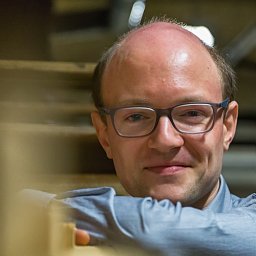 Steven Bloemen合作论文数Department of Plant Ecology and Evolutionary Biology, Utrecht University35
 Tom Heskes合作论文数Institute for Computing and Information Sciences, Faculty of Science, Radboud University Nijmegen32
 Chryssa Kouveliotou合作论文数Department of Physics, Columbian College of Arts & Sciences, The George Washington University31
 Robert Greimel合作论文数30
 R.A.M.J. (Ralph) Wijers合作论文数Anton Pannekoek Institute of Astronomy, Faculty of Science, University of Amsterdam29
 j e drew合作论文数Dept Phys & Astron, UCL27
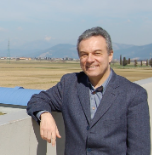 Francesco Fidecaro合作论文数Physics Department, Pisa University26
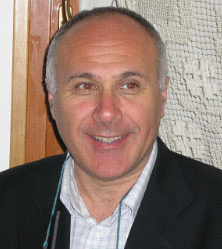 Alberto Di Lieto合作论文数Dipartimento di Fisica, Università di Pisa26Massimo Granata合作论文数Laboratoire des Matériaux Avancés26
 Viviana Fafone合作论文数Department of Physics, University of Rome Tor Vergata26
 Raffaele Flaminio合作论文数Laboratoire d'Annecy de Physique des Particules, CNRS26F. Frasconi合作论文数26
 Alberto Gennai合作论文数Università di Pisa;Istituto Nazionale di Fisica Nucleare26
 Eric Genin合作论文数Trimble Inc.26S. Farinon合作论文数26
 Isidoro Ferrante合作论文数Dipartimento di Fisica, Università Di Pisa26
 Luca Gammaitoni合作论文数NiPS Laboratory, Dipartimento di Fisica, Universita degli Studi di Perugia26
 Gianluca Gemme合作论文数Istituto Nazionale di Fisica Nucleare26
 Marco Drago合作论文数Dipartimento di Fisica, Università degli Studi di Roma "La Sapienza"26
 Christian Knigge合作论文数School of Physics and Astronomy, University of Southampton26
 Walter Del Pozzo合作论文数Department of Physics, University of Pisa26
 Elena Cuoco合作论文数Department of Physics and Astronomy "Augusto Righi", University of Bologna25
 Michel Davier合作论文数Université Paris-Saclay25R. J. G. Jonker合作论文数25G. Hemming合作论文数25Frédéric Cleva合作论文数CNRS25P. Hello合作论文数25Vincenzo Dattilo合作论文数Interferometer Technology Department, European Gravitational Observatory25
 Jerome Degallaix合作论文数Laboratoire des Matériaux Avancés, CNRS25
 Antonino Chiummo合作论文数European Gravitational Observatory25
 Fabien Kefelian合作论文数CNRS, Université Côte d'Azur25
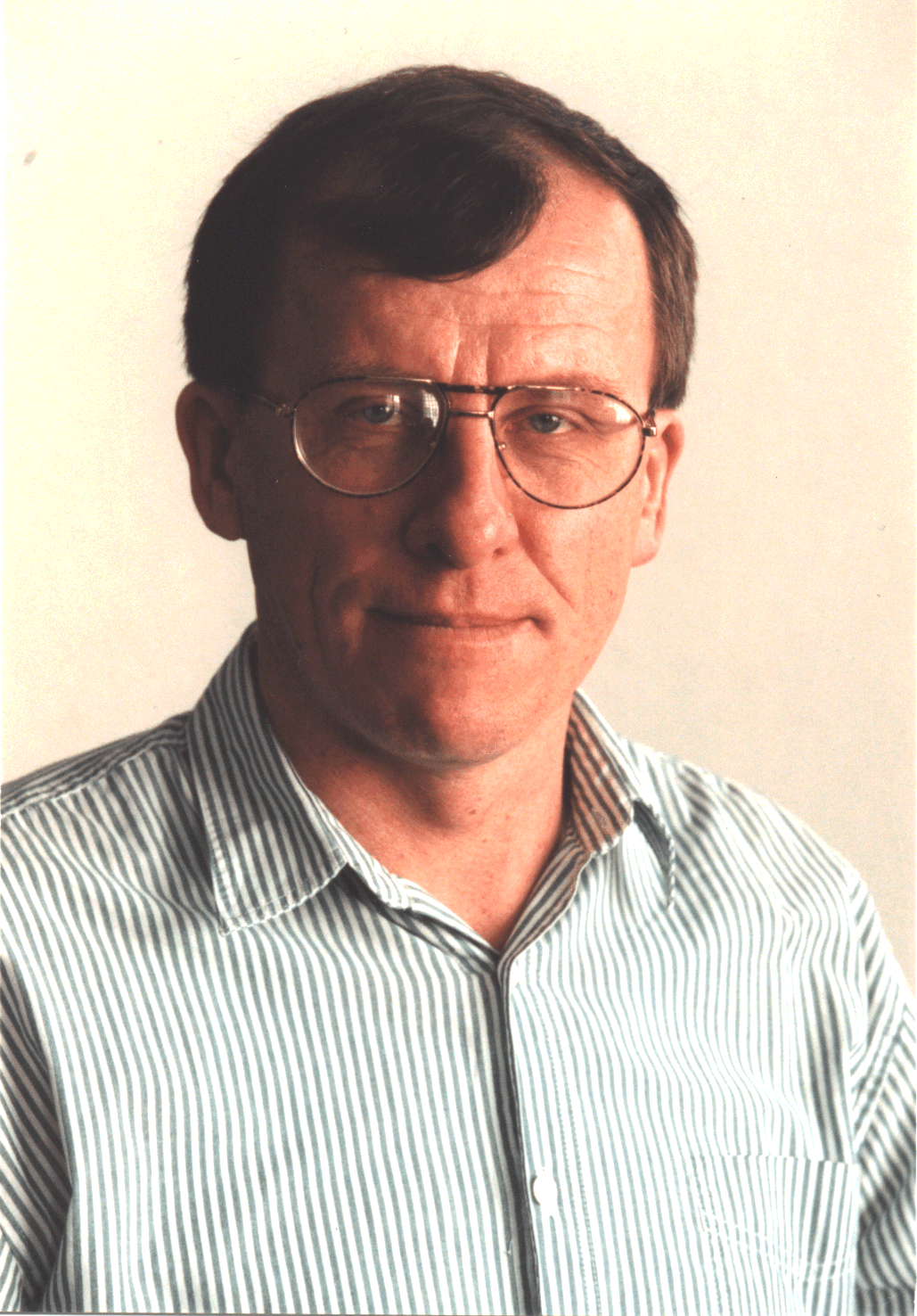 Andrzej Królak合作论文数Foundation for Development of Polish Mathematics25
 Gianluca Maria Guidi合作论文数Dipartimento di Scienze Pure e Applicate, Università degli Studi di Urbino Carlo Bo25
 Patrick Alan Woudt合作论文数Department of Astronomy, University of Cape Town;Faculty of Science, University of Cape Town25I. Fiori合作论文数Istituto Nazionale di Fisica Nucleare25Luciano Di Fiore合作论文数Università degli studi di Napoli " Federico II "25
 Fabio Garufi合作论文数Dipartimento di Fisica, Università degli Studi di Napoli Federico II25
 Elisabetta Cesarini合作论文数Istituto Nazionale di Fisica Nucleare Sezione di Roma II24Sabrina D'Antonio合作论文数INFN;Dipartimento di Fisica, Università degli studi di Tor Vergata24f cavalier合作论文数24
 Adalberto Giazotto合作论文数INFN - Istituto Nazionale di Fisica Nucleare24
 Gianpietro Cagnoli合作论文数Institut Lumière Matière, Université Claude Bernard Lyon 1;CNRS24S. Deléglise合作论文数24Henrich Heitmann合作论文数System Engineering Department, European Gravitational Observatory24
 J. S. Kissel合作论文数LIGO Hanford Observatory24




