Sclerotinia stem rot (SSR), caused by Sclerotinia sclerotiorum, significantly impacts global Brassica napus (canola/rapeseed) production. Because current management relies heavily on timely chemical and cultural methods, developing host resistance is critical to reduce dependence on fungicides and ensure long-term control efficacy. This study aimed to develop a reliable field protocol using S. sclerotiorum-infected inoculum to induce SSR in B. napus and evaluate partially resistant genotypes identified in controlled environments. Several experiments were conducted to evaluate and optimize inoculation techniques on six B. napus cultivars in a series of laboratory, greenhouse, and field experiments. Of the 12 inoculum carriers assessed, the red rice inoculum was selected for further evaluation in the field because of its efficacy as demonstrated in detached-leaf and whole plant assays and its low cost, reliability of production, and ease of application. Using the field inoculation method developed in this study, we found that the semiwinter Japanese lines 'Chikuzen,' 'Chisaya,' and 'Norin28' had partial SSR resistance under field conditions, suggesting a correlation between glasshouse and controlled-environment stem-inoculation assays and whole plant field screens. It also supports the use of these three cultivars as parental lines for future breeding populations containing SSR resistance alleles. The nondestructive, high-throughput field screening methodology developed in this study enables large-scale, reliable screening of B. napus genotypes under various field conditions using cost-effective, easily sourced red rice inoculum applied uniformly to create consistent disease pressure, and it can include multiple isolates.
Disease-suppressive soils, where suppression is conferred by the soil microbiome, have been studied for various soil-borne fungal pathogens. However, little is known about soils suppressive to Sclerotinia sclerotiorum, the causal agent of Sclerotinia stem rot (SSR), a major disease in broadacre crops, and their underlying microbial mechanisms. This study aimed to uncover the microbiome-mediated basis of SSR suppression by identifying a SSR-suppressive soil compared to a SSR-conducive soil, profiling microbial communities, and validating microbial drivers of suppressiveness to inform biocontrol strategies. We identified a suppressive soil that inhibited fungal basal infection and carpogenic germination of sclerotia. Suppressiveness was microbiome-mediated and transferable to soils conducive to the disease. Microbiome profiling revealed distinct community structures between the suppressive and conducive soils, with the suppressive soil enriched in known biocontrol taxa. In contrast, a remnant vegetation soil was highly susceptible to SSR and lacked these key biocontrol microbes. Microbial network analysis identified Bacillus as a keystone taxon and potential driver of suppressiveness. The suppressive soil also exhibited denser microbial co-occurrence networks. Cultivation and antagonism assays confirmed higher numbers of biocontrol bacteria, with Bacillus and Streptomyces species, including species not previously reported against S. sclerotiorum, suppressing fungal growth and reducing SSR in plant assays. Higher soil pH and a lower carbon-to-nitrogen ratio were correlated with suppressiveness. These findings confirm the existence of SSR-suppressive soils and demonstrate that abundant antagonistic microbiota can inhibit sclerotia germination and myceliogenic growth, providing new mechanistic insights and a foundation for SSR management through microbiome enhancement and improved soil health.
An understanding of plant pathogen evolution is important for sustainable management of crop diseases. Plant pathogen populations must maintain adequate heritable phenotypic variability to survive. Polymorphisms ≥ 50 bp, known as structural variants (SVs), could contribute strongly to this variability by disrupting gene activities. SV acquisition is largely driven by mobile genetic elements called transposons, though a less appreciated source of SVs is erroneous meiotic double-strand break repair. The relative impacts of transposons and recombination on SV diversity and the overall contribution of SVs to phenotypic variability is elusive, especially in host generalists. We use 25 high-quality genomes to create a graphical pan-genome of the globally distributed host-generalist crop pathogen Sclerotinia sclerotiorum. Outcrossing and recombination rates in this self-fertile species have been debated. Using bisulfite sequencing and short-read data from 190 strains, we show that S. sclerotiorum has many hallmarks of eukaryotic meiosis, including recombination hot and cold spots, centromeric and genic recombination suppression, and rapid linkage disequilibrium decay. Using a new statistic that captures average pairwise structural variation, we show that recombination and transposons make distinct contributions to SV diversity. Furthermore, despite only 5
Background: An understanding of plant pathogen evolution is important for sustainable management of crop diseases. Plant pathogen populations must maintain adequate heritable phenotypic variability to survive. Polymorphisms >= 50 bp, known as structural variants (SVs), could contribute strongly to this variability by disrupting gene activities. SV acquisition is largely driven by mobile genetic elements called transposons, though a less appreciated source of SVs is erroneous meiotic double-strand break repair. The relative impacts of transposons and recombination on SV diversity and the overall contribution of SVs to phenotypic variability is elusive, especially in host generalists. Results: We use 25 high quality genomes to create a graphical pan-genome of the globally distributed host-generalist crop pathogen Sclerotinia sclerotiorum. Outcrossing and recombination rates in this self-fertile species have been debated. Using bisulfite sequencing, and short read data from 190 strains, we show that S. sclerotiorum has many hallmarks of eukaryotic meiosis, including recombination hot and cold spots, centromeric and genic recombination suppression, and rapid linkage disequilibrium decay. Using a new statistic that captures average pairwise structural variation, we show that recombination and transposons make distinct contributions to SV diversity. Furthermore, despite only 5 % of genes being dispensable, SVs often had a stronger impact than other variants across 14 life history traits measured in 103 distinct strains. Conclusion: Transposons and recombination make distinct contributions to SV diversity in S. sclerotiorum. Despite limited gene content diversity, SVs may strongly impact phenotypic variability. This sheds light on the genomic forces shaping adaptive flexibility in host generalists. ### Competing Interest Statement The authors have declared no competing interest.
Sclerotinia stem rot (SSR), caused by the necrotrophic fungal pathogen Sclerotinia sclerotiorum, is a severe disease of broadleaf crops including canola/rapeseed (Brassica napus), leading to significant yield loss in conducive years. Replication of field conditions is challenging in variety disease resistance screening with testing required under a wide range of environmental conditions and at different plant growth stages. We investigated the role of thermal time in disease progression using three sowing times in the growing season, with six commonly grown Australian varieties of canola inoculated with four diverse West Australian isolates of S. sclerotiorum at 30% flowering. Area Under the Disease Progression Stairs (AUDPS), sclerotia production and weight, and seed production were measured. Time of sowing was found to be a crucial factor in explaining differences in AUDPS, stem width, seed production and sclerotia number according to the analysis of variance (P < 0.05), influencing isolate aggressiveness and disease progression. Linear mixed-effect models, regression decision tree models and principal components analysis were also conducted to determine the importance of a range of variables being included in variety screening for resistance. For all these analyses, both thermal time from sowing to 30% flowering when plants were inoculated, as well as thermal time over the 28-day inoculation period, in both canola and S. sclerotiorum, were important in explaining the variation. The study concludes by recommending that thermal time should be included in future SSR prediction risk models.
Sclerotinia sclerotiorum (Lib.) de Bary, an economically devastating soilborne fungal pathogen known to cause disease across a wide range of plants, produces long-term inoculum called sclerotia that can germinate either carpogenically by ascospores infecting aboveground plant parts or myceliogenically to infect stem base and roots. Typically, for research purposes, S. sclerotiorum diseases are initiated by direct contact methods, using S. sclerotiorum mycelium agar plugs wrapped around the stem or sclerotia placed directly beneath root mass. However, reproducible noncontact methods leading to basal stem infection are not currently available. Therefore, the objective of this study was to develop effective noncontact protocols that consistently generate basal plant stem infection from S. sclerotiorum in the soil. Using three host plant species (canola, lupin, and lettuce), we determined two methods that reliably produced basal stem infection. The first method, where mycelial agar plugs were positioned just below the soil surface at a distance of 5 mm from each seedling, led to 100% infection in all plants. The second method used pathogen-infested soil by mixing the soil with dry inoculum in the form of a powder prepared from mycelium-colonized organic substrates. Four substrates consistently produced 100% seedling infection at 4 days after inoculation (DAI): wheat bran, wheat grain, red rice, and hulled millet. In contrast, chia, canary, sesame, and ryegrass seed substrates resulted in less than 50% seedling infection at 10 DAI, and infection levels did not progress further. The two soil inoculation methods outlined in this study will enhance future research on the progression of S. sclerotiorum diseases, with the potential to screen disease-resistant host genotypes to basal S. sclerotiorum infection and, in particular, to test the effectiveness of soil applications of fungicides or biocontrol agents against S. sclerotiorum basal infection.
Management of Sclerotinia stem rot (SSR) disease in Brassica napus is heavily reliant on prophylactic fungicide applications at flowering, which often provides inconsistent control depending on timing of ascospore release in the field and environmental conditions. Understanding host response to Sclerotinia sclerotiorum infection is essential for sustainable disease management in the future. This study determined host response of nine B. napus varieties to four aggressive S. sclerotiorum isolates across two years by measuring four disease variables: area under the disease progress stairs (AUDPS), seed production, sclerotia number and average sclerotia weight. Brassica napus varieties varied greatly in their response to the four measured variables, with varieties producing the highest AUDPS not being the same varieties that had the lowest seed production, the highest numbers of sclerotia or heaviest sclerotia. Repeating the experiment over two years using the same varieties and isolates identified the impact of environment on measured disease variables as the most influential factor, highlighting the complexity of disease responses to diverse isolates and host genotypes under different environments. It was recommended that both long-term (such as inoculum production) and short-term (such as seed production) disease outcomes be combined with lesion length measurement (i.e., AUDPS) for future host screening studies.
Biological control using antagonistic microorganisms as biological control agents (BCAs) has been considered a potential environmentally-friendly alternative or supplement for the control of soil-borne plant pathogens. This may be part of an integrated disease management system, thus contributing to a reduction in the use of chemical products and the protection of the environment. This review aims to provide an updated overview and insight into the underlying antagonistic mechanisms of BCAs to directly or indirectly suppress Sclerotinia sclerotiorum, an economically devastating soil-borne fungal pathogen of a broad range of plants. Further, the application of organic amendments (OAs) has demonstrated the potential to suppress soil-borne plant pathogens through the introduction of BCAs to the soil and/or enhancing the activity of the existing soil microbiome and BCAs which improves general plant health. Therefore, the manipulation and exploitation of soil microbial communities, through the application of OAs, has the potential as part of a sustainable integrated disease management strategy for the control of soil-borne plant pathogens, particularly S. sclerotiorum. In this review, we highlight gaps in the current understanding of the interaction of BCAs, OAs, and S. sclerotiorum and suggest future directions for research in this space, including improving our understanding of the microbiomes of soils and OAs suppressive to S. sclerotiorum.
The soilborne pathogen Sclerotinia sclerotiorum (Lib.) de Bary is the causal agent of Sclerotinia stem rot, a severe disease of broad-leaf crops including canola/rapeseed (Brassica napus) that can result in significant yield losses. Sclerotia, the hard melanized resting structure of the pathogen, requires preconditioning before carpogenic germination can occur. We investigated the effect of preconditioning temperature (4, 20, 35, 50°C, and field conditions) and duration (0, 30, 60, 120, 179, 240, and 301 days) on germination of S. sclerotiorum sclerotia collected from five canola fields in the southwestern Australia grain belt. The ecological diversity of each population was characterized using mycelial compatibility group (MCG) typing. No response was observed for isolates conditioned at 4°C at any time period, indicating that chilling is not a preconditioning requirement for these isolates. Sclerotia required preconditioning for a minimum of 60 days before any significant increase in germination occurred, with no further increases in germination recorded in response to longer conditioning after 60 days. The highest germination was observed in sclerotia conditioned at 50°C. The MCG results indicated significant diversity within and between populations, suggesting local adaptation to different environments as well as ensuring the ability to respond to seasonal variation between years.
Sclerotinia stem rot (SSR), caused by the necrotroph Sclerotinia sclerotiorum Lib. (de Bary), is a major disease of canola in Australia, greatly reducing yields in high infection years. This study investigated genotype by environment by management interactions at 25 sites across the south-west Australian grainbelt from 2017 to 2020. Up to 10 canola varieties were grown each year with +/− fungicide application at 30% flowering. Disease incidence was low, with less than 20% infection recorded across most sites. Most variation in yield occurred between sites, rather than by management or variety, due to the environmental differences between the sites. Petal assays were found to be a poor indicator of later disease severity, suggesting the winter growing season in south-west Australia does not have reliable conducive conditions for disease development following petal drop in canola. The Additive Main Effects and Multiplicative Interaction model (AMMI) indicated that the open-pollinated varieties were broadly adapted and stable when fungicide was applied but became unstable with no fungicide, indicating SSR has a significant impact on yield when disease incidence is higher. This study highlights that further research is necessary to determine disease thresholds that lead to significant yield loss.
Sclerotinia stem rot, caused by the necrotrophic plant pathogen Sclerotinia sclerotiorum (Lib.) de Bary, is a major disease of canola and pulses in Australia. Current disease management relies greatly on cultural and chemical means of control. Timing of fungicide applications remains a challenge, because efficacy is dependent on accurate prediction of ascospore release and presence on the plant. The aims of this study were to determine the optimal temperature for carpogenic germination of S. sclerotiorum populations sampled from canola and lupin fields in southwestern Australia and characterize diversity using mycelial compatibility groupings (MCGs). Sclerotia were collected from four diseased canola and one diseased lupin field from across southwestern Australia. Forty sclerotia from each population were incubated at four alternating temperatures of 30/15, 20/15, 20/4, and 15/4°C (12-h/12-h light/dark cycle) and assessed every 2 to 3 days for a 180-day period. MCG groupings for populations were characterized using 12 reference isolates. Results indicated the time to initial carpogenic germination decreased as diurnal temperature fluctuations decreased, with a fluctuation of 5°C (20/15°C) having the most rapid initial germination followed by 11°C (15/4°C) followed by 16°C (20/4°C). Optimal germination temperature for all five populations was 20/15°C; however, population responses to other diurnal temperature regimes varied considerably. No germination was observed at 30/15°C. MCG results indicate extensive diversity within and between populations, with at least 40% of sclerotia within each population unable to be characterized. We suggest that this diversity has enabled S. sclerotiorum populations to adapt to varying environmental conditions within southwestern Australia.
In the absence of a primary crop host, secondary plant hosts may act as a reservoir for fungal plant pathogens of agricultural crops. Secondary hosts may potentially harbor heteroecious biotrophs (e.g., the stripe rust fungus Puccinia striiformis) or other pathogens with broad host ranges. Agricultural grain production tends toward monoculture or a limited number of crop hosts over large regions, and local weeds are a major source of potential secondary hosts. In this study, the fungal phyllospheres of 12 weed species common in the agricultural regions of Western Australia (WA) were compared through high-throughput DNA sequencing. Amplicons of D2 and ITS were sequenced on an Illumina MiSeq system using previously published primers and BLAST outputs analyzed using MEGAN. A heatmap of cumulative presence–absence for fungal taxa was generated, and variance patterns were investigated using principal components analysis (PCA) and canonical correspondence analysis (CCA). We observed the presence of several major international crop pathogens, including basidiomycete rusts of the Puccinia spp., and ascomycete phytopathogens of the Leptosphaeria and Pyrenophora genera. Unrelated to crop production, several endemic pathogen species including those infecting Eucalyptus trees were also observed, which was consistent with local native flora. We also observed that differences in latitude or climate zones appeared to influence the geographic distributions of plant pathogenic species more than the presence of compatible host species, with the exception of Brassicaceae host family. There was an increased proportion of necrotrophic Ascomycete species in warmer and drier regions of central WA, compared to an increased proportion of biotrophic Basidiomycete species in cooler and wetter regions in southern WA.
A novel approach for selecting areas to survey for biological control agents, incorporating climate and a hypothesised biological control agent, is demonstrated using the target weed Conyza bonariensis (Asteraceae). This weed has become important in Australian cropping regions due to its persistence and herbicide resistance, and it is also increasingly an environmental weed. Both are reasons for the investigation of biological control options. We developed a species niche model for C. bonariensis in CLIMEX based on parameters informed by plant growth and distribution of the species in the Americas. A hypothetical biological control agent (HBCA-cold) was proposed that has its ideal growth range 5 C below that of the weed, so as to favour development of the agent over that of the weed in parts of Australia. The southern part of the weed's native distribution in Argentina, Chile and the highlands of Ecuador and Columbia were identified as the most suitable areas for surveys that take into account both the climate suitable for the HBCA-cold and the target regions in Australia. This was compared to a model (HBCA-hot) that had an ideal growth range 5 C above that of the weed, but which identified potential areas for surveys in South America that were not climatically aligned with the main regions of the weed's economic impact in Australia. This species distribution modelling method allows for prioritisation of search areas for biological control agents in the case of widespread target species such as C. bonariensis. Crown Copyright (C) 2016 Published by Elsevier Inc. All rights reserved.
Borger CPD, Michael PJ, Mandel R, Hashem A, Bowran D & Renton M (2012). Linking field and farmer surveys to determine the most important changes to weed incidence. Weed Research52, 564–574.SummaryAn understanding of weed species incidence and patterns of change in incidence is vital in developing weed management strategies and directing future research endeavours. Weed incidence in fields in the south‐west of Western Australia was surveyed in 1997 and repeated in 2008 to determine any changes. In 2008, farmers were also surveyed to determine their perception of changes to weed incidence and severity. The field survey identified a total of 194 weed species (or groups of species within a genus) in the combined survey data set (i.e. 956 sites from both field surveys). The majority of survey sites were utilised for cropping, and 152 weed species were identified within cropped fields. Between 1997 and 2008, noticeable decreases in incidence (in cropped fields) were observed for Vulpia spp. (−25%), Aira caryophyllea (−21%), Bromus diandrus (−20%), Avena fatua (−18%) and Austrostipa spp. (−13%), with only Raphanus raphanistrum (11%) and Arctotheca calendula (7%) significantly increasing in frequency. Farmer perception of the most severe weed problems did not always coincide with survey results of weed incidence. For example, an exceptionally common weed like A. calendula (with increasing incidence) was of less concern to farmers than the extremely rare Conyza spp. The main conclusion of this research is that the prevalence of a weed species is not always an indication of whether the species is of economic concern to industry. Therefore, it is vital to link field survey results to industry perception of weed species severity, when directing future research efforts into weed management.
Our aim was to model the current and future potential global distribution of Chloris truncata (windmill grass) based on the plant's biology, soil requirements and colonisation success. The growth response of C. truncata to constant temperatures and soil moisture levels were measured and estimated respectively, to develop parameters for a CLIMEX bioclimatic model of potential distribution. The native distribution in eastern Australia and naturalised distribution in Western Australia was also used to inform the model. Associations with soil types were assessed within the suitable bioclimatic region in Australia. The global projection of the model was tested against the distribution of soil types and the known successful and failed global introductions. The verified model was then projected to future conditions due to climate change. Optimal temperature for plant development was 28°C and the plant required 970 degree-days above a threshold of 10°C. Early collection records indicate that the species is native to Queensland, New South Wales and Victoria. The plant has been introduced elsewhere in Australia and throughout the world as a wool contaminant and as a potential pasture species, but some of the recorded establishments have failed to persist. The CLIMEX model projected to the world reflected effectively both the successful and failed distributions. The inclusion of soil associations improved the explanation of the observed distribution in Australia, but did not improve the ability to determine the potential distribution elsewhere, due to lack of similarity of soil types between continents. The addition of a climate change projection showed decreased suitability for this species in Australia, but increased suitability for other parts of the world, including regions where the plant previously failed to establish.
The factors determining the distribution of the Western Australian endemic Solanum hoplopetalum Bitter & Summerh. (Solanaceae) were assessed because it was identified as a potential weed risk to Australian cropping regions, including under climate change scenarios. Incubation at constant temperatures determined daily plant growth rates and plants required 1380 degree-days above a threshold of 12.4°C to complete growth to flowering. From this and published information on the plant’s biology, we developed a mechanistic niche model using CLIMEX. The model projection for current climates produced a highly significant match to known distribution records. Spatially, the lower south-west and areas eastwards to South Australia, western New South Wales and southern parts of the Northern Territory were climatically suitable for growth of S. hoplopetalum. However, by 2070 the area under risk decreases, with the projected distribution under climate change contracting southwards. We hypothesise that climatic extremes and edaphic factors, possibly high soil pH, may be major factors determining the current distribution of S. hoplopetalum. Containment on the southern edge of the current distribution, interstate quarantine and local eradication in new areas of invasion are recommended as management options to combat the potential for this native weed to spread.
Rapistrum rugosum (L.) All. (Brassicaceae) is a widely distributed weed of annual crops, especially pulses, in southern Australia. With the south-west of Western Australia predicted to become drier and hotter due to climate change, the development of predictive models to determine future weed threats to the agricultural industry is essential for early intervention and to enable adaptation measures to be put in place. We measured the plant’s growth in relation to temperature and used this information along with soil moisture and phenology information based on the known distribution to derive growth parameters to develop a CLIMEX model. Under a warming climateR. rugosum is projected to increase its distribution in the northern hemisphere, but to decrease its distribution in Australia.
Owen MJ, Michael PJ, Renton M, Steadman KJ & Powles SB (2011). Towards large‐scale prediction of Lolium rigidum emergence. II. Correlation between dormancy and herbicide resistance levels suggests an impact of cropping systems. Weed Research51, 133–141.SummaryThis study investigated a possible link between seed dormancy and herbicide resistance status of Lolium rigidum (annual or rigid ryegrass). Mature seeds were collected from 406 populations across the 14‐million hectare grain belt of southern Western Australia. For each population, initial dormancy and change in dormancy over a 6‐month period were measured, and resistance status of seedlings to four herbicides (diclofop‐methyl, sethoxydim, clethodim and sulfometuron‐methyl) was assessed. Greater seed dormancy correlated with higher levels of herbicide resistance for all four herbicides tested. The herbicides represented two modes of action (acetyl CoA carboxylase‐ and acetolactate synthase inhibitors) and a contrast of generalist (metabolic) and target‐site mutation mechanisms. The coexistence of dormancy and herbicide resistance is suggested to be an adaptation to decades of intense cropping; the plants that are most likely to successfully reproduce are those that exhibit delayed germination (avoiding pre‐seeding weed control strategies) and possess herbicide resistance (surviving subsequent in‐crop herbicide application). We propose that herbicide resistance status may have a role as a predictive tool in modelling dormancy in L. rigidum at a large spatial scale.
 Kathryn Steadman合作论文数School of Pharmacy, Faculty of Health and Behavioural Sciences, The University of Queensland11
 Sarita Jane Bennett合作论文数University of Western10
 Julie A. Plummer合作论文数9
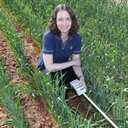 Catherine Patricia Denise Borger合作论文数6Ashmita Rijal Lamichhane合作论文数5Mechelle J. Owen合作论文数5Abul Hashem合作论文数5
 Stephen Powles合作论文数School of Agriculture and Environment, University of Western Australia4
 Paul B. Yeoh合作论文数Entomology, CSIRO;Private Bag;CSIRO Entomology4
 Michael Renton合作论文数CSIRO Sustainable Ecosystems4John K. Scott合作论文数Division of Entomology Private Bag, CSIRO4King Yin Lui合作论文数3
 Linda Thomson合作论文数Centre for Environmental Stress and Adaptation Research (CESAR),, University of Melbourne3Harmohinder Dhammu合作论文数2Glenn Adam合作论文数2Nerys Wilkins合作论文数2Siew Lee合作论文数2Art Diggle合作论文数2Aik Cheam合作论文数2
 Viet-Cuong Han合作论文数Dept Agr Chem, Chonnam Natl Univ2
 Michael Walsh合作论文数School of Life and Environmental Sciences, Faculty of Science, The University of Sydney2Lindbeck Kurt合作论文数2
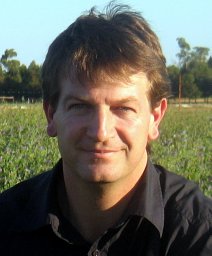 Rick S. Llewellyn合作论文数School of Agricultural and Resource Economics (M089), University of Western Australia2
 Philip E Vercoe合作论文数Animal Science;Faculty of Agriculture;University of Western;Faculty of Agriculture, University of Western2
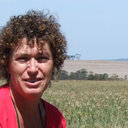 Sally Peltzer合作论文数2
 Paul Neve合作论文数Department of Plant and Environmental Sciences, University of Copenhagen2
 Lars G. Kamphuis合作论文数State Agricultural Biotechnology Centre, Murdoch University2Bob French合作论文数1Terry Piper合作论文数1Paul Matson合作论文数1B. J. Rayner合作论文数1J. R. Peirce合作论文数1a storrie合作论文数1s peltzer合作论文数1roger m mandel合作论文数1James Eklund合作论文数1Eric Koetz合作论文数1samantha childs合作论文数1Carolyn Graham-Taylor合作论文数1alister draper合作论文数1Christiaan Valentine合作论文数1
 Patrick Smith合作论文数Chicago Coll Dent, Univ Illinois1s h pathan合作论文数1Yuphin Khentry合作论文数1Michael Bunce合作论文数1Nicole M. White合作论文数1
 Darcy A B Jones合作论文数Ctr Crop & Dis Management, Curtin Univ1
 Katia Stefanova合作论文数1
 Mark Derbyshire合作论文数Department of Plant Biology and Crop Science, Rothamsted Research1




