Purpose Studies have shown seasonal variation in the incidence of epistaxis. However, this trend has not been evaluated in patients with left ventricular assist device (LVADs), who are at an increased risk for this frequent adverse event. We assessed the seasonality of epistaxis recurrence and its impact on mortality in LVAD patients. Methods We retrospectively reviewed 103 patients undergoing LVAD implantation from 2015-2020. Univariate and multivariate binary logistic regression analyses were used to evaluate predictors for mortality. Results 33 (32%) patients developed epistaxis; of these patients, 25 (75%) had recurrent events. The median time to event was 27 (10, 225) days post-implantation, and 67% of events occurred within 3 months. Fall and winter were the seasons with the most events (36% and 33%, respectively), while spring and summer had comparatively fewer events (18% and 12%, respectively). Patients with epistaxis in winter were most likely to have a recurrence (91%), followed by spring, summer, and fall (83%, 75%, and 58%, respectively). Winter implantation (OR 9.5; 95% CI 1.7-78.14) and age ≥ 58 years (OR 14.88; 95% CI 2.15-303.8) were significantly associated with mortality in LVAD patients with epistaxis (P <0.05 for both). These risk factors were independent predictors of mortality in multivariate analysis (Winter implant: OR 10.34; 95% CI 1.44-120; P = 0.03 and Age ≥ 58 years: OR 16.1; 95% CI 1.89-386; P = 0.03). Conclusion We found that the fall and winter seasons had an increased number of epistaxis events, which is consistent with the results of studies conducted in non-LVAD patient populations. Older patients with epistaxis are at an increased risk for mortality. Furthermore, the effect of winter implantation on mortality in epistaxis patients warrants further investigation. Larger, prospective studies should be done to validate these findings.
PurposeDue to their religious beliefs, Jehovah's Witnesses (JWs) do not accept blood products; consequently, these patients with end-stage heart failure frequently seek a center willing to perform bloodless left ventricular assist device (LVAD) implantation. We assessed the challenges JWs confront in obtaining access to care, based on our center's experience orchestrating bloodless LVAD implantation.MethodsWe retrospectively reviewed the medical records of 36 patients - 18 JWs and 18 non-JWs - undergoing LVAD implantation at our center.ResultsOur findings revealed that JWs travelled a significantly greater distance to receive treatment than non-JWs (median: 293 (107.75, 667.5) vs 32.5 miles (15.3, 74.5), P = 0.006). Pre-operative characteristics, including INTERMACS profiles and re-operative status at implant, were comparable between the two groups (P > 0.05 for all). However, all JWs underwent concomitant surgeries at the time of bloodless LVAD implantation, as compared to 67% of non-JWs (P = 0.019). Length of stay, discharge location, and peri-operative outcomes were not significantly different (P > 0.05). We found that JWs currently face barriers in the availability, appropriateness, preference, and timeliness of access to care (Figure 2). In particular, being refused implantation at centers nearer to their residence causes JWs to travel excessive distances in hopes of treatment; however, long-distance travel may prolong the time until treatment and may not be an option for patients with financial or logistical challenges.ConclusionOur center's experience has shown that JWs face unnecessary barriers in access to care, but they can be successfully operated on with the use of optimization protocols and open communication between the patient and care team. Further research is needed to elucidate the challenges JWs face in accessing care and identify potential solutions which balance ethical considerations with patient autonomy. Due to their religious beliefs, Jehovah's Witnesses (JWs) do not accept blood products; consequently, these patients with end-stage heart failure frequently seek a center willing to perform bloodless left ventricular assist device (LVAD) implantation. We assessed the challenges JWs confront in obtaining access to care, based on our center's experience orchestrating bloodless LVAD implantation. We retrospectively reviewed the medical records of 36 patients - 18 JWs and 18 non-JWs - undergoing LVAD implantation at our center. Our findings revealed that JWs travelled a significantly greater distance to receive treatment than non-JWs (median: 293 (107.75, 667.5) vs 32.5 miles (15.3, 74.5), P = 0.006). Pre-operative characteristics, including INTERMACS profiles and re-operative status at implant, were comparable between the two groups (P > 0.05 for all). However, all JWs underwent concomitant surgeries at the time of bloodless LVAD implantation, as compared to 67% of non-JWs (P = 0.019). Length of stay, discharge location, and peri-operative outcomes were not significantly different (P > 0.05). We found that JWs currently face barriers in the availability, appropriateness, preference, and timeliness of access to care (Figure 2). In particular, being refused implantation at centers nearer to their residence causes JWs to travel excessive distances in hopes of treatment; however, long-distance travel may prolong the time until treatment and may not be an option for patients with financial or logistical challenges. Our center's experience has shown that JWs face unnecessary barriers in access to care, but they can be successfully operated on with the use of optimization protocols and open communication between the patient and care team. Further research is needed to elucidate the challenges JWs face in accessing care and identify potential solutions which balance ethical considerations with patient autonomy.
Purpose Several studies report the negative consequences of tobacco smoking on ventricular assist device (VAD) patient outcomes, but it is not a contraindication for VAD implantation in destination therapy (DT) patients. This international survey seeks to assess the importance of smoking cessation in DT VAD recipients, as well as center support and strategies in place to achieve cessation Methods A survey was created using Survey Monkey® and sent to VAD centers worldwide. The survey consisted of 37 multiple-choice and open response questions. Results Of the 47 respondents, 18 (38%) centers implanted <50 LVADs per year, and 29 (62%) implanted >50 per year. Twenty-four (83%) larger-volume centers implant all patients indicated for DT regardless of smoking status, while five (17%) do not implant current smokers. Conversely, 14 (78%) smaller-volume centers implant all patients, while three (17%) do not implant current smokers, and one does not implant previous smokers. Twenty (69%) larger centers offered cessation programs prior to implant, as did 14 (78%) smaller centers. Twenty-three (79%) respondents from larger centers and 11 (61%) from smaller centers believed bridge-to-transplant (BTT) patients were more likely to achieve cessation than DT patients. Sixteen (55%) respondents from larger centers and 11 (61%) from smaller centers thought their center provides adequate support for cessation programs. Smaller centers were more likely to believe that tobacco smoking should be a deciding factor in DT evaluations (50% vs 21%, p = 0.055). Conclusion The importance of smoking cessation in DT VAD patients and the adequacy of center support varies by program. A considerable number of centers believed that tobacco smoking should be a deciding factor in DT evaluations. Open discussion regarding the role of tobacco cessation prior to LVAD implant should be encouraged. External confounder and sampling bias may affect these results, so further studies should be conducted for validation.
Purpose Decision aids have become a powerful tool in left-ventricular assist device (LVAD) therapy for patients with advanced heart failure. Despite the vast availability of decision aids, a paucity of research exists regarding the nature of the information that patients receive about living with the LVAD. This study describes the extent of the knowledge that patients should possess before making decisions to receive an implantable LVAD. Methods We employed a qualitative description method using the data generated by two open-ended questions on shared decision-making and lifestyle from an online survey (n=125). Of the 125 LVAD patients, 116 provided with at least one response for the two-item question appended in the parent study. Content analysis included the assessment of word repetitions, metaphors, and other thematic phenomena. Most participants were male (66.4%), caucasian (75%), married (70.7%), bridge-to-transplant (70.7%), and HeartMate II (86.2%) patients. Results Four overarching themes emerged from the analyses: 'choosing life or death,' 'forfeiting a normal lifestyle,' 'feeling insignificant,' and 'knowing what to expect.' Notable sub-themes that emerged included the following: 'powerlessness,' 'gratitude for life,' 'unknown complications,' 'physical restraints,' 'caregiver dependence,' 'manipulation,' 'false expectations,' 'self-guided care,' 'decision aids,' 'well-informed,' 'support system.' Conclusion We report a qualitative study featuring the largest sample size of its kind to date. Overall, patients were grateful for the life-saving nature of the LVAD, yet complications, along with poor support from the LVAD team, led some to feel unprepared for what was to come. Our study reinforces the need for decision aids and open communication regarding the lifestyle changes associated with LVAD therapy prior to implantation. The assistance of the care team is critical to ensuring patients make informed decisions and feel well-supported on these devices.
Purpose Patients with the HeartWare HVAD require careful medical management in order to maintain an INR within therapeutic range (2-3) and prevent thrombotic events. We compared the incidence of epistaxis in patients with the HVAD and HeartMate 3 using propensity score matching (PSM). Methods Ninety-eight patients implanted with a left ventricular assist device (LVAD) from 2015-2020 were included in this study. Patients were matched on the basis of baseline characteristics, including age, gender, body mass index (BMI), indication, etiology, concomitant procedures, and the right ventricular assist device (RVAD) usage. Results To our knowledge, this is the first study to perform a PSM comparison of epistaxis events in patients with the HVAD and HeartMate 3. After matching, there were no significant differences in any of the baseline characteristics between groups (P >0.05 for all). Patients with the HVAD were more likely to suffer from epistaxis than HeartMate 3 patients (43% vs 18%, P = 0.027), an absolute risk increase of 25% (95% CI 5.7-44.3%) and a number needed to harm of 4 patients (95% CI 2.3-17.6). In both the univariate and multivariate analyses, HVAD usage was significantly associated with epistaxis (P <0.05). Independent predictors of epistaxis were found to be HVAD usage (OR 3.39, 95% CI 1.13-11.15, P = 0.034) and out of range INR at discharge (OR 7.16, 95% CI 2.46-23.09, P <0.001). Out of range INR was also associated with a significantly longer length of stay (P = 0.01). Between patients with the HVAD and those with the HeartMate 3, there were no significant differences in length of stay, survival, and whether INR at discharge was in therapeutic range (P >0.05 for all). Conclusion Patients with the HVAD may be at a greater risk for developing epistaxis than those with the HeartMate 3. However, other outcomes such as length of stay and survival are comparable. Prospective, multi-center studies should be done to accurately assess the impact of device type on clinical outcomes following LVAD implantation.
Purpose Graft rejection remains a significant complication following cardiac transplantation. As infection results in elevated immune system activity, we hypothesized that acute rejection events would be more common following infectious exposures and during the winter respiratory virus season. Methods Patients were included who underwent cardiac transplantation at our center in the Midwest, between January 1st, 2014 and December 31st, 2017. The composite endpoint consisted of antibody mediated rejection (AMR), donor specific antibodies (DSA), heart failure readmissions, and death within two years. Infectious events collected during readmissions included a primary infectious diagnosis, positive respiratory virus panel, and other diagnosed or treated infections excluding BK, CMV, and EBV. Results We analyzed 115 patients meeting inclusion criteria. The primary composite endpoint was met by 69 patients (60%). Pre-transplant PRA Class 1 was associated with the composite endpoint (HR 1.03, 95% CI 1.003-1.05, p<0.05). Overall, 85 patients (73.9%) had an infectious event. Twenty two of 69 patients (32%) meeting the composite endpoint had an infectious event within 6 months prior to the endpoint. Incidence of the composite endpoint and secondary endpoints did not vary by season (p>0.05). However, patients transplanted during winter - defined as January to March - had worse survival when compared to a composite of other seasons (2-year survival: 75% vs 88.7%, p=0.014) (Figure 1). Freedom from the composite endpoint was not associated with whether a patient had an infectious event (p>0.05). Conclusion Our study did not show any association between infectious exposure and rejection following cardiac transplantation. However, this analysis was likely underpowered to determine this association and national studies are needed.
PurposeCurrently more than 7,000 patients with heart failure are supported with LVADs. Few patients with LVADs undergo dental procedures and are at risk of bleeding due to their anticoagulation/antiplatelet medication profile and acquired VWF deficiency. Many centers follow the AHA guidelines for the prophylaxis of bacterial endocarditis in patients with prosthetic devices. Though these guidelines are comprehensive, they do not specifically address prophylactic recommendations for patients with LVADs. We would assume that these guidelines hold true for LVADs; however there is no current evidence.Methods and MaterialsTo assess the risk of infections and bleeding complications during dental procedures in patients with LVADs, we designed a protocol based pilot study of LVAD patients using the AHA guidelines. We followed 19 patients respective clinical course for administration of preprocedural antibiotics, continuation of their anticoagulation/antiplatelet medication, episodes of infective endocarditis, bacteremia, dental abscess, and bleeding episodes till six months after the procedure.Results[figure 1]ConclusionsThere was no increased risk of infections (dental abscess, pneumonia, infective endocarditis, and bacteremia) and no bleeding complications when the designed protocol was followed. Currently more than 7,000 patients with heart failure are supported with LVADs. Few patients with LVADs undergo dental procedures and are at risk of bleeding due to their anticoagulation/antiplatelet medication profile and acquired VWF deficiency. Many centers follow the AHA guidelines for the prophylaxis of bacterial endocarditis in patients with prosthetic devices. Though these guidelines are comprehensive, they do not specifically address prophylactic recommendations for patients with LVADs. We would assume that these guidelines hold true for LVADs; however there is no current evidence. To assess the risk of infections and bleeding complications during dental procedures in patients with LVADs, we designed a protocol based pilot study of LVAD patients using the AHA guidelines. We followed 19 patients respective clinical course for administration of preprocedural antibiotics, continuation of their anticoagulation/antiplatelet medication, episodes of infective endocarditis, bacteremia, dental abscess, and bleeding episodes till six months after the procedure. [figure 1] There was no increased risk of infections (dental abscess, pneumonia, infective endocarditis, and bacteremia) and no bleeding complications when the designed protocol was followed.
PurposePatients (pts) with LVADs are challenging with issues relating to transition of care and reducing hospital length of stay. However, in severely debilitated patients this can involve transitioning to long term care facilities, subacute and acute rehabilitation facilities. Currently, there are few centers that accept patients with LVADs which indirectly affect hospital length of stay (LOS). We report the outcomes including: LOS at acute rehab facility, adverse event rate, incidence and reason for rehospitalization in a small cohort of patients discharged to acute rehabilitation facility (rehab).Methods and MaterialsA retrospective review of patients who were discharged to rehab from January of 2009 till October of 2012. A total of 162 LVADs were performed with 42 admissions to rehab.ResultsThe average LOS at rehab was around 14 days without any significant difference between patients with Heart Mate (HM) II and heart ware devices. There were 12 patients transferred back to our hospital with no deaths at rehab. 30 admissions were discharged home. Patients with heart ware devices had fewer rehospitalizations compared to patients with HM II devices. Reasons for rehospitilization included GI bleeding (8 pts), Arryhthmia (1 pts) and Sepsis (3 pts). [figure 1]ConclusionsPatients with LVADS can be safely transitioned to an acute rehab facility with the majority of patients successfully discharged home. There were no deaths, device failures, or strokes during the rehab stay. The average LOS at rehab was 14 days. There were 12 patients readmitted to our hospital and the most common reason being anemia due to gastrointestinal bleed. Patients (pts) with LVADs are challenging with issues relating to transition of care and reducing hospital length of stay. However, in severely debilitated patients this can involve transitioning to long term care facilities, subacute and acute rehabilitation facilities. Currently, there are few centers that accept patients with LVADs which indirectly affect hospital length of stay (LOS). We report the outcomes including: LOS at acute rehab facility, adverse event rate, incidence and reason for rehospitalization in a small cohort of patients discharged to acute rehabilitation facility (rehab). A retrospective review of patients who were discharged to rehab from January of 2009 till October of 2012. A total of 162 LVADs were performed with 42 admissions to rehab. The average LOS at rehab was around 14 days without any significant difference between patients with Heart Mate (HM) II and heart ware devices. There were 12 patients transferred back to our hospital with no deaths at rehab. 30 admissions were discharged home. Patients with heart ware devices had fewer rehospitalizations compared to patients with HM II devices. Reasons for rehospitilization included GI bleeding (8 pts), Arryhthmia (1 pts) and Sepsis (3 pts). [figure 1] Patients with LVADS can be safely transitioned to an acute rehab facility with the majority of patients successfully discharged home. There were no deaths, device failures, or strokes during the rehab stay. The average LOS at rehab was 14 days. There were 12 patients readmitted to our hospital and the most common reason being anemia due to gastrointestinal bleed.
PurposePatient selection is a key determinant of outcomes after left ventricular assist device (LVAD) implantation. Educational level and insurance aspects may frequently influence the decision to implant LVAD. We evaluated the impact of insurance and education level on outcomes post-LVAD implantation.Methods and MaterialsCardiac Surgery database from a single center was retrospectively reviewed for LVADs implanted between 2008 and 2011. Demographics (age, gender, insurance, race etc.) and perioperative clinical information were obtained from same database as well as hospital medical records. Univariate statistics and Kaplan-Meier curves were used to analyze impact of education level and type of insurance on early post-operative outcomes and mid-term survival.ResultsOf 119 patients (55.1+12.7 years, 86 males) enrolled during the time period, 41 (34.5%) had commercial insurance, 65 (56.6%) Medicare and 8 (6.7%) had Medicaid. Of all, 56 (47.5%) were high school graduates, 21 (17.8%) were college graduates and 41 (34.7%) had less than high school/no education. Education level and type of insurance was not significantly different in patients having post-operative complications of driveline infection, bleeding and readmissions (p-values>0.05). Mid-term survival stratified by education level and type of insurance (figure 1) was comparable (p>0.05).ConclusionsEducation level and type of insurance in LVAD patients were not predictors of early adverse post-operative outcomes and overall mid-term survival. Therefore, education level and type insurance should not be contraindications for referral or decision to proceed for LVAD implantation. Patient selection is a key determinant of outcomes after left ventricular assist device (LVAD) implantation. Educational level and insurance aspects may frequently influence the decision to implant LVAD. We evaluated the impact of insurance and education level on outcomes post-LVAD implantation. Cardiac Surgery database from a single center was retrospectively reviewed for LVADs implanted between 2008 and 2011. Demographics (age, gender, insurance, race etc.) and perioperative clinical information were obtained from same database as well as hospital medical records. Univariate statistics and Kaplan-Meier curves were used to analyze impact of education level and type of insurance on early post-operative outcomes and mid-term survival. Of 119 patients (55.1+12.7 years, 86 males) enrolled during the time period, 41 (34.5%) had commercial insurance, 65 (56.6%) Medicare and 8 (6.7%) had Medicaid. Of all, 56 (47.5%) were high school graduates, 21 (17.8%) were college graduates and 41 (34.7%) had less than high school/no education. Education level and type of insurance was not significantly different in patients having post-operative complications of driveline infection, bleeding and readmissions (p-values>0.05). Mid-term survival stratified by education level and type of insurance (figure 1) was comparable (p>0.05). Education level and type of insurance in LVAD patients were not predictors of early adverse post-operative outcomes and overall mid-term survival. Therefore, education level and type insurance should not be contraindications for referral or decision to proceed for LVAD implantation.
 Umar Siddiqi合作论文数7Valluvan Jeevanandam合作论文数Department of Surgery, The University of Chicago6S. Pinney合作论文数3
 Kelly McCants合作论文数3
 Emma Birks合作论文数2Lee Alan Wei Min合作论文数2
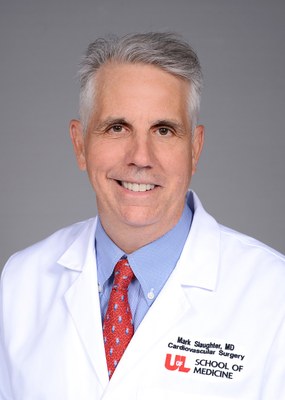 Mark S. Slaughter合作论文数Department of Cardiovascular and Thoracic Surgery, School of Medical, University of Louisville2
 William Cohen合作论文数From the Department of Medicine, University of Oregon Medical School2T. Baker合作论文数1k vessels合作论文数1T. Symalla合作论文数1T. Riley合作论文数1C. LaBuhn合作论文数1
 N. Rasheed合作论文数1L. Lourenco合作论文数1J. Cruz合作论文数1J. Powers合作论文数1E. Gonzales合作论文数1S. Rhode合作论文数1
 Kelli Hu合作论文数1Ramesh Singh合作论文数1Corinne Stonebraker合作论文数1
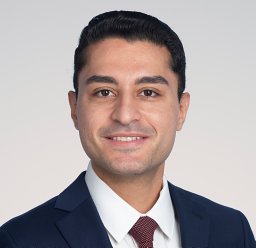 Saeid Mirzai合作论文数Department of Internal Medicine, Cleveland Clinic Foundation1
 Jessie Casida合作论文数Department of Nursing, Eleanor Mann School of Nursing, College of Education and Health Professions, University of Arkansas1
 Gene Kim合作论文数Department of Medicine, The University of Chicago1
 Yolanda Tai Becker合作论文数Transplant Solutions, LLC1
 Jaimin R Trivedi合作论文数Division of Thoracic and Cardiovascular Surgery, University of Louisville1
 Catherine Murks合作论文数1
 Grinstein Jonathan合作论文数University of Chicago Medical Center1Lenneman Andrew J合作论文数1Michael a Sobieski合作论文数1Emma J Birks合作论文数1




