In a case of constrictive pericarditis post coronary artery bypass surgery we describe the diastolic compression of venous and arterial conduits and the timing of compression, as demonstrated during angiography, before and after pericardiectomy. In conclusion, angiographic demonstration of conduit compression is only suggestive of constriction, and consideration of the timing of compression during diastole should be a more specific sign.
PURPOSE:Cholelithiasis may be present concomitantly with cardiac disease. We performed a retrospective study to verify the safety and efficacy of synchronous cholecystectomy and open heart surgery.METHODS:Between 1999 and 2004, we performed synchronous cholecystectomy and open heart surgery in nine patients (group A) and open heart surgery alone in 1248 patients (group B). Open heart surgery was performed with open cholecystectomy (OC) in seven (77.7%) patients and with laparoscopic cholecystectomy (LC) in two (22.2%) patients. One patient with unstable angina and acute cholecystitis underwent simultaneous procedures. The indications for open heart surgery were coronary artery disease in eight (88.8%) patients and severe aortic stenosis in one (11.2%) patient.RESULTS:In group A, the mean number of bypass grafts performed was 2.5 +/- 0.5, the mean operative time was 348.4 min, and patients remained intubated for 25.7 +/- 6.7 h. The mean intensive care unit (ICU) stay was 4.1 +/- 1.6 days and the mean postoperative hospital stay was 19.2 +/- 5.7 days. There was a significant difference between the two groups in these two variables. No intra-abdominal complications or mediastinitis occurred in the immediate postoperative period in the setting of concomitant procedures and the mortality rate was zero.CONCLUSION:Synchronous cholecystectomy and open heart surgery can be performed safely in selected patients.
Congenital coronary artery fistulas account for only 0.27%-0.4% of all congenital cardiac defects. We report a case of a right coronary artery (RCA) to a right ventricular(RV) fistula found in 14-year-old girl with clinical signs of heart failure. Echocardiography and cardiac catheterization showed the fistula and a dilated RCA with a diameter of 10 mm. Operative intervention was required, so we performed intracardiac closure of the ventricular fistulous opening under cardiopulmonary bypass (CPB). The patient recovered uneventfully. This method of closure spares the involved coronary artery and is associated with a low risk of recurrence or residual fistula.
BACKGROUND:Intestinal ischemia/reperfusion (I/R) results in local mucosal injury, systemic injuries, and organ dysfunction. These injuries are characterized by altered microvascular and epithelial permeability and villous damage. Activation of neutrophils, platelets, and endothelial factors are known to be involved in this process. Cytokines such as TNF-alpha, IL-1, IL-6, and oxygen-derived free radicals are believed to be important pathogenic mediators. Capillary no-reflow is also known to play a role in I/R. The aim of our study was to examine the role of L-arginine, a known nitric oxide (NO) donor, and aprotinin, a protease inhibitor with multiple effects, on intestinal I/R. METHODS:Pigs weighing 20-25 kg were used. Ischemia was established by clamping the superior mesenteric artery (SMA) at its origin and was sustained for 2 hours. Duration of reperfusion was 2 hours. The animals were divided into four groups: group A, the control group, which was submitted to I/R injury only; group B, in which L-arginine was administered at a rate of 5 mg/kg/min during ischemia and continuing throughout reperfusion; group C, in which aprotinin was administered with an initial bolus dose of 20,000 U/kg during ischemia followed by a continuous dose at 50 U/hour throughout reperfusion; and group D in which both substances were administered. In all groups TNF-alpha, IL-1, and IL-6 levels were measured using ELISA at baseline, 2 hours of ischemia, and 1 hour and 2 hours of reperfusion. SMA blood flow was measured with a Doppler probe at baseline, 10 min, 1 hour, and 2 hours of reperfusion. Histological changes of the intestinal mucosa were examined and graded on a five-point scale in all groups. RESULTS:In the control group, levels of TNF-alpha, IL-1, and IL-6 were significantly increased during reperfusion (p < 0.05) compared to baseline. Administration of L-arginine and aprotinin led to suppression of the release of TNF-alpha, IL-1, and IL-6 during reperfusion in a statistically significant manner (all p < 0.05). A synergistic or additive effect of L-arginine and aprotinin was not observed. SMA blood flow in the control group was decreased (p > 0.05) during reperfusion compared to baseline. In animals treated with L-arginine and aprotinin, SMA blood flow during reperfusion was significantly increased (p < 0.05) compared to the control group. Histologic examination of the intestinal mucosa was characterized by flattening of the villi and necrosis in the control group. In the treated animals, less severe histological changes were noted. CONCLUSIONS:Administration of L: -arginine and aprotinin may lead to amelioration of intestinal I/R injury. We did not note a synergistic or additive effect of these two substances. These findings warrant further studies in clinical settings for future treatment efforts.
We describe the case of a 40-year-old man who presented with an ascending aortic aneurysm and aortic valve regurgitation. The patient underwent a Bentall surgical procedure. Pathologic findings were consistent with giant cell aortitis with synchronous cartilaginous and osseous metaplasia with bone marrow formation in the degenerated aortic valve. The coexistence of these findings has not been previously reported in the English language literature.
Recent studies suggest that pulmonary vein isolation can be an effective method of treatment for atrial fibrillation. This procedure can be performed with minimally invasive, totally endoscopic cardiac surgical techniques. We report our first successful endoscopic isolation of the pulmonary veins in a patient with paroxysmal atrial fibrillation. The procedure consisted of making a box lesion around the pulmonary veins, using a flexible microwave energy delivery probe which was placed endoscopically (video assisted thoracoscopy) through three ports, bilaterally. During a six-month follow up there was no recurrence of atrial fibrillation and the patient's quality of life improved significantly.
We report a rare case of coexistent pheochromocytoma and abdominal aortic aneurysm (AAA). The patient was a 72-year-old man who presented to the Emergency Department with severe dyspnea and hypertension. Physical examination revealed a pulsatile mass in his abdomen. A computed tomography scan, done after pharmacological treatment of his symptoms, showed a thoraco-AAA and a left adrenal mass. His urinary vanylmandelic acid and metanephrine levels were found to be elevated, strongly indicative of a diagnosis of pheochromocytoma. We gave the patient phenoxybenzamine, an α-blocker, preoperatively, then resected the adrenal mass and repaired the AAA. The patient had an uneventful recovery. The diagnosis of pheochromocytoma was confirmed histologically. To our knowledge, this is the first reported case of elective resection of both these lesions.
Non-CpG methylation of cytosine residues, a mechanism associated with regulation of gene expression, has not been investigated in human cancer until now. Analysis of the p53 exon 5 mutation spectrum in mutation databases for lung cancer reveals frequent GC>AT transitions, several of which occur at non-CpG sequences. To investigate the involvement of cytosine methylation in this mutagenesis process, we analyzed the methylation profile of p53 exon 5, in lung carcinoma. In this report, we present evidence that extensive clustered non-CpG methylation is observed in three regions of this exon, namely the sequences spanning codons 156-159, 175-179 and the 3' splice site, as well as in scattered CpA sequences. This methylation pattern was verified using direct methylation sequencing, and a two-stage methylation-specific PCR assay (MSP), designed for the detection of methylation in a GC rich region (oligo C sequence, of codons 175-179) of exon 5. The results from this MSP assay reveal that DNA from cancerous specimens was more heavily methylated in non-CpG cytosines, compared to that from non-cancerous lung tissue of cancer patients (14/19 cancerous and 6/19 non-cancerous, respectively). DNA isolated from human leucocytes and some non-cancerous specimens (2/19) was free of non-CpG methylation. Careful analysis of the mutations reported in p53 mutation databases also provides corroborating evidence that the high incidence of GC>AT mutations in the p53 gene, observed in lung cancer, might also be related to non-CpG methylation, as well as to the overall increase of methylation sites in this locus.
We describe two cases with iatrogenic left main coronary artery stenosis where a symptomatology of unstable angina appeared within three months of aortic valve replacement surgery. One patient was treated with aortocoronary bypass and the other with angioplasty and stenting.
The purpose of this study was the evaluation of Morlet wavelet analysis of the P wave as a means of predicting the development of atrial fibrillation (AF) in patients who undergo coronary artery bypass grafting (CABG). The P wave was analyzed using the Morlet wavelet in 50 patients who underwent successful CABG. Group A consisted of 17 patients, 12 men and 5 women, of mean age 66.9 +/- 5.9 years, who developed AF postoperatively. Group B consisted of 33 patients, 29 men and 4 women, mean age 62.4 +/- 7.8 years, who remained arrhythmid-free. Using custom-designed software, P wave duration and wavelet parameters expressing the mean and maximum energy of the P wave were calculated from 3-channel digital recordings derived from orthogonal ECG leads (X, Y, and Z), and the vector magnitude (VM) was determined in each of 3 frequency bands (200-160 Hz, 150-100 Hz and 90-50 Hz). Univariate logistic-regression analysis identified a history of hypertension, the mean and maximum energies in all frequency bands along the Z axis, the mean and maximum energies (expressed by the VM) in the 200-160 Hz frequency band, and the mean energy in the 150-100 Hz frequency band along the Y axis as predictors for post-CABG AF. Multivariate analysis identified hypertension, ejection fraction, and the maximum energies in the 90-50 Hz frequency band along the Z and composite-vector axes as independent predictors. This multivariate model had a sensitivity of 91% and a specificity of 65%. We conclude that the Morlet wavelet analysis of the P wave is a very sensitive method of identifying patients who are likely to develop AF after CABG. The occurrence of post-CABG AF can be explained by a different activation pattern along the Z axis.
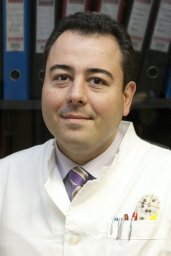 Antonitsis Polychronis合作论文数Cardiothoracic Department, AHEPA University Hospital4
 Nicholas Charokopos合作论文数3Constantine P. Spanos合作论文数Department of Surgery, Aristotelian University3
 Efthymia Rouska合作论文数2Christos Papakonstantinou合作论文数2
 Stavros Hadjimiltiades合作论文数2Georgios Tzimagiorgis合作论文数1G. Dakos合作论文数1
 Theodoros Karamitsos合作论文数1Christos Tsilikas合作论文数1Nikolaos Harokopos合作论文数1
 V. Vassilikos合作论文数Dept Cardiol 3, Aristotle Univ Thessaloniki1
 Kyriakos Anastasiadis合作论文数Cardiothorac Dept, Aristotle Univ Thessaloniki1
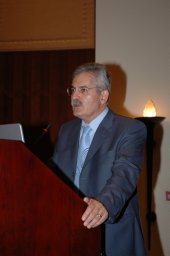 Styliadis Ioannis H合作论文数AHEPA University Hospital, Aristotle University of Thessaloniki1
 Nicos Maglaveras合作论文数Lab of Computing, Medical Informatics and Biomedical Imaging Technologies, Aristotle University of Thessaloniki1Christos Papaconstantinou合作论文数1
 Ioanna Chouvarda合作论文数Lab Med Informat, Aristotle Univ Thessaloniki1Afroditi Dimitriadou合作论文数1E. Rouska合作论文数1George Karayannis合作论文数1
 John Skoularigis合作论文数1
 Filippos Triposkiadis合作论文数1
 Sofia Kouidou合作论文数1George Lekkas合作论文数1Haralambos Karvounis合作论文数1Elisavet Georgiou合作论文数1Labros A. Karagounis合作论文数1
 Theodora Katopodi合作论文数Aristotle University of Thessaloniki1Ioannis Moros合作论文数1George E Louridas合作论文数1Michael Karamouzis合作论文数1Georgios E. Louridas合作论文数1S. Mochlas合作论文数1




