Objectives: Social Support plays a key role in family caregiving for people living with dementia. The extent and predictors of perceived social support during early transitions of care among caregivers in the Indian context have not been well explored. This study aimed to explore the extent of social support perceived by the family caregivers of people with dementia during their first hospitalisation. Materials and Methods: In total, 55 patients with dementia and their caregivers, receiving inpatient treatment at a tertiary hospital in South India, were recruited for the study from September 2023 to October 2024. Consenting participants were interviewed with the help of a socio-demographic questionnaire, the Clinical Dementia Rating Scale (CDR) to assess severity, the Disability Assessment for Dementia (DAD) to assess disability, and the Multidimensional Perceived Social Support Scale (MPSS) to assess social support. The STROBE guidelines were followed to report the study. Results: Mean age of persons with dementia was 62.58±9.23 years, and 34(61.8%) participants had the illness duration of more than one year at the time of admission. Dementia severity, assessed with the CDR, was moderate (1.75 ± 0.8), and disability, assessed with the DAD, had a mean score of 11.45 ± 9.136. Family caregivers of persons with dementia received moderate social support during hospitalisation (4.86±1.23). Family caregivers’ occupation, socioeconomic status, and place of residence were predictors of their social support, with private employees in the middle socioeconomic status perceiving more support. Conclusion: The social support provided by family caregivers to people with dementia needs improvement, particularly in the use of assistance and support from significant others. Psychosocial interventions can pay special attention to caregivers’ occupations and educational levels, as well as to caregivers residing in urban and rural areas, to ensure better care.
Abstract Background Neurological disorders are leading causes of disability and death, with disproportionate burden in low- and middle-income countries. The World Health Organization’s Intersectoral Global Action Plan on Epilepsy and Other Neurological Disorders prioritises awareness, risk reduction and strengthened care pathways within a life-course brain health agenda. Objective To describe the design, implementation strategies and outputs of the Karnataka Brain Health Initiative (KaBHI) pilot’s brain health promotion and awareness component. Methods This TIDieR-informed descriptive implementation report (Perspective) summarises activities delivered January 2022–May 2023 in three districts of Karnataka, India. Programme documents and monitoring records were synthesised for rationale, audiences, materials, delivery channels, settings, implementers and activity-level outputs, interpreted using selected RE-AIM domains. Results KaBHI developed Kannada- and English-language information, education and communication materials addressing selected neurological conditions and brain health messages. Delivery used radio and YouTube dissemination, public ambassador engagement, theme-based awareness days, community screening camps, participatory DrumJam sessions, school and workplace outreach, and frontline health-worker sensitisation. Outputs included ~ 800 World Brain Day participants (250 dementia-screenings); 467 screened on World Stroke Day (101 requiring counselling/referral; 63 referred, including 27 aged < 30 years); > 150 World Alzheimer’s Day participants; 12 DrumJam sessions (~ 200 participants); and > 1,000 community camp attendees. Indirect reach via broadcast and online posting was documented; deduplicated reach and longitudinal outcomes were not consistently available. Conclusion KaBHI demonstrates a feasible pilot-scale multisectoral approach to embedding brain health promotion within a state neurological public health initiative, supporting future evaluation of reach, equity, stigma, care-seeking, referral completion, rehabilitation uptake and longer-term outcomes.
INTRODUCTION:Neurologic disorders contribute significantly to the global burden of diseases and especially have major consequences for children. Many paediatric neurologic conditions are chronic, causing disability, requiring multiple hospitalisations, and leading to significant psychosocial challenges. The constant health care visits can be distressing to the children. METHODOLOGY:Using an exploratory research design, this study aimed to understand the experiences of children receiving inpatient care for neurologic disorders in a tertiary care hospital. Data were elicited through interviews guided by a picture-based tool developed by the researcher, and the interviews were thematically analysed. RESULTS:The participants were in the age group of 8-14 years, both male and female. The overarching theme that came out from the interviews was 'the illness and the hospital world'. Under this, major themes elicited were the illness, hospitalisation as an unpleasant event, disrupted normalcy and no end in sight. CONCLUSION:The study highlights the need to pay attention to the child-patient. Children are often invisible in health care interactions, with the conversations happening over their heads. The findings point towards the need for being sensitive to the children's experiences while in hospital and to focus on psychosocial care during hospitalisation and beyond for children with neurologic disorders.
Background and Objectives: Amyotrophic lateral sclerosis (ALS) is a progressive neurodegenerative disorder with a high symptom burden and limited survival. Little is known about the terminal phase experiences, symptom prevalence, and end-of-life care patterns of people with ALS (PALS) in India. This study aimed to assess terminal events and caregiver-reported outcomes in PALS to identify gaps in ALS care delivery in India. Methods: A cross-sectional telephonic survey was conducted among bereaved caregivers of PALS enrolled in the Neuropalliative and Supportive Care project between December 2021 and May 2024. A structured, validated questionnaire was used to collect data on demographics, terminal-phase symptoms, medical interventions, and the nature of death as perceived by primary caregivers. Descriptive statistics and appropriate statistical analyses were performed. Results: A total of 130 caregivers participated in the survey; the majority (57.7%) were sons or daughters. Among the 130 PALS, 76 (58.5%) were men; 56.2% had limb onset and 43.8% had bulbar onset. The mean age at death was 53.5 ± 11.4 years. Most patients (57.7%) died at home, and 29.2% experienced sudden death. Patients who died in the hospital were more likely to be on invasive mechanical ventilation (P < 0.001). The most common terminal symptoms were breathlessness (79.2%), excessive oral secretions (54.6%), followed by anxiety or restlessness (44.6%). Only 20% received bilevel positive airway pressure, and 25.4% were on percutaneous endoscopic gastrostomy. A significant association was found between bulbar onset and assisted feeding (P = 0.002). Conclusions: This study highlights the need for proactive, community-integrated palliative care services and emphasizes the urgency of early intervention and caregiver support to improve end-of-life experiences in PALS in India.
Mutations in the superoxide dismutase 1 (SOD1) gene are a predominant, genetic cause of amyotrophic lateral sclerosis (ALS). Given the marked variability in SOD1 variant prevalence and clinical manifestations across global populations, this study aimed to characterize the genetic and clinical profile of SOD1-associated ALS (SOD1-ALS) in a large cohort of Indian patients. Whole-exome sequencing (WES) was performed for the retrospective cohort, along with comprehensive bioinformatic analyses and interpretation of genetic variants. Data were analyzed using descriptive statistics and Kaplan–Meier survival analysis to assess clinical and survival outcomes. Among 765 individuals who underwent WES, 37 probands (4.8
Objectives: One of the major distressing symptoms related to Amyotrophic Lateral Sclerosis (ALS) is excessive drooling of saliva, also termed sialorrhoea. Evaluating its prevalence and severity among Indian patients with ALS is essential for understanding the magnitude and impact of the problem. A crosssectional survey was conducted to estimate the prevalence and severity of sialorrhoea among individuals diagnosed with ALS. We also intended to assess the current pharmacological management practice for sialorrhoea in ALS patients. Materials and Methods: Patients with ALS enrolled in the Neuropalliative Registry of a quaternary care centre for neurological disorders were included in the study. As part of routine follow-up, telephonic interviews were conducted with either the patients or their next of kin. The extent of sialorrhoea was assessed using the sialorrhoea scoring scale. Results: Seventy patients were included in the study. The mean age at presentation was 51.8 (standard deviation [SD]-12.8) years. The majority were males (74.3%). The mean duration of illness was 21.6 (SD 15.7) months. The majority (80%) had limb onset ALS. Forty per cent of the patients in the study had some degree of sialorrhoea. Mild drooling was present in 15 patients (21.4%), moderate in 9 (12.9%), severe in 2 (2.9%) and profuse drooling in another 2.9% of patients. A total of 9 patients (12.9%) were receiving anticholinergic medication. Patients diagnosed with bulbar onset ALS had a significantly greater degree of sialorrhoea than those with limb onset presentation (P = 0.008). In addition, a longer duration of illness showed a positive correlation with the severity of sialorrhoea (r = 0.30, P = 0.012). Conclusion: Sialorrhoea is a prevalent and clinically significant symptom in individuals with ALS. The severity of sialorrhoea is greater in patients with bulbar onset ALS and tends to increase with longer illness duration. A substantial proportion of patients may benefit from recommended treatment for excessive salivation and saliva-related issues. This study underscores the need for screening of distressing symptoms as sialorrhoea, in ALS patients. The treating teams need to have a heightened awareness regarding the same so that treatment options can be offered to the patients.
Impaired vision and hearing (sensory impairment) are common among elders, particularly those with cognitive impairment or dementia. The resulting difficulties with communication, daily functioning and social interactions reduce quality of life for affected persons and their families. Despite recent focus on providing sensory care for elders, this is often a neglected issue due to stigma, limited resources, and logistical barriers particularly in low-and middle-income countries. The COVID-19 pandemic further reduced access to sensory care services, creating additional barriers for community-dwelling elders and their carers. This qualitative study examined the impact of sensory impairment in elders with cognitive impairment or dementia in India from the family carer perspective, with a focus on how it affects quality of life, care provision as well as barriers to obtaining sensory care. Data were collected in focus group discussions with family carers of elders with cognitive impairment or dementia. Participants had a wide range of educational and socioeconomic backgrounds, ensuring both depth and breadth in the data. Inductive qualitative content analysis was conducted to derive themes related to carers’ perceptions, experiences and recommendations. Three focus groups with 13 carers were interviewed in 2023/24. Five themes (ageing, sensory functions, elder care, quality of life and the COVID-19 pandemic) highlight the issues faced by the elders and their carers due to impaired social interactions and communication, difficulties adapting to sensory loss, as well as barriers to accessing sensory care and services during and after COVID-19. Participants also provided suggestions on how to increase public awareness and service provision for this segment of the older population. Addressing vision and hearing loss is vital to ensure the quality of life for elders, particularly those with cognitive impairment or dementia, and their families. Findings highlight the need for community-based care models and targeted interventions to address gaps in sensory care services for these elders, especially during public health crises.
Parkinson’s disease (PD) is a chronic neurodegenerative disorder, characterised by the presence of both motor and non-motor symptoms. Manifestation of both motor and non-motor symptoms may impact the quality of life of persons with PD. Numerous pharmacological and non-pharmacological treatment modalities have been proposed to enhance the quality of life, and dance is one of them. Dance Movement Therapy (DMT) is a form of psychotherapy that facilitates the person’s physical, psychological, cognitive and emotional growth and enhances the quality of life. An extensive data search was carried out in PubMed, Web of Science, EBSCOhost, Scopus, ProQuest, Science Direct, and Google Scholar and extracted and synthesised 13 studies. Most of the studies targeted both motor and non-motor symptoms of PD, and it was found that DMT effectively reduces the burden related to the symptoms and improves quality of life.
The chronic and degenerative nature of Parkinson's' Disease (PD) can have significant impact on Persons with Parkinson's disease (PwPD). Non-pharmacological interventions contribute substantially to enhance their well-being. Dance movement therapy (DMT) is a psychotherapeutic intervention that involves coordinated movement, which improves well-being. Little is known about the multidisciplinary professionals' perceptions on DMT in PD management. This qualitative inquiry attempted to explore the perspectives of healthcare professionals about DMT in PD. A semi-structured schedule was used to interview seventeen interdisciplinary team members. Thematic analysis was done to capture the themes and five major themes have emerged from the data. The study found that healthcare professionals perceive DMT to influence different aspects of recovery, such as motor functioning and psychological well-being, but the uptake may be limited by the sociocultural aspects and limited understanding of DMT. Better Awareness of DMT among this group will aid inclusion of this intervention in rehabilitation in PD.
OBJECTIVES:Myofibrillar myopathy (MFM) is a group of hereditary neuromuscular disorders with heterogenous manifestations in skeletal and cardiac muscles. Little is known about phenotype-genotype spectrum of MFM in Indian population. This study aims to characterize the clinico-genetic spectrum of 12 MFM ptients from India. METHODS:A detailed description of the clinical, radiological and mutation spectrum of genetically confirmed MFM patients were done. RESULTS:The M:F ratio was 3:1. Median age of onset, presentation and illness duration were 20 (range: birth - 57 years), 31.5 (range: 6-59 years) and 9 (range: 1 - 28 years) years, respectively. Consanguinity was noted in n = 3 (25%) and motor developmental delay in n = 2 (16.7%). Clinical features noted include ptosis (n = 5, 41.7%) and ophthalmoparesis (n = 3, 25%), bifacial weakness (n = 3, 25%), flaccid dysarthria (n = 3, 41.7%), neck weakness (n = 5, 41.7%), limb-girdle weakness (n = 5, 41.7%), foot drop (n = 1, 8.3%), distal upper limb weakness (n = 2, 16.7%), proximo-distal weakness (n = 5, 41.7%), exertional dyspnoea (n = 4, 33.3%) and joint contractures (n = 8, 66.7%). Cardiac involvement (n = 4, 33.3%) including restrictive, dilated, hypertrophic cardiomyopathy. Median creatine kinase level was 884U/L (range: 347 - 3070 U/L). Muscle biopsy revealed reduced/absent sarcoplasmic desmin expression. Muscle MRI in three patients with predominant fatty infiltration in gluteus maximus and minimus, sartorius, gracilus and semitendinosus in DES; anterior and posterior compartments of distal legs in CRYAB; glutei, hamstrings, adductors of hip and legs with relative sparing of quadriceps, adductor magnus, medial gastrocnemius and peroneal muscles in TTN. Next generation sequencing (NGS) showed the most common gene involved is DES (n = 7, 58.3%) followed by other genes such as HSPB8 (n = 1), FLNC (n = 1), CRYAB (n = 1), LDB3 (n = 1) and TTN (n = 1). CONCLUSIONS:This is the first study on clinic-genetic features of MFM from India. The various novel phenotypes noted in our cohort include: CRYAB with late symptom onset without cardiac or bulbar involvement, LDB3 with early onset limb girdle syndrome, ptosis and FLNC with distal myopathy and cardiomyopathy and HSPB8 with limb girdle syndrome and ptosis, further expanding the phenotypic spectrum of MFM.
Dementia is a neurodegenerative condition that progressively impairs cognitive and functional abilities, significantly affecting the quality of life. People living with dementia (PLWD) will benefit from timely referral to Neuropalliative care (NPC) services in enhancing symptom management patient comfort and provide support for caregivers. Understanding the profile of people living with dementia referred to these services is essential for developing personalized care strategies. The present study aimed to explore the profile of people living with dementia referred to NPC and assess the severity of disease by using Global deterioration scale. A cross sectional study was conducted among the people registered in the department of Neurology of a tertiary referral care center for Neuropsychiatry and referred to a Neuropalliative care clinic. The participants who consented for the study were interviewed with a predetermined proforma to collect clinical parameters and variables such as age, gender, marital status, education level, socio-economic status, and comorbid conditions. Global deterioration Scale was used to assess the disease severity by the patients in terms of objective and subjective. Descriptive statistics were used to analyze the data. A total of 216 dementia patients were received to Neuropalliative care services during the study period. ( n = 75) had dementia, followed by dementia subtypes ( n = 92), dementia with overlap syndromes ( n = 49). Mean age of patients was 61, SD 9.90. with 42.1% being male and 57.9% female. 85.2% of patients were married, while 12.5% were widowed. The majority ( n = 63) had a secondary level of education. Socio-economic status was predominantly BPL ( n = 148) Category, and most common comorbidities was diabetes. Patients had an average score of 5.2, SD 1.24 in the Global deterioration Scale, indicating a moderate level of cognitive decline. The study highlighted important factors that may influence care planning and the need for targeted interventions. Future research will focus on longitudinal outcomes to evaluate the effectiveness of Neuropalliative care in people with dementia.
Objectives: Social work practice in palliative, rehabilitation and long-term care settings has long been recognised as an important component of healthcare service delivery. However, limited studies have explored the preparedness for palliative care social work in post-graduate social work education in India. Materials and Methods: Seven semi-structured in-depth interviews were conducted with professional social workers working in various palliative care settings in India to assess their educational preparedness for palliative care. The interviews were recorded and transcribed. The collected data were thematically analysed. Subsequently, a review of the postgraduate social work curriculum in universities recognised by the University Grants Commission was conducted using template analysis. Results: A lack of educational preparedness of social work practitioners in end-of-life (EOL) care is identified through the in-depth interviews. The major themes from the interviews included content on palliative and EOL in social work curricula, fieldwork exposure to EOL, continuous education programmes, job education training and development of basic therapeutic skills. The review of curriculum using template analysis revealed that out of the 521 (Central and State) universities registered on the website, 25 had palliative care components incorporated into their curriculum. In these curricula, most included the content as part of the medical and psychiatric social work specialisation training. The curriculum made limited reference to the supervised practicum in this field. Conclusion: With the increasing recognition of the need for palliative and long-term care and the integral role of psychosocial care in these settings, there is a need to acknowledge the current lack of preparedness expressed by the practitioners in the field and to work towards a well-articulated training curriculum with an equal focus on content and skill building in social work education.
Children with muscular dystrophy go through the challenge of moving into adolescence compounded with the challenge of living with a debilitating muscle disease. This paper describes the process evaluation of a group leadership program for adolescents with muscular dystrophy. A five-day online program was conducted for 14 participants, 12 males, and 2 females, between 13 and 18 years, beneficiaries of Mobility in Dystrophy (MIND) trust, Kerala, India. The sessions, which lasted around one and a half hours each, focused on self-discovery through a participatory strength-based approach. The participants' feedback was thematically analyzed. The process evaluation parameters, fidelity, dose delivered and received, reach, and context were found to be effective. The 100% attendance of the participants and their perceived improvement in self-confidence, self-awareness, friends circle, skills-set, and leadership were identified as positive outcomes. Psychosocial intervention programs through the online platform, with structured follow-ups for adolescents with life-limiting conditions would be beneficial.
Objectives: The complex and varied needs that people with dementia experience as they approach the advanced stage are context-specific and often unfulfilled. Caregiving is usually family-led and at home, with limited institutional support in low- and middle-income countries like India. The beginning of advanced stages can go under-recognised in the avalanche of overall caregiving demands unique to the prolonged disease trajectory. Limited understanding exists of the unmet needs at this stage. The present study aimed to gain insight into the caregivers’ experiences and unmet needs in advanced dementia. Materials and Methods: A qualitative exploratory study with semi-structured interviews was conducted. Eight bereaved primary caregivers of people with dementia who were registered in the Cognitive Disorders Clinic and approached through the recently initiated Neuropalliative care clinic in a tertiary hospital in South India were cared for at their own homes till the end and were interviewed telephonically. A semi-structured interview guide was used, but the interviews were generally participant-led. The interviews with the caregivers were transcribed and analysed manually using reflexive thematic analysis. Results: Participants acknowledged the need for comprehensive care management with a holistic approach as the disease advances. The overall theme from the caregiver interviews was unpreparedness for advanced dementia care , which encompassed informational, emotional and social support, multifaceted care requirements, assistance with daily activities, support for caregiving, symptoms requiring better management, cultural aspects of care and the need for future care planning. Conclusion: In the absence of organised advanced care support for dementia, recognising the challenges faced by the informal caregivers and providing targeted support enhances the quality of care and acknowledges the crucial role caregivers play in facilitating a dignified and compassionate end-of-life.
BACKGROUND:Brain infections pose substantial challenges in diagnosis and management and carry high mortality and morbidity, especially in low-income and middle-income countries. We aimed to improve the diagnosis and early management of patients admitted to hospital (adults aged 16 years and older and children aged >28 days) with suspected acute brain infections at 13 hospitals in Brazil, India, and Malawi. METHODS:With hospital stakeholders, policy makers, and patient and public representatives, we co-designed a multifaceted clinical and laboratory intervention, informed by an evaluation of routine practice. The intervention, tailored for each setting, included a diagnostic and management algorithm, a lumbar puncture pack, a testing panel, and staff training. We used multivariable logistic regression and interrupted time series analysis to compare the coprimary outcomes-the percentage of patients achieving a syndromic diagnosis and the percentage achieving a microbiological diagnosis before and after the intervention. The study was registered at ClinicalTrials.gov (NCT04190303) and is complete. FINDINGS:Between Jan 5, 2021, and Nov 30, 2022, we screened 10 462 patients and enrolled a total of 2233 patients at 13 hospital sites connected to the four study centres in Brazil, India, and Malawi. 1376 (62%) were recruited before the intervention and 857 (38%) were recruited after the intervention. 2154 patients (96%) had assessment of the primary outcome (1330 [62%] patients recruited pre-intervention and 824 [38%] recruited post-intervention). The median age across centres was 23 years (IQR 6-44), with 1276 (59%) being adults aged 16 years or older and 888 (41%) children aged between 29 days and 15 years; 1264 (59%) patients were male and 890 (41%) were female. Data on race and ethnicity were not recorded. 1020 (77%) of 1320 patients received a syndromic diagnosis before the intervention, rising to 701 (86%) of 813 after the intervention (adjusted odds ratio [aOR] 1·81 [95% CI 1·40-2·34]; p<0·0001). A microbiological diagnosis was made in 294 (22%) of 1330 patients pre-intervention, increasing to 250 (30%) of 824 patients post-intervention (aOR 1·46 [95% CI 1·18-1·79]; p=0·00040). Interrupted time series analysis confirmed that these increases exceeded a modest underlying trend of improvement over time. The percentage receiving a lumbar puncture, time to appropriate therapy, and functional outcome also improved. INTERPRETATION:Diagnosis and management of patients with suspected acute brain infections improved following introduction of a simple intervention package across a diverse range of hospitals on three continents. The intervention is now being implemented in other settings as part of the WHO Meningitis Roadmap and encephalitis control initiatives. FUNDING:UK National Institute for Health and Care Research.
Introduction: Titinopathies are heterogenous group of disorders affecting the skeletal and cardiac muscles variably and caused by Titin ( TTN) gene mutations located in Chromosome 2. The manifestations extend from congenital to adult-onset myopathies. Here we describe the phenotype-genotype heterogeneity of patients with myopathy/muscular dystrophy associated with TTN variants in an Indian cohort. Methods: A retrospective descriptive study of 12 patients diagnosed with primary muscle disease evaluated between 2016 and 2023 harboring rare TTN variants. Results: Eight patients were included (M:F ratio - 3:1). The median age at onset of entire cohort is 5 (range: birth- 33 years). The major clinical phenotypes were congenital myopathy [n = 3, 37.5%], juvenile onset myopathy [n = 3, 37.5%] and adult AD - Hereditary myopathy with early respiratory failure (HMERF) phenotype [n = 2, P6, P8; 25%]. Prominent / wide first interdigital space in feet in congenital and juvenile forms (c.38421_38437delinsC, c.106531 + 1G > A) was a novel feature. The variant c.95134T > C previously reported in HMERF in British population, was noted in two patients in our cohort and with GNE myopathy like phenotype in one. Muscle MRI done in congenital myopathy (c.26201-1G > A) showed fatty infiltration of anterior and posterior thigh with sparing of gracilis, adductor magnus and tibialis anterior. Conclusion: This is the first Indian study with a large cohort demonstrating many novel mutations and clinical heterogeneity expanding the spectrum of titinopathies.
We describe the complex care needs faced by families in dementia care and specialized multidisciplinary palliative care delivered through home visits as a feasible way to support advancing stages of dementia. Participants with confirmed diagnosis of dementia were enrolled in home-based care as part of the neuropalliative and supportive care services. Disease severity, functionality, palliative care concerns, and caregiver burden were assessed at intake and three months at their homes. Forty-seven participants were enrolled. The mean age of participants was 65.48 (13.12); with more female patients (n = 27; 57%). 34/47 (72%) completed the reassessment. Moderate levels of caregiver burden were reported at 31.57 (17.9), range 18-80 at baseline, which showed a slight increase at three months follow-up, though palliative care concerns significantly reduced (Cohen's d = 1.16). Multidisciplinary home-based palliative care is feasible and can reduce the palliative care concerns in dementia. Further longitudinal studies with robust methodology are needed to explore the specific outcomes.
Dementia home care in urban India faces significant challenges, including social stigma, inadequate resources, lack of knowledge about the resources, lack of help seeking behaviour and caregiver burden. Despite these hurdles, home care is a major setting where interventions including personalized support, improved quality of life and dignity can be provided, enabling family members to balance caregiving responsibilities with work and obligations. This study aims to understand the beliefs, stigma and perceptions regarding home care services among the rural and urban population receiving home care. A mixed method, content analysis study was conducted with the people living with dementia cared for in their own homes by family members, who were referred to the neuropalliative services and received home-care. The participants were recruited for the study if they had an established diagnosis of dementia; had a CDR score of 1 Based on an intake need assessment (sociodemographic proforma, caregiver burden and palliative care needs), the multidisciplinary team visited the participants at home. Detailed case notes were maintained, and the team members maintained reflexive field notes after each visit. The notes were thematically analysed and triangulated. In this study twenty people living with dementia, 10 from Urban and 10 from Rural areas who were part of the home care neuropalliative services were included. The mean age of the study population is 62.2 (11.90); with more female preponderance. The primary caregiver mean age is 45.65 (SD- 13.5) The caregivers reported moderate to severe caregiver burden scale is 47.75 (SD-17.09) and post assessment zarit caregiver burden mean score is 37.95 (SD-15.77). Integrated Palliative outcome score- dementia was 22.8 (SD-8.60). This study revealed significant gaps in dementia care knowledge among caregivers. While participants demonstrated awareness of hospital-based treatment, they lacked understanding of home-based care strategies, caregiving responsibilities and available resources and multidisciplinary approach in dementia care. Significant differences in knowledge, attitude, caregiving practices and help seeking behaviour was observed among the rural and urban participants. Dementia home care support is vital for urban Indian communities. Tailored interventions enhance caregiver knowledge and confidence. A multidisciplinary approach targets increasing awareness and accessibility of resources, and mitigates psychosocial burden.
Ensuring smooth care transitions of is a major challenge in healthcare settings, particularly for persons diagnosed with complex conditions like dementia and their family caregivers having diverse perspectives on the needs and service gaps in transitional care. During the transitions of care both families and persons with chronic conditions face uncertainty in each time points. This study examines transitional care needs among caregivers of persons living with dementia (PLWD) and ways to enhance the transition process and promote care continuity (Davidson et al., 2017). This mixed-methods study utilized qualitative semi-structured interviews and quantitative assessments to explore the understanding and care needs during transitions in chronic neurological conditions. Fifty caregivers of PLWD were purposively selected. The participants were drawn from the cognitive disorders registry of the Dept of Neurology in a tertiary care neuropsychiatric centre in Bangalore India. Camberwell Needs Assessment for the Elderly (CANE), Multidimensional Scale for Perceived Social Support (MSPSS), Clinical Dementia Rating (CDR), Disability Assessment for Dementia (DAD) were administered. From this sample, twenty participants were assessed in their own homes during the home visits to explore their experiences with care transitions six months post-discharge as part of the follow-up plan. Thematic analysis was conducted using ATLAS.ti software, while descriptive analysis of the scales was performed using SPSS software. Majority of the caregivers were spouses 30(16M, 14F) and 20(12M, 8F) were off springs. Mean age of PLWD were 62.58±9.14 and caregivers were 52.8±15.9. 24 out of 50 PLWD were having CDR score of 3 and having severe disability and majority of the duration of illness were 1 to 3 years. PLWD had significant disability as assessed by DAD (29.6±22.04). Caregivers reported moderate social support (59.8±13.79) Analysis revealed several key themes emphasizing the need for improvement in care transitions. Major themes were communication enhancement, Integrated Care Models, Patient and Family Engagement Extent of social support and care needs of persons with dementia varies significantly from person to person. The medical and psychosocial care support can improve the quality of care received by PLWD and their caregivers.
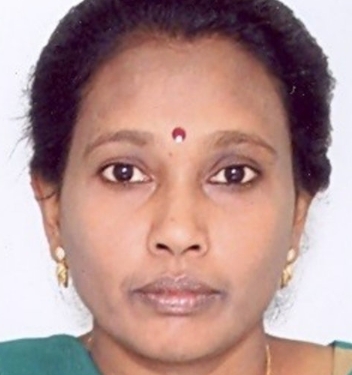 Atchayaram Nalini合作论文数Department of Neurology, National Institute of Mental Health and Neuro Sciences45
 Seena Vengalil合作论文数Department of Neurology, National Institute of Mental Health and Neurosciences39Kiran Polavarapu合作论文数30Saraswati Nashi合作论文数Department of Neurology, National Institute of Mental Health and Neuro Sciences29
 Veeramani Preethish-Kumar合作论文数Morriston Hospital28
 Manjusha G Warrier合作论文数Dept Psychol, CHRIST Deemed Univ23
 Suvarna Alladi合作论文数Nizams Institute of Medical Sciences21
 Arun Sadasivan合作论文数Dept Psychiat Social Work, NIMHANS18Arshad Faheem合作论文数13Gautham Arunachal合作论文数12
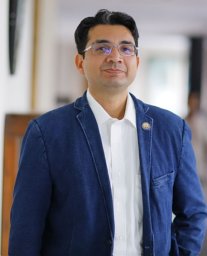 Ravi Yadav合作论文数12
 Manjunath Netravathi合作论文数Department of Neurology, National Institute of Mental Health and Neurosciences12Pramod Kumar Pal合作论文数10
 Mainak Bardhan合作论文数National Institute of Mental Health and Neurosciences (NIMHANS), Bengaluru, India.10
 Akshata Huddar合作论文数7
 Vasundharaa S Nair合作论文数Dept Psychiat Social Work, Natl Inst Mental Hlth & Neurosci7Prakashi Rajaram合作论文数6Ram Murthy Anjanappa合作论文数6
 Priya Baby合作论文数6
 Menon Deepak合作论文数Sree Chitra Tirunal Institute for Medical Sciences and Technology6
 Nitish L Kamble合作论文数Department of Neurology, National Institute of Mental Health &Neurosciences (NIMHANS), Hosur Road, Bangalore 560029, Karnataka, India.;Department of Neurology, National Institute of Mental Health & Neurosciences (NIMHANS),6Gopikrishnan Unnikrishnan合作论文数5Saadiya Hurzuk合作论文数5Muddasu Keerthipriya合作论文数5Swetha Gunasekaran合作论文数5
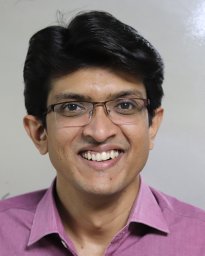 Holla Vikram合作论文数Neurology, King George Medical University5
 Adelina Comas Herrera合作论文数Department of Health Policy, London School of Economics and Political Science5Niranjan Prakash Mahajan合作论文数4Jayeeta Rajagopalan合作论文数4
 Dipti Baskar合作论文数4Vikas Nishadham合作论文数National Institute of Mental Health And Neurosciences (NIMHANS)4Tanushree Chawla合作论文数Neuroscience Faculty Center, National Institute of Mental Health and Neurosciences (NIMHANS),4Deepha Sekar合作论文数4
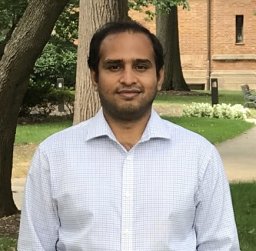 Chevula Pradeep-Chandra-Reddy合作论文数Dept Neurol, Natl Inst Mental Hlth & Neurosci4
 Sathyaprabha Talakad N合作论文数National Institute of Mental Health and Neurosciences4
 Girish Baburao Kulkarni合作论文数Department of Neurology, National Institute of Mental Health and Neurosciences (NIMHANS),4Rao Girish N合作论文数4
 Ragesh G合作论文数Department of Psychiatry, Government Medical College4
 Subasree Ramakrishnan合作论文数Department of Neurology, National Institute of Mental Health and Neurosciences4Ravi Kiran Valasani合作论文数3Shashidhar Komaravolu合作论文数3Sanita Raju合作论文数3
 Lithin Zacharias合作论文数3Rajani Parthasarathy合作论文数3Muddasu Suhasini Keerthipriya合作论文数3Sai Bhargava Sanka合作论文数3Meera Pattabiraman合作论文数3Meera G Nair合作论文数3
 Feba Varghese合作论文数Dept Neurol, Natl Inst Mental Hlth & Neurosci NIMHANS3




