Background Normal development and the response to injury both require cell growth, migration and morphological remodeling, guided by a complex local landscape of permissive and inhibitory cues. A standard approach for studying by such cues is to culture cells on uniform substrates containing known concentrations of these molecules, however this method fails to represent the molecular complexity of the natural growth environment. Results To mimic the local complexity of environmental conditions in vitro, we used a contact micropatterning technique to examine cell growth and differentiation on patterned substrates printed with the commonly studied growth permissive and inhibitory substrates, poly-L-lysine (PLL) and myelin, respectively. We show that micropatterning of PLL can be used to direct adherence and axonal outgrowth of hippocampal and cortical neurons as well as other cells with diverse morphologies like Oli-neu oligodendrocyte progenitor cell lines and fibroblast-like COS7 cells in culture. Surprisingly, COS7 cells exhibited a preference for low concentration (1 pg/mL) PLL zones over adjacent zones printed with high concentrations (1 mg/mL). We demonstrate that micropatterning is also useful for studying factors that inhibit growth as it can direct cells to grow along straight lines that are easy to quantify. Furthermore, we provide the first demonstration of microcontact printing of myelin-associated proteins and show that they impair process outgrowth from Oli-neu oligodendrocyte precursor cells. Conclusion We conclude that microcontact printing is an efficient and reproducible method for patterning proteins and brain-derived myelin on glass surfaces in order to study the effects of the microenvironment on cell growth and morphogenesis.
Axonal degeneration after traumatic brain injury and nerve compression is considered a common underlying cause of temporary as well as permanent disability. Because a proper functioning of neural network requires phase coherence of all components, even subtle changes in circuitry may lead to network failure. However, it is still not possible to determine which axons will recover or degenerate after injury. Several groups have studied the pressure threshold for axonal injury within a nerve, but difficulty accessing the injured region; insufficient imaging methods and the extremely small dimensions involved have prevented the evaluation of the response of individual axons to injury. We combined microfluidics with atomic force microscopy and in vivo imaging to estimate the threshold force required to 1), uncouple axonal transport without impairing axonal survival, and 2), compromise axonal survival in both individual and bundled axons. We found that rat hippocampal axons completely recover axonal transport with no detectable axonal loss when compressed with pressures up to 65 ± 30 Pa for 10 min, while dorsal root ganglia axons can resist to pressures up to 540 ± 220 Pa. We investigated the reasons for the differential susceptibility of hippocampal and DRG axons to mechanical injury and estimated the elasticity of live axons. We found that dorsal root ganglia axons have a 20% lower elastic modulus than hippocampal axons. Our results emphasize the importance of the integrity of the axonal cytoskeleton in deciding the axonal fate after damage and open up new avenues to improve injury diagnosis and to identify ways to protect axons.
Scanning tunneling microscopy (STM) has revolutionized the fields of heterogeneous catalysis and environmental sciences by providing unique insights into the atomic-scale structure of model catalysts. For the first time, STM has revealed the structure of active sites, including steps, kinks, and special atomic geometries in compounds. It has provided images of atomic scale dynamic processes, including diffusion and reactions. STM can operate in environments of gases and liquids, as found in real life and in industrial processes. We illustrate these unique capabilities with examples and how the information obtained can lead to industrially relevant information and help the design of new catalysts.
In this study, we introduce a novel approach to induce and observe the formation of presynaptic compartments in axons through a combination of atomic force microscopy (AFM) and fluorescence microscopy. First, we use a poly‐ D ‐lysine‐coated bead attached to an AFM tip to induce the recruitment of two synaptic proteins, bassoon and synaptophysin, and measure their absolute arrival times to the presynaptic department. We find that bassoon arrives before synaptophysin. Second, we observe the formation of very long (several 10s of μm), structured, protein‐containing membranous strings as the AFM tip was withdrawn from the axon. It is conceivable that these strings might be a novel mechanism by which new neurites or branch points along existing neurites may be generated in situ . © 2012 Wiley Periodicals, Inc. Develop Neurobiol, 2013
Myelination is a highly regulated developmental process whereby oligodendrocytes in the central nervous system and Schwann cells in the peripheral nervous system ensheathe axons with a multilayered concentric membrane. Axonal myelination increases the velocity of nerve impulse propagation. In this work, we present a novel in vitro system for coculturing primary dorsal root ganglia neurons along with myelinating cells on a highly restrictive and micropatterned substrate. In this new coculture system, neurons survive for several weeks, extending long axons on defined Matrigel tracks. On these axons, myelinating cells can achieve robust myelination, as demonstrated by the distribution of compact myelin and nodal markers. Under these conditions, neurites and associated myelinating cells are easily accessible for studies on the mechanisms of myelin formation and on the effects of axonal damage on the myelin sheath.
The primary goal of industry is to make a profit from creating and producing valuable products for consumers, but companies also have broader obligations, termed corporate social responsibility (CSR). Analogously, the primary goal of scientists is, besides educating the next generation of talented young people, to provide new knowledge and elucidate new mechanisms in complex phenomena and structures. On the scientific scene, the societal obligations might be described as scientific social responsibility (SSR). Society has a legitimate expectation that scientists actively strive for transfer of research results into novel and useful products and services. In order to achieve successful technology transfer and innovation, talent, competences, and scientific interest must be decisive factors in the identification of the individual scientist’s role in projects. There must, however, always be a commitment and ambition from scientists to ensure that potentially useful discoveries are professionally evaluated with a view to further societal development in professional business environments prior to publication. Today, the global research community is facing increasing demands from governments to “deliver” on the many promises we ourselves help perpetuate. The manifestation of this increasing societal and political pressure is often referred to as strategic research, which appears synonymous with politicians’ mistrust of scientists’ ability to prioritize and deliver the knowledge and technology needed to meet the admittedly huge and numerous Grand Challenges the world is facing, for example, powering the planet with sustainable energy, ensuring access to sufficient and clean tap water, or making affordable healthcare available. This is our call for a preemptive strike; we urge that scientists develop a new mindset and regain the trust of society by reinvigorating scientific social responsibility and actively voicing their commitment to it. The incentives go both ways, to research funders and fundees, as all parties stand to gain from a joint effort to meet the Grand Challenges of our time, as we shall see below. Strategic research has become fashionable and is put on the agenda in many countries by politicians seeking to appear dynamic in their effort to meet today’s many global challenges. This practice, however, may be problematic, because earmarked funds often give you what you wish for, namely incremental improvements on existing technologies. This is exactly what we do not need in the present situation, where anyone with scientific insight agrees that breakthrough technologies are our only hope. To this end, our fundamental claim is that the separation between basic and strategic research is an artificial one, which harks back to a traditional linear innovation model, whence basic, strategic, and applied research are only compartmentalized in the cubicles of policy makers seeking to justify public research expenditures. The division is artificial not only in an operational sense but more importantly also from a value-for-money perspective, since the best a society can do is to put the money into the most dynamic and visionary “basic” research environments to get the best “strategic” research output from scientists who understand and are willing to engage in SSR. Such an approach will also work to counteract a very common cause of “funding waste”. Scientists have become experts in dressing their research in compliant robes designed to convince funding agencies that the proposed research fits within the requested boundary conditions set up in the call text. This, however, often leads to nothing more than what might be coined “non-applicable applied research”. How to cut this apparent Gordian knot? We argue that the obligation and challenge fall on scientists themselves to face the demon by demonstrating that they are indeed ready to leave the ivory tower and take on these new scientific and societal responsibilities as the central elements of a new mindset. We call for a preemptive strike, a bottom-up process within the science community to engage in SSR. If we as scientists do not take on this responsibility, we foresee a situation paralleled in the business world, where politicians have imposed unnecessary and inefficacious top-down demands. What are the incentives? Funding agencies stand to get more value for their money, since our only hope to meet the Grand Challenges is new knowledge, which can aid the creation of the much-needed breakthrough technologies. Conversely, scientists stand to (re)gain freedom to operate and the trust of major funding sources. SSR as a concept is strictly speaking not new, but a redefinition is urgently needed. In recent years, SSR has mainly concerned the ethical responsibilities of the researcher, be it in the laboratory or in the applications of research. We, however, advocate for a broader definition of SSR: It is the responsibility of scientists, from all sectors of science, to position and define their research activities in a context where they are able to contribute to the betterment of society and to help meet the Grand Challenges of our time, in accordance with, for example, the Lund Declaration, which defines the vision of a mission-oriented approach to science. In an operational sense, this means that the guiding principle when a scientist decides upon which projects to pursue should be to chose those with the greatest potential utility value in society. First, arguably a scientist’s most important contribution to society is to educate bright young people who are trained in a research environment imbued with the aspiration to practice SSR. Second, research can bring value to society by forming the basis of utilization in a business environment. Societal challenges are complex and require interdisciplinary research approaches. The SSR concept requires scientists from different sectors of science, frequently experts from the natural and medical sciences, social sciences, and the humanities, to join complementary forces. We are not blind to the fact that resistance to this notion can be found in some academic circles, but here we have a clear case of survival of the fittest. Historically, particularly the United States has been very successful in mission-oriented research programs; we need only mention the Manhattan Project and the push to put a man on the moon. These projects had very concrete aims, which were motivated by very concrete geo- (or seleno-) political concerns. Today’s challenges may at first glance appear somewhat more diffuse, but the only way forward is to convince politicians to invest in science; the bankers and daytraders who are often motivated by short-term payoff will not solve society’s problems. While an appeal to altruism might work in an ideal world, it is evident that just stating the obvious will not make much of a difference. Difficult but necessary steps need be taken on an executive and funding level to instill a sense of urgency and—crucially—to provide a framework in which researchers can do what they do best. As an eminent scientist, US Secretary of Energy and Nobel Laureate Professor Steven Chu has done exactly that by allocating a large part of DOE funding to “exploratory projects”, as he has also realized that breakthrough technologies are needed in order to have any chance of meeting the energy challenge in the 21st century. In continuation of the above, it could be asked if doing basic or applied research is more responsible in a societal context. The answer is neither (or both). On one hand, it is of utmost importance that scientists do not lose their freedom by becoming a tool for political, corporate, and social top-down decisions and structures. Talent and scientific visions, ideas and interests should still be the decisive factors in the choice of research projects. On the other hand, scientists should keep in mind that discoveries of potential societal relevance should be professionally evaluated with a view for technological proof-of-concept and further development. In general terms, use-inspired basic research should be the focus in science, as envisioned by Pasteur: “No, a thousand times no; there does not exist a category of science to which one can give the name applied science. There are science and the application of science, bound together like the fruit of the tree which bears it.” The development of this new academic SSR mindset has profound educational implications. Curricula in all areas of the academic educational system should be critically analyzed. Teaching programs aimed at stimulating students’ professional identity should be supplemented by courses describing the scientifically fruitful borderlines between different academic disciplines. The history of key inventions exemplifying scientific breakthroughs of fundamental societal importance should be mandatory elements of teaching programs, with the aim that students are able to state the global context of their work. All of these aspects obviously bring the question of academic leadership into focus. In order to bring SSR into full bloom, we need to identify and support scientists capable of stimulating collaborative efforts to reach identified research goals and at the same time allow each scientist to achieve a desired level of individual scientific performance and freedom to operate. Academic leaders must possess or develop a capacity for novel and cross-frontier research coupled with the courage to initiate integrated programs. We may take some inspiration from industrial leadership, but the scientific world is faced with the urgent challenge to design and develop academic leadership as a separate discipline. Again, the concept of research management frequently provokes violent knee-jerk reactions and mockery among academics, but in times of austerity we simply cannot afford to waste research funds on non-applicable applied research. Thus university and other research leaders should be given the authority to focus available funds on visionary research areas that can lead to breakthroughs and, not least, to deprioritize others. Flemming Besenbacher, Director of the Interdisciplinary Nanoscience Center at Aarhus University (iNANO) and Member of the Board at the Carlsberg Foundation Povl Krogsgaard-Larsen, Chairman of the Boards of the Carlsberg Foundation and of Carlsberg A/S Peter Thostrup, Research Associate at the Interdisciplinary Nanoscience Center at Aarhus University (iNANO)
Violet Lander (C(108)H(104)) is a large organic molecule that when deposited on Cu(110) surface exhibits lock-and-key like behavior [Otero et al., Nature Mater. 3, 779 (2004)]. In this work, we report a detailed fully atomistic molecular mechanics and molecular dynamics study of this phenomenon. Our results show that it has its physical basis on the interplay of the molecular hydrogens and the Cu(110) atomic spacing, which is a direct consequence of the matching between molecule and surface dimensions. This information could be used to find new molecules capable of displaying lock-and-key behavior with new potential applications in nanotechnology.
The formation of functional synapses on artificial substrates is a very important step in the development of engineered in vitro neural networks. Spherical supported bilayer lipid membranes (SS-BLMs) are used here as a novel substrate to demonstrate presynaptic vesicle accumulation at an in vitro synaptic junction. Confocal fluorescence microscopy, cryo-transmission electron microscopy (cryo-TEM), and fluorescence recovery after photobleaching (FRAP) experiments have been used to characterize the SS-BLMs. Conventional immunocytochemistry combined with confocal fluorescence microscopy was used to observe the formation of presynaptic vesicles at the neuron-SS-BLM contacts. These results indicate that lipid phases may play a role in the observed phenomenon, in addition to the chemical and electrostatic interactions between the neurons and SS-BLMs. The biocompatibility of lipid bilayers along with their membrane tunability makes the suggested approach a useful "toolkit" for many neuroengineering applications including artificial synapse formation and synaptogenesis in vivo.
CNS synapse assembly typically follows after stable contacts between “appropriate” axonal and dendritic membranes are made. We show that presynaptic boutons selectively form de novo following neuronal fiber adhesion to beads coated with poly-d-lysine (PDL), an artificial cationic polypeptide. As demonstrated by atomic force and live confocal microscopy, functional presynaptic boutons self-assemble as rapidly as 1 h after bead contact, and are found to contain a variety of proteins characteristic of presynaptic endings. Interestingly, presynaptic compartment assembly does not depend on the presence of a biological postsynaptic membrane surface. Rather, heparan sulfate proteoglycans, including syndecan-2, as well as others possibly adsorbed onto the bead matrix or expressed on the axon surface, are required for assembly to proceed by a mechanism dependent on the dynamic reorganization of F-actin. Our results indicate that certain (but not all) nonspecific cationic molecules like PDL, with presumably electrostatically mediated adhesive properties, can effectively bypass cognate and natural postsynaptic ligands to trigger presynaptic assembly in the absence of specific target recognition. In contrast, we find that postsynaptic compartment assembly depends on the prior presence of a mature presynaptic ending.
In neurons, the position of the centrosome during final mitosis marks the point of emergence of the future axon. However, the molecular underpinnings linking centrosome position to axon emergence are unknown. GAP-43 is a calmodulin-binding IQ motif protein that regulates neuronal cytoskeletal architecture by interacting with F-actin in a phosphorylation dependent manner. Here we show that GAP-43 is associated with the centrosome and plays a critical role in mitosis and acquisition of neuronal polarity in cerebellar granule neurons. In the absence of GAP-43, the centrosome position is delinked from process outgrowth and is only capable of mediating morphological polarization, however molecular specification of the axonal compartment does not take place. These results show that GAP-43 is required to link centrosome position to process outgrowth in order to generate neuronal polarity in cerebellar granule cells.
From an interplay between high-resolution scanning tunneling microscopy (STM) and density functional theory (DFT) we discuss the origin of various point defects on reduced rutile TiO2(110)-(1×1) surfaces. By means of adsorption and desorption experiments using water and oxygen as probe molecules we assign the different features observed in STM images to bridging oxygen vacancies, oxygen atoms on surface Ti atoms, and single as well as pairs of hydroxyls on bridging oxygen rows. These experimental results are discussed in comparison to previous STM reports where different assignments of the STM features were suggested. Based on DFT calculations we compare the interaction of water and oxygen with the reduced TiO2(110) surface with the situation when these molecules encounter a perfect, stoichiometric TiO2(110) surface. These DFT calculations strongly support the assignments of the features observed experimentally by STM. We report on how to produce clean, reduced TiO2(110) surfaces and address criteria to ascertain cleanliness by STM.
By means of STM imaging and manipulation, we show that violet Lander (VL) molecules (C108H104) act as nanoscale templates at the Cu(110) step edges, creating nanostructures to which the VLs are anchored. These nanostructures are longer and sometimes wider than those created by the related single Lander (SL) molecules due to the slightly different shape and size of the VL molecules. These results illustrate the possibility of controlling the formation of nanostructures on a surface on the atomic scale by means of a rational molecular design.
Withdrawn SESSION EElO: Organosilicon-based Polymers Chairs: Clement Sanchez and Ulrich Wiesner Thursday Morning, December 2, 2004 Room 302 (Hynes) 8:30 AM *EE10.1 Photo-induced Optical and Chemical Properties of Polysilane/Inorganic N ano-Hybrids. Kimihiro Matsukawa and Yukihito Matsuura; Department of Electronic Materials, Osaka Municipal Technical Research Institute, Osaka, Japan. Polysilane is a well-known functional organosilicon polymer with a high quantum efficiency of photoluminescence (PL), a high hole drift mobility, a significant photobreaching property, etc., which are associated with a-conjugation along the Si-Si main chain. On the other, polysilane/inorganic hybrids, which polymethylphenylsilane (PMPS) is molecularly dispersed in inorganic matrix, might be an attractive material. For the preparation of polysilane/inorganic hybrid materials, a chemical modification of PMPS is essencial to interaction or reaction with metal alkoxides in a sol-gel reaction. Polysilane block copolymers with reactive groups were synthesized by the photoradical polymerization of functional vinyl monomers using PMPS as a macro-photo-initiator. The polysilane/silica hybrid thin films were prepared from the PMPS-trialkoxysilylpropylmethacrylate copolymer and tetraethoxysilane via sol-gel reaction, in which PMPS segments homogeneously embedded in silica matrix. These exhibited unique and interesting photoelectric properties; refractive indices and the energy migration could be controlled by the PMPS concentration in the hybrid thin films. The photo-decomposition of PMPS segments in polysilane/inorganic hybrid caused the significant changes for the optical, chemical, and morphological characteristics. It was found that a refractive index in the hybrid thin films changed due to the photo-decomposition of PMPS segments. The fixation of high refractive index difference (ca. 3.5%) on the polysilane/silica hybrid thin films was also investigated. This reactive index change seems to be effective for important applications, such as periodic optical waveguides, distributed feedback lasers, so on. Furthermore, as the PMPS copolymers had a photo-reducing characteristics, Au (III) ions in hydrogen chloraurate were reduced to gold nano particles (5nm diameter) by using PMPS-acrylamide copolymer under UV irradiation. In this reaction, polyacrylamide segments acted as the protecting groups for gold nano-particles. The color changed to reddish purple resulted from the plasmon resonance of gold nanoparticles. During photo-reduction of Au ions, the silanols derived from photolysis of PMPS segments functioned as reactive components in the sol-gel reaction and provided the gold nano particles thin films. And, the negative pattern of gold nano particles was successfully fabricated by UV irradiation through a photomask. 9:00 AM EE10.2 Crystallization of POSS in a PEO-Based Multiblock Polyurethane Architecture. Jian Wu', Qing Ge , Kelly A. Burke' and Patrick T. Mather ,,; 'Chemical Engineering Department, University of Connecticut, Storrs, Connecticut; 2Institute of Materials Science, University of Connecticut, Storrs, Connecticut. To date, polyhedral oligosilsesquioxanes (PaSS) have been incorporated into a wide range of polymeric systems, either as a molecular-level filler or as a comonomer, but usually without ordering of the pass moieties as evidenced by x-ray diffraction analysis. Building upon earlier success in forming materials with crystalline ordering of pass via the telechelic architecture with pass end-capping polyethylene glycols, here we report similar ordering in PEa-pass thermoplastic polyurethanes. Thus, a unique series of thermoplastic polyurethanes (TPU) were synthesized using poly(ethylene glycol) (PEG) as soft segment and incorporating an isobutyl-functionalized pass diol (TMP pass diol) in the hard segment. The molecular weight of PEG was systematically varied to include 10, 20, and 35 kDa while the mole ratio of PEG to pass diol (as chain extender) was also varied. The diisocyanate employed for TPU polymerization was 4,4'-methylenebis(phenyl-isocyanate) (MDI). Wide-angle x-ray diffraction (WAXD) studies revealed that both the hydrophilic soft segments (PEG) and hydrophobic hard segments (PaSS) can form crystalline structures driven by micro-phase separation, itself due to thermodynamic incompatibility. As molecular reinforcements, the presence of nanoscale POSS crystals remarkably improves the mechanical properties of the new TPUs. To be contrasted with common TPUs, the characteristic stress-strain curves of the new PaSS-based TPUs show a clear necking-based yield and large strain-to-failure. During deformation, reflection peaks attributed to pass crystals surprisingly features two kinds of orientation of pass crystalline planes, parallel and perpendicular, with respect to stretching direction. Differential scanning calorimetry (DSC) revealed that the PEG block molecular weight and thermal history are both important parameters in controlling the crystallization of PaSS-rich nanophase. In particular, increasing the PEG block length, inhibits the crystallization of pass moiety. Meanwhile, increasing the cooling rate monotonically decreases the crystallinity of the same PaSS-rich phase. Rheological study of the pass nanophase crystallization further showed that faster cooling rates result in a decrease in the ultimate dynamic storage modulus following pass crystallization and an increase of the loss angle for temperatures above T = of PEG and below T = of pass. Following a detailing of these results, our presentation will offer suggestions for the origin of each influence on pass crystallization and postulate other polymeric architectures that might favor pass organization. 9:15 AM *EE10.3 Evolution of Porosity and Morphology in Alkylene-Bridged Polysilsesquioxane Xerogels as a Function of Gel Aginl? Time. Douglas Anson Loy', James H. Small', Kimberly A. Defriend , McKenzie Minke 2 , Colleen R. Baugher , Brigitta M. Baugher , Duane A. Schneider and Kenneth J. Shea ; 'Polymers and Coatings Department, Los Alamos National Laboratory, Los Alamos, New Mexico; 2S andia National Laboratories, Albuquerque, New Mexico; 3Department of Chemistry, University of California, Irvine, California. Aging of silica gels before drying is known to result in significant changes in xerogel morphology, porosity and properties. In this study, the influence of aging gels on the porosity and morphology of alkylene-bridged polysilsesquioxane xerogels was examined. Gels of hexylene-, heptylene, octylene, nonylene, and decylene-bridged polysilsesquioxanes were prepared by the sol-gel polymerization of the respective bis(trimethoxysilyl)alkane monomers under acidic or basic conditions in methanol and in tetrahydrofuran. The gels were aged 3,7,14,21, 28,35,42,49, and 56 days before drying to afford xerogels. The xerogels were characterized by nitrogen sorption porosimetry and scanning electron microscopy. Xerogels prepared in THF were non-porous. Those prepared and aged under basic conditions in methanol or tetrahydrofuran exhibited coarsening of porosity with aging time. With the exception of the hexylene-bridged gels, those prepared and aged in acidic methanol showed little change with aging. The surface area of the hexylene-bridged xerogels nearly tripled with aging times of up to several weeks, then decreased, for the gels aged for more than two weeks, to around 100 meters squared per gram.
Molekülmuster auf Oberflächen: An einem O-Cu-Nanotemplat auf einer Cu(110)-Oberfläche bilden „Lander“-Moleküle lange geordnete Ketten (siehe Bild). Über das Verhältnis der Moleküllänge zur Breite der blanken Cu-Streifen können die Moleküle gezielt entlang der Richtung der Cu-Streifen orientiert werden.
A nanoscale understanding of the complex dynamics of large molecules at surfaces is essential for the bottom-up design of molecular nanostructures 1 , 2 , 3 , 4 , 5 , 6 , 7 , 8 . Here we show that we can change the diffusion coefficient of the complex organic molecule known as Violet Lander (VL, C 108 H 104 ) on Cu(110) by two orders of magnitude by using the STM at low temperatures to switch between two adsorption configurations that differ only in the molecular orientation with respect to the substrate lattice. From an interplay with molecular dynamics simulations, we interpret the results within a lock-and-key model similar to the one driving the recognition between biomolecules: the molecule (key) is immobilized only when its orientation is such that the molecular shape fits the atomic lattice of the surface (lock); otherwise the molecule is highly mobile.
Through an interplay between scanning tunneling microscopy (STM) and density functional theory (DFT) calculations, we show that bridging oxygen vacancies are the active nucleation sites for Au clusters on the rutile TiO2(110) surface. We find that a direct correlation exists between a decrease in density of vacancies and the amount of Au deposited. From the DFT calculations we find that the oxygen vacancy is indeed the strongest Au binding site. We show both experimentally and theoretically that a single oxygen vacancy can bind 3 Au atoms on average. In view of the presented results, a new growth model for the TiO2(110) system involving vacancy-cluster complex diffusion is presented.
We present an extensive investigation of CO-induced structural transformations occurring on the reconstructed Pt(110)-(1×2) surface while bridging the so-called pressure gap between surface science and industrial catalysis. The structural changes are followed on the atomic scale as a function of CO pressure over 12 orders of magnitude, up to 1 bar, by the use of a novel high-pressure scanning tunneling microscope (HP-STM). The transition between the low-coverage and saturation-coverage structures is found to proceed through local displacements of substrate Pt atoms. The structural transformations of the Pt surface as observed by STM can be explained within a very simple picture governed by the gain in CO binding energy when CO binds to low-coordinated metal atoms.
 Flemming Besenbacher (弗莱明·贝森巴赫)合作论文数Interdisciplinary Nanoscience Center, Faculty of Science and Technology, University of Aarhus;Department of Physics and Astronomy, University of Aarhus20
 erik laegsgaard合作论文数12
 Ivan Stensgaard合作论文数Center for Atomic-Scale Materials Physics10
 David R. Colman合作论文数Health Centre Wilder, McGill University;Montreal Neurological Institute and Hospital6
 Jens Kehlet Nørskov合作论文数Department of Physics, Technical University of Denmark5Belkaid Wiam合作论文数4
 Renald Schaub合作论文数Institut de Physique Experimentale;Ecole Polytechnique Federale;Institut de Physique Experimentale, Ecole Polytechnique Federale4
 Roberto Otero合作论文数Departamento de Fı&#x;sica de la Materia Condensada and ‘Instituto Nicolás Cabrera’, Universidad Autónoma de Madrid;Departamento de Fı́sica de la Materia Condensada and ‘Instituto Nicolás Cabrera’, Universidad Autónoma de Madrid4E Christoffersen合作论文数3C. Joachim合作论文数3
 Dalinda Liazoghli合作论文数3
 Wahlström Erik合作论文数‡Department of Physics, Norwegian University of Science and Technology3
 Peter Grutter合作论文数Department of Physics, McGill University;McGill Nanotools Facility, McGill University3
 Karsten Wedel Jacobsen合作论文数Department of Physics, Technical University of Denmark3
 Ebbe K. Vestergaard合作论文数NANO) and Department of Physics and Astronomy, University of Aarhus3
 Lars Osterlund合作论文数Department of Applied Physics, Chalmers University of Technology and University of Gothenburg3
 Andre Gourdon合作论文数The Nanoscience Group, CEMES-CNRS3P Bodstrup Rasmussen合作论文数3P. Jiang合作论文数2Fernando S Sanchez合作论文数2
 Fernando Sato合作论文数2H.T. Lorensen合作论文数2
 Anders Rønnau合作论文数2
 Federico Rosei合作论文数Centre for Energy, Materials and Telecommunications, Institut National de la Recherche Scientifique, Université du Québec;University of Trieste2
 Bjørk Hammer合作论文数Center for Interstellar Catalysis, Department of Physics and Astronomy, Aarhus University2
 Tao An合作论文数2
 Bruce Lennox合作论文数Department of Chemistry, McGill University2Erik Lægsgaard合作论文数2
 Gopakumar Gopalakrishnan合作论文数2
 Núria López合作论文数Institute of Chemical Research of Catalonia2
 Douglas Soares Galvão合作论文数Departamento de Física Aplicada, State University of Campinas;Instituto de Física Gleb Wataghin2Yoshitaka Naitoh合作论文数Graduate School of Engineering, Osaka University2S B Legoas合作论文数1Camille A. Juzwik合作论文数1
 Margaret H Magdesian合作论文数1A-L Lucido合作论文数1Rashmi Mishra合作论文数Lab Translat Mechanobiol, Rajiv Gandhi Ctr Biotechnol1
 Alejandro D Roth合作论文数Dept Biol, Univ Chile1Jesper Matthiesen合作论文数1
 L. M. Molina合作论文数Corresponding author.1
 Edward S. Ruthazer合作论文数Department of Psychology, McGill University;Montreal Neurological Institute, McGill University1
 David Juncker合作论文数Department of Biomedical Engineering, Faculty of Medicine and Health Sciences, McGill University1
 Torsten Brezesinski合作论文数Institute of Nanotechnology, Karlsruhe Institute of Technology1
 Cédric Boissière合作论文数University of Aveiro;Max-Planck-Institut fur Kolloid- und Grenzflachenforschung;Universite Catholique de Louvain;Centre National de la Recherche Scientifique;University of Waterloo1Dhaunchak Ajit S合作论文数1Krogsgaard-Larsen Povl合作论文数1Hümmelink F合作论文数1Mani Shyamala合作论文数1
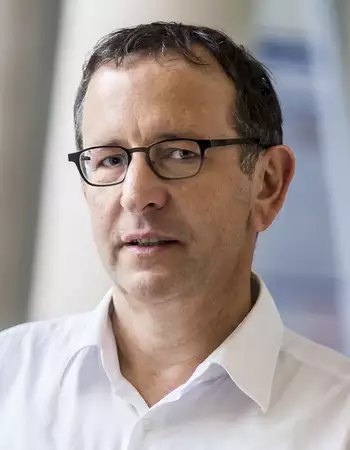 Markus Antonietti合作论文数Max Planck Institute for Colloids and Interfaces;Potsdam University1




