Supplementary Figure 8. Impact of TP53 Mutation and Complex Karyotype on Multivariable Coefficients and Collinearity.
Background Venetoclax, a potent B‐cell leukemia/lymphoma‐2 inhibitor, is an antineoplastic agent used in various hematologic malignancies, including acute myeloid leukemia (AML). The aim of the study is to evaluate the incidence, risk factors, and outcomes of major adverse cardiac events (MACEs) among patients with newly diagnosed AML receiving venetoclax‐based therapy. Methods We conducted a retrospective, single‐center cohort study of 214 patients with newly diagnosed AML treated with venetoclax. MACE was defined as a composite of new‐onset heart failure, heart failure exacerbation requiring hospitalization, myocardial infarction/coronary revascularization, or stroke/transient ischemic attack during active venetoclax‐based therapy. The Fine–Gray subdistribution hazard model determined the association between baseline clinical characteristics and MACEs, with noncardiovascular death as a competing risk. A Cox proportional hazard model determined the association between time‐dependent MACEs and overall survival. Results Among 214 patients (mean age, 71.5 years; 41% women), MACEs occurred in 14 (6.5%) patients. Patients with non–de novo (secondary /treatment‐related) AML had a higher incidence of MACEs compared with de novo AML (85.7% versus 14.3%; subdistribution hazard ratio [HR], 7.1 [95% CI, 1.5–33]; P<0.01). Time‐dependent MACE was independently associated with inferior overall survival (adjusted HR, 2.75 [95% CI, 1.41–5.35]). Conclusions In conclusion, MACE is a clinically significant event that occurs in 6.5% of patients with AML treated with venetoclax and is a higher‐risk event for patients with secondary AML or treatment‐related AML.
Clonal hematopoiesis (CH) results from the acquisition and expansion of somatic mutations in hematopoietic stem and progenitor cells and is associated with age-related clinical sequelae, including an increased risk for cardiovascular disease, myeloid neoplasms and complications related to cancer therapy. Chemotherapy and radiation can accelerate CH expansion and further elevate the risk of adverse events, including cardiotoxicity and therapy-related myeloid neoplasms. Although CH is increasingly recognized as a clinically relevant precursor state and predictive biomarker, the long-term dynamics of CH expansion in humans remain poorly understood. Longitudinal data are often collected but not integrated with mathematical prediction. Mathematical modeling is essential for characterizing CH evolution, estimating clone fitness, inferring stem cell pool dynamics and enabling patient-level predictions. This study summarizes the current evidence on CH dynamics in humans, compares mathematical models used to predict CH progression, assesses the validity of model assumptions and discusses the implications for clinical management of individuals with these precursor conditions.
Supplementary Table 4. Statistical Significance of Risk Reclassification Between Moffitt and Comparator Models.
The epidemiology of myelodysplastic syndromes/neoplasms (MDS) is challenging to define due to inconsistent reporting, complex diagnostic procedures, and evolving diagnostic criteria. Using the National MDS Natural History Study-a prospective cohort with centrally adjudicated histopathology and genetic variant review-we characterized the landscape of MDS across the United States and identified differences across demographics. Among 2115 participants, 64% (1346) had an MDS spectrum condition, including MDS (24%), MDS/myeloproliferative neoplasm (5%) and precursor conditions-clonal cytopenia of undetermined significance (22%) and idiopathic cytopenia/dysplasia of undetermined significance (13%). The median age was 74 years, and participants were predominantly male (66%), White (91%), and Non-Hispanic (92%). Myeloid-associated variants were detected in 68% of participants, most commonly in TET2, DNMT3A, ASXL1, SF3B1, and SRSF2. Black, compared to White, participants were younger at diagnosis (69 vs. 74 years, p = 0.01), had equal or increased prevalence of higher-risk MDS, lower hemoglobin, and higher peripheral blood blasts, yet were less likely to receive MDS-directed therapy (14% vs. 42%, p = 0.008). Black and Hispanic participants had fewer detectable gene mutations than White participants. Females had lower variant allele frequencies and fewer RNA splicing gene mutations than males. After multivariable adjustment, TP53 mutations, MDS diagnosis, and higher-risk disease were associated with worse progression-free and overall survival; age was also associated with overall survival. Black race trended toward improved progression-free survival. These findings highlight the need for enhanced understanding of MDS pathogenesis across patient groups and refined prognostic tools to improve personalized management of MDS spectrum conditions. Trial Registration: ClinicalTrials.gov identifier: NCT02775383.
Clonal cytopenia of undetermined significance (CCUS) is defined by unexplained cytopenias with myeloid-associated somatic mutations not meeting diagnostic criteria for myelodysplastic syndromes/neoplasms (MDS) yet carries a highly risk-stratified probability of progression to myeloid neoplasms. The clinical distinction between CCUS and lower-risk MDS (LR-MDS) is challenging because current criteria rely heavily on semi-quantitative morphologic thresholds, despite substantial clinical and molecular overlap. In this prospective study of 409 patients with CCUS and 241 with LR-MDS, we applied harmonized diagnostic and progression criteria, rigorous centralized pathology review, and uniform genomic profiling to compare clinical, molecular, and outcome data. Risk stratification was performed using two independent models-the Clonal Hematopoiesis Risk Score (CHRS) and the Clonal Cytopenia Risk Score (CCRS). Patients with high-risk CCUS, as defined by CHRS or CCRS, exhibited clinical features and event rates comparable to those with LR-MDS. In contrast, patients with low- or intermediate-risk CCUS had markedly improved outcomes, supporting conservative management. These findings underscore that CHRS and CCRS are clinically informative tools that extend beyond morphology-based classification and enable a risk-adapted approach to the management of CCUS. Importantly, a subset of patients with high-risk CCUS demonstrated substantial clinical and genomic convergence with LR-MDS, supporting their consideration for enrollment in prospective clinical trials designed for LR-MDS. These observations highlight the need for further study of risk-adapted therapeutic approaches in this population and underscore the importance of prospective clinical evaluation.
Supplementary Figure 13. Risk Group Reclassification Patterns Between Moffitt Model and Comparator Models.
Outcomes are poor for TP53 mutant myelodysplastic syndrome (MDS) and acute myeloid leukemia (AML) patients who undergo allo-HSCT. Notably, minimal data exist on the impact of TP53 MRD monitoring post allo-HSCT. Thus, we completed duplex TP53 MRD sequencing for all patients on our prospective eprenetapopt (APR-246) + azacitidine maintenance study (n=14). Bone marrow aspirates were obtained prior to allo-HSCT, prior to the start of investigational therapy (day +30 to day +100) and after cycle 3 and cycle 12 of therapy. To assess low allele frequency mutations in TP53, a custom-targeted sequencing panel was used with duplex sequencing, targeting 30,000-70,000X duplex coverage to detect variants at a frequency as low as .005%. For all analyses, TP53 MRD negativity cutoff was 0.01%. All study patients had significant TP53 positivity prior to allo-HSCT and 57% post-HSCT. MRD evaluation after end of maintenance (12 cycles) was the strongest predictor of outcomes. Specifically, MRD negativity after cycle 12 strongly predicted OS (33.9 vs 20.4 months; P=.005) and EFS (33.9 vs 10.1 months; P=.004) with a trend for RFS (32.6 vs 13.5 months; P=.06). TP53 MRD was strongly predictive of outcomes, supporting incorporation of this assay in future novel strategies.
Venetoclax (VEN) combined with hypomethylating agents (HMA) improves outcomes for patients with newly diagnosed acute myeloid leukemia (AML) who are ineligible for intensive chemotherapy, yet overall survival (OS) remains variable. We analyzed 506 patients with AML treated with first-line HMA/VEN at Moffitt Cancer Center to develop a genetics-based prognostic model. In multivariate analysis, mutations in TP53, KRAS, JAK2, U2AF1, CBL, and cytogenetic lesions del(7q)/-7, del(17p)/-17/i(17q), del(20q), and MECOM rearrangements predicted inferior OS, whereas IDH1/2 mutations were favorable. A point-based system stratified patients into low-, intermediate-, and high-risk groups with median OS of 54.2, 22.3, and 7.5 months, respectively [P < 0.0001; concordance index (C-index) 0.648]. External validation (n = 126) retained prognostic separation (median OS 24.7, 17.4, and 4.3 months, P = 0.0005; C-index 0.626). Compared with existing HMA/VEN-specific models, our model demonstrated superior low- versus intermediate-risk discrimination (31.9-month separation, P = 0.002; hazard ratio = 0.45, P = 0.003), with a comparable C-index. Our model supports personalized risk stratification for HMA/VEN-treated AML, pending broader validation. SIGNIFICANCE:This study identifies key mutational and cytogenetic markers associated with treatment response and OS in patients with AML receiving HMA/VEN therapy. By integrating these genetic markers, our new prognostic model offers improved risk stratification, guiding personalized treatment strategies for patients ineligible for intensive chemotherapy. See related commentary by Lachowiez and Loghavi, p. 339.
BACKGROUND:Myelodysplastic syndromes are clonal hematopoietic stem cell disorders characterized by multistep molecular evolution and a variable risk of leukemic transformation. Given this prognostic heterogeneity, accurate risk stratification is essential for clinical decision-making. We developed ProgEvo, a proprietary framework that infers molecular evolutionary trajectories and integrates them with clinical data to improve prognostic accuracy. METHODS:ProgEvo was trained on 2519 patients in cBioPortal (https://www.cbioportal.org) and validated using two external cohorts: Genomed4All (2043 patients) and a Moffitt Cancer Center (MCC) cohort (2157 patients). Directional evolutionary routes were inferred and selected for prognostic modeling if they were consistently associated with leukemia-free survival. A multivariable feature selection strategy was applied to integrate evolution-consistent variables into the existing IPSS-M model. RESULTS:ProgEvo identified 1765 gene co-occurrences aggregated into 45 directional evolutionary routes. Of these, 18 were validated in the Genomed4All cohort. Five evolution-informed variables, two directional routes (Additional Sex Combs-Like 1 [ASXL1]→KRAS Proto-Oncogene [KRAS] and Serine and Arginine-Rich Splicing Factor 2 [SRSF2]→NRAS Proto-Oncogene [NRAS]), one co-occurrence (NRAS/RUNX Family Transcription Factor 1 [RUNX1]), and two early mutations (ATRX [ATRX Chromatin Remodeler] and Janus Kinase 2 [JAK2]) were integrated into IPSS-M to generate IPSS-M-Evo. The model with "-Evo" improved discrimination for both leukemia-free survival and overall survival, with over 40% of patients restratified in the Genomed4All data. The performance of the model was further confirmed in the MCC cohort. CONCLUSIONS:ProgEvo enabled inference of a molecular evolution model and integration of evolution-informed covariates into clinical prognostic frameworks, supporting the development of the IPSS-M-Evo model. A free web-based tool allows clinicians to calculate the IPSS-M-Evo score and match individual mutational profiles to cohort-derived evolutionary trajectories (https://evoclin.unimib.it/tools/evolution-graphs.html and https://evoclin.unimib.it/tools/ipssmevo.html). (Funded by the European Union and others.).
Supplementary Table 6. Demographic and Clinical Characteristics of Patients in the Validation cohorts.
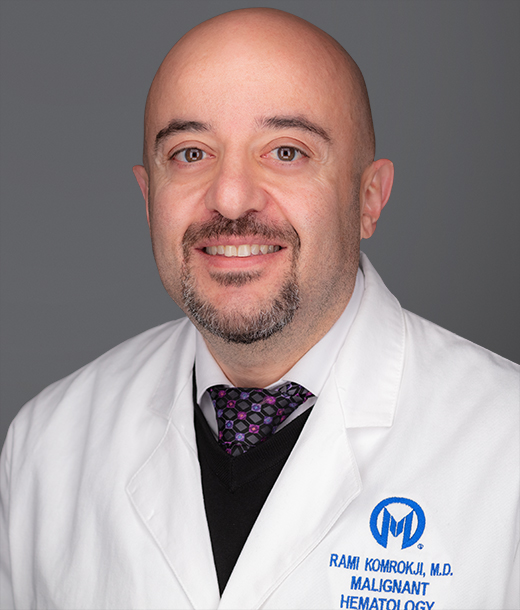 Rami Komrokji合作论文数Malignant Hematology Department, Moffitt Cancer Center;College of Medicine, University of South Florida484
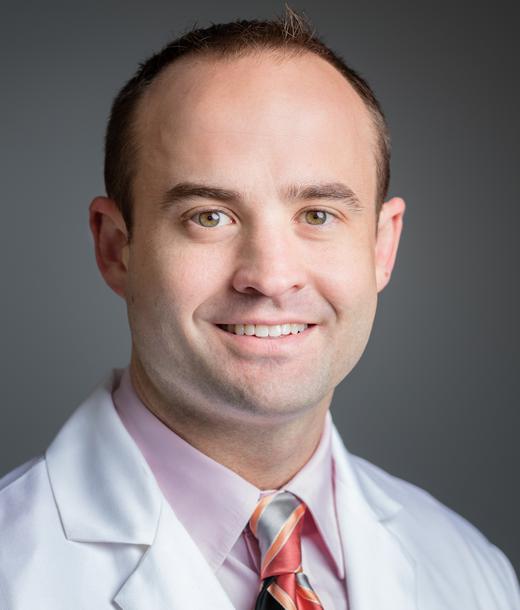 David Sallman合作论文数Department of Malignant Hematology, Moffitt Cancer Center366
 Jeffrey Lancet合作论文数Department of Malignant Hematology, Moffitt Cancer Center337
 Najla H. Al Ali合作论文数254
 Alan List合作论文数243Chan Onyee合作论文数205Kuykendall Andrew合作论文数196
 Kendra Sweet合作论文数190
 Ling Zhang合作论文数Department of Hematopathology and Laboratory Medicine, Moffitt Cancer Center;Department of Immunology, Moffitt Cancer Center;Department of Oncologic Sciences, University of South Florida131Zhuoer Xie合作论文数Div Hematol, Mayo Clin123
 Seongseok Yun合作论文数Department of Medicine, University of Arizona107
 Ball Somedeb合作论文数89
 Mikkael Sekeres合作论文数Cleveland Clinic Taussig Cancer Institute84
 Mrinal Patnaik合作论文数College of Medicine, Mayo Clinic-Rochester79Talati Chetasi合作论文数74DeZern Amy E合作论文数Sidney Kimmel Comprehens Canc Ctr, Johns Hopkins Univ73Maria E. Balasis合作论文数70
 Pierre Fenaux合作论文数Université Paris Cité55Alison Walker合作论文数53
 Guillermo Garcia-Manero合作论文数Section of Myelodysplastic Syndromes, Department of Leukemia, Division of Cancer Medicine, The University of Texas MD Anderson Cancer Center;UTHealth Houston Graduate School of Biomedical Sciences49
 Thomas Cluzeau合作论文数49
 Qianxing Mo合作论文数Department of Biostatistics & Bioinformatics, H. Lee Moffitt Cancer Center & Research Institute;Dan L Duncan Cancer Center, Department of Medicine, Biostatistics and Bioinformatics, Baylor College of Medicine47Mohammad Hussaini合作论文数Dept Pathol, H Lee Moffitt Canc46
 Gail J. Roboz合作论文数Weill Cornell Medical College46
 Terra Lasho合作论文数46Hannah Newman合作论文数45Kathy McGraw合作论文数45Christopher Letson合作论文数43
 Luis E. Aguirre合作论文数H. Lee Moffitt Cancer Center and Research Institute, University of South Florida43Kruer Traci L合作论文数42
 Markus Ball合作论文数41
 David P. Steensma合作论文数Novartis Institutes for Biomedical Research40Vincelette Nicole D合作论文数Molecular Pharmacology and Experimental Therapeutics, Mayo Clinic39
 Eric Solary合作论文数Faculté de Médecine, Université Paris-Saclay39Andrew T. Kuykendall合作论文数38Jinming Song合作论文数38
 Akriti G Jain合作论文数H. Lee Moffitt Cancer Center and Research Institute, University of South Florida38Valeria Santini合作论文数38
 Rafael Bejar合作论文数Department of Medicine, School of Medicine, University of California, San Diego35Finke Christy M合作论文数35
 Lynn C. Moscinski合作论文数H. Lee Moffitt Cancer Center & Research Institute34Sara Tinsley合作论文数30
 Amer Zeidan合作论文数Division of Hematologic Malignancies, Yale University;School of Medicine, Yale University30
 Jaroslaw P. Maciejewski合作论文数Department of Medicine, School of Medicine, Case Western Reserve University;Department of Pathology, School of Medicine, Case Western Reserve University;Department of Translational Hematology and Oncology Research, Taussig Cancer Institute, Cleveland Clinic;Case Comprehensive Cancer Center, Case Western Reserve University30
 Cheng Chia-Ho合作论文数29Uwe Platzbecker合作论文数29Anthony M. Hunter合作论文数28Amy F McLemore合作论文数28
 Moritz Binder合作论文数28




