Globally, there are over 21 million children in need of palliative care. Over a quarter (28%) of these children live in the Asia Pacific region, where access to children's palliative care is limited or absent. Diversity in culture, economies, and political systems across the region has resulted in significant variation in how health services are developed, funded, and delivered. For children's palliative care, services are often poorly coordinated across health systems, with limited integration into national health policies. Despite this there is a growing group of passionate clinicians and foundations trying to establish and develop services. This paper describes a 2-day leadership workshop that was held preceding the International Children's Palliative Care Network conference in the Philippines in November 2025. The primary goal of the workshop was to introduce a health systems approach to equip children's palliative care leaders and champions to advance palliative care development in their countries, at community, institutional, national and regional levels. The workshop brought together 51 children's palliative care leaders, representing 17 countries/regions and 42 institutions across the region in addition to 28 international expert facilitators. Feedback from participants highlighted the value of this workshop for growth and development across policy, research, clinical service development, education and training. This workshop lays the foundation for further collaboration and partnerships across Asia Pacific and the world to strengthen children's palliative care.
Background: Children with cancer face a significant physical and psychosocial burden, highlighting the need for paediatric palliative care (PPC). Global estimates indicate that over 21 million children require PPC. However, in low- and middle-income countries such as India, the need is largely unknown, and access remains limited, necessitating the conduct of this study. Methods: A multicentre, prospective, cross-sectional study was conducted across three tertiary cancer centres in India to assess the palliative care needs of 150 children with cancer and their families using the Paediatric Palliative Screening Scale (PaPaS). The PaPaS tool evaluated five domains, and the total scores were used to stratify the need for PPC. The three participating centres differed in patient flow and the extent of palliative care integration, representing academic and public healthcare settings. Results: Based on PaPaS scores, 49.3% of children with cancer had moderate (secondary) palliative care needs, 36.7% required introduction to palliative care, 11.3% had minimal needs that paediatric oncologists could manage, and 2.7% required palliative care as the focus of treatment. Psychological distress was significantly higher among family caregivers (57%) than in patients themselves (33%). While 91% of families were open to palliative care discussions, clinicians perceived that only 4.7% (7/150) of children would likely benefit from referral to palliative care services. Domain-specific analysis revealed significant correlations between treatment burden, family distress, and overall palliative care needs. Conclusion: There is a significant unmet need for integrated PPC among children with cancer in India, exacerbated by a very small number of them accessing care due to non-referral by oncologists or the unavailability of PPC.
This study investigates whether cancer-related stigma and pain among patients with advanced cancer influences their perceptions of receiving responsive care. We surveyed 2138 advanced cancer patients from 11 hospitals in eight Asian countries. Participants rated their most recent healthcare visit and a hypothetical patient’s experience described in vignettes concerning dignity, clarity of information, and involvement in decision-making. We used the vignettes to correct for differences in patients’ reporting behaviors. Overall, 39
A public health approach to palliative care has been developed in adult palliative care over several years. Despite the concepts of health and wellbeing, and palliation, dying and death appearing at first to be contradictory, a cogent argument has been made to understand palliative care in the context of promoting public health. However, the application to children’s palliative care has not been articulated in depth. The need for and development of children’s palliative care is well documented globally, with the public health model, and more recently the WHO conceptual model for palliative care development being key to ongoing development and progress in service delivery. Engaging communities to influence care provision is essential and important to ensure provision of appropriate and sustainable care. Positioning children’s palliative care within the public health perspective transforms care and service provision and centres around the child, their childhood and their carers, as part of the community and the wider population. Access to healthcare is vital, of course, but so is access to childhoods which guarantee children’s human rights and access to being a child living a childhood, whether that childhood is long, short or leads to an adulthood. Uncovering differing perspectives on the intersection of public health and children’s palliative care that varied between global regions, led to the development of eight statements. Our collaboration between colleagues in seven countries in different regions has allowed us to set out the context of the children’s palliative public health approach. This reflects a balancing of medical/nursing professionalised care and partnerships, co production and participation of communities. The public health approach to children’s palliative care is radical, it is transformational, and means changing how we do things in order to improve the lives of children with palliative care needs and their families around the world.
IntroductionProviding nursing care is a challenging job which may lead to serious effects on sleep quality, thereby leading to lower work productivity and reduced job satisfaction. Therefore, it becomes increasingly important to adopt effective and adaptive coping strategies to deal with day-to-day stress and to improve sleep.AimThis study aimed to assess the sleep quality of nurses and the coping styles employed by them to deal with the stressors at the workplace.MethodsThis cross-sectional study included (n=125) nurses working across different wards and intensive care units in two cancer hospitals. The sleep quality was assessed using the Pittsburgh Sleep Quality Index, while brief COPE was used to assess the coping styles. Stress was assessed using a Likert scale.ResultsThe results indicated that the majority of the nurses (59.2%) had poor sleep quality. However, most nurses employed problem-focused coping (70.4%) compared with emotion-focused (21.6%) and avoidant coping (8%). Poor sleep quality was found to have significant association with problem-focused coping (r=0.27), emotion-focused coping (r=0.25) and stress (r=0.42). A thematic analysis of the responses resulted in the emergence of eight major themes causing stress including management issues, novelty of job, family stress, health, work-life balance, workload, interpersonal relations and career growth.ConclusionPoor sleep quality was observed in more than half of the nurses who participated in this study. This can be attributed to several reasons mostly relating to work stress. Thus, it becomes increasingly important to address these issues and provide adequate support on an organisational level to improve their psychological well-being.
Background: Quality being an innate mandate when providing healthcare, competency in quality improvement (QI) has become an important core skill for clinicians to resolve inadequacies within clinical settings. The National Cancer Grid-India (NCG) launched the QI training initiative in collaboration with Stanford Medicine, USA, after a successful pilot in 2017. The nonuniform progress of QI projects during the 2018 cohort left the NCG-QI-Hub dissatisfied. Objectives: The primary objective of this study was to enhance the outcome of Quality Improvement Education of the NCG-India. The secondary objective was to ensure confidence in applying A3 methodological thinking among the cohort team leaders and national mentors after completion of their training. Materials and Methods: This study was conducted online by the newly established multicentric virtual National Cancer Grid Quality Initiative-Hub India (NCG-QI-Hub) between August 2019 and July 2020. A3 methodology for QI was used to analyze the QI problem, which was stated as “The NCG-QI-Hub is dissatisfied with the variability of outcomes of their QI training program.” The SMART goal was to improve the overall satisfaction score of the NCG-QI-Hub-team, recorded monthly after each training session, from 6.6/10 at baseline (graduation of the 2018 cohort) to ≥ 8.5/10 at graduation of the 2019 cohort. Results: The average satisfaction score of the NCG-QI-Hub team at the graduation of the 2019 cohort was 8.7/10. The Project Progress Score (PPS) amongst 2019 graduating teams was between 4.0/5.0 and 4.5/5.0 (Standard deviation(SD) 0.2421). The average confidence level of the 2019 cohort was 4.48/5.0, while that of QI-India mentors was 4.27/5.0 when measured at graduation. The QI project achieved and exceeded the set target of 8.5/10, increasing the satisfaction score of the NCG-QI-Hub-team. Conclusion: Good practice interventions derived through an A3-methodological study of the NCG-QI-Hub training processes significantly improved its training outcomes.
CONTEXT:Provision of quality care may diminish expression of wish to die (WTD), but this relationship has not been empirically assessed. OBJECTIVES:To assess the association between institutional quality of care and expression of WTD among patients with advanced cancer. METHODS:We surveyed patients with advanced cancer from 9 hospitals in 8 low- and middle- income countries (Bangladesh, China, India, Thailand, the Philippines, Myanmar, Sri Lanka and Vietnam). We estimated mixed-effects logistic regression model to assess the relationship between patient and provider reported quality of care with WTD. RESULTS:12.4% of patients in our sample (N = 1648) expressed a WTD, with rates varying between 2% and 45% across institutions. Patients who reported better care coordination (OR:0.63, 95% CI: [0.45,0.89] and nursing care (OR: 0.63, 95% CI: [0.45,0.87]) had lower odds, whereas those reporting better physician communication had higher odds of a expressing a WTD (OR: 1.99, 95% CI: [1.40,2.81]). Patients receiving care at institutions permitting longer durations of morphine prescriptions (OR: 0.96, 95% CI: [0.93,0.99]), those at institutions with a higher proportion of specialist palliative care physicians per 1000 advanced cancer patients treated monthly (OR: 0.97, 95% CI: [0.96,0.99]), and those treated at institutions conducting satisfaction surveys (OR: 0.41, 95% CI: [0.25,0.67]), were less likely to express a WTD. CONCLUSION:Findings underscore that institutional quality of care is associated with reduced likelihood of patients expressing a WTD. Thus, enhancing institutional care quality - particularly improving access to palliative care - is critical for bettering the care of terminally ill.
INTRODUCTION:Despite the disproportionate burden of cancer morbidity and mortality in low- and middle-income countries (LMICs), little is known about patients' care experiences in these settings. This study assesses which aspects of physician communication and care coordination most influence patients' overall experience with care, and factors associated with patient experience ratings, to inform quality improvement and improve cancer care experiences in LMICs. METHODS:In a cross-sectional study of 1933 patients with advanced cancer recruited at 10 major public hospitals in seven LMICs in Asia, patients rated their experience with physician communication, care coordination and overall. RESULTS:Physician communication mattered most in patients' assessment of overall experience with care. Patient use of traditional medicine was associated with poorer physician communication ratings (β: -1.38, 95% CI: -2.11 to 0.65), while outpatient care (0.91, 95% CI: 0.24 to 1.57) was associated with higher ratings. Patients who were unsure (-0.77, 95% CI: -1.43 to -0.10) of their cancer stage (relative to aware of late-stage), or indicated financial difficulty (sufficient money to cover their daily needs fairly well (-0.77, 95% CI: -1.50 to -0.04) or poorly (-1.20, 95% CI: -2.30 to -0.09) relative to very well) rated care coordination lower. Patient experience ratings differed by minority group status and cancer severity understanding. Respondents identifying as ethnic minorities who were unsure of their cancer stage rated physician communication significantly higher (1.64, 95% CI: 0.71 to 2.58) than non-minorities aware of their advanced cancer. Non-minorities unsure of their cancer stage rated care coordination significantly lower (-1.00, 95% CI: -1.64 to -0.36) than non-minority patients aware of their cancer stage. CONCLUSIONS:This study provides new understanding of care priorities among patients with advanced cancer in LMICs. Our findings highlight the importance patients attribute to physician communication and considerations for improving patient-centred communication to support equitable and culturally appropriate care. This study also underscores the need for future work navigating prognostic discussions in LMICs.
Objectives: Dyspnea, or breathlessness, is a frequent and distressing symptom among patients with heart and lung diseases, particularly in advanced cancer stages, where it affects up to 90% of lung cancer cases. This symptom considerably diminishes quality of life, leading to physical deconditioning, increased levels of anxiety and depression, repeated hospitalizations, and elevated mortality rates. The Multidimensional Dyspnea Profile (MDP), developed in 2011, allows assessment of both the sensory experience and emotional response to dyspnea. While the MDP has been translated into multiple languages, a Telugu version has not been developed, underscoring the need for a validated tool in this under-resourced and primarily illiterate patient population in palliative care. Our aim was to translate and linguistically validate the MDP for use in Telugu-speaking populations in an Indian palliative care setting, where illiteracy rates are high. Materials and Methods: The MDP was translated and adapted into Telugu through collaboration with the Mapi Institute, which specializes in culturally relevant translation and validation of patient-reported outcome (PRO) measures. A structured translation process included both forward and backward translations by two certified independent translators. The translated version was refined through feedback from two Indian palliative care physicians and four healthcare workers. In-depth interviews with 24 Telugu-speaking cancer patients were conducted to evaluate the tool’s clarity and suitability for this patient population. Results: The Telugu version of the MDP was adapted specifically for palliative care settings that serve socioeconomically disadvantaged populations with high levels of illiteracy. The translation adhered closely to international PRO standards set by the Mapi Institute. The MDP facilitated healthcare providers’ understanding of dyspnea’s impact on this group of palliative care patients. Conclusion: Applying the MDP in a palliative care context improved clinicians’ insights into factors that contribute to dyspnea. However, given the instrument’s length, selective use of its sections may be more practical in time-constrained settings.
Neonatal palliative care is a specialized area within children’s palliative care, which focusses on the needs of infants with life-limiting or life-threatening conditions. Nearly one quarter of global neonatal deaths occur in India, where neonatal palliative care evidence is limited. This study describes the development and implementation of a neonatal palliative care program within a neonatal intensive care unit (NICU) at a government hospital, describing the implementing an 8-month pilot palliative care program for neonates, including the patterns of care, and barriers and enablers of success. The hospital-based palliative care team included trained pediatric palliative care physicians, a nurse, and a counselor. There was a steady increase in monthly referrals. There were 110 referrals in total, including 89 (81%) deaths and 18 (16%) babies were alive at the time of final follow-up, 10 months after the pilot program was completed. The program addressed physical symptoms, including providing morphine, as well as psychosocial and spiritual concerns of families. A model of hospital-based palliative care for neonates can be implemented within NICUs in tertiary government hospitals in India. Neonatal palliative care programs should include partnerships with charitable organizations to support implementation costs and provide palliative care training, mentorship, and capacity-building support.
In the last four decades, survival in childhood cancer in India has improved significantly, however we increasingly face the question that has challenged providers in high-income countries: when care becomes futile and merely prolongs suffering, how should that be addressed? This position statement was prepared by a panel in the Pediatric Hematology-Oncology chapter of the Indian Academy of Pediatrics (IAP-PHO), with external experts, using a process endorsed by the Executive Committee of IAP-PHO. The panel consisted of providers and stakeholders who were committed to improving end-of-life care (EOLC) in children with cancer. Three case scenarios of terminally ill children with cancer were presented, and the various challenges of EOLC in each situation were brought up, including families who wanted everything possible done for their child and the fear of medicolegal issues by physicians. We emphasize the importance of involving palliative care services early in the process to ensure that families receive a consistent message about their child's outcome. With the recent Supreme Court of India decision, there is now a viable EOLC pathway to withdraw life-sustaining therapy (LST) from children who are terminally ill. We outline it and discuss the various barriers to the withdrawal of LST. Increased access to palliative medicine services, which currently exist sporadically across India, is a core necessity. IAP-PHO hopes to actively work with organizations representing colleagues in palliative care and intensive care, to see how we can improve EOLC in childhood cancer.
India staggers at the 59th position (out of 81 countries globally) in the quality of death and dying index. A chronic life-threatening illness is often complicated by marginalized living, out-of-pocket health expenditure, illiteracy, and poor social support, and pushes the population further into the vicious spiral of suffering. The Indian Association of Palliative Care and the Indian Association of Preventive and Social Medicine joined hands in April 2023 to address the gap in the demand and availability of palliative care and proposed to empower Community Medicine physicians to provide primary palliative care. They put forth recommendations for education, service, and research developments in primary palliative care. In April 2023, the Indian Association of Palliative Care and the Indian Association of Preventive and Social Medicine joined hands to disseminate palliative care services to the community. Subsequently, a task force comprising faculties from Palliative Medicine and Community Medicine was formed. The position paper on primary palliative care jointly published by the Indian Association of Palliative Care and the Association of Family Physicians of India provided the framework for this position paper. The paper focused on education, service development, and research. The task force recommended the following: 1. Empower faculties and residents of the Department of Community Medicine, undergraduate students from medical and allied specialties posted to the department to provide primary palliative care. 2. Integrate palliative care into outpatient clinics (general OPDs in the hospital), community health centers, and home care as a part of the family adoption program. 3. Improve access to essential medications, including opioids, in urban and rural areas 4. Follow the recommendations of the National Health Policy 2017 to develop blended training programs for faculties and students. 5. Engage the community to identify patients with chronic life-threatening illnesses and allocate resources to support patients at home. 6. Collaborate to develop a protocol for regular audits and research for service improvisation.
More than 21 million children globally need access to palliative care (PC) - including children with cancer. Providing Paediatric Palliative Care (PPC) for children with cancer is an ethical imperative with pain relief being recognised as a human right and an important public health consideration, with PPC being essential for reducing suffering in children and families. PPC addresses children's symptoms and aims to provide comfort even if a cure is not possible. PC for children with cancer is about ensuring that the child and family have the best possible quality of life starting at diagnosis and throughout the disease trajectory regardless of cancer treatment outcomes. Many principles of PPC for children with cancer are similar to those for children with other serious health conditions. These include the following: promotion of quality of life; provision of PC care across the continuum of care (from diagnosis through to bereavement); pain and symptom management; emotional support; social care; spiritual care; good communication with children and family; advance care planning; end-of-life care; and bereavement care. PPC should be provided across the range of care settings, wherever the child and their family need care, by an inter-disciplinary team providing support to the child, their families (including siblings) and other significant others, and consider the financial impact of having a child with cancer. It should not be a last resort, but an essential component of care. In this paper, we provide a brief overview of the integration of PPC into paediatric cancer care through the review of challenges in providing PPC in paediatric oncology, global examples of clinical provision of PPC in paediatric cancer care, a review of global research priorities in this area and examples of global education programmes aimed at improving PPC in paediatric cancer care.
Context Most cancer-associated pain is experienced in low- and middle-income countries (LMICs) due to inequitable access to opioids. Objective To determine opioid access as estimated by both patients and providers and to understand patient and facility-level factors influencing access among patients with advanced cancer in LMICs in Asia using the Behavioral Model of Health Services Use. Methods The APPROACH cross-sectional study was conducted in seven LMICs in Asia, involving in-depth surveys with providers and advanced cancer patients. A hierarchical logistic regression model was used to assess predisposing (i.e. individual factors), enabling (i.e. health care system and facility-level resources) and need (i.e. pain severity) factors predicting opioid access. Results Among patient participants (n=1,933), approximately 40% reported opioid use. Meanwhile 80% of facilities, as reported by providers, indicated at least half of their advanced cancer patients receive oral morphine prescriptions. Predisposing characteristics factored in the least in the model, with patient education positively associated with access (Odds ratio (OR): 1.01; 95% CI=1.00, 1.03). Facility-level enabling resources, factoring the most, included oral morphine prescription duration >14 days (OR: 1.27; 95% CI=1.05, 1.53) and the extent of physician palliative care training (extensive (>160 hours) OR: 3.95; CI=3.19, 4.88; basic (up to 40 hours) OR: 1.03; CI=1.03, 1.04). Patient need as indicated by greater pain severity predicted access (OR: 1.55; CI=1.47, 1.64). Conclusion Study findings emphasize the importance of palliative care training—even a minimal amount—in supporting access to opioids for advanced cancer patients. This study also highlights pragmatic site-level policies, such as extended morphine prescription durations, enabling access.
Objectives:The Multidimensional Dyspnea Profile (MDP) comprehensively addresses dyspnea, incorporating both perceptual and affective components, and has proven effective in assessing breathlessness among patients with chronic lung conditions. Despite its validation in High-Income Countries, its applicability in Low/Middle-Income countries remains uncertain. Additionally, the MDP has not been translated into Hindi or validated in an Indian context. Our aim was to translate the MDP into Hindi and linguistically validate it for use in an Indian palliative care setting, with a high rate of illiteracy. Materials and Methods:The comprehensibility and acceptability of the translated MDP in Hindi were assessed through in-depth interviews with seven Hindi-speaking patients with cancer. The study focused on tailoring the MDP in a socioeconomically disadvantaged population characterized by a high rate of illiteracy. The translation process involved forward and backward translations by independent certified translators, with input from in-country Indian palliative medicine physicians and healthcare personnel. Results:The Hindi version of the MDP was adapted for use in an Indian context and in a population with a high rate of illiteracy, aligning with international guidelines for Patient-Reported Outcomes demonstrating relevance in a specific cultural and healthcare context. The MDP increased healthcare staff 's understanding of underlying causes of dyspnea in a socioeconomically disadvantaged population enrolled into palliative care and with a high rate of illiteracy. Conclusion:The study underscores the importance of linguistic validation and cultural adaptation in ensuring the applicability of Patient-Reported Outcomes measures in diverse healthcare settings. Because the MDP can be perceived as time-consuming, selected parts of the instrument may be used as needed.
There are a significant number of newborns diagnosed with life-limiting conditions and diseases with uncertain prognoses. When length of life is limited or prognosis uncertain, emphases on baby's comfort are essential. Neonatal palliative care addresses the physical, emotional, social, and spiritual needs and focuses on the enhancement of quality of life of the neonates and their family. A multidisciplinary team is required to address the baby's medical and nonmedical needs, and support parents' need, distress, loss, and grieving process. Family should play an active role in decision-making about the care of their babies. A state of comfort is achieved when basic needs (bonding, warmth, and relief of hunger/thirst) are met and by alleviation of distressing symptoms by active pharmacological interventions with medications like morphine.
Objective To describe the development and implementation of a 1-year ‘Hybrid’ Pediatric Palliative Care (PPC) Fellowship, which includes both clinical and online learning to train paediatricians as specialists and leaders in paediatric palliative care in South and Southeast Asia. Methods Globally, 97% of children needing palliative care (PC) live in low- or middle-income countries, where access is often very limited. In India, less than 1% of the 1.6 million children needing PC can access these services. Building capacity and training opportunities for paediatricians are essential to improve access to PC in these settings. The Hybrid fellowship was developed through the existing partnership between Two Worlds Cancer Collaboration, Canada and the Hyderabad Centre for Palliative Care to train paediatricians as specialists and leaders in paediatric palliative care in South and Southeast Asia. A team of PPC experts developed the fellowship after a rigorous review of relevant literature and educational materials, incorporating their experiences running PPC traditional (in-person) fellowship programs in both high and lower-resourced settings. Results The fellowship includes formal teaching, clinical rotations, mentorship, regular assessments of trainees, and a scholarly project. Teaching includes 100 hours of weekly online classes, with a focus on case-based learning and leadership skills. Mandatory 4 months of clinical rotations in PC includes 2 months in the regional centre of PPC excellence in Hyderabad, India. Trainees’ progression towards program competencies is assessed through written and observed standardised clinical examinations. A mentorship program provides additional support, which continues beyond the fellowship through an early career mentorship group. As a part of research and quality improvement (QI) training, fellows complete a scholarly project with support and supervision from experienced research mentors. More than 30 regional and international PPC experts contribute to the program as faculty. Since 2021, 6 paediatricians have completed the ‘Hybrid’ fellowship, from India (2), Bangladesh (1), and the Philippines (3), with 3 fellows currently in training. Graduated fellows have become regional and national leaders in PPC, developing new PPC programs, and implementing new PPC training in their home country. The program successfully sought endorsement from the Royal College of Paediatrics and Child Health (UK), which has strengthened the program’s rigor and quality. Conclusion A 1-year Hybrid PPC Fellowship, which trains pediatricians to become specialists and champions of PPC, is an innovative model that can successfully build PPC capacity in resource-limited settings and increase access to PPC for children with life-limiting illnesses.
Objectives: In India, cervical cancer is the most common cancer among women and makes up for up to 29% of all registered cancer in females. Cancer-related pain is one of the major distressing symptoms for all cancer patients. Pain is characterised as somatic or neuropathic, and the total pain experience is often mixed. Conventional opioids are the backbone of analgesic treatment but are most often not sufficient in alleviating neuropathic pain, common in cervical cancer. Accumulating evidence of the advantage of methadone compared to conventional opioids, due to agonist action at both μ and q opioid receptors, N-methyl-D-aspartate (NMDA) antagonist activity and the ability to inhibit the reuptake of monoamines has been demonstrated. We hypothesised that, with these properties’, methadone might be a good option for the treatment of neuropathic pain in patients with cervical cancer. Material and Methods: Patients with cervical cancer stages ll-lll were enrolled in this randomized controlled trial. A comparison was made between methadone versus immediate release morphine (IR morphine), with increasing doses until pain was controlled. Inclusion-period was from October 3rd to December 31st 2020, and the total patient-study period was 12 weeks. Pain intensity was assessed according to the Numeric Rating Scale (NRS) and Douleur Neuropathique (DN4). The primary objective was to determine whether methadone was clinically superior versus noninferior to morphine as an analgesic for the treatment of cancer related neuropathic pain in women with cervical cancer. Results: A total of 85 women were included; five withdrew and six died during the study period, leaving 74 patients completing the study. All participants showed a reduction in mean values of NRS and DN4 from the time of inclusion and to the end of the study period, for IR morphine and methadone 8.4–2.7 and 8.6–1.5, respectively (P < 0.001). The DN4 score mean reduction for Morphine and Methadone were 6.12–1.37 and 6.05–0, respectively (P < 0.001). Side effects were more common in the group of patients receiving IR morphine compared to the patients treated with methadone. Conclusion: We found that Methadone had a superior analgesic effect with good overall tolerability compared with morphine as a first-line strong opioid for the management of cancer-related neuropathic pain.
 Eva Brun合作论文数12Mikael Segerlantz合作论文数12Spandana Rayala合作论文数11
 Semra Ozdemir Van Dyk合作论文数Health Services and Systems Research, Duke-NUS Medical School11
 Sushma Bhatnagar合作论文数All India Institute of Medical Sciences Unit of Anesthesiology, Institute Rotary Cancer Hospital11Vineela Rapelli合作论文数10
 Chetna Malhotra合作论文数Health Services and Systems Research, Duke-NUS Medical School10Anjum Khan Joad合作论文数9Jean Jacob合作论文数9Sudha Sinha合作论文数7
 Teo Eng Ai Irene合作论文数Health Services and Systems Research, Duke-NUS Medical School7
 Eric Andrew Finkelstein合作论文数Duke-NUS Medical School7
 Thomas Wiebe合作论文数7Nguyen Tuong Pham合作论文数6Rubayat Rahman合作论文数6
 Lubna Mariam合作论文数6
 Nandini Vallath合作论文数6
 Doherty Megan合作论文数Department of Pediatrics, Children's Hospital of Eastern Ontario6
 Virginia T. Lebaron合作论文数International Network for Cancer Treatment and Research, Institut Pasteur;Faculty of Medicine (F.B.),, University of British Columbia;Victoria Hospice Society (F.B.), Victoria, British Columbia, Canada;Department of Surgery (P.V.),, Tribhuvan University Teaching Hospital;Hospice Nepal (P.V.),;Bhaktapur Cancer Hospital (S.S.),;University of Victoria (D.E.),;and University of Arizona, University of Arizona Medical Center (V.T.L.),;University of Arizona College of Nursing (V.T.L.), University of Arizona Medical Center (V.T.L.6Fraser Black合作论文数5
 Maria Fidelis Coronel Manalo合作论文数5
 Shrikant Atreya合作论文数5Leng Mhoira合作论文数5Susan L. Beck合作论文数5Thushari Hapuarachchi合作论文数4
 Alan Barnard合作论文数4Ann Thyle合作论文数4
 M. R Rajagopal合作论文数4
 Veronique Dinand合作论文数Dept Res, Sir Ganga Ram Hosp4Jenifer Jeba合作论文数4
 Naveen Sulakshan Salins合作论文数Department of Integrative Oncology, Health Care Global Bangalore Institute of Oncology4Ellie Andres合作论文数Department of Health Policy, The George Washington University School of Public Health and Health Services4Priya Kumari合作论文数3Alka Ganesh合作论文数3Sanjeeva Kumari合作论文数3Sulagna Chakraborty合作论文数3Srini Chary合作论文数3Sandra Broughton合作论文数3MaryAnn Muckaden合作论文数3Ganpathy KV合作论文数3
 Nikki Jane Pease合作论文数3M. S. Biji合作论文数3Vidya Viswanath合作论文数3
 Sunilkumar Mm合作论文数3Anchal Satija合作论文数Dr. B. R. Ambedkar Institute Rotary Cancer Hospital, All India Institute of Medical Sciences3
 Amita Mahajan合作论文数3
 Butola Savita合作论文数FHQ Border Security Force Hospital3
 Julia Downing合作论文数Makerere University3
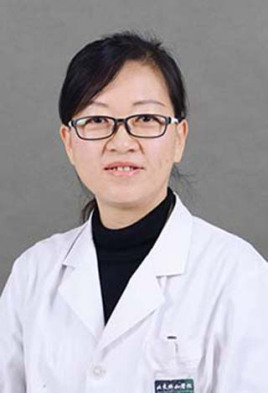 Xiaohong Ning (宁晓红)合作论文数Beijing Union Medical College Hospital3




