We present a machine learning (ML) method to determine unit cell parameters from powder X-Ray diffraction (XRD) data using a novel invariant lattice representation. In ML, the data representation used can have a substantial impact on the prediction quality. Previous approaches have directly predicted lattice parameters (a,b,c,α,β,γ) from XRD inputs. However, these parameters depend strongly on the unit cell reduction or convention used. In this work, we construct an invariant representation of the reciprocal lattice that is independent of primitive cell convention, based on the bispectrum–a descriptor built from spherical harmonic projections of lattice points. The calculation of the lattice bispectrum is differentiable, and we demonstrate how to invert it using a dynamic programming approach. We show that when fixing ML model architecture, using the lattice bispectrum as the ML target rather than the unit cell parameters leads to more accurate lattice parameter predictions. For example, using the MP-20 dataset, the bispectrum reduces length mean absolute percentage error (MAPE) from 11.18
Serial femtosecond crystallography (SFX) and continuous serial electron diffraction (c-SerialED) both enable high-resolution structure determination from protein microcrystals with minimal radiation damage, making it ideal for studying redox-active metalloenzymes. Here, c-SerialED and SFX were used to solve structures of the class Ia ribonucleotide reductase R2 subunit in oxidized (FeIII-FeIII), reduced (FeII-FeII), and re-oxidized states at ∼1.8 Å resolution, capturing three points in a redox reaction. These results demonstrate that c-SerialED can track reversible changes at the redox-site, enabling future time-resolved studies. Comparison between c-SerialED structures and SFX diffraction and emission data confirmed minimal radiation damage. Furthermore, previously reported structures use mercury in the crystallization condition and show mercury-induced conformational changes. Here, we use mercury-free crystallization conditions and reveal a water molecule in the redox center of the reduced state, absent in the previous structures, making these structures more representative of the physiological state.
During photosynthetic water oxidation, the Mn4Ca cluster in Photosystem II progresses through five intermediate Si (i = 0-4) states. X-ray crystallography studies have reported the insertion of one new O ligand during the formation of the S3 state, but recent studies question the presence of this additional ligand based on cryo-EM and earlier room-temperature crystallography data. There is also controversy about whether the O-O bond interaction already occurs in the S3 state or in the subsequent S3 to S0 transition. Here we report conventional high-resolution data for the S1, S2, and S3 states to a resolution of ~1.9 Å, and anomalous diffraction data at two energies (9.5 keV and 7 keV), that was used to model the Mn positions, followed by determination of oxygen positions using the high-resolution maps. We show that the new oxygen atom, OX (or O6), in the S3 state is observable as a distinct peak without any restraints, confirming its ligation to Mn1 and Ca. The OX-O5 distance is ~2.1 Å, supporting no strong interaction between them in the S3 state, suggesting that if this is the O-O bond formation site, it is formed during the S3 to S0 transition initiated by the final oxidation of the cluster.
X-ray crystallography is increasingly employed to study protein conformational ensembles under physiological conditions, but the effects of the crystal lattice on protein motions remains understudied. Here, we report the structure determination of soybean lipoxygenase-1 (SLO) from microcrystal slurries using serial femtosecond crystallography (SFX) at the Linac Coherent Light Source. During data analysis, we observed unexpected polymorphism in SLO unit-cell parameters, arising from two compounding factors: indexing ambiguities caused by the pseudo-tetragonal symmetry of the SLO crystal lattice, and true non-isomorphism between individual crystal populations consistent with different solvent content. By combining unit-cell clustering with systematic reindexing, we resolved two distinct polymorphs and determined two independent structures from a single experiment. The two structures exhibit a small overall RMSD (0.34 Å), yet a difference distance matrix reveals coordinated rearrangements that are not readily apparent from simple structural overlays. Furthermore, a difference of approximately 8.5% in crystal solvent content produces measurable differences in crystal contacts and conformational flexibility. The more hydrated (large-cell) polymorph exhibits greater inter-domain flexibility, as well as higher B-factors in key hydrophobic core residues. In the dehydrated (small-cell) polymorph, which shows less interdomain flexibility, these same residues adopt discrete alternative conformations resolvable in the electron density. Our results highlight that subtle changes in crystal packing can give rise to distinct conformational landscapes for crystallized proteins, with potential implications for the interpretation of protein intramolecular dynamics from crystallographic data.
Metal-organic chalcogenolates (MOChas) are hybrid materials composed of metal-chalcogenide networks coordinated by organic ligands, offering a versatile platform for structural and electronic tunability. The use of molecular ligand design to steer material formation represents a powerful strategy for accessing new solid-state topologies. In this work, we report two new silver benzenethiolate MOChas incorporating protic meta-functionalized ligands─hydroxy (-OH) and amine (-NH2)─which exhibit hydrogen-bond-driven supramolecular organization and novel inorganic connectivities. Rather than modifying existing materials, we contextualize these compounds as distinct outcomes within a structural continuum. Silver para- and meta-methoxy-benzenethiolates (p-OCH3 and m-OCH3) serve as control points for known 2D and 1D topologies, respectively. The new materials, m-OH and m-NH2, were structurally characterized using small molecule serial femtosecond crystallography (smSFX), and their intermediate energetic and electronic properties were confirmed through density functional theory (DFT) calculations. We introduce the concept of supramolecular distortion to describe how ligand-driven intermolecular interactions reshape inorganic topology─not as deviations from a fixed state, but as distinct, kinetically accessible ground-state architectures. This work establishes a design paradigm linking organic ligand identity to predictable shifts in inorganic dimensionality in MOChas.
In all photosynthetic reaction centers (RC), transmembrane electron-transfer (ET) cofactor pathways are coordinated by homologous peptides and arranged with approximate C2 symmetry, providing two possible paths for charge separation (designated A and B). In type II RCs-Photosystem II and the purple bacterial RCs-only the A branch is active for ET. A variant bacterial RC containing nine amino acid substitutions that result in high-yield ET along the normally nonfunctional B branch was designed. Structural and theoretical studies were combined to understand factors that control unique ET reactions in the complex. Serial femtosecond crystallography performed at an X-ray Free Electron Laser afforded the room temperature X-ray-damage-free crystal structure of the variant RC, revealing interactions between the substituted amino acids and the ET cofactors. The positions of the bacteriochlorin cofactors on the symmetry-related pathways are unaffected, underscoring that the substitutions alter the energetics of ET, leading to the functional changes. In the binding pockets for the terminal electron acceptor quinones, alterations in the positions of neighboring amino acids and water molecules are coordinated with the change of the substituted side chains. Modifications deactivated A-branch ET and activated transmembrane charge separation along the B branch. Electrostatic calculations based on the structure reveal how differences in stabilization of charge-separated states by the protein environment underlie the change in direction of electron flow in this variant RC and provide insights into mechanisms by which B-branch charge separation across the photosynthetic membrane can be achieved in high yield.
Protein-hydroxylation catalysed by Fe(II) and 2-oxoglutarate (2OG) dependent oxygenases is an important regulatory mechanism in human biology. Such oxygenases typically coordinate their Fe(II) cofactor via a conserved triad of an aspartate- or glutamate- and two histidine-residues. By contrast, aspartate/asparagine β-hydroxylase (AspH), which catalyses asparagine/aspartate-residue oxidation in epidermal growth factor-like domains (EGFDs), has only two histidine-residues (H679, H725), with a water occupying the site normally occupied by an aspartate- or glutamate-residue. We describe mechanistic studies with catalytically active AspH crystals. Turnover studies with single crystals under cryogenic conditions give (3 R)-hydroxylated EGFDs with the product alcohol coordinating Fe(II) trans to H725. Time-resolved serial crystallography of microcrystals using an acoustic droplet ejection system, coupled to X-ray emission analyses, demonstrate turnover within 1.5 s, giving a product complex in which Fe(II) is regenerated. Solution and crystallographic studies with the O2 surrogate nitric oxide imply O2 binds to Fe(II) trans to H725. The additional Fe-chelating water is maintained throughout AspH catalysis and is not directly involved in substrate hydroxylation, because O2 is the sole oxygen source in alcohol products, as shown by 18O labelling studies. The results reveal how AspH accommodates both aspartate- and asparagine-substrates and will assist in efforts targeting AspH for cancer treatment.
Metal-organic chalcogenolates (MOChas) are hybrid materials notable for excellent air and water stability and strong light-matter interactions. Tellurium-based MOChas have been limited to only a single example, tethrene (AgTePh). We modified a Grignard-based synthetic approach to prepare bis(4-methoxyphenyl) ditelluride and bis(3-methoxyphenyl) ditelluride, then prepared the corresponding MOChas. We used synchrotron serial crystallography at the Diamond Light Source, merging 90-degree sweeps from six selected microcrystals using "needle-in-a-haystack" approach to solve the crystal structure of AgTe-4M, revealing the tethrene-like 2-dimensional layered system. We also identified a bright red luminescent AgTe-3M derivative that is consistent with a 1-dimensional system. In parallel, we observed that elemental tellurium is a problematic contaminant that negatively impacts crystal morphology and yield when present during the synthesis. We demonstrate that inclusion of elemental tellurium is generally tolerated when <1% by weight.
This paper is a report of the High Data Rate Macromolecular Crystallography workshop held on 23 July 2025 as part of the 2025 meeting of the American Crystallographic Association in Lombard, IL, USA, 18-23 July 2025. This report summarizes the discussions, questions, action items, and recommendations that arose from the meeting and includes links to the presentations. The sessions were moderated by Aaron S. Brewster and Graeme Winter. There was particularly lively discussion about the possible need for lossy compression as data rates increase, as multimodal experiments become more popular and as research budgets are squeezed.
Our work reveals the structure of the active state of Methyl-Coenzyme M Reductase (MCR), the key and rate-limiting enzyme in biological methane formation. We find large differences between the active Ni(I) and inactive Ni(II) proteins and provide insight into how nature makes and breaks the C-H bond of methane. The Ni(II)-F430 center in inactive MCR contains four planar nitrogen ligands, a lower axial glutamine oxo, and an upper axial thiolate. The Ni(I)-enzyme replaces the axial ligands with a single water. The one-electron redox change results in movement of the Ni ion and upward swing of the β-lactam ring in the tetrapyrrole coupled to a domino-like protein quake through second sphere residues, inter-subunit interactions, a substrate tunnel, affecting even the dimensions of the unit cell. These structural changes lead Ni(I)-MCR to release a charge clamp that, in the Ni(II) state, locks down substrate Coenzyme B. Determining the Ni(I)-MCR structure required development of rigorous anaerobic crystallographic techniques. Validation of the MCR redox state was accomplished by in-line and parallel spectroscopic and unit cell analyses. This structure has large implications for developing technologies to limit methane emissions and efficiently produce biofuels. Methodology described here will enhance structural biology for other oxygen-sensitive enzymes. ### Competing Interest Statement The authors have declared no competing interest. Office of Basic Energy SciencesOffice of Basic Energy Sciences, https://ror.org/05mg91w61, DE-FG02-08ER15931, FWP 100593, DE-AC02-05CH11231, DE-SC0014664, DE-AC02-76SF00515, DEAC02-05CH11231 National Institutes of HealthNational Institutes of Health, https://ror.org/01cwqze88, GM149528, GM110501, GM126289, GM117126, GM151988, P30GM133894
The development of heterogeneous materials, catalysts, and semiconductors is often reliant on precise control of self-assembly and crystal packing. Many new materials are initially synthesized as microcrystalline powders, making them incompatible with typical methods of structure determination, such as single-crystal X-ray diffraction. This resultant lack of structural information has made thorough investigation into the effect of metal substitution on crystal structure in metal-organic chalcogenolates (MOChas) challenging. Here, we use small molecule serial femtosecond crystallography (smSFX) to present the structures of four copper n-alkanethiolates: CuSC4, CuSC5, CuSC6, and CuSC7. Divergent patterns of alkyl chain packing are identified from microcrystalline powders via smSFX. An odd-even effect in crystal packing has been identified and attributed to different orientations of symmetry elements in the even- and odd-numbered chains. This results in minute changes in the azimuthal organization of the even-numbered chains and the network of cuprophilic interactions. Additionally, we present a synthesis of crystalline gold n-alkanethiolates to provide the first comparison between three d10 coinage metals (Cu, Ag, and Au) and their resultant n-alkanethiolates.
Photosynthesis provides most of the bio-available energy and oxygen to our planet. Yet, while several other mechanisms in oxygenic and anoxygenic photosynthesis have been thoroughly investigated, the core water-splitting reaction of photosystem II (PSII) remains largely uncharacterized. The recent advent of X-ray free-electron lasers has provided us with a tool to probe the structure of PSII's oxygen-evolving complex under ambient conditions and with microsecond time resolution. Still, the quality of diffraction data offered by these experiments is insufficient to reliably observe one-electron differences between individual time points.[1] Instead of probing the imprecise scatterer distribution, oxidation states of individual metal atoms can be assigned by investigating their X-ray absorption edges. Information from classical spectroscopy can not be matched to individual atoms; however, by performing serial diffraction experiments with a pink beam tuned to the metal absorption edge, the anomalous dispersion of each atom becomes embedded in the diffraction image. A careful analysis of Bragg reflection profiles can be thus applied to retrieve the atomic form factors as a function of energy. Refined absorption curves can be then used to characterize the electronic structure of each atom. This spatially resolved anomalous dispersion (SPREAD) technique has been previously successfully applied to data simulated for ferredoxin: a 25 kDa protein containing two differently charged iron centers.[2] The present work describes our recent advances in scaling the pipeline for a 750 kDa PSII with a four-manganese cluster and adapting it to experimental data. In particular, we describe the first working refinement of experimental data, as well as issues encountered with reliability, restraints, mosaicity, and memory use.
When serial crystallography at XFELs was first being developed, it was unclear how it should best be used. Early experiments included studying single crystals, or weak or small crystals, or sample delivery methods that over used crystal material or under used the pulse rate. It took years of refinements to find the strengths of this method, including pump/probe experiments, room-temperature structure determination, damage-free chemistry/function measurements, exploration of dynamics, and more recently, small molecule serial femtosecond crystallography (smSFX). Now, interest in the field is exploding, with serial beamlines being constructed at synchrotrons, either from scratch or being added onto existing instruments. In this talk, several serial crystallography projects will be presented, including multi-modal methods, ligand screening at the ALS, and the transformative method of smSFX.
Serial crystallography is an important technique with unique abilities to resolve enzymatic transition states, minimize radiation damage to sensitive metalloenzymes and perform de novo structure determination from micrometre-sized crystals. This technique requires the merging of data from thousands of crystals, making manual identification of errant crystals unfeasible. cctbx.xfel.merge uses filtering to remove problematic data. However, this process is imperfect, and data reduction must be robust to outliers. We add robustness to cctbx.xfel.merge at the step of uncertainty determination for reflection intensities. This step is a critical point for robustness because it is the first step where the data sets are considered as a whole, as opposed to individual lattices. Robustness is conferred by reformulating the error-calibration procedure to have fewer and less stringent statistical assumptions and incorporating the ability to down-weight low-quality lattices. We then apply this method to five macromolecular XFEL data sets and observe the improvements to each. The appropriateness of the intensity uncertainties is demonstrated through internal consistency. This is performed through theoretical CC1/2 and I/σ relationships and by weighted second moments, which use Wilson's prior to connect intensity uncertainties with their expected distribution. This work presents new mathematical tools to analyze intensity statistics and demonstrates their effectiveness through the often underappreciated process of uncertainty analysis.
Superatomic crystals comprising ligand-capped, metal chalcogenide clusters and fullerenes are modular materials that exhibit enhanced electronic, magnetic, and thermal conductivity properties. We find that neutral, M4S4 (M = Fe, Co) clusters stabilized with N-heterocyclic carbenes (NHCs) can transfer charge to C60 fullerene to form binary superatomic crystals. Notably, these compounds are soluble in various organic solvents, allowing their properties to be investigated in solution, unlike traditional fullerene-based superatomic crystals. The ion pairs can be further assembled into organometallic polymers using Janus-bis-(NHCs) to cross-link the oxidized M4S4 units. We show that the superatomic polymers are more conductive than both the precursor superatomic crystals and the polymers containing only neutral M4S4 clusters. Similar conductivity values can be obtained when neutral M4S4-NHC polymers are doped with solutions of C60 fullerene. These findings demonstrate that next generation superatomic materials can be prepared via the combination of charge transfer and polymerization with appropriate cross-linking agents.
The cctbx.xfel suite of processing programs and tools allows fast, visual analysis of serial diffraction images from synchrotrons and XFELs. Built on DIALS and cctbx, cctbx.xfel is designed for real-time and post-experiment processing with a fully featured graphical user interface. Users can quickly identify hitrates, view diffraction patterns, analyze unit-cell isomorphism using clustering, and merge data using a metadata tagging approach that allows on-the-fly organization and visualization of processing results. This paper describes the fundamental algorithms and command-line programs used by cctbx.xfel, including the two main program dials.stills_process, which performs spot-finding, indexing, geometric refinement, and integration, and cctbx.xfel.merge, which performs scaling, post-refinement, and merging. A discussion of merging statistics is presented and newer features are described, including random sub-sampling for indexing multi-lattice hits and ΔCC 1/2 filtering to remove outliers. Finally we show a complex, heterogeneous sample containing hexagonal and monoclinic isoforms in P63 and P21. The isoforms are separated by unit cell clustering, and for each isoform we resolve a (pseudo-)merohedral indexing ambiguity.
XFEL diffraction is being demonstrated as a powerful method for small-molecule crystallography (SMX) using microcrystals. We must develop a set of best practices for the high-throughput collection of many serial SMX datasets for diverse, non-specialist sample submitters. The two intersecting fields, XFEL serial diffraction and chemical crystallography, have until now followed entirely different models for data retention, driven by a ∼1000x difference in their typical data volumes. The oncoming “culture clash” in data retention policies will be resolved by reconsidering the typical SMX policy (“retain everything”) in view of the reality of large (often >1 TB) serial datasets. In this talk I will discuss our ongoing efforts to offer chemical crystallography as a service at XFEL sources. I will propose a model for data retention in high-throughout serial SMX, meeting users’ requirements without manual intervention and without the long-term storage of TB-sized datasets.
In macromolecular crystallography (MX), integrated intensities’ final uncertainties are typically calculated by an empirical transformation of initial counting statistics uncertainties, a procedure generally known as error calibration. Existing MX error calibration algorithms were designed for single-crystal rotational diffraction experiments. This work describes their further adaptation to serial femtosecond crystallography and is motivated by fundamental differences in data and experimentation between these methods. We propose a new parameterized error transformation that applies different levels of error to each lattice based on its correlation to a scaling reference. A maximum likelihood approach is used to robustly optimize the transformation’s parameters. This algorithm is implemented within cctbx.xfel.merge and is demonstrated to improve the accuracy of the uncertainty estimates.In macromolecular crystallography (MX), integrated intensities’ final uncertainties are typically calculated by an empirical transformation of initial counting statistics uncertainties, a procedure generally known as error calibration. Existing MX error calibration algorithms were designed for single-crystal rotational diffraction experiments. This work describes their further adaptation to serial femtosecond crystallography and is motivated by fundamental differences in data and experimentation between these methods. We propose a new parameterized error transformation that applies different levels of error to each lattice based on its correlation to a scaling reference. A maximum likelihood approach is used to robustly optimize the transformation’s parameters. This algorithm is implemented within cctbx.xfel.merge and is demonstrated to improve the accuracy of the uncertainty estimates.
Small-molecule serial femtosecond crystallography (smSFX) at XFELs has become a reliable tool for determining structures of new, unknown materials from microcrystalline powders. The use of smSFX has had a considerable impact on metal-organic chalcogenolate (MOCHa) research, where smSFX derived structures have contributed new knowledge on the structure-function relationships in MOCHa compounds and have informed MOCHA synthetic efforts significantly. The vast demand in materials science and chemistry fields for structural techniques that produce high-quality, accurate structures from microcrystalline samples show the impact the smSFX technique can have on other compound classes. To expand smSFX capabilities to the larger global community, we have developed the world’s only mail-in program for XFEL chemical crystallography at the Linac Coherent Light Source, performing data collection as a service for outside sample submitters from the US and worldwide. The inaugural mail-in smSFX experiments identified four highly technologically relevant compound classes where smSFX will have the greatest impact. Metal-organic frameworks (MOFs), covalent-organic frameworks (COFs), inorganic covalent solids, and organic molecular crystals. Our automated sampled delivery and data collection methods allow us to collect data in a high-throughput manner and provide these user groups with high-quality, accurate structures. In one mail-in beamtime, we can impact research efforts on a global scale and contribute new science to multiple technologically relevant compound classes.
 Aaron S. Brewster合作论文数Physical Biosciences Division, Lawrence Berkeley National Laboratory;Physical Biosciences Division, Lawrence Berkeley National Laboratory32
 Michael L. Steigerwald合作论文数CCI Center for Chemistry with Electric Fields, Department of Chemistry, Columbia University in the City of New York31
 Colin P. Nuckolls合作论文数Department of Chemistry, Columbia University in the City of New York31
 Xavier Roy合作论文数Centre de Recherche Astrophysique de Lyon30
 Nicholas Sauter合作论文数24
 Asmit Bhowmick合作论文数Lawrence Berkeley Natl Lab, Mol Biophys & Integrated Bioimaging Div, Berkeley, CA 94720 USA13Elyse A Schriber合作论文数12
 J. Nathan Hohman合作论文数Departments of Chemistry and Physics, The Pennsylvania State University12Fay W. Ng合作论文数11
 Junko Yano合作论文数Molecular Biophysics and Integrated Bioimaging Division, Lawrence Berkeley National Laboratory9
 Vittal K. Yachandra合作论文数Lawrence Berkeley National Laboratory9Elbaz Giselle合作论文数9
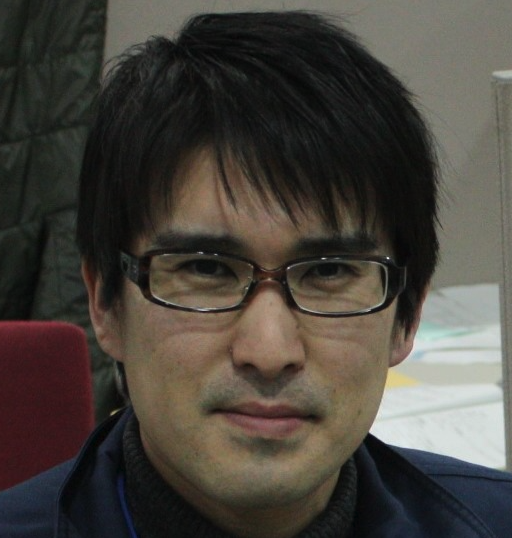 Kensuke Tono (登野健介)合作论文数Scattering and Imaging Division, Center for Synchrotron Radiation Research, Japan Synchrotron Radiation Research Institute9Shigeki Owada合作论文数Japan Synchrotron Radiation Research Institute8Makita Hiroki合作论文数8
 Blaschke Johannes合作论文数Max-Planck-Institut für Dynamik und Selbstorganisation (MPIDS), 37077 Göttingen, Germany.8
 Choi Bonnie合作论文数8Vanessa Oklejas合作论文数8
 Latha Venkataraman合作论文数School of Engineering and Applied Science, Columbia University;Insitute of Science and Technology Austria7
 Ball Melissa合作论文数Optoelectronic Nano Materials and Devices Institute, Shanghai Normal University7
 Jan Kern合作论文数Institut für Chemie/Max Volmer Laboratorium für Biophysikalische Chemie, Technische Universität Berlin7David W. Mittan-Moreau合作论文数6Anouck M Champsaur合作论文数Dept Chem, Columbia Univ6
 Medhanjali Dasgupta合作论文数6
 Raymond G. Sierra合作论文数SLAC National Accelerator Laboratory, PULSE Institute;SLAC National Accelerator Laboratory, PULSE Institute6Batyuk Alexander合作论文数6
 Raul Hernandez Sanchez合作论文数6Wee-Liat Ong合作论文数Institute of Microelectronics6
 Jonathan Malen合作论文数Department of Mechanical Engineering, College of Engineering, Carnegie Mellon University;Department of Materials Science and Engineering, College of Engineering, Carnegie Mellon University6
 Xiaoyang Zhu合作论文数Department of Chemistry, Columbia University6Patience Adei Kotei合作论文数5Philipp S Simon合作论文数Molecular Biophysics and Integrated Bioimaging Division, Lawrence Berkeley National Laboratory, Berkeley, CA, 94720, USA.5
 Isabel Bogacz合作论文数Lawrence Berkeley Natl Lab, Mol Biophys & Integrated Bioimaging Div, Berkeley, CA 94720 USA5
 Franklin Fuller合作论文数SLAC Natl Accelerator Lab, Linac Coherent Light Source, Menlo Pk, CA 94025 USA5
 T. Siegrist合作论文数Florida State Univ, Natl High Magnet Field Lab, Tallahassee, FL 32310 USA5
 Felix Raoul Fischer合作论文数Department of Chemistry, University of California Berkeley5
 Roberto Alonso-Mori合作论文数SLAC National Accelerator Laboratory, Stanford University;Biochemistry and Condensed Phase Chemistry Group, Chemical Sciences Department, Stanford University5Bejger Christopher合作论文数5Mark S. Hunter合作论文数Department of Chemistry and Biochemistry, Arizona State University5
 Philip Kim合作论文数Department of Physics, Harvard University5
 Leland Bruce Gee合作论文数Department of Chemistry, University of California, Davis5
 Ruchira Chatterjee合作论文数Physical Biosciences Division, Lawrence Berkeley National Laboratory5Mendez Derek合作论文数Department of Applied Physics5Doud Evan A合作论文数5Sedbrook Danielle F合作论文数5
 ICHIRO INOUE合作论文数RIKEN SPring 8 Ctr, 1-1-1 Kouto, Sayo, Hyogo 6795148, Japan5
 Nigel W Moriarty合作论文数5Mariya Aleksich合作论文数4
 Yuan Yang合作论文数Department of Applied Physics and Applied Mathematics, Columbia University4




