Associative memory has long underpinned the design of sequential models. Beyond recall, humans reason by , a capability that modern language models increasingly require but do not natively encode. While prior work uses reinforcement learning or test-time training, planning remains external to the model architecture. We formulate reasoning as and introduce the layer, which performs finite-horizon planning over latent states at inference time, enabling . To ensure scalability, we derive a hardware-efficient LQR solver based on a symplectic formulation and implement it as a fused CUDA kernel, enabling parallel execution with minimal overhead. Integrated as an adapter into pretrained LLMs, TTC layers improve mathematical reasoning performance by up to +27.8 on MATH-500 and 2-3x Pass@8 improvements on AMC and AIME, demonstrating that embedding optimal control as an architectural component provides an effective and scalable mechanism for reasoning beyond test-time training.
Recent advances in LLM-based multi-agent systems (MAS) show that workflows composed of multiple LLM agents with distinct roles, tools, and communication patterns can outperform single-LLM baselines on complex tasks. However, most frameworks are homogeneous, where all agents share the same base LLM and differ only in prompts, tools, and positions in the workflow. This raises the question of whether such workflows can be simulated by a single agent through multi-turn conversations. We investigate this across seven benchmarks spanning coding, mathematics, general question answering, domain-specific reasoning, and real-world planning and tool use. Our results show that a single agent can reach the performance of homogeneous workflows with an efficiency advantage from KV cache reuse, and can even match the performance of an automatically optimized heterogeneous workflow. Building on this finding, we propose OneFlow, an algorithm that automatically tailors workflows for single-agent execution, reducing inference costs compared to existing automatic multi-agent design frameworks without trading off accuracy. These results position the single-LLM implementation of multi-agent workflows as a strong baseline for MAS research. We also note that single-LLM methods cannot capture heterogeneous workflows due to the lack of KV cache sharing across different LLMs, highlighting future opportunities in developing truly heterogeneous multi-agent systems.
Scaling inference-time compute for Large Language Models (LLMs) has unlocked unprecedented reasoning capabilities. However, existing inference-time scaling methods typically rely on inefficient and suboptimal discrete search algorithms or trial-and-error prompting to improve the online policy. In this paper, we propose $\nabla$-reasoner, an iterative generation framework that integrates differentiable optimization over token logits into the decoding loop to refine the policy on the fly. Our core component, Differentiable Textual Optimization (DTO), leverages gradient signals from both the LLM’s likelihood and a reward model to refine textual representations. $\nabla$-reasoner further incorporates rejection sampling and acceleration design to robustify and speed up decoding. Theoretically, we show that performing inference-time gradient descent in the sample space to maximize reward is dual to aligning an LLM policy via KL-regularized reinforcement learning. Empirically, $\nabla$-reasoner achieves over 20% accuracy improvement on a challenging mathematical reasoning benchmark, while reducing number of model calls by approximately 10-40% compared to strong baselines. Overall, our work introduces a paradigm shift from zeroth-order search to first-order optimization at test time, offering a cost-effective path to amplify LLM reasoning.
Sequential prediction from streaming observations is a fundamental problem in stochastic dynamical systems, where inherent uncertainty often leads to multiple plausible futures. While diffusion and flow-matching models are capable of modeling complex, multi-modal trajectories, their deployment in real-time streaming environments typically relies on repeated sampling from a non-informative initial distribution, incurring substantial inference latency and potential system backlogs. In this work, we introduce Sequential Flow Matching, a principled framework grounded in Bayesian filtering. By treating streaming inference as learning a probability flow that transports the predictive distribution from one time step to the next, our approach naturally aligns with the recursive structure of Bayesian belief updates. We provide theoretical justification that initializing generation from the previous posterior offers a principled warm start that can accelerate sampling compared to naïve re-sampling. Across a wide range of forecasting, decision-making and state estimation tasks, our method achieves performance competitive with full-step diffusion while requiring only one or very few sampling steps, therefore with faster sampling. It suggests that framing sequential inference via Bayesian filtering provides a new and principled perspective towards efficient real-time deployment of flow-based models.
Large language models increasingly serve as execution engines for agentic systems, yet they still consume context through a sequential text interface. This creates a mismatch with modern structured agent workflows, in which independent branches explore subtasks, retrieve evidence, or generate candidate solutions before a final synthesis step. Existing systems typically merge these branches by concatenating their textual outputs, which discards the parallel structure and incurs redundant prefill computation. In this work, we introduce Parallel-Synthesis, a plug-and-play framework that enables a synthesizer to directly consume the KV caches produced by parallel worker agents. Parallel-Synthesis combines a cache mapper that calibrates independently generated branch caches with a fine-tuned synthesizer adapter that enables generation from this non-sequential cache interface. We train Parallel-Synthesis using data that exposes the synthesizer to parallel cache contexts, teaches aggregation across cached branches, and distills reasoning behavior from standard text-concatenation-based synthesis. Across nine downstream datasets spanning math, science QA, code generation, GAIA, and multi-agent database diagnosis, Parallel-Synthesis matches or outperforms text-based synthesis on seven datasets and remains close on the other two. It also reduces time-to-first-token by 2.5x-11x, suggesting that direct cache-based synthesis is a promising interface for more native and efficient synthesis over parallel agent branches.
Hidden malicious intent in multi-turn dialogue poses a growing threat to deployed large language models (LLMs). Rather than exposing a harmful objective in a single prompt, increasingly capable attackers can distribute their intent across multiple benign-looking turns. Recent studies show that even modern commercial models with advanced guardrails remain vulnerable to such attacks despite advances in safety alignment and external guardrails. In this work, we address this challenge by detecting the earliest turn at which delivering the candidate response would make the accumulated interaction sufficient to enable harmful action. This objective requires precise turn-level intervention that identifies the harm-enabling closure point while avoiding premature refusal of benign exploratory conversations. To further support training and evaluation, we construct the Multi-Turn Intent Dataset (MTID), which contains branching attack rollouts, matched benign hard negatives, and annotations of the earliest harm-enabling turns. We show that MTID helps enable a turn-level monitor TurnGate, which substantially outperforms existing baselines in harmful-intent detection while maintaining low over-refusal rates. TurnGate further generalizes across domains, attacker pipelines, and target models. Our code is available at https://github.com/Graph-COM/TurnGate.
As Vision-Language Models (VLMs) are increasingly deployed as autonomous cognitive cores for embodied assistants, evaluating their privacy awareness in physical environments becomes critical. Unlike digital chatbots, these agents operate in intimate spaces, such as homes and hospitals, where they possess the physical agency to observe and manipulate privacy-sensitive information and artifacts. However, current benchmarks remain limited to unimodal, text-based representations that cannot capture the demands of real-world settings. To bridge this gap, we present ImmersedPrivacy, an interactive audio-visual evaluation framework that simulates realistic physical environments using a Unity-based simulator. ImmersedPrivacy evaluates physically grounded privacy awareness across three progressive tiers that test a model's ability to identify sensitive items in cluttered scenes, adapt to shifting social contexts, and resolve conflicts between explicit commands and inferred privacy constraints. Our evaluation of 12 state-of-the-art models reveals consistent deficits. In cluttered scenes, all models exhibit monotonic performance decay as scene complexity grows due to perceptual deficit. When social context shifts, no model exceed 65% selection accuracy. Under conflicting commands, the best model gemini-3.1-pro perfectly balances task completion and privacy preservation in only 51% of cases. These findings reveal that current VLMs in the physical world suffer from perceptual fragility and fail to let their knowledge of privacy cues govern their situated behavior. Our code and data is available at https://github.com/immersed-privacy/immersed-privacy .
To keep pace with the rapid advancements in design complexity within modern computing systems, directed graph representation learning (DGRL) has become crucial, particularly for encoding circuit netlists, computational graphs, and developing surrogate models for hardware performance prediction. However, DGRL remains relatively unexplored, especially in the hardware domain, mainly due to the lack of comprehensive and user-friendly benchmarks. This study presents a novel benchmark comprising five hardware design datasets and 13 prediction tasks spanning various levels of circuit abstraction. We evaluate 21 DGRL models, employing diverse graph neural networks and graph transformers (GTs) as backbones, enhanced by positional encodings (PEs) tailored for directed graphs. Our results highlight that bidirected (BI) message passing neural networks (MPNNs) and robust PEs significantly enhance model performance. Notably, the top-performing models include PE-enhanced GTs interleaved with BI-MPNN layers and BI-Graph Isomorphism Network, both surpassing baselines across the 13 tasks. Additionally, our investigation into out-of-distribution (OOD) performance emphasizes the urgent need to improve OOD generalization in DGRL models. This benchmark, implemented with a modular codebase, streamlines the evaluation of DGRL models for both hardware and ML practitioners
Zeroth-order optimization has emerged as a promising approach for fine-tuning large language models on domain-specific data, particularly under differential privacy (DP) and memory constraints. While first-order methods have been extensively studied from a privacy perspective, the privacy analysis and algorithmic design for zeroth-order methods remain significantly underexplored. A critical open question concerns hidden-state DP analysis: although convergent privacy bounds are known for first-order methods, it has remained unclear whether similar guarantees can be established for zeroth-order methods. In this work, we provide an affirmative answer by proving a convergent DP bound for zeroth-order optimization. Our analysis generalizes the celebrated privacy amplification-by-iteration framework to the setting of smooth loss functions in zeroth-order optimization. Furthermore, it induces better DP zeroth-order algorithmic designs that are previously unknown to the literature.
Post-hoc context erasing over the KV cache is challenging because a local edit has a global consequence: once a span has been processed, its influence propagates into the cached states of all subsequent tokens. This issue arises naturally in long-context LLM applications, where stale retrieved facts, incorrect tool observations, retracted user preferences, or harmful prompt injections may be identified only after prefill. Exact erasing must then recompute all tokens after the deleted span, making its computational cost depend on suffix length rather than erased-span length. We introduce KVEraser, a learned KV-cache editing method for efficient localized context erasing. Given a processed context and a span to remove, KVEraser replaces only the KV states of the erased interval with learned steering states while reusing the remaining cache unchanged. To learn a transferable erasing mechanism, we build a two-stage training pipeline: generic span-neighbor pre-training teaches the eraser to suppress the influence of the erased span, while task-specific fine-tuning adapts this capability to downstream scenarios. Experiments show that KVEraser nearly matches full recomputation in post-erasure performance on in-domain tasks across 1K--32K context lengths, while its latency increases by only 24% compared with a 17.6x increase for full recomputation. KVEraser also generalizes to unseen long-document QA tasks with harmful factual distractors, achieving the best performance among approximate baselines with a 3--4x speedup over full recomputation.
Recent advancements in large-scale pre-training have shown the potential to learn generalizable representations for downstream tasks. In the graph domain, however, capturing and transferring structural information across different graph domains remains challenging, primarily due to the inherent differences in graph topological patterns across various contexts. For example, a social network's structure is fundamentally different from that of a product co-purchase graph. Additionally, most existing models struggle to capture the rich topological complexity of graph structures, leading to inadequate exploration of the graph embedding space. To address these challenges, we propose GFSE, a universal pre-trained graph encoder designed to capture transferable structural patterns across diverse domains such as the web graph, social networks, and citation networks. GFSE is the first cross-domain graph structural encoder pre-trained with multiple self-supervised learning objectives. Built on a Graph Transformer, GFSE incorporates attention mechanisms informed by graph structural information, enabling it to encode intricate multi-level and fine-grained topological features within complex graph structures. The pre-trained GFSE produces generic and theoretically expressive positional and structural encoding for graphs, which can be seamlessly integrated with various downstream graph feature encoders, including graph neural networks for vectorized features and Large Language Models (LLMs) for text-attributed graphs. Comprehensive experiments on synthetic and real-world datasets demonstrate GFSE's capability to significantly enhance the model's performance while requiring substantially less task-specific fine-tuning.
A popular way to improve the expressive power of graph neural networks (GNNs) is to use Laplacian eigenvectors as additional node features, since they can serve both as structural identifiers and global coordinates of nodes. Properly handling the orthogonal group symmetry among eigenvectors is crucial for the stability and generalizability of Laplacian eigenvector augmented GNNs. Previous studies have shown that using a naive O(p)-group invariant encoder for each p-dimensional eigenspace often leads to expressivity loss and numerical instability. In this paper, we propose a novel method exploiting Laplacian eigenvectors to generate stable and globally expressive graph representations. The main difference from previous works is that (i) our method utilizes learnable O(p)-invariant representations for each Laplacian eigenspace of dimension p, which are built upon powerful orthogonal group equivariant neural network layers already well studied in the literature, and that (ii) our method deals with numerically close eigenvalues in a smooth fashion, ensuring its better robustness against perturbations. Experiments on various graph learning benchmarks witness the competitive performance of our method, especially its great potential to learn global properties of graphs.
Large language models (LLMs) remain vulnerable to jailbreak attacks that bypass safety guardrails. Existing approaches overwhelmingly operate within the prompt-optimization paradigm; the resulting prompts typically retain malicious semantic signals that modern guardrails are primed to detect. In contrast, we identify a deeper vulnerability stemming from the highly interconnected nature of an LLM’s internal knowledge. This structure allows harmful objectives to be realized by weaving together sequences of benign sub-queries, each of which individually evades detection. To exploit this loophole, we introduce the Correlated Knowledge Attack Agent (CKA-Agent), a dynamic framework that reframes jailbreaking as an adaptive, tree-structured exploration of the target model’s knowledge base. The CKA-Agent issues locally innocuous queries, uses model responses to guide exploration across multiple paths, and ultimately assembles the aggregated information to achieve the original harmful objective. Evaluated across SOTA commercial LLMs, CKA-Agent consistently achieves over 95\% success rates even against strong guardrails, underscoring the severity of this vulnerability and the urgent need for defenses against such knowledge-decomposition attacks. Our codes are available at https://anonymous.4open.science/r/CKA-Agent-ICML
While Large Language Model (LLM) multi-agent systems (MAS) offer a transformative approach to simulating human behavior in complex systems, it remains largely unexplored whether these simulations can replicate realistic structural and temporal dynamics from a dynamic network perspective. Our evaluation indicates that existing frameworks excel at generating plausible micro-level interactions but fail to capture the emergent, macroscopic topologies necessary for domains that rely on realistic network dynamics, such as modeling information propagation and cybersecurity threats. To bridge this gap, we introduce two easily integrable extensions to simulation frameworks to ensure they preserve macroscopic network fidelity: 1) augmenting LLM agents with data-driven event triggers to organically sustain long-horizon interactions, and 2) integrating Hawkes processes to accurately model temporal activation dynamics. Our approach allows LLM MAS to capture both plausible micro-level patterns and macroscopic topologies. We further demonstrate the utility of this framework in synthesizing realistic phishing campaigns within evolving communication networks. The study reveals how threats exploit structural vulnerabilities, highlighting the potential of our framework for developing next-generation defenses. Our code is available at https://github.com/Graph-COM/NSL.
Knowledge editing (KE) is crucial for making precise modifications to factual knowledge within large language models (LLMs). Existing KE methods, however, are primarily designed for dense architectures, limiting their applicability to the increasingly popular sparse Mixture-of-Experts (MoE) models that power modern scalable LLMs. While MoEs offer remarkable efficiency and capacity scaling, their unique structure introduces new challenges for KE. Naively adapting dense-model editors to MoEs is not only computationally expensive but also induces routing distribution shifts that degrade model stability and consistency. To address these challenges, we introduce MoEEdit, the first systematic framework for routing-stable knowledge editing in MoE LLMs. Our approach reparameterizes expert updates through per-expert null-space projections, ensuring router inputs remain invariant to suppress these shifts, and solves the resulting block-structured optimization with an efficient block coordinate descent (BCD) solver. Experiments demonstrate that MoEEdit achieves state-of-the-art efficacy and generalization, while maintaining high specificity, routing stability, and superior computational and memory efficiency. Our work establishes a robust foundation for scalable and precise knowledge editing in modern sparse LLMs by highlighting the necessity of routing-stable interventions.
Scaling inference-time compute for Large Language Models (LLMs) has unlocked unprecedented reasoning capabilities. However, existing inference-time scaling methods typically rely on inefficient and suboptimal discrete search algorithms or trial-and-error prompting to improve the online policy. In this paper, we propose ∇-Reasoner, an iterative generation framework that integrates differentiable optimization over token logits into the decoding loop to refine the policy on the fly. Our core component, Differentiable Textual Optimization (DTO), leverages gradient signals from both the LLM's likelihood and a reward model to refine textual representations. ∇-Reasoner further incorporates rejection sampling and acceleration design to robustify and speed up decoding. Theoretically, we show that performing inference-time gradient descent in the sample space to maximize reward is dual to aligning an LLM policy via KL-regularized reinforcement learning. Empirically, ∇-Reasoner achieves over 20
Associative memory has long underpinned the design of sequential models. Beyond recall, humans reason by projecting future states and selecting goal-directed actions, a capability that modern language models increasingly require but do not natively encode. While prior work uses reinforcement learning or test-time training, planning remains external to the model architecture. We formulate reasoning as optimal control and introduce the Test-Time Control (TTC) layer, which performs finite-horizon LQR planning over latent states at inference time, represents a value function within neural architectures, and leverages it as the nested objective to enable planning before prediction. To ensure scalability, we derive a hardware-efficient LQR solver based on a symplectic formulation and implement it as a fused CUDA kernel, enabling parallel execution with minimal overhead. Integrated as an adapter into pretrained LLMs, TTC layers improve mathematical reasoning performance by up to +27.8
Magnetic graphs, originally developed to model quantum systems under magnetic fields, have recently emerged as a powerful framework for analyzing complex directed networks. Existing research has primarily used the spectral properties of the magnetic graph matrix to study global and stationary network features. However, their capacity to model local, nonequilibrium behaviors, often described by matrix powers, remains largely unexplored. We present a combinatorial interpretation of the magnetic graph matrix powers through directed walk profiles-counts of graph walks indexed by the number of edge reversals. Crucially, we establish that walk profiles correspond to a Fourier transform of magnetic matrix powers. The connection allows exact reconstruction of walk profiles from magnetic matrix powers at multiple discrete potentials, and more importantly, an even smaller number of potentials often suffices for accurate approximate reconstruction in real networks. This shows the empirical compressibility of the information captured by the magnetic matrix. This fresh perspective suggests further applications; for example, we illustrate how powers of the magnetic matrix can identify frustrated directed cycles (e.g., feedforward loops) and can be effectively employed for link prediction by encoding local structural details in directed graphs.
Distribution shifts on graphs-the discrepancies in data distribution between training and employing a graph machine learning model-are ubiquitous and often unavoidable in real-world applications. These shifts may severely deteriorate model performance, posing significant challenges for reliable graph machine learning. In recent years, there has been a surge in research on graph machine learning specifically designed to tackle such distribution shifts, aiming to train models to achieve satisfactory performance on Out-of-Distribution (OOD) test data. This survey provides an up-to-date and forward-looking review of deep graph learning under distribution shifts. We categorize the field into three primary scenarios: graph OOD generalization, training-time graph OOD adaptation, and test-time graph OOD adaptation. We begin by formally formulating the problems and discussing various types of distribution shifts that can affect graph learning, such as covariate shifts and concept shifts. To provide a structured understanding of the literature, we introduce a systematic taxonomy that classifies existing methods into model-centric and data-centric approaches, investigating the techniques used in each category. We also summarize commonly used datasets in this research area to facilitate further investigation. Finally, we point out promising research directions and the corresponding challenges to encourage further study in this vital domain. Additionally, we provide a continuously updated reading list at https://github.com/kaize0409/Awesome-Graph-OOD.
Circuit netlists are naturally represented as directed graphs, making them ideal for directed graph representation learning (DGRL) to analyze and predict circuit properties. These DGRL-based encoders offer fast, cost-effective alternatives to traditional simulation and enhance downstream EDA workflows. However, reliable prediction on directed circuit graphs remains challenging. Task-specific heuristics often limit generalization across diverse design problems, while naïve directed messagepassing neural networks (MPNNs) struggle to capture both absolute and relative node positions, as well as long-range dependencies. To address these challenges, we first introduce general circuit graph encoder architectures with enhanced expressiveness for capturing long-range directional and logical dependencies. Our models use graph isomorphism networks (GINs) and graph transformers as backbones, incorporating bidirected message passing and stable positional encodings. Second, to jointly encode the inductive biases of circuit structure and functionality, we adopt a pretraining-finetuning pipeline. Encoders are pretrained using a novel, sample-efficient graph contrastive learning framework on unlabeled circuit data, augmented with hard negatives generated through functional and topological perturbations, and then finetuned with lightweight task-specific heads. This combination of more expressive graph encoders and sample-efficient graph contrastive learning substantially enhances representational capacity, resulting in general-purpose directed circuit graph encoders that can be applied across a broad range of design tasks. Evaluation on symbolic reasoning and quality-of-results (QoR) prediction tasks demonstrates consistent improvements over task-specific baselines. Thor is available at: https://github.com/ORCA-lab/Thor.
 Siqi Miao (苗思奇)合作论文数School of Electrical and Computer Engineering, Georgia Institute of Technology18
 I (Eli) Chien (簡翌)合作论文数Department of Electrical Engineering, National Taiwan University;Graduate Institute of Communication Engineering, National Taiwan University16
 Olgica Milenkovic合作论文数Department of Electrical & Computer Engineering, The Grainger College of Engineering, University of Illinois Urbana-Champaign15
 Rongzhe Wei (魏容哲)合作论文数School of Electrical and Computer Engineering, College of Engineering, Georgia Institute of Technology14
 Shikun Liu合作论文数Department of Electrical and Computer Engineering, Georgia Institute of Technology14
 Muhan Zhang (张牧涵)合作论文数Institute for Artificial Intelligence, Peking University14
 Haoyu Wang合作论文数University at Albany12
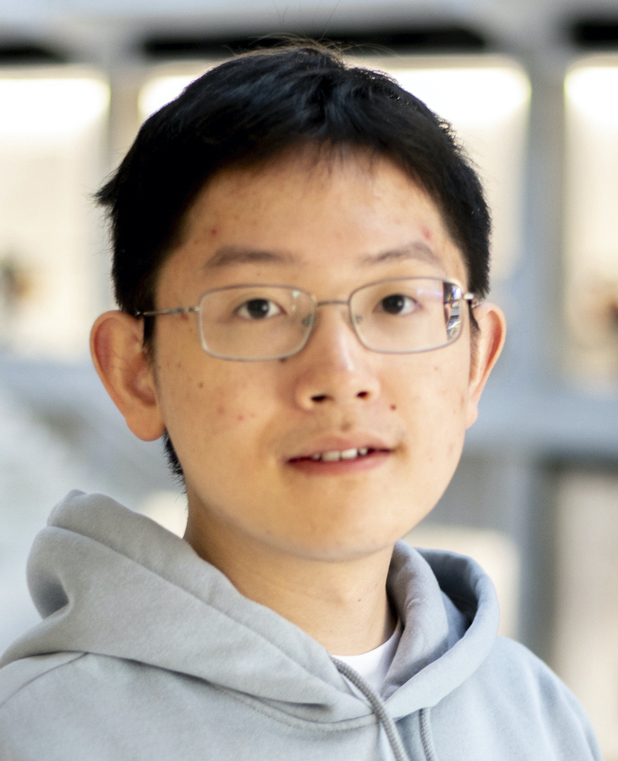 Peihao Wang合作论文数Department of Electrical and Computer Engineering, Cockrell School of Engineering, The University of Texas at Austin11
 Haoteng Yin (殷浩腾)合作论文数Google10
 Mufei Li (李牧非)合作论文数Georgia Institute of Technology9
 Callie Hao合作论文数School of Electrical and Computer Engineering, College of Engineering, Georgia Institute of Technology9
 Yinan Huang合作论文数Georgia Institute of Technology8
 Jure Leskovec合作论文数Department of Computer Science, Stanford University8
 Carl Yang (阳及)合作论文数Department of Computer Science, Emory University;Department of Biostatistics and Bioinformatics, Rollins School of Public Health, Emory University;Center for Data Science, Nell Hodgson Woodruff School of Nursing, Emory University7
 Yanbang Wang合作论文数Department of Computer Science, Cornell Ann S. Bowers College of Computing and Information Science, Cornell University7
 Zhangyang “Atlas” Wang (汪张扬)合作论文数XTX Markets6
 Li Mufei合作论文数6
 Mia Liu合作论文数Purdue Univ, Dept Phys & Astron, W Lafayette, IN 47907 USA5
 Victor Fung合作论文数School of Computational Science and Engineering, College of Computing, Georgia Institute of Technology5
 Vamsi K. Potluru合作论文数Dept. of Comp Science, Univ of New Mexico5Haoyu Peter Wang合作论文数4
 Yongqiang Chen合作论文数Causal Learning and Reasoning Group, Carnegie Mellon University;Mohamed bin Zayed University of Artificial Intelligence4Eleonora Kreačić合作论文数4
 Javier Duarte合作论文数Department of Physics, Division of Physical Sciences, University of California, San Diego4
 Ruisi Cai (蔡睿思)合作论文数Chandra Department of Electrical and Computer Engineering, Cockrell School of Engineering, The University of Texas at Austin;Citadel Securities4
 Xiaomin Ouyang合作论文数4
 Rex (Zhitao) Ying (应智韬)合作论文数Department of Computer Science, School of Engineering & Applied Science, Yale University4
 Susheel Suresh合作论文数Department of Computer Science, Purdue University;Microsoft4
 Xiyuan Wang (王希元)合作论文数School of Intelligence Science and Technology, Peking University;Institute of Artificial Intelligence, Peking University4
 Guoliang Xing (邢國良)合作论文数Department of Information Engineering, The Chinese University of Hong Kong;AIoT Lab, The Chinese University of Hong Kong4
 Jennifer Neville合作论文数Computer Science and Statistics, Purdue University4
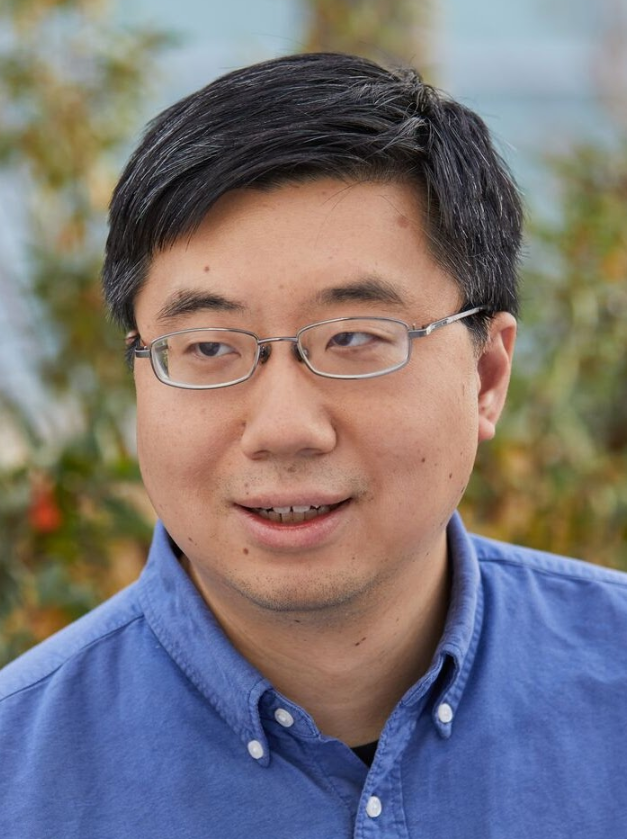 Yinglong Xia (夏应龙)合作论文数Meta4
 Shenghao Yang合作论文数Department of Statistics, University of California, Berkeley;International Computer Science Institute3Nan Wu合作论文数3
 Zhiyuan Xie合作论文数3Hang Yang合作论文数3
 Yunyu Liu合作论文数Department of Computer Science, Purdue University3
 Ziang Chen合作论文数Department of Mathematics, Massachusetts Institute of Technology3
 Han Zhao (赵晗)合作论文数Department of Computer Science, The Grainger College of Engineering, University of Illinois at Urbana-Champaign;Department of Electrical and Computer Engineering, University of Illinois at Urbana-Champaign;Amazon3
 Yuan Xie (谢源)合作论文数Department of Electronic and Computer Engineering, School of Engineering, The Hong Kong University of Science and Technology3
 Deming Chen (陈德铭)合作论文数Department of Electrical and Computer Engineering, The Grainger College of Engineering, University of Illinois at Urbana-Champaign;Inspirit IoT, Inc.3
 Jinjun Xiong合作论文数College of AI, Cyber and Computing, The University of Texas at San Antonio3
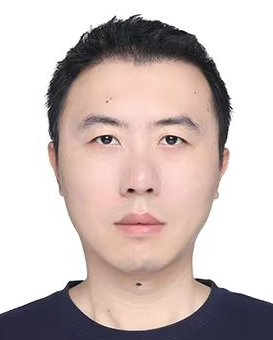 Jianzhu Ma (马剑竹)合作论文数Department of Electronic Engineering, Tsinghua University;Institute for AI Industry Research, Tsinghua University3
 Yuhong (Jesse) Li合作论文数Coordinated Science Lab, Department of Electrical & Computer Engineering, The Grainger College of Engineering, University of Illinois Urbana-Champaign3
 Xiqin Wang (王希勤)合作论文数中华人民共和国第十四届全国人民代表大会常务委员会3
 James Cheng合作论文数Department of Computer Science and Engineering, Chinese University of Hong Kong3
 Jiajun Zhu合作论文数University of Texas at Austin2Zhiyuan Lu合作论文数Department of Communication Engineering, Beijing University of Posts and Telecommunications2




