Objective: The contralateral hippocampus, a critical region for cognitive function, is often overlooked in everyday clinical practice and stroke research. This study aimed to evaluate the effect of specific antiplatelet agents on the hippocampus (ipsilateral and contralateral) during the hyperacute phase of stroke. Materials and Methods: Twelve-week-old rats were randomly assigned to four groups, each containing six rats: a cilostazol group, an aspirin group, an aspirin plus cilostazol group, and a control group. Each substance was administered for four weeks. Permanent brain ischemia was induced over 2 h using intraluminal middle cerebral artery occlusion. A neurologic examination was conducted, followed by euthanasia and histological examination of the CA1 hippocampal region. The hematoxylin and eosin stain was used to assess the total number of intact neuronal cell bodies and pyknotic nuclei, an indicator of early irreversible neuronal injury. Results: In the ipsilateral hippocampus, monotherapy with either aspirin or cilostazol significantly reduced pyknotic nuclei compared with the control group (p = 0.0016 and p = 0.0165, respectively). However, combination therapy showed no significant difference from the controls (p = 0.2375). In the contralateral hippocampus, cilostazol monotherapy demonstrated significantly reduced pyknotic nuclei (p = 0.0098), whereas aspirin monotherapy and combination therapy did not (p = 0.1009 and p = 0.9999, respectively). A cumulative analysis of both hemispheres revealed that monotherapy with aspirin or cilostazol markedly reduced injury markers (p = 0.0002 and p = 0.0001, respectively), whereas combined therapy revealed no significant benefit (p = 0.1984). A neurological assessment indicated that the most severe deficits were in the combination therapy group. Conclusions: To the best of our knowledge, this is the first study to compare acute histopathological changes in the affected and unaffected hippocampus after a stroke in a rat model. Dual antiplatelet therapy resulted in worse outcomes (histopathological and neurological) than monotherapy.
Objective: Several strategies have been described for stroke prevention, and the most commonly used medication is aspirin. Cilostazol, which is a substance with a pleiotropic effect, is still not well investigated. In this study, we aimed to delineate the effects of mono- and combinatorial pre-treatment upon neurological status and biomarkers, namely protein S100b, GFAP, procalcitonin, and galectin-3, following stroke. Methods: Twelve-week-old Sprague–Dawley rats were randomly assigned to four groups, each containing six rats: control group (normal saline), cilostazol group (30 mg/kg/daily), aspirin group (10 mg/kg/daily), and aspirin/cilostazol group. Each substance was administered by gavage for four weeks. All animals were subjected to cerebral ischemia for 2 h using intraluminal middle cerebral artery occlusion. A neurological examination was performed, serum concentrations of biomarkers were determined, and the animals were then sacrificed. Results: All treatment groups exhibited variations in the severity of immediate neurological presentation. Unlike the control group, where all rats presented with severe focal neurology or mortality, most rats in the treatment groups displayed no to moderate focal neurology. Moreover, the aspirin/cilostazol group consistently exhibited significantly lower levels in the studied biomarkers compared to other groups. Conclusions: Co-administration of cilostazol and aspirin significantly ameliorates the immediate expression of the studied biomarkers. Further large-scale studies are needed to investigate the effect of combined therapy for primary and secondary prevention of stroke, using not only serum biomarkers but other specific clinical and laboratory endpoints.
BACKGROUND:Although endovascular aortic repair (EVAR) has been increasingly used for the treatment of abdominal aortic aneurysm (AAA), rupture is still a life-threatening event in 1-5% of those treated patients. We aimed to compare the characteristics, hemodynamic status at presentation, and outcomes between patients with previous EVAR (ruptured EVAR [rEVAR]) and those with no previous aortic intervention (rWPT group) who presented with AAA rupture. METHODS:Between January 2019 and November 2023, all consecutive patients who experienced a ruptured infrarenal/juxtarenal AAA, received endovascular or open intervention and prospectively recorded in the Hellenic Vascular Registry (Greek) were analyzed. The two groups of patients (rEVAR and rWPT) were compared. RESULTS:A total of 203 patients with AAA rupture were studied. Among them, 40 patients (19.7%) had previous EVAR for AAA (rEVAR group), while the remaining (163; 80.3%) were included in the rWPT group. Patients with rEVAR were on average 5.8 years significantly older (P < 0.001). There was no significant difference regarding the hemodynamic status at presentation between rEVAR and rWPT groups. The overall mortality was 40.4% (82/203). Mortality for patients with rEVAR was 37.5% compared to 41.1% for the group of rWPT (P = 0.7). Among all patients, age (odds ratio [OR]: 1.08, 95% confidence interval [CI]: 1.04-1.12; P < 0.001), hemodynamic shock at initial presentation (OR: 6.57, 95% CI: 2.52-17.12; P < 0.001), and open repair (OR: 5.31, 95% CI: (2.33-12.08; P < 0.001) were significant prognostic factors of mortality. CONCLUSION:Our study provides evidence that patients with post-EVAR rupture are equally hemodynamically unstable at presentation compared to patients with de novo ruptures. The mortality associated with post-EVAR rupture is high and not inferior compared to that observed for de novo ruptures. Significant risk factors for a dismal outcome in the whole cohort of patients who presented with AAA rupture were age, hemodynamic shock at initial presentation, and open repair.
Objective: Late rupture after endovascular aortic aneurysm repair (EVAR) for an abdominal aortic aneurysm (AAA) is an increasing complication associated with a high mortality rate. This study aimed to analyse the causes and outcomes in patients with AAA rupture after EVAR. Methods: A multi-institutional Greek study of late ruptures after EVAR between 2008 - 2022 was performed. Primary outcomes were intra-operative and in hospital death. Results: A total of 70 patients presented with late rupture after EVAR (proportion of ruptured EVARs among all EVARs, 0.6%; 69 males; mean age 77.2 +/- 6.7 years). The mean time interval between EVAR and late rupture was 72.3 months (range 6 - 180 months). In all cases the cause of rupture was the presence of an endoleak (type I, 73%) with sac enlargement. Moreover, 34% of subjects with rupture after EVAR had been lost to follow up and 32% underwent a secondary intervention. Additionally, 57 patients (81%) were treated by conversion to open surgical repair (COSR) and the remainder by endovascular correction of endoleak (ECE). Eleven intra-operative deaths (16%) were recorded. The overall in hospital mortality rate was 41% (23% ECE vs. 46% COSR; p = .21). Of the patients who presented as initially haemodynamically stable, 23% died during hospitalisation, while the respective mortality rate for patients who presented as unstable was 78% (odds ratio [OR] 11.8, 95% con fi dence interval [CI] 3.6 - 39.1; p < .001). Multivariable logistic regression analysis revealed that severity of haemodynamic shock was the most signi fi cant risk factor for intra-operative (OR 7.15, 95% CI 1.58 - 32.40; p = .010) and in hospital death (OR 9.53, 95% CI 2.79 - 32.58; p < .001). Conclusion: These data underline the devastating prognosis of late rupture after EVAR. Haemodynamic status at presentation was an important predictive factor for death both in the ECE and COSR groups. Rigorous follow up and prompt evaluation of an unstable patient in case of rupture after EVAR is recommended.
Objective: The aim of the study was to summarize epidemiologic data about aortobronchial fistulae and compare outcomes (mortality, recurrence, reoperation) of open, staged, and endovascular repair of aortobronchial fistula. Methods: A systematic literature review was conducted to identify eligible studies published between January 1999 and December 2019. The Cochrane Library, PubMed, and Scopus databases were used as search engines. Eligible studies included articles reporting postoperative outcomes (death/follow-up). Literature review revealed only case reports and small case series, and thus, only descriptive data with data heterogeneity were available. The corresponding authors were contacted to provide additional information or outcome updates (recurrence/reoperation/death). Results: Overall, 214 patients (90 studies) underwent 271 procedures (including redo procedures and staged procedures). Most of the patients were treated by endovascular means (72.42%). Open surgical repair was performed in 21.96% and staged procedures in 5.6%. Aortobronchial fistulae were located most often in the descending thoracic aorta (zone 3 or 4) (64.6%) and in zone 2 (23.8%). Fourteen percent of aortobronchial fistulae developed after thoracic endovascular aneurysm repair. Recurrence or infection occurred in 20% (43) patients. Recurrences were, to some extent, associated with the presence of endoleak. Long-term antibiotic administration (>1 month) was instituted in 63 patients (29.4%), whereas 90 patients (42%) did not receive antibiotics beyond hospitalization. From the remaining 61 patients, 3 received lifelong antibiotics and for 58 patients data were not available. Considering outcomes, the mean follow-up was 25.1 months (0188 months) and not significantly different among treatments. Limitations: Literature review has revealed only case reports and small case series, and thus, only descriptive data were available. Randomized controlled trials are not available due to the rarity of the disease, which significantly decreases the power of the present study. Also, this study reflects significant data heterogeneity due to the nature of the analyzed manuscripts and would benefit from large patient cohort studies that have not been conducted till today. Conclusions: Aortobronchial fistula is a complex disease. Endoleaks may be involved in the development and the recurrence process, and they should not be disregarded. Considering major outcomes (length of follow-up), the available treating strategies are equal, and thus, surgeons should feel confident to apply the treatment of their choice, keeping in mind their experience, patient's age, and clinical condition.
Objective: During the COVID-19 pandemic, central venous access line teams were implemented at many hospitals throughout the world to provide access for critically ill patients. The objective of this study was to describe the structure, practice patterns, and outcomes of these vascular access teams during the COVID-19 pandemic. Methods: We conducted a cross-sectional, self-reported study of central venous access line teams in hospitals afflicted with the COVID-19 pandemic. To participate in the study, hospitals were required to meet one of the following criteria: development of a formal plan for a central venous access line team during the pandemic; implementation of a central venous access line team during the pandemic; placement of central venous access by a designated practice group during the pandemic as part of routine clinical practice; or management of an iatrogenic complication related to central venous access in a patient with COVID-19. Results: Participants from 60 hospitals in 13 countries contributed data to the study. Central venous line teams were most commonly composed of vascular surgery and general surgery attending physicians and trainees. Twenty sites had 2657 lines placed by their central venous access line team or designated practice group. During that time, there were 11 (0.4%) iatrogenic complications associated with central venous access procedures performed by the line team or group at those 20 sites. Triple lumen catheters, Cordis (Santa Clara, Calif) catheters, and nontunneled hemodialysis catheters were the most common types of central venous lines placed by the teams. Eight (14%) sites reported experience in placing central venous lines in prone, ventilated patients with COVID-19. A dedicated line cart was used by 35 (59%) of the hospitals. Less than 50% (24 [41%]) of the participating sites reported managing thrombosed central lines in COVID-19 patients. Twenty-three of the sites managed 48 iatrogenic complications in patients with COVID-19 (including complications caused by providers outside of the line team or designated practice group). Conclusions: Implementation of a dedicated central venous access line team during a pandemic or other health care crisis is a way by which physicians trained in central venous access can contribute their expertise to a stressed health care system. A line team composed of physicians with vascular skill sets provides relief to resource-constrained intensive care unit, ward, and emergency medicine teams with a low rate of iatrogenic complications relative to historical reports. We recommend that a plan for central venous access line team implementation be in place for future health care crises.
Background: The purpose of the study was the comparative assessment of ticagrelor and clopidogrel effects on carotid post-balloon injury (PBI) and on post carotid artery stenting (CAS) rate of in-stent restenosis (ISR) and in-stent thrombosis in atherosclerotic rabbits. Methods: Forty-eight New Zealand white rabbits on high-fat diet were randomized into 4 groups: A1: PBI and clopidogrel (30 mg/kg/d), A2: PBI and ticagrelor (21 mg/kg twice daily), B1: PBI, CAS, and clopidogrel (30 mg/kg/d), B2: PBI, CAS, and ticagrelor (21 mg/kg twice daily). All rabbits received orally aspirin (10 mg/kg/d) and interventions were performed in their right carotid arteries (RCAs). Optical coherence tomography (OCT) and carotid angiography were performed at end point, while platelet aggregation and lipid profile were measured. After euthanasia both carotids were obtained for histological examination. Results: In B1 group, 3 rabbits presented thrombotic total occlusion of the stents, while none such episode was observed in B2 group. The neointimal areas in RCAs, calculated by OCT, did not differ between A1 and A2 groups, and between B1 and B2 groups ( P > .05). From the histological findings, the intima/(media + intima) percentage (%) in RCAs of balloon-injured rabbits did not present any difference between groups ( P = .812). Similarly, the immunohistochemically determined accumulation of endothelial cells and macrophages on vascular walls was equivalent between groups ( P > .05). Conclusion: Following carotid balloon injury and stenting, clopidogrel and ticagrelor did not show any differential effects on the extent of neointimal formation and ISR in atherosclerotic rabbits receiving aspirin. Three thrombotic stent occlusions were noted in the clopidogrel treatment group, but this finding was not statistically significant.
Background: This review aims to collect all available data on early and late outcomes in patients undergoing fenestrated endovascular aortic aneurysm repair (F-EVAR) for pararenal or juxtarenal abdominal aortic aneurysms (AAAs). Methods: The Pubmed, Embase, Scopus and Cochrane Library databases were systematically searched to identify eligible studies. Studies reporting at least early mortality after F-EVAR in patients with pararenal or juxtarenal AAA were included. Thirty-day outcomes were defined as early, and outcomes reported after 30 days postoperatively were defined as late. Basic characteristics of all studies and demographics of patients were reported. Results: Overall, 30 studies (17 retrospective and 13 prospective) including 23,385 patients in total were included. Out of 23,385 patients, a total of 2,271 patients were treated with F-EVAR for pararenal/juxtarenal AAA. Overall, 4,216 target vessels were to be treated (data from 24 studies). Pooled early mortality reached 2.55% (ranging from 0% to 6.74%), with a pooled technical success of 96.8% (ranging from 82.8% to 100%). Regarding late outcomes, pooled allcause mortality reached 17% (ranging from 0% to 50%), 1-year primary patency was 94.6% (ranging from 91.8% to 97.1%) and reintervention rate was 10.4% (ranging from 0% to 57.4%). Mean/median follow-up ranged from 3 to 60 months. Conclusions: Early outcomes indicate that F-EVAR is a safe and efficient treatment for patients with pararenal/juxtarenal AAAs. Although long-term outcomes are acceptable, late-intervention rate remains high.
Introduction - Carotid artery angioplasty and stenting (CAS) is expanding as a method to treat carotid artery disease worldwide. Until now a combination of aspirin and clopidogrel has been used pre and post CAS. Ticagrelor, a P2Y (12) inhibitor, has an important role in coronary artery angioplasty. There is lack of evidence about the impact of ticagrelor on carotid artery disease and CAS. Our aim was the comparative evaluation of ticagrelor and clopidogrel on carotid balloon-injury and in-stent restenosis (ISR) and thrombosis in rabbits. Methods - After a pharmacokinetic study to standardise the appropriate dose of ticagrelor, we enrolled 48 New Zealand White rabbits. They were fed a high-cholesterol diet for 8 weeks prior to and up to 4 weeks following interventions in the right carotid artery (RCA). Aspirin was administered orally (10mg/kg/day) to all rabbits, beginning 7 days before the procedures and continued until euthanasia (4 weeks later). At 8th week of age, all rabbits were randomly assigned into the following equivalent (N=12) groups: A1) Balloon injury and clopidogrel (30 mg/kg/day), A2) Balloon injury and ticagrelor (21mg/kg bd), B3) Balloon injury and CAS and clopidogrel (30 mg/kg/day), B4) Balloon injury and CAS and ticagrelor (21mg/kg bd). During CAS a balloon expandable 2,25x8 mm bare metal stent was implanted in the RCA. Before euthanasia optical coherence tomography (OCT) and angiography were carried out to evaluate the patency of both carotid arteries. Blood samples to measure platelet aggregation and lipid profile were obtainedas well. Rabbits were then immediately euthanized and both carotid arteries (right-RCA and left-LCA) were excised for histological analysis. Results - Among groups, no significant differences were seen regarding balloon injury, stent implantation success rates and platelet aggregation measurements (p>0.05). All groups had similar lipid levels (total cholesterol, triglycerides) and weight by the end of the study. Notably, 3 rabbits in the B3 group appeared with thrombotic total occlusion of the carotid stents and were excluded from morphometric analysis. None such episode was observed after CAS in ticagrelor-treated rabbits. In balloon injury rabbits, the OCT-calculated neointimal areas in RCAs were: A1: 4.20±0.96mm2, A2: 3.78±1.31mm2, p=0.781, while the mid-stent neointimal areas were: B1: 1.74±0.51mm2 and B2: 1.45±0.62mm2, p=0.654. The histological findings in balloon-injured rabbits were in agreement with those from OCT analysis, since the percentage of intima/(media + intima)(%) in RCA did not differ between groups: A1 (68.48±12.31%) vs A2 (64.22±13.22%) (p=0.812). Importantly the atherosclerotic lesions in non-injured LCAs did not differ between all groups (p>0.1). Conclusion - In atherosclerotic rabbits undergoing carotid artery balloon injury with or without stent implantation, clopidogrel and ticagrelor seemed to be equally effective in terms of neointimal formation and ISR prevention. . Importantly, ticagrelor treatment prevented thrombotic stent occlusions compared to clopidogrel treatment. Further studies are needed to clarify the impact of P2Y(12) inhibitors on carotid in-stent restenosis and thrombosis in humans.
Dorsalis pedis artery (DPA) aneurysms are very rare and fewer than 60 cases have been reported in the literature. Most affected patients present with false aneurysms after orthopedic surgery or trauma. Here we report an unusual case of a giant DPA pseudoaneurysm after cannulation for arterial line placement in a patient newly diagnosed with systemic lupus erythematosus (SLE). A diagnostic delay resulted in necrosis of the overlying skin. Excision of the pseudoaneurysm, ligation of the DPA, and debridement of the foot dorsum were performed, followed by a second flap coverage surgery. Although a DPA false aneurysm is rare after arterial line removal, it can cause the serious complications of skin necrosis, rupture and toe necrosis. Arterial puncture sites should be carefully monitored, especially in patients with SLE or other vasculitis.
PURPOSE:The detection of type II endoleak one month after endovascular aneurysm repair (EVAR) is usually neglected or considered benign. Aim of this report is to present a case of post-EVAR rupture, due to type II endoleak, and discuss on pathophysiology and differential diagnosis.CASE REPORT:We present a case of a 67-year-old male who was treated with EVAR for an asymptomatic abdominal aortic aneurysm and four months later, he presented with a contained rupture due to a type II endoleak. The patient was treated conservatively without any intervention with satisfying result.CONCLUSIONS:We are demonstrating conservative management as a valid therapeutic option for patients presenting with a contained post-EVAR rupture.
Introduction: Carotid endarterectomy (CEA) has been associated with an increased risk for postoperative myocardial ischemia.1 Furthermore, ankle-brachial index (ABI) has been proved to be an independent risk predictor for acute coronary events in patients with known coronary artery disease.2 However, studies evaluating the association between ABI and postoperative cardiac injury in patients undergoing vascular surgery are limited. Therefore, this study aimed to investigate a possible association between ABI and cardiac damage in patients undergoing CEA. Methods: This is a prospective clinical trial that included patients undergoing CEA for symptomatic or asymptomatic carotid artery disease. Only patients with palpable peripheral pulses of the lower extremities were included in the trial. All patients were classified into two groups: Group A (ABI ≥ 0.9) and Group B (ABI< 0.9). Patients with ABI < 0.7 and ABI > 1.3 were excluded. High-sensitivity cardiac Troponin-I (Hs-cTnI) was measured preoperatively and on the 1st and 3rd postoperative day. Cardiac damage was defined as myocardial ischemia (Hs-cTnI>40pg/ml; ABBOTT Architect®) or myocardial infarction (Hs-cTnI>40pg/ml + electrocardiographic changes or clinical symptoms).3 Results: Overall, 107 patients were included in this study (Group A: n=85; Group B; n=22). Regarding basic characteristics, only type IV carotid plaques were more frequent in Group B compared to Group A (75% versus 15%; p = 0.0003). In Group A, 4 patients presented with myocardial ischemia and 2 with infarction postoperatively although only 2 patients presented with ischemia in Group B (P = 0.669). However, when we compared troponin values among surgical days, there was a slight increase of troponin levels on the 1st day compared to preoperative levels in Group B (P = 0.049). Multivariate analysis did not reveal any independent prognostic factor for postoperative cardiac damage. Conclusion: It seems that low ABI is associated with a small increase of HS-cTnI levels on the first postoperative day after CEA in patients without signs or history of peripheral artery disease. However, it seems that it is not associated with clinically evident ischemia. Larger series are needed to confirm if ABI could be utilized as a preoperative predicting tool and in other types of vascular surgery. References1.Galyfos G, Sigala F, Karanikola E, Loizou C, Toutouzas K, Filis K. Cardiac damage after carotid intervention: a meta-analysis after a decade of randomized trials. J Anesth. 2014;28:866-872.2.Lee JY, Lee SW, Lee WS, Han S, Park YK, Kwon CH, et al. Prevalence and clinical implications of newly revealed, asymptomatic abnormal ankle-brachial index in patients with significant coronary artery disease. JACC Cardiovasc Interv. 2013;6:1303-1313.3.Camille Chenevier-Gobeaux, Éric Bonnefoy-Cudraz, Sandrine Charpentier, Monique Dehoux, Guillaume Lefevre, Christophe Meune, et al. High-sensitivity cardiac troponin assays: Answers to frequently asked questions. Arch Cardiovasc Dis. 2015:108:132-149.
The incidence of combined neurovascular injuries among patients with high-energy shoulder trauma ranges from 27% to 44%. However, the presentation of an axillary artery pseudoaneurysm (PSA) due to shoulder dislocation without an associated osseous fracture is a very rare condition. Moreover, treatment of combined neurologic and vascular injuries of the shoulder remains controversial. Additionally, minimally invasive treatments such as thrombin injection have been mainly evaluated in patients with iatrogenic femoral artery PSAs. Therefore, we aim to report a rare case of axillary artery PSA associated with brachial plexus injury after shoulder dislocation treated with percutaneous thrombin injection.
We report an unusual case of an 83-year-old man who was admitted with dizziness and repeated drop attacks. He was diagnosed with bilateral carotid artery occlusion and he underwent a left subclavian to left carotid bypass with ringed polytetrafluoroethylene graft. The patient's postoperative course was uneventful and no symptoms presented during a 6-month follow-up. Finally, we discuss on proper management of such patients.
Background: Horseshoe kidney (HSK), referring to the abnormal fusion of the lower renal poles, represents one of the most common renal anomalies. One of its most significant features is the anomalous vasculature, with a number of accessory renal arteries originating from the aorta, the mesenteric arteries, and even the iliac arteries supplying both the renal kidneys and the renal isthmus. Methods: A literature review was performed to identify and to present the most recent data regarding classification and imaging evaluation of HSK concomitant with abdominal aortic aneurysm (AAA). Furthermore, an in-depth analysis of both open surgical and endovascular repair is made for management of this rare medical condition. Results: The anomalous renal vasculature of HSK has led to the introduction of a number of classification systems, with Eisendrath's being currently the most commonly used. The concomitant presence of HSK in patients suffering from AAA plays a major role in preoperative planning, with a number of factors taken into consideration in deciding on either an open repair or an endovascular approach. Open repair requires careful decision-making between a transperitoneal and a left retroperitoneal approach to reach the aneurysm sac. In addition, technical points include the decision to divide the renal isthmus or not and the necessity of salvage or reimplantation of anomalous renal vessels. On the other hand, an endovascular approach requires careful preoperative imaging and evaluation of both the renal function and vasculature to decide on catheterization and salvage of accessory renal arteries or their exclusion. Conclusions: The concomitant presence of AAA and HSK poses a challenge for the modern vascular surgeon, who must possess all required technical skillsdboth endovascular and open repairdto deal accordingly with this rarely encountered medical condition. Preoperative determination of the perfusion pattern is necessary for the treatment strategy.
Background: This meta-analysis aimed to evaluate randomized trials (RTs) that compare outcomes among asymptomatic patients with significant carotid stenosis undergoing carotid endarterectomy (CEA) versus carotid stenting (CAS) or best medical treatment (BMT). Material and methods: The Pubmed, Embase, Scopus and Cochrane Library databases were systematically searched to identify eligible studies. Data were analyzed by using the StatsDirect Statistical software (Version 2.8.0, StatsDirect Ltd). Odds ratios (OR) were used to determine effect size, along with 95% confidence interval (CI). PRISMA guidelines for conducting meta-analyses were utilized. Results: Overall, 10 RTs including 8771 asymptomatic patients were evaluated. Compared to CAS, 30-day all stroke risk was found to be lower after CEA (pooled OR = 0.56; CI 95% [0.312-0.989]; P = 0.046). However, other early and late outcomes were not different between CEA and CAS. Furthermore, 30-day all stroke (pooled OR=3.43; CI 95% [1.810-6.510]; P= 0.0002), death (pooled OR= 4.75; CI 95% [1.548-14.581]; P= 0.007) and myocardial infarction (MI) (pooled OR = 9.18; CI 95% [1.668-50.524]; P = 0.011) risks were higher after CEA compared to BMT, as expected. Additionally, 30-day all stroke/death and all stroke/death/MI risks were higher after CEA compared to BMT aswell. Regarding long-termresults, ipsilateral stroke risk was lower after CEA compared to BMT (pooled OR = 0.46; CI 95% [0.361-0.596]; P b 0.0001) although death due to stroke risk was not different (pooled OR = 0.57; CI 95% [0.223-1.457]; P = 0.240). Unfortunately, no study comparing CAS to BMT was found. Conclusions: CEA is associatedwith a lower early all stroke risk compared to CAS although other early or late outcomes did not show any difference between the two methods. Additionally, CEA seems to have a benefit over BMT against long-term ipsilateral stroke, although early outcomes are worse after CEA. No studies are available comparing CAS to BMT alone. (c) 2018 Elsevier Inc. All rights reserved.
Chronic totally thrombosed abdominal aortic aneurysms (AAAs) comprise a rare medical situation, with only a few cases reported in literature. Optimal management has been controversial, although an early risk for rupture is present. Therefore, we present a rare case of late rupture in a patient with a totally thrombosed AAA, and we discuss proper treatment.
BACKGROUNDProper management of patients with thromboangiitis obliterans (TAO) or cannabis-associated arteritis (CAA), presenting with critical lower limb ischaemia (CLI) remains controversial, and data are limited.PATIENTS AND METHODSPatients with TAO or CAA presenting with CLI between 2011 and 2016 were retrospectively evaluated. Patients requiring primary intervention were excluded. Conservative treatment included: (a) weight-adjusted bemiparin plus six hours/day intravenous iloprost for 28 days, (b) aspirin (100 mg/day) plus cilostazol (100 mg twice/day) after discharge, and (c) strict recommendations/monitoring for smoking cessation. Main outcomes included symptom recession, ankle-brachial index (ABI) improvement, and healing of lesions at the time of discharge as well as amputation, revascularization, and abstinence rate during follow-up.RESULTSOverall, 23 patients (TAO: 15; CAA: 8) were included within six years, none of the patients reported any other factor than smoking. All patients presented with rest pain and 12 patients with ulcer or necrotic lesions. Mean ABI measurement at presentation was 0.46 ± 0.2, after 28 days of treatment, all patients showed improvement regarding clinical picture and ABI measurement (0.54 ± 0.1; p < 0.05). During follow-up, only three patients underwent bypass surgery and two patients underwent major amputation, although the smoking abstinence rate was very low (13 %).CONCLUSIONSIntravenous iloprost plus bemiparin for 28 days together with per os aspirin plus cilostazol seem to produce promising results in patients with TAO/CAA, treated for CLI, even with a low smoking abstinence rate. However, larger series are needed to further evaluate inter-group differences and potential prognostic factors.
Purpose: To evaluate inflammatory response and renal function after thoracic endovascular aortic repair (TEVAR) of lesions in the descending thoracic aorta. Methods: Thirty-two consecutive patients treated with TEVAR from January 2010 to August 2013 were enrolled in this prospective study. Two were excluded owing to dissecting thoracic aortic aneurysm (TAA) extending into the renal arteries with renal failure in one and a saccular TAA in which a multilayer flow-modulating stent was implanted in the other. This left 30 patients (28 men; mean age 68.8±5.9 years) with 28 TAAs, an aortic dissection, and an aortic ulcer for the analysis. Temperature and serum levels of white blood cells (WBCs), C-reactive protein (CRP), interleukin-10 (IL-10), IL-6, IL-8, tumor necrosis factor-alpha (TNF-α), creatinine, urea, and cystatin C were measured preoperatively and at 24 and 48 hours postoperatively. Results: Statistically significant increases in temperature and serum levels of WBCs, CRP, IL-10, and IL-6 were observed 24 and 48 hours postoperatively compared to baseline (all p<0.05). The number of endografts and the coverage of the celiac or subclavian artery did not affect the magnitude of the inflammatory response. No significant differences were observed concerning serum levels of IL-8, TNF-α, creatinine, or cystatin C from baseline to 24 or 48 hours postoperatively. Conclusion: Endograft implantation in the thoracic aorta may propagate an inflammatory response during the early postoperative period. No clinical adverse events related to the increased inflammatory response were observed. Renal function does not seem to be deteriorated after TEVAR in the descending thoracic aorta.
Background: The exact role of shunting during carotid endarterectomy remains controversial and unclear. The aim of this experimental study was to investigate to what degree carotid clamping may induce changes in the cerebral oxidative status and to focus on the relation of these changes with shunt insertion.Material/Methods: Forty New-Zealand rabbits were randomized into 4 groups: group 1 classifying animals with carotid shunt and patent contralateral carotid artery; group 2 shunt and occlusion of the contralateral carotid artery; group 3 no-shunt and patent contralateral carotid artery; and group 4 no-shunt and occlusion of the contralateral carotid artery. Blood samples were collected from the ipsilateral internal jugular vein, immediately after carotid clamping (time 0), and then at 5, 10, 15, 30, and 60 minutes afterwards. Evaluation of oxidative stress was accomplished by measuring the lag-time, representing the initial phase of oxidation, rate of accumulation (RA), showing concentration of free oxygen radical and total antioxidant status (TAS) representing antioxidant composition of serum.Results: Lag-time was significantly different in time points 0, 30 and 60 minutes within each different group. TAS was significantly different in time points 0, 15 and 60 min and RA in time points 0, 5, 10 and 60 min within each different group. 60 minutes after carotid clamping, the rate of accumulation as well as lag-time and TAS were increased in all groups, independently of using or not shunting or the presence of contralateral occlusion. After comparing groups 1, 2 and 3 regarding lag-time, TAS and RA, we did not find statistical difference among the groups at any time point. On the contrary, groups 1, 2 and 3 did show significantly different values comparing to group 4 after 60 min of occlusion.Conclusions: Our experimental work based on cerebral metabolism found a significantly higher oxidative stress in models with contralateral carotid occlusion. The use of shunt in all other models did not have any influence on oxidative response. Future human studies should focus on the relation of oxidative status and shunt insertion to determine the benefit of selective or routine shunting during CEA.
 Liapis Christos D合作论文数Univ Athens, Attikon Univ Hosp19
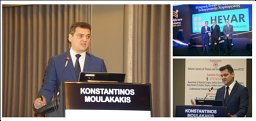 Moulakakis Konstantinos G合作论文数Univ Athens, Attikon Univ Hosp14
 Kakisis John D合作论文数Univ Athens, Attikon Univ Hosp13
 Christiana Anastasiadou合作论文数12
 George Galyfos合作论文数12
 Antonopoulos Constantine N合作论文数Univ Athens, Attikon Univ Hosp10
 Giannakopoulos Triantafillos G合作论文数University of Athens Medical School, Attikon University Hospital10
 Chrisostomos Maltezos合作论文数Medical School, University of Athens „Laiko” General Hospital9
 Elias Brountzos合作论文数Department of Descriptive-Functional Studies, National and Kapodistrian University of Athens7
 George S Sfyroeras合作论文数7Papacharalampous Gerasimos合作论文数7Sotirios Giannakakis合作论文数6
 Efthymios D. Avgerinos合作论文数6
 Ioannis Sachmpazidis合作论文数5Chris Klonaris合作论文数School of Medicine, University of Athens5Georgios Kastrisios合作论文数4
 Georgios Sachsamanis合作论文数4Katsargyris Athanasios合作论文数Department of Vascular and Endovascular Surgery, Klinikum Nürnberg4
 Nikolaos Kostomitsopoulos合作论文数4Mylonas Spyridon N合作论文数Univ Athens, Attikon Univ Hosp4
 Andreas M. Lazaris合作论文数3ème département de chirurgie, centre hospitalo-universitaire d'Athènes“Hôpital Attikon ”4Angelos Megalopoulos合作论文数3George Mantas合作论文数3Alepaki Maria合作论文数3
 George Geroulakos合作论文数Department of Surgery & Cancer, Faculty of Medicine, Imperial College London3
 Nikolaos P.E. Kadoglou合作论文数Aristotle's University of Thessaloniki3
 Petros Karakitsos合作论文数Dept Cytopathol, Univ Athens3Christos Papasideris合作论文数2Konstantinos Kikiras合作论文数2Ayman H. K. Alserr合作论文数2
 Marianna Stasinopoulou合作论文数2
 Stavros Kakkos合作论文数Department of Vascular Surgery, School of Medicine, University of Patras2Efrosyni Merkouri合作论文数2
 Sotiris Georgopoulos合作论文数LAIKON Hospital, Athens University Medical School2Anthi Travlou合作论文数2Achilles Chatziioannou合作论文数National and Kapodistrian University of Athens2Michael S. Williams合作论文数1
 Christian-Alexander Behrendt合作论文数1Mel J Sharafuddin合作论文数1Scott Sundick合作论文数1Georgios Geroulakos合作论文数1
 Varuna Sundaram合作论文数1Garrett Salzman合作论文数1ioannis vassilopoulos合作论文数1London Guidry合作论文数1Claire L. Griffin合作论文数1Ioannis Kakisis合作论文数1Amit Chawla合作论文数1
 Demetrios Moris合作论文数1




