To improve short-term particulate matter (PM) forecasts in South Korea, the initial distribution of PM composition, particularly over the upwind regions, is primarily important. To prepare the initial PM composition, the aerosol optical depth (AOD) data retrieved from a geostationary equatorial orbit (GEO) satellite sensor, GOCI (Geostationary Ocean Color Imager) which covers a part of Northeast Asia (113–146° E; 25–47° N), were used. Although GOCI can provide a higher number of AOD data in a semicontinuous manner than low Earth orbit (LEO) satellite sensors, it still has a serious limitation in that the AOD data are not available at cloud pixels and over high-reflectance areas, such as desert and snow-covered regions. To overcome this limitation, a spatiotemporal-kriging (STK) method was used to better prepare the initial AOD distributions that were converted into the PM composition over Northeast Asia. One of the largest advantages in using the STK method in this study is that more observed AOD data can be used to prepare the best initial AOD fields compared with other methods that use single frame of observation data around the time of initialization. It is demonstrated in this study that the short-term PM forecast system developed with the application of the STK method can greatly improve PM10 predictions in the Seoul metropolitan area (SMA) when evaluated with ground-based observations. For example, errors and biases of PM10 predictions decreased by ∼ 60 and ∼ 70 %, respectively, during the first 6 h of short-term PM forecasting, compared with those without the initial PM composition. In addition, the influences of several factors on the performances of the short-term PM forecast were explored in this study. The influences of the choices of the control variables on the PM chemical composition were also investigated with the composition data measured via PILS-IC (particle-into-liquid sampler coupled with ion chromatography) and low air-volume sample instruments at a site near Seoul. To improve the overall performances of the short-term PM forecast system, several future research directions were also discussed and suggested.
Viruses exploit cellular SUMOylation machinery to favour their own propagation. We show that NS5A is a target protein of small ubiquitin-like modifier (SUMO) and is SUMOylated at lysine residue 348. We demonstrated that SUMOylation increased protein stability of NS5A by inhibiting ubiquitylation, and SUMOylation was also required for protein interaction with NS5B. These data imply that SUMO modification may contribute to HCV replication. Indeed, silencing of UBC9 impaired HCV replication in Jc1-infected cells, and HCV replication level was also significantly reduced in SUMO-defective subgenomic replicon cells. Taken together, these data indicate that HCV replication is regulated by SUMO modification of NS5A protein. We provide evidence for the first time that HCV exploits host cellular SUMO modification system to favour its own replication.
Abstract Xenoreactive antibody responses were investigated in non-human primate (NHP) recipients after porcine islet transplantation (pITx). The levels of anti-αGal and anti-nonGal IgG Abs in serial sera of the recipients were measured by ELISA and flow cytometry using GalT-KO porcine endothelial cells (PECs), respectively. We detected an elicited anti-nonGal IgG response in some sera of the recipients. Through a series of work including EP of protein extracts from GalT-KO PECs, Western blot and MALDI-TOF/TOF mass spectrometry, the putative antigen was identified as bovine albumin. The sera positive of anti-nonGal Ab revealed strong IgG binding to both bovine and porcine albumin, but no binding to human albumin by ELISA. When anti-human, bovine and porcine albumin Abs were measured in pre- and post-pITx sera of 29 NHP recipient, the frequencies of the development of anti-porcine albumin IgG Abs were significantly different according to the types of immunosuppression (IS) regimen: 5/5 (100%) receiving conventional IS regimen, 2/2 (100%) receiving anti-CD154 and sirolimus and 2/21 (9.5%) receiving CD40-CD40L blockade, sirolimus and either anti-ICAM-1 or ATG (P<0.0001 vs. other groups, χ2 test). The anti-bovine albumin IgG was also detected in the sera of 6 (67%) from 9 recipients positive for elicited anti-porcine albumin IgG. These experiments indicate that anti-porcine/bovine albumin Abs are elicited in NHP recipients after porcine ITx, which can be prevented by an adequate IS.
The influence of Ag addition on the microstructure of rapidly quenched (Cu0.5Zr0.5)(100-x)Ag-x melts was investigated (x = 0-40 at.%). Fully glassy alloys were obtained for 0 <= x <= 20 at.% Ag, which are characterized by a homogeneous microstructure without any indication of phase separation. For 30 <= x <= 40 at.% Ag a composite structure is formed consisting of fcc-Ag nano-crystallites 5 nm in size and an amorphous matrix phase Cu40Zr40Ag20. With higher Ag-content the volume fraction of the fcc-Ag phase becomes increased mainly due to crytal growth during quenching. The primary formation of fcc-Ag for 30 <= x <= 40 at.% Ag is confirmed by the analysis of the microstructure of mold cast bulk samples which were fully crystalline. From the experimental results we conclude that the miscibility gap of the liquid phase of the ternary Ag-Cu-Zr system may occur only for x > 40 at.% Ag. For the bulk glass forming quaternary Cu40Zr40Al10Ag10 alloy a homogeneous element distribution is observed in accordance with the microstructure of ternary (Cu0.5Zr0.5)(100-x)Ag-x glasses (x = 10, 20 at.%). (C) 2014 Elsevier B.V. All rights reserved.
A new approach to more accurately monitor and evaluate transboundary particulate matter (PM) pollution is introduced based on aerosol optical products from Korea's Geostationary Ocean Color Imager (GOCI). The area studied is Northeast Asia (including eastern parts of China, the Korean peninsula and Japan), where GOCI has been monitoring since June 2010. The hourly multi-spectral aerosol optical data that were retrieved from GOCI sensor onboard geostationary satellite COMS (Communication, Ocean, and Meteorology Satellite) through the Yonsei aerosol retrieval algorithm were first presented and used in this study. The GOCI-retrieved aerosol optical data are integrated with estimated aerosol distributions from US EPA Models-3/CMAQ (Community Multi-scale Air Quality) v4.5.1 model simulations via data assimilation technique, thereby making the aerosol data spatially continuous and available even for cloud contamination cells. The assimilated aerosol optical data are utilized to provide quantitative estimates of transboundary PM pollution from China to the Korean peninsula and Japan. For the period of 1 April to 31 May, 2011 this analysis yields estimates that AOD as a proxy for PM2.5 or PM10 during long-range transport events increased by 117–265% compared to background average AOD (aerosol optical depth) at the four AERONET sites in Korea, and average AOD increases of 121% were found when averaged over the entire Korean peninsula. This paper demonstrates that the use of multi-spectral AOD retrievals from geostationary satellites can improve estimates of transboundary PM pollution. Such data will become more widely available later this decade when new sensors such as the GEMS (Geostationary Environment Monitoring Spectrometer) and GOCI-2 are scheduled to be launched.
We report that the formation of the heterogeneous duplex structure and its influence on the mechanical properties in Ti-Sn-Mo alloys by optimization of the Mo concentration ratio. With the addition of Mo up to 5 at.%, the colony size and the alternating lamellar phase thickness are significantly decreased and the solid state phase transformation of supersaturated beta-Ti to alpha-Ti phases is strongly suppressed. The unique heterogeneous duplex structure, which is micrometer-scale supersaturated beta-Ti solid solution phase are encapsulated by ultrafine-scale alpha-Ti/Ti3Sn lamellar phases along the beta-Ti phase boundary areas, effectively releases the stress concentration and hampers the excessive strain localization during deformation, leading to a high strength of similar to 1 GPa and a large plastic strain of similar to 30%. (C) 2013 Elsevier B.V. All rights reserved.
Estrogen receptors (ERs) play important roles in estrogen-mediated neuroprotection. However, their effects on blood-brain barrier (BBB) disruption with vasogenic edema after ischemic stroke have not been determined. We evaluated a role for ER beta in the brain without effects in the peripheral reproductive organs for the amelioration of vasogenic edema following ischemic stroke. Transient focal ischemic stroke was induced in ovariectomized female C57BL/6 mice (age 10-11 weeks) that were treated with the ER beta-selective agonist diarylpropionitrile (DPN). BBB breakdown as determined by the extravasation of endogenous immunoglobulin G (IgG), vasogenic edema, and the infarct volume was significantly reduced by DPN compared to vehicle. Protein expressions of endothelial tight junction proteins (occludin and claudin-5) and the water channel protein aquaporin 4 in the ischemic cortex were not changed by DPN. However, protein levels of vascular endothelial growth factor (VEGF) and hypoxia-inducible factor 1 alpha (HIF-1 alpha), a transcription factor that increases VEGF expression, were significantly decreased in the ischemic cortex by DPN. These results suggest that ER beta contributes to the reduction of vasogenic edema caused by BBB breakdown via the inhibition of HIF-1 alpha and VEGF following ischemic stroke. (c) 2013 IBRO. Published by Elsevier Ltd. All rights reserved.
A series of binary Ag(80-x)Cu(20+x) ultrafine eutectic composites with x = 0, 10, 20, 30 and 40 is prepared by copper mold casting in order to systematically investigate an influence of asymmetrical solubility between Ag and Cu solid solutions on the strengthening of ultrafine eutectic composites. The asymmetrical solubility of the ultrafine eutectic composites determined by the effective solubility index derived from rule of mixtures plays an important role to maintain the strength even with increasing the volume fraction of the micron-scale dendrites. Based on the results, the control of the strengthening of the ultrafine eutectic composites is governed by not only well-known volume fraction of the micron-scale dendrites but also the solubility in the micron-scale dendrites. (C) 2011 Elsevier B. V. All rights reserved.
A series of (Ti70.5Fe29.5)100−xSnx alloys with x=0, 1, 3, 5, 7 and 9 were fabricated by a suction casting into cylindrical rods with a 3 mm diameter and 50 mm length. Microstructural investigations of these alloys revealed that Sn addition was effective in modulating the phase selection, length-scale of eutectic spacing and morphology of the colony in ultrafine eutectic structures upon solidification. The spherical morphology of the ultrafine eutectic colony was effective in enhancing the plastic strain in the samples. On theother hand, the formation of the bimodal eutectic structure stemming from a large temperature difference between two eutectic temperatures had a strong influence on modulating the phase selection and length-scale of the ultrafine eutectic structures and on controlling the strength and plastic strain of the ultrafine eutectic composites.
Systematic microstructural investigations reveal that heterogeneous duplex structure in Ti-Sn and Ti-Sn-Fe alloys consisting of an array of Ti3Sn plates surrounding the duplex colony and ultrafine twin results from solid-state decomposition of supersaturated beta-Ti into alpha-Ti + Ti3Sn phases. Moreover, small addition of Fe into the Ti82Sn18 duplex alloy has a strong influence to refine the twinning in the Ti3Sn phase and interlayer spacing of the duplex structure. Such microstructural heterogeneities are effective to enhance both strength and plasticity at room temperature. Based on these results, it is possible to design the unique ultrafine duplex structure with high strength and large plasticity together by introducing the solid-state phase transformation-induced heterogeneity. (C) 2011 Elsevier B. V. All rights reserved.
To more accurately estimate direct radiative forcing (DRF) by aerosols, and better investigate particulate pollution over East Asia, precise calculations of the optical properties of aerosols, such as aerosol optical depth (AOD), single scattering albedo (SSA) and aerosol extinction coefficient (σext), are of primary importance. The aerosol optical properties over East Asia were investigated in this study, based on US EPA Models-3/CMAQ v4.5.1 model simulations. The CMAQ model simulations in this study were improved in several ways compared to those in a previous study (Song et al., 2008). Although the details of the improvements were described in the manuscript, the following points should be emphasized: (1) two data assimilation techniques were employed for producing more accurate AOD products and meteorological fields over East Asia; (2) updated/upgraded emission inventories were used in the CMAQ model simulations with a fine grid resolution of 30 × 30 km2; and (3) the 4-D particulate composition calculated from the CMAQ model simulations was converted into 3-D or 4-D aerosol optical products, using the Malm and Hand (2007) algorithm with significant further modifications. The results from the CMAQ model simulations (without assimilation) showed great improvements compared to those from a previous study. For example, in terms of the regression coefficients (R), R values were increased from 0.48–0.68 (previous study) to 0.62–0.79 (this study). The monthly-averaged CMAQ-simulated single scattering albedo (SSA) also agreed well with the AERONET SSA, with the exceptions of the Hong Kong and Taipei sites, where the air qualities were strongly influenced by active biomass burning events from January to April. There were also excellent matches between the vertical profiles of the CMAQ-simulated σext and LIDAR-retrieved σext. It was also found that the contributions of (NH4)2SO4 during summer, NH4NO3 during winter, sea-salt particles during winter and dust particles during spring to the total AOD were large over East Asia. In particular, the largest contribution of NH4NO3 to the total AOD was found over East Asia during winter. Therefore, it was suggested that this contribution of NH4NO3 should not be neglected. In order to produce more accurate AOD products, the CMAQ-simulated AODs were further assimilated with the MODIS-retrieved AODs. Both of the assimilated and AERONET AODs were better correlated with each other than the CMAQ-simulated and AERONET AODs. The obvious benefits from this study would be that with these improved aerosol optical properties, the particulate pollution (e.g. AOD can be served as a proxy to PM2.5 or PM10) and DRF by aerosols over East Asia can be more satisfactorily investigated in future.
Nanosized titanium dioxide (TiO2) is used widely in various everyday products and can be applied to the medical field for diagnostic or therapeutic tools. However, its neurobiological responses have not been defined completely in the brain. To evaluate the acute inflammatory response to TiO2 particles of two different sizes in normal and septic brains, male C57BL/6 mice were given intraperitoneal injections of fine (<1 μm) or ultrafine (21 nm) TiO2, 30 min after vehicle or lipopolysaccaride (LPS). In the normal brain, neither fine nor ultrafine TiO2 induced inflammation. However, in the brains of LPS-exposed mice, ultrafine TiO2 significantly elevated proinflammatory cytokine interleukin-1β (IL-1β) and tumor necrosis factor-α (TNF-α) mRNAs, and IL-1β protein levels. Also ultrafine TiO2 increased the levels of reactive oxygen species and activated microglia 24 h after LPS challenge. In BV2 microglial cells stimulated with LPS, ultrafine TiO2 enhanced TNF-α production and augmented nuclear factor-kB binding activity. These findings suggest that nanosized TiO2 promotes an exaggerated neuroinflammatory responses by enhancing microglial activation in the pre-inflamed brain, in part.
 Sunghee Cho合作论文数Neuroscience, Weill Cornell Graduate School of Medical Sciences, Cornell University8
 Shin J A合作论文数6Chul H. Song合作论文数5Kyung Man Han合作论文数5R. S. Park合作论文数4Young Jun Park合作论文数4
 Yongho Seo合作论文数4G. A. Song合作论文数4
 Costantino Iadecola合作论文数Graduate School of Medical Sciences, Weill Cornell Medical College;Feil Family Brain and Mind Research Institute, Weill Cornell Medical College4
 Ki Buem Kim合作论文数Department of Advanced Materials Engineering, Sejong University4Tong H. Joh合作论文数4Young Sung Ghim合作论文数4M K Shigenaga合作论文数3y w ha合作论文数3E. Suh合作论文数3H. S. Kim合作论文数3
 Ping Zhou合作论文数Feil Family Brain and Mind Research Institute, Weill Cornell Medicine, Cornell University3
 Josef Anrather合作论文数Neuroscience, Weill Cornell Graduate School of Medical Sciences, Cornell University3
 Bruce T. Volpe合作论文数Department of Neurology & Neuroscience, Weill Medical College, Cornell University;Center for Biomedical Science, Feinstein Institute for Medical Research;Institute of Molecular Medicine, Feinstein Institutes for Medical Research3
 Jung-Hun Woo合作论文数3C.-H. Hong合作论文数3
 Bruce N. Ames合作论文数Graduate School, University of California, Berkeley3Naesung Lee合作论文数Materials Research Laboratory, The Pennsylvania State University3
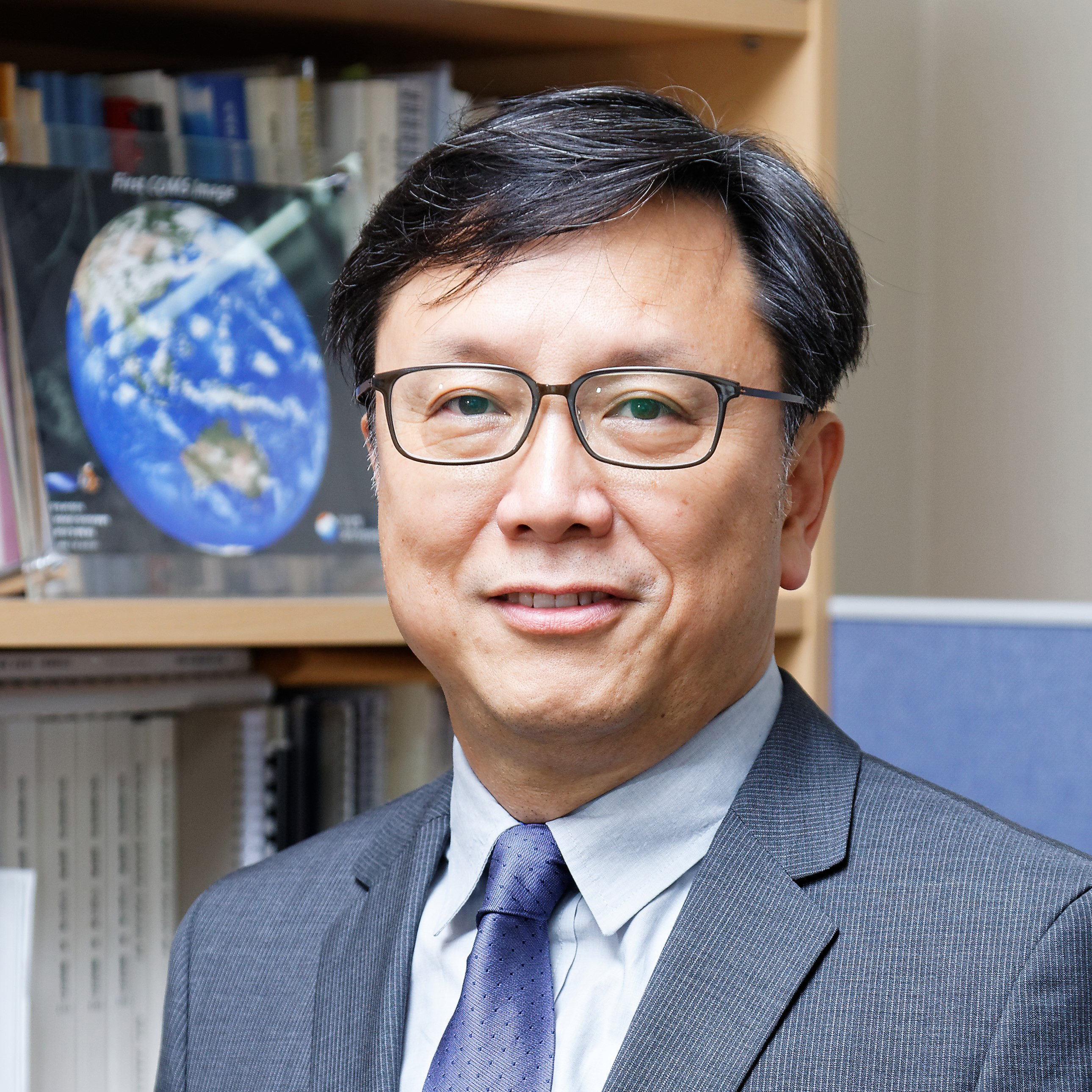 Jhoon Kim合作论文数Atmospheric Radiation Laboratory, Dept.of Atmospheric Sciences, Yonsei University3G. Racchumi合作论文数2P Degan合作论文数2kyeong ju moon合作论文数2E. S. Hwang合作论文数2jung han合作论文数2E. J. Lee合作论文数2A Yoshikawa合作论文数2
 Sojin Lee合作论文数2
 Yushin Ha合作论文数2Yoshihiko Yokoyama (横山嘉彦)合作论文数Institute for Materials Research, Tohoku University2
 Konda Gokuldoss Pradeep合作论文数Max-Planck-Institut für Eisenforschung GmbH;Materials Chemistry, RWTH Aachen University;Max-Planck-Institut für Eisenforschung GmbH, RWTH Aachen University2Norbert Mattern合作论文数Leibniz Institute for Solid State and Materials Research Dresden, Institute for Complex Materials2
 Xinqiang Wang (王新强)合作论文数Institute of Condensed Matter and Material Physics, School of Physics, Peking University2Seongmoon Seo合作论文数2
 Myung-Gyu Choi合作论文数College of Medicine # 505, The Catholic University of Korea2Jae-Bok Hwang .合作论文数2Hyung Jae Lee合作论文数2M.O. Cruz合作论文数2
 Jihee Lee Kang合作论文数Department of Physiology, Ewha Womans University2I. S. Jeong合作论文数2Yutaka Kondo合作论文数2
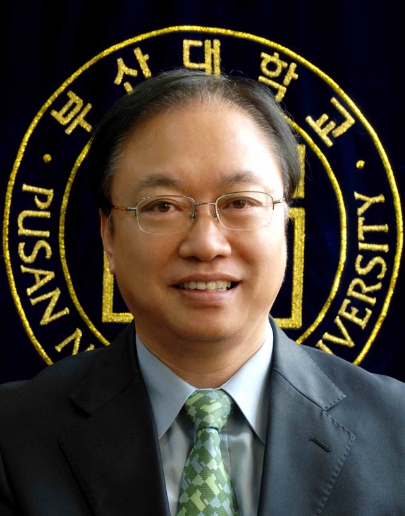 Kyung Chun Kim合作论文数Experimental Thermo-Fluids and Energy System Laboratory, School of Mechanical Engineering, Pusan National University;Department of Mechanical Engineering, Pusan National University;Department of Mechanical and Production Engineering, Pusan National University2
 Dierk Raabe合作论文数Department Microstructure Physics and Alloy Design, Max-Planck-Institut für Eisenforschung GmbH;Rheinisch-Westfälische Technische Hochschule Aachen;Katholieke Universiteit2
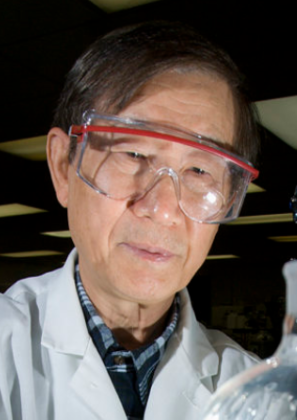 C.K. David Chu合作论文数College of Pharmacy, University of Georgia2Eun Sung Lee合作论文数2




