Understanding the structure-function relationship of carbohydrates in biological systems is a major challenge. Such investigations require fast and reliable access to structurally-defined oligosaccharides. To date, oligosaccharide synthesis has been considered technically difficult and only parts of the synthetic process have been automated using solution and solid-phase techniques. Here, we describe a versatile platform integrating a new synthesis strategy and a fully-automated oligosaccharide synthesizer. Structurally diverse conjugation-ready oligosaccharides can be generated for the creation of glycoconjugates and microarrays. Biologically-significant oligosaccharides of increasing length, structural complexity, and chemical diversity were produced, including glycans found on the surfaces of pathogenic bacteria, and those with integral roles in inflammatory and immune responses.
Nosocomial infections with the Gram-positive pathogen Clostridium difficile pose a major risk for hospitalized patients and result in significant costs to health care systems. Here, we present the chemical synthesis of a PS-II hapten of a cell wall polysaccharide of hypervirulent ribotype 027 of C. difficile. Mice were immunized with a conjugate consisting of the synthetic hexasaccharide and the diphtheria toxoid variant CRM(197). The immunogenicity of the glycan repeating unit was demonstrated by the presence of specific IgG antibodies in the serum of immunized mice. Murine monoclonal antibodies interact with the synthetic hexasaccharide, as determined by microarray analysis. Finally, we found that specific IgA antibodies in the stool of hospital patients infected with C. difficile recognize the synthetic PS-II hexasaccharide hapten.
The use of cyclic alpha,beta-unsaturated iminium-ion dienophiles is documented in two highly diastereoselective Diels-Alder (DA) reactions. The dienophilic counterion was found to have a significant effect on reactivity.
A divergent de novo synthesis of six differentially protected l-iduronic acid thioglycosides from a common advanced precursor is described. The key step of this synthetic sequence is the stereoselective elongation of dithioacetal protected C5-dialdehyde 11 via a highly diastereoselective MgBr2·OEt2-mediated cyanation. Orthogonally protected l-iduronic acid building blocks obtained by this synthesis are expected to facilitate access to differentially sulfated heparins for microarray-based structure–activity relationship studies.
AbstractChemInform is a weekly Abstracting Service, delivering concise information at a glance that was extracted from about 100 leading journals. To access a ChemInform Abstract of an article which was published elsewhere, please select a “Full Text” option. The original article is trackable via the “References” option.
The modular assembly of heparin oligosaccharides requires glucosamine building blocks with amine protecting groups for a-selective glycosylations that can be readily removed. The synthesis of N-4-nitrobenzensulphonamide (nosyl)- and N-2,4-dinitrophenyl (DNP)-protected glucosamine building blocks and their evaluation as glycosylating agents is described. The N-nosyl-protected glucosamine building blocks were challenging to prepare and their glycosylations resulted in inseparable mixtures of products. The N-DNP-protected glucosamines, however, were readily synthesized and resulted in a-selective couplings to protected L-iduronic acid derivatives.
To test the hypothesis that tetrasaccharide 3 is involved in scrapie pathogenesis, tetrasaccharide derivative 32 functionalized with an amine linker at the reducing end was synthesized. A (2 + 2) glycosylation approach was chosen to furnish the target compound in fully protected form. To investigate its biological role, tetrasaccharide 32 was further functionalized to the corresponding thiol 33 using Traut's reagent. During the course of the synthesis, the N,N-diacetyl protecting group proved surprisingly labile to radical and acidic conditions.
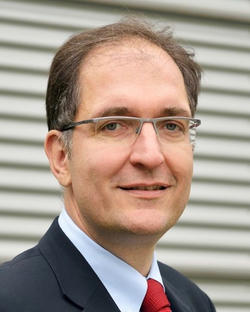 Peter H. Seeberger合作论文数Center for the Transformation of Chemistry;Max Planck Institute of Colloids and Interfaces;Freie Universität Berlin;Tacalyx GmbH;GlycoUniverse GmbH & Co. KGaA;Potsdam University7
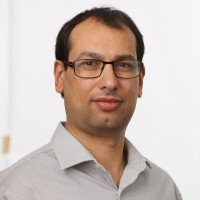 Adibekian Alexander合作论文数2
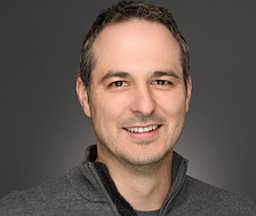 Matthias Oberli合作论文数Organisch-chemisches Institut der, Universität Zürich2
 christian noti合作论文数1Marie-Lyn Hecht合作论文数1Lukas O Dialer合作论文数1
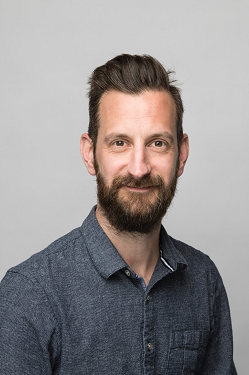 Bastien Castagner合作论文数Department of Pharmacology & Therapeutics, Faculty of Medicine and Health Sciences, McGill University1
 Speed Alexander W H合作论文数Merkert Chemistry Center, Boston College1
 Daniel Bodo Werz合作论文数Technische Universität Braunschweig1
 David A. Evans合作论文数Department of Chemistry and Chemical Biology, Harvard University1George Borg合作论文数1Eva Castagnetti合作论文数1Davide Esposito合作论文数1
 Lukas Olivier Dialer合作论文数1Lenz Kroeck合作论文数1David Marcoux合作论文数1
 Cheng-Chung Wang合作论文数1




