Speech sensorimotor adaptation is typically partial, varies across individuals, and often saturates under large auditory perturbations. While sensory and phonological factors have been proposed to explain this variability, the role of motor effort and its influence on the compensatory response remain largely unexplored. Our study examined whether the physical effort involved in producing compensatory gestures influences both the overall magnitude of adaptation and the perturbation level at which this adaptation begins to saturate. Native French speakers produced the minimal pair /ne/–/nø/ while receiving gradually upshifted second-formant (F2) feedback (0–50%) in two conditions using deformable lip tubes: a very flexible tube (FLT) and a more rigid tube (RLT), both allowing lip rounding but increasing the effort required to achieve it. Compensation was quantified acoustically (F2 decrease) and physiologically (increase in EMG activity of the orbicularis oris muscle) in 21 participants. F2 compensation increased with perturbation level but saturated earlier and at a lower magnitude when articulation required greater effort (RLT). Lip-muscle activity showed a similar nonlinear pattern, with saturation in EMG and F2 occurring at comparable perturbation levels. Variations in F1 suggested that most participants initially relied on increased lip rounding, but some shifted at higher perturbation levels toward another articulatory strategy very likely to involve tongue backing. These results show that speech adaptation depends not only on error monitoring and correction but is also constrained by the physical effort required to produce compensatory movements, which both limits the magnitude of adaptation and influences the selection of compensatory strategies.
In speech, the realization of a phoneme is influenced by its preceding and forthcoming neighbors, a phenomenon called coarticulation. While influences from past actions (carryover coarticulation) can be explained by a combination of physical causalities and motor planning, influences from future action goals can only be fully explained by active anticipatory processes in speech motor control. Current modeling accounts view coarticulation as a side effect of efficiency objectives of control or properties of the planning algorithm.Here, we propose that anticipatory coarticulation provides prospective sensory cues usable for feedback-dependent speech control. To support this notion, we characterized the dynamics of carryover and anticipatory coarticulation in three French speakers in both acoustic and articulator data as measured by Electromagnetic Articulography using General Additive Models. Our data show that anticipatory coarticulation effects dominate over carryover coarticulation effects and allow to reliably differentiate between upcoming phonemes at least 200 ms before the canonical phoneme onset.These findings are compatible with an anticipatory feedback-dependent control strategy, as sensory information about future actions is available early enough to influence ongoing actions in spite of sensorimotor delays. Such considerations weaken the necessity for fully fledged internal predictive forward models for the control of fast actions.
This study proposes an innovative method for generating patient-specific 3D models of the facial soft tissue, which can be integrated into clinical routine to predict the consequences of orthognathic surgery. This surgery, which impacts both facial aesthetics and functionality, requires precise tools tailored to each patient. To this end, a 3D face model has been developed, integrating anatomically precise bone structures (mandible and maxilla) and soft tissues (skin, fat, and muscles). This reference model is then fitted to each patient's anatomy using a nearly automatic method. This process requires only a manual selection of 34 landmarks to be performed in the clinical setting. The remainder of the patient-specific 3D model generation is fully automated from the patient's CT imaging data. Finally, a proof of concept is presented, featuring Finite Element simulations performed with Ansys APDL software, including orthognathic surgery and then muscle contractions applied to a patient-specific 3D model generated by the nearly automatic method.
This study investigates the relative weight of somatosensory and auditory feedback in the production of the French vowel /u/ in a simultaneous lip tube and formant shift perturbation. To do so, 20 native Quebec French speakers were recruited. Three experimental conditions involving a lip tube, with each displaying a different auditory condition, were devised. In the first condition, auditory feedback was corrected by canceling the auditory effects of the lip tube using a formant shift. In the second condition, the corrected auditory feedback was replaced with white noise. Finally, access to natural auditory feedback was restored. The results reveal a diversity of compensation strategies depending on the participant. Although some participants rely on auditory feedback to compensate for the lip tube, others compensate before access to natural auditory feedback is restored. It is argued that this could be performed with internal predictions of the auditory feedback using somatosensory feedback, in line, among others, with the dual stream prediction model by Tian and Poppel [J. Cognit. Neurosci. 25(7), 1020--1036 (2013)].
We present a speech motor control model that integrates optimal feedback control (OFC) for movement planning and execution with a biomechanical model of the vocal tract. The OFC model was designed to optimize a cost function that combines motor effort and the achievement of multisensory goal zones. We show that the model can account for various aspects of speech production: kinematic properties, coarticulation, and sensorimotor integration. Furthermore, we provide evidence that hearing, proprioception, and tactile feedback may play distinct roles in shaping speech trajectories.
Background and objectivesWe present a new Finite Element (FE) tongue model that was designed to precisely account for 3D tongue shapes produced during isolated French speech sounds by a male individual (RS). Such a high degree of realism will enable scientists to precisely and quantitatively assess, in a speaker-specific manner, hypotheses about speech motor control and the impact of tongue anatomy, muscle arrangements, and tongue dynamics in this context.MethodsThe shape and topology of the FE model were generated from 3D high resolution orofacial MR images of RS having his tongue in "neutral" posture. Mesh density was determined with convergence and mesh quality analyses. In a first step, muscle anatomy in the tongue was determined based on existing literature, and, in a second step, it was refined and evaluated by comparing actual and simulated 3D tongue shapes for various French speech sounds.ResultsResults are twofold. Firstly, a functional organization of the Genioglossus muscle into 4 parts is proposed which, on the one hand, is compatible with anatomical observations of the human tongue, and, on the other hand, goes beyond this anatomical account to faithfully reproduce the 3D tongue shape observed for RS in vowel /i/. Secondly, the realism of this implementation is demonstrated by the good match obtained for other isolated French sounds between actual and simulated tongue shapes. These simulations also inform us about the recruitment of tongue muscles for the main French speech sounds. Recruitment patterns are consistent with findings from the literature including both EMG measurements and model-based simulations.ConclusionThe new model is made freely available, along with the data. Combined with mathematical tools that transform the tongue model cloning RS tongue into other models that account for the morphology of various individuals, the model can be a powerful tool to investigate healthy and pathological speech from various perspectives.
A quick correction mechanism of the tongue has been formerly experimentally observed in speech posture stabilization in response to a sudden tongue stretch perturbation. Given its relatively short latency (< 150 ms), the response could be driven by somatosensory feedback alone. The current study assessed this hypothesis by examining whether this response is induced in the absence of auditory feedback. We compared the response under two auditory conditions: with normal versus masked auditory feedback. Eleven participants were tested. They were asked to whisper the vowel /e/ for a few seconds. The tongue was stretched horizontally with step patterns of force (1 N during 1 s) using a robotic device. The articulatory positions were recorded using electromagnetic articulography simultaneously with the produced sound. The tongue perturbation was randomly and unpredictably applied in one-fifth of trials. The two auditory conditions were tested in random order. A quick compensatory response was induced in a similar way to the previous study. We found that the amplitudes of the compensatory responses were not significantly different between the two auditory conditions, either for the tongue displacement or for the produced sounds. These results suggest that the observed quick correction mechanism is primarily based on somatosensory feedback. This correction mechanism could be learned in such a way as to maintain the auditory goal on the sole basis of somatosensory feedback.
Introduction Speech is an integral component of human communication, requiring the coordinated efforts of various organs to produce sound (Titze Alipour, 2006). The glottis region, a key player in voice production, assumes a crucial role in this intricate process. As air, emanating from the lungs in a confined space, interacts with the vocal folds (VFs) within the human body, it gives rise to the creation of voice (Alipour Vigmostad, 2012). Understanding the mechanical intricacies of this process is very important. Studying VFs in vivo situations is hard work. However, the orientation, shape and size of VFs fibers have been extracted with synchrotron X-ray microtomography. (Bailly et al., 2018) The investigation of mechanical properties of both human and animal VFs has been carried out through various methodologies in the literature. The mechanical properties of VFs have been studied using the uniaxial extension test (Alipour Vigmostad, 2012) assuming a linear behavior, while the nonlinearity and anisotropy of VFs has been determined using a multiscale method as in Miri et al. (2013). Pipette aspiration has also been used to extract in vivo elastic properties of VFs (Scheible et al., 2023). Mechanical behavior of VFs layers in tension, compression and shear has been studied. (Cochereau et al., 2020). Fluid-structure interaction (FSI) simulations provide a valuable tool to gain a deeper understanding of voice production (Ghorbani et al. 2022). These simulations allow us to model the dynamic interplay between the VFs and air. Our research focuses on investigating the mechanical properties of canine vocal folds and utilizing these findings in an FSI simulation. Through this simulation, we aim to unravel how these mechanical properties affect voice production.Methods To investigate the mechanical properties of canine VFs, an in vitro study was conducted involving 6 mixedbreed dogs. The samples were harvested from canine cadavers euthanized for reasons unrelated to this study. In the following, the VFs were harvested and tested upon 3-4 hours post-animal sacrifice. Experimental trials were carried out using the STM-1 device (SANTAM Co.), equipped with a 100 kg load cell. Seven uniaxial tensile tests were done on each sample, with displacement rates of 1, 5, 10, 20, 40, 60, and 120 mm/min. The very slow rate of 1 mm/min was chosen to assess only elastic properties eliminating viscosity effects. Various hyperelastic models were used to fit the experimental data. Subsequently, for each model, both the mean and standard deviation (SD) were determined for the hyperelastic model parameters and their residuals. For FSI analysis we used a simplified laryngeal model as a hollow cylinder with a diameter of 50 mm and a thickness of 3 mm. The overall length of the larynx was set at 100 mm. The VFs were modeled as a circular disc with a small elliptical fissure in the midst of the cylinder section. Boundary conditions were established based on pressure differentials, with the inlet gauge pressure set at 1200 Pa and the relative pressure at the outlet set to 0. To account for the turbulent nature of airflow within the larynx, we employed the K-epsilon method to solve the motion differential equations in a two-way fluid-structure interaction simulation using ANSYS FLUENT 2021. This approach enabled us to investigate how the acquired mechanical properties of canine vocal folds affect the FSI simulations during phonation, resulting in a more comprehensive understanding of their impact. To determine the vibrational frequency of VFs, we calculated the time it took to reach maximum displacement and then quadrupled this value to obtain the period of vibration.
Facial paralysis, i.e. the inability to activate facial muscles, results in face tissue sagging under the effect of gravity, with aesthetic and functional consequences, which deeply degrades quality of life. In order to compensate for sagging, a minimally invasive clinical procedure involves inserting and anchoring biodegradable tensor threads under the facial skin to restore tissue tension. This paper presents a proof of concept of a software tool that uses simulations with a Finite Element (FE) biomechanical model of the face in order for the surgeons to (1) predict how tensor threads mechanically interact with facial tissue and (2) visualize preoperatively in real-time the postoperative aesthetic appearance of the patient's face using a Reduced Order Model of the FE model.
Although there is no doubt from an empirical viewpoint that reflex mechanisms can contribute to tongue motor control in humans, there is limited neurophysiological evidence to support this idea. Previous results failing to observe any tonic stretch reflex in the tongue had reduced the likelihood of a reflex contribution in tongue motor control. The current study presents experimental evidence of a human tongue reflex in response to a sudden stretch while holding a posture for speech. The latency was relatively long (50 ms), which is possibly mediated through cortical-arc. The activation peak in a speech task was greater than in a non-speech task while background activation levels were similar in both tasks, and the peak amplitude in a speech task was not modulated by the additional task to react voluntarily to the perturbation. Computer simulations with a simplified linear mass-spring-damper model showed that the recorded muscle activation response is suited for the generation of tongue movement responses that were observed in a previous study with the appropriate timing when taking into account a possible physiological delay between reflex muscle activation and the corresponding force. Our results evidenced clearly that reflex mechanisms contribute to tongue posture stabilization for speech production.
As part of a long-term research project aiming at generating a biomechanical model of a fossil human tongue from a carefully designed 3D Finite Element mesh of a living human tongue, we present a computer-based method that optimally registers 3D CT images of the head and neck of the living human into similar images of another primate. We quantitatively evaluate the method on a baboon. The method generates a geometric deformation field which is used to build up a 3D Finite Element mesh of the baboon tongue. In order to assess the method's ability to generate a realistic tongue from bony structure information alone, as would be the case for fossil humans, its performance is evaluated and compared under two conditions in which different anatomical information is available: (1) combined information from soft-tissue and bony structures; (2) information from bony structures alone. An Uncertainty Quantification method is used to evaluate the sensitivity of the transformation to two crucial parameters, namely the resolution of the transformation grid and the weight of a smoothness constraint applied to the transformation, and to determine the best possible meshes. In both conditions the baboon tongue morphology is realistically predicted, evidencing that bony structures alone provide enough relevant information to generate soft tissue.
The tongue is a crucial organ for performing basic biological functions, such as chewing, swallowing and phonation. Understanding how it behaves, its motor control and involvement in the execution of these different tasks is therefore an important issue for the management and therapeutic treatment of pathologies relating to these essential functions so that quality of life can be preserved. This chapter focuses on the biomechanical modeling of this organ, as one of the key steps towards this understanding. Such a modeling will be an important tool to predict and control the functional impact of lingual surgery in the field of computer-assisted medical interventions.
Skeletal muscle modeling has a vital role in movement studies and the development of therapeutic approaches. In the current study, a Huxley-based model for skeletal muscle is proposed, which demonstrates the impact of impairments in muscle characteristics. This model focuses on three identified ions: H+, inorganic phosphate Pi, and Ca2+. Modifications are made to actin-myosin attachment and detachment rates to study the effects of H+ and Pi. Additionally, an activation coefficient is included to represent the role of calcium ions interacting with troponin, highlighting the importance of Ca2+. It is found that maximum isometric muscle force decreases by 9.5% due to a reduction in pH from 7.4 to 6.5 and by 47.5% in case of the combination of a reduction in pH and an increase of Pi concentration up to 30 mM, respectively. Then the force decline caused by a fall in the active calcium ions is studied. When only 15% of the total calcium in the myofibrillar space is able to interact with troponin, up to 80% force drop is anticipated by the model. The proposed fatigued-injured muscle model is useful to study the effect of various shortening velocities and initial muscle-tendon lengths on muscle force; in addition, the benefits of the model go beyond predicting the force in different conditions as it can also predict muscle stiffness and power. The power and stiffness decrease by 40% and 6.5%, respectively, due to the pH reduction, and the simultaneous accumulation of H+ and Pi leads to a 50% and 18% drop in power and stiffness.
 Yohan Payan合作论文数French National Research Institute, TIMC-IMAG Laboratory, EPUAP90
 Susanne Fuchs合作论文数ZAS Berlin47
 Christophe Savariaux合作论文数Institut de la Communication33
 Mohammad Ali Nazari合作论文数28Jean-Luc Schwartz合作论文数Recherches au CNRS22
 Louis-Jean Boë合作论文数Institut de la Communication19Lucie Ménard合作论文数17
 Hélène Lœvenbruck合作论文数Univ Grenoble Alpes, LPNC, Grenoble, France16
 Pierre Badin合作论文数Institut de la Communication16
 Joseph Perkell合作论文数Dept. of Speech, Language and Hearing, College of Health & Rehabilitation Sciences: Sargent College, Boston University;RLE, MIT14
 Amélie Rochet-Capellan合作论文数Institut de la Communication13
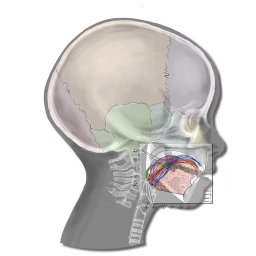 Guillaume Barbier合作论文数UMR, Blaise Pascal University13
 Monica Baciu合作论文数Laboratoire de Psychologie et NeuroCognition12Stéphanie Buchaillard合作论文数12Jana Brunner合作论文数12
 Acher Audrey合作论文数GIPSA-Lab, CNRS/ Université Grenoble-Alpes11
 Takayuki Ito合作论文数Haskins Labs Inc, New Haven, CT 06511 USA10
 Daniel Pape合作论文数10Matthieu Chabanas合作论文数TIMC - IMAG10Pierre Baraduc合作论文数10
 Jean-Francois Patri合作论文数GIPSA-Lab, Université Grenoble Alpes, 11 Rue des Mathématiques, Saint-Martin-d'Hères, F-38000, Grenoble, France. Jean-Francois.Patri@gipsa-lab.grenoble-inp.fr.9
 Julien Diard合作论文数[ home | news | mission | search | submit | schools | staff | links | faq | recently ]9
 Michel Rochette合作论文数9Rudolph Sock合作论文数Institut de Phonétique de Strasbourg;Équipe d'Accueil;Langues et Parole;Composante Parole et Cognition;Composante Parole et Cognition, Institut de Phonétique de Strasbourg9
 Mark Tiede合作论文数Brain Function Laboratory, Department of Psychiatry, Yale School of Medicine, Yale University;Haskins Laboratories9Silvain Gerber合作论文数Univ Grenoble Alpes, CNRS, Grenoble INP, GIPSA Lab, F-38000 Grenoble, France8
 Ralf Winkler合作论文数8
 Melanie Weirich合作论文数Center for General Linguistics8
 Marija Tabain合作论文数Linguistics Program, La Trobe University8Majid Zandipour合作论文数8Morgane Bourhis合作论文数7
 Tiphaine Caudrelier合作论文数Univ Grenoble Alpes, Inst Engn, GIPSA Lab, Grenoble INP,UCNRS, Grenoble, France7Jianwu Dang (党建武)合作论文数7
 Christine Mooshammer合作论文数Institut für Phonetik und Digitale Sprachverarbeitung7
 Coriandre Vilain合作论文数Speech and Cognition Department;Grenoble University;Speech and Cognition Department, Grenoble University7
 Maeva Garnier合作论文数Laboratoire d'Acoustique7Melanie L. Matthies合作论文数7Jean‐Michel Gèrard合作论文数6Tsiky Rakotomalala合作论文数6
 Liang Ma (马良)合作论文数Department of Chinese Language and Literature, Fudan University;Institute of Modem Languages and Linguistics, Fudan University6Xavier Pelorson合作论文数6
 Emilie Cousin合作论文数6Philip Hoole合作论文数Institut für Phonetik und Sprachliche Kommunikation;Munich University;Institut für Phonetik und Sprachliche Kommunikation, Munich University6Muriel Brix合作论文数5
 Celise Haldin合作论文数5
 Maxime Calka合作论文数5andrew szabados合作论文数eCortex, Inc.5Elie Cattan合作论文数university of grenoble5
 Lucile Rapin合作论文数5




